mobile-app
(82)
Bambino Sitters Knows Someone You Know
A babysitting app built its business around the oldest shortcut in childcare: ask a neighbor. The interesting part is what happened when that neighborhood became a national network.
Coach.me discovered that a checkmark needs company
The habit app began with points and became a marketplace for human encouragement. Its wager: a small daily action gets easier when someone notices.

fomo made crypto easier. Then it made trading social.
One balance, a familiar checkout, and a feed full of other people’s trades. fomo is betting that crypto’s next audience wants fewer wallet chores and more human context.

Tango Bet on the Call. The Crowd Paid for the Show.
The video-call darling raised $280 million, tried to become an everything app, and then watched its audience drift. Its second act began when the people on screen became the business.
The App That Won Quarantine and Lost the Future
Houseparty made video calling feel less like an appointment and more like wandering into a kitchen. Then the pandemic handed it the perfect world - just before its owner decided the better prize was the room, not the app.
The Car Repair Bill You Haven't Paid Yet
Good Driver Club asks careful drivers to stop paying for an abstraction. Its wager is that repair costs feel different when every dent, invoice and dollar is visible.
The Remote That Came With the Phone - and Stayed Too Long
Peel escaped a $100 piece of hardware by putting a universal remote inside the phone. The distribution trick worked spectacularly - until software people had not chosen began asking for more attention than they wanted to give.
The Four-Day App That Taught Podcasts to Answer Back
Castbox started as a holiday-weekend Android experiment. Its lasting bet was stranger and more useful: if every spoken sentence could become an index, a podcast library could behave less like radio and more like the web.
Why Uber paid $617 million for a place to park
SpotHero turned spare garage capacity into something drivers could buy before leaving home. Its $617 million sale to Uber puts a price on fifteen years of making parking less of a guessing game.
Hinge wants you to leave. The business keeps growing.
The dating app rebuilt itself around better dates, then turned that promise into a $691 million annual business. Its next test is making paid visibility, AI assistance and a timely goodbye work together.
Noom Took Nine Years to Find Its Formula. Then Ozempic Rewrote the Recipe.
The company that taught dieters to examine their habits is now prescribing medicine, scanning faces and mailing blood-test kits. Its second reinvention asks whether behavior change can remain the product when the drug works faster.
Grindr Built the Gay Internet’s Town Square. Now It Wants to Be the Whole Neighborhood.
The yellow grid solved one urgent problem with almost comic efficiency: who is nearby? Seventeen years later, Grindr is betting that the same network can sell convenience, care and community - without burying the thing people came for.
WinIt Turned New York’s Orange Tickets Into a Legal-Tech Wedge
A photo of a parking ticket became the front door to a larger business: consumer disputes, attorney access and the software plumbing behind high-volume legal work. The clever part is not the app - it is how WinIt packaged delay, paperwork and uncertainty into a workflow people will pay to avoid.

Hallow Turned Ancient Prayer Into a Consumer Habit - Here’s the Playbook and the Catch
The Chicago startup sells no new theology. It sells a better doorway into old rituals - and its mix of habit design, seasonal launches and famous voices has carried a Catholic app to nearly 24 million installs.

SonicJobs Wants to Kill the Redirect - the 12 Seconds Where Job Hunts Go to Die
Ninety-five percent of job seekers quit before they finish applying. SonicJobs built an AI agent to do the quitting-worthy part for them - and turned the recruitment industry's worst funnel into its pitch.
The Dog That Built a Sensor Company
A near-miss with a dog named Daisy turned a 30-year security engineer into an RV-sensor entrepreneur. The result is a phone dashboard that watches the things you can't - and pings you before they go wrong.
A Sister's Wedding, a Quit Job, and the App That Won't Go Free
Sharmeen Mitha-Sehgal built Appy Couple after her sister's 500-guest Mumbai wedding turned into a logistics headache. More than a decade later, it still charges couples in a market that mostly gave the software away.
AnotherBall Bet $30 Million That Your Next Face Will Be a Cartoon
The Tokyo startup turned a costly creator ritual into a one-minute phone trick. Now it has $30 million in cumulative backing, an anime studio and the harder job of proving that 200,000 curious sign-ups can become a lasting global economy.

The Turkish Word for Owner Became a Verb
Turkey's biggest marketplace started with 2,700 classified ads in 2000. A quarter century later, 'sahibinden' is how the country buys a house, sells a car, and rents an apartment - so much so that the name stopped being a website and started being a habit.

The 30-Year-Old Startup Selling You a Fender Before the Body Shop Can
Three decades in, the online auto-parts seller is betting a rebuilt AI catalog, a revived JC Whitney brand, and a $35.7 million cash infusion can turn cheap fenders into durable margins.
How a Phuket Startup Became Asia's Ticket to the World
It started with two hotel websites and a tropical hunch that Asia would book its next holiday on a phone. Two decades later, Agoda runs one of the planet's busiest travel marketplaces - and quietly powers the trips you book somewhere else.
Bumble Is Rebuilding the First Move
The women-centered dating company is shrinking its paying base on purpose, rebuilding its app with AI and betting that fewer bad interactions can lead to more real dates.
How a Wing Craving in Ohio Became America's Loudest Sports Bar
Two friends could not find a decent wing in Columbus in 1982, so they started frying their own. Four decades later the sauce list has a heat challenge, the sports bar has a takeout spinoff, and a third of the orders never sit down.
Whistle Express Car Wash
Whistle Express turned 16 regional car-wash brands into one operating system. Then a $385 million deal more than doubled its footprint - and made the humble wash tunnel a revealing lesson in subscription retail.

Blue
Blue is a Y Combinator-backed (S25) startup building a voice-first way to operate an iPhone. Its shipping product is the Blue Smart Dictation Keyboard, an iOS keyboard that turns spoken thoughts into polished text and is pitched as roughly four times faster than typing. The longer-term product is a small USB-C dongle plus app that lets you speak a task - send a follow-up, book something, reply to a thread - and have Blue open the right app and carry it out hands-free. The founding team previously worked on Google Assistant, Google DeepMind, and Apple Vision Pro.

Candle
Candle is a San Francisco-based consumer social app that helps couples and close friends grow closer in about five minutes a day through one shared, random challenge - a question, debate, drawing or photo prompt, mini game, or local date idea. Founded by ex-Apple engineer Alex Ruber and ex-Twitter/Asana engineer Parth Chopra, the Y Combinator (Fall 2024) startup pivoted from an AI shopping tool and reached over a million users and a $1M+ annual revenue run rate within roughly six months of launch.

Mixy
Mixy is a mobile app that lets anyone make music mashups in seconds - blending the vocals of one song with the beat of another, no DJ skills required. Powered by the founders' own on-device AI models, it produces real-time mixes for free and auto-credits the source artists on every share. Founded in 2025 by Joe Kennedy and Jonah Siegle and backed by Y Combinator's Fall 2025 batch, Mixy grew to 1.5M users and 18M mashups within three months of launch, hitting #1 in Music and #3 overall on the App Store.
MySivi
MySivi is a Bengaluru-based, AI-powered English-speaking practice app (Y Combinator W22) that helps Indian and global learners build spoken fluency through conversation with an AI teacher named Arya, real-time feedback on grammar and pronunciation, gamified lessons, and a peer-learning community. Originally launched as Speakify AI, it operates on a freemium model and has grown to millions of Android downloads.
Parrot
Parrot is a San Francisco-based, Y Combinator (Fall 2025) language-learning app that works like TikTok for Spanish. Learners swipe through short, native-speaker videos with tappable subtitles and an AI tutor, absorbing the language through comprehensible input rather than flashcard drills. The company positions itself as the app that actually produces speakers, aiming to turn idle scrolling into real conversational fluency.
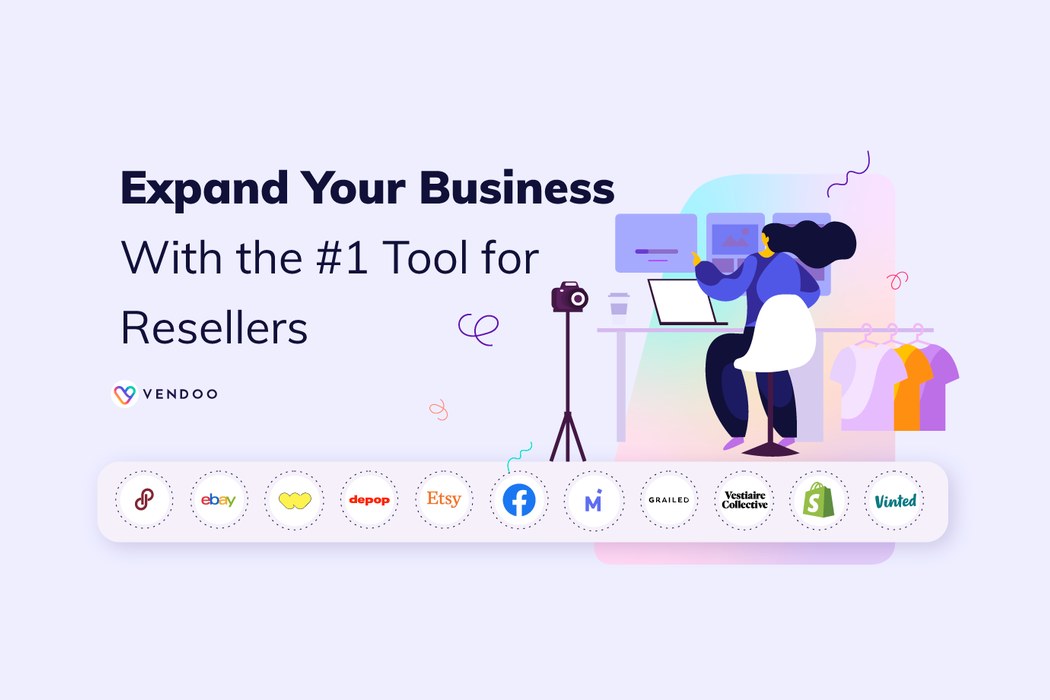
Vendoo
Vendoo is a crosslisting and inventory-management platform for online resellers. From one dashboard, sellers post a single item to 10+ marketplaces - eBay, Poshmark, Etsy, Mercari, Depop, Facebook Marketplace, Grailed, Vinted and more - and the software handles the repetitive parts: detecting a sale and auto-delisting the item everywhere else, tracking inventory, sending offers, and calculating fees and profit. Founded in 2017 and part of Y Combinator's Winter 2022 batch, Vendoo says it serves more than 81,000 resellers who have created over 26 million listings on the platform.