meta
(52)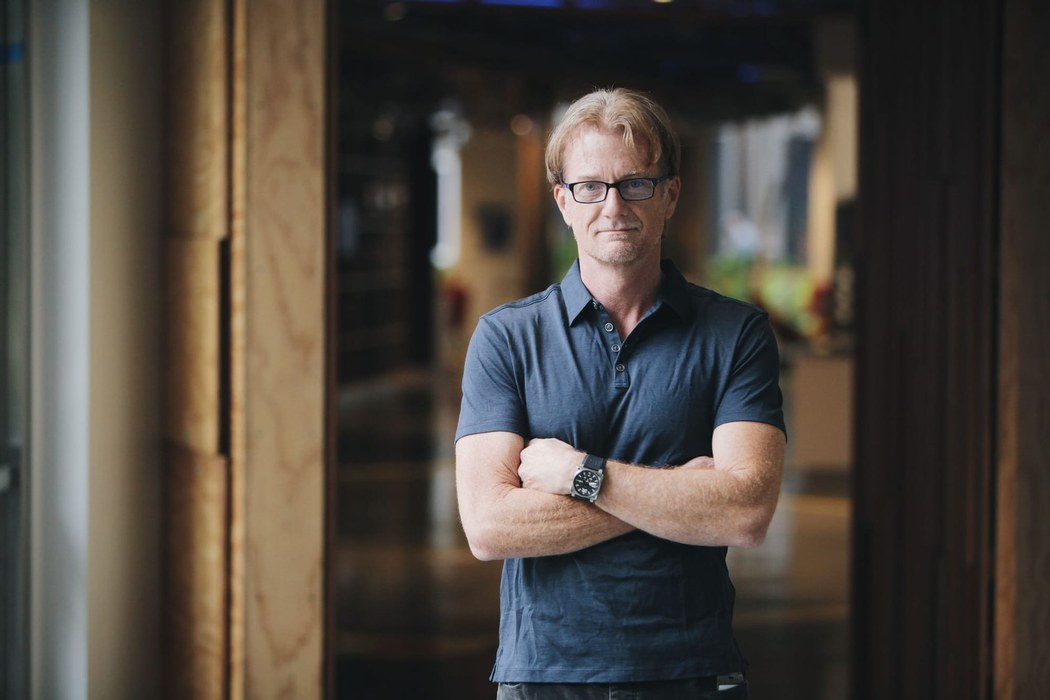
James Everingham and the Art of Getting Out of the Way
He once took a less senior job to escape management. After leading engineering at Instagram, James Everingham is building Guild.ai around a question that has followed him for decades: how do you help good work happen?
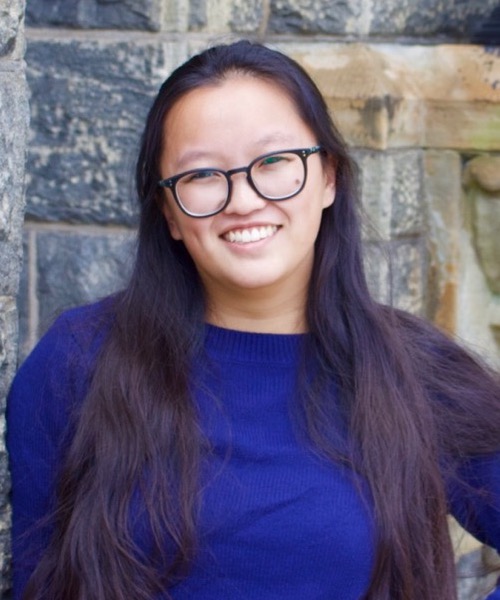
Darcy Palder and the trouble with first impressions
Before her work at Meta, Darcy Palder reported on politics, helped defend a bus route and studied in a city in revolt. Her own writing keeps returning to a deceptively difficult question: who gets to speak for whom?
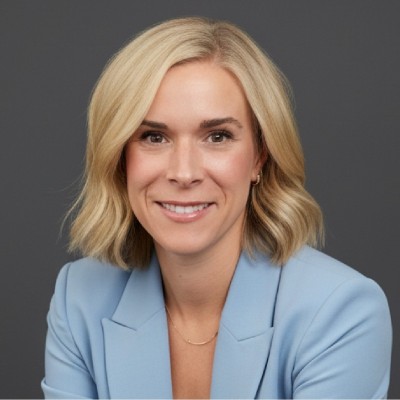
Iska Saric and the art of saying just enough
Before she spoke for Mark Zuckerberg, Iska Saric captained a rowing team and explained Google hardware. Her career offers a close look at the work behind a very public voice.
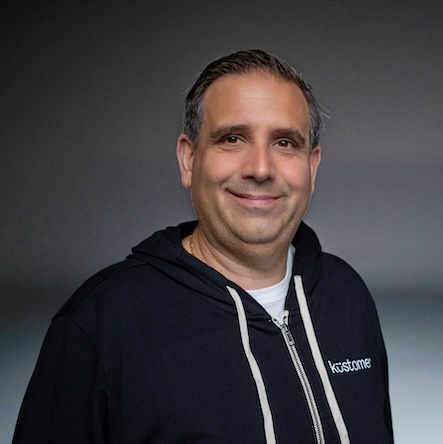
Brad Birnbaum and the unfinished business of hello
He helped put customer support on the internet, sold companies to Salesforce and Meta, and kept coming back. For Kustomer co-founder Brad Birnbaum, the next chapter begins with a familiar question: does the business remember who is asking?
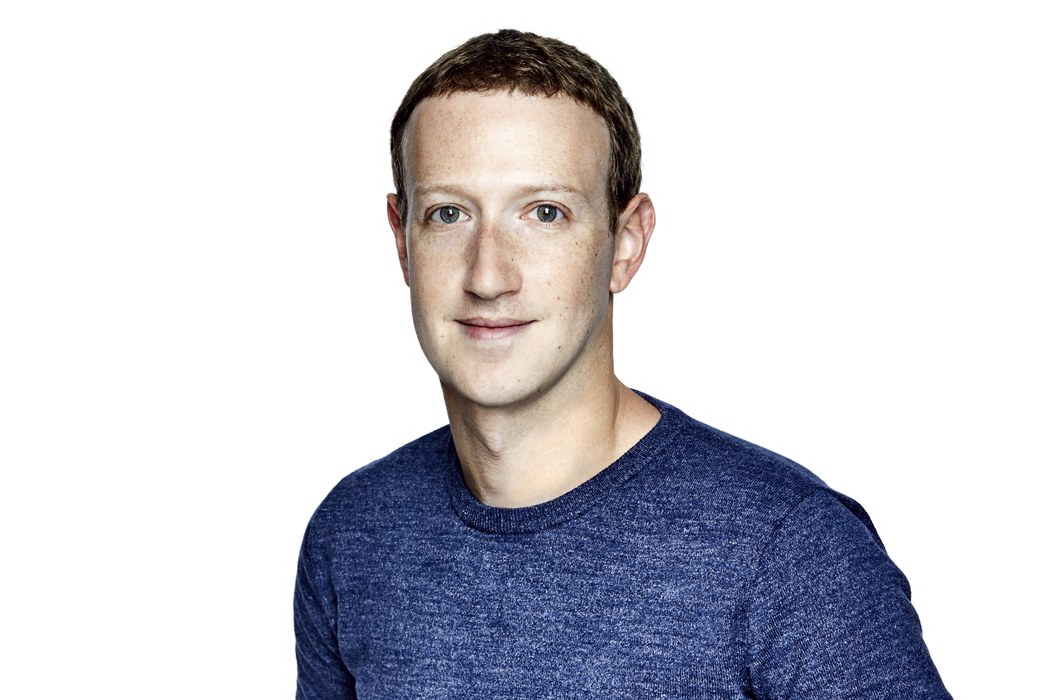
Mark Zuckerberg and the trouble with a bigger room
A college directory became a company that shapes how billions of people meet. Now Mark Zuckerberg wants to build the intelligence beside them - carrying an old argument about connection into a much more personal space.
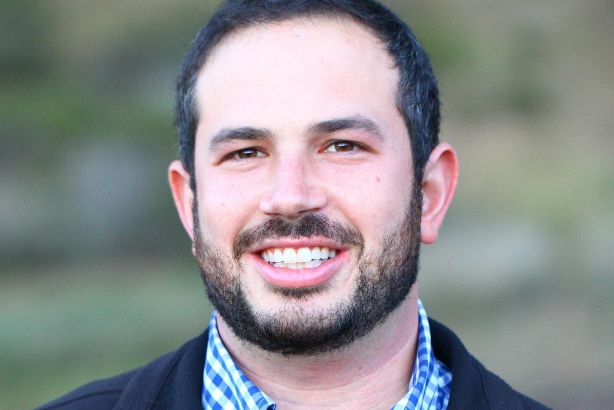
Josh Ginsberg and the trouble with being talked about
A campaign veteran helped turn the war room into Zignal Labs. His journey from presidential politics to Meta follows a stubborn question: what should you do when the world starts talking?
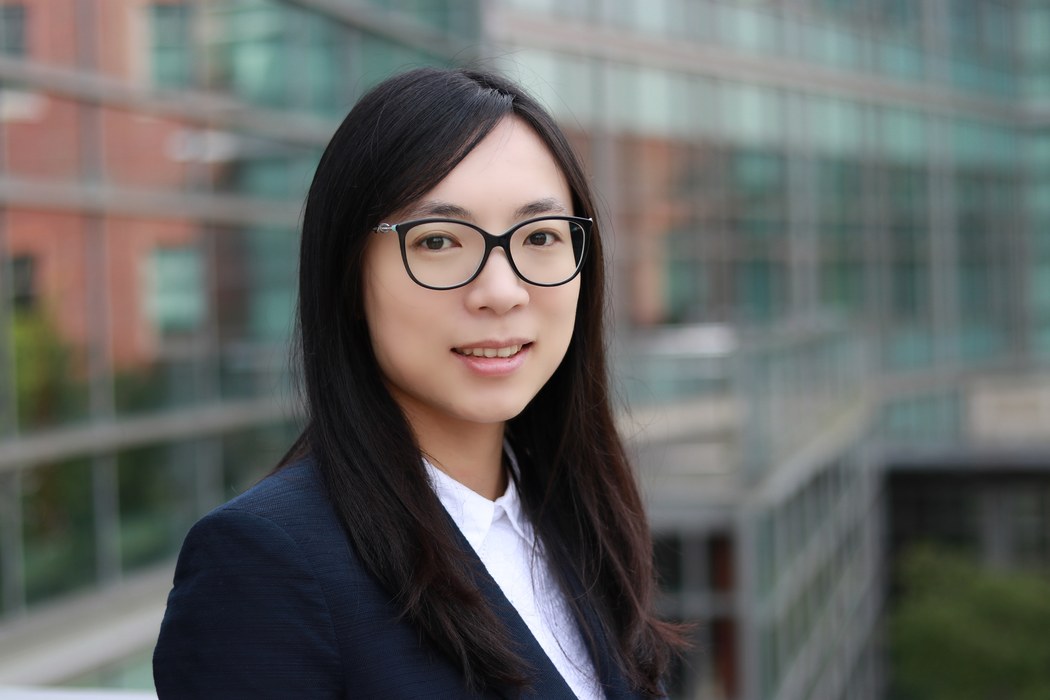
Bo Li and the stop sign that forgot how to stop
A few stickers helped Bo Li expose a weakness in machine vision. Her work has since moved from road signs to language models, a startup, and the question of who controls an AI agent with permission to act.

May Haim Kotlarsky and the human hand in the machine
Before leading The Brief, May Haim Kotlarsky co-founded an app for printable greeting cards. Her route through streaming, developer privacy, and monetization AI brings a maker’s history to the CEO’s desk.
Douglas Chen and the Art of Changing the Tool
He and a middle-school friend built a GPU company, turned it into an AI coding assistant, then made the editor itself their product. In 2025, the next turn took Douglas Chen to Google DeepMind.
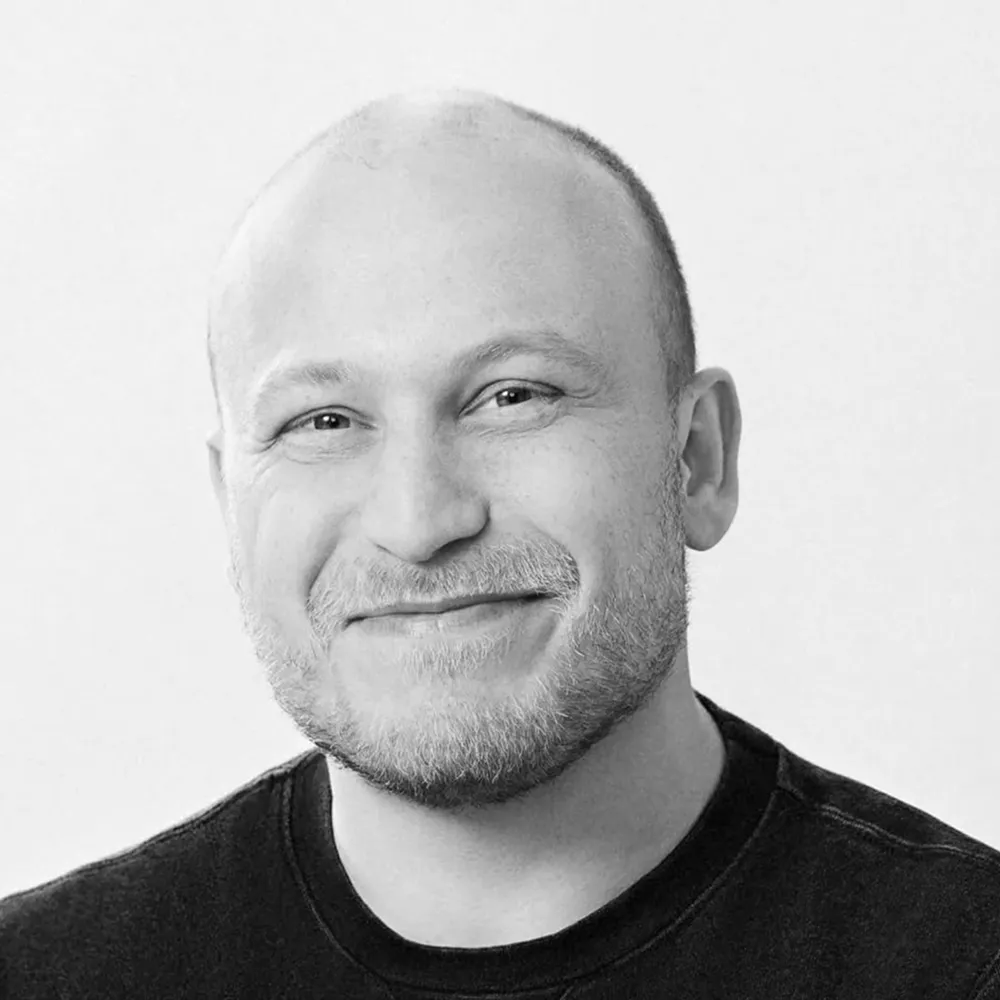
The Little Terminal Experiment That Changed Boris Cherny’s Job
He wrote a TypeScript book, helped reshape Facebook Groups, and moved to Japan for a relationship. Then a small experiment in Anthropic’s terminal became Claude Code - and gave him a new question: what should engineers do when writing code is no longer the slow part?
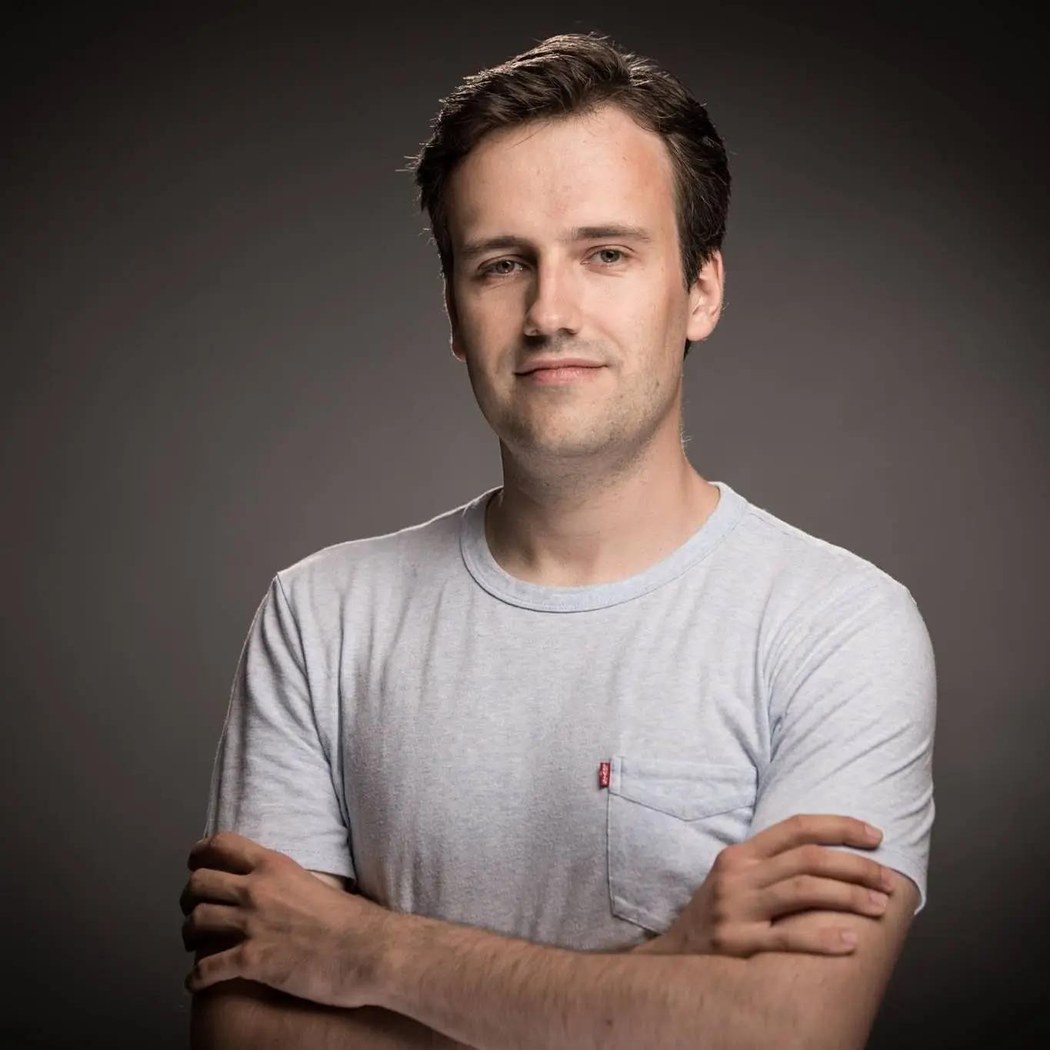
Dmytro Dzhulgakov Learned to Race Code. Now He Races AI Models.
Before he worked on the machinery behind generative AI, Dmytro Dzhulgakov was a Kharkiv student who wrote code for an Intel 8080 and competed against the world’s fastest programmers. At Fireworks AI, the contest has changed, but the clock still matters.
Benny Chen Saw the GPU Bill Before the AI Boom
Inside Meta, rising demand for machine learning compute made the future feel less like a prediction than a capacity meeting. Chen left to co-found Fireworks AI in 2022; now his argument is that useful AI must be affordable to run and specific to the job.
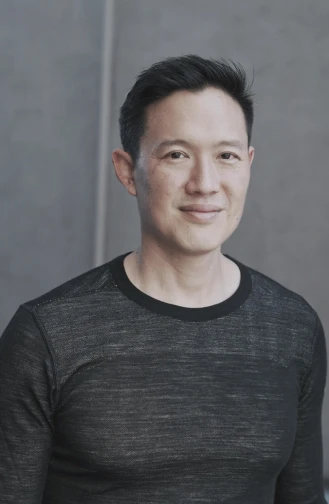
Avery Ching Built the Pipes. Now He Wants to Move the Money.
A circuit-design class sent a Honolulu student toward supercomputing. Two decades later, the systems engineer behind Facebook data infrastructure and Diem is running Aptos Labs - and arguing that the next useful blockchain will look less like a coin and more like a market.
Louis Lee Has Spent a Decade Finding the People Behind the Machines
Before Pika, Louis Lee recruited across Meta, Google and TikTok. His career makes a quiet case that the people who build the future are often found by someone who remembers what opportunity can change.
Karandeep Anand Is Turning the Chatbot Into a Story World
After two decades building platforms at Microsoft, Meta, and Brex, Karandeep Anand has a new product brief: make AI entertainment feel less like a prompt box and more like a world people can enter.
Cody Swain Is Teaching Robots to Take Notes
After two crypto startups were undone by forces outside the code, Cody Swain returned to a friendship, a workshop habit and a stubborn question: can robots learn what customers actually mean by “done right”?

Roi Tiger Is Back at the Endpoint, Where AI Meets Its Messiest Reality
After Onavo and nearly nine years inside Meta, Roi Tiger has returned to startup life with Glow - and a prevention-first bet on the unruly machines where people actually work.
Steve Arnold
Steve Arnold is the CEO of E-Line Media, the video game developer and publisher behind the BAFTA- and Peabody-winning Never Alone (Kisima Ingitchuna), Beyond Blue, and the upcoming Never Alone 2 and Neighborhoods. He has been making games professionally since 2003, starting at Electronic Arts, where he rose from production intern on the Tiger Woods PGA Tour series to Executive Producer working across EA Partners and the Origin store, with credits on Rock Band, The Beatles: Rock Band and Alice: Madness Returns. In May 2014 he joined Oculus, becoming Head of Oculus Studios in June 2016 and running the company's first-party and partner content slate through November 2019, a period covering Lone Echo, Robo Recall, The Climb, Chronos and Journey of the Gods, with partnerships spanning Epic, Insomniac, Ubisoft, Marvel and Lucasfilm. He then founded his own studio, Imagination Games, and ToyChest.AI, an early-stage venture using computer vision to let ordinary physical toys unlock content in games without special hardware. At E-Line he now leads a studio whose work sits in the permanent collection of the Museum of Modern Art and has reached more than 25 million players.

May Haim Kotlarsky
May Haim Kotlarsky is CEO, General Counsel and Board Director at The Brief (formerly Creatopy), a Romania-and-California based AI marketing platform. A lawyer by training with an LLB from Hebrew University and an LLM from Georgetown Law, she spent years leading privacy and monetization AI legal work at Meta, GitHub, and Rakuten Viki before moving into the operator seat at The Brief in July 2025.
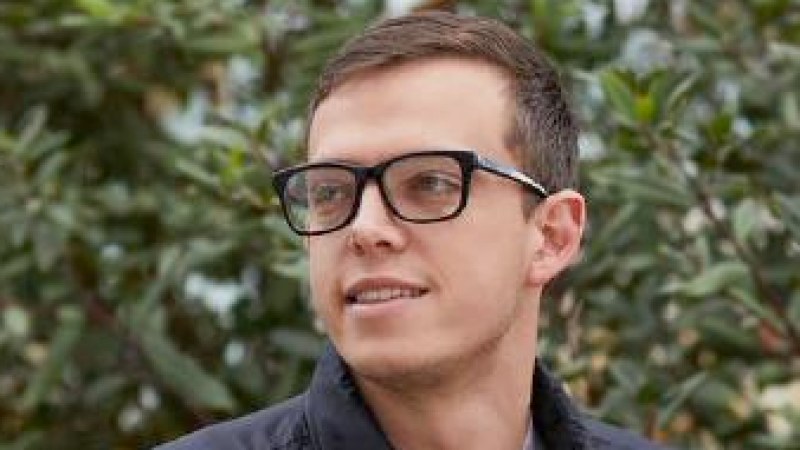
Tullie Murrell
Tullie Murrell is the CEO and co-founder of Shaped, a New York startup building a real-time retrieval engine for search, feeds, and agents. Before Shaped, Murrell spent about five years at Facebook AI Research, where he created PyTorchVideo, the leading open-source library for video understanding, and was an early core contributor to PyTorch Lightning, a training framework now used by millions of developers. The video models he led powered Facebook newsfeed ranking and Instagram Reels. In 2021 he left big-tech research to package that same personalization machinery into a self-serve product for companies without armies of ML engineers. Shaped went through Y Combinator's W22 batch and raised an $8M Series A led by Madrona Ventures in July 2024.
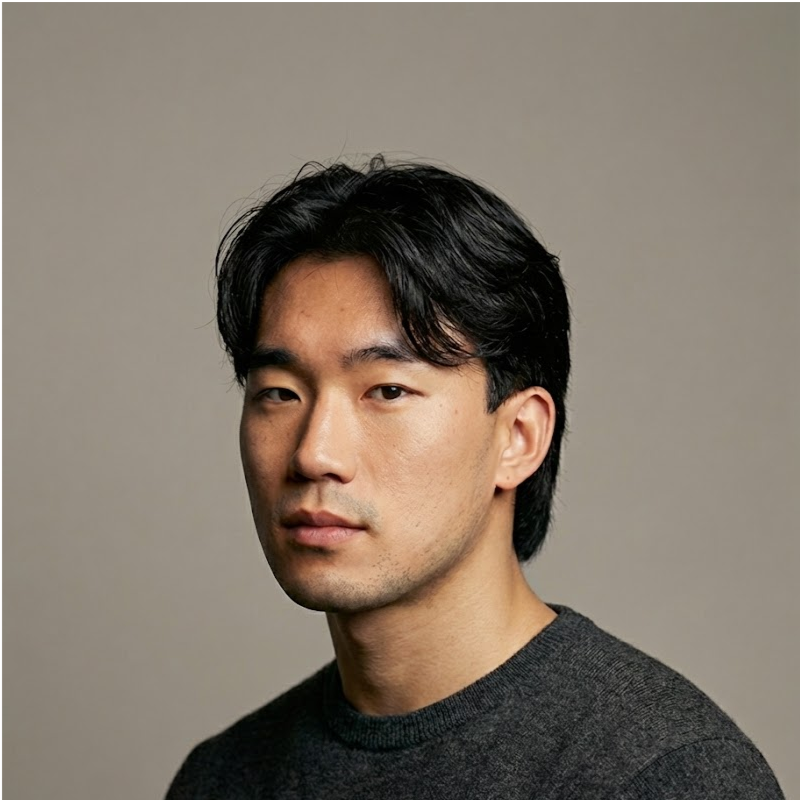
William Sun
William Sun is the co-founder and CEO of Auctor, a New York AI company building the 'system of action' for enterprise software implementation. He dropped out of Johns Hopkins - where he studied biomedical engineering and computer science - and left a job at Meta to start the company, which he built with three co-founders drawn from Google, AWS, Apple, ServiceNow and NASA. In April 2026 Auctor emerged from stealth with a $20M Series A led by Sequoia Capital, with backers including Microsoft's M12, HubSpot Ventures, Workday Ventures, OneStream, Tercera and Y Combinator. Auctor's AI agents capture discovery calls and workshops, turn them into structured requirements, and generate the artifacts - SOWs, proposals, architecture docs, user stories - that consultants used to hand-build over weeks.
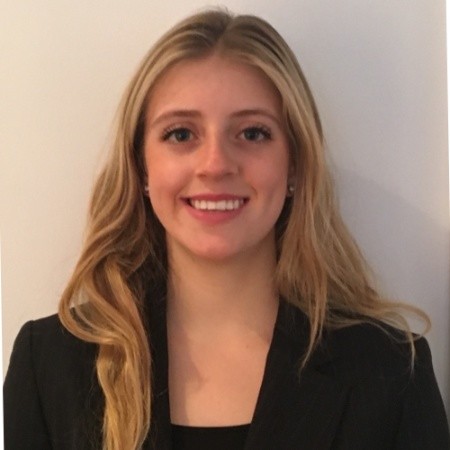
Brittainy Lovett
Brittainy Lovett is a Meta operator who works inside the Office of the CEO, one of the highest-trust seats in a 77,000-person company. A Northwestern-trained mechanical engineer who started in consulting at Deloitte, she has built a career on privacy critical incident response - the unglamorous, high-stakes work of keeping user data safe when something goes wrong. Based in New York, she is the kind of behind-the-scenes operator who makes very large machines run quietly.
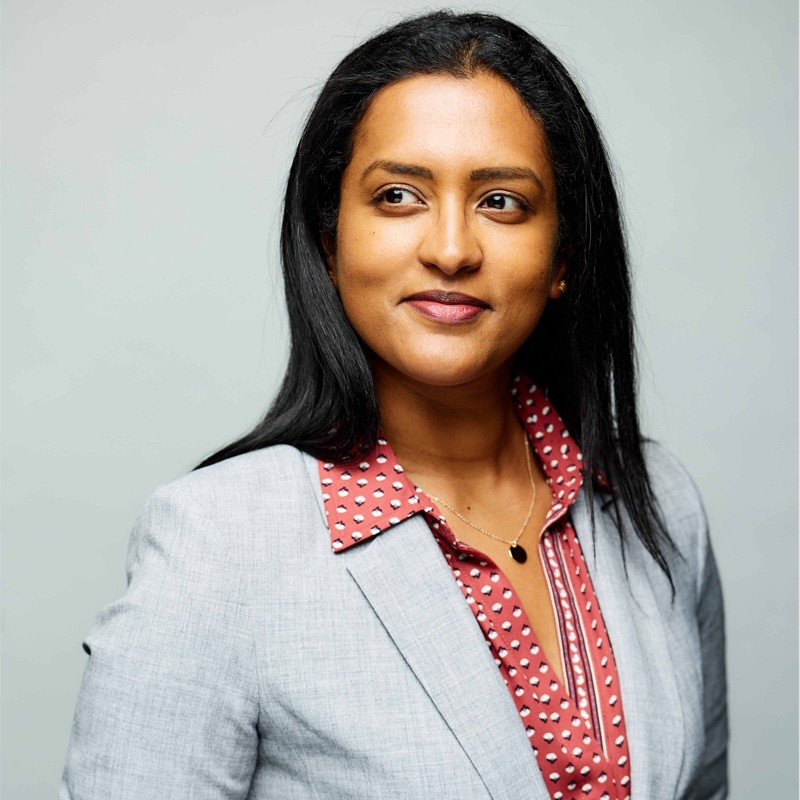
Diya Mathew
Diya Mathew is a Senior Manager for Customer Engagement Strategy in the Office of the President & COO at ServiceNow, the enterprise cloud platform company valued at over $100 billion. A graduate of Duke University's Fuqua School of Business and NIT Tiruchirappalli, she brings a rare blend of technical depth and strategic acumen forged across Cisco, Deloitte Consulting, Meta, and now ServiceNow. Based in San Francisco, she works at the intersection of executive strategy, customer engagement, and enterprise operations.

Vatsal Bhardwaj
Vatsal Bhardwaj is the founder and CEO of Jabali.ai, a Los Altos startup building a no-code, generative-AI game engine that lets anyone create and publish video games from text prompts. A 20-year product and engineering executive, he helped build the Oculus App Store at Meta (which generated $1.5B+ in cumulative revenue), led AWS Game Tech, ran Studios at Storm8, and served as Chief Product Officer at Skillz. In 2024 Jabali raised a $5M seed round led by BITKRAFT Ventures with Sapphire Ventures and Sony Innovation Fund.
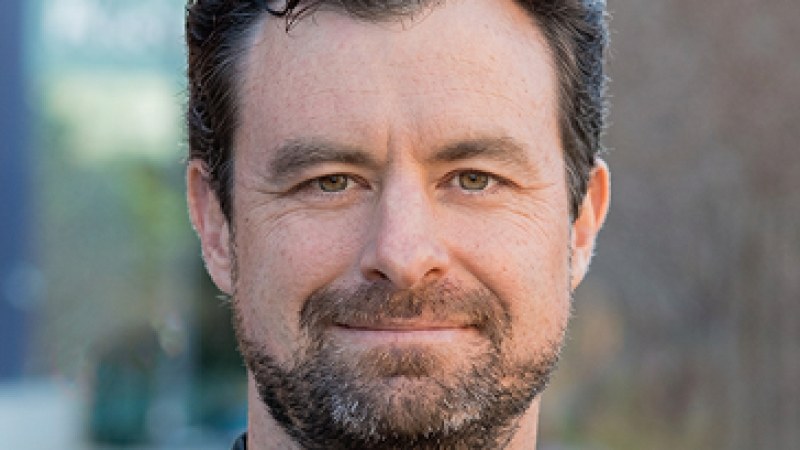
Josh Butler
Josh Butler is the founder and CEO of CompScience, a San Francisco AI company that turns ordinary workplace cameras into a real-time safety system. He was building perception software for self-driving cars when a family member was badly hurt on a construction site, and he redirected that same computer-vision technology toward stopping workplace injuries. Today CompScience detects more than 50 behavioral and environmental hazards on camera, bundles the analytics into a workers' compensation insurance product, and counts hundreds of enterprise customers across construction, manufacturing, warehousing and food service.
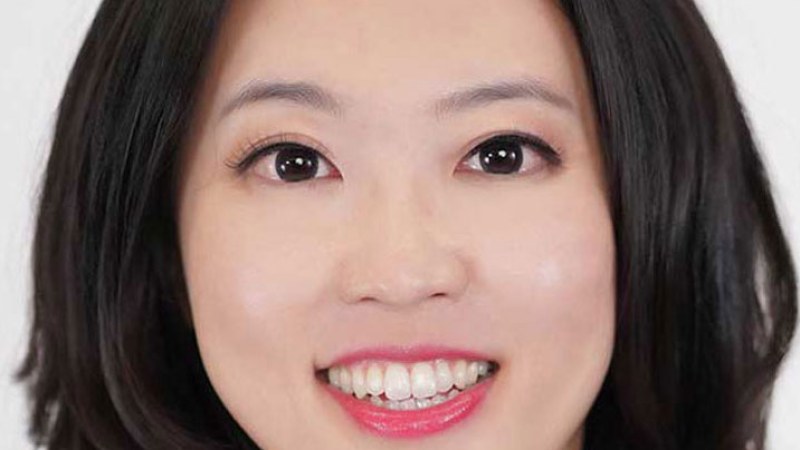
Anya Cheng
Anya Cheng is the Founder & CEO of Taelor, an AI-powered men's clothing rental and styling subscription service that raised $5M+ and ranked #1 in U.S. menswear rentals by GQ. A Taiwanese-American first-generation immigrant who spent 15+ years at Target, McDonald's, eBay, and Meta (where she helped launch Facebook Shopping), she pivoted to entrepreneurship to solve a problem she saw everywhere: busy professional men who needed to look sharp but hated shopping. Taelor combines AI trend forecasting with human stylists to deliver curated wardrobes to subscribers, tackling fashion's 30% waste problem along the way. Cheng also teaches at Northwestern's Medill School and mentors at 500 Startups.
Jerry Qian
Jerry Qian is the Co-Founder and CEO of Reacher, an AI-powered creator marketing platform headquartered in San Francisco. After stints at Meta and NASA and graduating from UC Berkeley, Qian co-founded Reacher in 2024 with Bora Mutluoglu to automate influencer discovery, outreach, and campaign management for brands on TikTok Shop, Instagram, YouTube Shopping, and Amazon. The company is a Y Combinator S25 alum, holds the #1 spot on the TikTok Shop App Store, serves 1,000+ brands including Under Armour and Logitech, and has crossed seven figures in ARR.
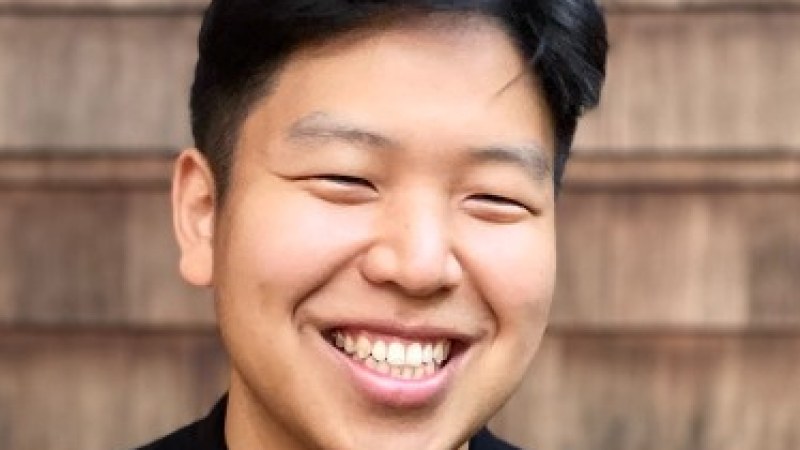
Julian Park
Julian Park is the Co-Founder and CEO of Bezi, a San Francisco-based AI assistant for Unity game developers that helps with debugging, code generation, shader creation, and prototyping through deep project-level context. A UC Berkeley computer science grad, Park cut his teeth at Facebook building WebGL design tools and then at Oculus leading VR multitasking and UI framework projects before co-founding Bezi in 2021. The company raised $13M across Seed and Series A rounds, with Benchmark leading the Series A, and has evolved from a collaborative 3D design tool into a powerful AI coding companion purpose-built for Unity pipelines.
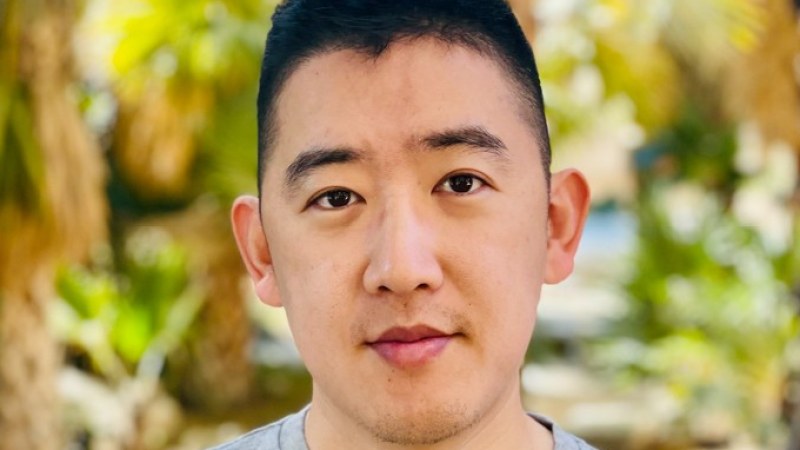
Yinan Na
Yinan Na (also known as Steven) is the co-founder and CEO of Creatify AI, an AI-powered video ad platform that lets marketers produce, test, and optimize short-form video ads in minutes. Built on a decade of engineering at Meta and Snap, Creatify crossed $9M ARR within 18 months of launch, raised a $15.5M Series A co-led by Jeffrey Katzenberg's WndrCo, and now serves over 1 million marketers across 10,000+ teams including Alibaba.com, Comcast, and Binance. Na holds a Master's in Computer Science from Stanford and a Bachelor's in Automation from Tsinghua University.
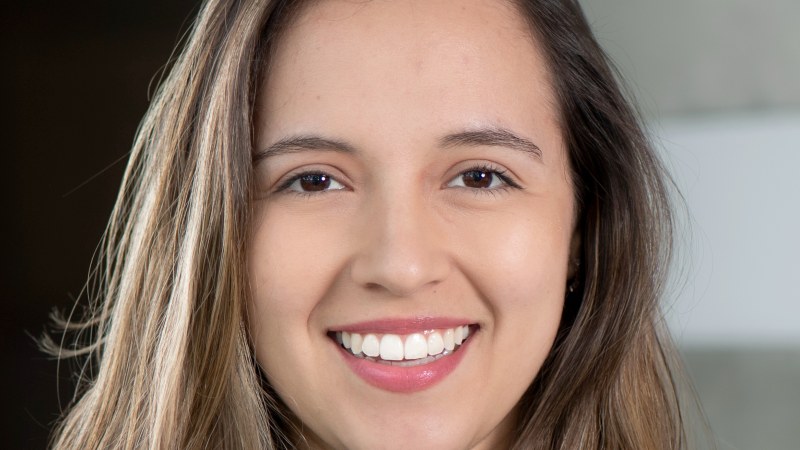
Laura Mediorreal
Laura Mediorreal is a Colombian-American entrepreneur and AI/ML product leader, currently Co-Founder & CEO of a stealth-mode startup based in San Francisco. She earned her MBA from Harvard Business School (Class of 2025) and holds degrees from Stanford University. Her career spans product management roles at Microsoft and Meta, a venture capital fellowship at True Ventures, and now building her own company at the intersection of artificial intelligence and enterprise software.