healthtech
(255)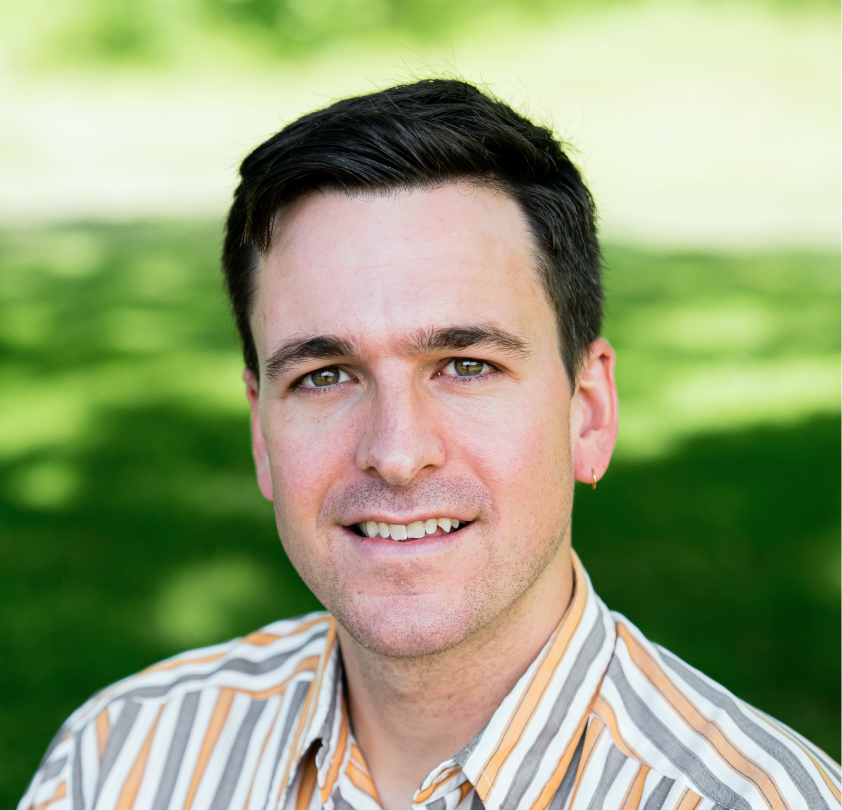
The Investor Who Stepped Inside the Machine
Meri Beckwith spent years evaluating founders. Then a baffling turn as a clinical-trial participant persuaded him to become one - and to put price, software and accountability into the same operating system.

The First iOS Hire and the One-Appointment Launch
Jason Garrett joined Maven Clinic before the scale, the funding rounds, or the global footprint. His public biography is only two lines long, but those lines open onto an eleven-year lesson in what early engineering work becomes when it stays useful.
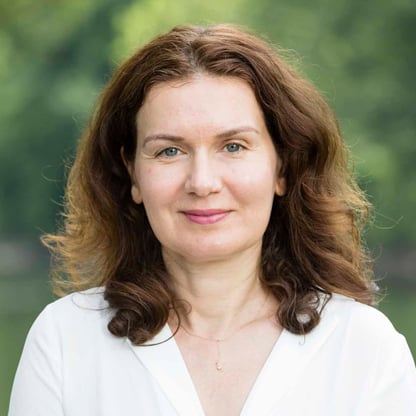
Elena Filimonova Makes Marketing Answer to the Business
She began in sales, learned finance, and built a career translating complicated technology into a business case. At Suvoda, Elena Filimonova now applies that discipline to the quiet machinery of clinical trials.
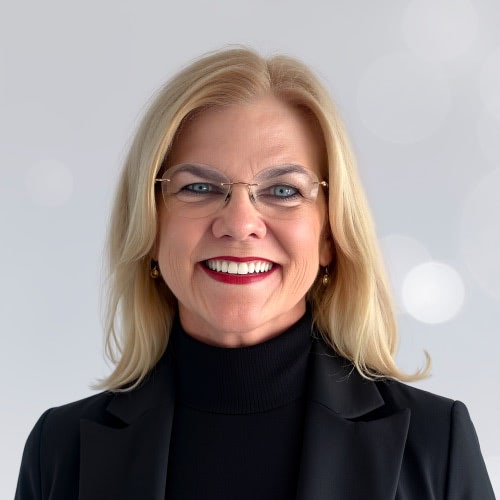
Kathy English Learned Marketing at the Bedside
A critical care nurse became the translator between hospital reality and healthcare technology. Her most useful marketing tool is still the oldest one: listening before speaking.
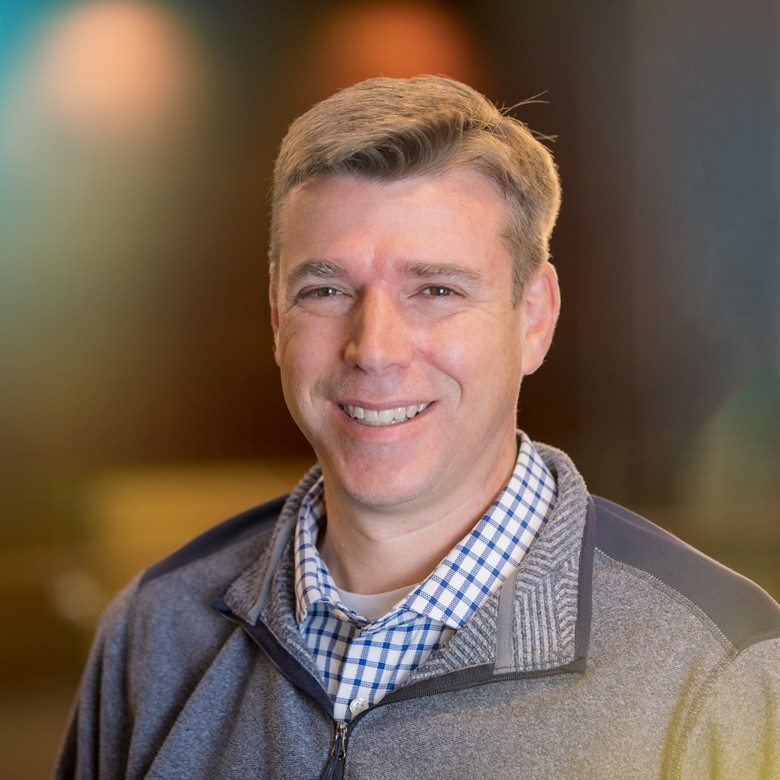
Vince Koehler’s Long Game: Make Marketing Answer to Sales
From early digital agency work to healthcare software, Vince Koehler has kept returning to one stubborn idea: useful marketing earns attention, proves its value, and helps sales close the loop.

Mariano Werner Has a Taste for the Messy Middle
The Argentine lawyer turned operator spent years advising companies, then chose to carry the consequences himself. After Lemontech and an Examedi turnaround, his next assignment is scaling Toku in Chile.
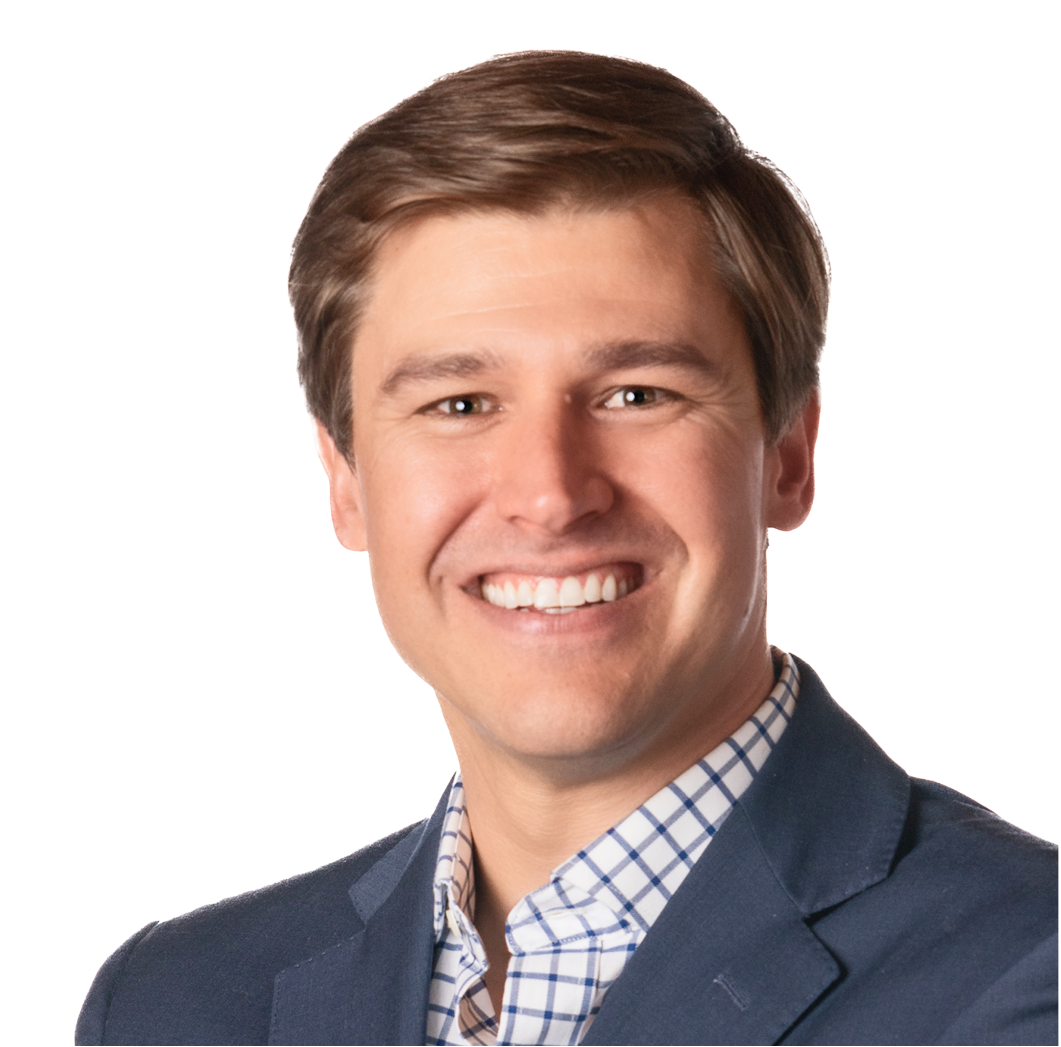
Patrick Nelli Put a CFO’s Spreadsheet at the Front Door of Primary Care
A physics graduate became a healthcare investor, an IPO-era CFO, and finally a founder. His bet is elegantly financial: pay independent doctors for value, give employees a real choice, and let better primary care earn its place on the spreadsheet.

Oliver Kharraz Is Still Fixing the Waiting Room Before You Reach It
A doctor trained to study the brain. A philosopher trained to doubt his premises. A founder who spent nearly two decades making one mundane transaction - booking an appointment - reveal the hidden machinery of American healthcare.
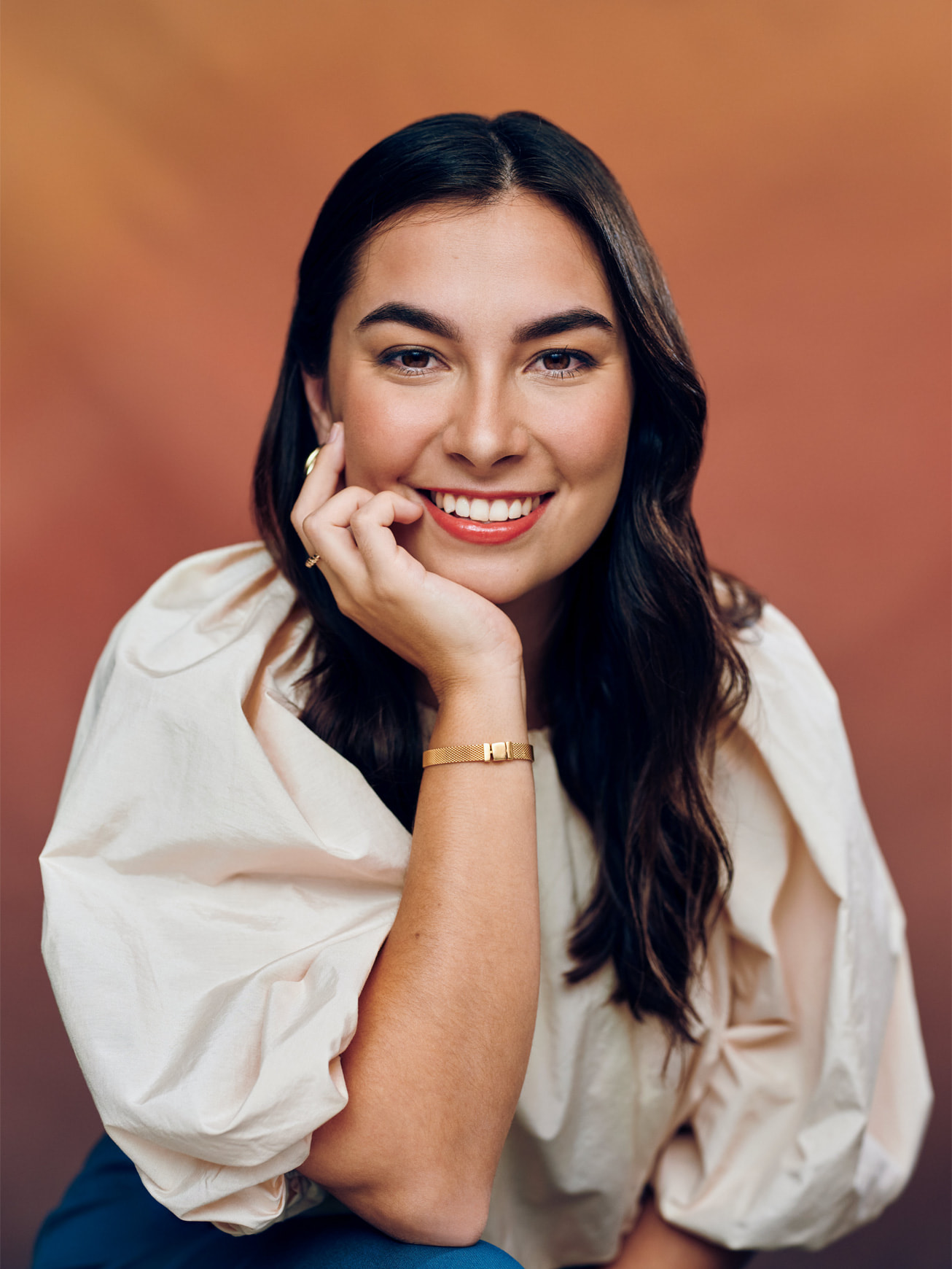
Andrea Campos Is Teaching an App to Speak Human
The Yana founder turned a hand-built chat experiment into a multilingual consumer platform. Now, from San Francisco, she is working on the harder problem: making artificial intelligence feel useful, culturally fluent and responsibly constrained.
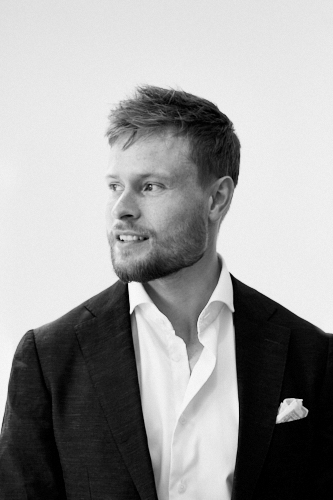
Bertram Thorslund Built Lenus by Learning When to Scale
The Lenus founder turned a Copenhagen startup into a transatlantic software company by pairing patient groundwork with unusually fast expansion. His harder assignment has been making the operating culture travel with it.
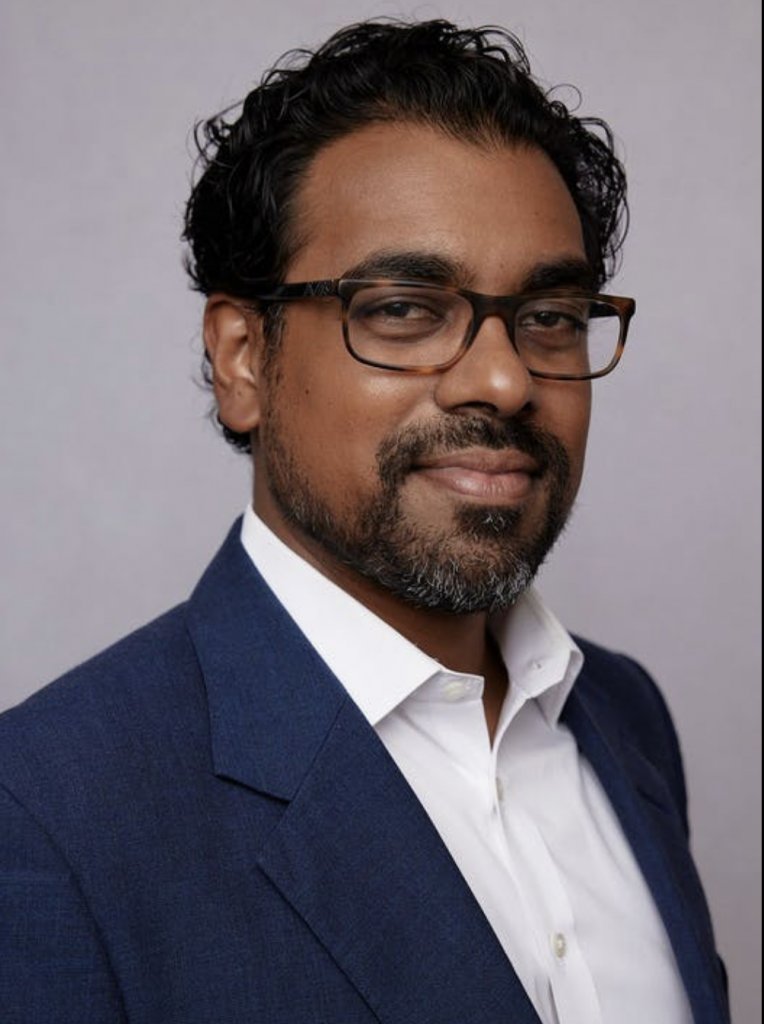
David Kuraguntla Built Alio by Learning When to Leave the First Idea Behind
A planned surgical career became a decade-long lesson in risk, reinvention and patient-centered product design. The result is Alio - and a founder’s playbook built around fast decisions, aligned incentives and the discipline to change course.
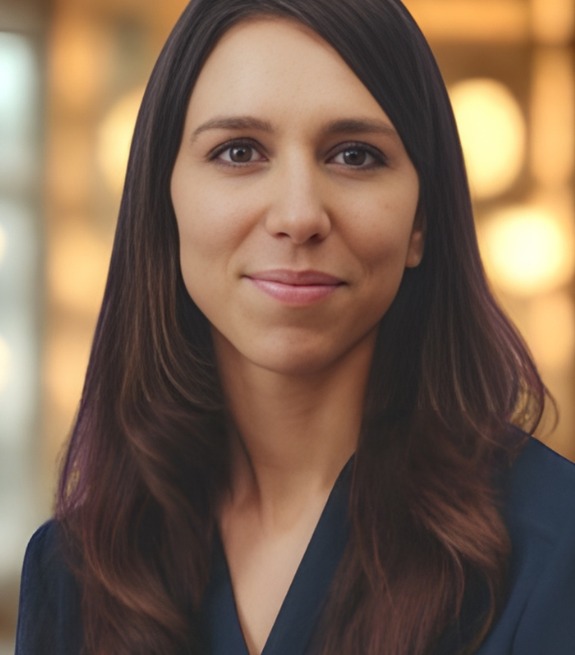
Kristen Prestano Is Teaching Health Insurance to Talk Like a Person
How a communications lifer became the marketing chief at one of health insurance's most watched companies, and why she keeps betting that clear beats clever.

Akash Magoon
He learned how insurers deny claims from the inside. Then he built the machine that fights back for the doctors.
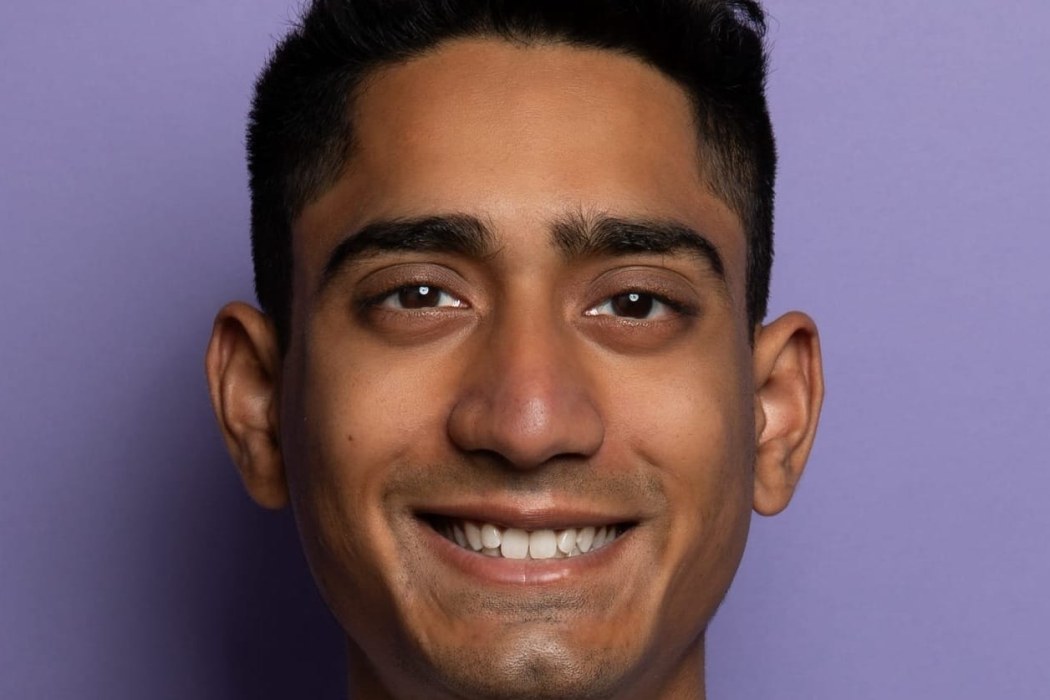
Shawn Shivdat
Shawn Shivdat is the co-founder and CEO of Penciled (YC W24), a San Francisco startup that builds an AI front office assistant for physical therapy clinics. Raised around a mother's private practice and trained in computational neuroscience at Harvard, he went from writing patient-outcome software at Massachusetts General Hospital to launching a company that fills canceled appointments and completes plans of care automatically. Penciled now serves 200+ providers across 50+ clinics and has raised over $2.6M.
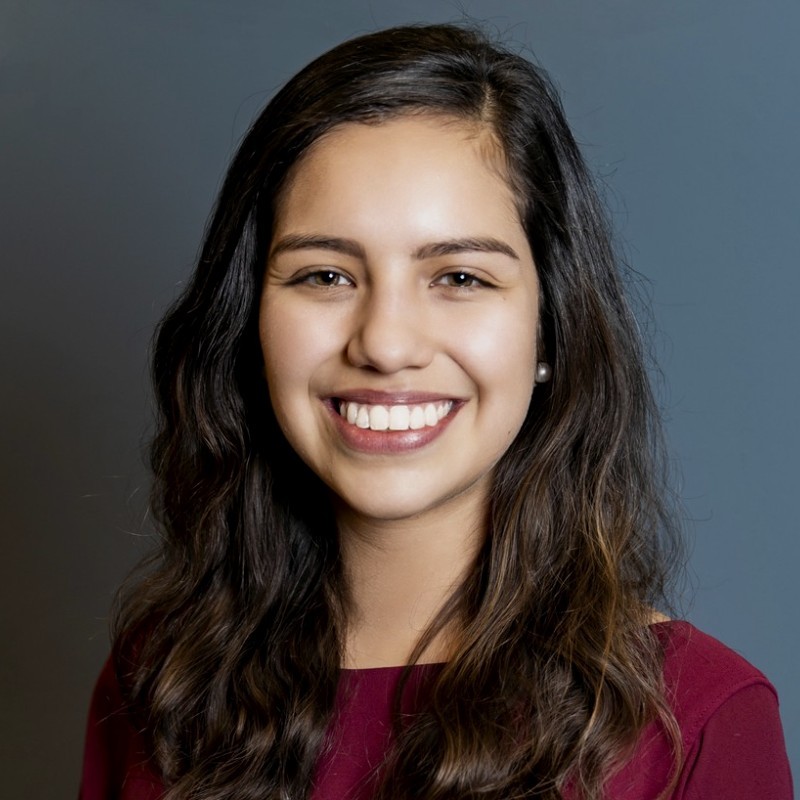
Stacie Arechavala
Stacie Arechavala is a biomedical engineer and the cofounder and CEO of Selera Medical (YC W24), a San Francisco medical device startup she started in 2023 with Kevin Bui after the two met as fellows at Stanford Biodesign. She trained at the University of Miami and Duke, developed cardiovascular devices at Medtronic, and built low-cost devices for underserved communities before turning her attention to heart failure care. Her guiding line: innovation can change the world, but design is what makes it happen.
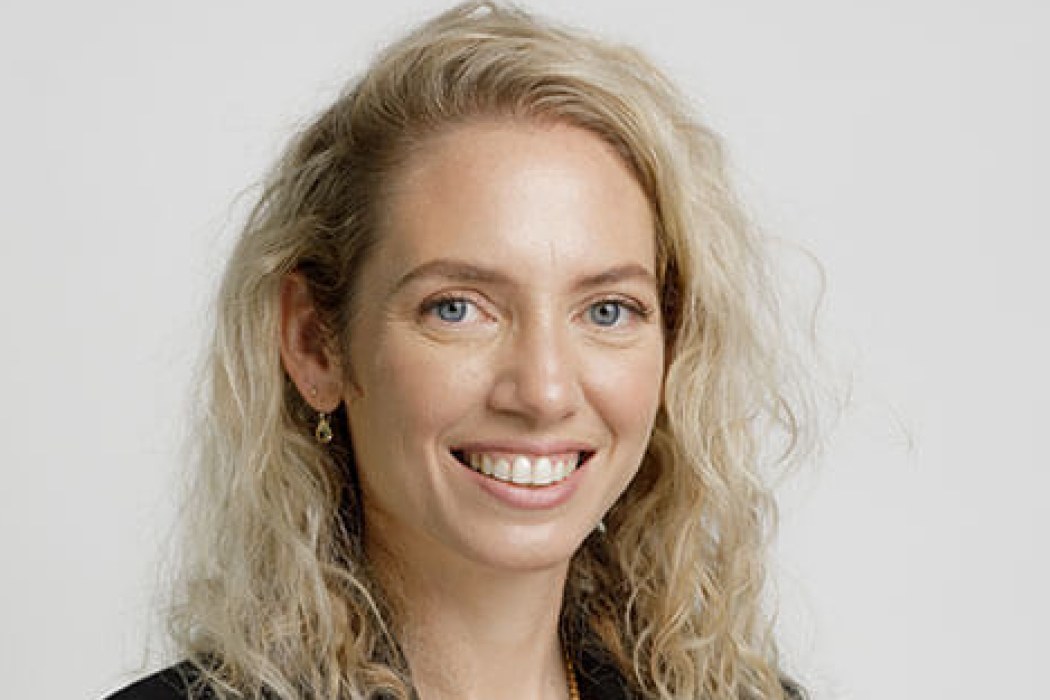
Romi Gubes
Romi Gubes is the co-founder and CEO of Sensi.AI, an Austin-based company that turns ambient audio into around-the-clock care intelligence for seniors aging at home. A former Fortune 500 software engineer, she started the company in 2019 after a personal experience with vulnerability in care redirected her career toward protecting people who can't advocate for themselves. Under her leadership Sensi has raised more than $98 million, grown revenue 400% in a year, and expanded into what she describes as an AI operating system for senior care.
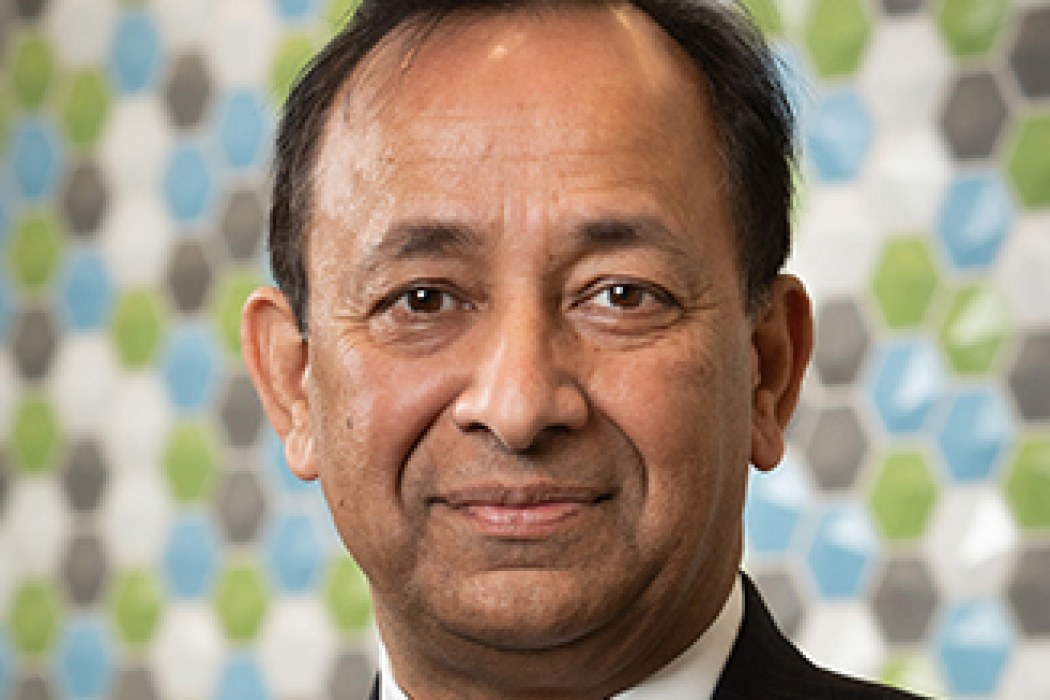
Sanjeev Saxena
Sanjeev Saxena is a serial medical-device entrepreneur and engineer who has spent more than 30 years trying to move cancer screening out of expensive central labs and into villages, clinics and pop-up sites. He is founder, CEO and CTO of Harae Dx Corp., a Pleasanton, California startup building a low-cost, portable, automated cancer detection system based on lab-on-a-disc microfluidics. Earlier he founded POC Medical Systems, whose MammoAlert and Pandora CDx platforms brought portable breast-cancer screening to emerging markets, and he co-founded Scanis, Actis Biologics and Telesto Diagnostics. He has raised more than $70 million across his ventures and sits on the board of the Texas Tech Research Park.
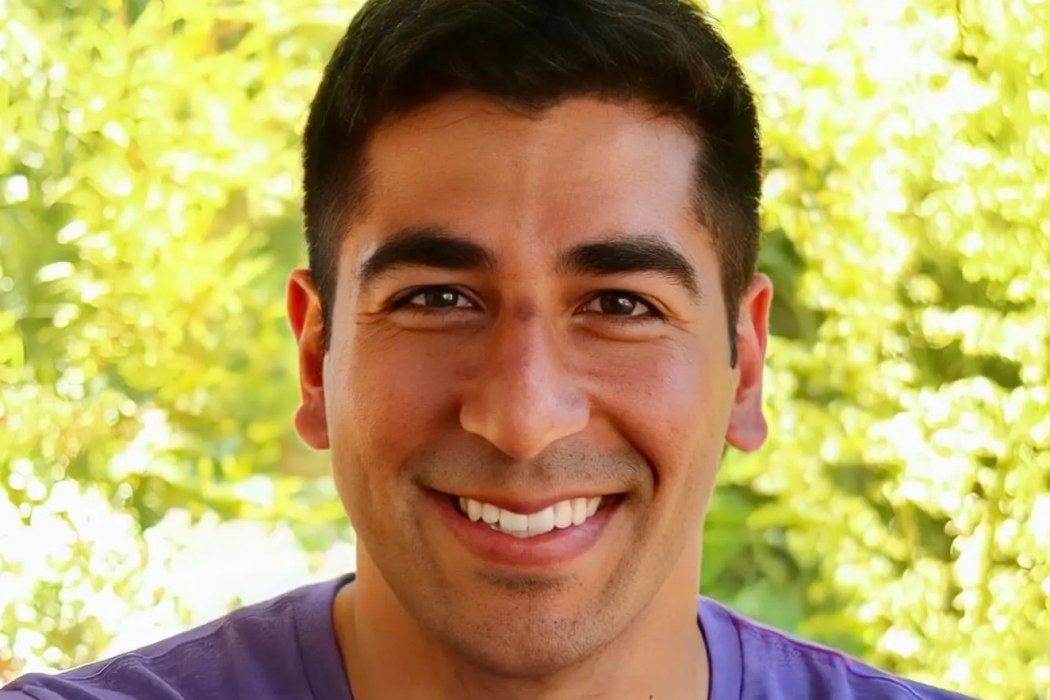
Senan Ebrahim
Senan Ebrahim is the founder and CEO of Delfina, a San Francisco digital health company using AI and data science to improve pregnancy care and close gaps in maternal health. A physician-scientist with an MD and a PhD in computational neuroscience from Harvard, he founded Delfina after witnessing a preventable stillbirth during medical training. He earlier founded Hikma Health, a nonprofit building free health-data tools for refugee and low-income patients. Delfina raised a $17M Series A in early 2025 led by U.S. Venture Partners.
Tamir Wolf
Tamir Wolf is the CEO and co-founder of Theator, a Palo Alto and Tel Aviv based company building a surgical intelligence platform that uses AI and computer vision to analyze surgical video and reduce variability in the operating room. A physician turned entrepreneur, he earned an MD and PhD from the Technion, served as a medical officer in an elite Israeli Navy unit, and founded two earlier medical device companies before starting Theator in 2018. His stated goal is to codify surgery so that where a patient lives no longer dictates the quality of care they receive.

Victor Zhou
Victor Zhou is the co-founder and CEO of Klarity Health, a digital healthcare marketplace he started in 2020 to connect patients with independent, licensed telehealth providers. A UCLA graduate and repeat founder who previously built and sold Sentinel Tec, Zhou has grown Klarity to serve hundreds of thousands of patients across 45+ states and launched Kiwi Health, a SaaS growth platform for private practices, backed by investors including Mucker Capital, Atypical Ventures, and Zoom founder Eric Yuan.
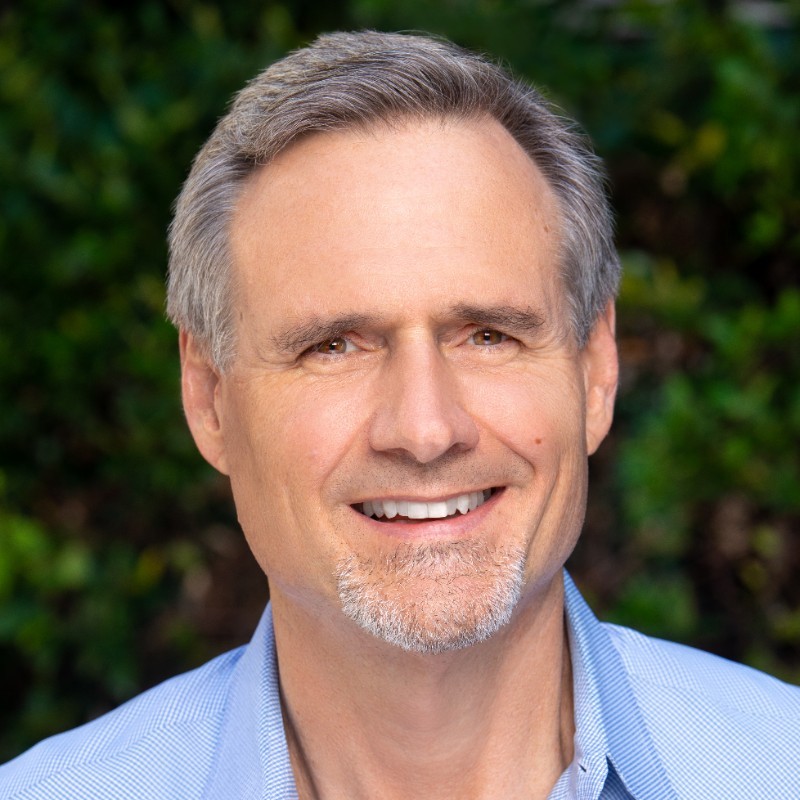
Eric Klasson
Eric Klasson is the founder and CEO of Resilienci.ai, an Austin-based company that uses AI, machine learning and behavioral data to map hyperlocal infectious-disease risk and supply-chain disruption. A longtime entrepreneur and finance executive with a 40-year career spanning Price Waterhouse, PepsiCo and several technology startups, he previously co-founded the social-analytics firm Snaptrends and founded Pandemic Insights. He is also a longtime food-security advocate who has chaired and served on food-bank boards.
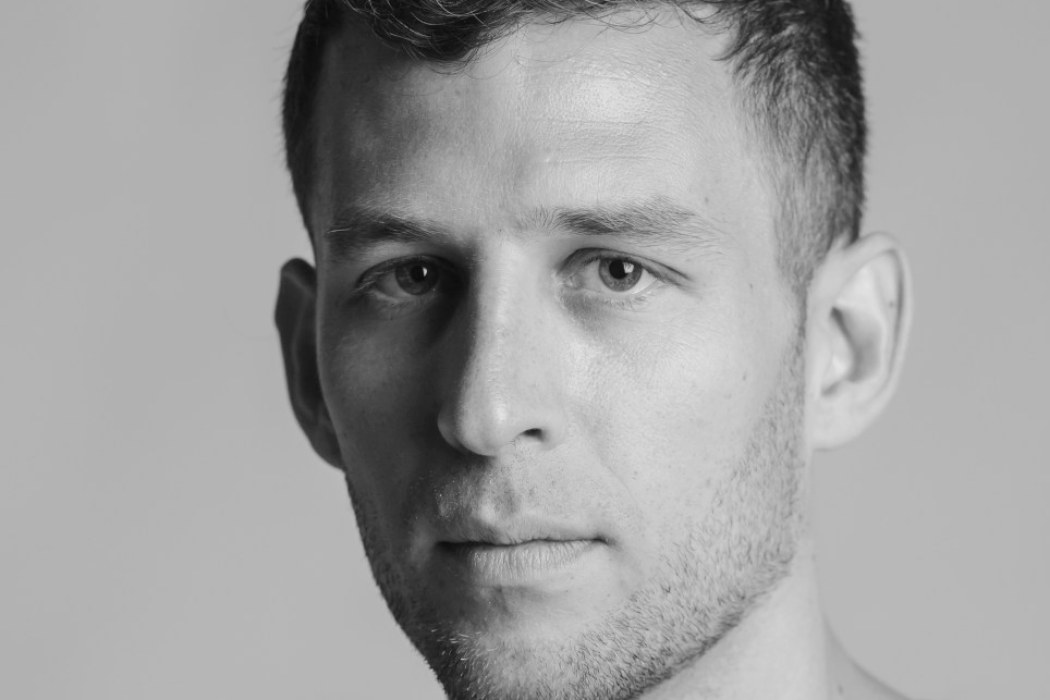
Zack Kanter
Zack Kanter is the founder and CEO of Stedi, an API-first, cloud-native healthcare clearinghouse that routes eligibility checks, claims, and electronic payments between providers and insurers. He started his first company at 16, building a bootstrapped auto-parts wholesaler (Proforged) that he ran for roughly 13 years before selling it to Huron Capital. He then spent years wrestling with electronic data interchange (EDI), the arcane plumbing of business-to-business transactions, rewriting Stedi's codebase about eight times before finding extraordinary traction in healthcare. Along the way he became widely read for essays like 'Why Amazon is eating the world.' In March 2026 Stedi raised a $50M Series C led by Addition, bringing total funding to about $142M.

Caroline Hodge
Caroline Hodge is the co-founder and CEO of Dimer Health, a clinician-led company building a technology platform for the fragile period right after a hospital stay. A physician associate with 18 years of emergency medicine experience, she previously ran national clinical operations at DocGo and Envision Healthcare before starting Dimer in 2023 with Team8. Under her, Dimer has raised $13.5M in Series A funding and is trying to establish a new care specialty she calls the Transitionist.
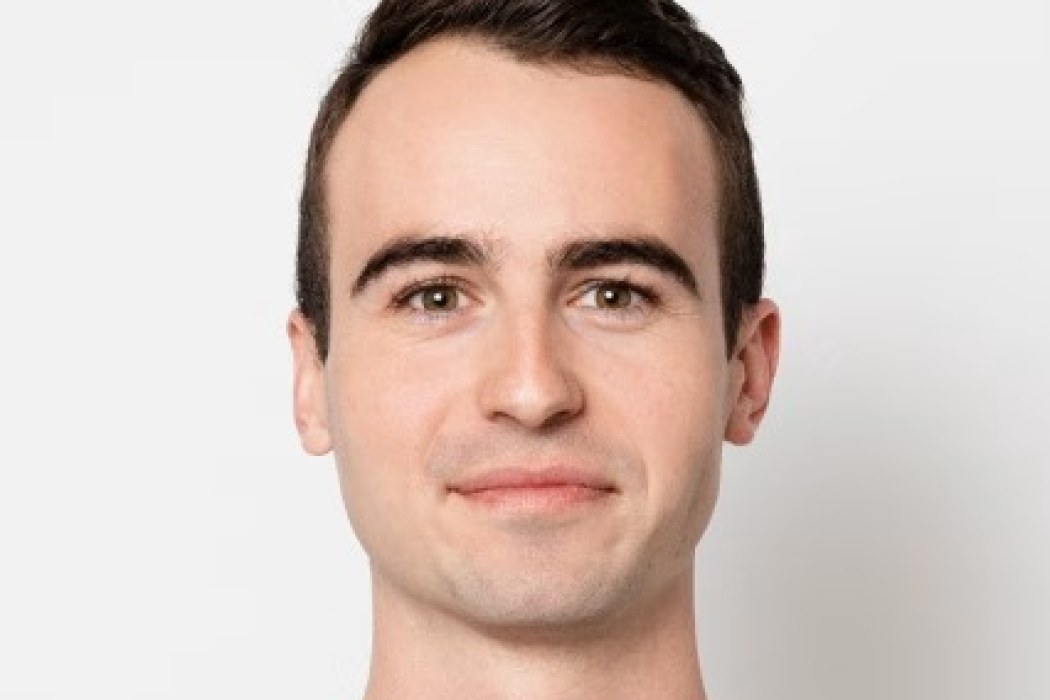
Cédric Kovacs-Johnson
Cédric Kovacs-Johnson is the founder and CEO of Flume Health, a New York-based software company that connects the fragmented healthcare data ecosystem so payers and employers can build and run health plans more efficiently. A chemical engineer by training, he first made his name as co-inventor of Spectrom, a full-color 3D printing technology that won the 2014 Collegiate Inventors Competition and was acquired by MakerBot. He founded Flume Health in 2017 and has raised more than $40 million in venture funding, including a $30 million Series A in 2022.
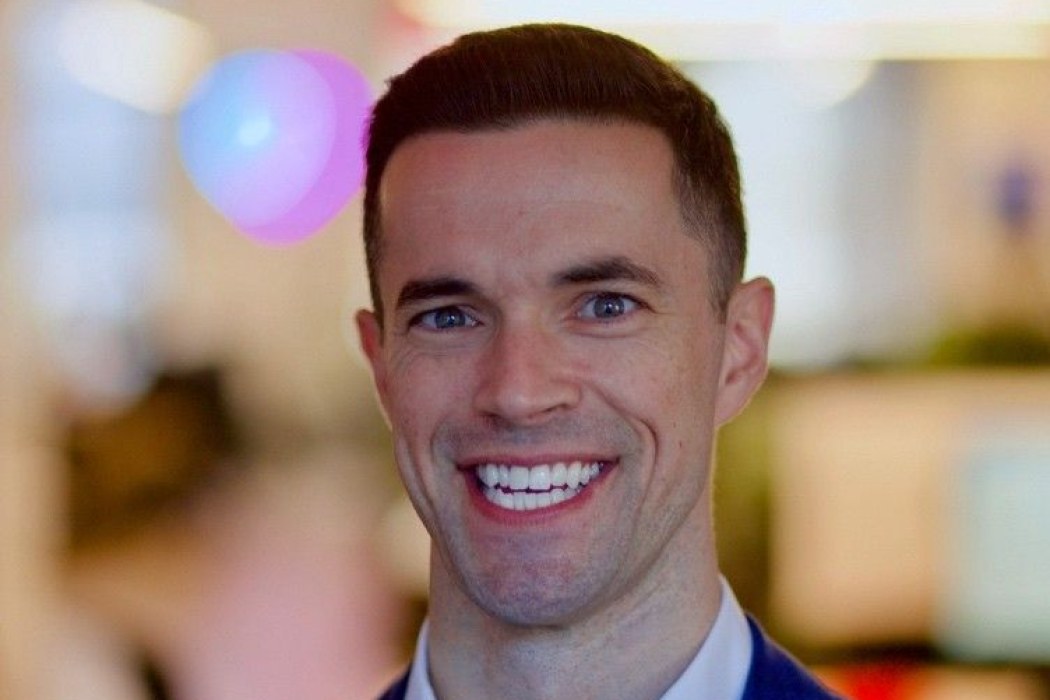
Danny Sigurdson
Danny Sigurdson is the founder and CEO of Courier Health, a New York-based technology company that builds a purpose-built patient CRM and experience platform for life sciences companies. After more than a decade in enterprise software - including a role as VP of Sales at ActionIQ and client leadership at Applied Predictive Technologies - he started Courier Health in 2020 to close the gap between specialty medicine approvals and the patients who never start or stay on treatment. The company has raised $70.5M to date, most recently a $50M Series B led by Oak HC/FT.
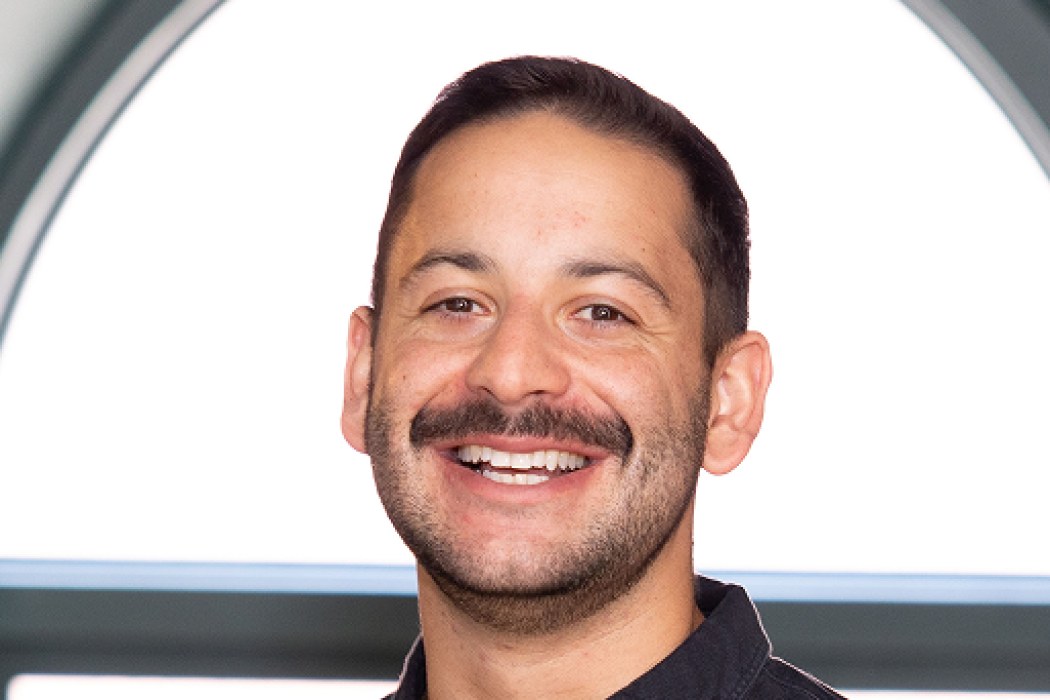
David Stein
David Stein is the co-founder and CEO of Ash (formerly Ash Wellness), a New York-based B2B platform that lets healthcare organizations run their own at-home testing programs. He launched the company out of Cornell Tech's MBA program in 2019 after a frustrating personal experience getting sexual health testing, first building a direct-to-consumer brand for the LGBTQ+ community and then pivoting to white-label infrastructure for providers and payers during COVID-19. Today Ash handles kit design, a CLIA/CAP-certified lab network, logistics, and patient-facing software across all 50 states, and has shipped more than a million test kits.
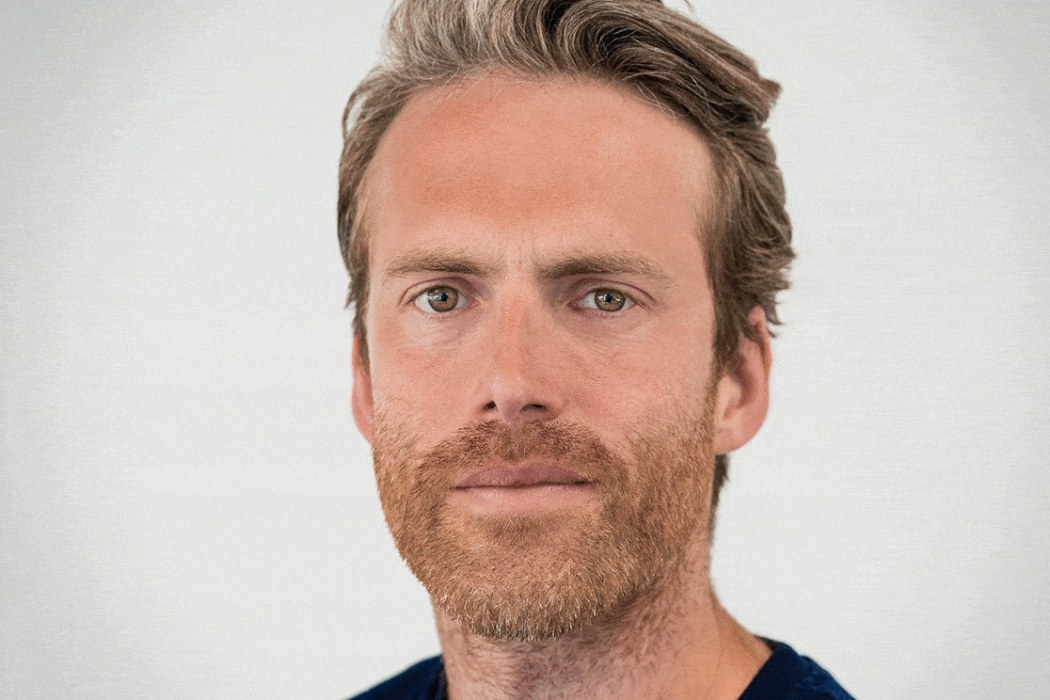
Derk Arts
Derk Arts is a Dutch physician-turned-entrepreneur and the founder and CEO of Castor, a clinical-trial software company he started in 2012 after coding the first version of its Electronic Data Capture platform himself. Trained as a medical doctor and epidemiologist with a PhD, he built Castor to make clinical research more inclusive, patient-centric, and data-driven. The platform now supports thousands of trials across roughly 90 countries and was used by the World Health Organization for its Solidarity Trial. Castor has raised more than $60 million, including a $45 million Series B in 2021, and Arts is a recognized voice on decentralized trials, eConsent, and the responsible use of AI in research.
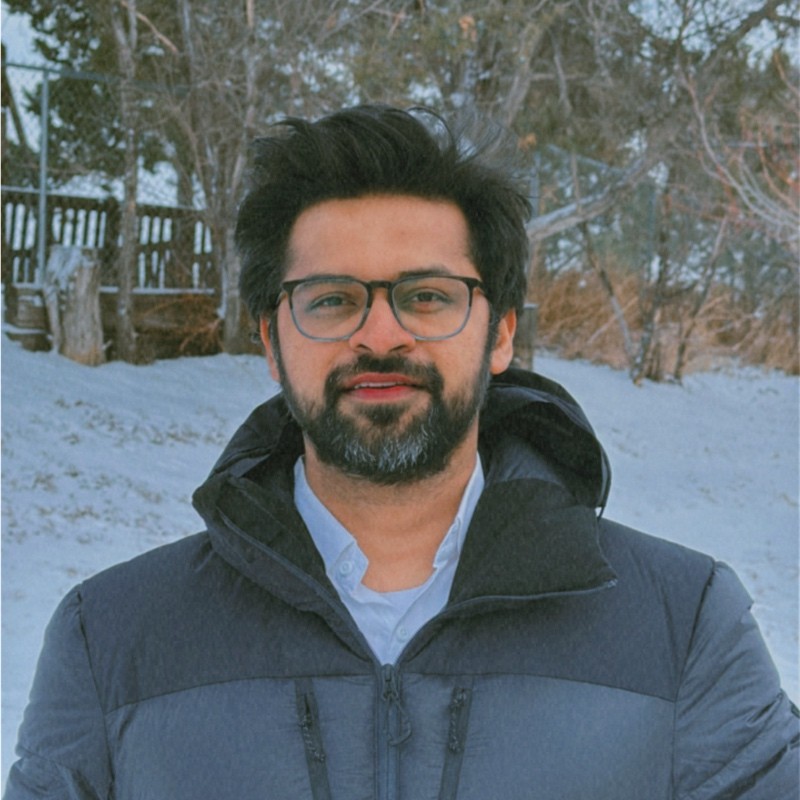
Dushyant Mishra
Dushyant Mishra is the founder and CEO of RapidClaims, a New York-based company building an AI-first platform for healthcare revenue cycle management. After nearly five years in commercial operations at Abbott and two years as an early-stage investor at Together Fund, he started RapidClaims in 2023 with co-founders Abhinay Vyas and Jot Sarup Singh to attack the roughly $350 billion administrative burden in US healthcare. The company automates medical coding, clinical documentation, claim scrubbing and denial recovery across 25+ specialties, has raised about $11 million including an $8 million Series A led by Accel, and grew roughly sixfold in its first year.
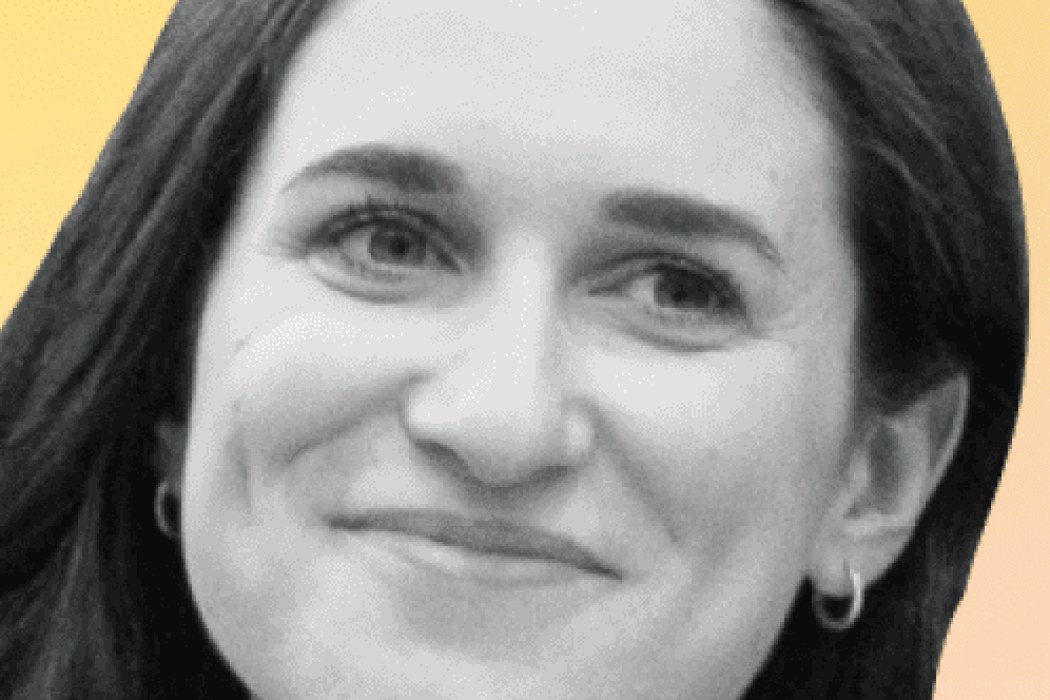
Eliana Berger
Eliana Berger is the co-founder and CEO of Joyful Health, a New York startup building AI-powered financial infrastructure for healthcare providers. The company focuses on the hardest part of the revenue cycle - chasing down denied and unpaid insurance claims - and works on performance-based pricing, getting paid only when it recovers money for clients. In April 2026, Joyful Health raised a $17M Series A led by CRV, bringing total funding to $22M. Berger's path to the problem was personal: she grew up watching her mother and grandmother run a therapy practice and struggle to understand what had been paid and what was still owed.
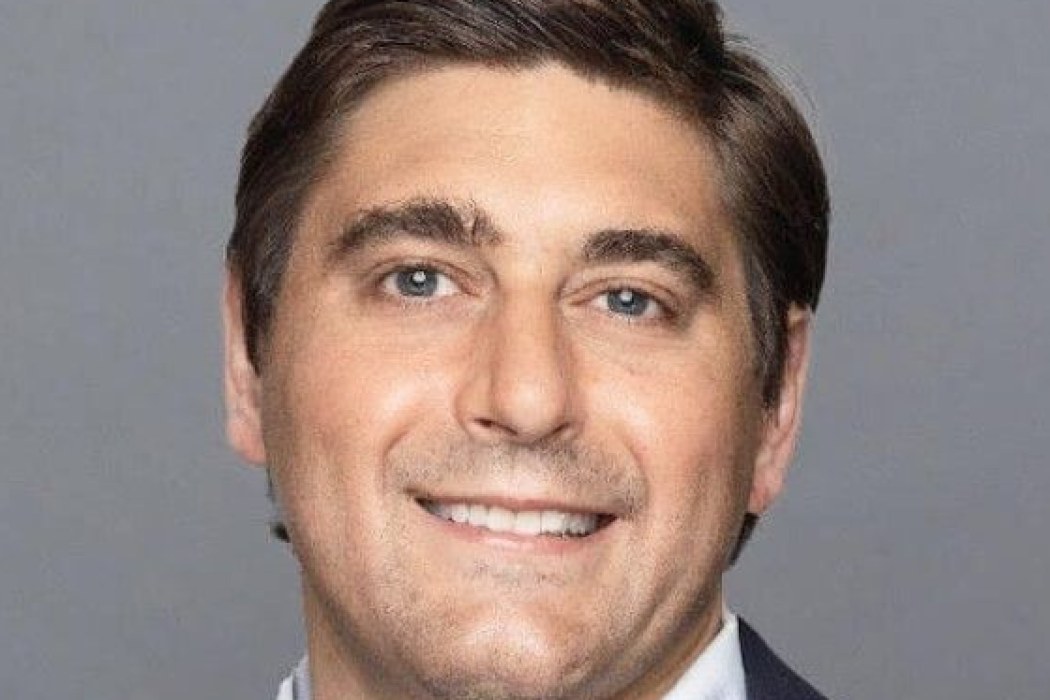
Eric Feinstein
Eric Feinstein is the President and CEO of Clarapath, a Hawthorne, New York medical robotics company automating one of the last manual corners of the pathology lab: cutting and mounting tissue for diagnosis. Under his leadership Clarapath built SectionStar, an FDA-registered robotic microtomy platform, acquired the digital-pathology software firm Crosscope, forged a research collaboration with Mayo Clinic, and closed a $36M Series B in 2024. A former medical-device investor and operator with an MBA from Cornell, Feinstein frames the histology lab as a Lean Six Sigma manufacturing operation and pitches a broader vision he calls Laboratory 2.0.