food-waste
(36)
The Shelf Is Lying. Retail Insight Wants the Truth.
Retailers have oceans of data and five minutes to act. Retail Insight's bet is that the valuable product is not another dashboard - it is the next task, ranked, explained and pushed to the person who can fix the shelf.
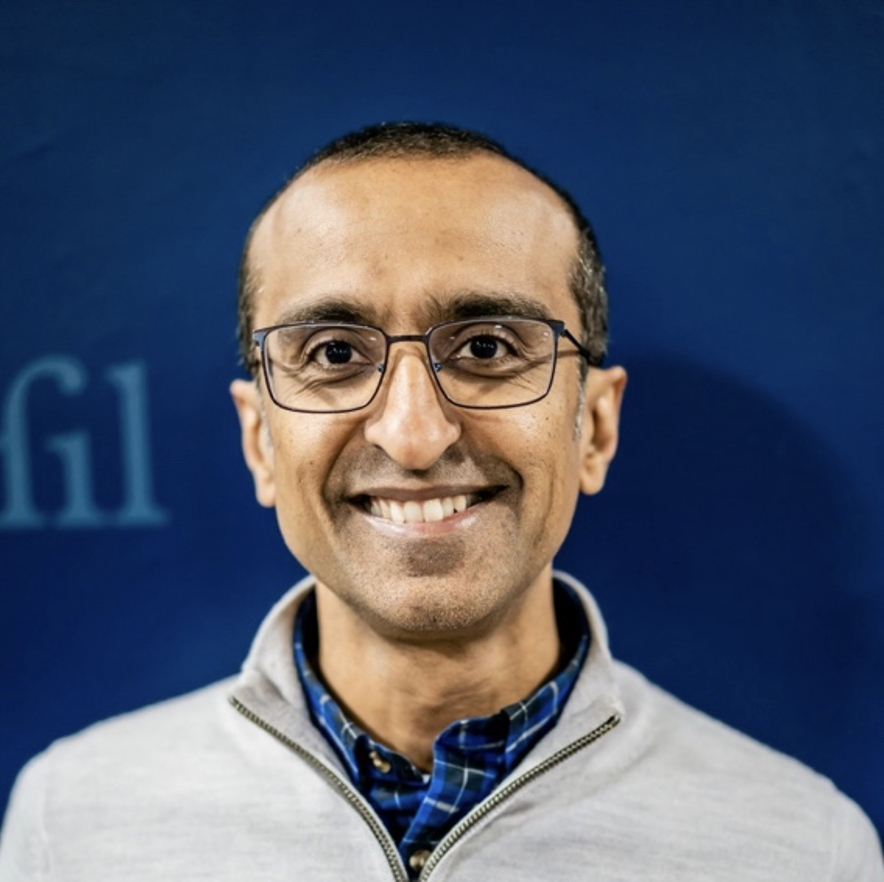
Mir Aamir Has Spent 30 Years Teaching Grocery Stores to Think
From Safeway loyalty cards to ShopBots behind Whole Foods, Mir Aamir has followed one stubborn question across three decades: can convenience work for the shopper without breaking the grocer's economics?
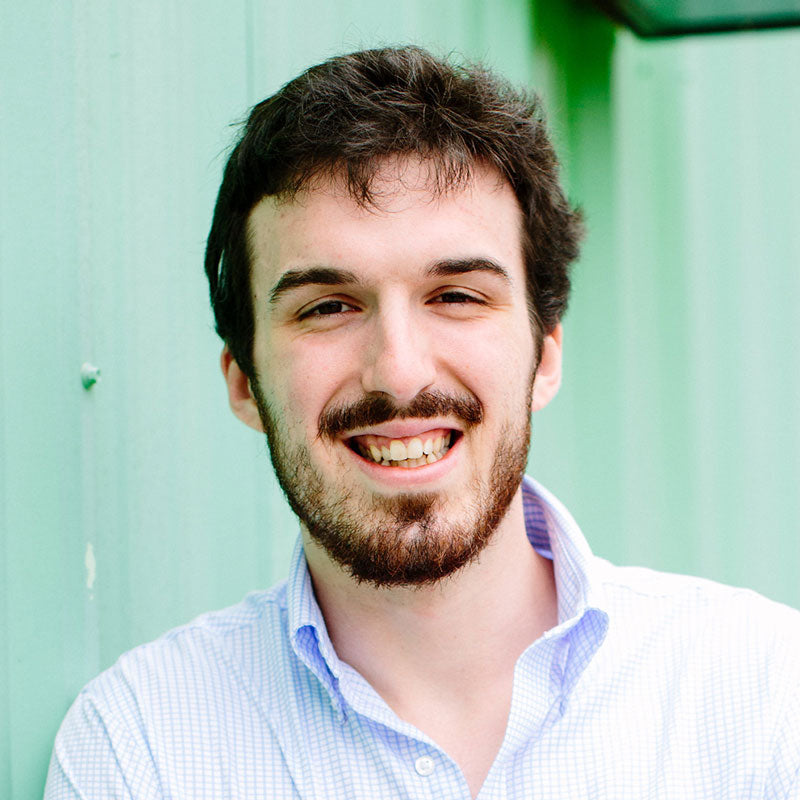
Patrick Mateer Put the Farmers Market in the Freezer
A 6:30 a.m. farmers-market shift showed him the absurdity hiding in plain sight: beloved local fruit, a brutally short selling season, and good harvests with nowhere to go. His answer was a regional cold chain built to make summer last all year.
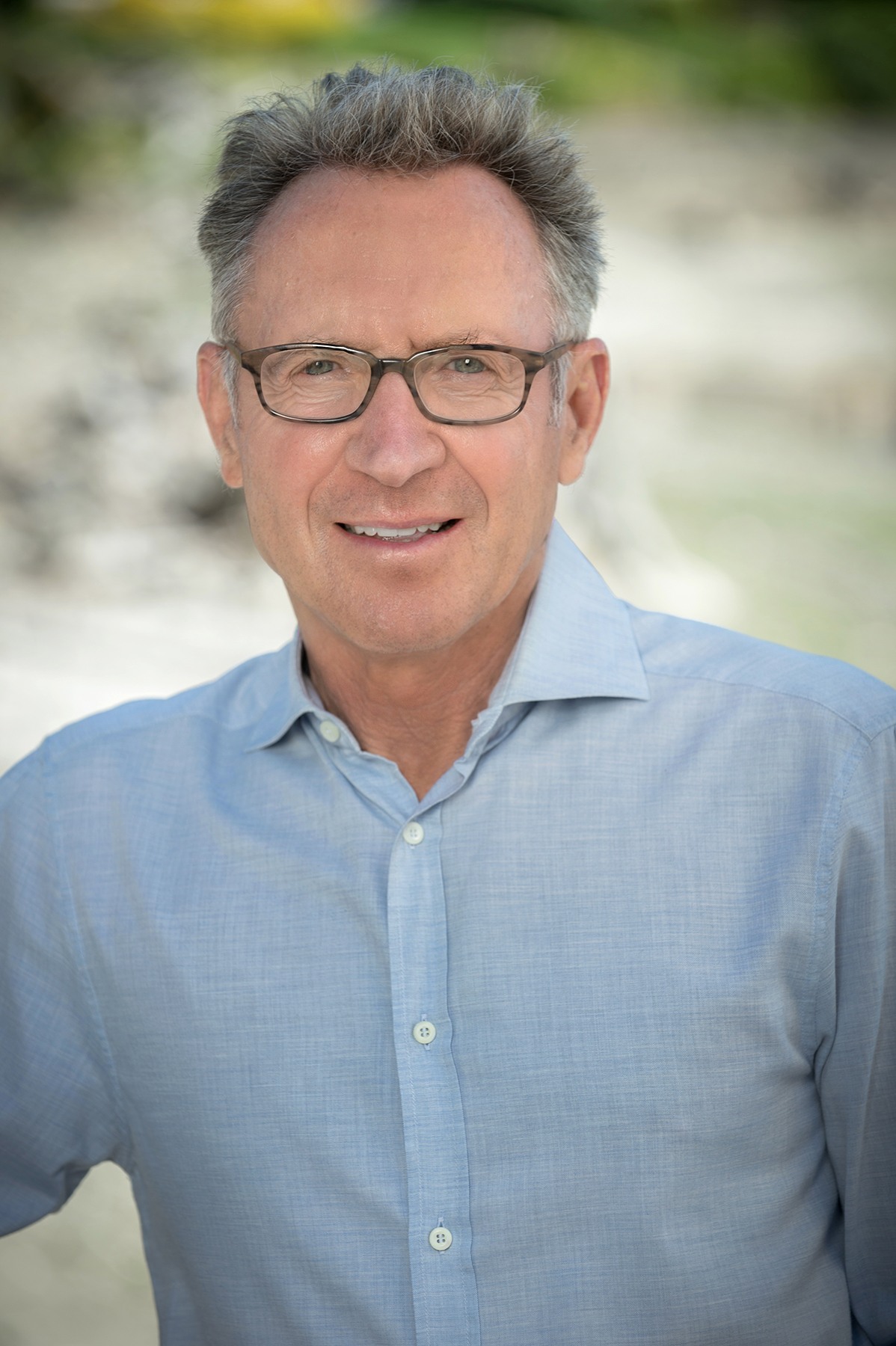
George Lobisser Put Blueberries on Pause
After selling a postharvest chemistry business, George Lobisser made a contrarian bet on pressure, patience and very little air. His second act at RipeLocker is a lesson in designing for the stubborn realities of fruit.

Moody Soliman Put a Climate Strategy on a Fruit Sticker
The Ryp Labs co-founder spent years learning that the crucial part of deep tech is often where you put it. His answer to produce waste fits inside a clamshell lid.
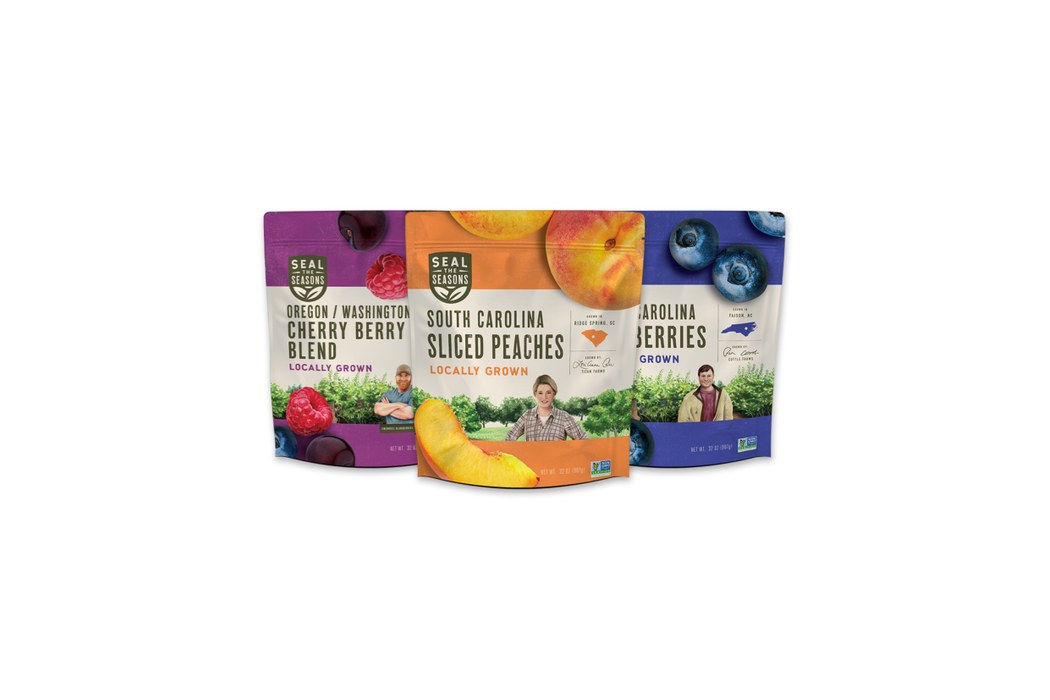
Seal the Seasons Put the Farmers Market in the Freezer - Then Had to Reinvent Its Own Factory
The North Carolina startup began with an $80,000 prize purse and its own freezing line. Its bigger idea arrived when it stopped trying to own the factory and turned spare capacity on family farms into a regional frozen-food network.
Ryp Labs Built a Sticker That Can Double Fruit's Shelf Life - Then Learned Where Waste Actually Hurts
A Malaysian fruit-stall problem became a Seattle biotech company, an $8.1 million round, and a lesson most deep-tech founders learn late: the best market is not always the biggest one - it is the one already paying for the pain.

The $11 Million Bet on Turning Beer Waste Back Into Dinner
RE:harvest built a business from the wet grain breweries would rather not handle. Its next lesson was harder: a circular factory only works after customers, certification and logistics agree to cooperate.
The Company That Turns Cow Manure and Table Scraps Into Pipeline Gas
Founded in 2017, Sevana Bioenergy builds the tanks where dairy manure and rotting food break down into pipeline-grade fuel. Then it bought the biggest one in North America for pennies on the dollar.
The Startup That Sucks the Air Out of Blueberries - and Buys Them Twelve Extra Weeks
A tenth of an atmosphere is all it takes. RipeLocker's vacuum chambers keep blueberries market-fresh for three months - and want to move the world's fruit by boat instead of plane.

The Company That Turned a Kitchen Trash Can Into a Spreadsheet
For 20 years, Leanpath has bet that you cannot fix what you refuse to weigh. The payoff: kitchens that cut food waste in half, one logged banana peel at a time.
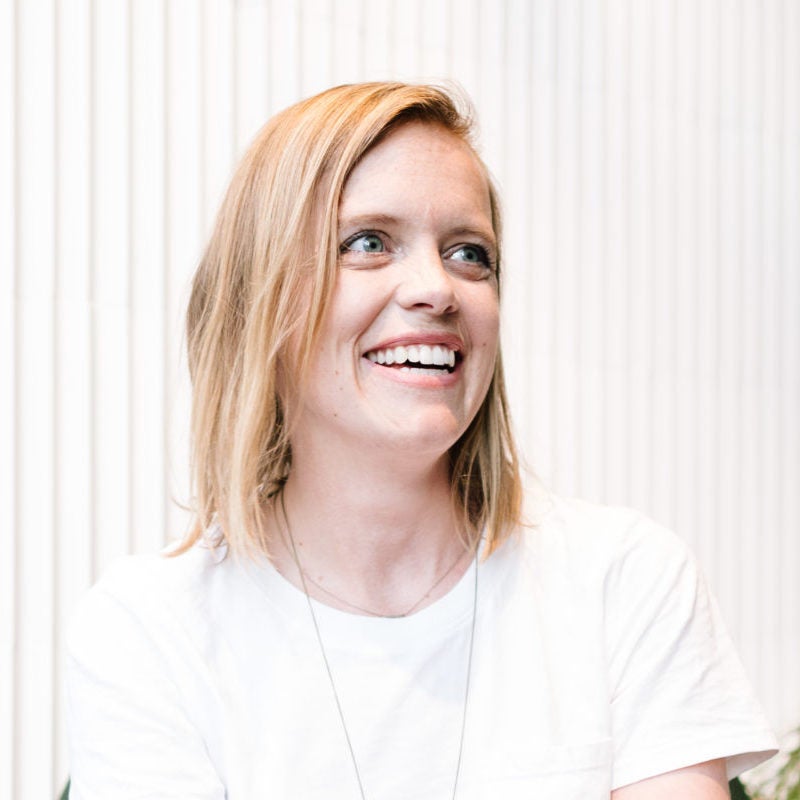
Claire Schlemme Found a Business Hiding in the Pulp
A juice-shop waste problem led Claire Schlemme to soybean pulp, industrial drying and a deceptively practical idea: keep good food in the food system by giving overlooked ingredients a second job.
The Software Trying to Run the Whole Grocery Store Before the Lettuce Wilts
Grocers lose money in the gap between a forecast and the person standing in aisle seven. Upshop is building the operating layer that turns scattered data into the next useful action - before an empty shelf, missed order or expiring sandwich becomes a write-off.
HelloFresh Put Dinner on Autopilot. Now It Wants the Rest of the Kitchen
The lime-green box solved the 6 p.m. question with portioned ingredients and a recipe card. Fifteen years later, HelloFresh is trying to turn that weekly habit into an operating system for what households eat.
Afresh
Afresh began with a stubborn observation: a strawberry cannot be managed like a cereal box. Its grocery-native AI now helps retailers order, produce and buy across the whole store - turning perishability, imperfect counts and daily uncertainty into decisions people can actually use.
Truffle (YC S26)
Truffle (now operating as Marble) is a New York-based Y Combinator S26 startup building an AI-native operating system for the restaurant back-of-house. It replaces the patchwork of spreadsheets, clipboards and disconnected point solutions that restaurants, cafes and bars rely on with a single system: computer vision and voice AI capture real-time inventory levels, machine-learning models forecast item-level demand, and AI agents run end-to-end workflows like procurement, invoice reconciliation, scheduling, food prep and menu engineering. Founded by Aakar Khanna (CEO) and Arjun Chaliha (CTO), it targets the billions the hospitality industry loses each year to stockouts, food waste and lost profit.
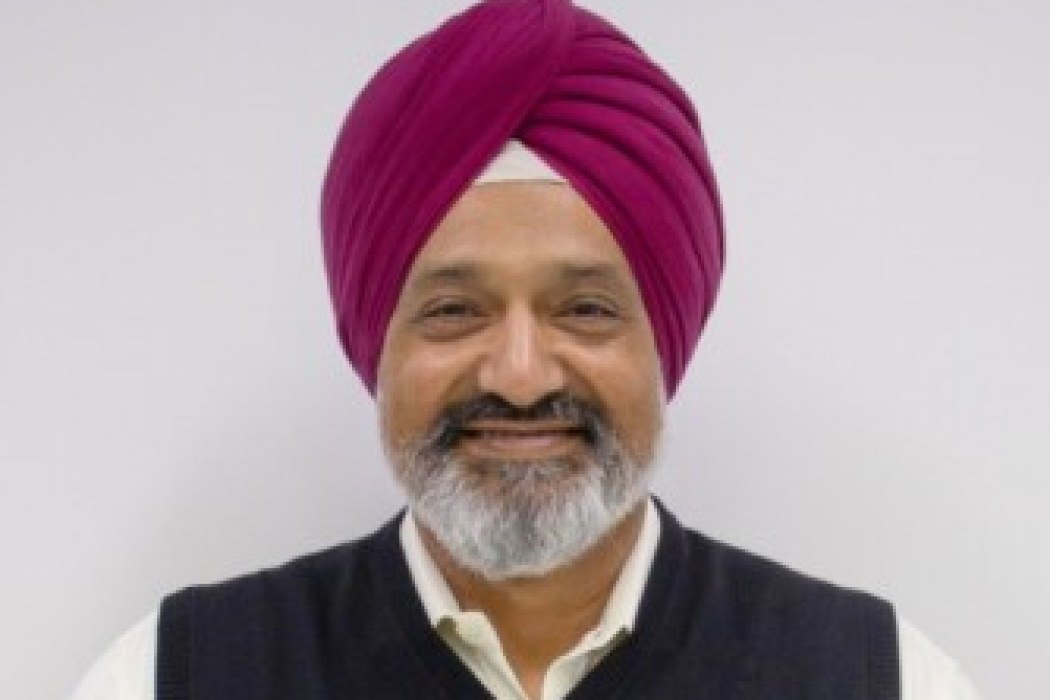
Sumer Johal
Sumer Johal is a technology executive and entrepreneur with more than 25 years building digital-first organizations across agtech, bioenergy, semiconductors, financial services, and consumer retail. He grew up in a farming family in Punjab, India, studied computer science and electrical engineering at MIT, and has spent the past decade focused on food and agriculture. He founded the food-industry big-data company Agralogics, launched and led AgStack at the Linux Foundation, ran the precision-agriculture company Semios (which rebranded as Almanac), and became CEO of Full Harvest, the B2B produce marketplace, as it moved into AI-driven agentic orchestration for the food supply chain.
Divert, Inc.
Divert, Inc. is a Concord, Massachusetts impact technology company on a mission to prevent food from being wasted. Founded in 2007, it pairs data-driven prevention software with reverse logistics and a network of anaerobic digestion facilities that turn unsold and non-donatable food into renewable natural gas and soil amendment. Divert serves more than 7,800 retail and industrial customer locations - including Kroger, Albertsons, Target, CVS and Ahold Delhaize - and reached a valuation of over $1 billion following a 2026 Series C led by Mitsubishi Corporation.
Nabaco® Inc.
Nabaco® Inc. is a San Marcos, Texas materials-science company that makes self-assembling natural barrier coatings to keep fresh produce fresh longer and cut food waste. Its flagship product, NatuWrap®, is a GRAS-listed edible coating built from clay and plant extracts that locks moisture in while keeping oxygen and microbes out - applied by spraying, dipping or brushing at a fraction of the cost of rival coatings. Founded on nanotechnology research from Texas State University, Nabaco is expanding into pre-harvest crop protection (Envello) and post-harvest processing aids (Vanterra) to protect food across the whole supply chain.
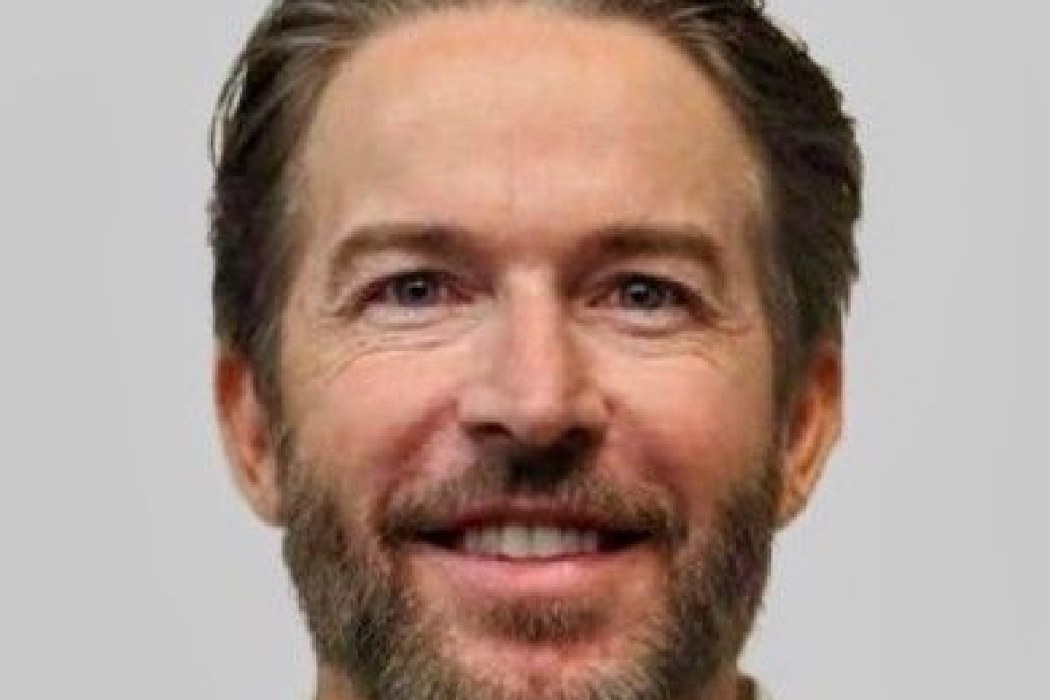
Jamie Strachan
Jamie Strachan is the CEO of Nabaco, a San Marcos, Texas agricultural-science company building natural, clay-based barrier coatings that extend the shelf life of fresh produce and cut food waste. A produce-industry executive with more than 20 years in the business, he previously ran Green Giant Fresh (Growers Express) and founded and chaired the leafy greens marketing effort in California. At Nabaco he is commercializing a patented, tasteless and odorless protection technology across pre-harvest, packaging, and post-harvest applications, including a distribution partnership with AgroFresh.
Fulfil
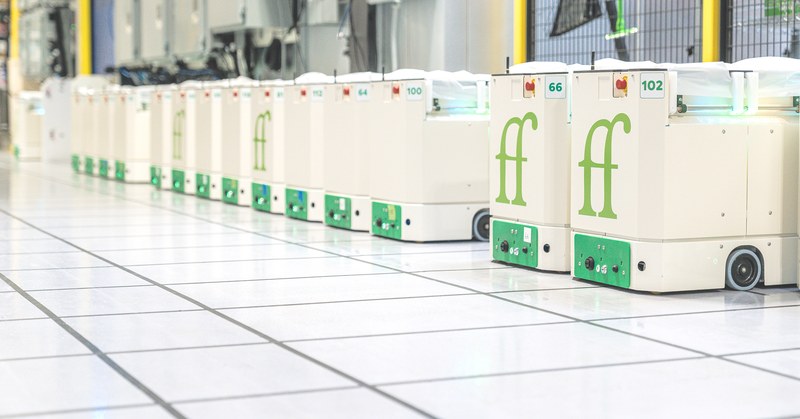
Fulfil (Fulfil Solutions) is a Mountain View robotics company building a fully automated grocery pick-and-pack system. Its ShopBot robots handle every grocery category and temperature state - produce, refrigerated, frozen - with item-level tracking powered by AI, computer vision and sensor fusion. The goal is to make online grocery, a famously unprofitable business, actually pencil out for retailers while cutting food waste. Fulfil emerged from stealth in February 2023 with $60M in Series B funding and powers Save Mart's Lucky Now same-day delivery service.
Full Harvest
Full Harvest built the first business-to-business online marketplace connecting farmers with commercial produce buyers to sell fruits and vegetables of every grade, including surplus and imperfect produce that would otherwise rot on the farm. Founded in San Francisco in 2015 by Christine Moseley, the company raised roughly $45 million to digitize a produce supply chain that had run largely offline, tackling the fact that more than a quarter of edible produce never leaves the farm. In its latest chapter, Full Harvest is repositioning around FullHarvest.ai, an agentic orchestration layer that applies a decade of produce data and network relationships to coordinate the volatile, fragmented food supply chain.
Renewal Mill
Renewal Mill is an Oakland-based next-generation ingredients company that upcycles the fiber- and protein-rich byproducts of food manufacturing - like okara (soymilk pulp), oat milk pulp, corn fines and off-spec green bananas - into premium gluten-free flours and baking mixes. Founded in 2016 by Claire Schlemme and Caroline Cotto, the women-owned benefit corporation sells both direct-to-consumer and as a B2B ingredient supplier, aiming to keep 100% of what we grow feeding people.
Ryan Begin
Ryan Begin is the co-founder and CEO of Divert, a Concord, Massachusetts impact-technology company that grew from a two-person idea in 2007 into a nationwide network of anaerobic digestion facilities. Divert prevents wasted food across roughly 7,800 retail locations, donates edible surplus, and turns the rest into renewable natural gas. A Maine native and Clarkson-trained electrical engineer, Begin left Raytheon to build the company alongside co-founder Nick Whitman.

Replate
Replate is a tech-enabled nonprofit that reduces food waste and food insecurity by connecting businesses with surplus food to nearby community organizations. Through a web-based platform, companies schedule on-demand or recurring pickups in a few clicks, and Replate's 'Friendly Food Rescuers' collect and deliver the food along optimized routes. Donors track the social and environmental impact of every donation - meals delivered, water saved, and CO2 diverted - through a personalized dashboard. Founded in 2016 by Maen Mahfoud, Replate operates across major U.S. cities and the Middle East.

Zero Waste Co.
Zero Waste Co. is a climate-tech and circular-economy company that turns agro-industrial byproducts and food waste into high-value resources - chiefly livestock feed - through technology-driven, tailor-made processes. Founded in 2020 and headquartered in Miami with operations across Latin America, it pairs its EcoHub processing facilities with a Carbon Solutions arm that measures, monetizes, and manages verified carbon credits, letting food and beverage producers turn waste liabilities into profit and measurable emissions reductions.
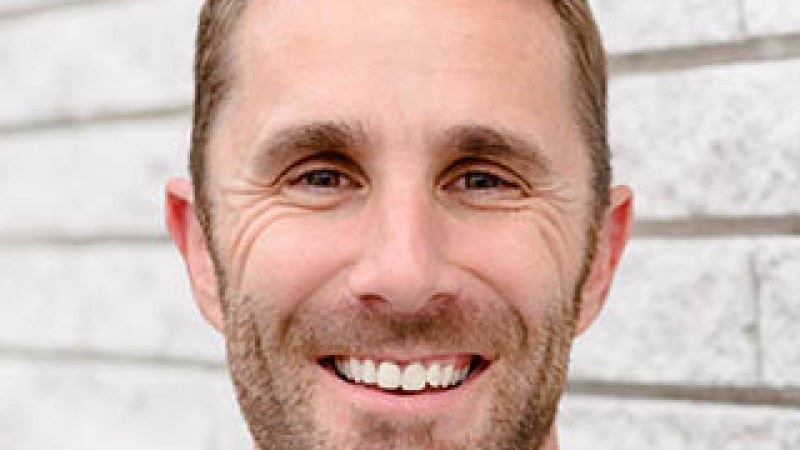
Ben Parry
Ben Parry is the CEO of Compost Crew, a Rockville, Maryland public benefit corporation turning food scraps into soil across the Washington, D.C. region. After more than a decade financing solar and wind projects on five continents, he bought a scrappy three-truck compost hauler in 2018 and grew it into one of the Mid-Atlantic's largest organics recyclers, with more than 20,000 customers, a 40-truck fleet, and a network of local Compost Outpost sites that close the loop between kitchen buckets and nearby farms.
Ricky Ashenfelter
Ricky Ashenfelter is the co-founder and CEO of Spoiler Alert, a Boston-based B2B software company that helps major food and CPG brands sell, discount, and donate excess and short-dated inventory before it becomes waste. He co-founded the company in 2015 with Emily Malina while earning his MBA at MIT Sloan, building on earlier work in sustainability consulting at Deloitte and the U.S. EPA. Under his leadership Spoiler Alert works with global brands like Nestle, Kraft Heinz, and Danone, and has helped keep more than 500,000 tons of product out of landfills. He was named to the Forbes 30 Under 30 Social Entrepreneurs list in 2017.
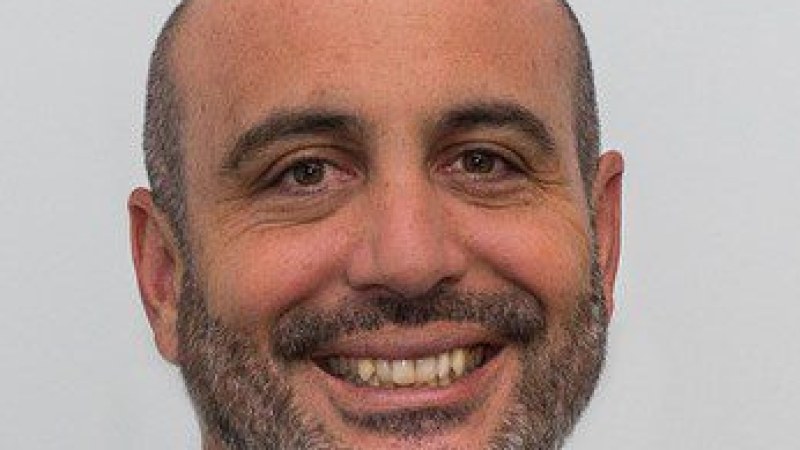
Jean Pierre Azañedo
Jean Pierre Azañedo is the CEO and co-founder of Zero Waste Co. (ZWC) and CoreZero, a Miami-based climate-tech venture that turns food waste and other discarded material into tradable carbon credits. A second-time founder from Peru, he previously built Kanay into that country's leading waste-management company before it was acquired by France's Séché Group. In 2023 CoreZero serialized the world's first carbon credits generated from food-waste diversion, working with the Mexican food-banking network. Azañedo's thesis is simple and stubborn: waste has boundless value, and nobody makes something just to throw it away.

GlacierGrid
GlacierGrid (formerly Therma) is a San Francisco climate-tech company whose AI-powered Cooling Intelligence Platform combines IoT sensors, machine learning, and equipment controls to cut energy use, prevent food waste, and reduce carbon emissions across HVAC and refrigeration systems. Its customers include McDonald's, 7-Eleven, Marriott, Domino's, Dutch Bros, Taco Bell, Wendy's, Dunkin', Vail Resorts, and Cornell University.