digital-twin
(28)
Amir Ben-Assa Has Spent 30 Years Teaching Factories to See
Before factories could talk about AI agents, Ben-Assa was helping them locate glass carts, mine equipment and missing minutes. His career is a study in making invisible industrial problems legible - and then useful.

Philippe Adam Wants the Factory to Speak Before It Spends
An engineer by education and a marketer by trade, Philippe Adam has spent his career translating complex software into decisions people can actually use. At aPriori, his argument is simple: cost, carbon and manufacturability belong in the room while a product is still being designed.
The Person Selling Certainty in a Business Built on Doubt
A marketing job at a company whose products live or die on trust, sold to buyers who read the footnotes. Here is what that work looks like from the inside.
Sergio Aguirre
Sergio Aguirre is the founder and CEO of EchoPixel, a Silicon Valley medical imaging company that turns standard CT, MRI and ultrasound scans into interactive 3D holograms doctors can grab, rotate and dissect in open space. An electrical engineer from Tecnologico de Monterrey with a graduate focus on stereoscopic imaging, he spent more than 15 years in visualization systems before founding EchoPixel in 2012. His True3D platform earned FDA clearance and has been used in congenital heart defect detection and structural heart procedures, built on his conviction that doctors should not have to solve a 3D problem with a 2D picture.
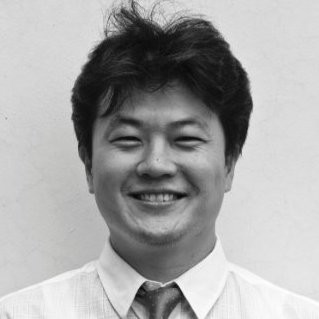
Ken Kim
Ken Kim is the co-founder and CEO of 3i Inc., a Seoul-based spatial AI company behind Beamo, an enterprise digital twin platform that 3D-scans indoor sites in minutes, and Pivo, an auto-tracking smart pod loved by video creators. A former IT consultant and commodities trader turned repeat entrepreneur, Kim built 3i around a childhood obsession with cameras and a belief that anyone should be able to capture the physical world and move it into the digital one. Under his leadership 3i raised an oversubscribed $24M Series A in 2021, grew to a global team spanning more than 20 nationalities, and holds dozens of technology patents.

Pavel Bykov
Pavel Bykov is co-founder and CEO of IP Fabric, a network assurance platform he started in 2015 after fifteen years inside the plumbing of Fortune 500 networks. IP Fabric builds an automated digital twin of an enterprise network so operators can see, query and validate what is actually running - customers include Red Hat, Major League Baseball and Air France. The company raised a $25M Series B in June 2023 and is based in Prague with a US office in Boston.

Stephanie Feraday
Stephanie Feraday is President and CEO of aPriori Technologies, a Concord, Massachusetts digital manufacturing simulation software company, where she has spent nearly 17 years steering the business from the 2009 financial crisis through a Series D funding round, turning cost and sustainability estimation for manufacturers into a cloud SaaS platform used across aerospace, automotive, and industrial sectors.
Michael Chang
Michael Chang is the founder and CEO of Synergies Intelligent Systems, a Cambridge, Massachusetts company building JarviX, a no-code augmented analytics platform that lets factory workers and executives 'talk to their data' in plain language. An MIT-trained PhD in electrical engineering and computer science, he pivoted from optics, machine vision and computational biology research into the messy world of manufacturing data, spending years inside Foxconn where his analytics work reportedly saved a Shenzhen factory around $20 million. In 2022 he raised a $12 million Series A led by NGP Capital to bring conversational, AI-driven decision-making to legacy industries.
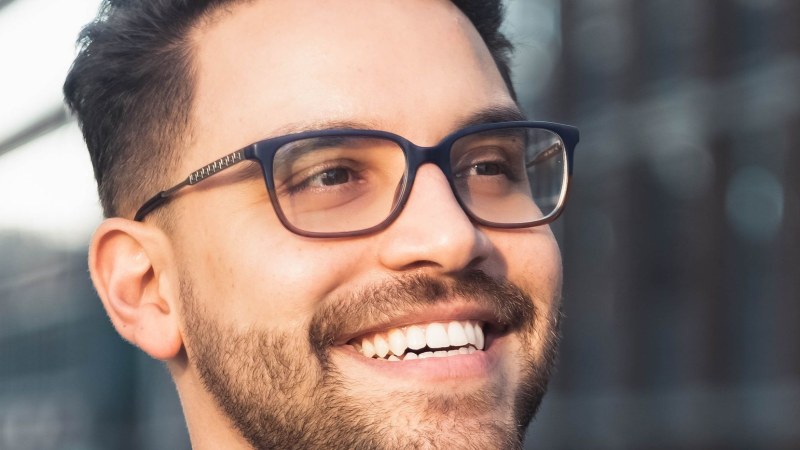
Jose Cruz Jr.
Jose Cruz Jr. is the founder and CEO of Integrated Projects (IPX), a New York spatial intelligence company that digitizes the built environment with 3D laser scanning and AI-assisted BIM conversion. A Columbia-trained architect who started by reselling sneakers and helping at his parents' Florida pizza shop, he now runs a 45-person team that has scanned over 7,000 buildings and 52+ million square feet across six continents. He also hosts the Buildings 2.0 podcast.

Kul Wadhwa
Kul Wadhwa is the CEO and founder of BeyondView, a San Francisco proptech company building photorealistic digital twins and game-like walkthroughs for commercial real estate. Before BeyondView, he spent six years at the Wikimedia Foundation, where he ran business development and mobile and launched Wikipedia Zero, bringing free Wikipedia access to over half a billion people in 22 developing-world countries.
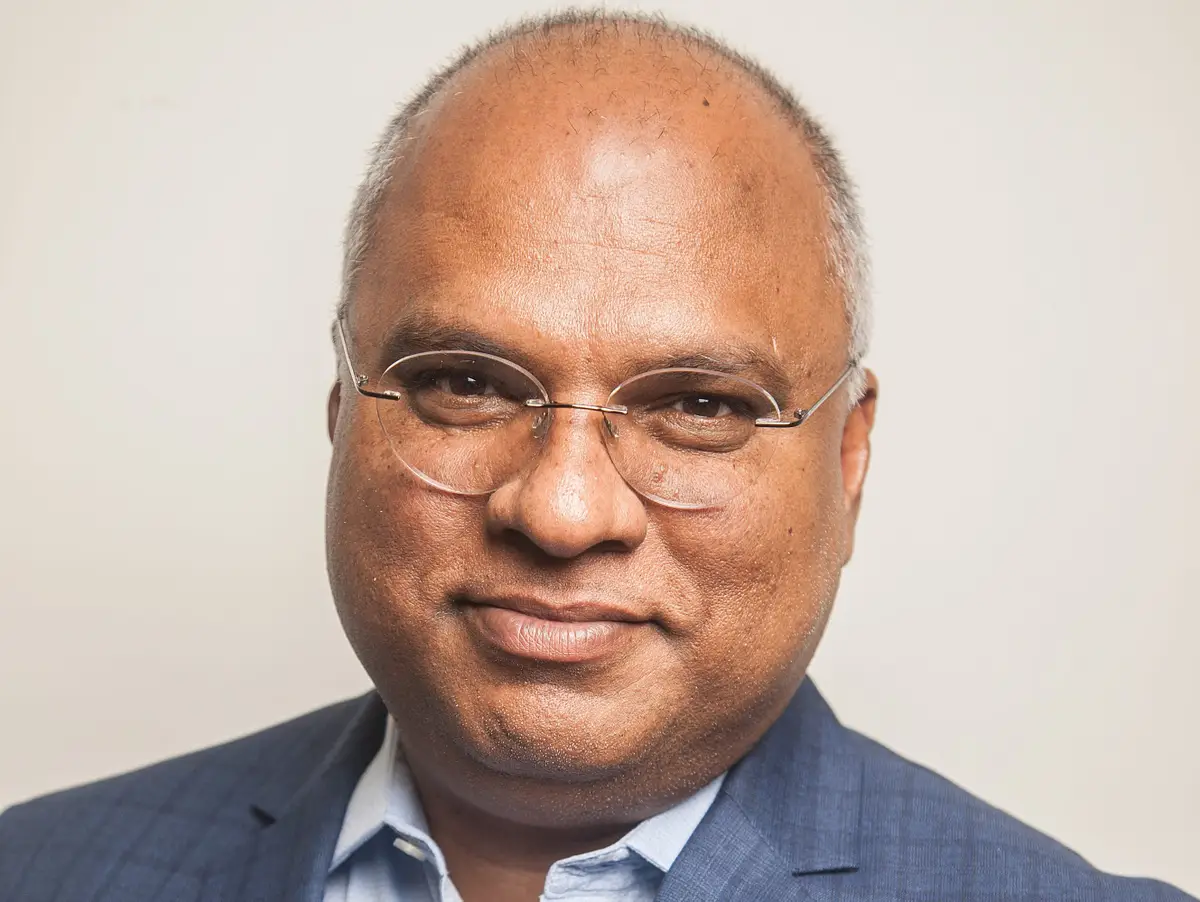
Jahangir Mohammed
Jahangir Mohammed is a serial entrepreneur and inventor who built Jasper Technologies into the world's largest IoT platform - sold to Cisco for $1.4 billion in 2016 - then turned his attention to metabolic disease. As Founder and CEO of Twin Health, he is using AI-powered whole-body digital twin technology to reverse chronic conditions like Type 2 diabetes, with clinical results published in the New England Journal of Medicine Catalyst showing 71% of participants achieving A1C below 6.5% while eliminating most medications. Twin Health has raised $335 million total and reached a $950 million valuation in 2025.
Ali Khaloo
Ali Khaloo is a structural engineer turned AI founder who builds software that reads the health of bridges, dams, runways and cooling towers the way a doctor reads an X-ray. As CEO and founder of Aren, the New York company he spun out of Cornell Tech's Runway Startup program, he fuses computer vision, machine learning and civil engineering into an AI-powered digital twin platform that turns drone images, laser scans and sensor data into 3D condition maps and predictive maintenance plans. He holds a PhD in structural engineering, has authored more than 20 peer-reviewed papers cited over 1,000 times, and owns several patents for AI analysis of large infrastructure systems.
Eric Tsai
Eric Tsai is the co-founder and CEO of Asteroom, a proptech company that turns an ordinary smartphone into a professional 3D virtual tour studio. A former Facebook data scientist, he left big tech in 2019 to chase a stubborn problem in real estate: high-quality property visualization was too expensive and too complicated for the average agent. Under his lead, Asteroom grew to serve tens of thousands of agents and built a nationwide network of certified data collectors, becoming the first 3D tour platform to power property data collection for Freddie Mac's ACE+ PDR and Fannie Mae's value-acceptance programs.
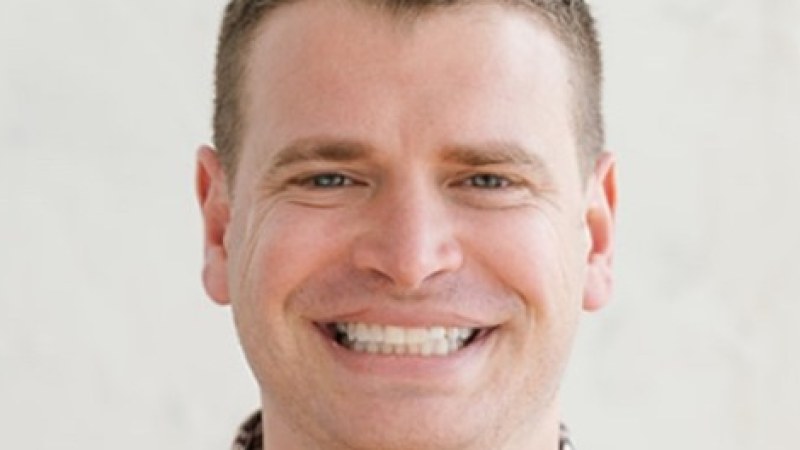
Matthew Shaxted
Matthew Shaxted is the founder and CEO of Parallel Works, a Chicago company that turns the headache of running heavy AI, machine learning, and simulation workloads across clouds and on-premises systems into a single control plane. A civil engineer who once wired 30 Linux desktops into a render farm to push building simulations, he met co-founder Michael Wilde at Argonne National Laboratory and spun the lab's parallel-workflow technology into a company in 2015. Bootstrapped and cash-flow positive, Parallel Works now powers hurricane risk models, cancer research, space-weather digital twins, and IL5-authorized defense workloads.
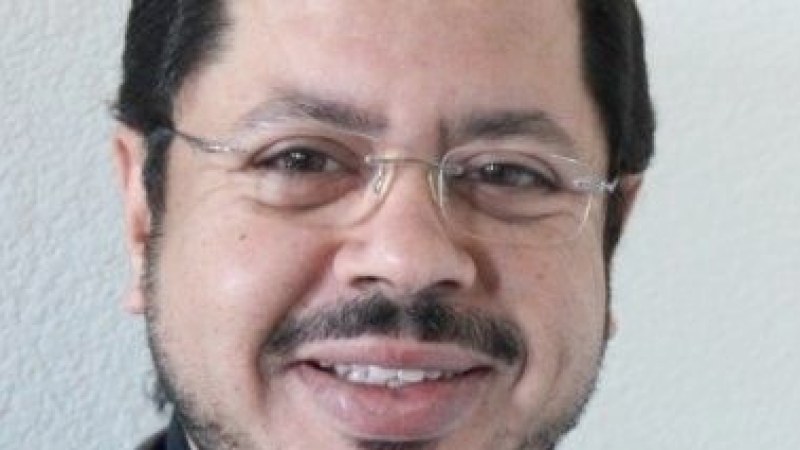
Moataz Rashad
Moataz Rashad is the founder and CEO of DeepVu, a San Ramon, California startup building autonomous, shock-resilient supply chain planning. He pioneers a category he calls autonomous resilient planning: generative AI planning agents trained on digital twins that simulate disruptions from commodity spikes to river droughts. A Stanford-trained engineer and PhD dropout, Moataz spent two decades architecting software at Samsung, Conexant, Mindspeed and Sony Mobile before founding the computer-vision ecommerce startup Vufind, which evolved into DeepVu. He describes himself as an AI and computer-vision hacker, a Mediterranean wisdom-seeker, a space enthusiast, and a keeper of diamond doves and finches.
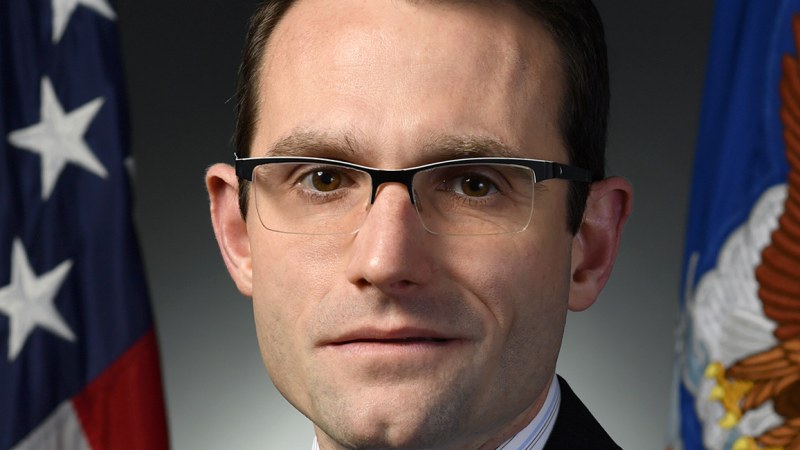
Will Roper
Will Roper is a physicist-turned-defense-strategist who now runs Istari Digital, a Cambridge, Massachusetts startup trying to build an 'engineering metaverse' where machines from satellites to medicines can be designed, tested and certified entirely in software. Before founding Istari in 2022, he was the 13th Assistant Secretary of the Air Force for Acquisition, Technology and Logistics, steering a roughly $40-60 billion annual portfolio, and earlier the founding director of the Pentagon's Strategic Capabilities Office, where he turned a $50 million budget into a $1.5 billion-plus prototype machine that produced drone swarms, hypervelocity guns and fighter-jet AI co-pilots. A Rhodes Scholar with an Oxford doctorate in string theory, he names his ventures after Tolkien wizards and argues America must learn to make hardware behave like software before its rivals do.
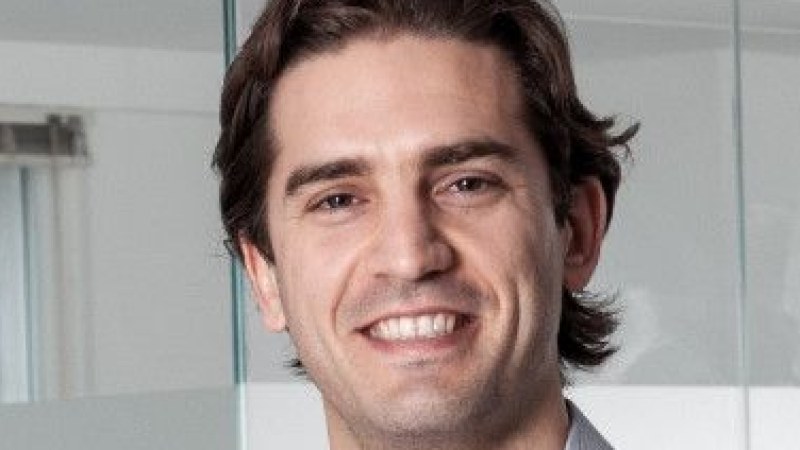
Ege Akpinar
Ege Akpinar is the founder and CEO of Pointr, the indoor location company behind Deep Location, a platform that gives buildings the kind of accurate blue-dot navigation people take for granted outdoors. He started it in 2013 as a Harrods consulting side project, turned it into a venue-mapping engine used by Fortune 100 companies, hospitals, airports and CES, and built an AI mapping system that compresses days of manual map-drawing into minutes.
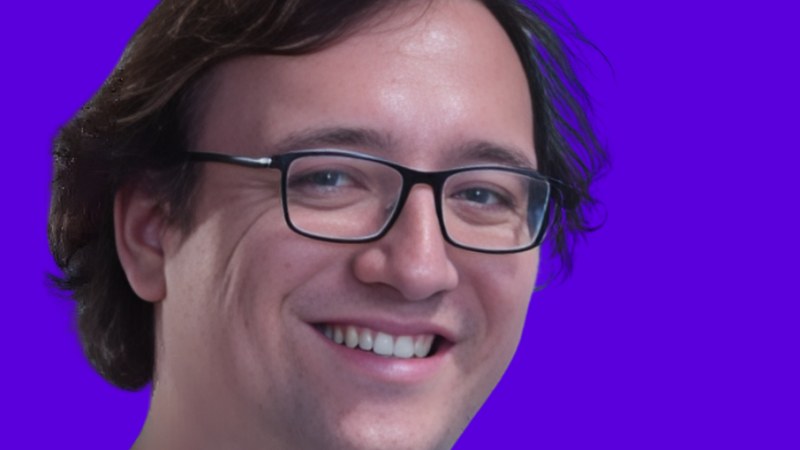
Jonas Schneider
Jonas Schneider is the Founder and CEO of Daedalus, an AI-powered precision manufacturing company headquartered in Karlsruhe, Germany, building the factory of the future. A former OpenAI technical lead and co-founder of its robotics team, Schneider left Silicon Valley in 2019 to solve a problem he lived firsthand: getting precision-manufactured parts takes months, and the world's most advanced machines sit idle 80% of the time. Daedalus deploys proprietary AI software across CNC shop floors to double machine utilization, catch defects in real time, and preserve tacit manufacturing knowledge before it disappears with retiring machinists. The company has raised $41.1M in total funding, including a $21M Series A led by NGP Capital in February 2024, and operates a 50,000-square-foot factory serving defense, medical devices, aerospace, and semiconductor clients.
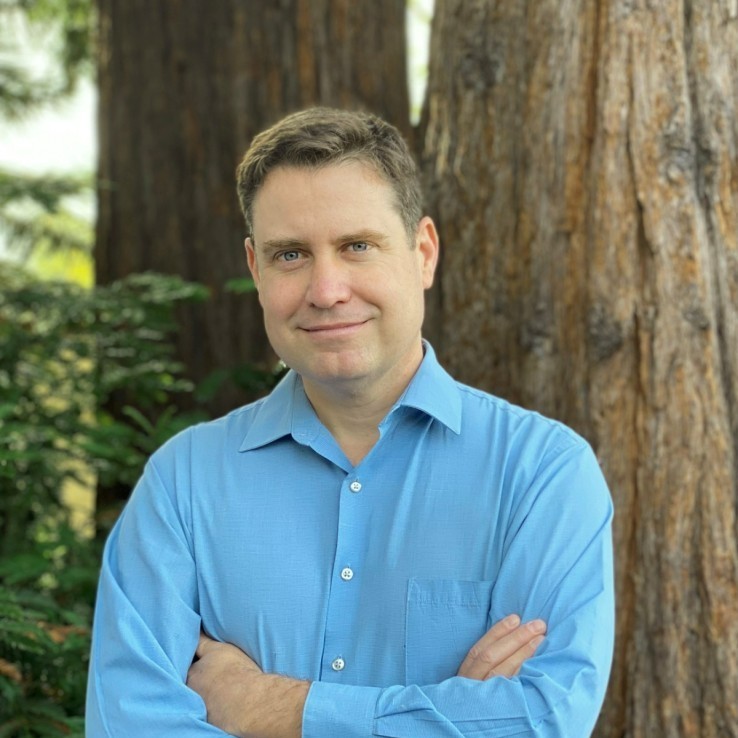
Matt Campbell
Matt Campbell is the CEO and Co-Founder of Terabase Energy, a Berkeley-based company building the digital and automation platform for utility-scale solar. After 15 years at SunPower working across 200+ projects in 20 countries, he launched Terabase from his basement during the pandemic in 2019 - and within three months had secured an 800 MW project in Qatar. Today, backed by SoftBank Vision Fund 2 and Breakthrough Energy Ventures with $207M raised, Terabase's Terafab robotic assembly line is deploying solar at 2-minute cycle times, targeting 24/7 autonomous construction and a future where solar hits one cent per kilowatt-hour.
Otto Marroquin
Otto Marroquin is the Founder of Celera Corporation (operating as Celera Incorporated / Celera Semiconductor), an AI-powered analog semiconductor company headquartered in Alameda, California. Celera has built a patented platform - Nestos - that uses digital twins and behavioral modeling to automate analog IC design, cutting development cycles by up to 10x compared to traditional workflows. Backed by $23 million in funding including a $20 million Series A from Maverick Silicon in August 2025, Marroquin's venture targets the $70 billion analog semiconductor market with a platform that delivers custom analog ICs at a pace the industry has never seen before.
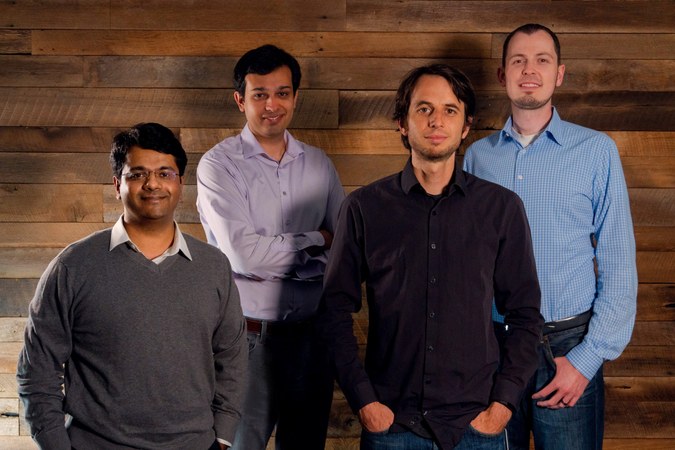
Peyman Kazemian
Peyman Kazemian is the co-founder of Forward Networks, a Santa Clara-based enterprise software company that builds mathematically accurate digital twins of complex networks. His PhD dissertation at Stanford - which became the foundational Header Space Analysis framework - won the NSDI 2024 Test-of-Time Award and directly spawned a company now trusted by Fortune 50 enterprises and U.S. government agencies. A graduate of Sharif University of Technology in Tehran and Stanford's electrical engineering department under Prof. Nick McKeown, Kazemian helped develop OpenFlow and SDN before turning his research into a business that has raised over $140 million to transform how enterprises understand, secure, and manage their networks.
João Diogo Falcão
João Diogo 'JD' Falcão is the CEO and co-founder of AiFi Inc., the San Francisco-based company building the world's largest autonomous retail network. A PhD from Carnegie Mellon and Master's from Cornell in Robotics, JD spent years shaping AiFi's core technology as CTO before stepping up as Chief Executive in September 2025. Under his and the team's leadership, AiFi has deployed 300+ camera-only autonomous stores globally, processes over 90 petabytes of spatial data annually, and counts Microsoft, ALDI, and 7-Eleven among its partners. His central thesis: the physical world deserves to be as queryable as the internet.

Timo Korpela
Timo Korpela is CEO of Haltian Inc. and VP of Sales for North America at Haltian, the Finnish IoT pioneer behind the Thingsee sensor platform and the 'Empathic Building' concept. Raised under the Northern Lights in Finnish Lapland and educated at Helsinki University of Technology, he bridges the precision of Nordic engineering with the deal-making culture of Silicon Valley. Operating from Palo Alto, he drives Haltian's North American growth - a market that accounts for roughly a third of the company's revenue - while negotiating global partnerships with Cisco, Microsoft, and healthcare systems across three continents.

Felix Fink
Felix Fink is the co-founder and CEO of RIIICO, a German deeptech startup building AI-powered 3D factory digital twins using LiDAR point cloud data. Founded in 2021 out of RWTH Aachen University, RIIICO transforms physical factory floors into collaborative, predictive digital environments in a fraction of the time traditional modeling takes. The company raised a $5M seed round in 2025 led by Pi Labs, won the Siemens Inventors of the Year 2024 award in the Open Innovation category, and counts Volvo, Porsche, Volkswagen, and Schaeffler among its customers. Fink drives product strategy with a philosophy of combining startup agility with deep industrial knowledge.
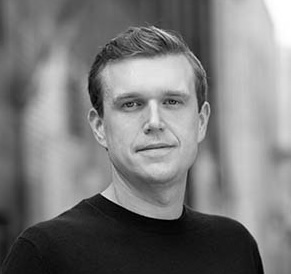
Dan Preston
Dan Preston is the co-founder and CEO of Stand Insurance, a San Francisco-based insurtech company using physics-driven AI and digital property twins to insure climate-impacted homes in wildfire and hurricane zones. A Stanford-trained computer scientist, Preston previously led Metromile as CEO from 2014 to 2022, guiding it through a SPAC IPO on NASDAQ and eventual acquisition by Lemonade. At Stand, he has raised $65 million across two rounds and grown the company to over $1 billion in insured value within its first year, with expansion into Florida's catastrophe market. His vision: insurance as an active driver of community resilience, not just a financial safety net.
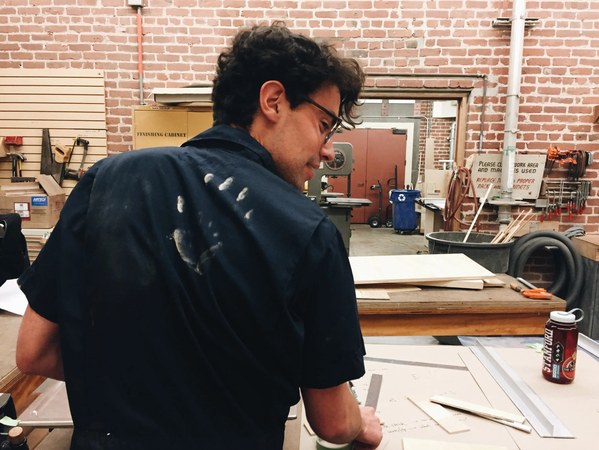
Elliott Spelman
Elliott Spelman is the co-founder and CEO of Polycam, the world's most-used 3D imaging app with over 10 million downloads and nearly 100,000 paying customers. A Stanford-trained designer and creative technologist, Spelman built Polycam to make 3D capture as accessible as photography - describing it as the Kodak Brownie of spatial computing. After meeting co-founder Chris Heinrich at Ubiquity6, they launched Polycam in 2020, raising an $18M Series A in early 2024 backed by Left Lane Capital, Adobe Ventures, and YouTube co-founder Chad Hurley. Today Polycam serves individuals across more than half the Fortune 500 and is pushing hard into AI-powered floor plans, generative 3D, and enterprise spatial workflows.
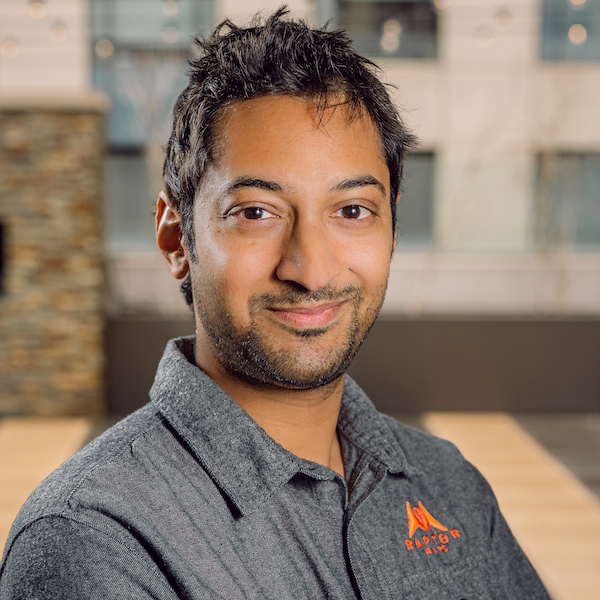
Nikhil Vadhavkar
Nikhil Vadhavkar is the co-founder, President, and CEO of Raptor Maps, the leading solar lifecycle management software platform. A Johns Hopkins and MIT-trained engineer, he pivoted from researching spacesuit thermal control systems and drone-based medical supply delivery in Africa to building the operating system for the global solar industry. Under his leadership, Raptor Maps has scaled to managing over 50 GW of solar PV assets across 40+ countries, raised $63.9M in total funding including a $35M Series C in December 2024, and established itself as the system of record for utility-scale solar asset management.

Bob Rogers
Bob Rogers, PhD, is the co-founder and Chief Product & Technology Officer of Oii.ai, a San Francisco-based AI company that deploys probabilistic digital twins to optimize end-to-end supply chains. A Harvard-trained astrophysicist who once modeled supermassive black holes, Rogers pivoted through quantitative hedge funds, healthcare AI (co-founding Apixio, acquired by Centene), and Intel—where he led enterprise-scale AI as Chief Data Scientist—before channeling that eclectic career into Oii.ai's flagship platform Optii. A prolific author of four AI books and TechArena's 2024-2025 Voice of Innovation, Rogers is known for translating dense physics intuition into practical tools that let supply chain executives make real-time decisions instead of waiting weeks for reports.