LIVE
Haltian integrates with Microsoft Places — March 2025 Wirepas RTLS accuracy boost announced — March 2025 Cisco Live EMEA Amsterdam showcase — Feb 2025 WELL Trademark earned for Environmental Sensors — Sept 2024 Region Skane healthcare partnership — April 2024 Haltian raises €22M growth funding — 2023 North America now ~1/3 of Haltian revenue 26.2% revenue growth reported Haltian integrates with Microsoft Places — March 2025 Wirepas RTLS accuracy boost announced — March 2025 Cisco Live EMEA Amsterdam showcase — Feb 2025 WELL Trademark earned for Environmental Sensors — Sept 2024 Region Skane healthcare partnership — April 2024 Haltian raises €22M growth funding — 2023 North America now ~1/3 of Haltian revenue 26.2% revenue growth reported
YesPress Profile — Technology Executive

TimoKorpela

The engineer from Finnish Lapland who moved to Palo Alto to wire up the world's offices - one invisible sensor at a time.

IoT Smart Buildings Haltian Finnish Tech North America ESG
Visit Haltian
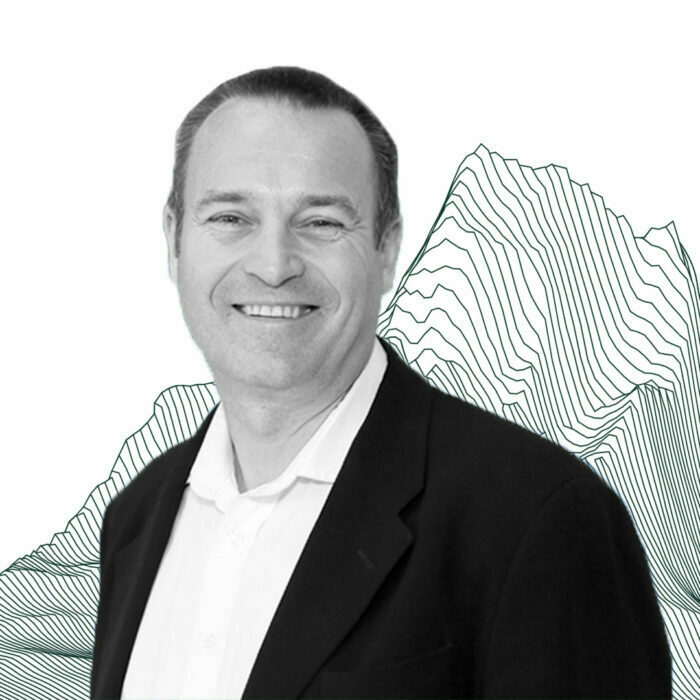
Timo Korpela, CEO of Haltian Inc.
$46M+ Total Funding
130+ Employees
~1/3 Revenue, NA
2012 Founded

The North Star of Nordic IoT

Timo Korpela runs Haltian's North American business from Palo Alto, California. His title is CEO of Haltian Inc. and VP of Sales, North America. His actual job is harder to summarize: convincing the world's largest corporations that the smartest thing they can do for their offices, hospitals, and warehouses is to let a Finnish company fill them with sensors they'll never see.

Haltian, founded in Oulu by Nokia alumni in 2012, builds the Thingsee wireless sensor platform - hardware running on patented mesh network protocols with batteries designed to last years, not months. The sensors track occupancy, air quality, assets, and environments. The data feeds digital twins. The insight drives decisions about energy, cleaning, space, and safety. Under Korpela's watch, North America became roughly a third of total company revenue.

His career is the story of Finnish engineering meeting global markets. He graduated from Helsinki University of Technology in 1993, passed through roles at Vaisala, Rightware, Telenav, and Finlabs, accumulating fluency in automotive, industrial measurement, and embedded software before landing on the IoT frontier. He arrived at Haltian as someone who had already seen nearly every adjacent hardware domain from the inside.

"The future of the Smart Office depends on the synergy between robust network infrastructure and precision IoT."

- Timo Korpela, on Haltian-Cisco Spaces integration

That conviction - that infrastructure and sensors must work together, not in parallel - shaped Haltian's landmark partnership with Cisco Spaces for occupancy analytics. It also led to the March 2025 integration with Microsoft Places, putting Haltian's wireless sensors inside Microsoft's enterprise workplace platform. These are not commodity deals. They are architectural commitments by two of the world's largest enterprise software companies to a 130-person hardware outfit from northern Finland.

What Timo Korpela Actually Says

The future of the Smart Office depends on the synergy between robust network infrastructure and precision IoT. Integrating Haltian's Thingsee sensor suite directly into the Cisco Spaces ecosystem allows organizations to move beyond Wi-Fi guestimates to real-time, high-accuracy occupancy tracking.

Europe has great assets - precise manufacturing, critical infrastructure, defence, automotive and smart transportation. Bringing those capabilities together with 6G technology and AI, I do believe that Europe can be a leader.

At MWC, on European tech leadership

The empathic building would show which desks are cleaned and which desks are not, helping track real-time usage of buildings so cleaning crews could disinfect shared workspaces right after they're used.

On pandemic-era smart building solutions

The Machine Timo Korpela Runs in North America

$46M+
Total funding raised
€22M
Latest growth round (2023)
26%
Revenue growth achieved
130+
Global employees
~1/3
Revenue from North America
2012
Founded in Oulu, Finland

The Building Knows.
Timo Made It Listen.

Somewhere in a hospital in Sweden, a sensor the size of a matchbox is telling facilities management which rooms have been used, which assets have moved, and whether the air quality just dropped. Nobody installed a camera. Nobody filed a privacy complaint. The sensor is from Haltian, and the deal that put it there runs through Timo Korpela.

Korpela grew up under the Northern Lights in Finnish Lapland - a detail that people mention and then move past too quickly. Finnish Lapland is where winter lasts half the year and precision is a survival skill. The engineering instinct is baked in early. He took it to Helsinki University of Technology, graduated with a Master of Science in 1993, and spent the next two decades learning the hardware world from the inside out: environmental measurement at Vaisala, embedded software at Rightware, location-based services at Telenav. By the time he arrived at Haltian, he had more domain fluency in adjacent hardware fields than most people accumulate in a career.

Haltian was founded by former Nokia Mobile Phones executives in Oulu in 2012. The Nokia diaspora is a recurring character in Finnish tech history - a generation of engineers and product builders who learned at the world's then-largest mobile company and then scattered to build things on their own terms. Haltian's DNA carries that legacy: the insistence on hardware quality, the patented mesh network protocols, the obsession with battery life measured in years rather than weeks. These are not software company habits. They come from people who shipped physical objects to 100 countries.

"Europe has great assets - precise manufacturing, critical infrastructure, defence, automotive and smart transportation. Bringing those capabilities together with 6G technology and AI, I do believe that Europe can be a leader."

Korpela's specific contribution was the North American chapter. Based in Palo Alto - which is not where most Finnish IoT companies park their sales leadership - he built a market that now accounts for roughly a third of Haltian's total revenue. His approach combines what his LinkedIn tagline calls "Impossible Things Made Easy" with a pragmatic understanding of what American enterprise customers actually want: integration with existing infrastructure, measurable ROI, and zero security headaches.

The Cisco Spaces integration captures this perfectly. Wi-Fi-based occupancy sensing is a known approximation - buildings used it for years because it was available, not because it was accurate. Haltian's Thingsee sensors give organizations high-accuracy, real-time occupancy data. The partnership Korpela helped negotiate puts that data directly inside Cisco's enterprise platform, so facilities managers don't have to run a separate IoT system. They just get better numbers inside software they already use. That is the architecture of a deal that sticks.

The March 2025 Microsoft Places integration follows the same logic. Microsoft Places is Microsoft's workplace experience layer - the system that tells employees which colleagues are coming in, which floors are busy, and how to book the right space. Plugging Haltian's sensors into Places means Microsoft customers get ground-truth occupancy data, not calendar estimates. For the healthcare sector, this has implications beyond workplace comfort: Region Skane in Sweden chose Haltian specifically to optimize hospital real estate operations.

Korpela was also an early articulator of what Haltian called the "Empathic Building" - a concept that seems obvious in retrospect but required genuine imagination at the time. During the COVID-19 pandemic, when offices everywhere were asking how to make shared spaces feel safe, his answer was data: show workers in real time which desks have been cleaned, which meeting rooms are currently occupied, where air quality is degrading. Turn the building into something that responds to the humans inside it rather than simply containing them. The idea landed with customers ranging from Uniper and Telefonica to Shimizu Corporation in Japan and the UK's National Health Service.

The WELL Trademark for Environmental Sensors, earned in September 2024, is the institutional recognition that the concept was not marketing. WELL is a globally recognized standard for healthy buildings. Haltian's sensors passed it. The deal pipeline in the commercial real estate sector changed the moment that certification appeared.

What distinguishes Korpela's position from a conventional enterprise sales role is the geopolitical dimension. He operates at the intersection of Finnish engineering culture - precision, long battery life, patented protocols, ISO 27001, NIS2 compliance - and North American enterprise buying behavior. Finnish companies don't typically end up controlling a third of their own revenue from the United States. The fact that Haltian does reflects a particular kind of translation work, cultural and technical, that Korpela has been doing for years.

At Mobile World Congress, when the conversation turned to European leadership in 6G, it was Korpela making the case: Europe's assets are precise manufacturing, critical infrastructure, defense, automotive. Pair those with 6G and AI, and Europe can lead. The argument is not sentimental. It is strategic, rooted in exactly the kind of industrial advantage that Haltian already demonstrates at smaller scale - a company that competes on hardware quality, mesh network architecture, and regulatory compliance in a market where most IoT players compete on price.

The latest funding round - €22M led by Mandatum Asset Management, with Varma, Tesi, Ventic, and Inventure participating - brings total raised above $46 million. The mandate is ESG: help building owners hit their sustainability targets using sensor data. Korpela is the person selling that mandate to North American real estate portfolios. The pitch writes itself once you understand that the data already exists, the sensors already work, and the only question is whether building owners want to see what's happening inside their own properties.

Haltian's headquarters is at 1d Yrttipellontie in Oulu. "Yrttipelto" means herb field in Finnish. It is a quietly fitting address for a company that grows its technology quietly, in depth, in soil most people don't think to look at.

From Lapland to Palo Alto

1987
Begins MSc studies at Teknillinen Korkeakoulu (Helsinki University of Technology) - the top engineering school in Finland.
1993
Graduates with Master of Science in Technology. Enters Finnish industrial sector during a period when Nokia is reshaping global mobile hardware.
2000s
Builds expertise across Vaisala (industrial/environmental measurement), Rightware (embedded software for automotive), Telenav (location-based services), and Finlabs. Cross-domain hardware fluency takes shape.
2012+
Joins Haltian, founded in Oulu by Nokia Mobile Phones alumni. Begins building the North American sales operation, relocates to Palo Alto, California.
2020
Pandemic era. Champions the "Empathic Building" concept - real-time desk cleaning status, occupancy tracking, and safe space management using Haltian sensors. Concept goes global.
2023
Cisco Spaces integration partnership negotiated - Haltian Thingsee sensors join Cisco's enterprise ecosystem. Haltian raises €22M led by Mandatum Asset Management. TRAX Analytics North America partnership announced.
2024
Haltian earns WELL Trademark for Environmental Sensors (Sept 2024). Region Skåne healthcare partnership confirmed. Company reports 26.2% revenue growth. North America reaches ~1/3 of total revenue.
2025
Microsoft Places integration launched (March 2025). Wirepas RTLS accuracy partnership announced. Cisco Live EMEA showcase in Amsterdam. Timo represents Haltian at MWC, speaks on European 6G leadership potential.

What He Built

🏗
North America Revenue Engine
Built Haltian's North American business from scratch to approximately one-third of total company revenue. Operates from Palo Alto as CEO Haltian Inc.
🤝
Cisco Spaces Partnership
Negotiated Haltian's integration with Cisco Spaces, giving enterprise customers high-accuracy occupancy data inside Cisco's infrastructure ecosystem.
🪟
Microsoft Places Integration
March 2025: Haltian's wireless sensors integrated with Microsoft Places for enterprise-grade occupancy analytics and space utilization.
🏥
NHS and Healthcare Deployments
Haltian's Empathic Building solutions deployed in UK National Health Service, Region Skåne Sweden, and hospital networks across multiple countries.
🌿
WELL Trademark, Sept 2024
Haltian earned the globally recognized WELL Trademark for Environmental Sensors - a credential that opened commercial real estate ESG mandates.
📡
MWC 6G Representation
Represented Finnish IoT at Mobile World Congress, making the case for European leadership in 6G and AI-powered industrial applications.

Partners Timo Brought to the Table

Cisco Spaces Occupancy Analytics Integration
Microsoft Places Workplace Experience Platform
Wirepas RTLS Accuracy & Mesh Network
TRAX Analytics Smart Facility Management, NA
Region Skåne Healthcare Real Estate Partner
Uniper / Telefonica Enterprise Empathic Building
The Details That Don't Fit in a Press Release
01

His LinkedIn tagline is "Impossible Things Made Easy" - which also doubles as the unofficial operating principle of a 130-person Finnish company that just got integrated into both Cisco and Microsoft's enterprise platforms.

02

Haltian's batteries last years, not months. In a world of disposable consumer IoT gadgets and quarterly hardware refresh cycles, this is a deliberate engineering and sales argument: the total cost of ownership is the pitch.

03

Haltian was founded by Nokia Mobile Phones alumni in Oulu. Korpela's own career trajectory overlaps with the great Finnish tech diaspora - engineers who learned at the world's then-largest mobile company and went on to build hardware with that same precision at smaller scale.

04

The "Empathic Building" concept was articulated before hybrid work became a crisis. Haltian was solving the desk-cleaning problem with real-time sensor data while most offices were still arguing about open-plan layouts.

05

Haltian's headquarters is at 1d Yrttipellontie, Oulu. "Yrttipelto" means herb field in Finnish. Something quietly fitting about a sensor company that grows its technology in a place named for things growing underground, out of sight.

06

North America generating a third of revenue for a Finnish IoT hardware company is structurally unusual. Most European hardware firms treat the US as a stretch goal. Korpela built it as the main event from Palo Alto - Silicon Valley's own backyard.

What's Happening Now

Mar 2025 Haltian announced integration with Microsoft Places for occupancy analytics and space utilization data. New
Mar 2025 Haltian and Wirepas improved Real-Time Location System (RTLS) accuracy and scalability for large-scale enterprise deployments.
Feb 2025 Haltian showcased Cisco Spaces partnership at Cisco Live EMEA in Amsterdam.
Sep 2024 Haltian earned WELL Trademark for Environmental Sensors - a globally recognized standard for healthy buildings. Significant credential for commercial real estate ESG mandates.
Aug 2024 Haltian appointed Mikko Moilanen as global CEO. Timo Korpela continues as CEO Haltian Inc. and VP of Sales, North America.
Apr 2024 Region Skåne (Sweden) selected Haltian as technology partner for optimizing healthcare real estate operations across hospital network.
2023 Haltian raised €22M growth funding led by Mandatum Asset Management, with Varma, Tesi, Ventic, and Inventure participating. Total funding exceeds $46M. Revenue growth of 26.2% reported.

Connect With Timo Korpela

CEO Haltian Inc. & VP of Sales, North America