digital-signage
(39)
Xen Media knows where the audience shops
Before it sold brand stories, Xen Media sold space on screens. Its route from grocery-store signage to food photography, Kia events, and digital campaigns reveals an agency built around the places people already pay attention.
Solutions by Design builds the room around the screen
A Fresno design firm followed its clients from fruit packaging into orthodontic software and interactive museums. Its real specialty is making the content, the code, and the physical space work together.
Best Signs knows where to put the words
A Palm Springs signmaker wrapped a casino entrance in 54 feet of LED display. Its quieter specialty is making buildings easier to read.

SmartSource sells the part of the show you can’t afford to get wrong
A 157-foot LED wall. A nine-day sprint to ship 1,300 workstations. SmartSource’s business lives in the gap between renting technology and making it work on deadline.

EverPass Media wants to run the sports bar’s remote
The company built around NFL Sunday Ticket now sells the software behind the screens. Its proposed sale to DAZN puts a bigger wager on the business of watching together.

Intagleo Systems and the business of making software behave
Airport screens, aging code and recruitment queues: Intagleo Systems sells engineering for the awkward parts of running a business. Its most revealing work starts where disconnected systems make people do the connecting.

Aferian kept the video running. Its own money ran out.
Aferian built the technology behind streaming apps and thousands of managed screens. Its March 2026 collapse left Amino and 24i operating under new ownership - and shareholders with no return from the sale.
The 14,000-kiosk machine hiding behind your lunch break
From McDonald's orders to Premier Inn check-ins, Evoke Creative builds the screens that quietly move people through the day - then keeps the hardware, software and service under one roof.

HYPERVSN Put a Screen on a Bicycle. Then It Made the Screen Disappear.
The London company turned a rejected bicycle-wheel ad into spinning LED displays used by Nike, Coca-Cola and the Sphere. Its real product is not a hologram so much as a carefully engineered interruption.

PatientPoint Turned the Doctor’s Waiting Room Into Healthcare’s Most Valuable Ad Slot
The company found a business hiding in medicine’s dead time: give practices useful screens, give patients timely education, and let health brands pay for access to the moment when attention is unusually high.
The Waiting Room Was Dead Time. CheckedUp Turned It Into Media Inventory.
CheckedUp gives clinics its screens for free, then sells life-sciences brands a measured place inside the medical conversation. The bet works only if education stays useful, advertising stays credible, and every play can be proved.

Poppulo Quit Chasing Customers. Now It Helps Bosses Reach 50 Million Employees
The Irish software company escaped a crowded email market by going narrow. Three decades, several mergers, and 600,000 screens later, it is betting that the next corporate battleground is not sending more messages - it is proving that anyone noticed.

Appspace Put the Office on One Dashboard - Now It Has to Prove One Platform Beats the Pile
Appspace spent two decades turning office screens into a business. Then hybrid work blew up the definition of an office - and pushed the company into a bigger, riskier bet: one operating layer for every workplace surface.
PATTISON Outdoor Put Canada on the Map. Now It Wants to Turn Every Commute Into Data.
The billboard incumbent is pairing a century-old physical network with 20 billion data points, 3D previews and its first U.S. airport. The clever part is not the screen - it is making outdoor media easier to plan, buy and defend in a spreadsheet.
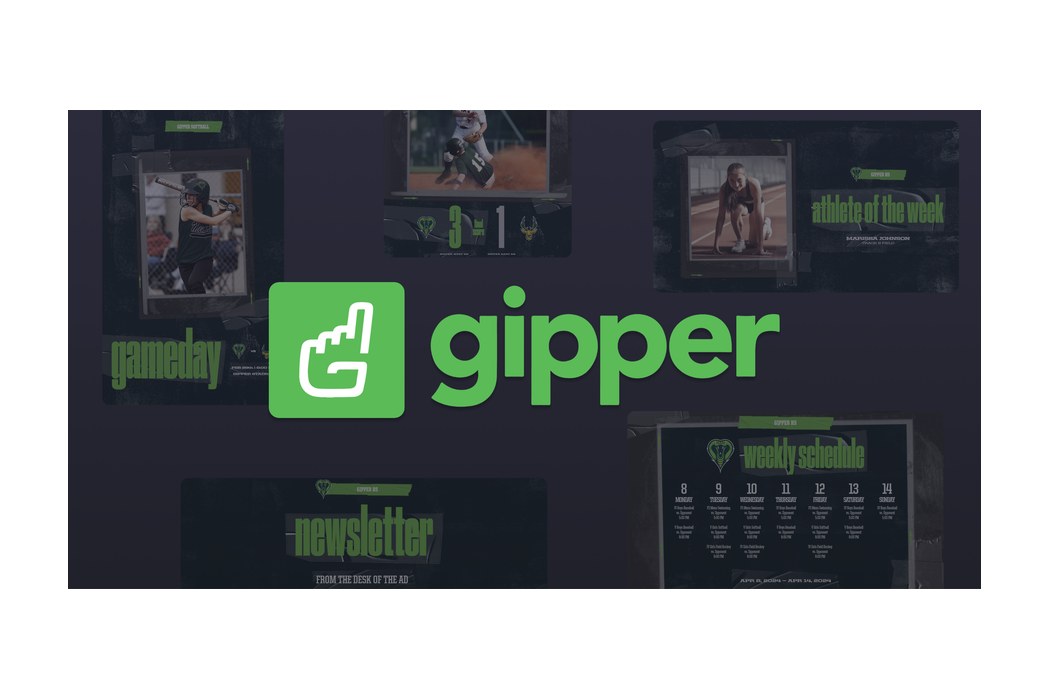
Gipper Is Turning the Overworked Athletic Director Into a One-Person Media Department
School sports have pro-sized stories and office-closet budgets. Gipper's bet is that one opinionated workflow can make an athletic director look like a creative department - without hiring one.

The Company That Beached an iPad in the Wynn Two Weeks After Apple Shipped It
A three-person shop in Mill Neck, New York has been quietly running the wine lists and room-service screens of some of the world's most expensive hotels for two decades. Here is how a first-mover bet on the iPad turned into a durable niche.

PureHD Turned the Hotel TV From a Dumb Screen Into a Digital Front Desk
The 37-person hospitality tech company bet that guests would bring their own subscriptions - and that hotels would pay to make every television useful, manageable and much less annoying.

The Startup That Put a Screen on Your Chairlift - and a Business Behind It
A handful of Colorado skiers got tired of whiteboards and analog clocks on the mountain. Their fix - a self-charging screen on the chairlift - became a communication company with four products and one stubborn idea: communities run on information that arrives on time.
The Company Turning Dusty Trophy Cases Into Touchscreens
VitalSigns spent two decades building commercial signage. In 2017 it pointed that machinery at a problem every school shares: too many plaques, not enough wall.
The Texas Family Shop That Wires Up Classrooms One School District at a Time
Founded in 1981, VTI turns a pile of screens, speakers, and cables into working classrooms - and has quietly kept East Texas schools online for four decades under one stubborn motto: technology changes, values do not.
Big Screen, Small Price: AWALL Wants to Bolt a MicroLED Wall Into Your Living Room
AWOL Vision spent five years selling laser projectors. Then it bolted LED chips to a board, called it AWALL, and started shipping 108-inch video walls to living rooms.

The Company That Sells MicroLED by Refusing to Sell You Too Much of It
An integrator-built microLED brand bet that the way to win the display business was to make it boringly easy to spec, ship, and install. So far, 400-plus walls say the bet is working.

The Iron Range Kid Who Turned 25,000 Screens Into a Sale to Vista Equity
A hockey player from the Iron Range raised $350,000 from hometown investors and built a digital signage company that ran 25,000 screens. Twenty years later, a Vista Equity Partners firm bought it.
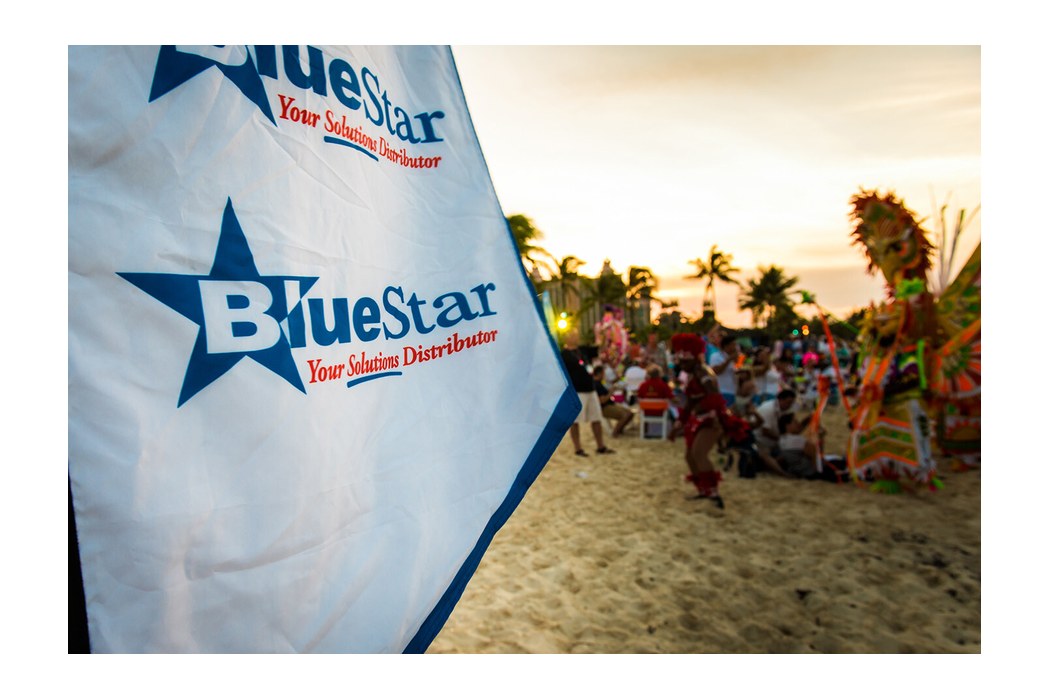
The Invisible Tech Company Behind the Beep, Scan and Tap
BlueStar rarely meets the shopper, nurse or warehouse worker who uses its technology. Its business is making sure the scanners, screens, printers and software behind those moments arrive as one workable system.

Bell Resources
Bell Resources is building AI-powered Roadside Hubs that fold ultra-fast EV charging, automated car washing, clean energy and smart retail into a single connected stop.

Esper
Esper is a Bellevue, Washington software company that builds an enterprise-scale device management platform for dedicated edge hardware - the point-of-sale systems, kiosks, tablets, rugged handhelds, and digital signage that run modern retail, restaurants, healthcare, and logistics. Founded in 2018 by former Microsoft and Amazon engineers, Esper pitched itself early as 'DevOps for devices,' bringing pipelines, remote control, custom Android builds, and over-the-air updates to fleets that traditional mobile device management tools struggle to handle. The company has raised roughly $100M+ across Series A through C and manages devices for customers including Taco Bell, DoorDash, Intelity, and Spire Health.
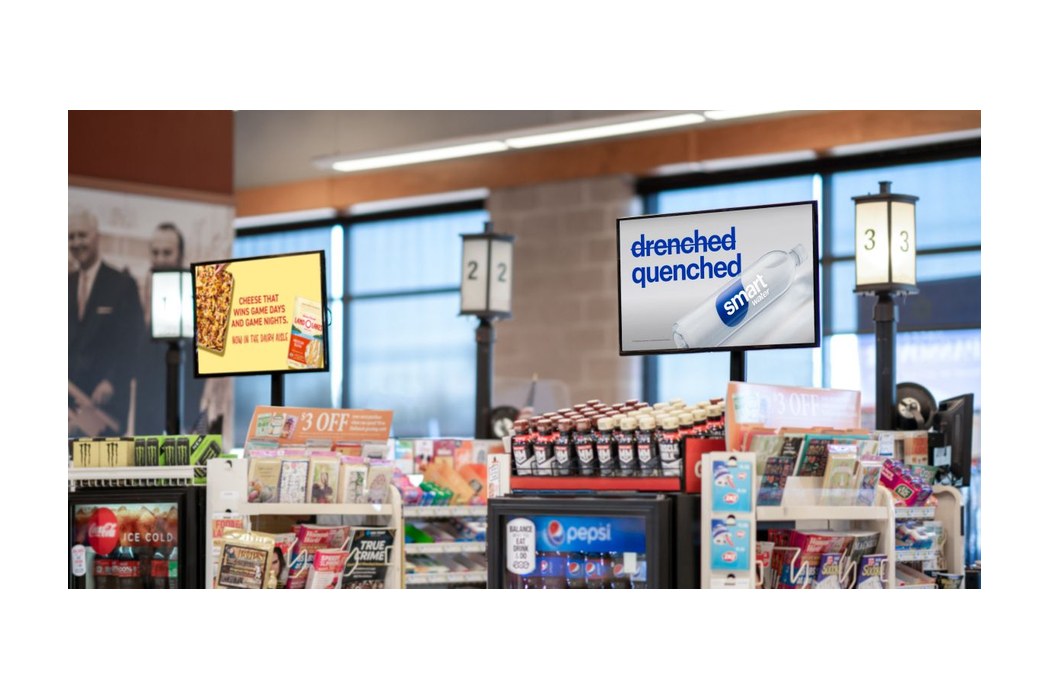
Grocery TV
Grocery TV is an in-store retail media platform that helps grocery retailers build, run and monetize digital screen networks at the front end and throughout the store. Operating the largest in-store retail media network for grocery in the U.S., it powers screens across 6,500+ stores through 120+ retailer partners, reaching roughly 1 in 4 Americans (95M+ shoppers weekly). Brands buy campaigns that run at the point of purchase, retailers earn incremental revenue, and Grocery TV supplies the hardware, content management system and measurement tying ad exposure to sales lift.

Screenverse
Screenverse is a New York-based digital out-of-home (DOOH) advertising company that helps mid-tier screen networks - from bar jukeboxes to Walmart health kiosks and luxury elevator panels - tap into programmatic ad demand. Founded in 2020 by DOOH veterans David Weinfeld and Adam Malone, it acts as an outsourced ad-sales and network-management partner, standardizing inventory, running ad operations, and optimizing pricing so media owners can earn revenue from platforms like The Trade Desk and DV360. The company operates one of the most diverse real-world screen networks, surpassing 100,000 digital screens across all 210 U.S. markets, and raised a $10.5M Series A from Volition Capital in April 2024.

Vistify, Inc
Vistify, Inc is a Santa Ana, California restaurant-technology company whose flagship platform, vMenu, turns static digital menu boards into centrally controlled, software-defined menus for multi-unit and quick-service restaurant brands. The cloud platform lets operators design menus with a drag-and-drop Menu Builder, push changes to thousands of screens in real time, sync pricing with point-of-sale systems in under 30 seconds, and monitor what is actually displaying across every location. Founded in 2015 as Embed Digital and rebranded to Vistify in March 2025, the company serves brands including Craveworthy Brands, WaBa Grill, Urban Plates and Urbane Cafe, and is led by CEO Michael Mathieu.

Light Field Lab, Inc.
Light Field Lab is a San Jose deep-tech company building SolidLight, a holographic display platform that projects three-dimensional objects into open space with no glasses, headsets, or eyewear required. Founded in 2017 by three veterans of the light-field camera company Lytro, it assembles self-emissive, bezel-less panels into modular video walls dense enough - roughly 10 billion pixels per square meter - to form images the eye reads as physically real. Backed by $85M including a $50M Series B with Bill Gates' Gates Frontier, Corning, LG, NCSOFT, and Samsung, and named to TIME's Best Inventions of 2022, the company is now productizing SolidLight for enterprise, entertainment, and public-display markets.