Company Profile / Education Technology / East Texas
The Texas Family Shop That Wires Up Classrooms, One District at a Time
Founded in 1981, VTI turns a pile of screens, speakers, and cables into working classrooms - and has quietly kept East Texas schools online for four decades under one stubborn motto: technology changes, values do not.
Walk into almost any classroom in East Texas and there is a good chance you are standing inside someone else's work. The interactive panel bolted to the wall, the ceiling speaker that carries a teacher's voice to the back row, the cart in the corner charging thirty tablets overnight - none of it installed itself. Somebody drew the plan, ran the cable, programmed the control system, and then stood there patiently while a teacher learned which button turns it on. In a large slice of the state, that somebody has been Visual Techniques Inc.
VTI is not a household name, and it does not seem to want to be. It is a family-owned audio-visual integrator based in the Longview area, and it has been doing the same fundamental job since 1981: taking the technology schools are told they need and making it actually function in a real building full of real students. The company sells hardware, yes. But the reason it has lasted more than 40 years is that it treats the box as the easy part.
What they actually do
Selling the screen is easy. Making it work is the business.
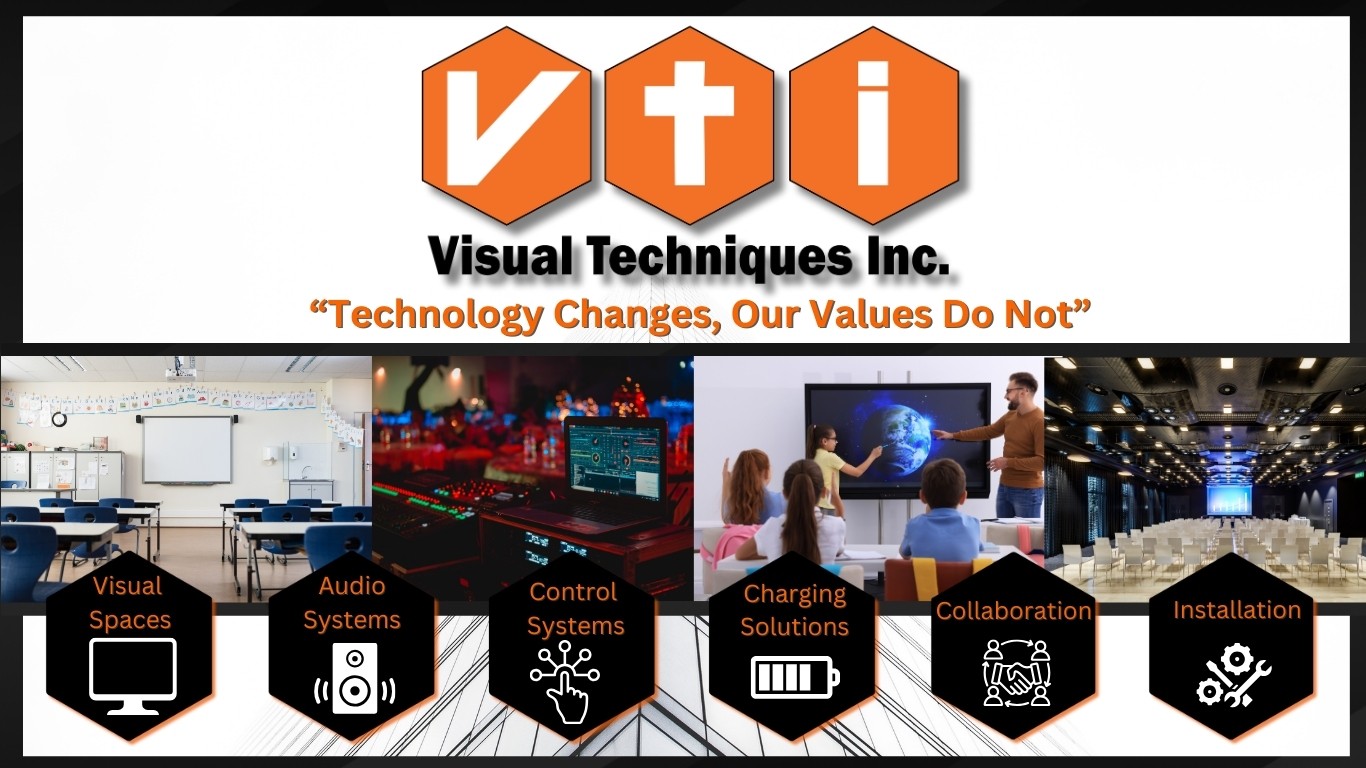
Plenty of companies will sell a school district an interactive display. Fewer will send a crew to mount it at the right height, wire it into the room's audio, connect it to the network, load the district's software, and come back when something stops working in November. That second list is where VTI lives. Its own description of the work is refreshingly unglamorous: consulting, design, programming, project management, installation, and training - on everything it sells.
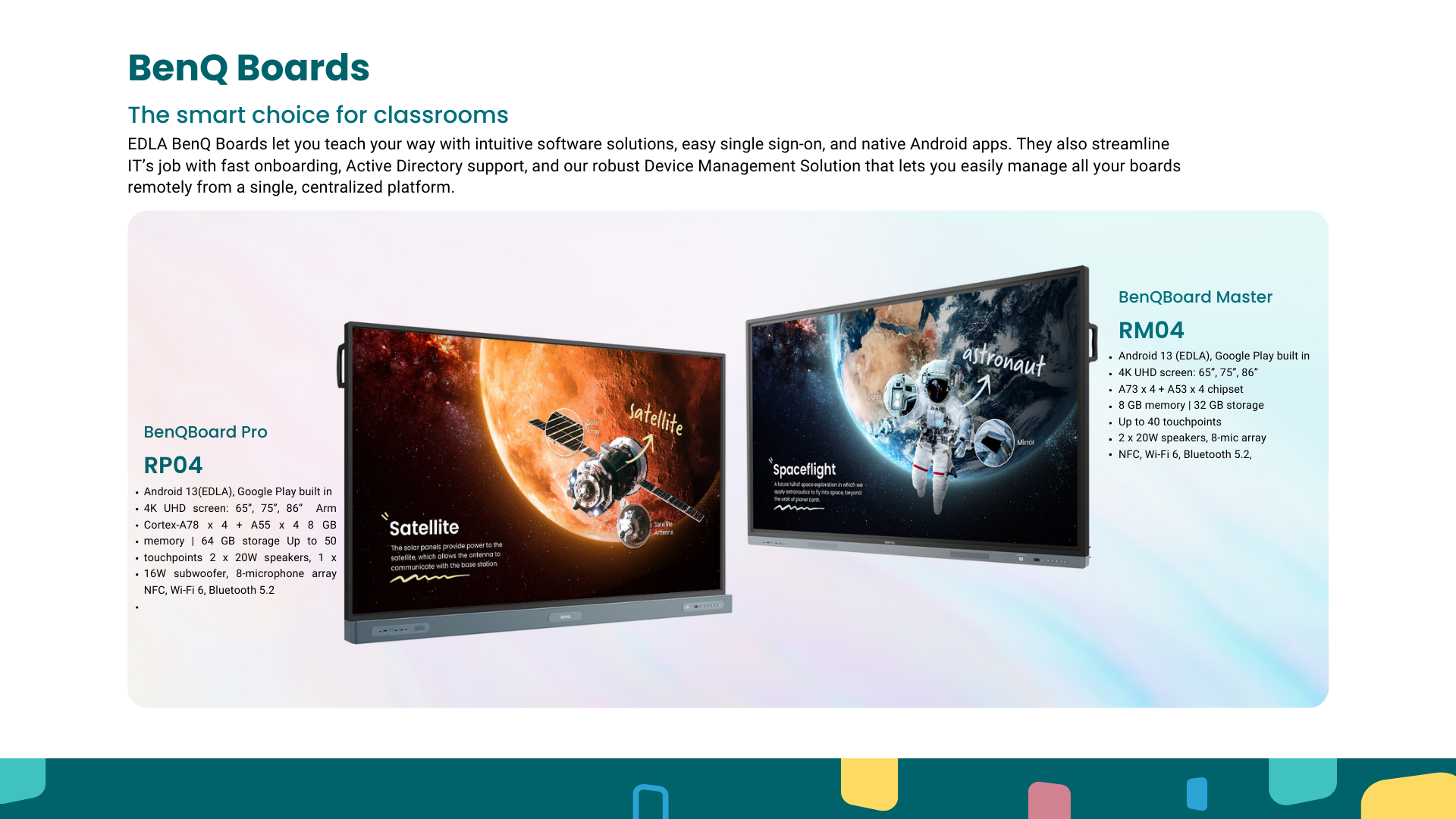
Think of the company as a translator between two worlds that rarely speak the same language. On one side are the manufacturers - BenQ, Boxlight, Epson, Qomo, LockNCharge and others - each with its own hardware, software, and quirks. On the other side is a school building with a limited budget, a busy IT staff, and teachers who need the thing to work by first period. VTI stands in the middle and makes the two fit.
Who buys this
Schools first, then sanctuaries and boardrooms.
The heart of VTI's business is the Texas K-12 school district. The company organizes its sales team by the state's Education Service Center regions, with individual consultants assigned to specific region numbers - a structure that mirrors exactly how Texas public education is mapped. It is a small company deliberately arranged to cover a big, decentralized customer base.
Two other customer types round out the work. Houses of worship, which need large-venue sound and video for sanctuaries, have been part of the mix for decades - a heritage quietly stamped into the company's own logo, where the middle letter doubles as a cross. And businesses come to VTI for the same skills applied to boardrooms, huddle spaces, and conference rooms: the screen, the microphones, the video conferencing, the control panel that makes a meeting start on time.
The problem it solves
Integration is the quiet, expensive headache.
The hard problem in classroom technology is almost never a single device. It is that a modern room is a stack of vendors that all have to cooperate: a display from one brand, an audio system from another, a charging cart from a third, a control system trying to run all of it from one touch panel. Left alone, that stack becomes a support ticket waiting to happen. The job of an integrator is to make it behave like one system, and to be the single phone number the district calls when it doesn't.
This is why service, not hardware, is VTI's real product. A district can buy a panel from a catalog. What it cannot buy from a catalog is a local team that will design the room, get the pieces to talk to each other, train the staff, and still answer the phone three years later. That relationship is sticky by nature - and it is the thing national, ship-it-in-a-box sellers struggle to copy.
The catalog, in plain terms
From projection screens to vape sensors.
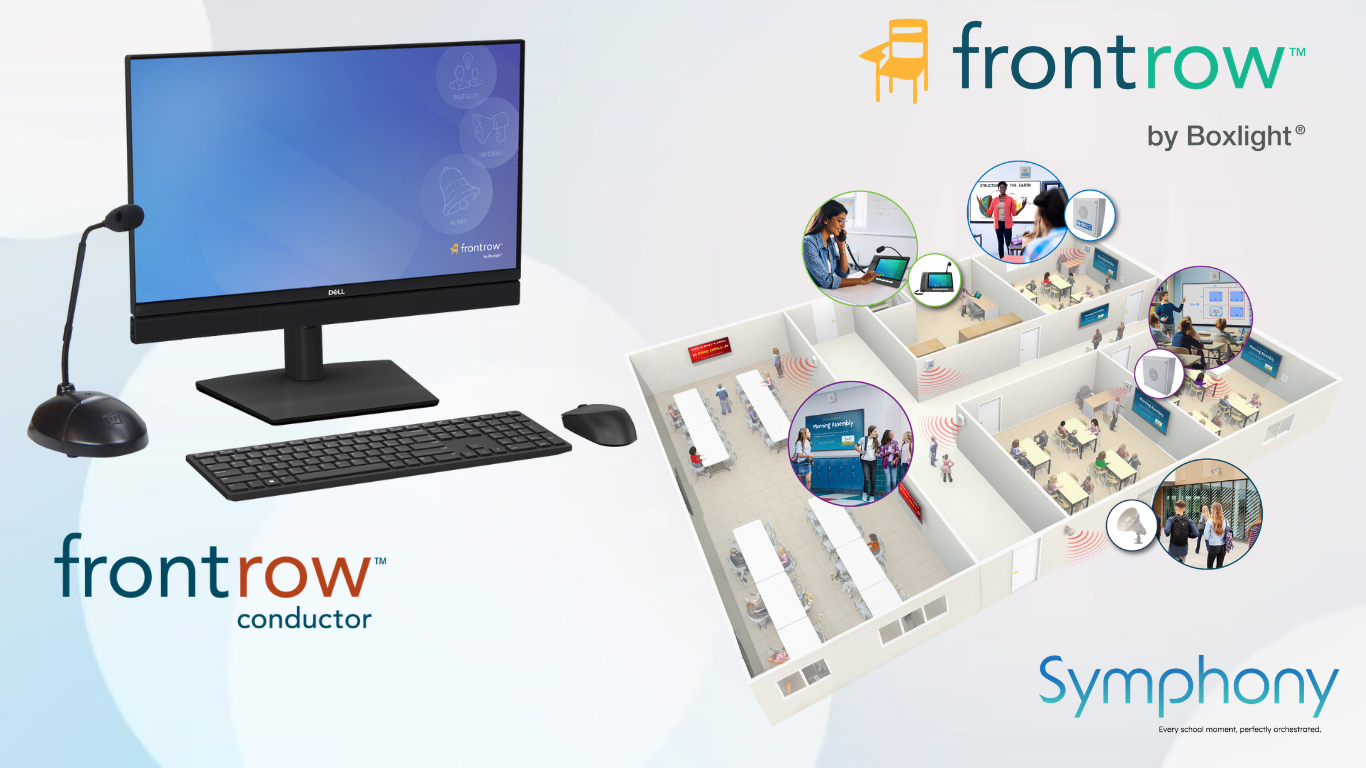
VTI's product range is a decent history of classroom technology itself. It started in an era of projection screens and overhead displays. Today the line includes interactive flat panels, Epson projectors, classroom and large-venue audio, document cameras, room control systems, sound masking for privacy, LockNCharge charging carts for one-to-one device programs, and the furniture - podiums, whiteboards, carts - that holds it all together.
More recent additions read like a tour of what schools worry about now: security camera integration, vape sensors in restrooms, temperature scanners, and photo ID systems. It is an unusually wide catalog for a company of its size, and it is held together by a single idea - if it hangs on a school wall or sits in a school hallway and involves a screen, a speaker, or a sensor, VTI can spec it, install it, and support it.
VTI's world, by category
A rough sense of where the work concentrates across the product range.
Illustrative emphasis based on VTI's published product mix, not audited revenue.
How the money moves
A reseller that sells its own hands.
On paper, VTI is a value-added reseller: it buys hardware from manufacturers and sells it to institutions. But the margin and the moat are in the services layered on top - design, programming, installation, training, and maintenance. Hardware is a commodity; a crew that shows up and a system that works are not.
The other quiet engine is cooperative purchasing. Texas school districts can buy through co-op contracts and memberships that pre-negotiate terms and cut the paperwork of public procurement. For a 12-person company, that is leverage: it is how a small East Texas shop can credibly sell into dozens of districts across the state without an army of salespeople. VTI leans into it, and pairs it with low-key marketing like "Lunch and Learn" demo sessions - part training, part sales call, and yes, lunch is included.
Why it lasts
The un-sexy moat: they answer the phone.
It is easy to overlook a business like this in a market obsessed with software and scale. But VTI has done payroll for four decades with no venture funding, no board, and no need to go viral. Its advantage is boring and durable: it is local, it knows the districts, and it is still around to fix what it installed. The owner and the head of IT share a last name - McMahon - which tells you most of what you need to know about how it is run.
The competition is real. National integrators and resellers court the same districts, and manufacturers increasingly try to sell direct. What those channels can rarely match is a nearby team that treats a school gym, a church sanctuary, and a corporate boardroom as versions of the same wiring problem, and that has earned enough trust to be invited back for the next upgrade. In a business where the install matters more than the invoice, that trust compounds.
Where it fits
The specialist in a market that rewards specialists.
Classroom technology is a fragmented market, and fragmented markets reward companies that go deep in one region and one customer type rather than wide across everything. VTI's whole design - regional consultants, co-op contracts, a service-first pitch - is built for that reality. It is not trying to be the biggest AV company in the country. It is trying to be the one a Texas superintendent thinks of first, and the one that picks up when the panel in Room 214 goes dark.
For a reader running any kind of service business, the lesson is portable: pick a customer you understand better than anyone else, sell the work rather than the widget, and stay close enough to be called again. VTI has been quietly proving that model in East Texas classrooms since the year the first IBM PC shipped - and the classrooms keep turning the lights on.