devops
(130)
Pawel Hytry and the business of letting go
He built a company across borders, sold it, and nearly declined the introduction that led to Spacelift. Now Pawel Hytry is working on a harder kind of delegation: giving people and machines room to act, with rules everyone can trust.

Kevin Boyle and the art of making yourself useful
An Amstrad, a seven-person team, and a problem hiding inside Salesforce. How Gearset’s co-founder turned an engineer’s instinct for fixing things into the work of running a company.
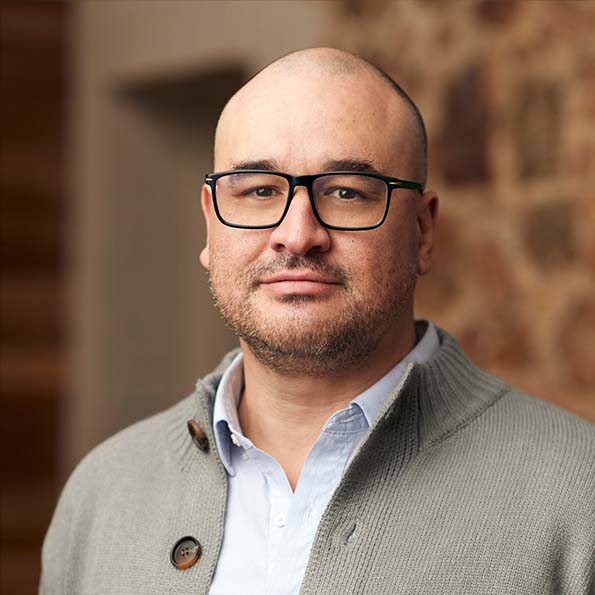
Mike Baukes and the trouble with knowing what you own
In banking, Mike Baukes saw how little large companies understood their own technology. At UpGuard, he has spent more than a decade trying to turn that confusion into something people can act on.

Kumar Chivukula and the Work After the Code
At Adobe and Symantec, Kumar Chivukula learned how much work stands between writing software and shipping it. At Opsera, he is building a business around that stubborn distance - and watching AI make it matter all over again.

Sam Booth and the business of switching off
Sam Booth built Just After Midnight to keep digital businesses running while their teams went home. After selling it, he returned with a different question: which parts of the cloud should be running at all?
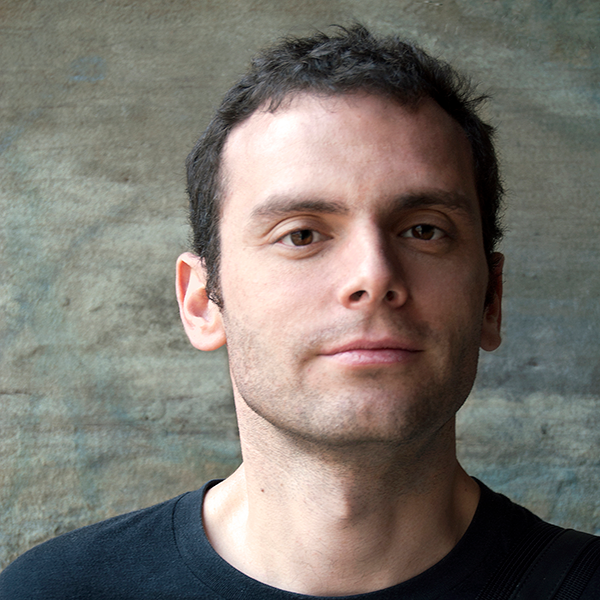
Olivier Pomel would like the bad news first
Before Datadog became a public company, Olivier Pomel and his co-founder had a simpler ambition: get their teams to stop blaming each other. The habit that followed - looking for uncomfortable facts - still shapes how he builds.

Christine Yen and the Trouble with Knowing in Advance
A Saturday failure helped Christine Yen see what software dashboards were leaving out. At Honeycomb, she has built a career around giving engineers room to ask the next question.

Alex Solomon and the art of handing over the pager
He turned an on-call chore at Amazon into PagerDuty. Then Alex Solomon applied the same practical question to his own job: who should take the next call?
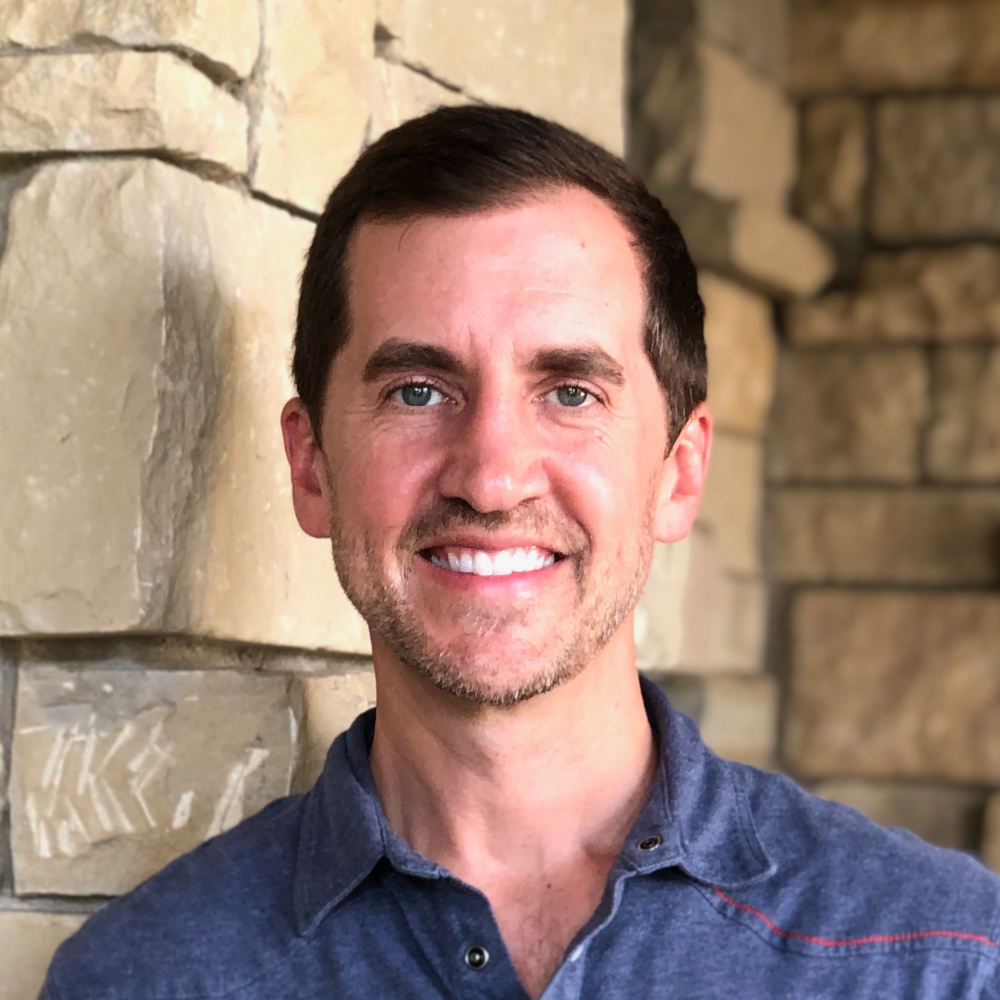
Steve Semelsberger’s Five-Year Route to the CEO’s Chair
He met Testlio’s founders as a mentor, became an advisor, then invested. Five years after that first introduction, Steve Semelsberger took the CEO job. His next company asks how software teams can keep up with change.
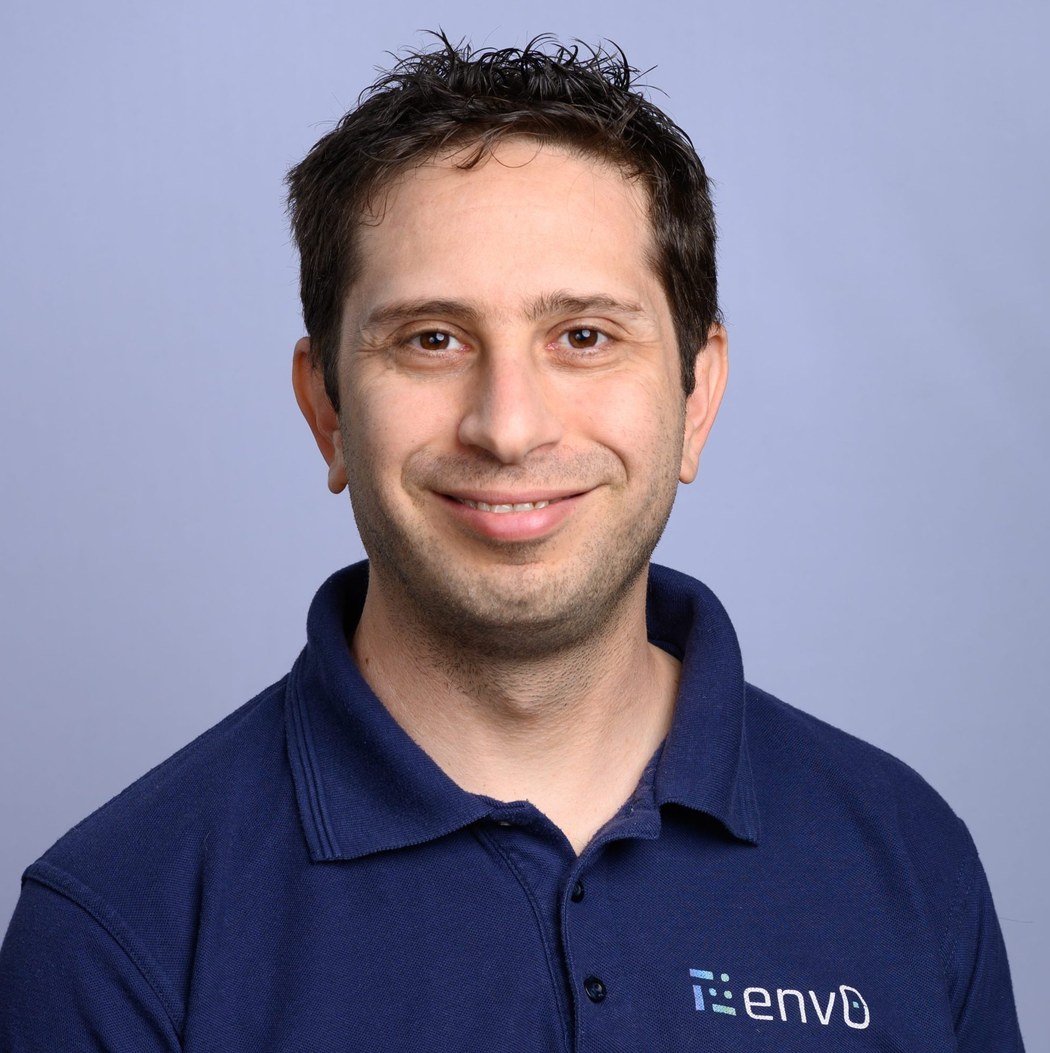
Ohad Maislish and the art of giving up control
He nearly chose the CTO chair, built env0 as its founding CEO, then helped rivals share a new foundation for cloud software. Ohad Maislish’s career keeps returning to a practical question: who gets to act, and who sets the rules?

Vishnu Raju Datla and the art of an uneventful afternoon
After five years of bootstrapping AutoRABIT, Vishnu Raju Datla brought investors into the cockpit. With SimpleTest, he is back at a familiar problem: helping people change enterprise software without making a production of it.

Shlomi Ben Haim and the refrigerator pitch
JFrog’s co-founder built a business around the software most people never see. His story runs from an unlikely investor pitch to a public company, with a stubborn belief that the people you hire early decide what happens next.

Vikas Debnath and the art of noticing before the server stops
In New Delhi, Vikas Debnath has built a career around Linux infrastructure and the people who learn to manage it. His OpenPath classroom carries a working engineer’s question: what is the system trying to tell you?

Jeff Geerling and the Art of Taking Things Apart
From radio towers with his father to Raspberry Pi clusters on camera, Jeff Geerling has spent a career opening the box and showing how the wires connect.

Ashfak Ahmed Is Trying to Make the Computer Disappear
By day, he keeps cloud infrastructure moving at Striim. By night, he is building SensePC around a deceptively difficult question: what if the device in front of you mattered less than the computer waiting behind it?

Wayne Ariola and the Art of Asking What Breaks Next
For three decades, Wayne Ariola has translated invisible technical risk into questions executives can act on. At ScyllaDB, the former testing strategist now applies that instinct to the databases beneath real-time business.

Christie Marsh Turned the Partner Playbook Into a Community Strategy
After two decades building alliances across enterprise software, Christie Marsh took the CMO seat at Copado. Her wager is simple: the future of technical marketing will be built in rooms where partners, practitioners and product teams can actually talk to one another.

Susmitha Vakkalanka Learned the Machine - Then Learned How to Explain It
Before she marketed software delivery, Susmitha Vakkalanka built software. Her route from Intel engineer to Opsera CMO explains why her favorite marketing material is not decoration, but a complicated system made legible.

Ramiro Berrelleza Wants Every Coder - Human or AI - to Have Somewhere Real to Work
A childhood encounter with office computers led from Guadalajara to Azure, Atlassian and a summer of hacking in Madrid. Now Okteto's co-founder is applying the same stubborn idea to AI agents: code improves when it can meet reality early.

Jim Rose Has Spent Six Startups Hunting for the Flicker
Before CircleCI became the factory floor for digital goods, its CEO learned entrepreneurship through copy machines in China, a group-buying patent, a vanished Facebook growth engine, and one stubborn mobile testing problem.
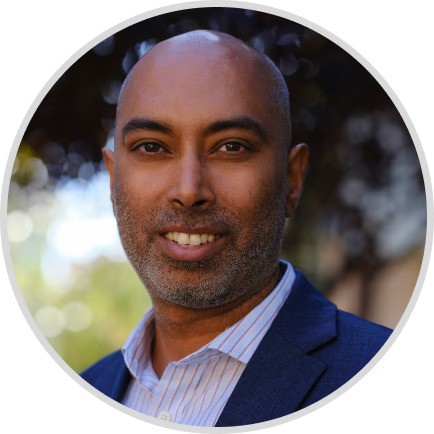
Pankaj Thakkar Wants the Cloud to Keep Its Receipts
Before he asked companies to own their observability data, Pankaj Thakkar helped make networks programmable. Now the Kloudfuse co-founder and CEO is applying the same instinct to telemetry: open the system, expose the machinery and make the bill predictable.

Rajiv Jain Built a Career Asking One Uncomfortable Question: What Could Break?
From object-oriented graphics patents to AI-era quality engineering, the ThinkSys founder has spent three decades turning software's awkward edge cases into an operating philosophy.
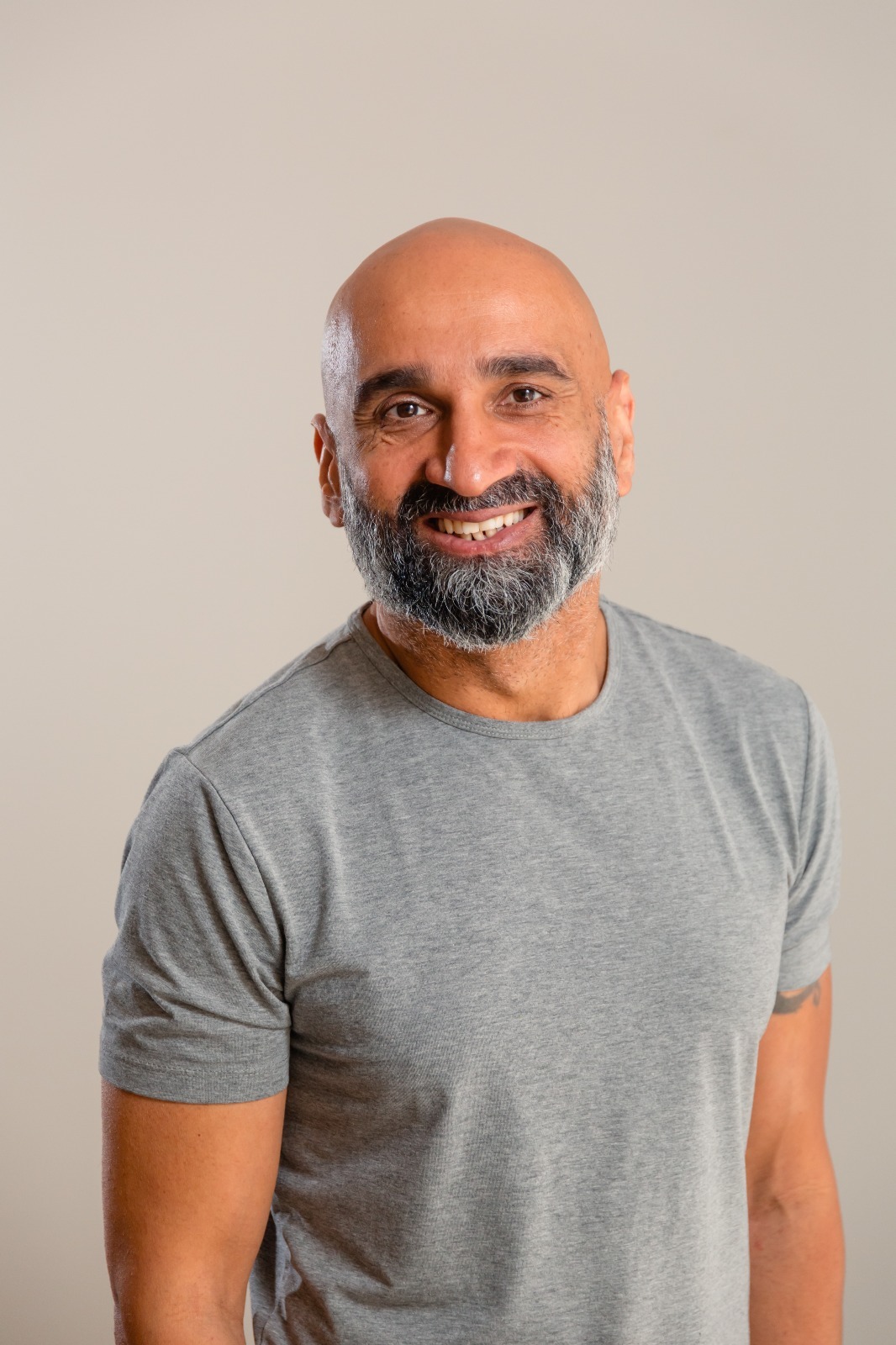
Jack Singh Put His Career in a Spreadsheet. The Answer Was Avahi
The Avahi founder learned business from the packaging bench to the partner channel. Now his operating system is a curious mix of spreadsheets, candid feedback and a bias for shipping AI that earns its keep.
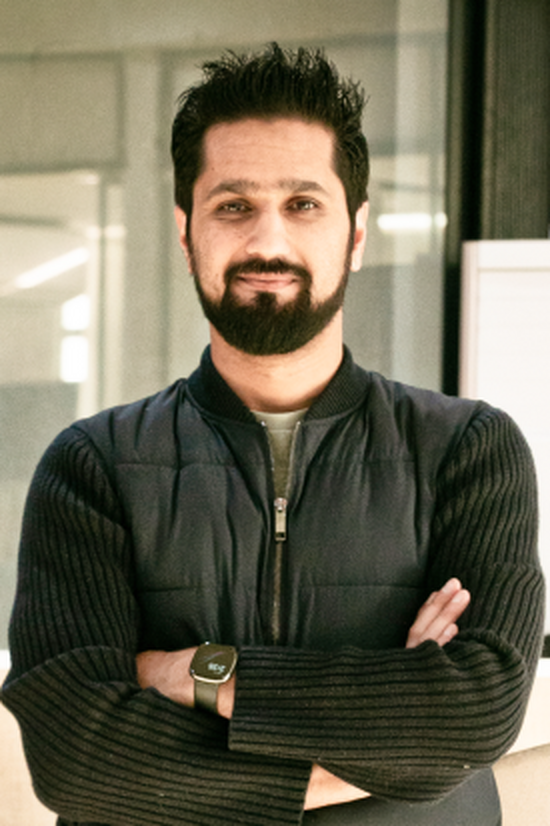
Abdullah Shah Builds for the Moment After the Demo
Before reliability became a boardroom word, Abdullah Shah was measuring controllers, engineering failure recovery and turning infrastructure into code. Now, at Xgrid, he is applying the same instinct to cloud platforms and durable AI workflows.
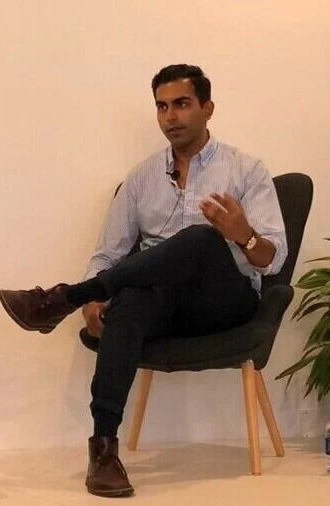
Achintya Ashok Is Teaching AI Agents Which Tools to Pick
After building systems for currency traders, streaming audiences and crypto customers, the OneGrep co-founder is tackling a quieter AI problem: giving agents the judgment to use their tools well.

Alex Feiszli Bet His Career on the Internet's Most Boring Problem
He left IBM to make far-flung machines behave like neighbors. Five years, one YC batch, and a great many WireGuard tunnels later, Alex Feiszli is still turning network plumbing into a product people can actually operate.

Debosmit Ray Learned to Read the Cloud Bill Like a Product Brief
The former Uber engineer built DevZero for developer productivity, then watched customers point it at a different problem. His response was an unusually candid pivot toward the expensive, anxious business of making Kubernetes waste less.
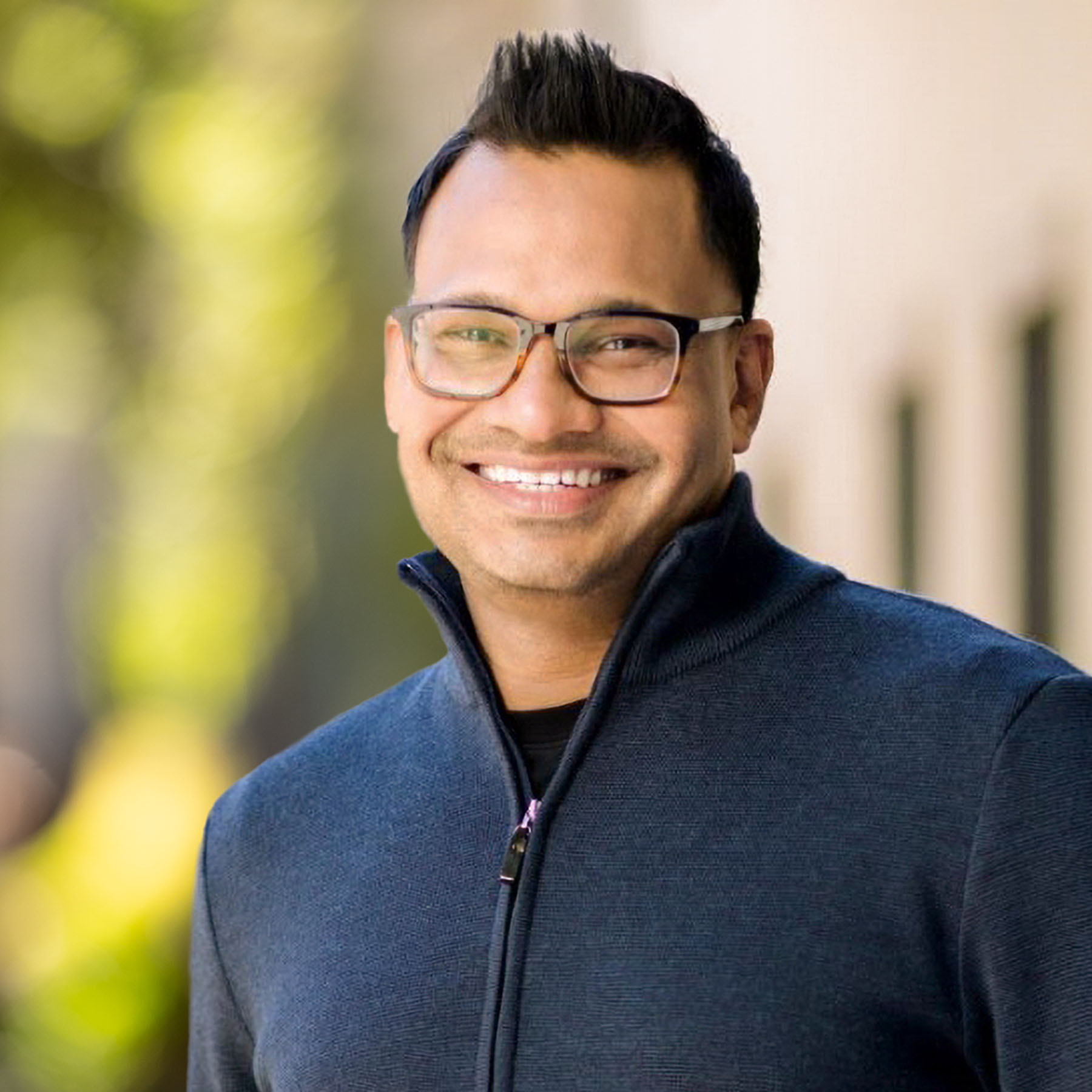
Jyoti Bansal Is Building the Factory After the Code
He waited seven years for permission to start. Then he sold AppDynamics on the eve of its IPO, discovered retirement was a poor fit, and returned to the workbench. Now Harness is his attempt to organize everything that happens after code.
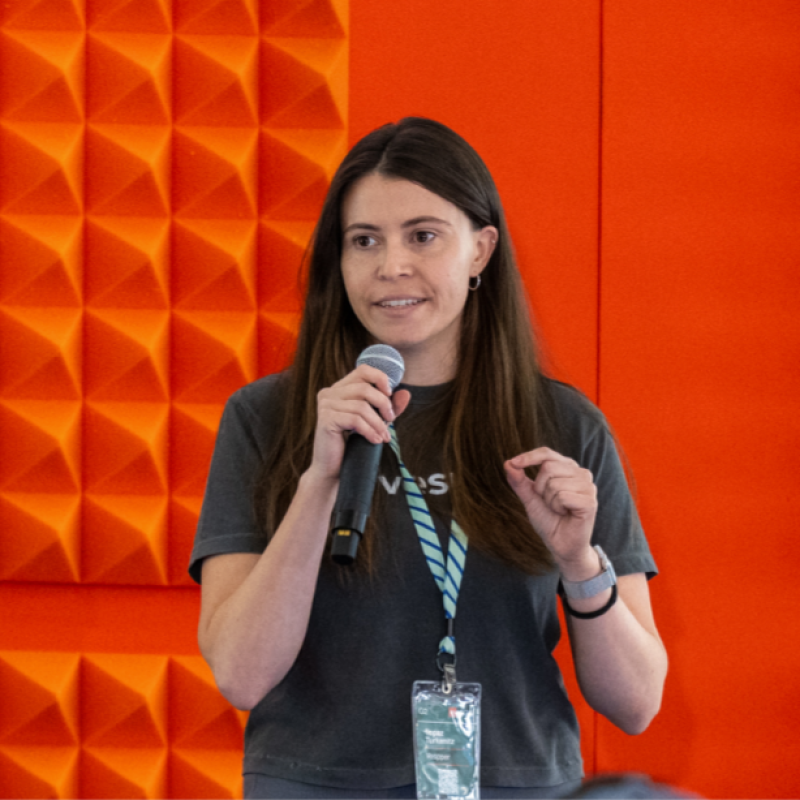
Topaz Turkenitz
Topaz Turkenitz is the co-founder and CEO of Vespper (YC F24), a multi-agent AI system that acts as a 24/7 on-call engineer, triaging alerts and troubleshooting incidents through Slack in seconds. A full-stack software engineer with a background in computer science and design, she spent years at the security unicorn Snyk building distributed systems at 99.9% uptime and running growth experiments before setting out to make on-call work stress-free.

Stephen Koza
Stephen Koza is the CEO of EverOps, a San Francisco DevOps and IT operations partner that embeds engineering teams inside high-growth companies. A Texas-raised electrical engineer who traded the lab bench for the sales floor, he spent 17 years building go-to-market functions in Silicon Valley, most notably growing Cisco Meraki's global service provider business from zero to $400M and leading industrial sales at Samsara. As Managing Partner at Blue Ono Capital he led the investment in EverOps in 2022, then stepped in to run it, pairing an inner-nerd love of technology with a people-first, no-jerks approach to building teams.