developer-tools
(430)
Jamie Turner and the art of making work disappear
An early Dropbox user became one of its infrastructure leaders, then co-founded Convex to spare other developers the plumbing. Jamie Turner’s next question is what happens when the programmer has an AI colleague.

Brian Vallelunga and the problem that survived the startup
A failed crypto marketplace left Brian Vallelunga with a useful nuisance: nobody knew where the software’s secrets were. He built Doppler around it, bought the first prospects burritos, and eventually handed over the CEO’s chair.

Sahas Katta and the car that needed a translator
A teenage technology blogger wanted to write an app for a car. The difficulty of that small request became Smartcar, a company built with his brother - and now part of a larger experiment in household energy.

Ovais Tariq and the art of making storage uneventful
After nearly six years building storage at Uber, Ovais Tariq co-founded Tigris Data. His next challenge is to make global storage feel simple, even when the work underneath reaches all the way down to the hardware.

Nicolas Dessaigne and the art of letting go
He helped turn an offline search engine into Algolia, then hired someone else to run it. At Y Combinator, Nicolas Dessaigne is putting a career of changing course to work for other founders.

Stephen Whitworth and the trouble after the alarm
His first production deployment caused an outage. Years later, Stephen Whitworth co-founded incident.io to help teams handle what happens next - the decisions, the communication, and the work of putting things right.

Taylor Otwell’s $57 million change of mind
Taylor Otwell spent 13 years building Laravel on his own terms. Then the programmer from Arkansas accepted outside investment to tackle a problem his success had made harder to ignore: what should he build next?

Travis McPeak and the art of getting out of the way
From Netflix’s self-service tools to Resourcely and AI coding agents, Travis McPeak has kept returning to one question: how much security work can you take off a developer’s plate?

Kumar Chivukula and the Work After the Code
At Adobe and Symantec, Kumar Chivukula learned how much work stands between writing software and shipping it. At Opsera, he is building a business around that stubborn distance - and watching AI make it matter all over again.

Stefan Hoenig Saw a Business in a Little Box on the Screen
Before he became Syncfusion’s first CEO, Stefan Hoenig was solving the stubborn problem of rows and columns. His career traces what can happen when a developer keeps working on the parts everyone else would rather buy.

Christine Yen and the Trouble with Knowing in Advance
A Saturday failure helped Christine Yen see what software dashboards were leaving out. At Honeycomb, she has built a career around giving engineers room to ask the next question.
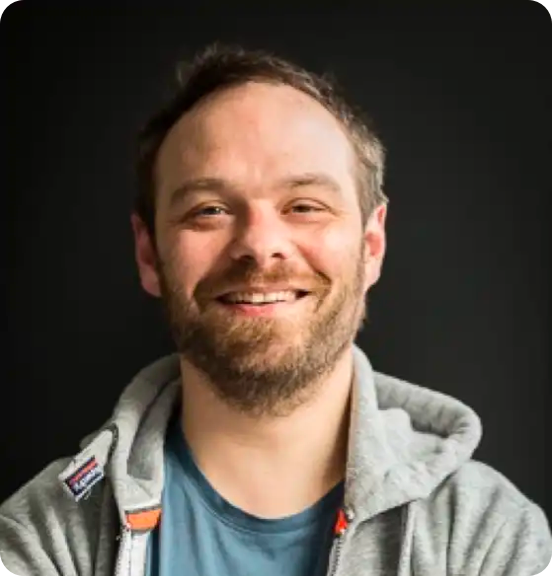
Emile Vauge’s case for a boring internet
He built Traefik to spare himself the work of routing thousands of microservices. A company, a global community and billions of Docker pulls followed - along with a rather good collection of cheese names.

Sam Saffron and the cost of a little waiting
From a homemade media browser to Discourse, Sam Saffron has kept finding work hidden inside everyday annoyances. Now the co-founder and co-CEO is asking what AI saves us - and whose time it spends.

Lachlan Donald’s Second Act Has a Different Job Title
He helped Buildkite grow, stepped aside as CEO, and returned as CTO. Lachlan Donald’s career keeps circling the same question: what gets in the way of people doing good work?

What Daniel Jebaraj saw in five minutes
A spreadsheet exercise in Kisumu revealed talent that a résumé could miss. For Syncfusion’s co-founder and CEO, it sharpened a question running through decades of work: what could people build if getting started were easier?

Joe Duffy and the trouble with making things simple
He helped open .NET to the world, then left Microsoft to make cloud infrastructure programmable. At Pulumi, Joe Duffy keeps returning to a stubborn question: why should powerful computers require such painful tools?
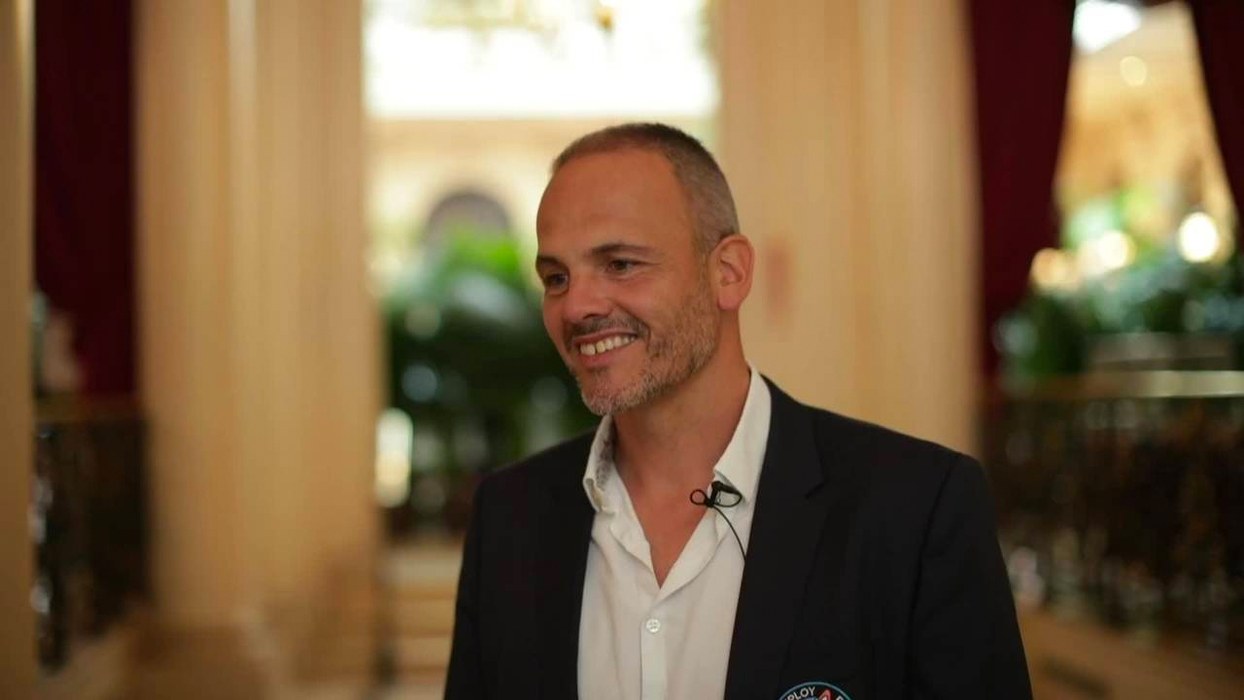
Frédéric Plais and the office he didn’t need
The Upsun co-founder personally prefers the company of an office. He built a business that works across borders, and a career spent asking what keeps useful work waiting.

Anurag Goel and the trouble with getting things online
Before he founded Render, Anurag Goel kept building apps to find his next idea. The recurring nuisance of getting them online became the problem he chose to spend his career solving.
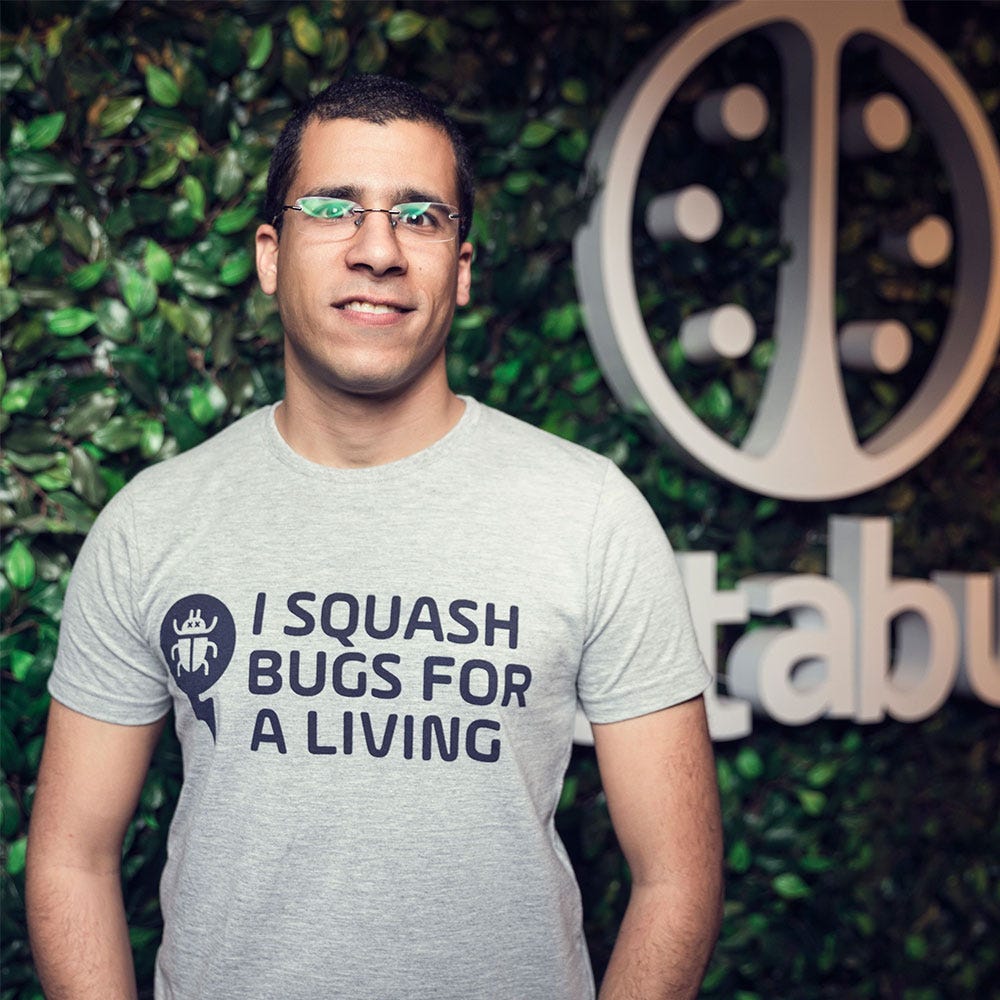
Omar Gabr and the feature that ate the company
A shake of the phone gave Omar Gabr and Moataz Soliman a reason to abandon their original idea. The company they built around it became Instabug, then Luciq - and gave Gabr a long education in listening.

Sylvain Perron and the trouble with being understood
A programmer tired of answering the same questions built Botpress to make software understand people. Years later, Sylvain Perron is still working on the conversation that started it all.

Ry Walker and the trouble with arriving
He co-founded Astronomer, stepped away in 2022, and started again with Tembo. For the Cincinnati software builder, the interesting work keeps moving back to the beginning.
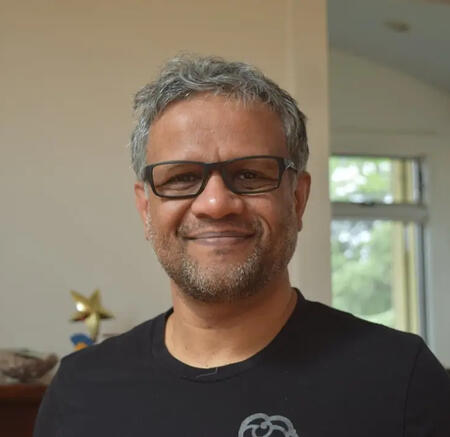
Jiten Vaidya and the art of handing over the keys
He helped keep YouTube’s databases running, then co-founded PlanetScale to bring that experience to other developers. His next chapter puts the founder, rather than the database, at the center of the work.

Jay Ram Wants to Change the Rules of the Game
He left quantitative finance, built an AI prank-calling app, and then chose a more demanding audience. At HUD, Jay Ram is building places where AI agents can practise - and where their mistakes have something to teach.

Taron Khachatryan and the distance between an idea and your hands
A cardboard viewer gave the Knoxlabs founder his opening. His longer pursuit runs through developer tools, virtual classrooms and robotics: making unfamiliar technology something people can actually use.

Syed Fazle Rahman and the value of a home address
Before he helped developers publish on their own domains, Syed Fazle Rahman wrote the tutorials they learned from. His path through Hashnode and Bug0 follows the practical work of making software useful to other people.

Quinn Slack and the ten-dollar lesson that kept getting bigger
His first customer wanted a baseball website. Then came Sourcegraph, and now Amp. Quinn Slack’s career follows a persistent question: how much easier can we make it to build something useful?

Magnus Hillestad went upstairs. Then he went global.
At 35, Magnus Kongsli Hillestad began learning to code. An Oslo attic, an architecture project and a move to California help explain how the former private equity director became Sanity’s co-founder and CEO.

Ben Uretsky and the business of making less work
Before DigitalOcean, Ben Uretsky learned that better servers could still lose the sale. His next company made a different promise: give developers an easier way to get on with their work.

Kevin Wang and the small print inside your software
Before FOSSA, Kevin Wang made software licenses readable. Now its founder and chairman wants to make the work of maintaining borrowed code easier to finish.

Mitch Radhuber Is Teaching AI What the Pager Never Knew
After years debugging financial systems that processed hundreds of billions of rows a day, Mitch Radhuber left Goldman Sachs to build Corelayer. His wager is simple: the next on-call engineer will need memory, context and the good sense to ask a human.