data-engineering
(59)
Ashish Baghel and the trouble with starting over
After years in global consulting, the NucleusTeq founder chose to build a services business and a data platform together. His wager: enterprise AI should begin with the systems a company already has.
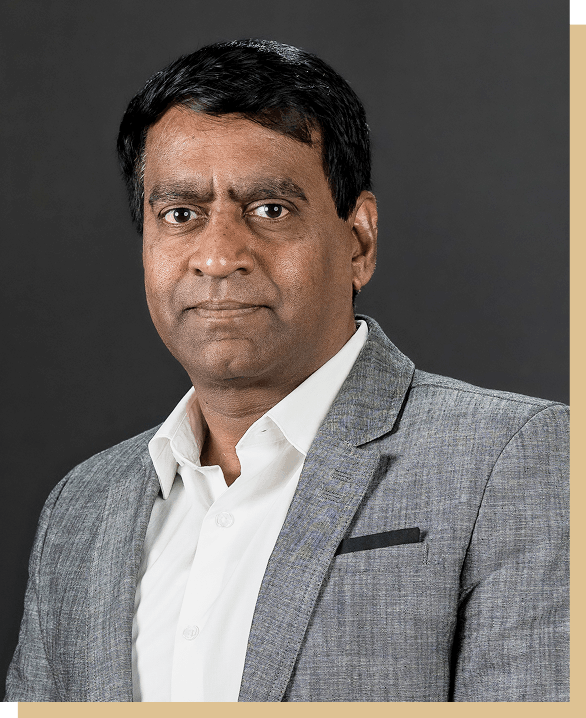
Praveen Kola and the unfinished business of AI
Before founding RandomTrees, Praveen Kola worked on the data systems that keep large companies running. His next chapter puts AI to work on the awkward jobs those systems leave behind.

Lukas Schulte has a bakery in mind. First, the data tools.
He recruited his father and a former colleague to build SDF Labs, then took its SQL technology into dbt. Behind the compiler work is a founder who likes precise tools, capable teammates, and the patience required to bake bread.

Atul Arya gave himself a deadline
On his 35th birthday, Atul Arya quit to build Blackstraw. The company he created carries traces of a Chennai childhood, a stubborn interest in execution, and a belief that loyalty should pay both ways.
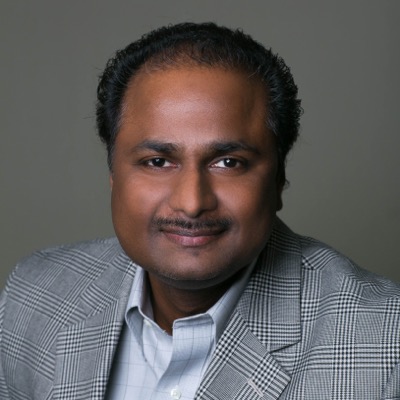
Ravi Kopuri and the business of paying attention
A customer praised his team for learning a 75-year-old business. For DATAECONOMY co-founder Ravi Kopuri, that small compliment opens a larger story about technology, teaching, and the work of earning trust.

Kumar Kanakamedala and the value of a wider view
Anblicks’s co-founder and CEO has a simple explanation for how judgment grows: exposure. His career puts that idea to work through new colleagues, acquisitions, and an expanding view of what a data business can do.

Arun Gollapudi and the question before the answer
Before Systech, Arun Gollapudi wrestled with the cost and complexity of reporting at Nestlé. Three decades of databases, cloud platforms and AI later, his career keeps returning to a practical question: what can a business actually do with its data?

Akshay Jain and the Long Road from Data to a Decision
The UsefulBI co-founder has built a career around the distance between having information and knowing what to do with it. His company’s expansion offers a practical view of how an analytics business grows up alongside AI.
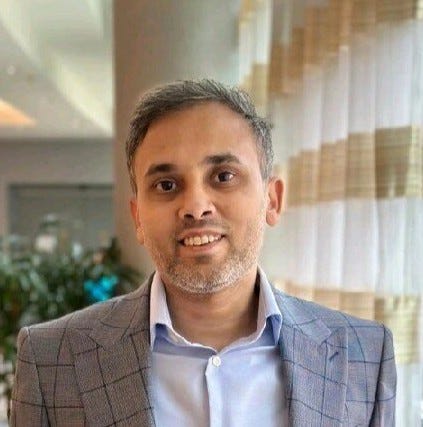
Venkata Kiran Meduri and the trouble with knowing more
At Syren, Venkata Kiran Meduri connects the data behind supply chains. His harder question is what happens when the people in charge have to act on it.

Ori Rafael and the cost of a simple question
A database engineer wanted cloud data to be easier to use. That frustration became Upsolver, and later a place inside Qlik’s bet on the open lakehouse.

Nong Li and the cost of waiting
He helped create Apache Parquet, worked on faster Spark queries, and co-founded Okera to tackle the permissions queue. Nong Li’s career follows a stubborn question: what keeps people from using their data?

Soumyadeb Mitra and the problem before the prediction
Before Soumyadeb Mitra could build better machine learning, he had to make the customer data cooperate. That frustration became RudderStack - and a question he is still asking in the age of AI agents.

Thiru Arunachalam and the problem with too many buttons
He helped turn the smartphone into a television remote, then watched the business grow far beyond the coffee table. At WALT, the Peel co-founder is back to an older obsession: making complicated data do something useful.
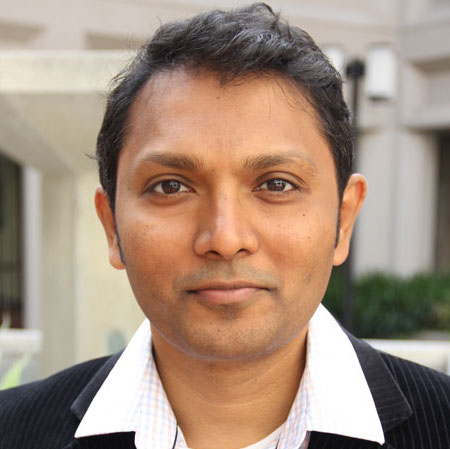
Amar Arsikere and the Work Before the Breakthrough
At Google and Zynga, Amar Arsikere helped build systems for enormous amounts of data. With Infoworks, he took on a more stubborn problem: how to make that work repeatable for everyone else.

Vitali Likhadzed and the Problem After the Demo
The ITRex Group CEO spent years in business intelligence before taking the helm of an AI consultancy. His recurring question is practical: what has to change before a clever system becomes useful at work?

Nas Radev and the Trouble with 22 Right Answers
An engineering project became Infinite Lambda. Now its co-founder and CEO is trying to automate the work that built his business - while keeping people responsible for the decisions.

Leopold von Waldthausen and the borrowed badge
At 19, he talked his way into Y Combinator with Sam Altman’s name around his neck. A decade later, the Zeit AI co-founder is building software for the people who keep European industry running.

Rishi Yadav and the work between the breakthroughs
From Apache Spark cookbooks to AI evaluation, the InfoObjects founder keeps returning to a practical question: how does a promising idea become something people can depend on? His career has room for algorithms, a university, and a dog named Sparky.

Steve Wilkes and the Case Against Yesterday’s Data
He spent years helping databases speak to one another. Then Steve Wilkes began asking a more impatient question: why wait for the data to arrive before making it useful?

Prateek Chawla and the Art of Stopping Bad Data at the Door
He joined a young startup to build its data platform from scratch. Seven years later, Prateek Chawla is still working on the same deceptively difficult promise: letting good data through and stopping trouble before it travels.

Ju-Kay Kwek Has Spent 15 Years Making Data Less Precious
Before AI could answer a revenue question, someone had to make the numbers trustworthy. The Switchboard co-founder has built a career in that stubborn, essential gap.
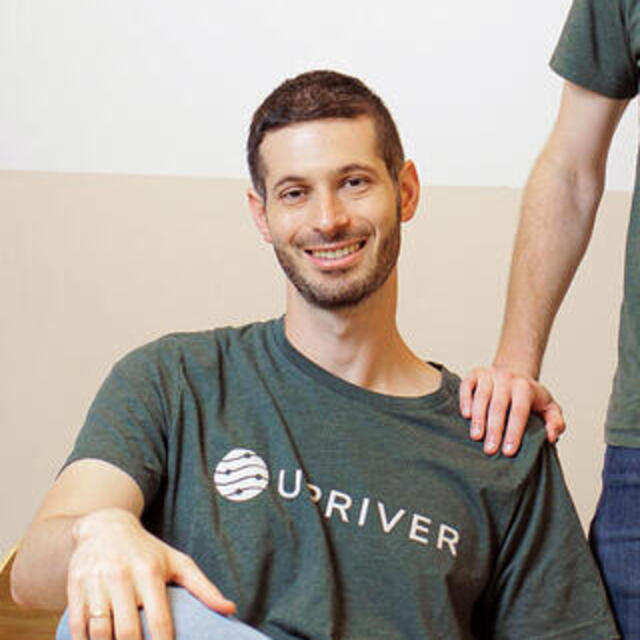
Ido Bronstein Is Building the Context Layer AI Forgot
After years turning fragmented intelligence data into something people could act on, Ido Bronstein is giving enterprise AI the context it keeps missing - and recasting data engineers as the people who decide what a business means.

Kevin Schaich Is Teaching Cameras a New Language
The Darkgrade founder spent years turning unwieldy data into useful software. Now he is working one layer closer to reality - where light enters a sensor and software decides what to do next.

Artem Bugara Is Teaching Search to Bring Back the Whole Story
He started with a tiny Python wrapper, four Y Combinator applications and a Telegram chat called “First million.” Now the NewsCatcher co-founder is betting that AI agents need fewer clever summaries and far more complete evidence.

Raj Velagapudi Keeps Building for the Moment After the Pitch
Across three decades, Raj Velagapudi has returned to the same operating idea: make technology answer to outcomes, then build the team that can carry the promise across borders.
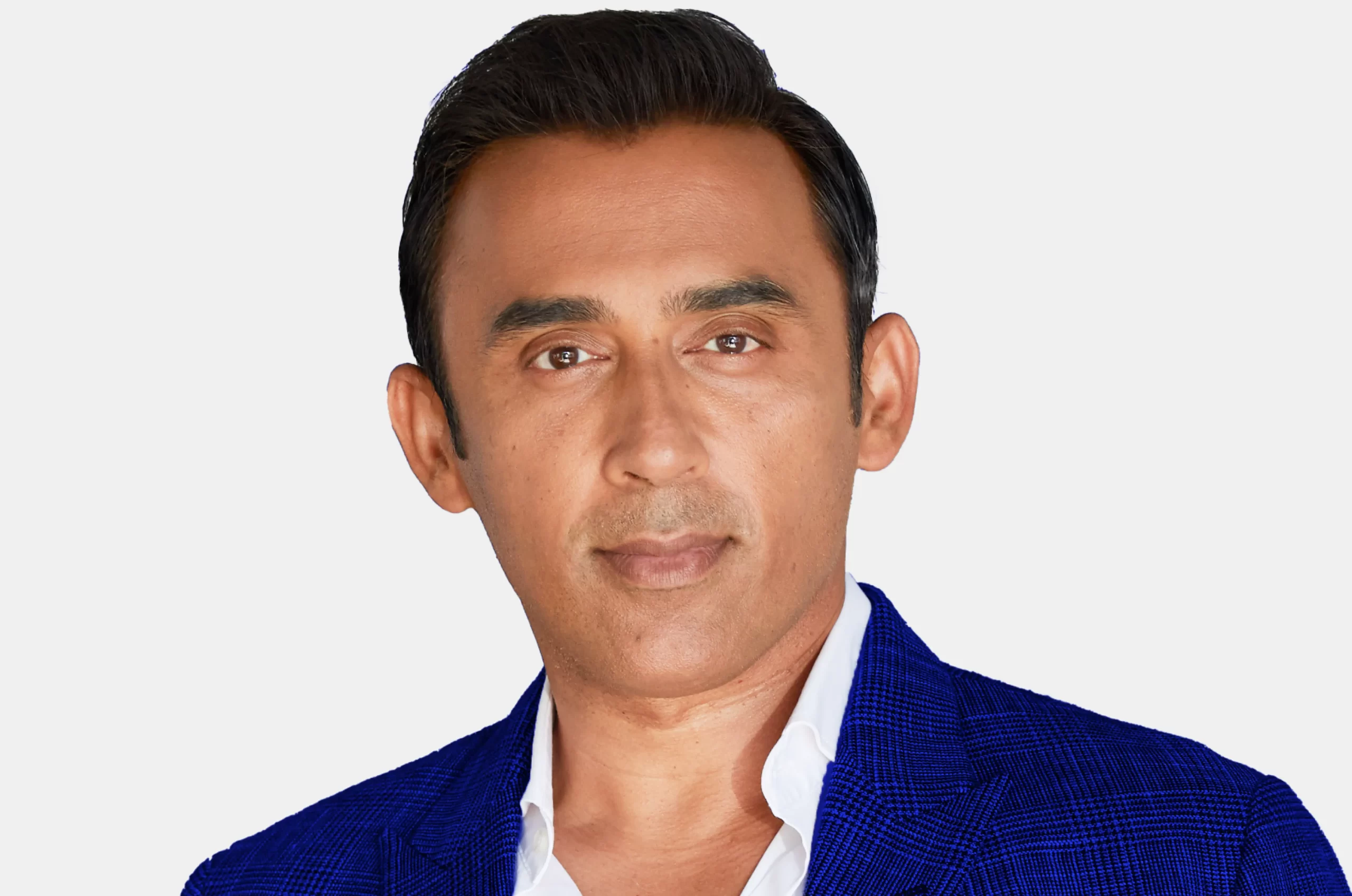
Irfan Khan Wants Enterprise AI to Leave the Demo and Clock In
After three decades in enterprise technology, the CLOUDSUFI co-founder is betting that AI’s useful future will be built from proprietary data, repeatable systems and people who remain firmly in charge.

Maayan Salom Keeps Asking the Awkward Question: Can You Trust the Data?
From eighth-grade Football Manager spreadsheets to autonomous data agents, Elementary’s co-founder has built a career around the moment when a number makes you say, ‘This can’t be right.’

Nicole Sanders Is Building the Human Layer Enterprise AI Forgot
The Foxtrot Services co-founder learned inside Lockheed Martin and Palantir that complicated systems succeed only when people trust them. Now she is turning that lesson into a company built around the unglamorous work between an AI demo and a dependable operating tool.

Ben Reich Put a Live Price Tag on the Grocery Aisle
A clipboard problem became a trillion-point data business. Ben Reich spent a decade making the grocery shelf legible - then took Datasembly into SPINS.

Michel Tricot Kept Seeing the Same Data Problem. Then He Opened the Pipes.
A French engineer spent years watching teams rebuild the same brittle connectors. His response was not a clever feature, but an open system - and a company willing to pivot when the first market disappeared.