customer-feedback
(31)
Your Feedback Stack Is Making the Questions Harder
Mopinion, Dovetail, Lyssna and PostHog each remove a different kind of research friction. The right choice depends less on feature count than on where evidence enters your team, who must find it and what decision comes next.

The Global Product Stack Has a Translation Problem
Pendo localizes the product experience. Thematic normalizes the customer voice. Global teams need both jobs done without turning regions into rival versions of the truth.

The Roadmap Looks the Same Until You Ask What Comes First
Productboard begins with what customers said. Aha! begins with what the business intends to achieve. That quiet difference can reshape how a product team listens, argues and decides.

Your Roadmap Tool Reveals What Your Team Is Missing
Productboard, Aha!, and Asana can all produce a roadmap. The useful question is which missing conversation your team needs the software to force.
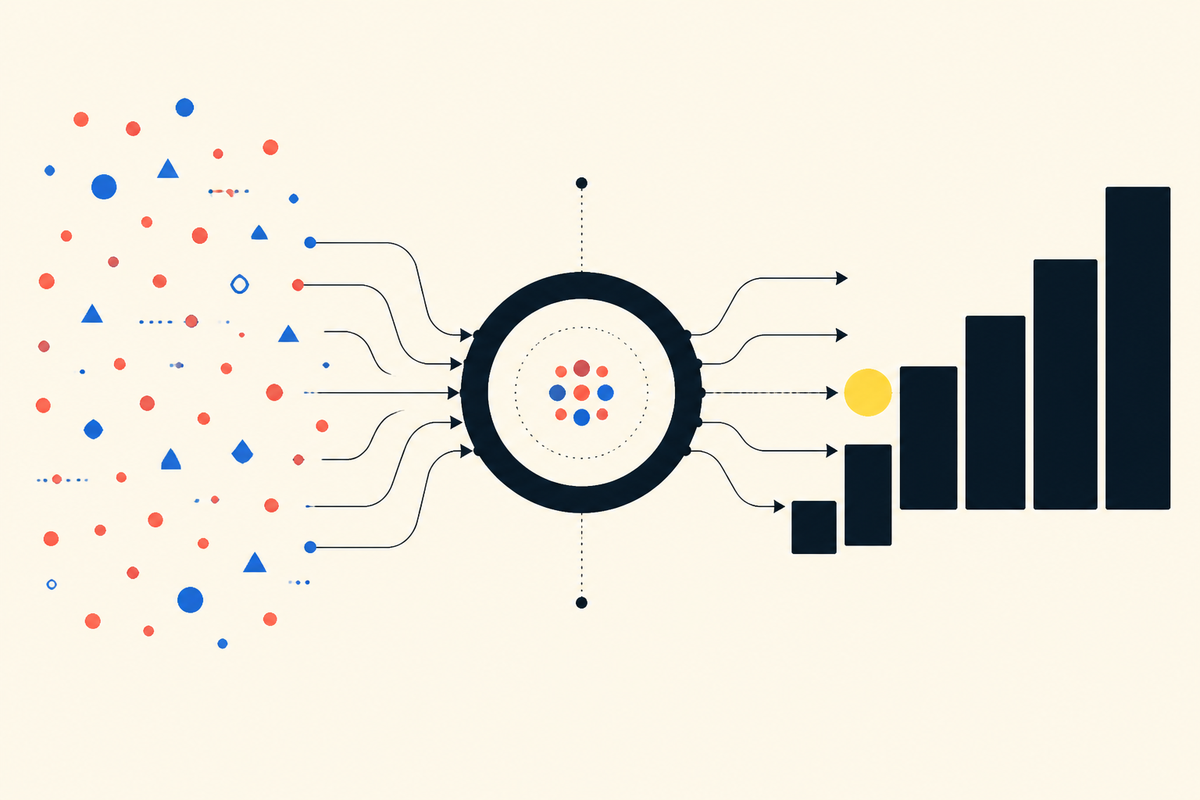
Sprig vs airfocus Is a Choice Between Evidence and Execution
Sprig helps teams gather and synthesize customer evidence. airfocus helps them turn that signal into priorities, roadmaps and accountable product decisions.

Canny vs Kapiche Is a Choice About What Feedback Becomes
Canny helps product teams decide what to build; Kapiche helps CX leaders understand what customers are saying at scale. The overlap is real, but the operating jobs are different.

Research Tools Ask the Same Question Six Different Ways
SurveyLab, Checkbox, UserTesting, Survicate, Sogolytics and Lyssna all collect feedback. The useful difference is the kind of evidence each one is built to capture.
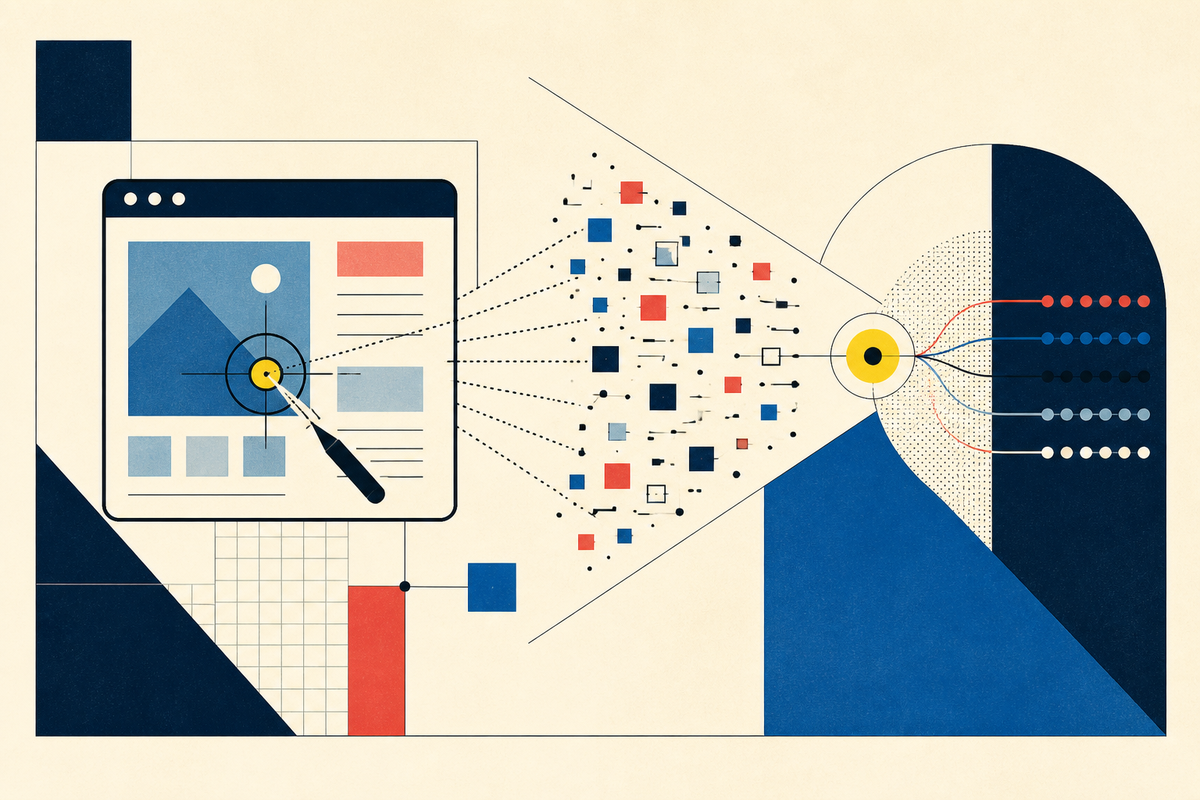
Marker.io and Unwrap Fix the Feedback Gap
Marker.io captures the bug in front of you. Unwrap finds the pattern hiding across thousands of customer comments. Together, they show why better products need both a sharp report and a wide-angle view.

Four Ways Software Tries to Hear Your Users
Mopinion, Lyssna, Dovetail and PostHog all promise to tell you what your customers think. They just disagree, deeply, on how to find out.

Customer Feedback Software Split Into Four Very Different Bets
UserVoice, InMoment, Mopinion and Aurelius all promise to capture what customers think. They just disagree, completely, on what a company should do next.

How Four AI Tools Turn Customer Griping Into Roadmaps
Pendo, Idiomatic, Keatext and Zonka Feedback all promise the same thing - that the pile of reviews, tickets and survey replies your customers leave behind can become a to-do list. Here is how the category actually works, and where each tool fits.

Customer Feedback Software Has a Split Personality
Two Australian startups, Userback and Kapiche, sit at opposite ends of the same problem: one makes feedback easy to capture, the other makes it possible to understand. The gap between them is where most companies get stuck.
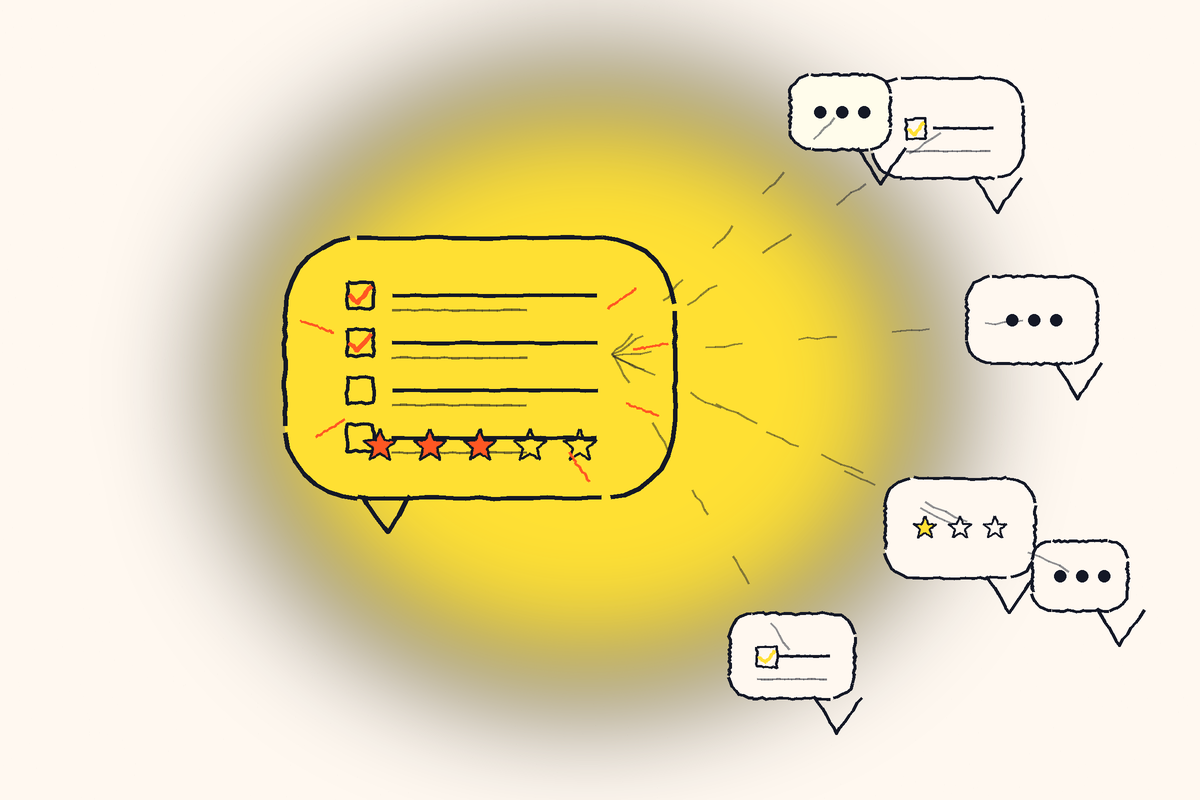
How Survey Software Splintered Into a Dozen Niches
Refiner, Usersnap, Simplesat, PostHog, SurveyLab and a crowd of rivals each grabbed one slice of customer feedback. The old all-in-one survey builder never saw it coming.

The Race to Turn Customer Complaints Into a Product Roadmap
Eight companies, from scrappy startups to a $6.4 billion giant, are betting they can read every angry review, support ticket and feature request faster than your product team ever could. Here is how the feedback-intelligence market actually shakes out.
The Quiet Turf War Inside Customer Feedback Software
Sogolytics and Simplesat ask customers the same question - how did we do? - and answer it in opposite ways. One builds an enterprise suite for the whole org; the other hides a single survey inside your helpdesk.

Six Tools Fighting Over Your Customer Feedback
SentiSum, Sleekplan, Birdeye, Kapiche, Frill and Savio all promise to turn customer noise into a roadmap. They disagree, loudly, on what that even means.
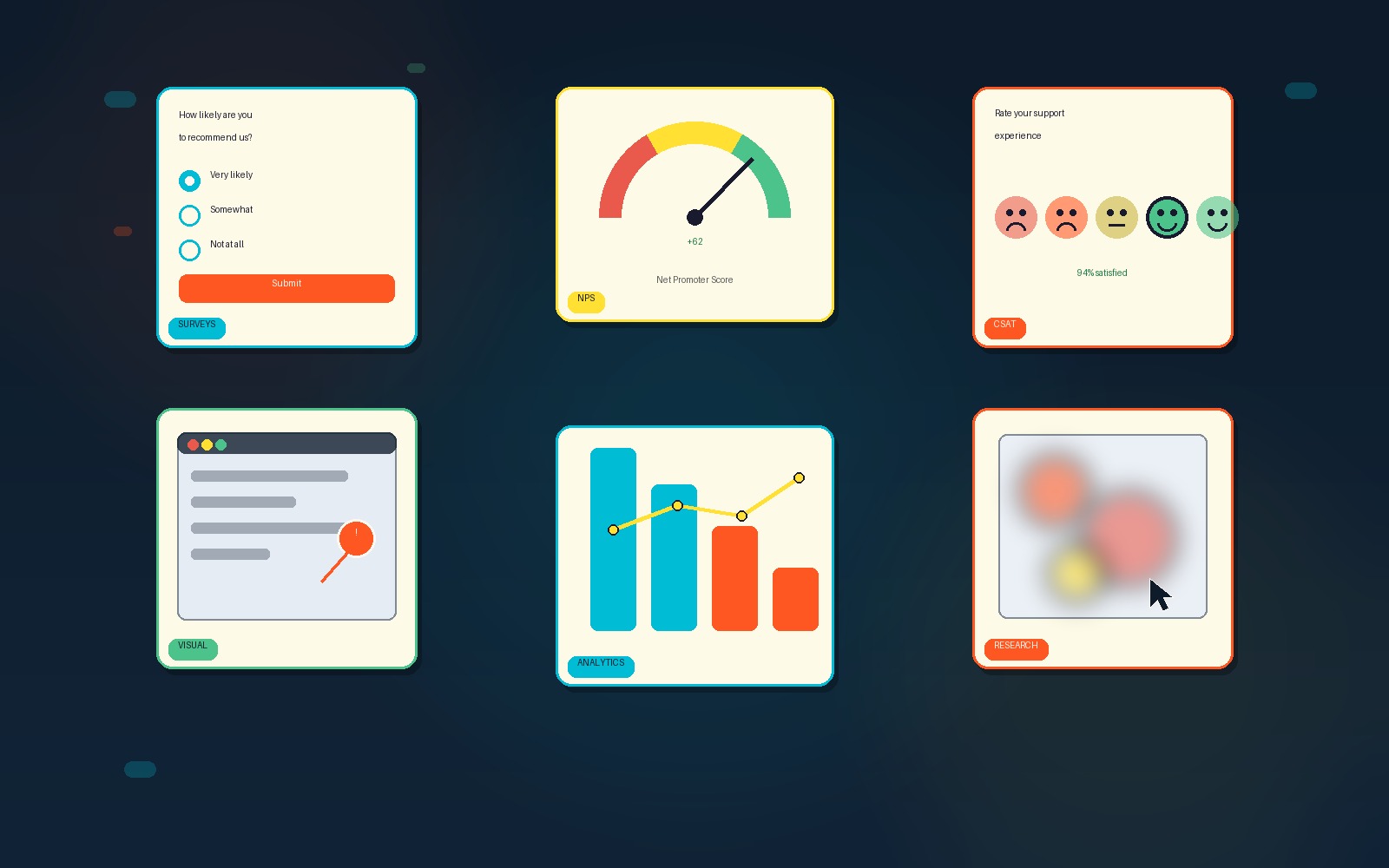
The Most Valuable Real Estate in Business Is Your Email Footer
Exclaimer manages 20 billion email signatures a year; Zonka Feedback turns "how did we do?" into data. Two companies, one bet - that the touchpoints most businesses ignore are the ones customers actually read.
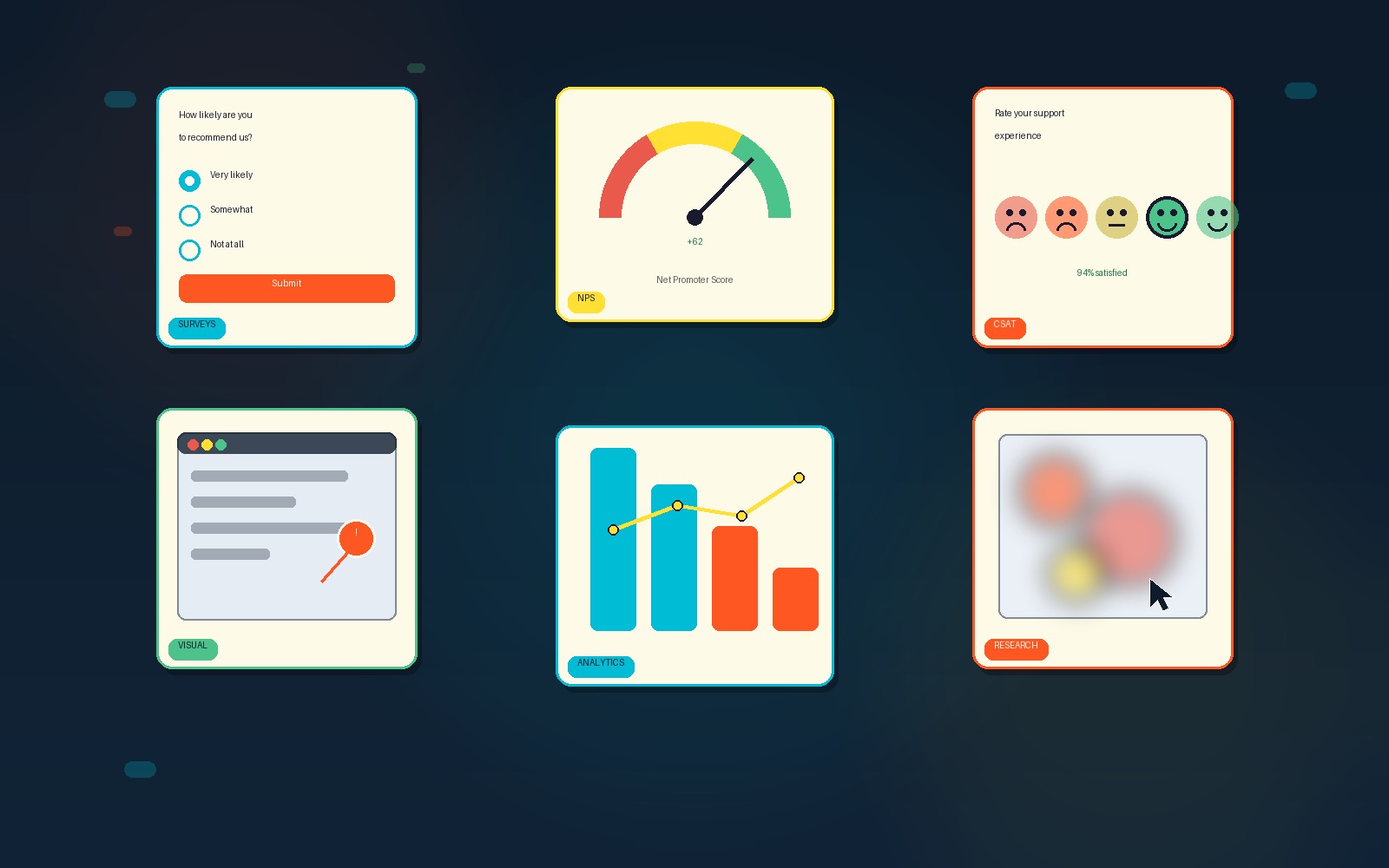
How Six Feedback Tools Turn Your Gripes Into Roadmaps
SurveyMonkey, PostHog, Lyssna and a cluster of smaller rivals have built a quiet industry around one question: what do you actually think? Here is how six of them make money from your opinions, and what each does differently.
Unwrap Reads Every Angry Review So PMs Don't Have To
The AI feedback platform, built by two ex-Alexa product managers, folds support tickets, app reviews and social posts into patterns teams can act on. Microsoft, Lyft and Perplexity are paying to skip the guesswork.
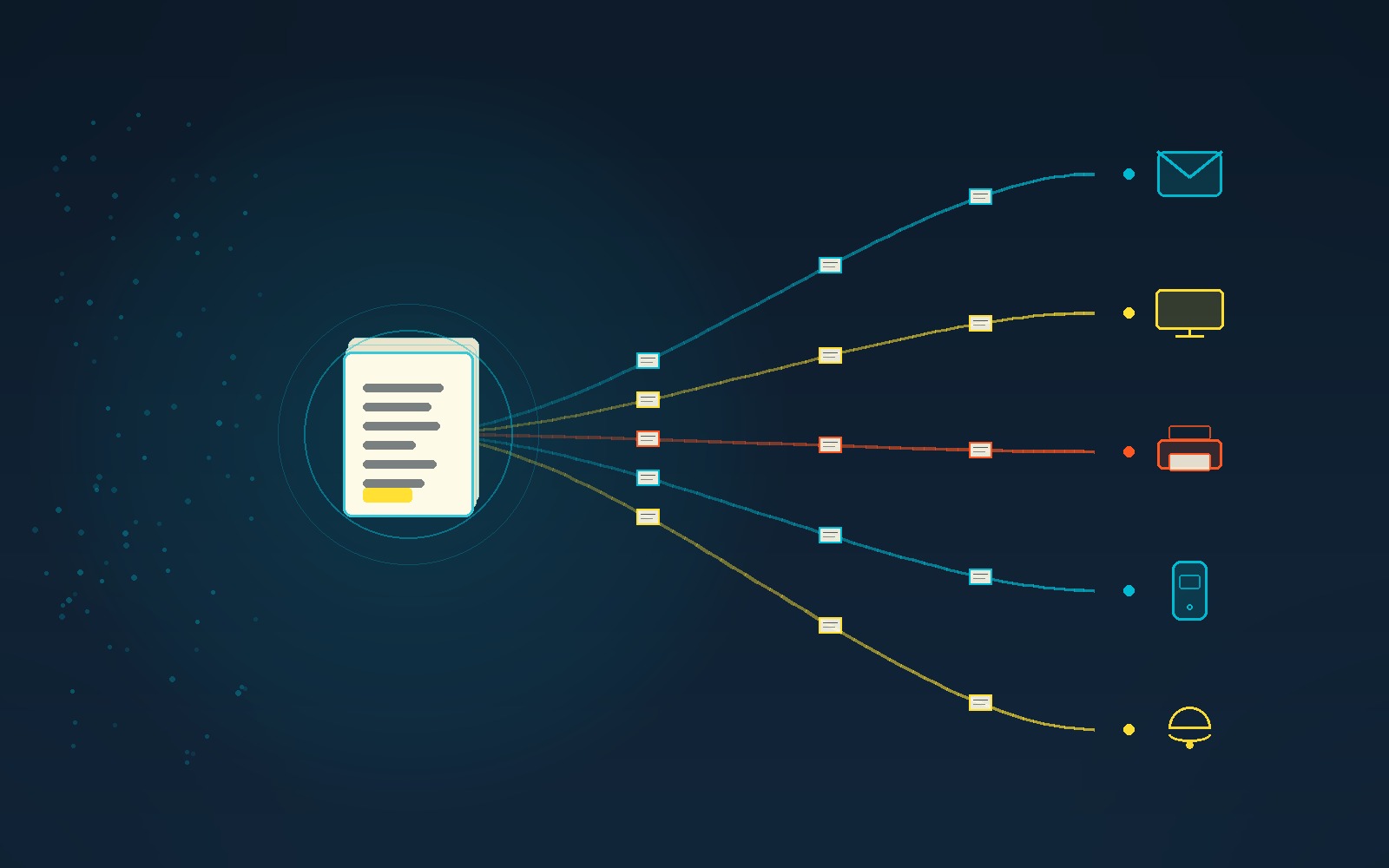
Your Customers Are Talking. These Four Tools Listen.
Birdeye, unitQ, Upvoty and Userback all chase the same runaway problem - the flood of things customers say - and each one solved it from a completely different door.

Usersnap Turned the Annotated Screenshot Into a Business
The Austrian feedback tool grew from a bug-reporting widget into a platform used by more than 1,300 companies by betting people would rather draw on a screen than fill out a form. Now it is pitching product teams a simpler path than the enterprise CX suites like InMoment.
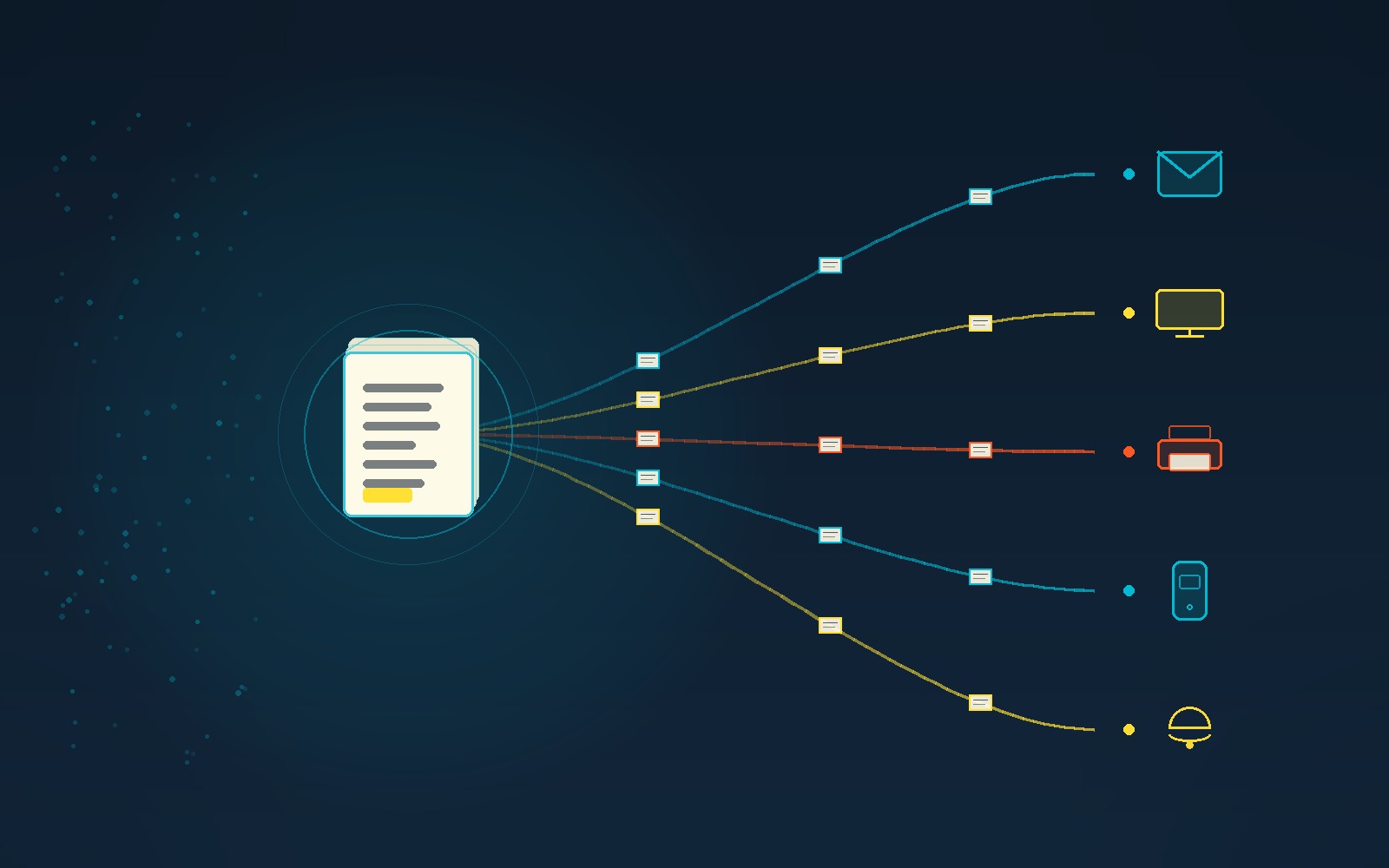
Zoho Survey plays generalist in a room full of specialists
Maze, Typeform, Voxco, Refiner, Usersnap, Simplesat and SurveySparrow each own a slice of the feedback market. Zoho Survey is betting that the slice matters less than the suite it plugs into.
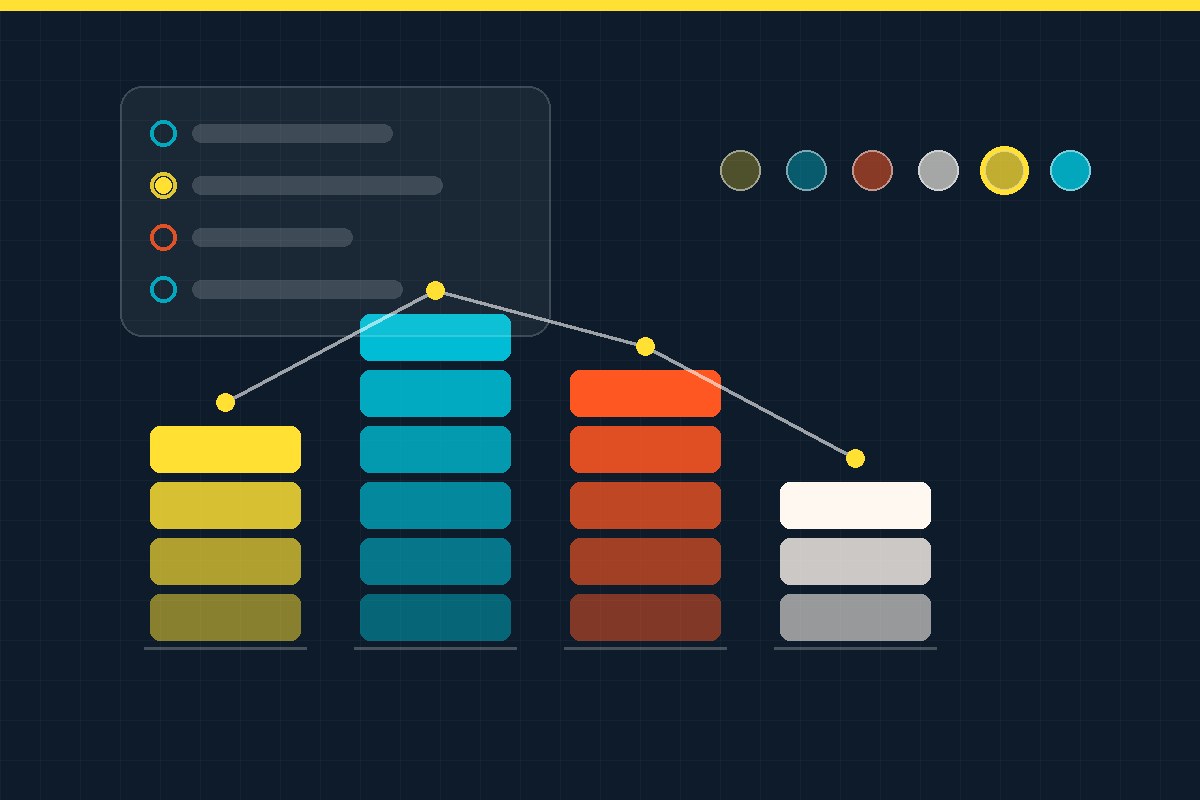
PostHog, Survicate, Qualtrics and Jotform Walk Into a Survey
Four companies, four completely different answers to the oldest question in business - what do people actually want? We put the survey industry's odd couples side by side.
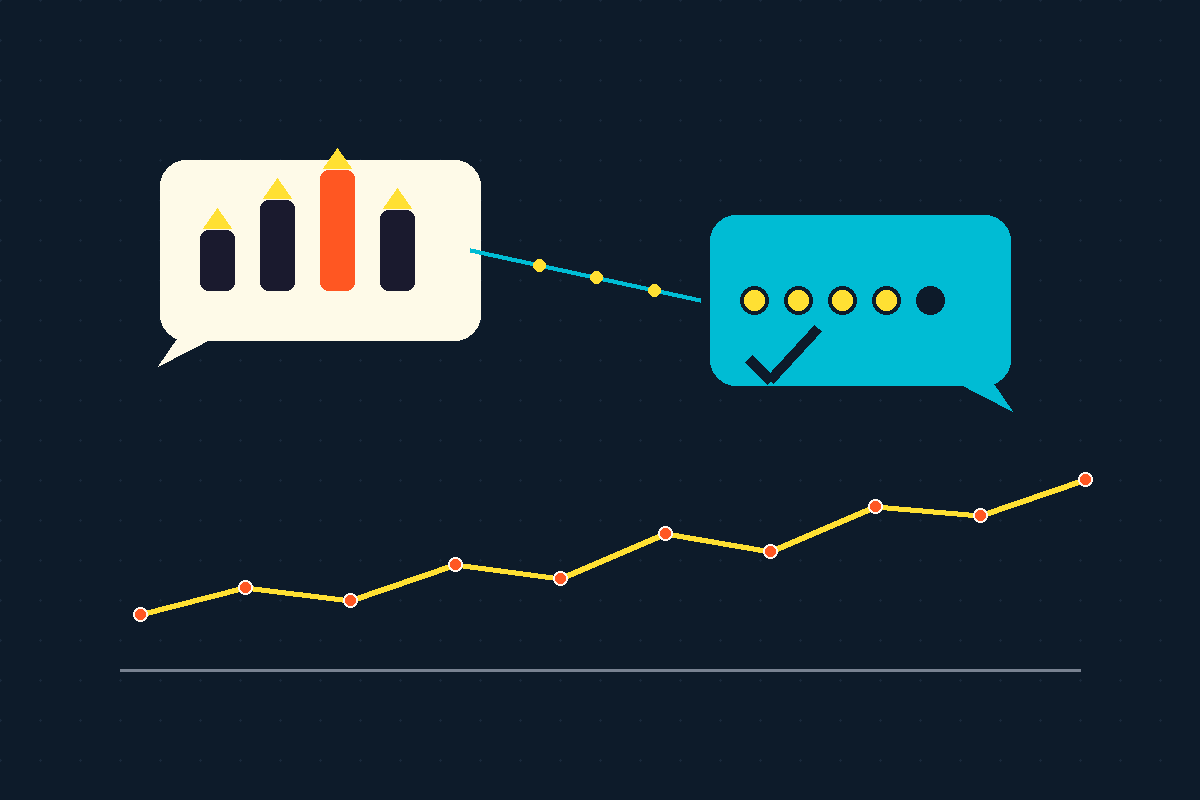
Survicate and UserVoice Split How Companies Hear Customers
Two feedback platforms, born five years and one continent apart, bet on opposite answers to the same question: what do users actually want? One counts votes, the other reads the room.
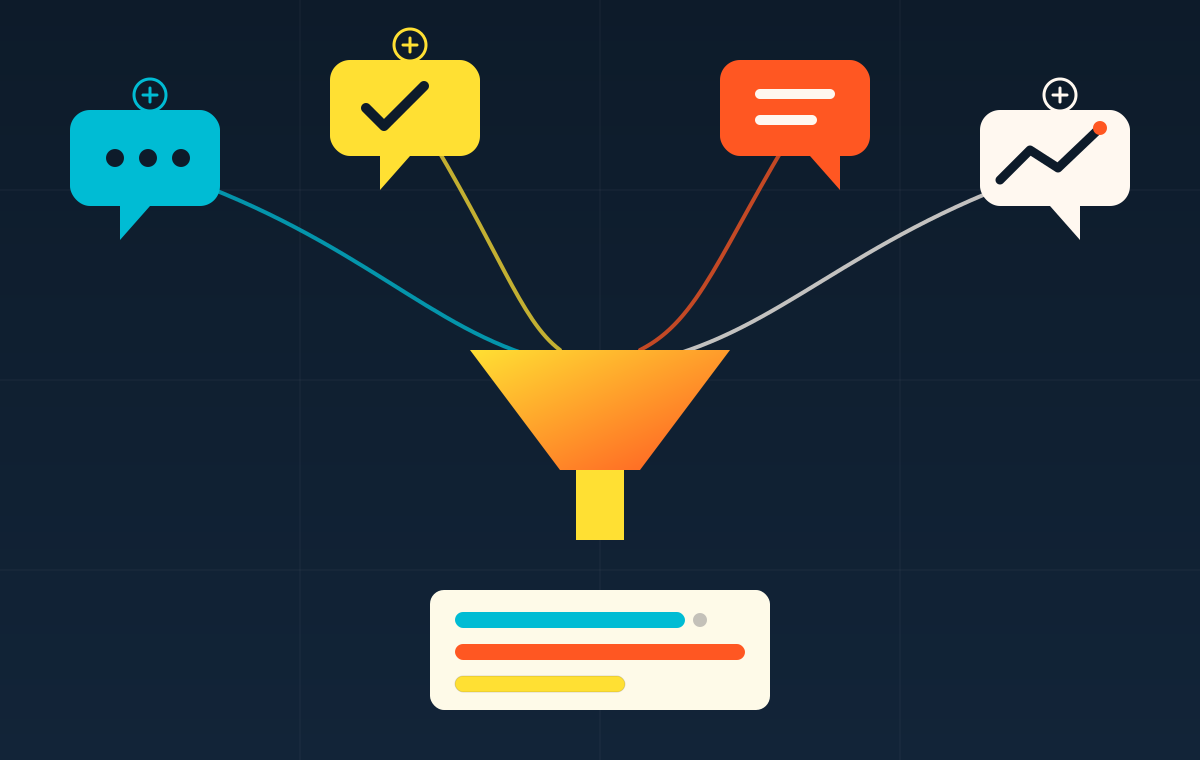
Four Customer Feedback Tools, Three Just Got Bought
airfocus, UserVoice, Mopinion and Contentsquare all promise to turn user gripes into product decisions. In the space of a year most of them stopped being independent companies - and that tells you where the whole category is heading.

How SurveyLab Quietly Outlasted the Survey Software Hype
Launched in Warsaw in 2006, SurveyLab has spent nearly two decades building a customizable survey platform that now serves more than 85,000 users - while flashier rivals like Dovetail, Pendo and QuestionPro chase the spotlight.
Four Feedback Tools and the Very Different Bets They Make
Medallia, Marker.io, Userback and airfocus all promise to capture what users think - but they disagree completely on what feedback is even for. Here is how the modern feedback stack really splits.

Eight Feedback Tools Fighting for Your Customer's Voice
SentiSum, airfocus, Contentsquare, Feedier, Nolt, Featurebase, Condens and Mopinion all promise to tell you what customers really want. Here is how the feedback-tool landscape actually splits up - and which slice each one owns.
How Surveys Escaped the Phone Bank and Got Into Your App
Survox, LimeSurvey, Typeform and PostHog trace a 50-year shift in how the world asks questions - from punch cards and phone banks to forms that feel like chat and surveys that pop up mid-click.
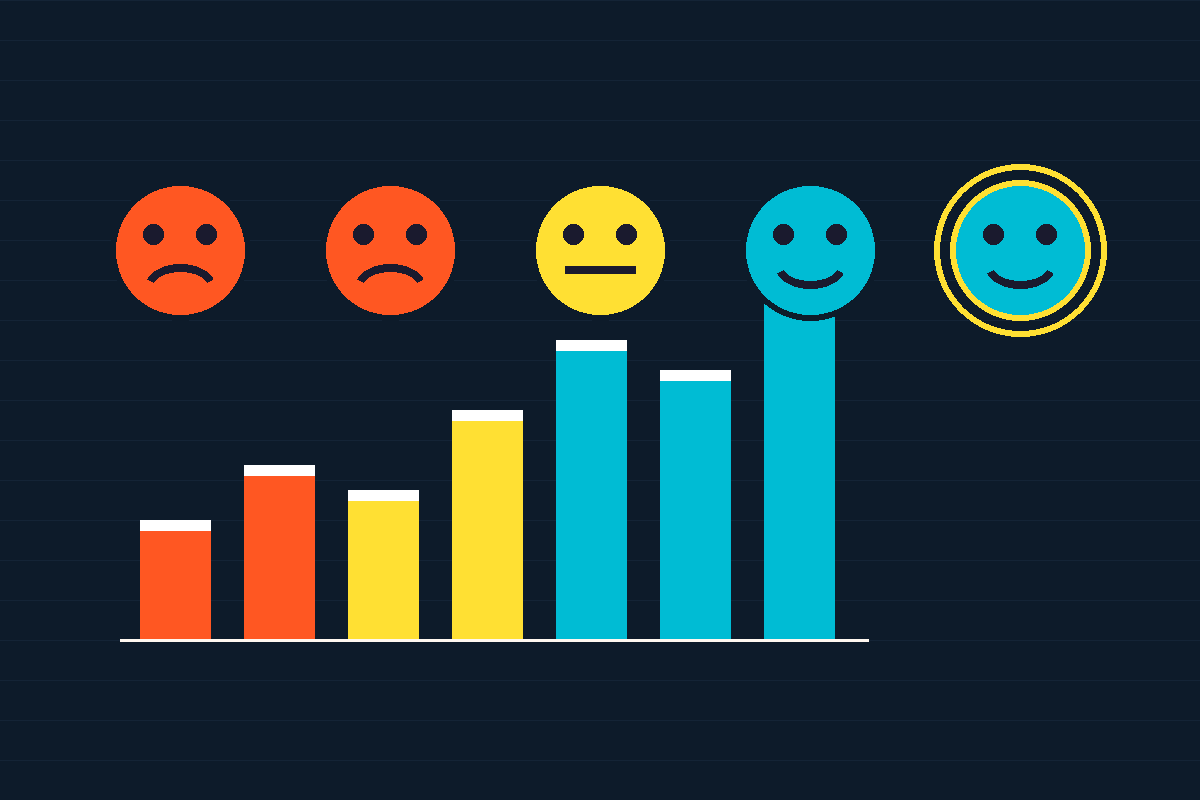
Nicereply Turns One Awkward Question Into a Business
The Slovak survey company built a business on the smiley faces you click after a support ticket closes - and Microsoft, Lenovo and HubSpot all pay attention to what those faces say.