customer-feedback
(78)
Sam Pillar and the business hiding in the paperwork
A painting contractor needed less administration. Sam Pillar saw a software company. Fifteen years into Jobber, he is still working out how to grow without losing sight of the people who taught him what to build.
Omniconvert wants your customers to come back
A Romanian software company built its name on the first sale. Its more interesting wager is on the second: measure who returns, understand who leaves, and stop confusing a busy checkout with a healthy business.

Superorder wants your unhappy customers back
A restaurant can deliver dinner and still lose the diner. Superorder is building a business around the complaints, closed delivery storefronts, and tangled payouts that follow the sale.

The $2.5 Billion Argument for Fewer Buttons
Three Finnish founders built an issue tracker for the people stuck using one. Seven years later, Linear sells a broader system for product teams and agents - while arguing that good defaults beat endless configuration.
Feefo puts a receipt behind the stars
The British review platform built its business around a simple restriction: customers need an invitation. Now it is selling what happens after the stars - from better advertising to a clearer view of what needs fixing.
Brands Were Copying Amazon Reviews Into Excel. Revuze Turned the Mess Into a Daily To-Do List
Revuze started with a travel-planning idea, found its real market in retail, and built an AI system for turning scattered customer comments into product fixes, sharper listings and earlier warnings. The bet is simple: a complaint becomes valuable when someone knows what to do next.
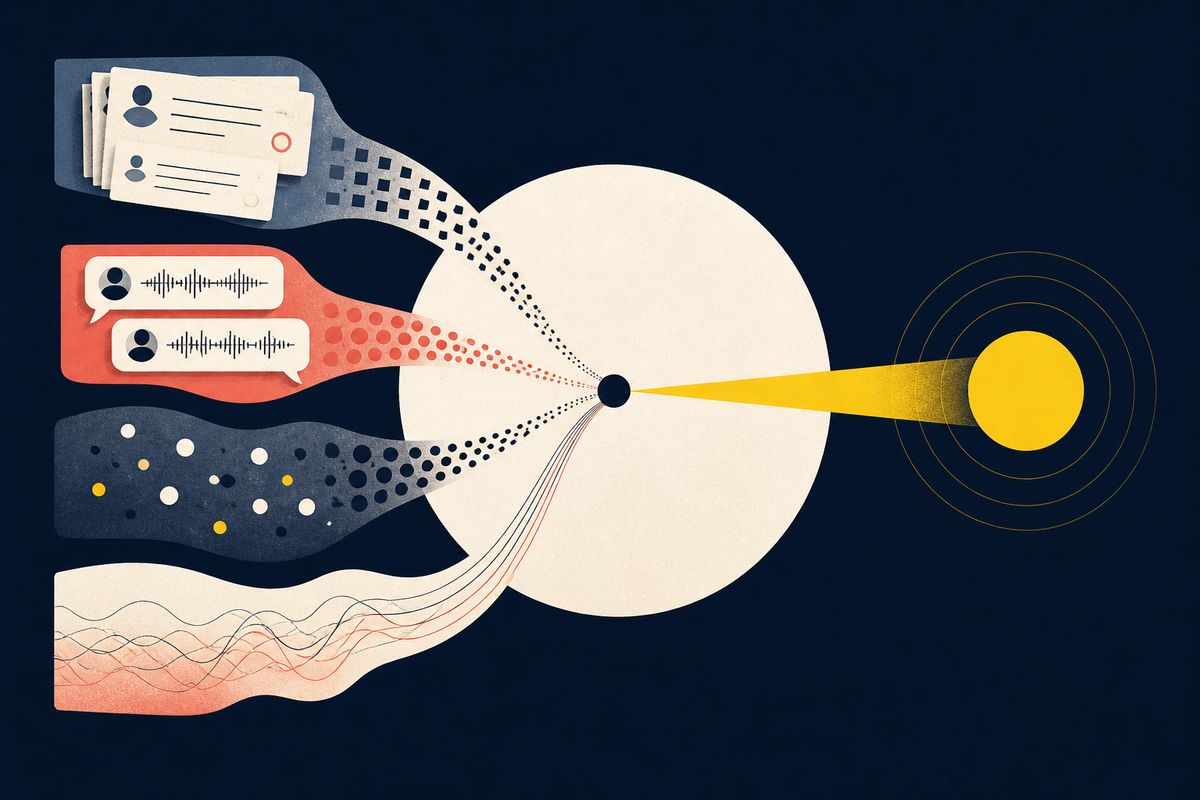
Your Feedback Stack Is Making the Questions Harder
Mopinion, Dovetail, Lyssna and PostHog each remove a different kind of research friction. The right choice depends less on feature count than on where evidence enters your team, who must find it and what decision comes next.
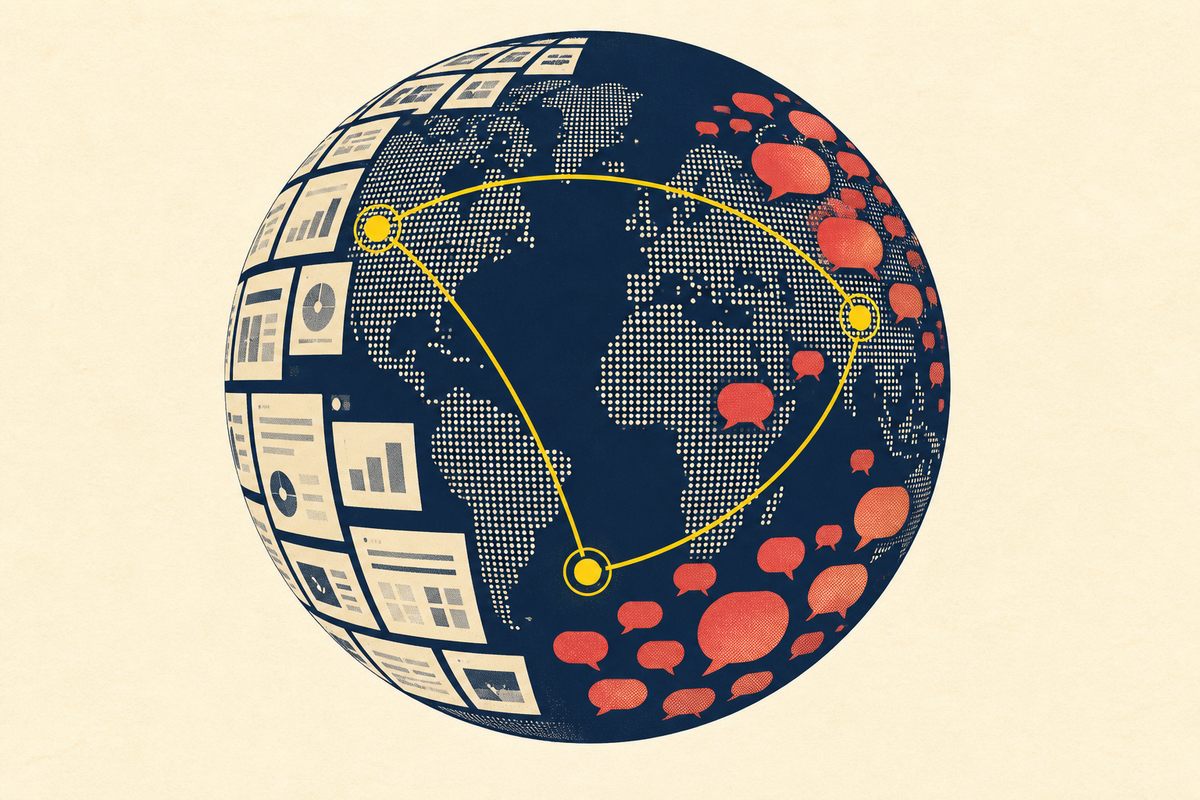
The Global Product Stack Has a Translation Problem
Pendo localizes the product experience. Thematic normalizes the customer voice. Global teams need both jobs done without turning regions into rival versions of the truth.

Todd Olson Keeps Going Back to the Product
The Pendo founder built his third company around a lesson his first two ventures made impossible to ignore: prove that people use the product before scaling the story.

The Roadmap Looks the Same Until You Ask What Comes First
Productboard begins with what customers said. Aha! begins with what the business intends to achieve. That quiet difference can reshape how a product team listens, argues and decides.

Your Roadmap Tool Reveals What Your Team Is Missing
Productboard, Aha!, and Asana can all produce a roadmap. The useful question is which missing conversation your team needs the software to force.
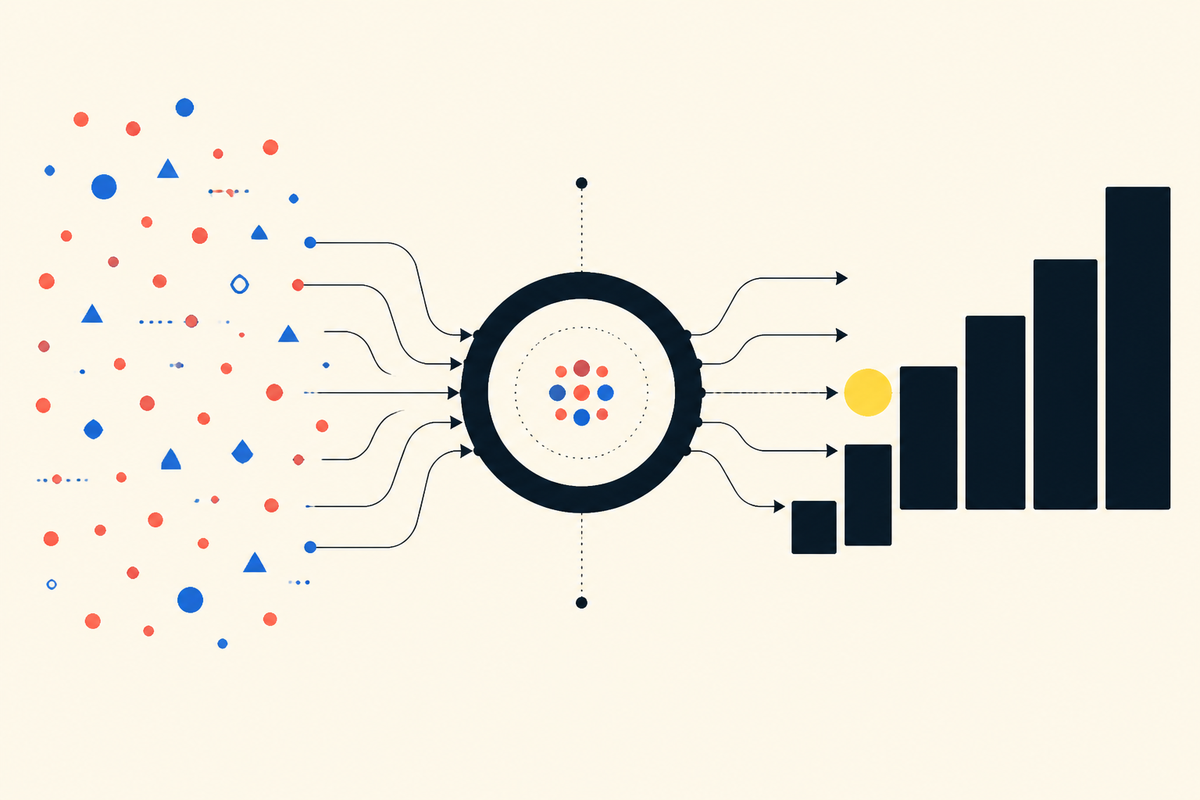
Sprig vs airfocus Is a Choice Between Evidence and Execution
Sprig helps teams gather and synthesize customer evidence. airfocus helps them turn that signal into priorities, roadmaps and accountable product decisions.
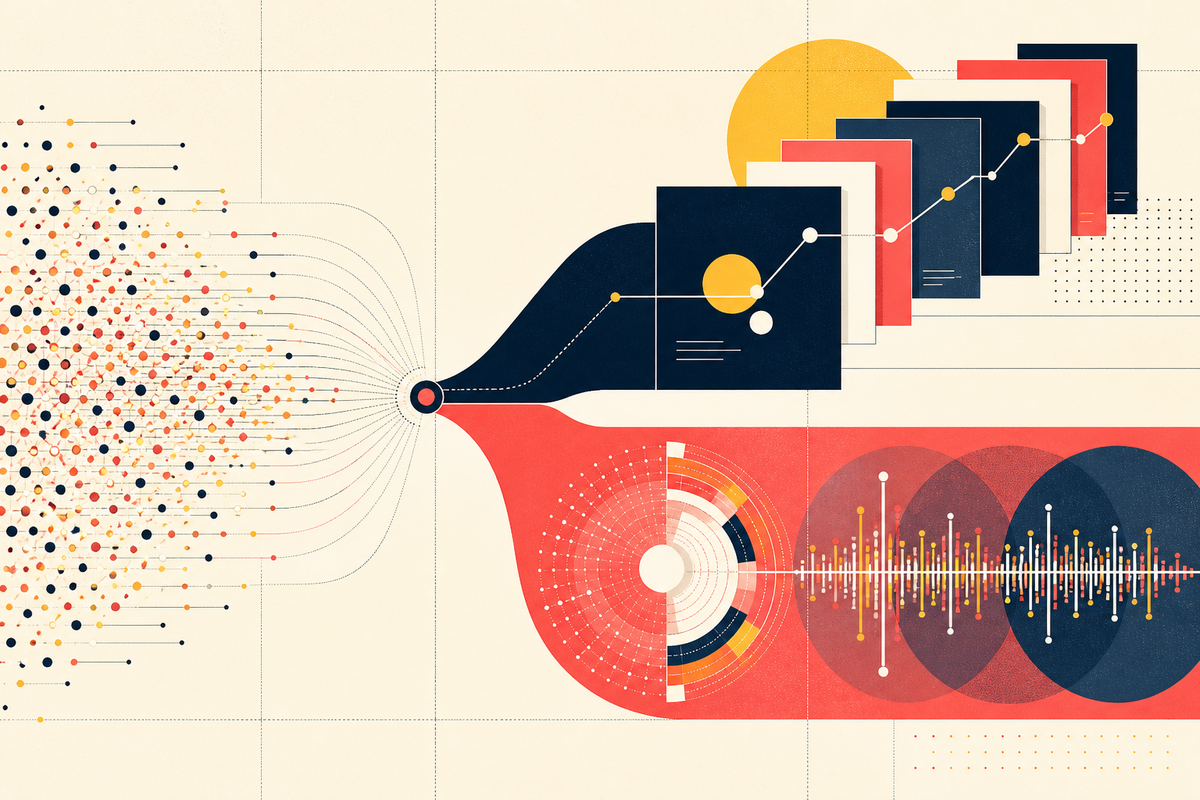
Canny vs Kapiche Is a Choice About What Feedback Becomes
Canny helps product teams decide what to build; Kapiche helps CX leaders understand what customers are saying at scale. The overlap is real, but the operating jobs are different.
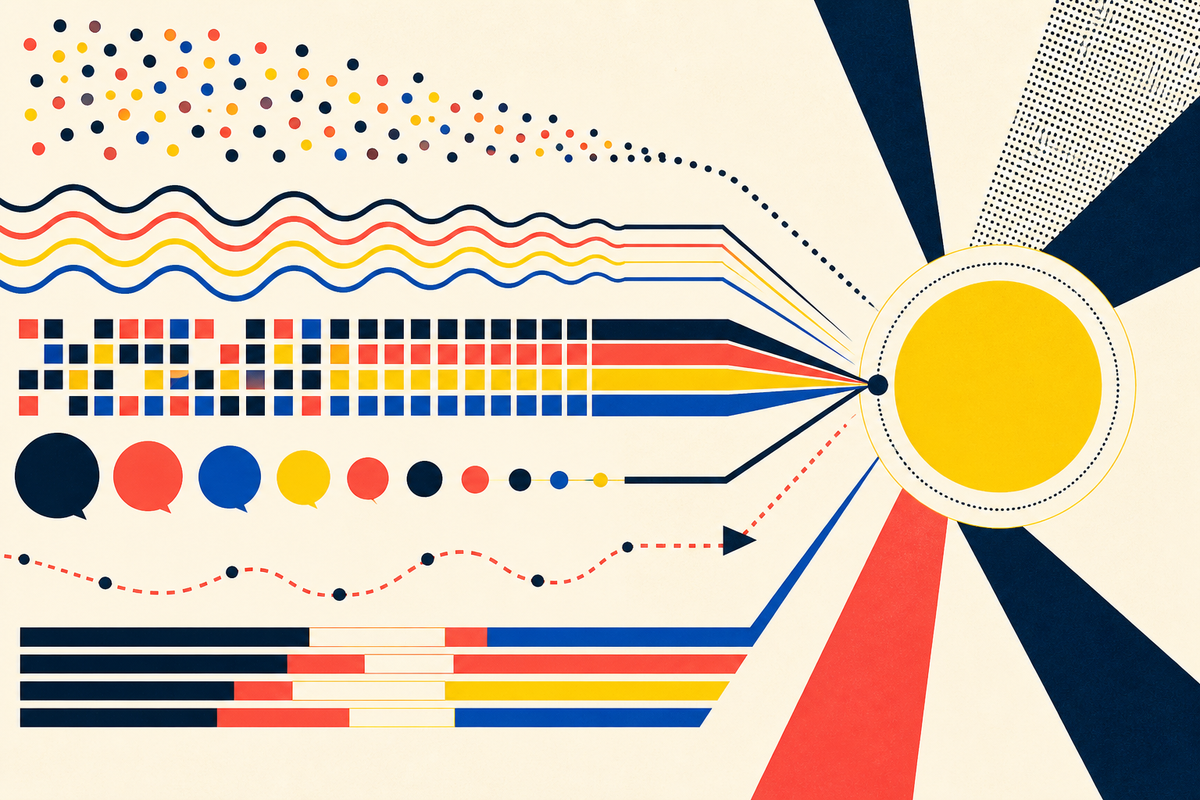
Research Tools Ask the Same Question Six Different Ways
SurveyLab, Checkbox, UserTesting, Survicate, Sogolytics and Lyssna all collect feedback. The useful difference is the kind of evidence each one is built to capture.
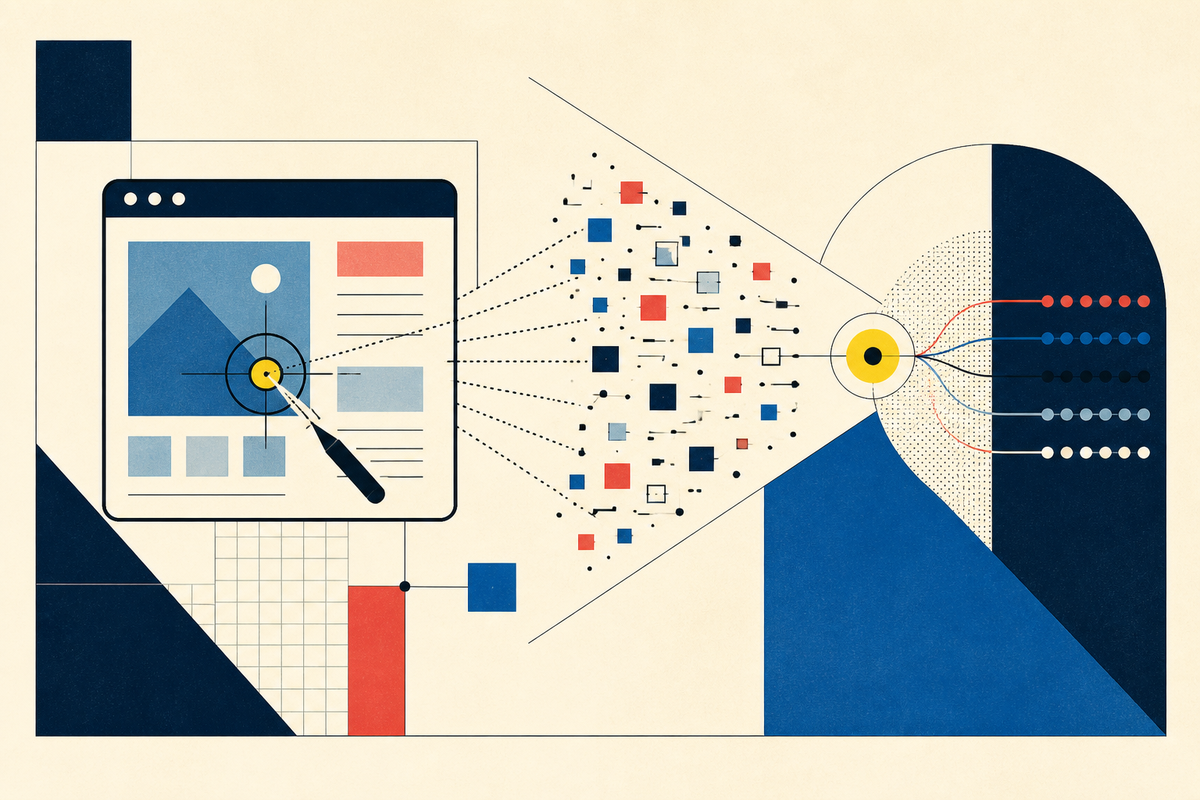
Marker.io and Unwrap Fix the Feedback Gap
Marker.io captures the bug in front of you. Unwrap finds the pattern hiding across thousands of customer comments. Together, they show why better products need both a sharp report and a wide-angle view.

Four Ways Software Tries to Hear Your Users
Mopinion, Lyssna, Dovetail and PostHog all promise to tell you what your customers think. They just disagree, deeply, on how to find out.

Customer Feedback Software Split Into Four Very Different Bets
UserVoice, InMoment, Mopinion and Aurelius all promise to capture what customers think. They just disagree, completely, on what a company should do next.

How Four AI Tools Turn Customer Griping Into Roadmaps
Pendo, Idiomatic, Keatext and Zonka Feedback all promise the same thing - that the pile of reviews, tickets and survey replies your customers leave behind can become a to-do list. Here is how the category actually works, and where each tool fits.
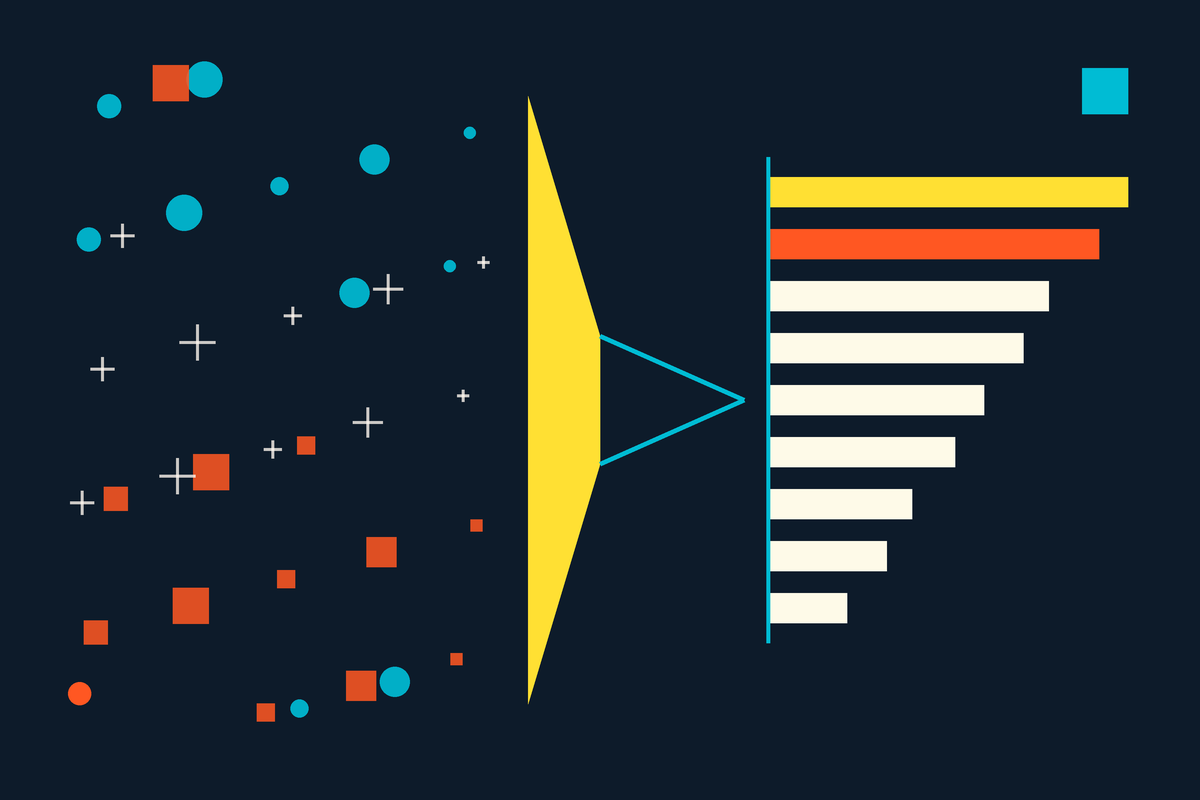
Customer Feedback Software Has a Split Personality
Two Australian startups, Userback and Kapiche, sit at opposite ends of the same problem: one makes feedback easy to capture, the other makes it possible to understand. The gap between them is where most companies get stuck.
Usersnap
Orchestrate feedback and research with ease. Find patterns, align on opportunities, and plan with purpose to deliver impact faster.
Sleekplan
Sleekplan collects feedback from every channel, finds the themes, and writes the changelog when you ship.

Survicate
Survey and listen to your customers across every channel, automatically identify key themes, and rally teams around feedback - all in Survicate's platform.
unitQ
The dating-app founders who got tired of guessing which bug to fix built a machine that reads every customer complaint on the internet - and tells you which one is costing you money.
Typeform
The Barcelona company that decided forms should feel like a conversation - and got millions of people to actually finish them.
Retently
Collect NPS, CSAT and CES across every touchpoint, then let AI turn thousands of responses into the actions that protect revenue and loyalty.

Upvoty
Collect feedback with beautiful voting boards, ship features with a powerful roadmap, and let AI agents decide what to build next.
Zeda.io
A product-discovery platform betting that the fastest way to build the right thing is to stop guessing and start listening - at scale, with an AI copilot reading the customer for you.

Refiner
In-app surveys that integrate with your product and data stack.
Savio
Centralize customer Feature Requests from Slack, HubSpot, Intercom, Zendesk, SFDC, Help Scout, and more.
SatisMeter
The handy feedback collection tool you didn't know you needed - built to turn quiet product moments into the customer signals teams actually act on.