conversation-intelligence
(56)
The Call Was the Conversion. Infinity Finally Made It Count.
A magazine subscription problem produced a call-tracking company. Sixteen years later, Infinity is teaching ad platforms to hear what happened after the phone rang.
Clari Put the Forecast on Trial
Clari made the weekly sales forecast less séance, more evidence room. Now folded into Salesloft, its best trick remains simple: show the work behind the number.

The Meeting Ends. tl;dv Starts Working.
The German meeting assistant grew up: it now turns calls into CRM updates, follow-ups, clips, and answers across an entire meeting archive. The convenience is real, but so is the homework for teams trusting it with the company memory.
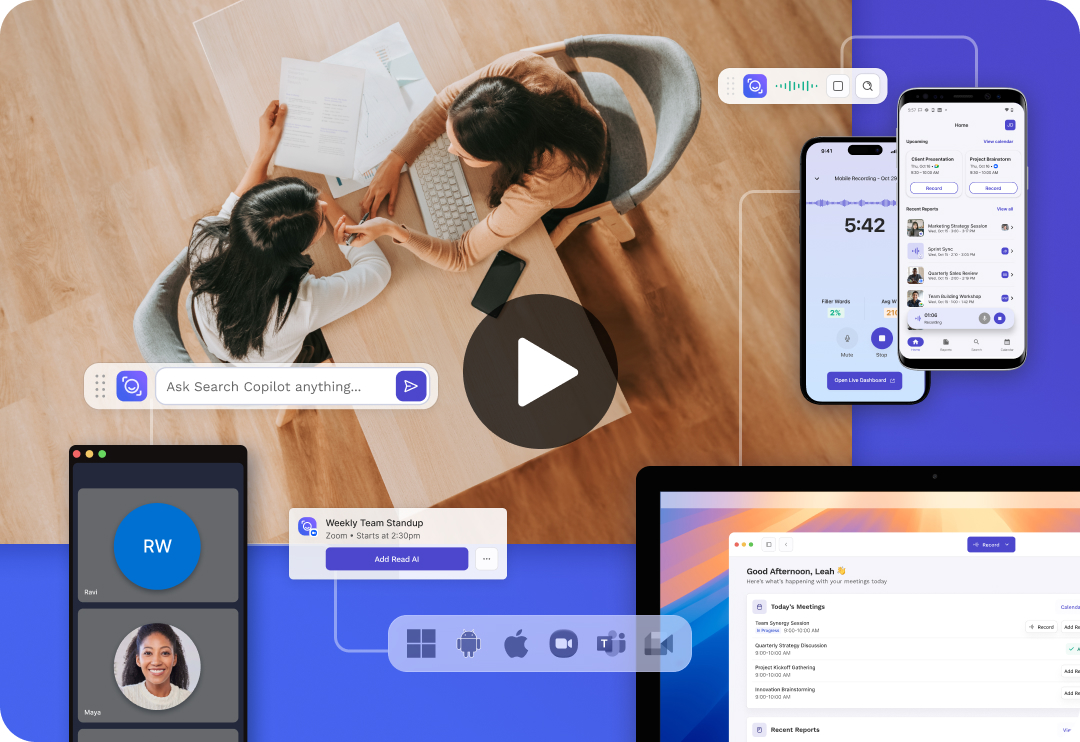
Your Meeting Has a Memory Now
Read AI remembers the call, finds the decision and drafts the follow-up. The useful part starts after the transcript - provided everyone in the room knows the robot is listening.
Fathom Remembers the Meeting So You Can Attend It
Fathom has grown from a polite Zoom stowaway into a searchable memory for your working life. The question is no longer whether it can take notes, but whether you are ready to let another app remember the room.
The $20,000 Mailer That Taught CallRevu to Listen
A Toyota dealer went looking for proof that his advertising worked and found something more useful: the conversations his store was mishandling. Two decades later, CallRevu is trying to turn every ring, pause and missed appointment into a dealership operating signal.
Conquer Put the Sales Stack Inside Salesforce. Then It Went Shopping.
The company once known as DialSource spent years fixing the unglamorous plumbing of enterprise selling. Now it is stitching calls, coaching, attribution and buyer collaboration into one Salesforce-native operating layer.

Gong Put the Sales Call on Trial - Then Built a $500 Million AI Business from the Evidence
The original product listened to calls that managers could never attend. A decade later, Gong wants its agents to plan, coach, forecast, and act - but the winning lesson is still wonderfully small: capture reality before asking people to summarize it.
Klenty Turned the Cold-Email Grind Into a Sales System - Now It Wants AI to Pick Up the Busywork
Three founders started by fixing a problem they had lived: one-to-one prospecting stops scaling, but indiscriminate automation burns the people you want to reach. Klenty’s decade-long bet is that the winning system sits between those two mistakes.

Eric Williamson Is Teaching Enterprise AI to Start Small
After two decades selling everything from pizza to enterprise software, CallMiner's CMO has a plain answer for the AI gold rush: listen closely, choose the useful work and collect the little wins.

Peter Isaacson Keeps Finding the Missing Middle
From a 28,000-account wake-up call to AI agents that answer when buyers do, Invoca CMO Peter Isaacson has spent four decades making marketing answer one stubborn question: did it move the business?

Laura Beussman Learned Revenue in the Orchestra Pit - Then Taught AI to Listen
Before she ran marketing and revenue at CallRail, Laura Beussman worked behind the scenes in opera, theater and arts finance. The lesson she carried into AI-era marketing is wonderfully analog: listen closely, price honestly and never confuse a beautiful dashboard with the customer.
Invoca Put a Price Tag on the Phone Call - Now It Wants an AI Agent to Answer It
Invoca spent years teaching marketers what happened after a customer picked up the phone. Its next bet is more ambitious: use that same first-party conversation data to make sure someone - human or machine - answers at all.
CallMiner Spent 24 Years Teaching Companies to Listen. Now It Wants the Bots to Answer.
The Waltham software company built its business by finding patterns in calls that nobody had time to replay. Its next act is riskier: using those patterns to decide what humans should say - and what software should handle without them.
A BMW Directory Couldn't Prove It Made the Phone Ring. CallRail Turned That Blind Spot Into $100 Million in ARR.
CallRail began with an embarrassingly ordinary question: did that ad make the phone ring? Fifteen years later, its answer spans attribution, conversation intelligence and an AI receptionist - with a few hard lessons about what not to build along the way.

Anis Bennaceur Is Teaching Sales Software to Finish the Job
A former startup rival became his co-founder. A neglected CRM became the clue. Now the Attention CEO is betting that the useful sales tool is the one that acts after everyone leaves the call.

Terret Raised $40 Million to Predict Revenue. Then It Decided Prediction Wasn’t Enough
BoostUp built a respectable forecasting business. Terret is the more ambitious sequel: one connected revenue graph, a crew of AI agents and a bet that the real bottleneck is everything that happens after the dashboard spots trouble.
Balto Put a Coach Inside the Call - Now 500 Million Conversations Later, the Hard Part Is Knowing When AI Should Speak
A forgotten sales script became an Excel macro, then a $52 million bet on fixing conversations before they go wrong. Balto's lesson for AI builders is simple: start with one measurable moment - and earn the right to automate the rest.
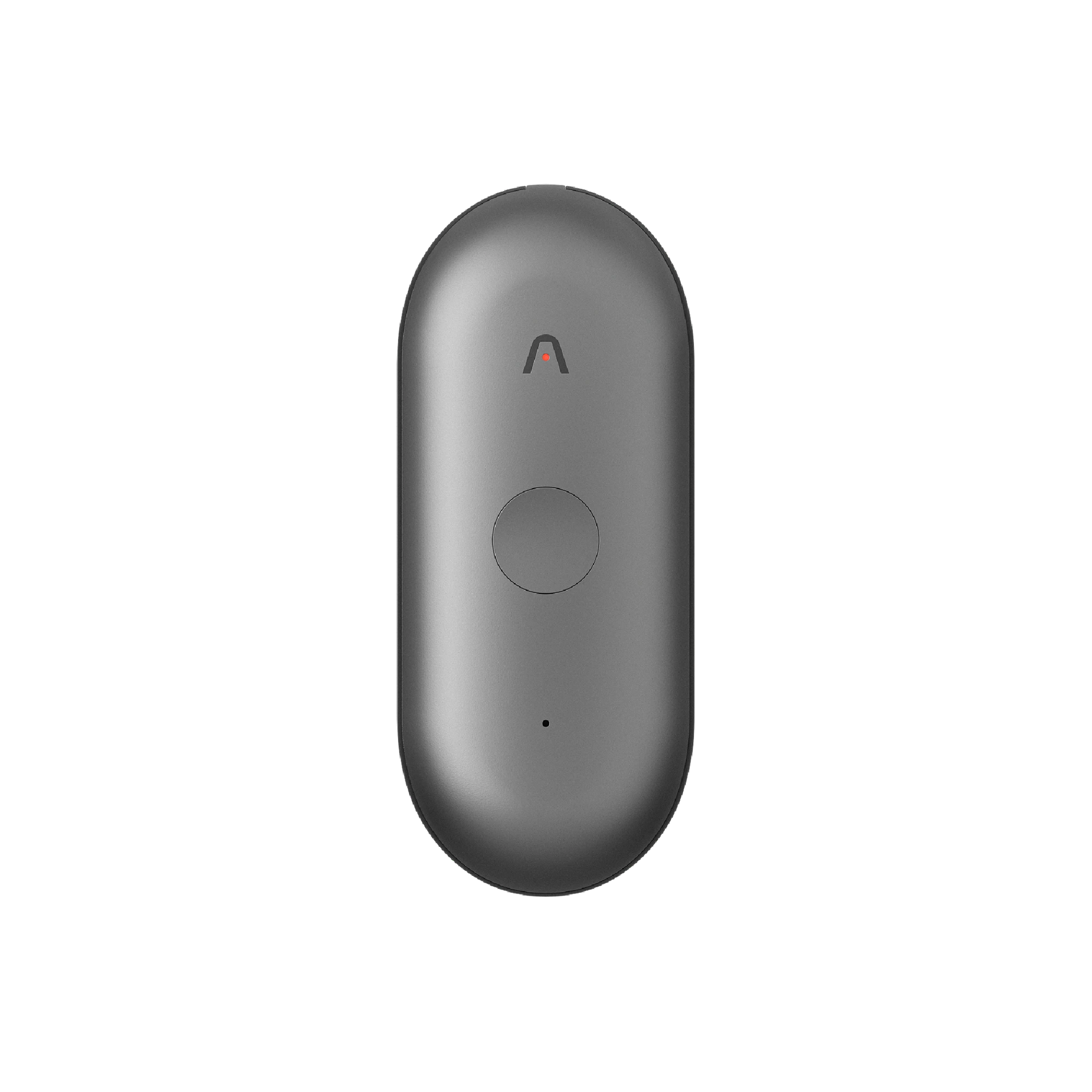
Plaud NotePin S Wants Your Notebook's Job - and Your Subscription
For interviewers, clinicians, students, and meeting-heavy professionals, this tiny recorder can turn a day of talk into usable notes. The catch is deciding whether fewer scribbles are worth a $179 device and an eventual software bill.
Modulate Wants AI to Hear What the Transcript Missed
The startup that learned to police Call of Duty voice chat is making a larger bet: the valuable part of a conversation is often the part a transcript throws away.

Sentiment Is a Thermometer. Root Cause Is the Diagnosis
A mood score can tell you the customer is upset. It cannot tell your product team what to fix—or stop the next avoidable contact from happening.
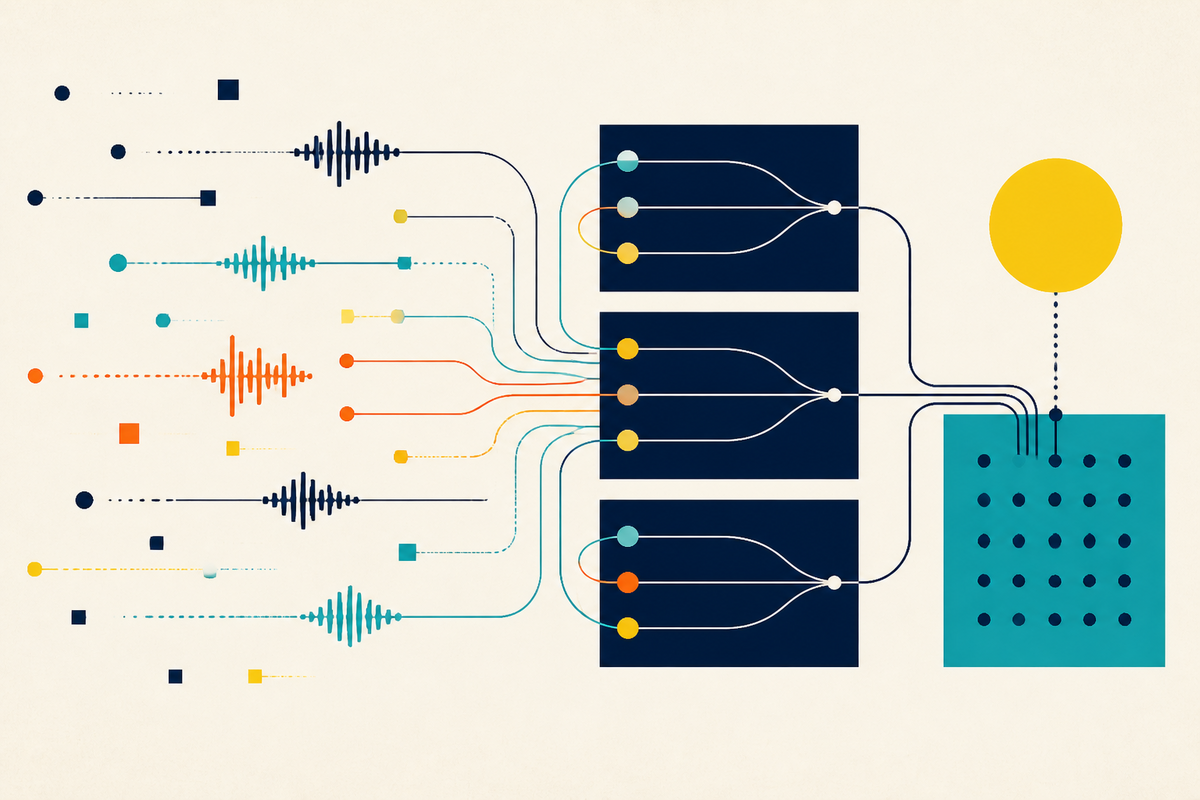
The Conversation Intelligence Buyout Map
Conversation intelligence did not disappear; it moved inside bigger platforms. This field guide tracks who bought whom, what survived, and why Spiral by UJET is a rare acquired product still standing on its own.
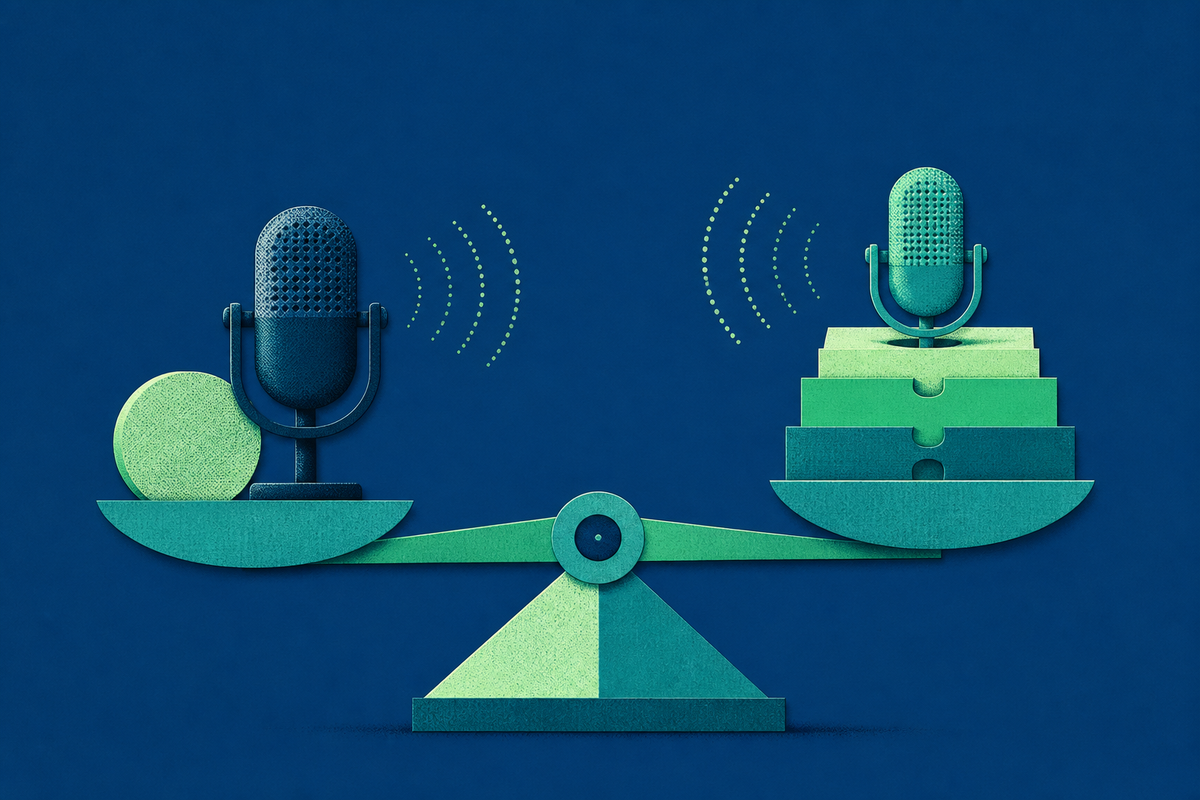
The Gong Decision Is Hiding in Your Clari Contract
Gong may offer the deeper conversation-intelligence bench. But when Clari Copilot is already bundled into seats you pay for, the evaluation starts with marginal cost - and often ends there.

Gong vs Chorus Is Really a Bet on Your Sales Stack
The familiar conversation-intelligence matchup has changed. Gong asks teams to buy a focused revenue platform, while Chorus makes its strongest case from inside the ZoomInfo bundle.

BoostUp Is Beating Clari By Being Cheaper, Not Better
The revenue-intelligence fight was supposed to be won on features. Instead, mid-market buyers keep picking the vendor that costs less and goes live in weeks.
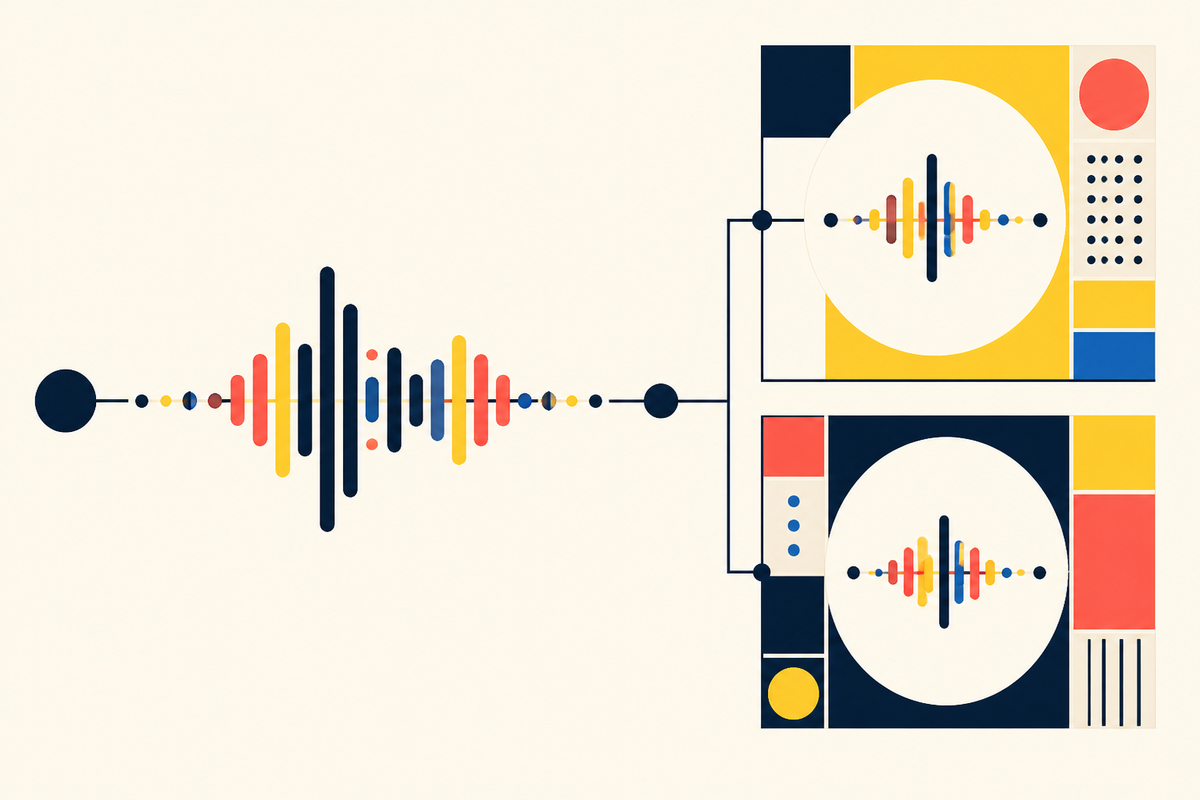
Gong Is the Last Standalone Bet in Sales Intelligence
The sales-call software race no longer has three independent runners. Gong is building an entire revenue platform, while Chorus and Wingman have become strategic layers inside larger suites.
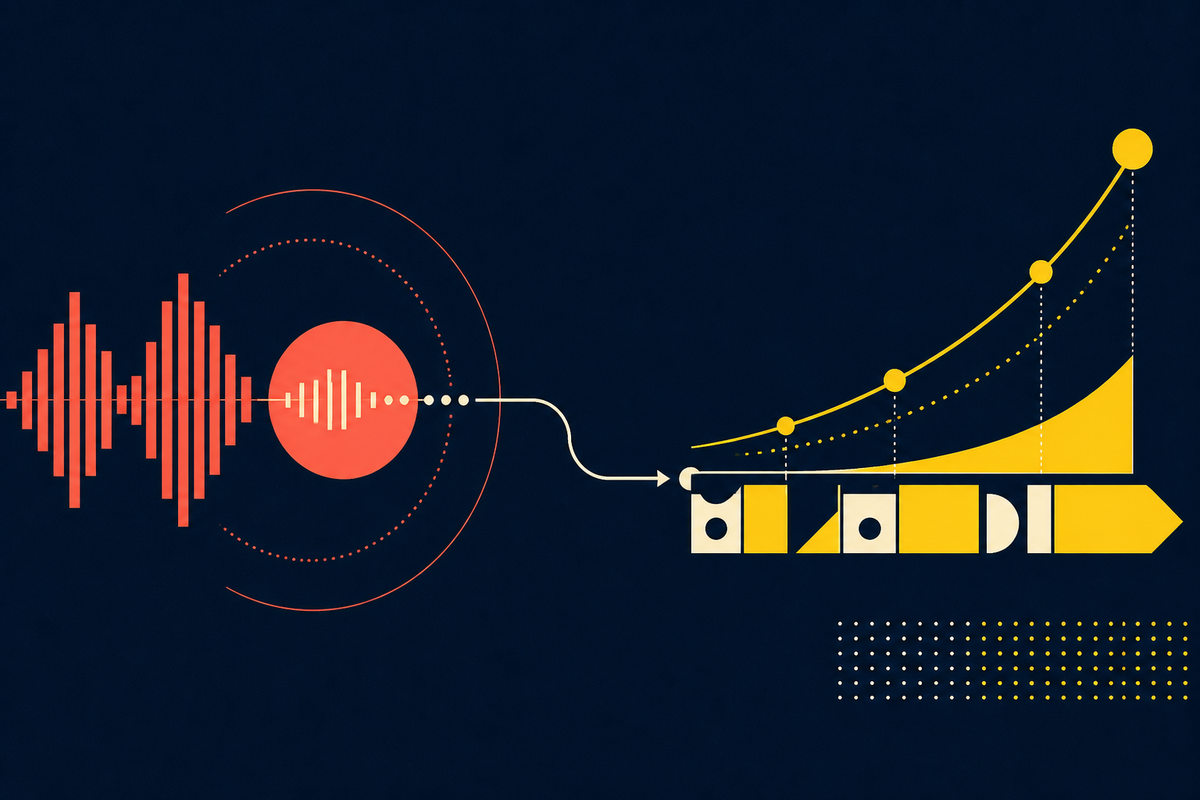
Gong Hears the Deal. Clari Calls the Quarter.
Gong starts with the buyer’s words. Clari starts with the revenue team’s number. Their suites now overlap, but the right choice still depends on which blind spot costs you more.
The Contact Center Has Plenty of Data. SuccessKPI Wants It to Make a Decision.
SuccessKPI built its business around a stubborn enterprise problem: customer conversations generate mountains of evidence, but too little action. Its platform connects the listening, scoring, coaching and staffing work that contact centers usually handle in separate systems.

Canny vs Kapiche Is a Choice About What Feedback Becomes
Canny helps product teams decide what to build; Kapiche helps CX leaders understand what customers are saying at scale. The overlap is real, but the operating jobs are different.
Aircall
The Paris-born company turned the office phone into a line of software - and is now teaching it to answer calls on its own.