compliance-automation
(119)
Foley turns the filing cabinet into an early warning system
A driver file scattered across three or four places is an expensive treasure hunt. Foley connects hiring, screening, and ongoing compliance so fleet teams can spend less time searching and more time acting.
Perennial turns the waiting room into working software
A lender’s three-month onboarding queue reveals what Perennial Systems actually sells: fewer handoffs, better-connected software, and engineering teams that stay for the next problem.

Iru and the hidden cost of one more IT tool
Kandji made its name managing Apple devices. As Iru, it is betting that the expensive part of IT is the work between the tools - and that one shared system can give that time back.

Eleos Health takes on therapy’s second shift
The session ends. The paperwork carries on. Eleos Health is building AI for the notes, checks and billing chores that follow community-based care - and its most useful lesson came from leaving the office.
Perforce Puppet and the Six-Week Server
An insurer needed weeks to build an environment of 30 servers. Puppet helped cut that to under a day. The more interesting trick is keeping those servers from becoming strangers.

Fortra's Tripwire and the Art of Noticing
A cybersecurity company built a business around a small question: what changed? From a Purdue research project to power-grid audits, Tripwire shows why the unglamorous details deserve a very good alarm.
The Lawyer Who Taught the Machine to Say “It Depends”
BRYTER began with a stubborn legal phrase: “it depends.” Its answer was to make expertise usable as software, then let AI handle the reading while rules and people keep the decision in view.
The most important software in the room may be the one that remembers a filing
A missed annual report can surface at the worst possible moment. Discern built a registered agent around the people who must prove, state by state, that the paperwork was actually done.
The 200-Question Detour
Conveyor wants to remove the security questionnaire from the enterprise sales obstacle course. At Zapier, its software cut the share of questions needing a security specialist from 90% to 20% - a useful measure of how much trust can be served before a human joins the conversation.
Anecdotes and the Evidence That Refused to Sit Still
A compliance record can be correct on Monday and wrong by Friday. Anecdotes built its business around that awkward interval - and the enterprises willing to stop treating an audit as an annual scavenger hunt.
Salient Moved Into the Lender's Office. Then the Calls Changed.
A Steve Jobs voice clone opened a door. The harder work was sitting beside a lender, learning the rules, and making a machine answer for every call.

The Security Scanner That Wants to Finish the Job
Lineaje began with a small heresy: finding vulnerable code is the easy part. Its larger bet is to trace every ingredient, judge the real risk, and send back a repair that does not wreck the build.
The Most Important Company You Never Hired
Every large company depends on an invisible city of outsiders. Certa built the traffic lights - then taught them which collisions deserve a human being.
Bond Built the Pipes. Then the Bank Bought the Plumbing.
Bond made banking infrastructure behave more like software. Four years, $42 million and one acquisition later, its quiet machinery sits inside FIS's bid to make finance embeddable everywhere.

The Spreadsheet That Called Back
Secureframe turned the least glamorous obstacle in enterprise sales - proving that your company is secure - into software. Its real product is not a certificate. It is fewer reasons for a deal to stall.

Quantum Secure and the Door That Forgot Who You Were
Quantum Secure found the awkward gap between the employee database and the locked door. Its answer became HID SAFE - and, one acquisition and a proposed transfer later, the little San Jose company still governs who gets in, where, and for how long.
Facctum Wants Banks to Stop Chasing the Wrong Names
A familiar name can send a payment into a compliance queue. Facctum is tackling the data, screening and review work that decides whether it belongs there.

FundApps wants to end Wall Street’s duplicated homework
Hundreds of investment firms face the same regulatory puzzles. FundApps built a business around solving them together. Its merger with SteelEye raises a harder question: can the rest of compliance work that way, too?
Lepide Turns Permission Sprawl Into a Shorter To-Do List
The British cybersecurity company spent two decades turning raw change logs into answers. Now it is betting that permissions cleanup - not another wall of alerts - is what lean security teams will pay for.
Fischer Identity Turned Cybersecurity's Messiest Chore Into a No-Code Workflow
The Naples software company has spent two decades automating the work nobody notices until an ex-employee still has a login. Its wager: complex identity governance can be configured, audited and changed without years of custom code.

Onspring Turned Compliance's Spreadsheet Problem Into a No-Code Control Room
Risk teams do not need another place to store a checklist. Onspring's wager is that they need a system they can reshape themselves - and one customer's three-year software search shows why that matters.

Exiger Put the Supply Chain Under an X-Ray - Now It Wants to Tell You What Breaks Next
The company began by helping banks survive regulatory scrutiny. A decade, several acquisitions and one decisive divestiture later, it is selling a more ambitious promise: see every hidden dependency before it becomes an expensive surprise.
The Tax Man Got an API. Sovos Built the Plumbing for Everyone Else.
Governments now inspect transactions in real time. Sovos sells the software layer that keeps invoices moving, taxes calculated and finance teams out of the penalty box - across nearly 200 countries.
Drata Turned the Audit Scramble Into an Always-On Machine - Then Went After the Sales Cycle
The founders met compliance as a recurring evidence hunt. Five years later, Drata had crossed $100 million in annual recurring revenue and was selling a bigger idea: make proof of trust useful every day, not just during an audit.
BigID Found the Enterprise’s Dark Data. Now It Wants to Govern What AI Does With It
BigID built a unicorn by answering a dull but dangerous question: what data does a company actually have? Ten years in, AI has made that inventory more valuable - and the company’s own reinvention more severe.

Netwrix Sold the Software Before It Existed - Now It Wants to Secure Every Identity Behind Your Data
A two-night coding sprint became a profitable security business. After 12 acquisitions and three investment chapters, Netwrix is trying to turn a crowded toolbox into one coherent answer to a hard question: who can touch the company’s most sensitive data?
M-Files Declared War on Folders. Then It Moved Into Microsoft’s House.
The Finnish software company spent two decades arguing that folders are the wrong way to run knowledge work. Its new Microsoft 365 alliance turns that contrarian idea into a practical bet on governed, AI-ready documents - if customers can handle the setup.

Chainguard Put Open Source on a Factory Line - and Made Patching Someone Else's Problem
Most security tools tell engineers what is broken. Chainguard sells them a cleaner starting point - rebuilt from source, stripped of baggage, signed, and continuously patched before the scanner queue becomes the week's agenda.
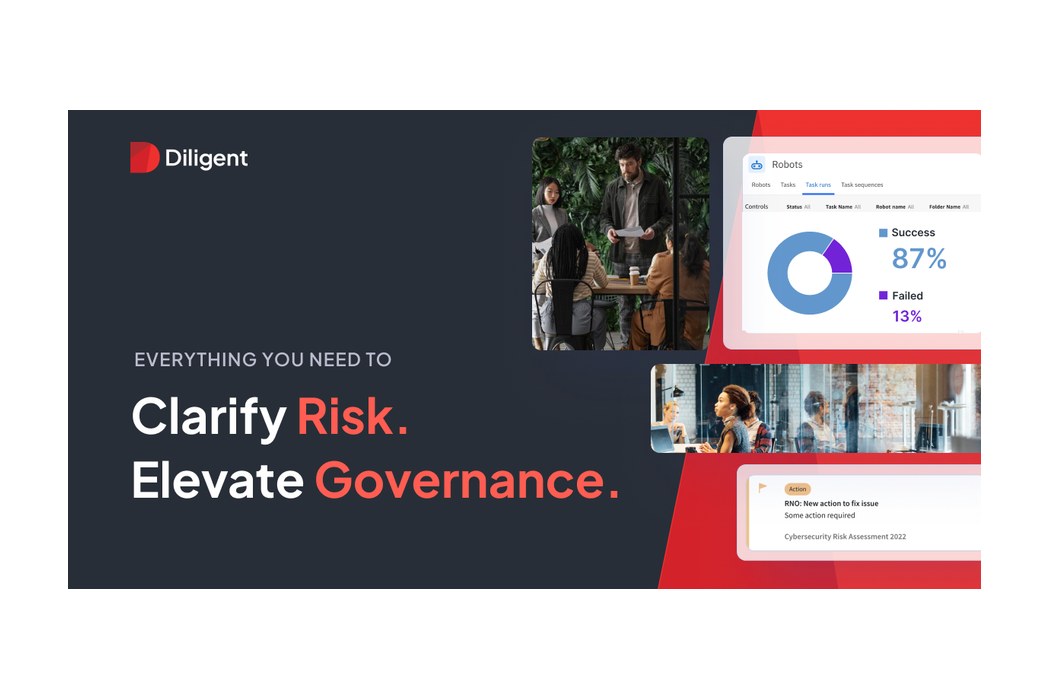
Diligent Put the Board Book on an iPad. Now It Wants the Whole Risk Business
The board portal pioneer survived an accounting-control stumble, a $624 million take-private and a decade of acquisitions. Its next trick is turning every risk signal into something a director can use before the meeting starts.

Tufin’s Bet: The Firewall Is Fine. The Policy Sprawl Is the Problem.
Big companies do not have one firewall; they have a small parliament of them. Tufin built the policy layer that gets Cisco, Palo Alto, Fortinet, Check Point, cloud controls and SASE tools to follow the same rules.