columbia-business-school
(35)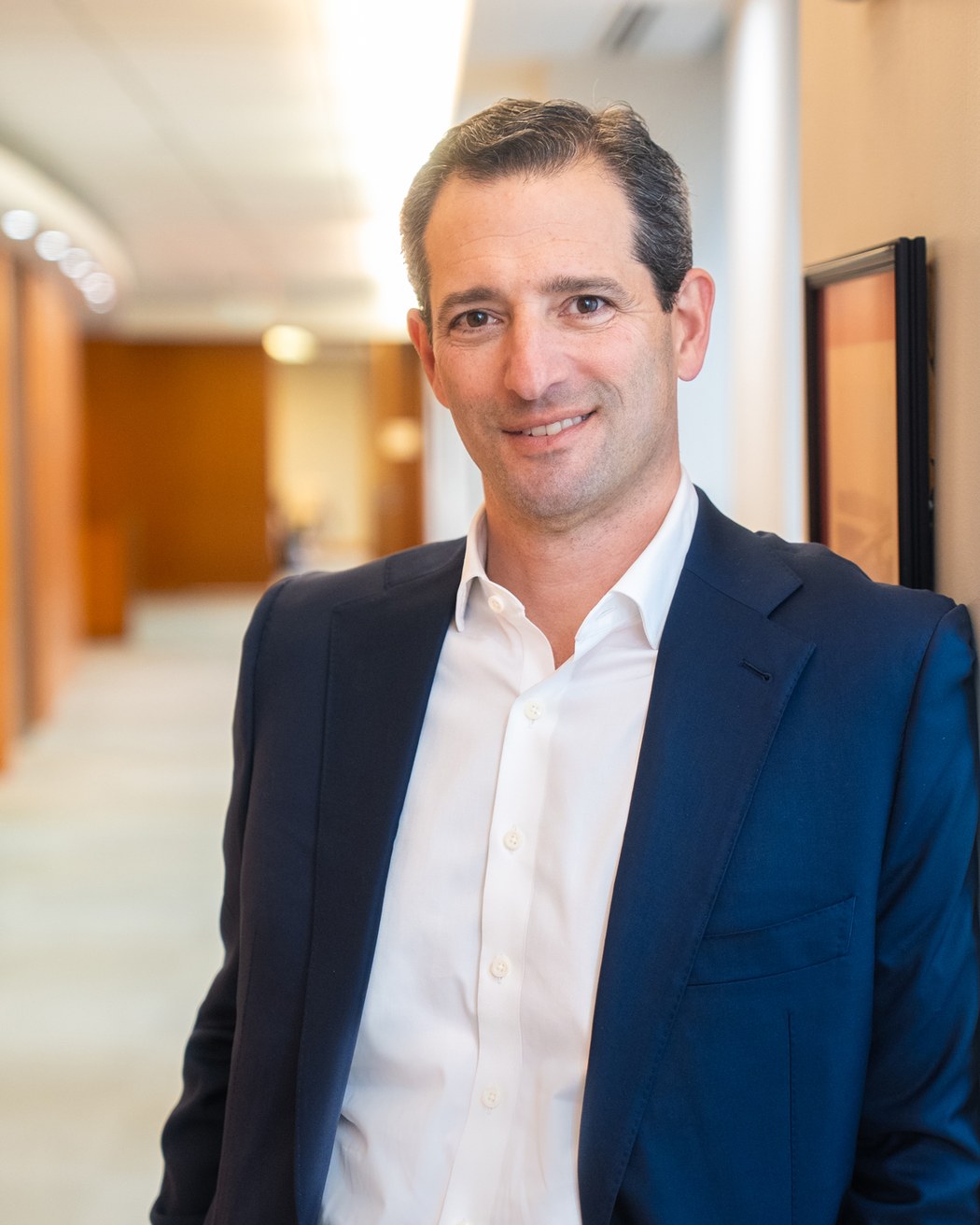
Robert Lowenthal and the 26-year succession
Before Robert Lowenthal succeeded his father at Oppenheimer, he spent a quarter-century learning its systems, markets and people. His route to the top offers a closer look at what a family succession actually asks of its successor.
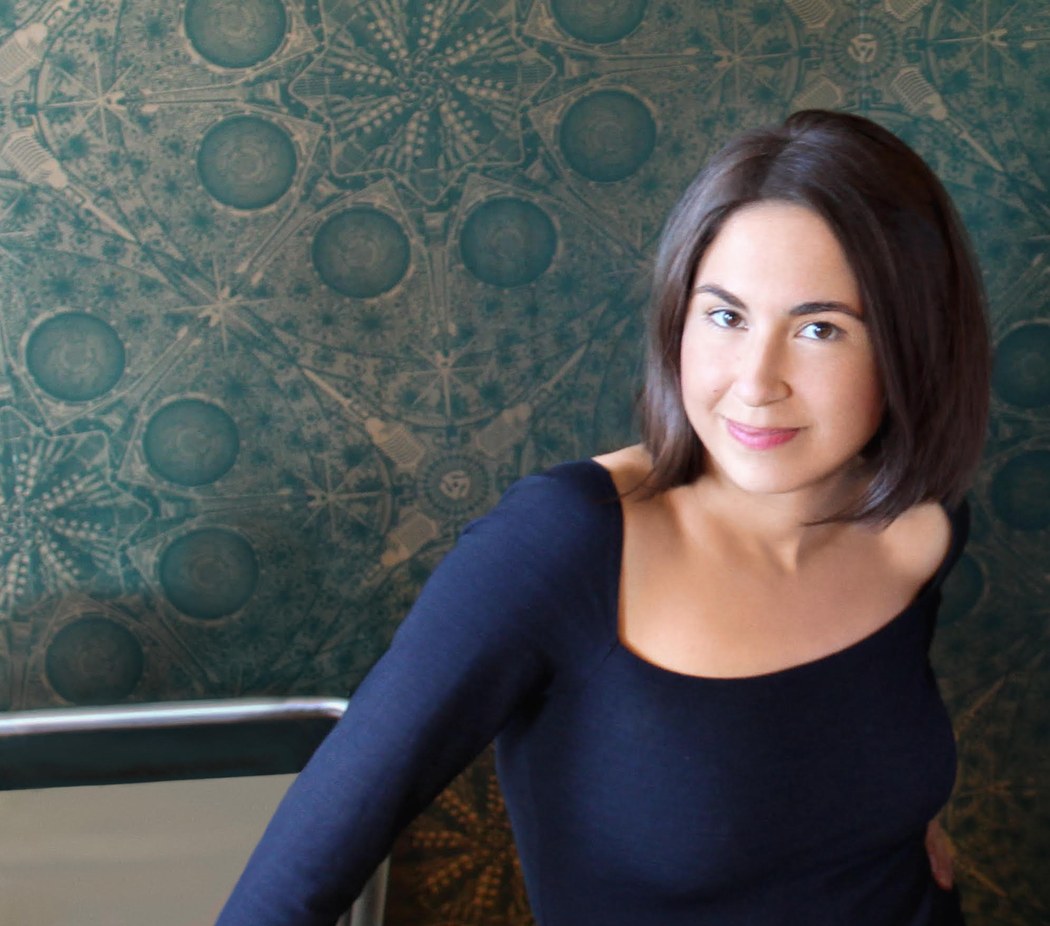
Susannah Vila wanted to move. The lease had other plans.
A serial subletter built Flip to make renting fit a changing life. The path to Caretaker began earlier, with a different question: how do you get useful technology into the hands of people who need it?

Guy Ironi and the business he had to leave behind
At ColdTrack, Guy Ironi helped turn a struggling beverage manufacturer into a cold-food fulfillment business. The difficult part was deciding which work to stop doing.

Oren Fuerst wrote the route to Wall Street. Then he took it.
Before co-founding Dario, Oren Fuerst taught valuation and co-wrote a guide to venture capital. His career follows the practical questions between an interesting idea and a company someone will back.
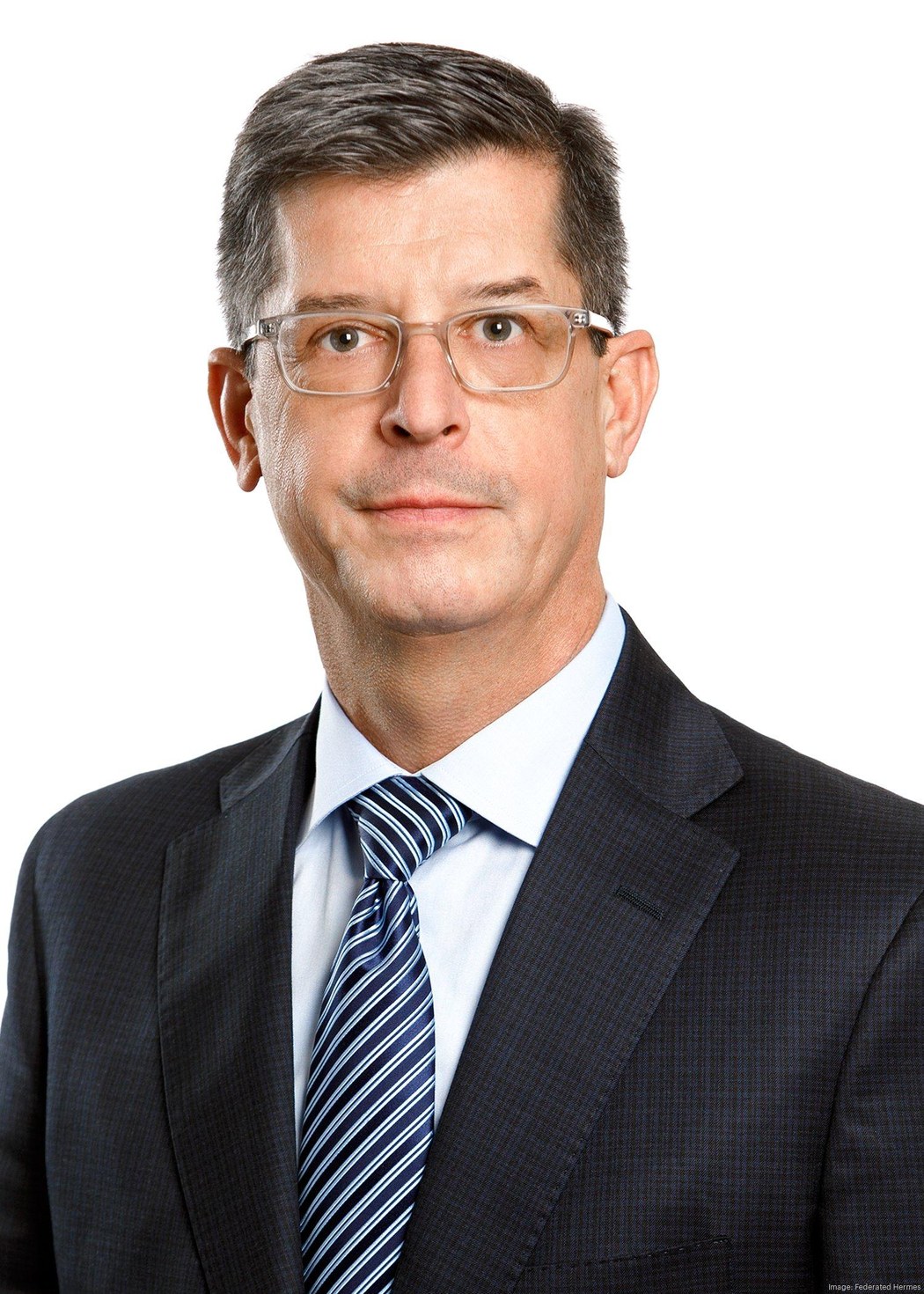
Paul Uhlman and the long way to the other side of the table
After 36 years at Federated Hermes, Paul Uhlman moved from leading global distribution to overseeing its investment teams. His career began with client calls, and the questions have kept getting bigger.
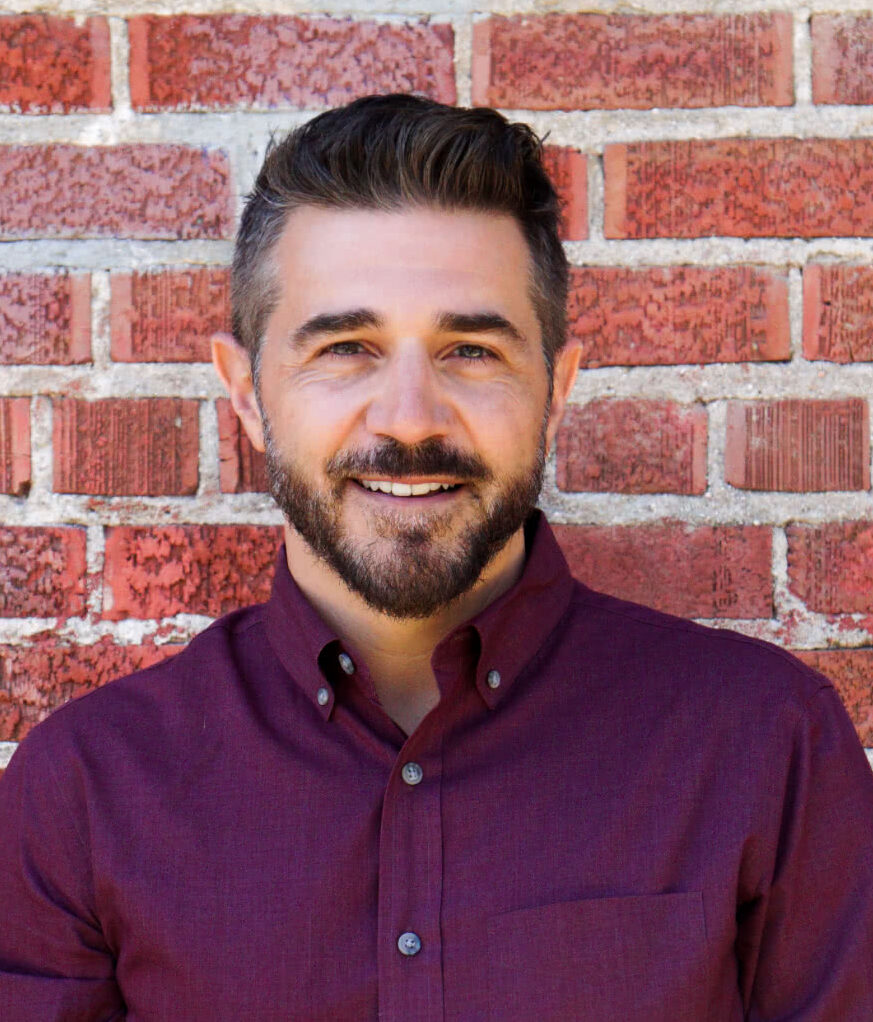
Michael Bellavia and the serious business of being playful
A puppet march, an animated sports show, and a bear with something to say. The HelpGood founder’s career follows the curious route from making characters entertaining to making public causes inviting.
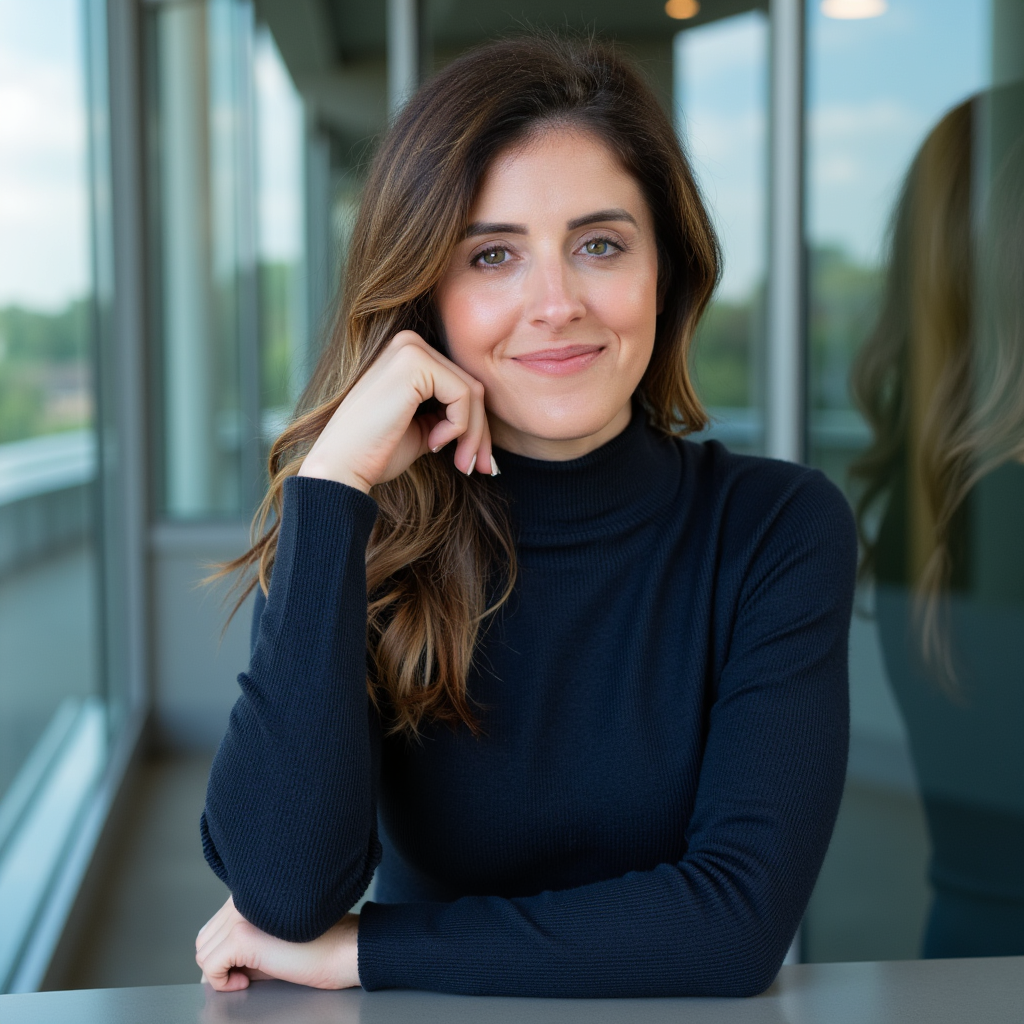
Halle Tecco and the power of keeping score
She turned Shark Tank into a spreadsheet and a rejected job search into Rock Health. Halle Tecco keeps finding ways to make the rules easier for the next person to read.
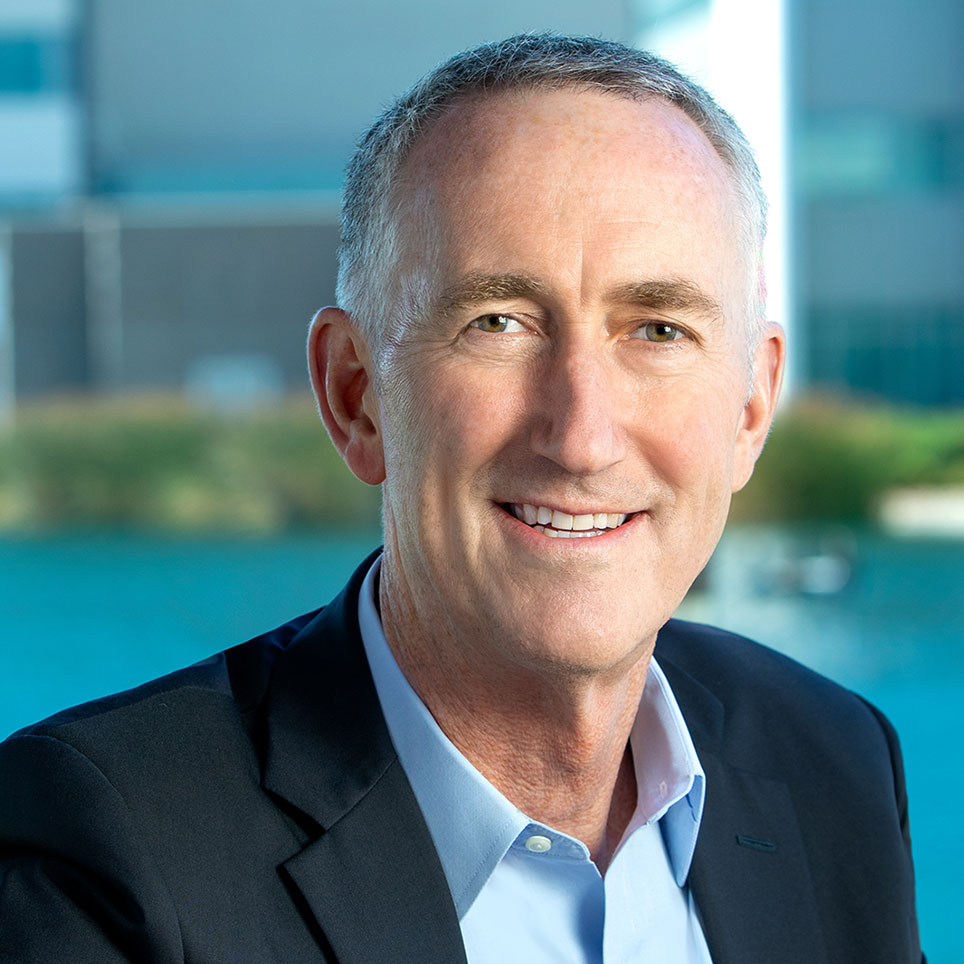
Daniel O’Day and the Art of Starting Again
Three decades at Roche took Daniel O’Day across countries, functions and assumptions. At Gilead, and now through a family scholarship at Georgetown, the question is who gets the next opportunity.
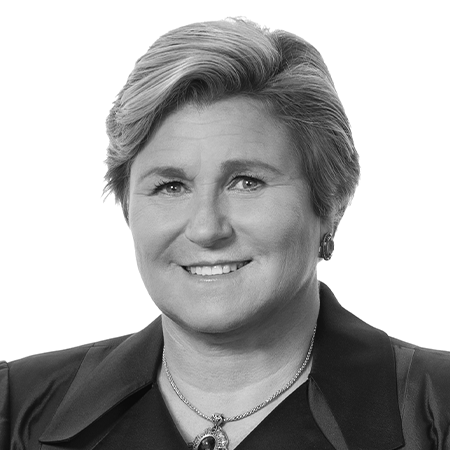
Gail Boudreaux and the art of the second possession
Before she ran Elevance Health, Gail Boudreaux collected 1,635 rebounds at Dartmouth. Her story turns on what happens after the first shot - and who gets the next chance.
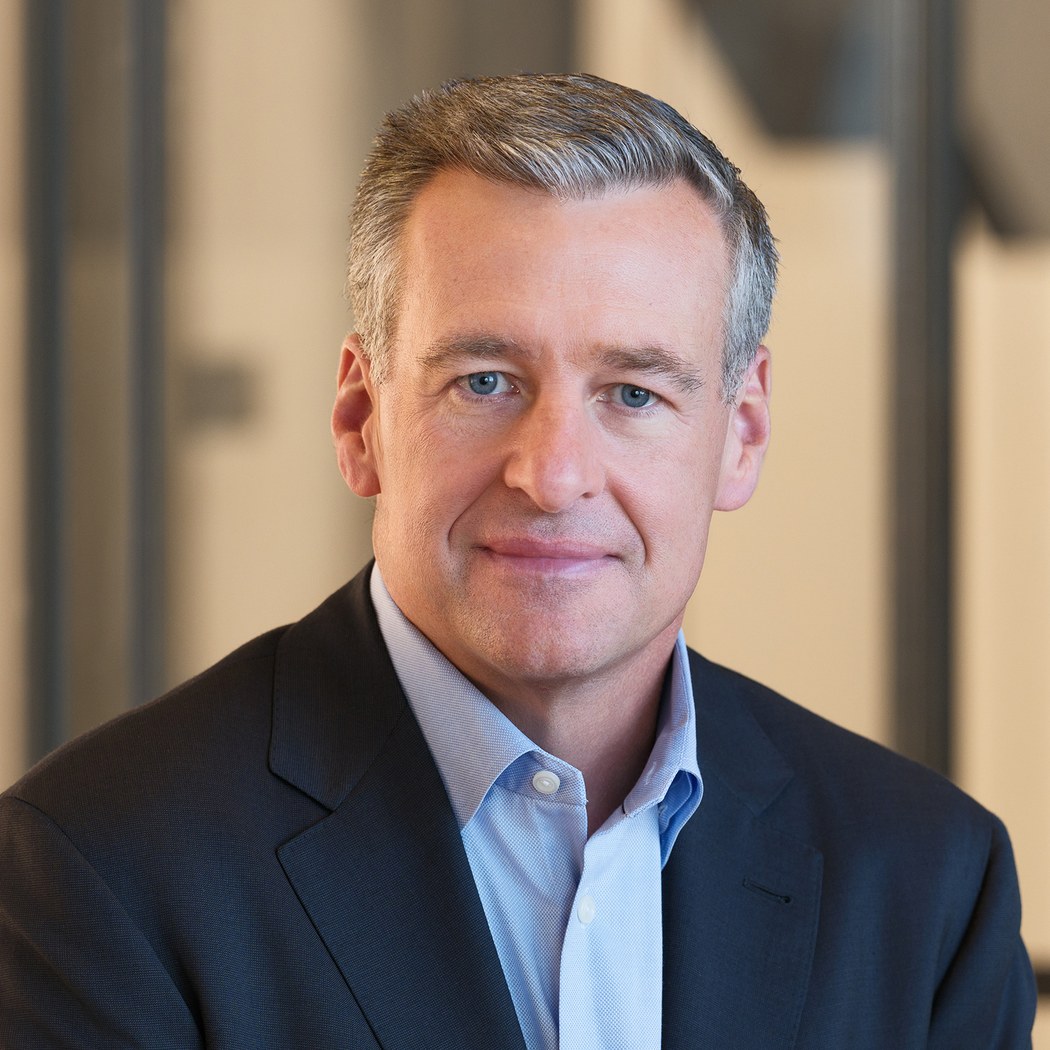
Andrew McMahon and the business of keeping a promise
Before he ran Guardian, Andrew McMahon delivered newspapers and ran a painting business. Now he is working on a harder delivery problem: keeping a 166-year-old mutual insurer useful to the people who own it.
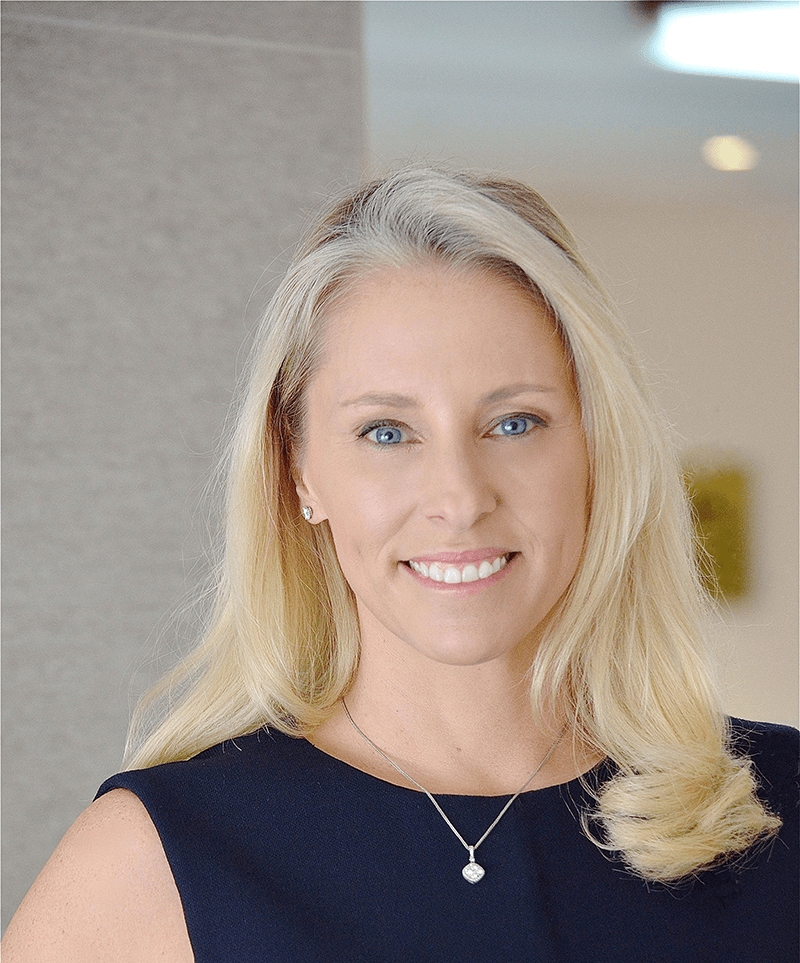
Kristin Peck and the education of a curious executive
Her first job was at a company that would one day become part of Zoetis. The route back took Kristin Peck through finance, consulting, factories, and a lesson in how much a leader needs to listen.
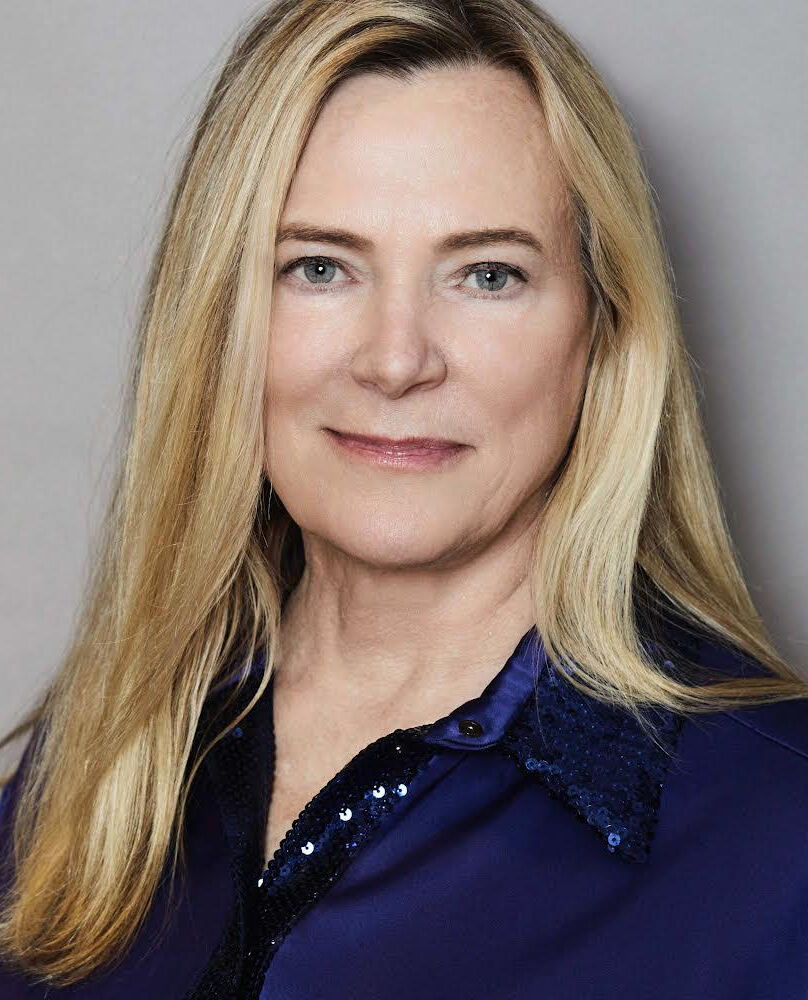
Deborah Jackson and the art of failing retirement
After two decades raising capital on Wall Street, Deborah Jackson found another use for her experience: bringing women founders and investors into the same conversation. Plum Alley grew from that conviction.

Tarek Sherif and the advantage of having less
Before Medidata’s $5.8 billion sale, there were paintbrushes, a shared office and a stubborn concern for the cash balance. Tarek Sherif’s career is a study in building room to choose.

Beenu Arora and the value of knowing a little sooner
Years of handling cyber incidents taught Beenu Arora where the warning signs went missing. A business-school friendship helped him build Cyble around a deceptively simple ambition: give defenders more time.
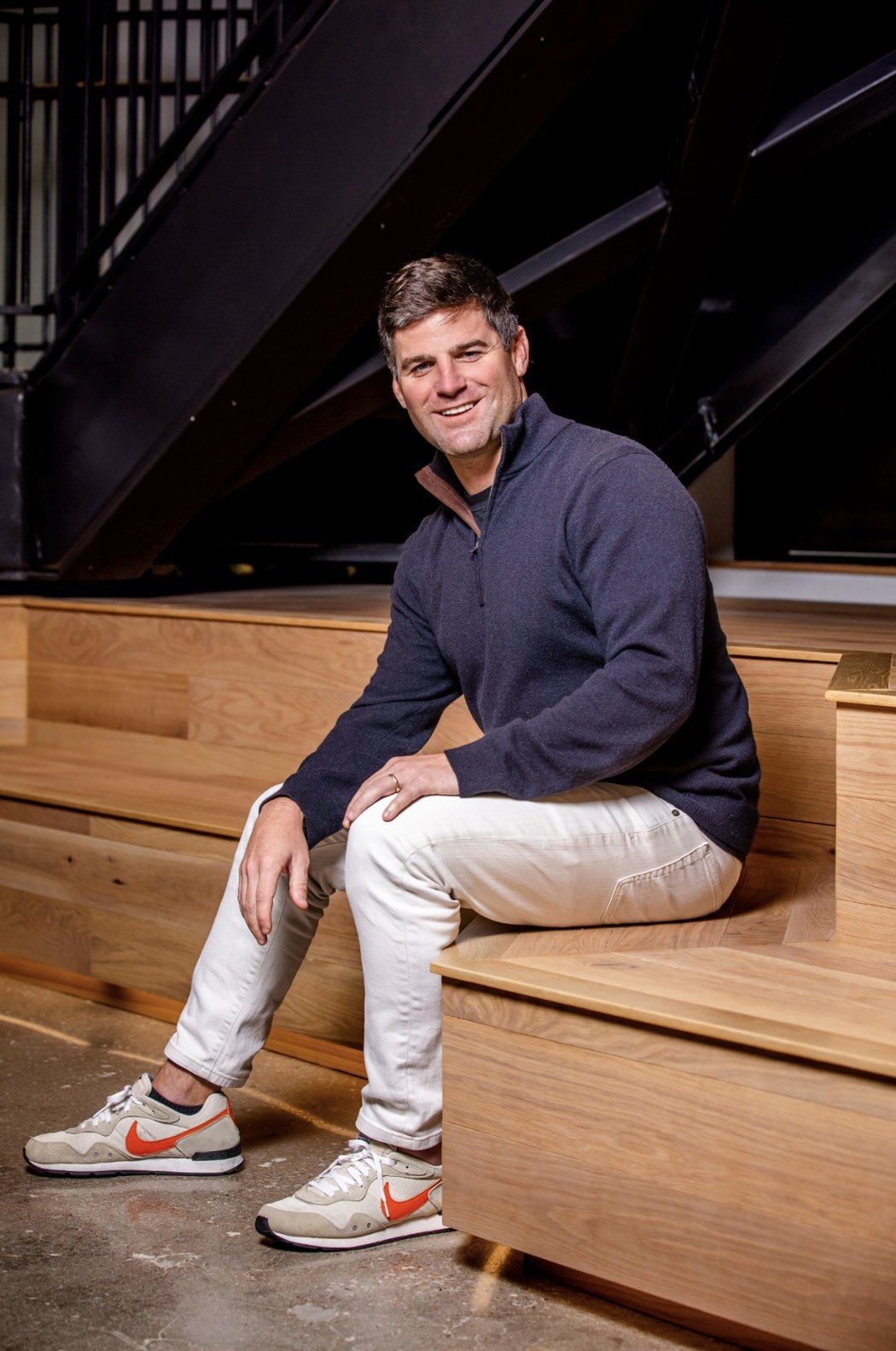
Mike Witte and the Business of Keeping People in the Picture
After co-founding RigUp, which became Workrise, Mike Witte is taking a second run at a familiar problem. At Equal Parts, he wants independent insurance agencies to grow without losing the relationships that made them worth buying.
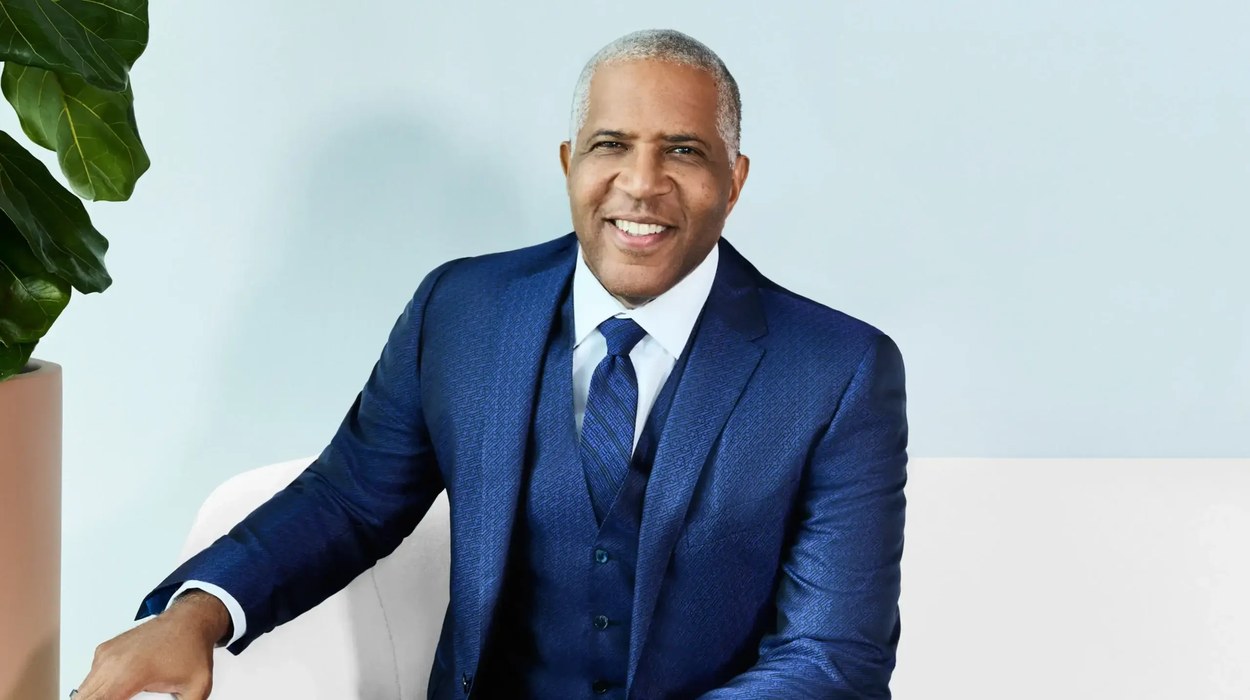
Robert F. Smith and the price of an open door
Before he erased a graduating class’s student debt, Robert F. Smith was a teenager calling Bell Labs every Monday. His story runs through coffee patents, enterprise software and a recurring question: who gets a chance?
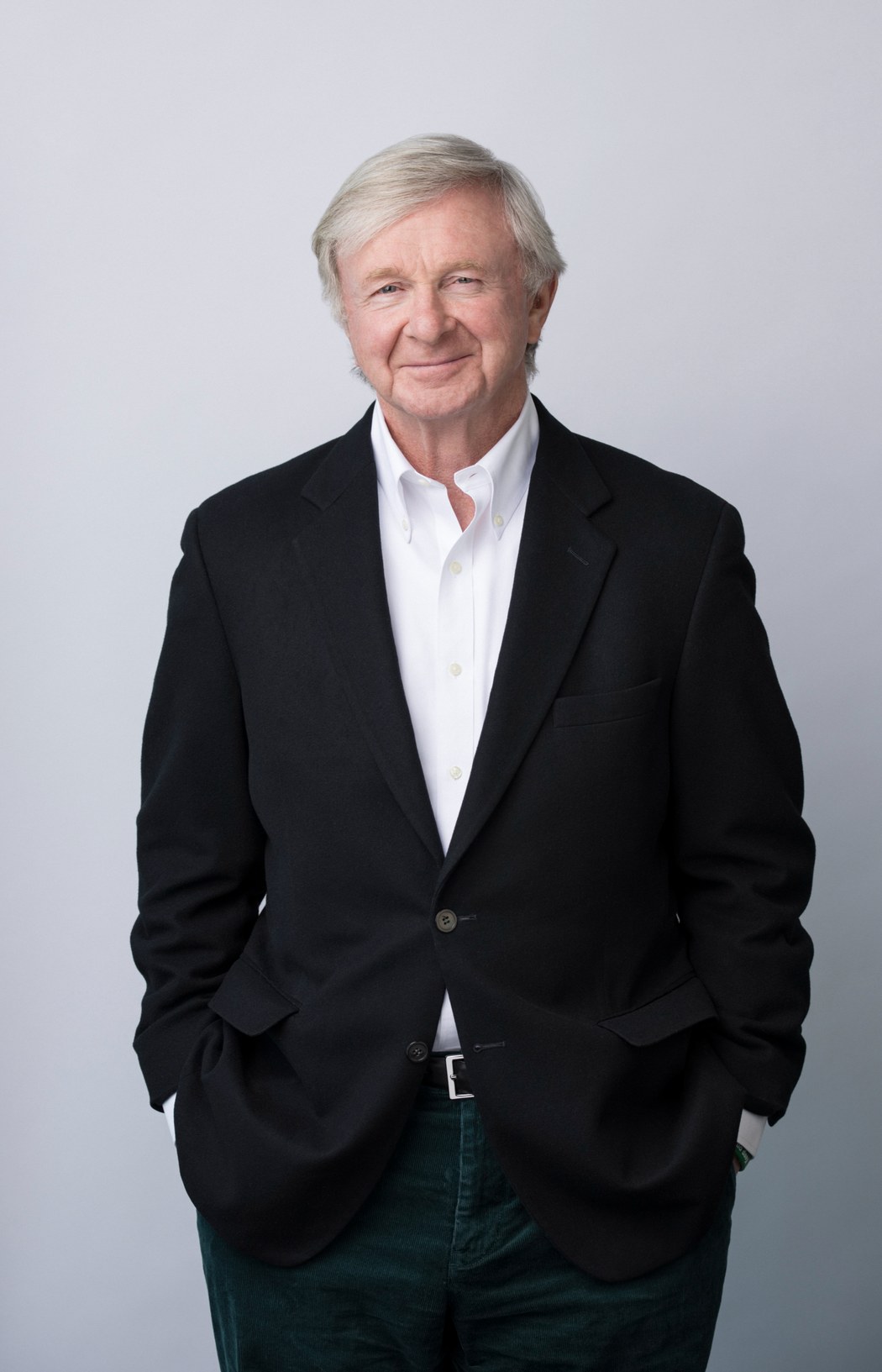
Chuck Davis and the education that took its time
He stumbled through college, found his footing in finance, and helped build Stone Point Capital around the habit of knowing a business deeply. Decades later, Chuck Davis still makes room for the student he used to be.
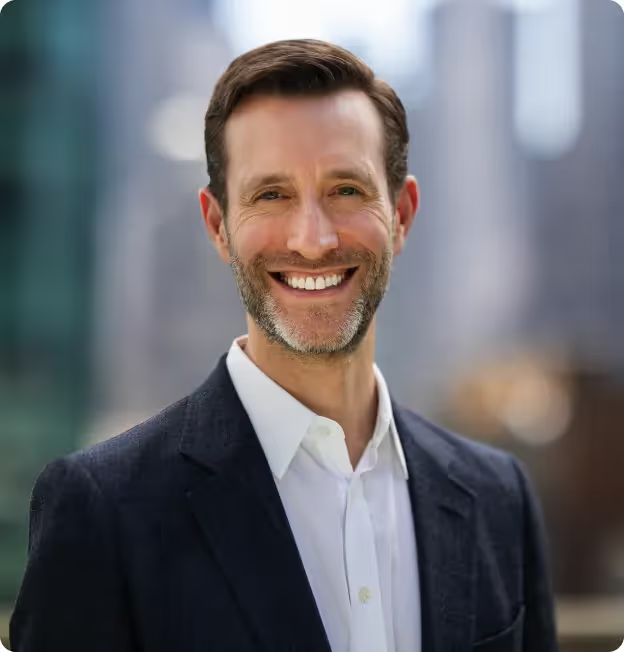
Michael Rubenstein and the ad that learned to listen
From a browser in McGill’s library to the exchanges behind online advertising, Michael Rubenstein has kept finding reasons to start again. At Firsthand, his next bet is a brand that can answer back.

Maxwell Ritz and the business of belonging
Before cofounding The Loyalist, Maxwell Ritz helped turn lacrosse into a touring event and a clothing culture. His career keeps returning to the same question: what makes people come back?

Cyrus Massoumi and the art of starting again
Before Zocdoc, there were size 13 shoes and a startup that folded. Cyrus Massoumi has spent the years since revising his ideas about people, ambition, and what makes a company worth building.
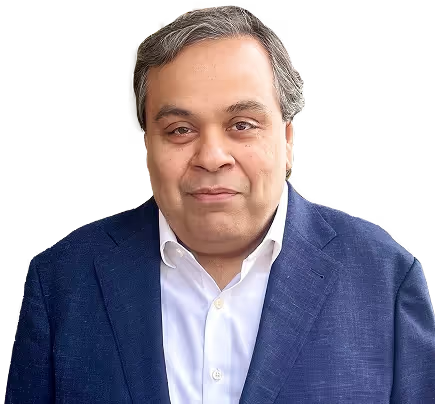
Prashant Agrawal and the Ten Billion Decisions Hiding in a Spreadsheet
A consultant, columnist and Columbia professor built Impact Analytics around a quiet retail rebellion: let machines calculate the permutations, so people can make the consequential calls.

Dev Shrotri
Dev Shrotri is the founder and CEO of CloudLex, a New York based cloud platform built exclusively for plaintiff personal injury law firms. An engineer by training with an MBA from Columbia Business School, he spent years running legal support services before building CloudLex in 2015 to replace the antiquated legacy systems and one-size-fits-all tools that trial lawyers had been stuck with. The company has grown to roughly 110 employees, raised about $7.7 million, and in 2025 launched Lexee, an AI assistant designed specifically for personal injury practice.
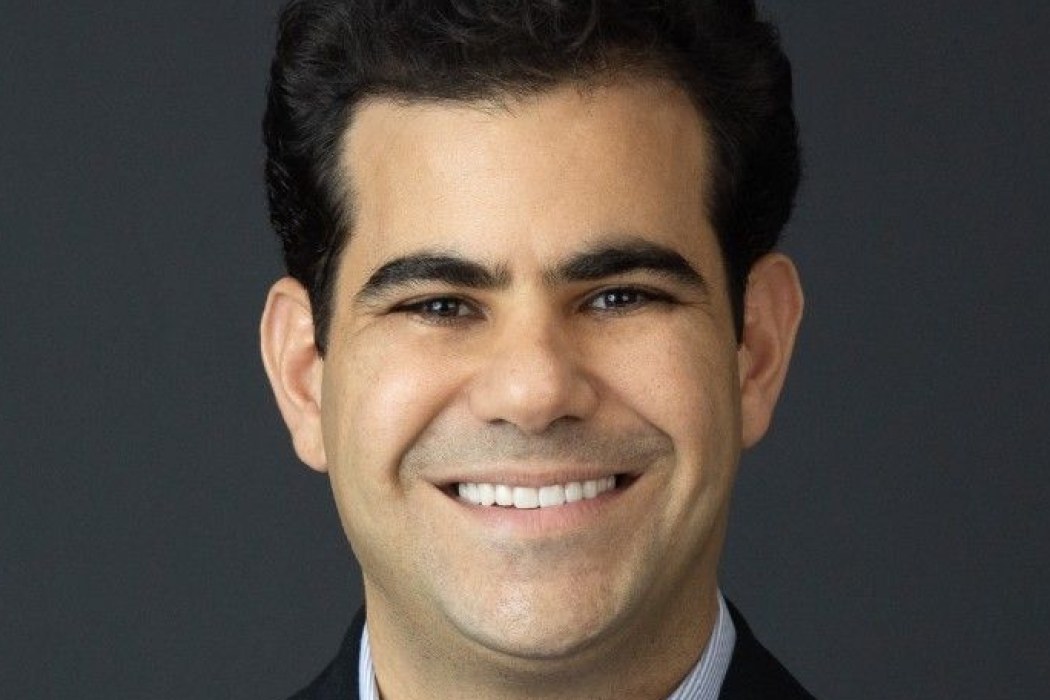
Faris Ghawi
Faris Ghawi is the co-founder and CEO of Vytalize Health, a Hoboken-based value-based care company that partners with primary care physicians to manage Medicare patients through data, analytics, and financial incentives. A Lehigh-trained civil engineer who moved into healthcare consulting at EY and then earned an MBA at Columbia, Ghawi launched Vytalize in 2014 with college friends. Under his leadership the company grew to serve hundreds of thousands of Medicare beneficiaries across dozens of states, raised a $100M Series C in 2023, and topped Inc. Magazine's 2024 list as America's fastest-growing private company.
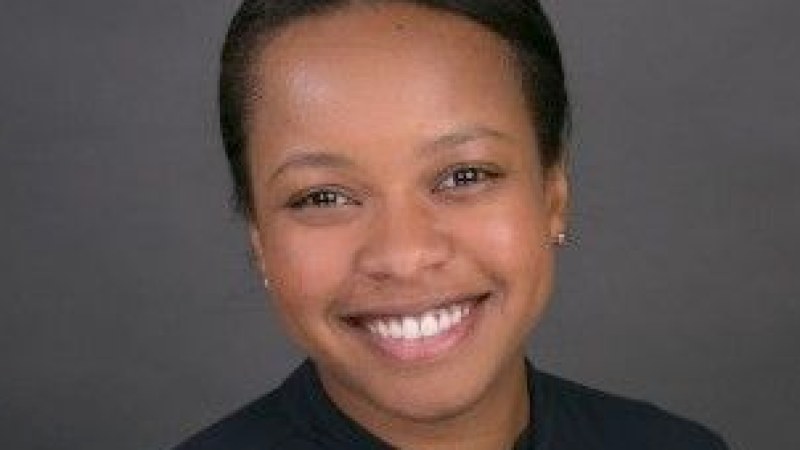
Sara Providence
Sara Providence is Vice President and Chief of Staff to the CEO at SeatGeek, the New York-based ticketing marketplace. She arrived from McKinsey & Company in 2023, bringing an unusual triple-degree background - a BA from Harvard, a JD from Columbia Law, and an MBA from Columbia Business School - to the corner office of a company whose product is essentially the trust that a stranger's PDF will get you into a stadium.
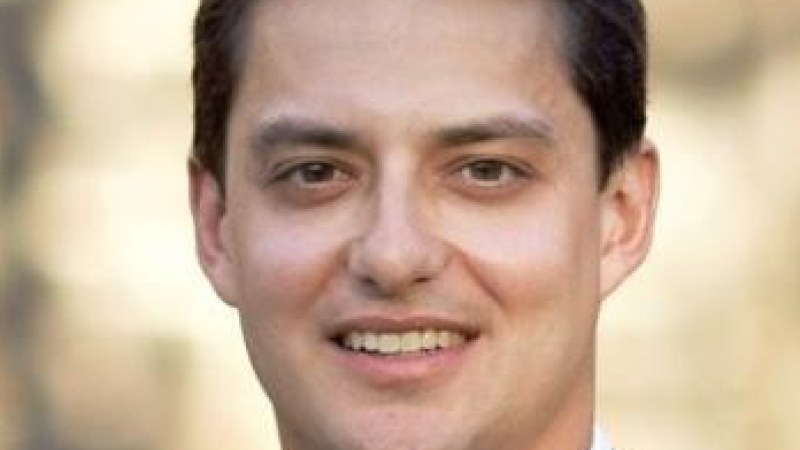
Adrien Fraise
Adrien Fraise is the CEO and founder of ModernGuild, a New York-based edtech company that pairs high school and college students with one-on-one career coaches and a structured online readiness program. A former Deloitte strategy consultant with degrees from Stanford and Columbia Business School, he launched ModernGuild in January 2011 after concluding that traditional early-career recruiting was broken: too many resumes, too little real review, and too much bias. He built the company into a mentoring marketplace that has served tens of thousands of students, partnered with employers like Citibank and Wells Fargo, and went through the Techstars accelerator in 2017.
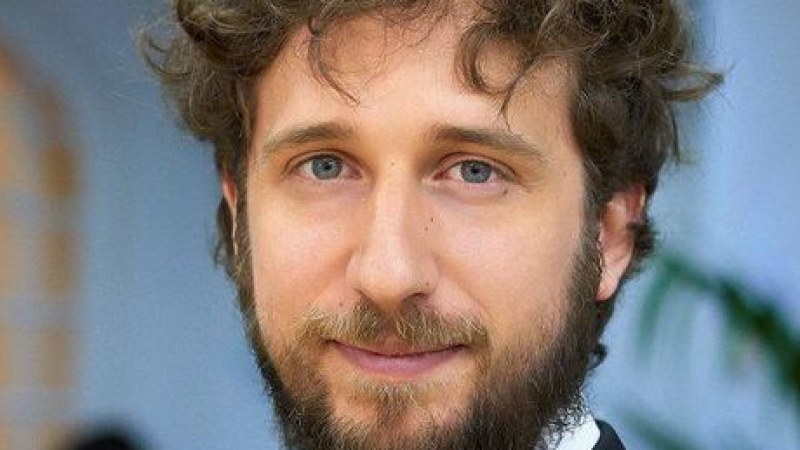
Brian Pallas
Brian Pallas is the Italian founder and CEO of Opportunity Network, a private business-matching platform where vetted CEOs and investors anonymously connect on commercial, fundraising, investing and M&A deals above $1M. What started as an anonymous newsletter he circulated at Columbia Business School to help his father's Milan family business grew into one of the world's largest communities of CEOs and investors, with tens of thousands of vetted members across 130+ countries and hundreds of billions in transaction flow. A former Boston Consulting Group consultant with private equity and investment banking experience, Pallas also co-founded Collective Equity Ownership and the Milan real estate firm Medhelan Capital.

Tyler Boyd
Tyler Boyd is the CEO of Youtility, a behavioral decision science company that models the emotional drivers behind consumer choices and feeds banks and brands real-time next-best-action recommendations through APIs. A Columbia-trained financier who spent nearly two decades in private equity, investment banking, and corporate strategy, Boyd moved from Wall Street deal rooms to the marketing-science world at Purple Strategies before sourcing and steering the merger of US fintech Squeeze with UK technology firm Youtility. He now runs the combined company across London and Richmond, Virginia, where its software counts Santander UK, Virgin Money, and Monese among its partners and recently closed a $4.2M seed round.
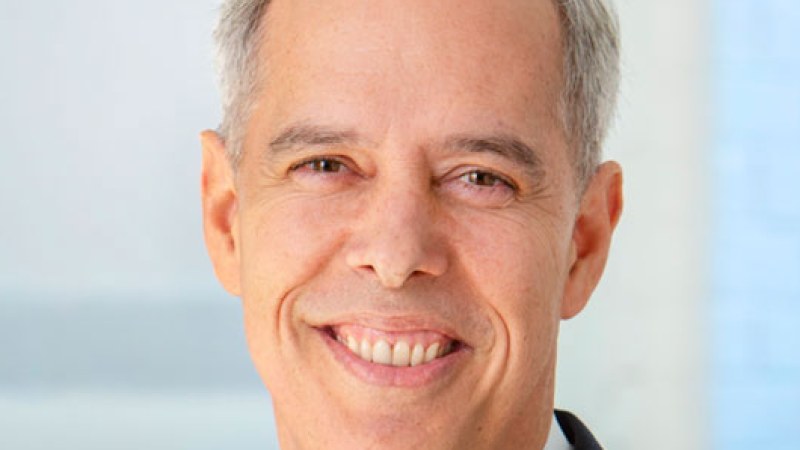
Alex Martin
Alex Martin is the Chief Executive Officer of Abcuro, a clinical-stage biotech in Newton, Massachusetts working on selectively depleting highly cytotoxic T cells in autoimmune disease and cancer. A biopharma operator with more than 30 years of company-building and deal-making, he has run Palladio Biosciences and Realm Therapeutics (both acquired), served as COO of Intercept Pharmaceuticals and CFO of BioXell, and held business-development leadership at Novartis. In February 2025 he steered Abcuro to a $200 million Series C led by New Enterprise Associates. He also chairs the board of Veralox Therapeutics, sits on the board of ESSA Pharma, coaches senior executives, and lectures at Wharton and Columbia Business School.
Amanda Luke
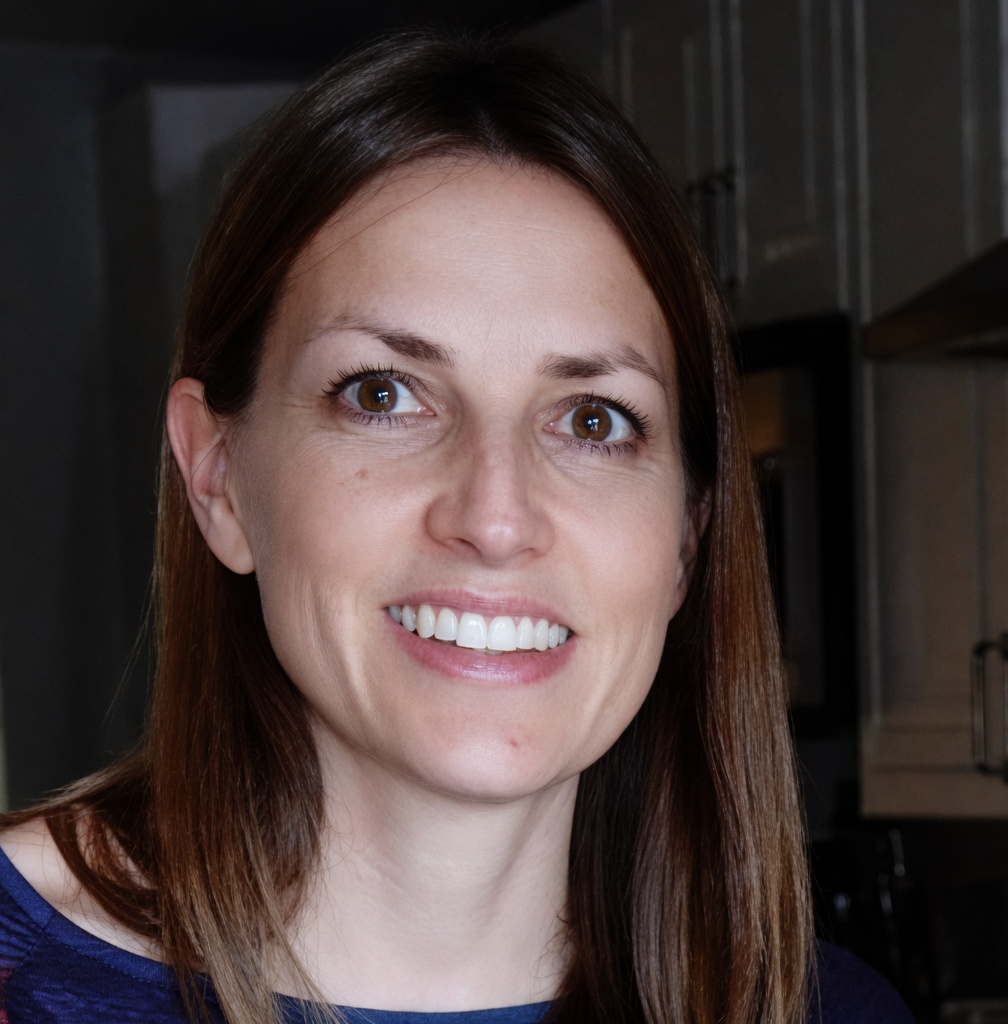
Amanda Luke is the CEO of Bonafide Provisions, the family-founded California maker of organic, traditionally-prepared bone broth. A UC Berkeley and Columbia-trained marketer, she spent years building health-and-wellness brands at Safeway and Luvo before joining the small Carlsbad broth company in 2018, rising from VP of Marketing to CEO within roughly a year. Under her leadership the women-led brand pushed beyond frozen broth into keto cups, cooking broths, and shelf-stable pantry products, positioning Bonafide as one of the most recognizable clean-label bone broth names in the United States.
Alexander Casdin
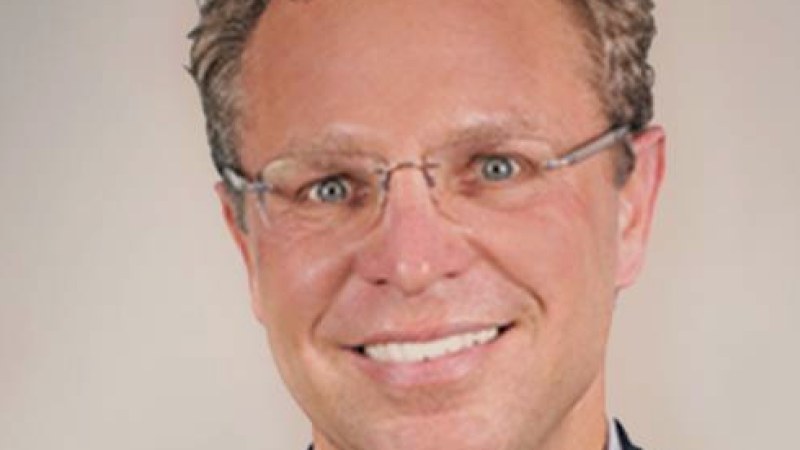
Alexander Casdin is the Chief Executive Officer of Epirium Bio, a San Diego biotechnology company developing small-molecule therapies to improve muscle function. A healthcare executive and institutional investor with more than 25 years in the industry, he stepped up from CFO and COO to CEO on January 1, 2025, the same month Epirium's lead drug MF-300 - a first-in-class oral 15-PGDH inhibitor for sarcopenia - cleared the FDA to begin human trials. Before Epirium he founded and ran Reneo Capital Management, was CFO of Sophiris Bio, and ran VP of Finance at Amylin Pharmaceuticals, and he sits on the board of Erasca as audit committee chair.