biotech-founder
(113)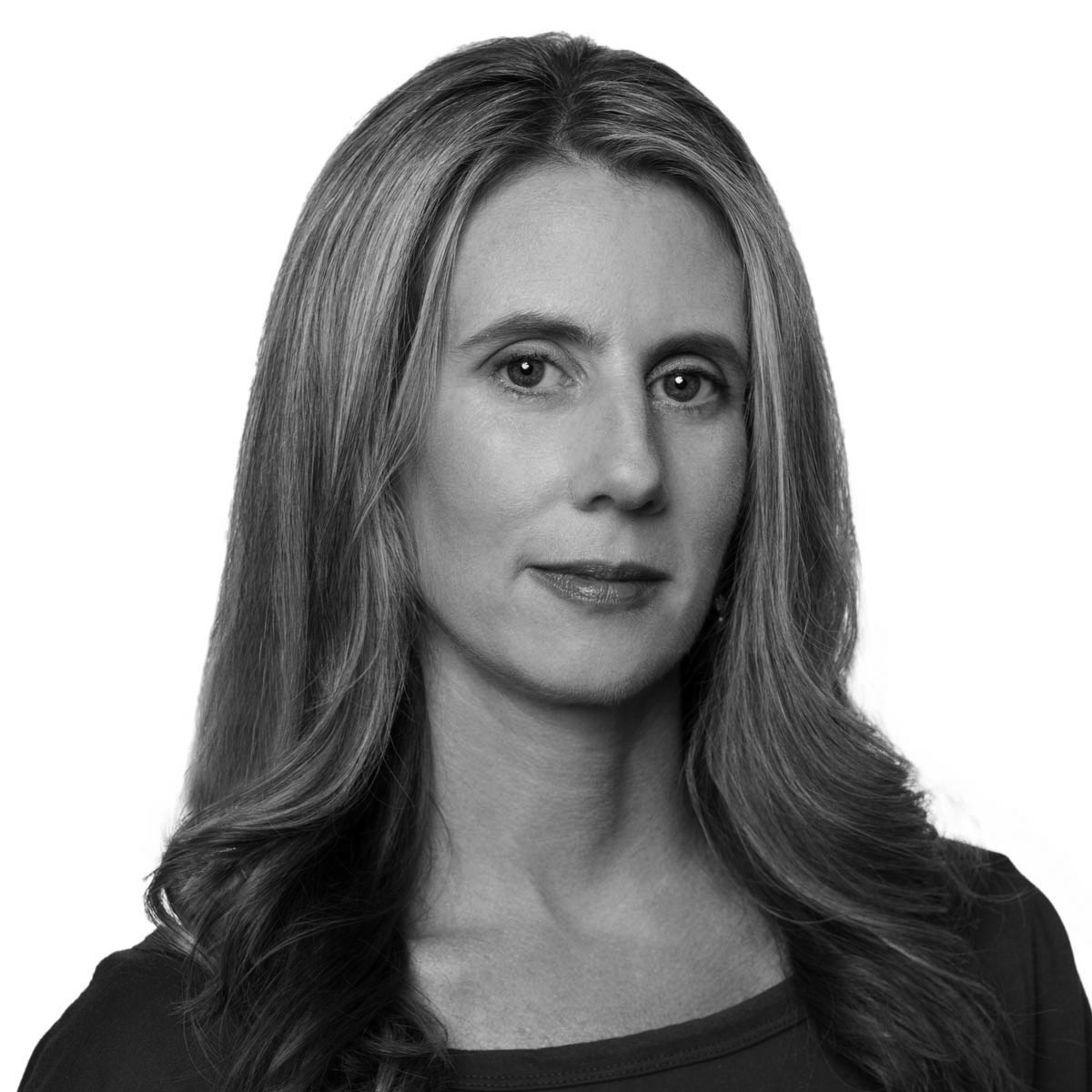
Nikole Kimes Took the Scenic Route to the CEO’s Chair
She studied coral ecosystems, joined the Peace Corps and went looking for a science that could hold all her interests at once. Then a UCSF discovery turned a self-described meandering career into a lesson in how founders are really made: one unfamiliar job at a time.
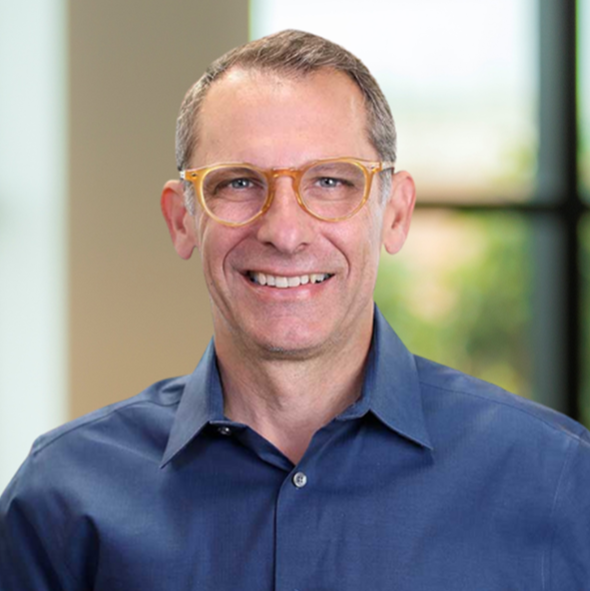
Joshua Grass Is Building a Second Life for Shelved Science
After two biotech exits and 15 years inside BioMarin, Joshua Grass is betting that some promising medicines stall for organizational reasons, not scientific ones. His new company, Mendra, raised $82 million to find those overlooked programs and carry them farther.
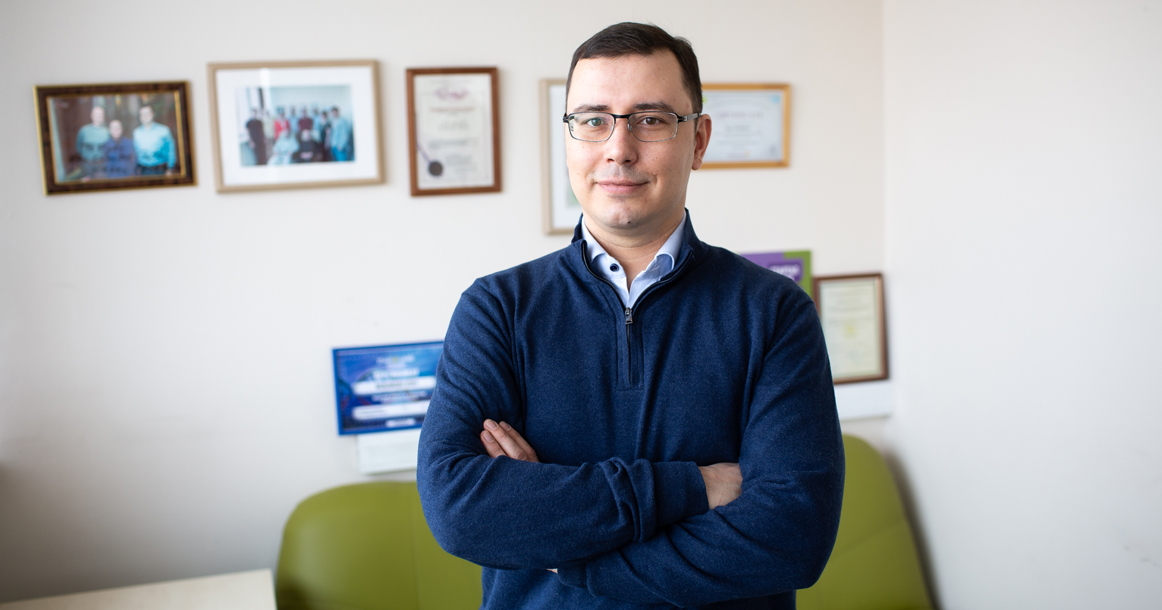
Egor Melnikov Bet a Founder’s Life on a Family Idea
An economist from a Russian science town turned his father’s unfinished research into a decade-long biotech company. The useful lesson is not romance. It is his stubborn method: narrow the question, protect the idea, and keep earning the next experiment.
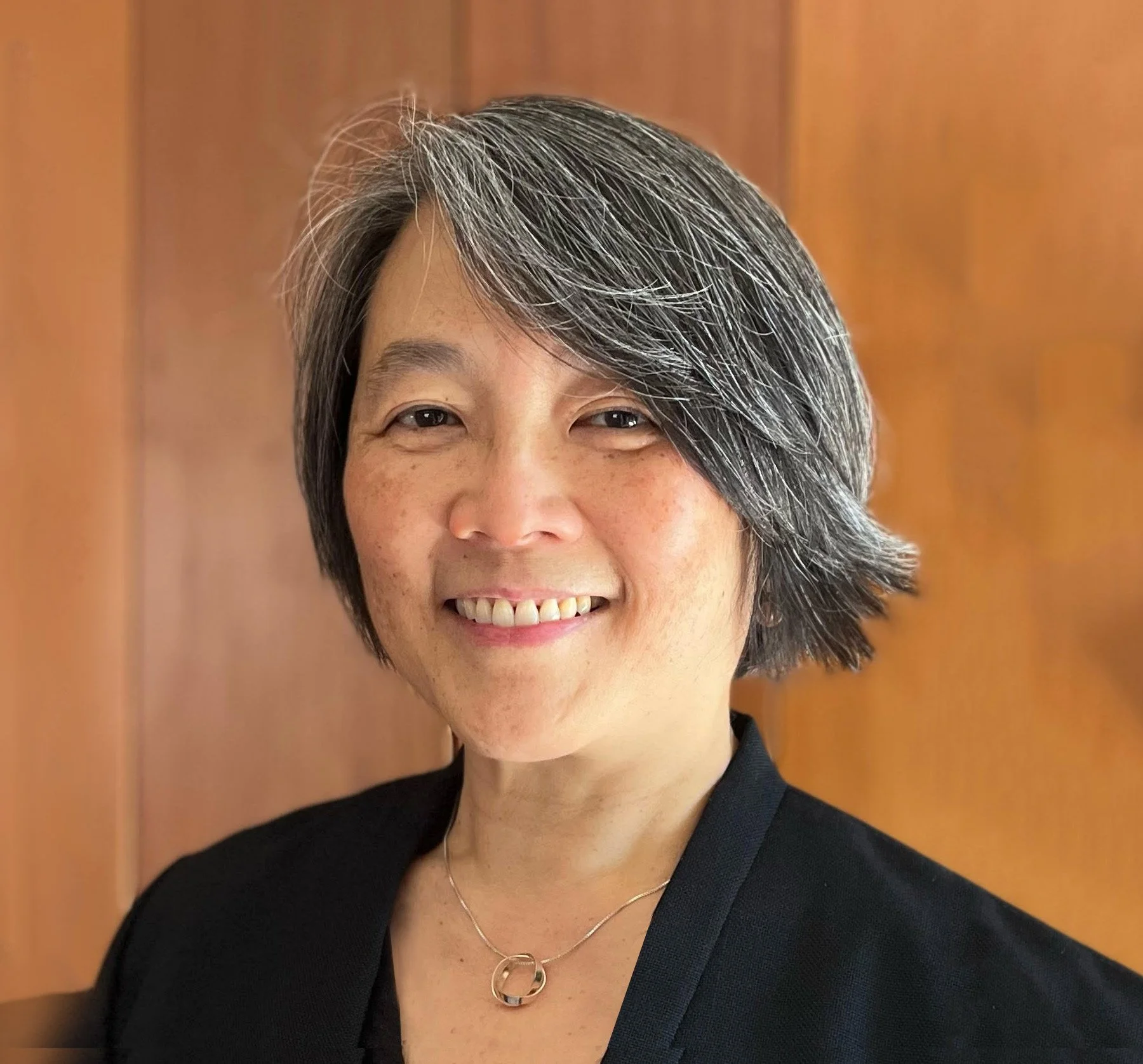
Pek Lum Keeps Asking Biology Better Questions
Before AI became biotech's favorite phrase, Pek Lum was teaching computers to notice what biology hides in plain sight. At Auransa, that long apprenticeship has become a patient-first method for finding the signal inside human complexity.
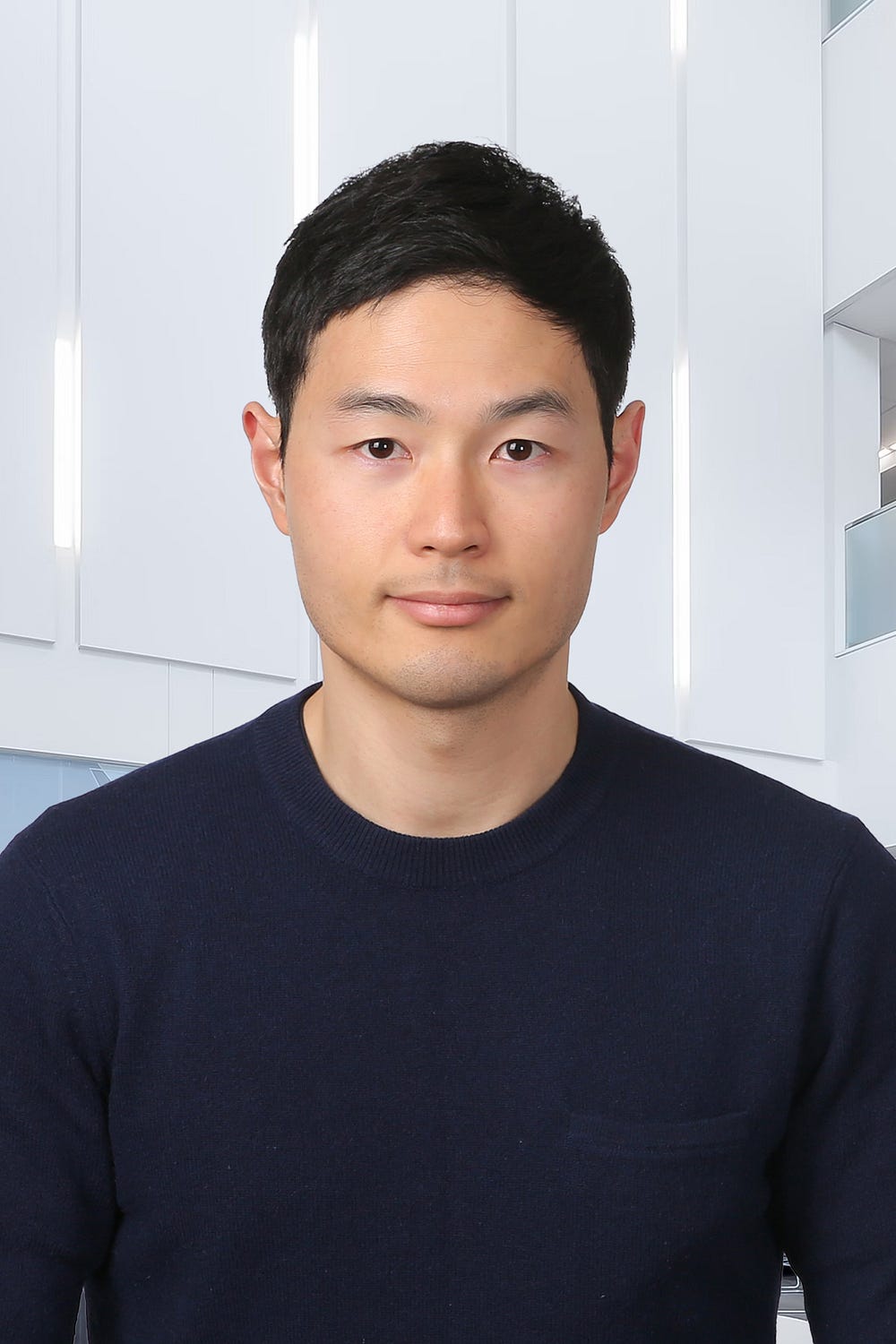
Jinyong Lee Put PCR on a Stopwatch
A private-jet courtship vanished with one licensing snag. Jinyong Lee kept building, lost the suitor, and shaped a patient, product-first company around light, heat and an unusually stubborn definition of success.
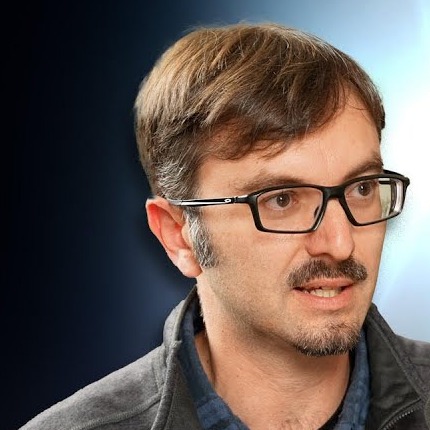
Ivan Dimov and the 48-Hour Problem
He began by building hammers and hunting for nails. At Stanford, Ivan Dimov reversed the method - then spent nearly a decade turning a delicate cell-sorting idea into an industrial system.
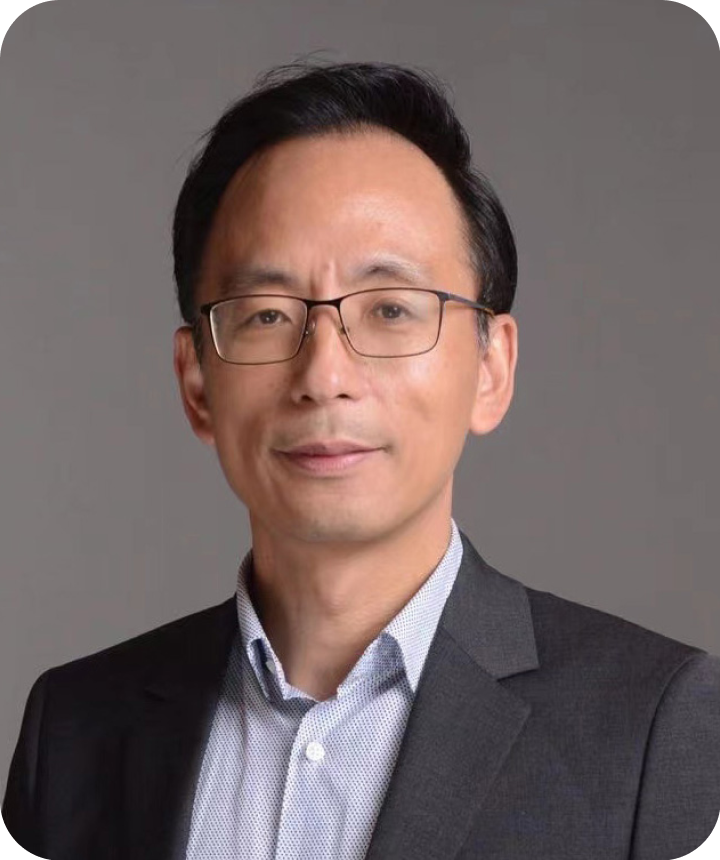
Guofeng Cheng’s second act is a $360 million race from lab bench to launch
After a dozen years helping antiviral programs move through Gilead, the scientist-founder built AusperBio around one stubborn idea: make the molecule do more work. Seven years later, the company is preparing for the harder passage from clinical promise to commercial reality.
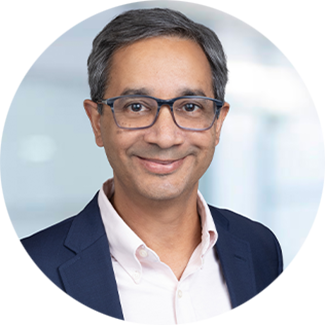
Mani Subramanian Is Building His Second Act Around the Cell's Power Bill
After helping annotate genomes and guide five Gilead therapies to approval, the physician-scientist left the large-company machine to build OrsoBio - a small team making a careful wager on how cells spend energy.
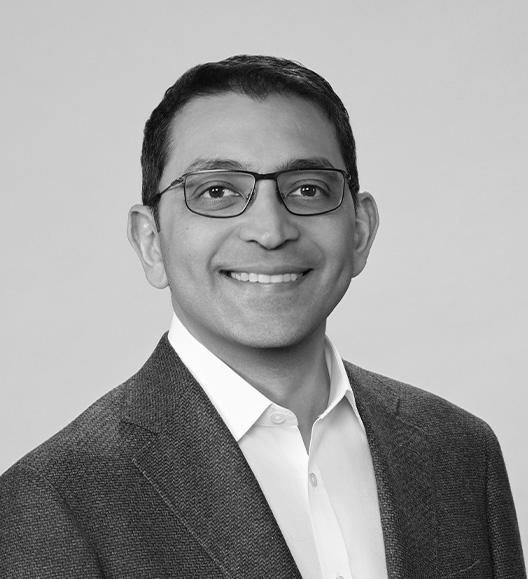
Mayank Gandhi Is Betting That Two Targets Can Make One Better Cancer Drug
A physician who learned Wall Street, oncology and company-building is testing a precise idea at NEOK Bio: give an antibody-drug conjugate two ways to find its target, then make execution as carefully engineered as the medicine.
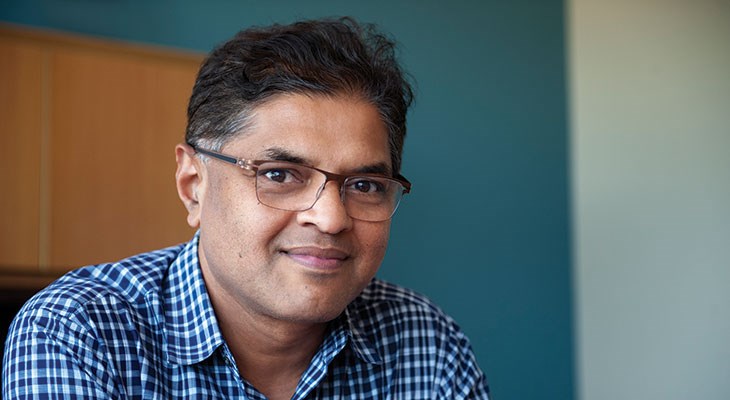
Krish Krishnan Built the Biotech Before the Market Could Blink
An engineer learned finance, a scientist sketched an audacious idea, and a married pair funded the first experiment themselves. Ten years later, Krish Krishnan is still treating the IPO as the beginning, not the arrival.
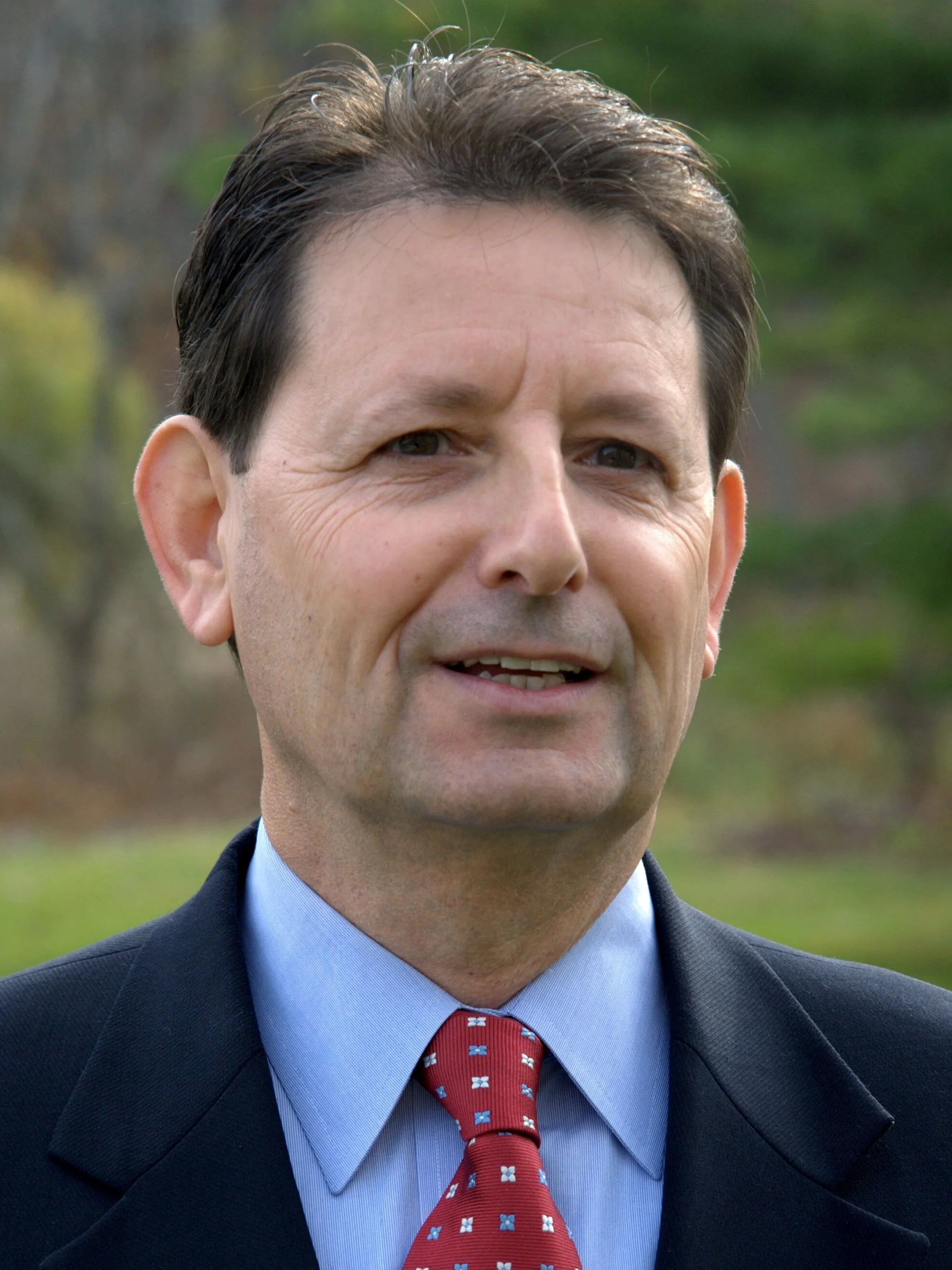
Jose Galarza Built a Vaccine Company Around a Perfect Fake
For more than two decades, the Argentine-trained virologist has run TechnoVax on one durable idea: build convincing copies of viruses, leave out the genetic machinery, and make the platform do more than one job.
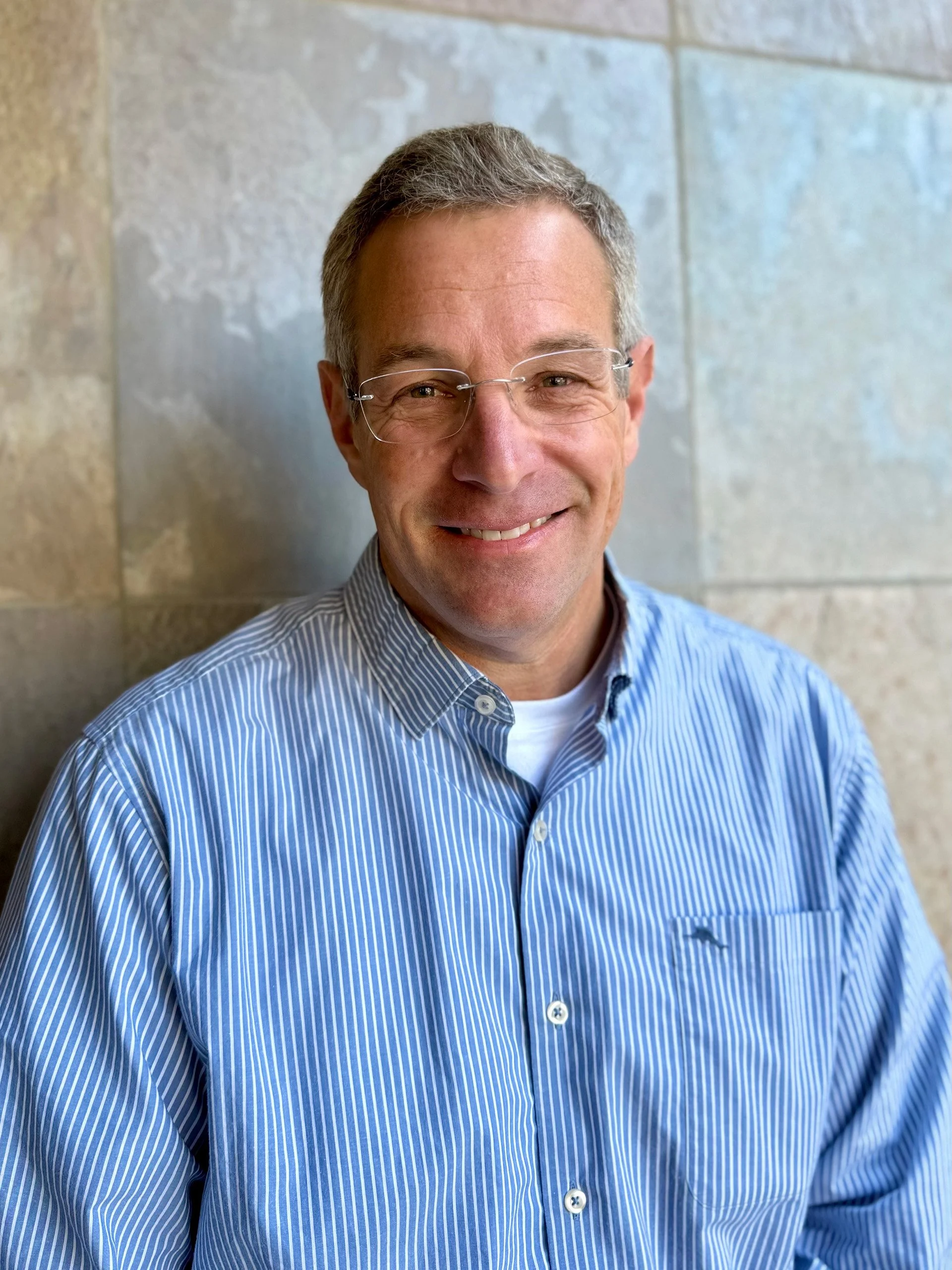
Jason Levin Stayed With the Bet Long Enough for the Science to Change
For more than a decade, the Orbus co-founder helped carry one drug through financing, patents and a 343-patient trial. Then a new tumor classification changed the question - and the company’s next chapter.
Scott Gies Took the Scenic Route to Biotech
Before Scott Gies cofounded Zoe Biosciences, he studied genomes, octopus cognition and marine conservation. The connecting idea is simple: follow the evidence, even when it takes the scenic route.
Catherine Pearce Builds Biotech Companies From the Assets Everyone Else Forgot
Her career began with a Roche sales bag and came full circle in a $1.8 billion biotech exit. Now the Cincinnati operator is running the play again, with a sharper eye for overlooked science and a bigger table for the people building it.
Liz O’Day Put Science on a T-Shirt. Then She Put It on a Deadline.
Before Olaris, Liz O’Day stored science-themed shirts in her kitchen and quietly wondered whether she counted as an entrepreneur. Twelve years into building a diagnostics company, the answer lives in her habit of turning difficult questions into things people can actually use.
Sekar Kathiresan Bet His Career on a One-Time Idea
A history major became a cardiologist, a geneticist, and then a first-time founder. His wager was simple to say and difficult to build: turn lessons from naturally protective genes into medicines designed to work once.
Brian Finrow’s Second Draft of Biotech Starts With Spirulina
A corporate lawyer walked into a spirulina lab and stayed. At Lumen Bioscience, Brian Finrow is testing whether cheaper manufacturing can change not only how biologic drugs are made, but which problems the industry chooses to solve.
Anand Parikh Learned Biotech by Asking Better Questions - Then Built Around the Answers
A biology student became a lawyer, a lawyer became an operator, and an operator built a biotech company around a neglected question: what changes when metabolism is treated as part of the therapeutic design?
Tom Cirrito Is Giving Away the Blueprint - and Betting on the Factory
The Varro CEO spent years learning how biotech protects its secrets. Now he is testing a stranger proposition: publish the playbook, manufacture the difficult part, and let a wider community invent the uses.
Bradley Murray Is Turning a Wild Scientific Search Into a Clinical Routine
He learned to read genomes, helped build CRISPR programs, and sat on the investor's side of the table. Now Bradley Murray is betting that the future of diagnostics depends less on inspired guessing and more on disciplined execution.
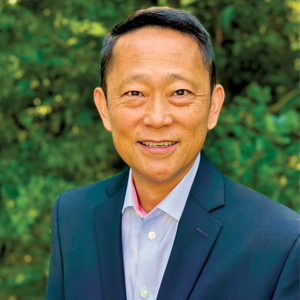
Thomas Han Built a Biotech Career at the Hand-Off
Thomas Han spent decades learning how medicines move from a promising idea to a durable business. At Peroxitech, he is applying that education to the hardest hand-off in biotech: turning university science into a company that can keep moving.
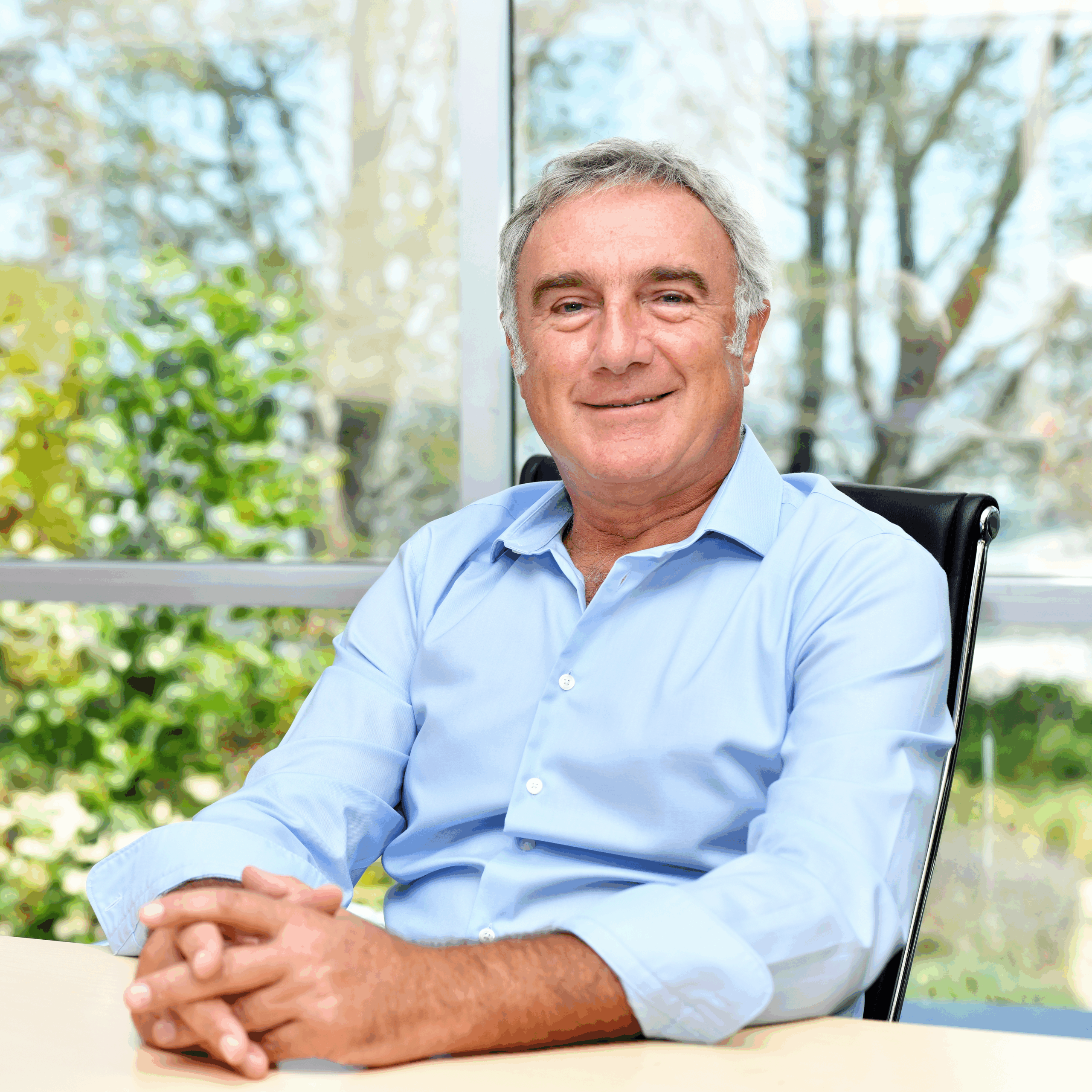
Ahmet Tutuncu Has Spent 30 Years Fixing the Last Inch of Medicine
A physician-scientist turned three-time respiratory founder, Ahmet Tutuncu keeps returning to an unfashionable question: what good is a sophisticated drug if its delivery device gets in the way?
Nobu Ueki Is Looking for Cancer's Off Switch
The Chicago scientist built a career around a stubborn question: can a drug wait until a cancer cell gives it permission to act? His answer spans two molecular locks, one active US patent, and a startup betting on the peculiar weakness of cells in transit.
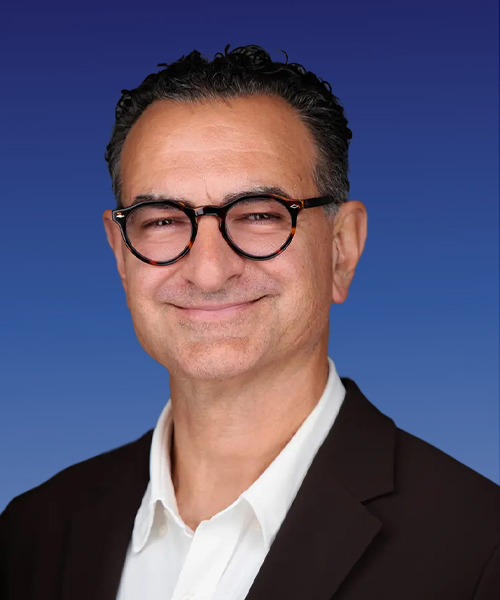
Andreas Goutopoulos Raised $75.5M for a Company That Was, on Paper, Just Him
He led chemistry at a big pharma for a decade, then walked out to build a radiopharma startup with no executive team and a single conviction: make the molecules stick.
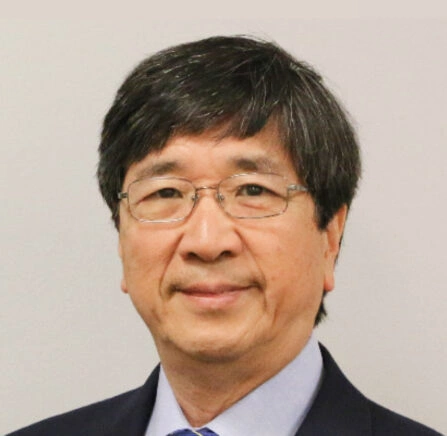
Larry Hsu’s second act runs on patient architecture
After building Impax from a 1995 startup into a public pharmaceutical company, Larry Hsu returned to the beginning: a small team, licensed science, and the long work of turning drug candidates into companies.
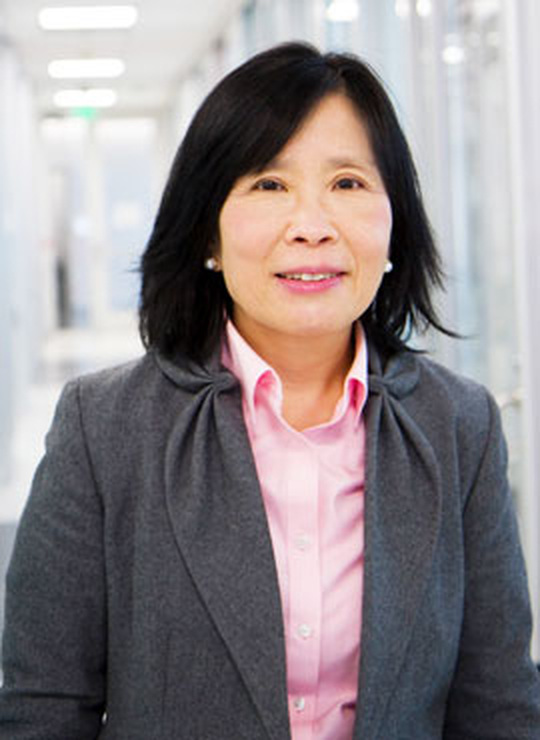
Li-Fen Lee Is Building a Biotech Around What the Immune System Misses
After two decades inside immunology labs and drug-discovery groups, Li-Fen Lee founded Apeximmune to search for the immune system’s overlooked brakes - then turn those discoveries into antibody medicines.
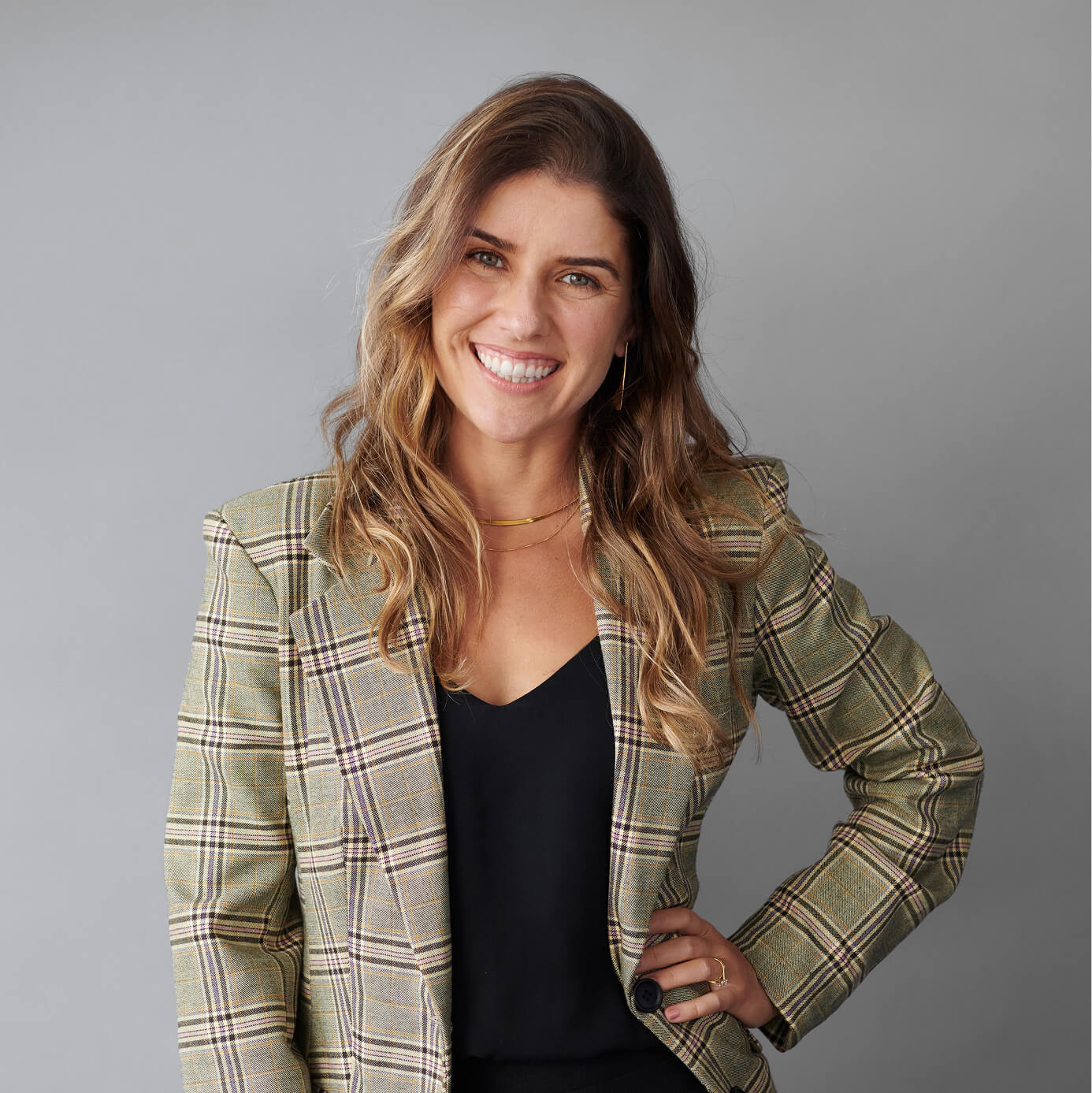
Carolina Reis Oliveira Put a Biotech Lab Behind the Beauty Counter
A Brazilian biochemist crossed from tissue engineering into consumer beauty, then spent five years and 900-plus peptide tests turning laboratory discipline into a direct-to-consumer company.
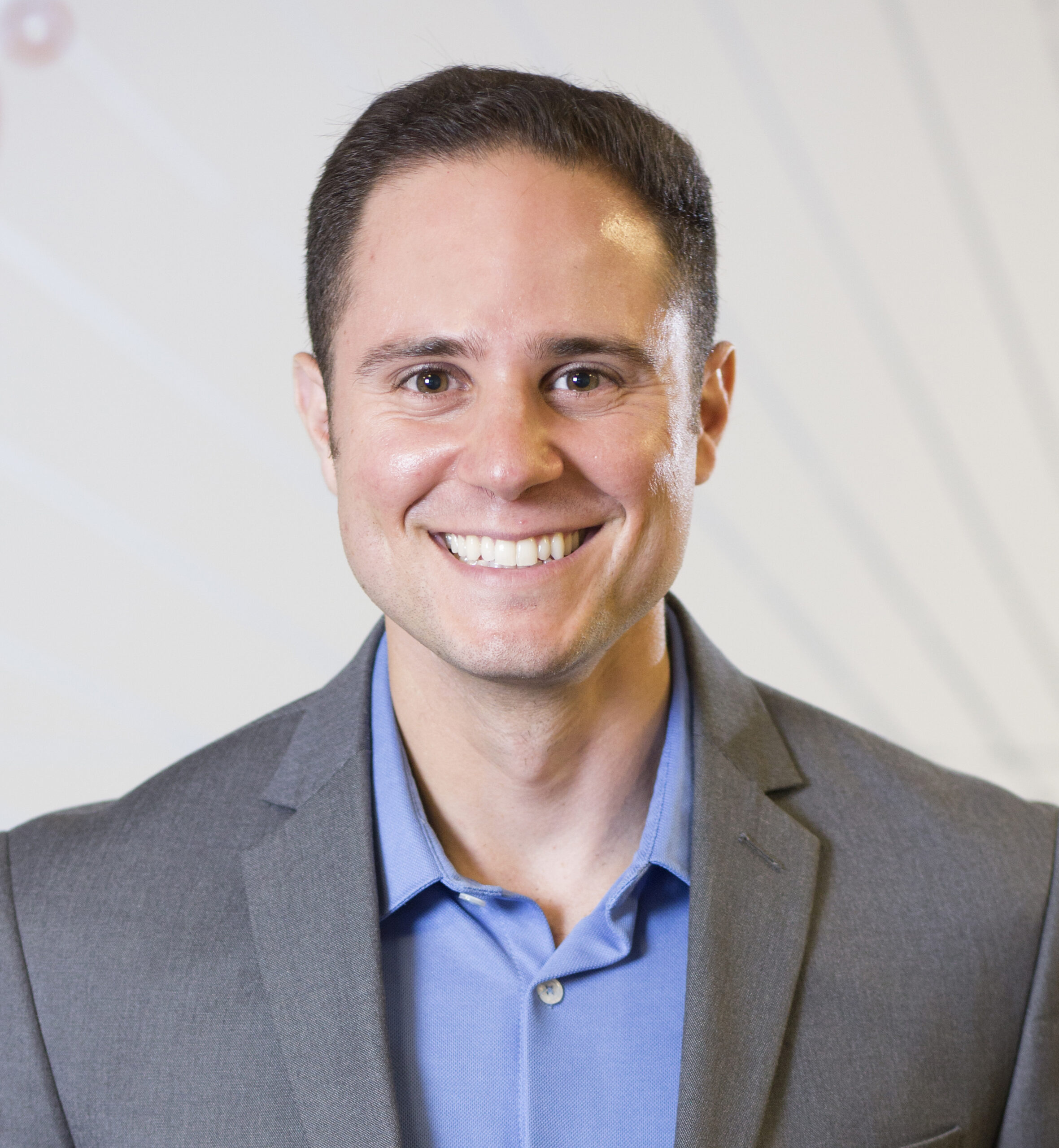
Kareem Barghouti Is Mapping Nature’s Hidden Chemistry
After learning to scale systems at Google, the Pragma Bio co-founder turned toward a harder map: the mostly unread chemistry made by living systems. His next chapter at Enveda puts that long-running idea inside a larger machine for translating nature into new molecules.
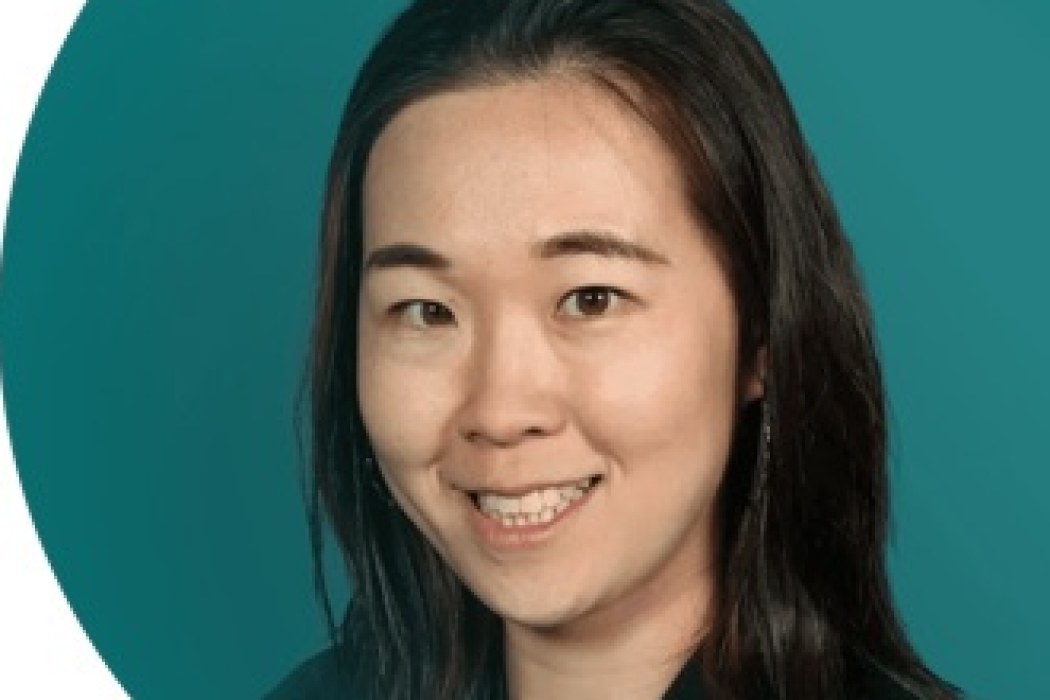
Will Cao
Will (Yangxiaolu) Cao is the co-founder and CEO of Pando Bioscience (YC W23), a Watertown, Massachusetts company using generative AI and ultra-high-throughput screening to engineer better enzymes for pharmaceutical manufacturing and life-science tools. A Ph.D. scientist who switched from mechanical engineering to engineering bacteria, she published first-author papers in Cell and Nature Biotechnology and was an early employee at Ginkgo Bioworks before starting Pando in 2022.
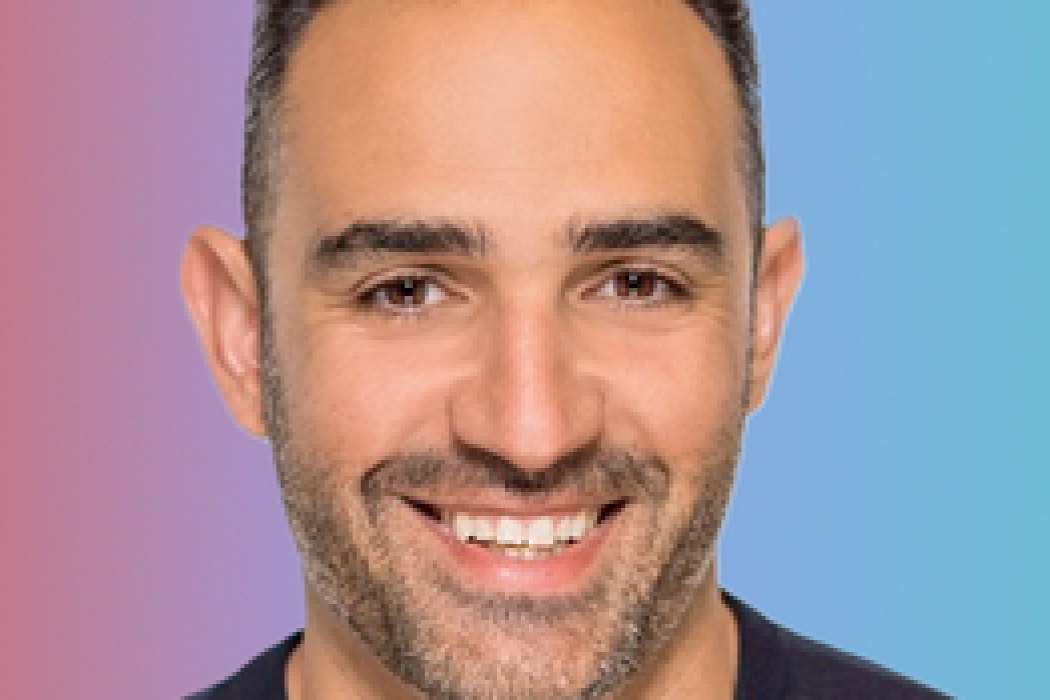
Sabah Oney
Sabah Oney is the president and CEO of Dispatch Bio, a Philadelphia- and San Francisco-based biotech engineering a universal treatment for solid tumors using CAR-T cell therapy. Born in Cyprus and in the U.S. since age 18, he holds a genetics degree from the University of Kansas, a PhD in genetics and genomics from Duke, and an MBA from Stanford. Across nearly two decades in biotech he helped scale Ariosa Diagnostics (acquired by Roche), took Alector public as its chief business officer, co-founded Vilya, and served as a venture partner at ARCH. Dispatch launched publicly in 2025 with $216 million behind its FLARE platform and CAR-T pioneer Carl June among its founders.