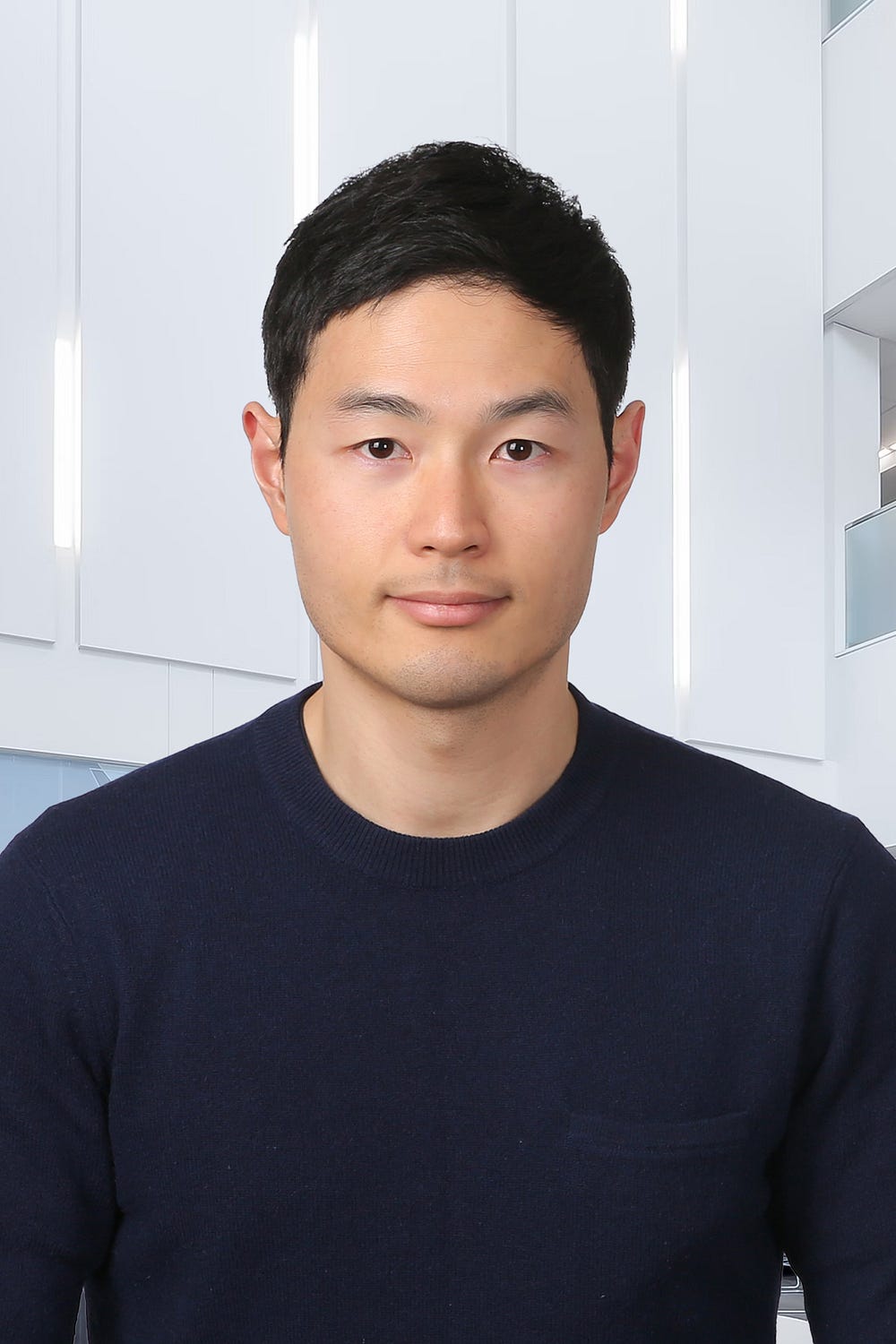
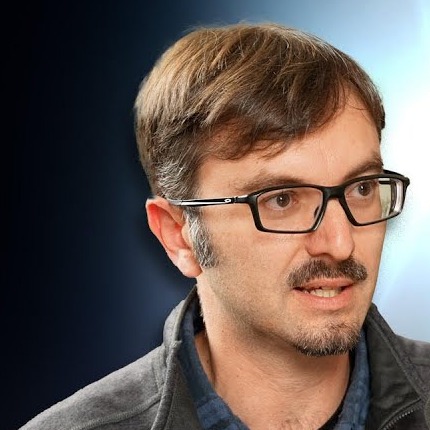
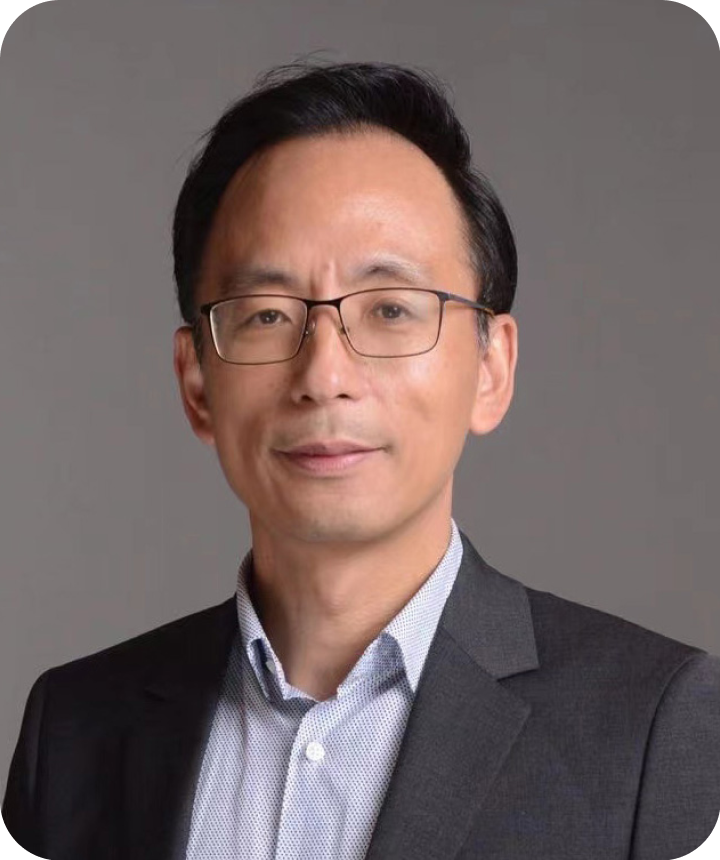
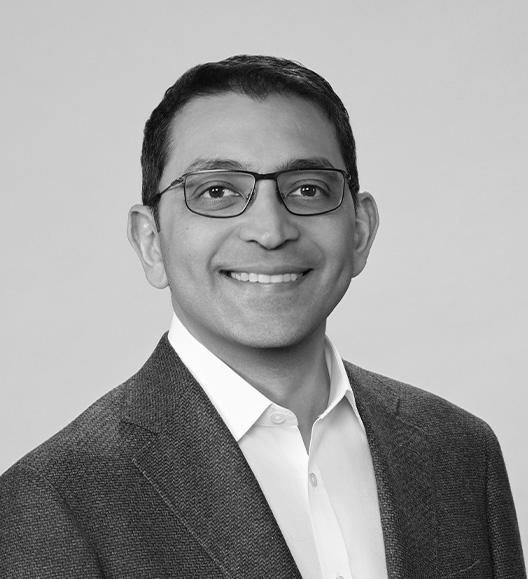
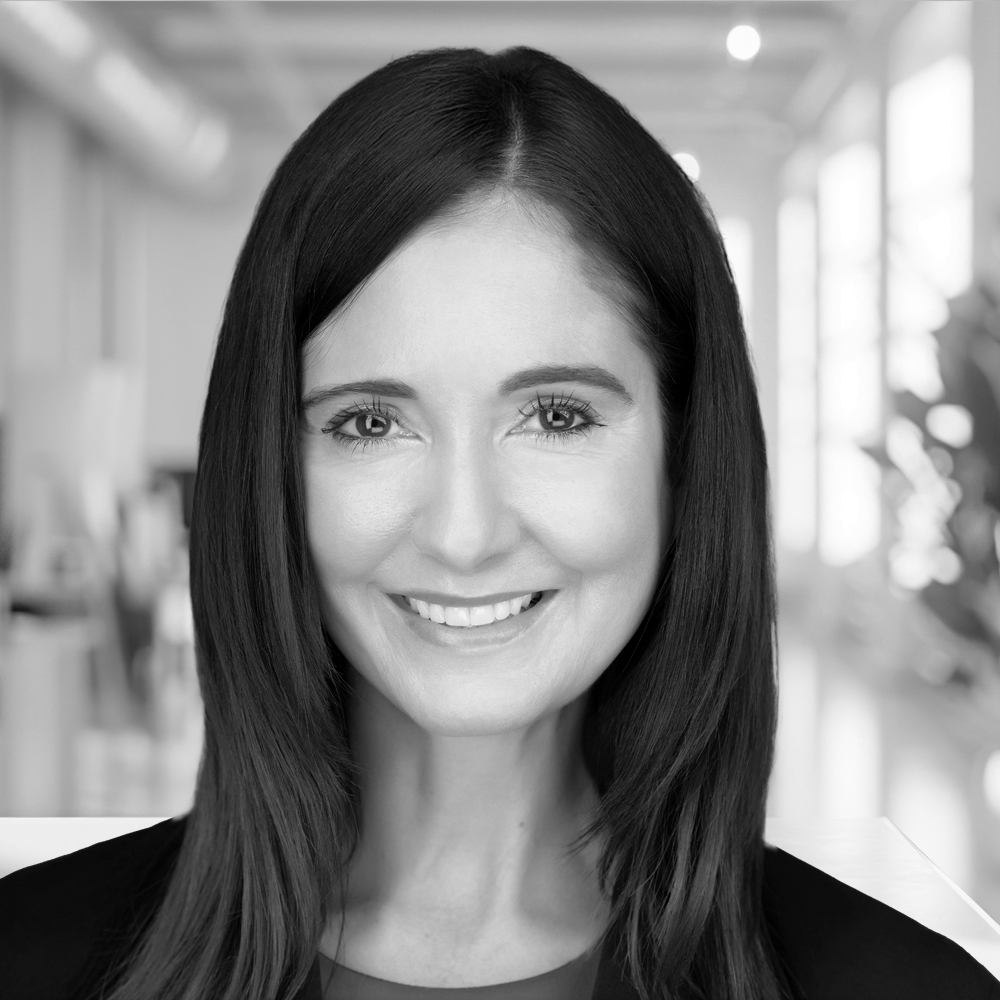
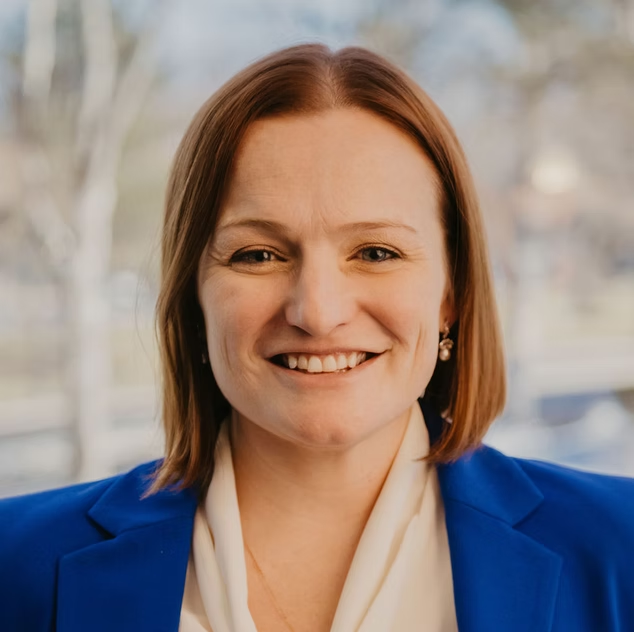
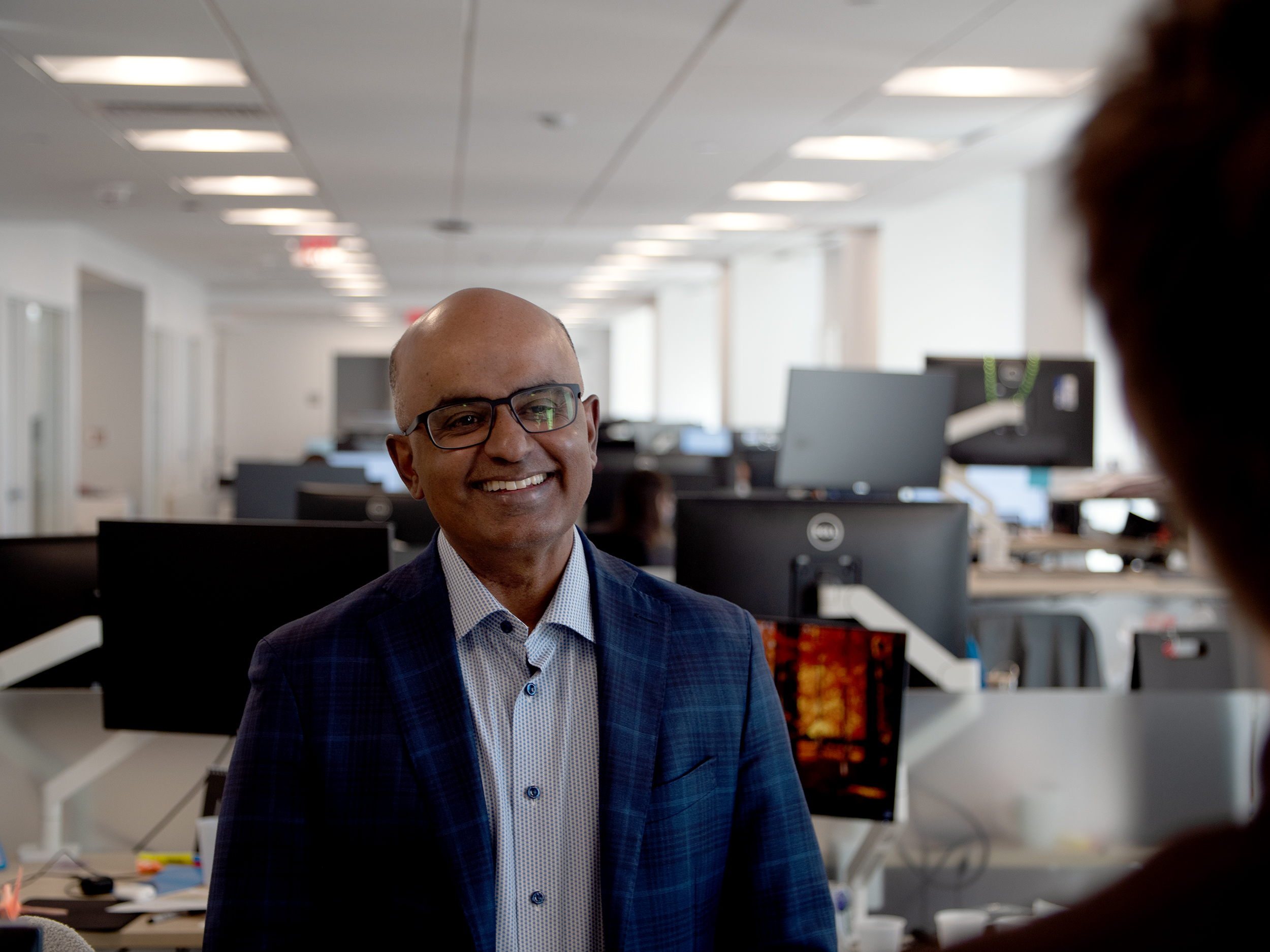
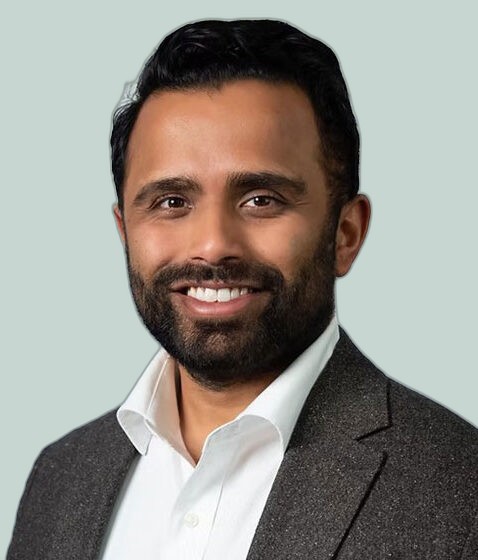
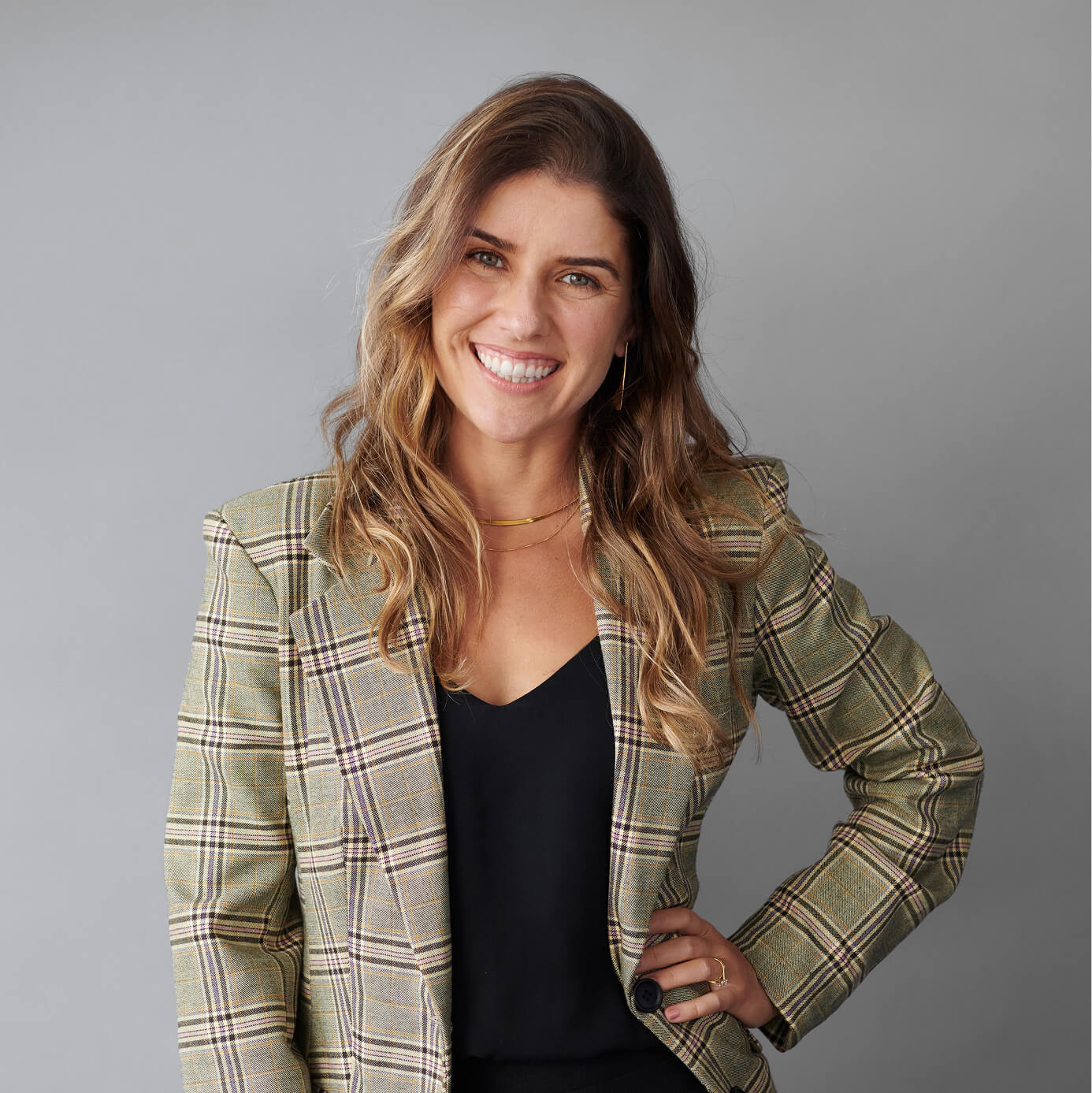
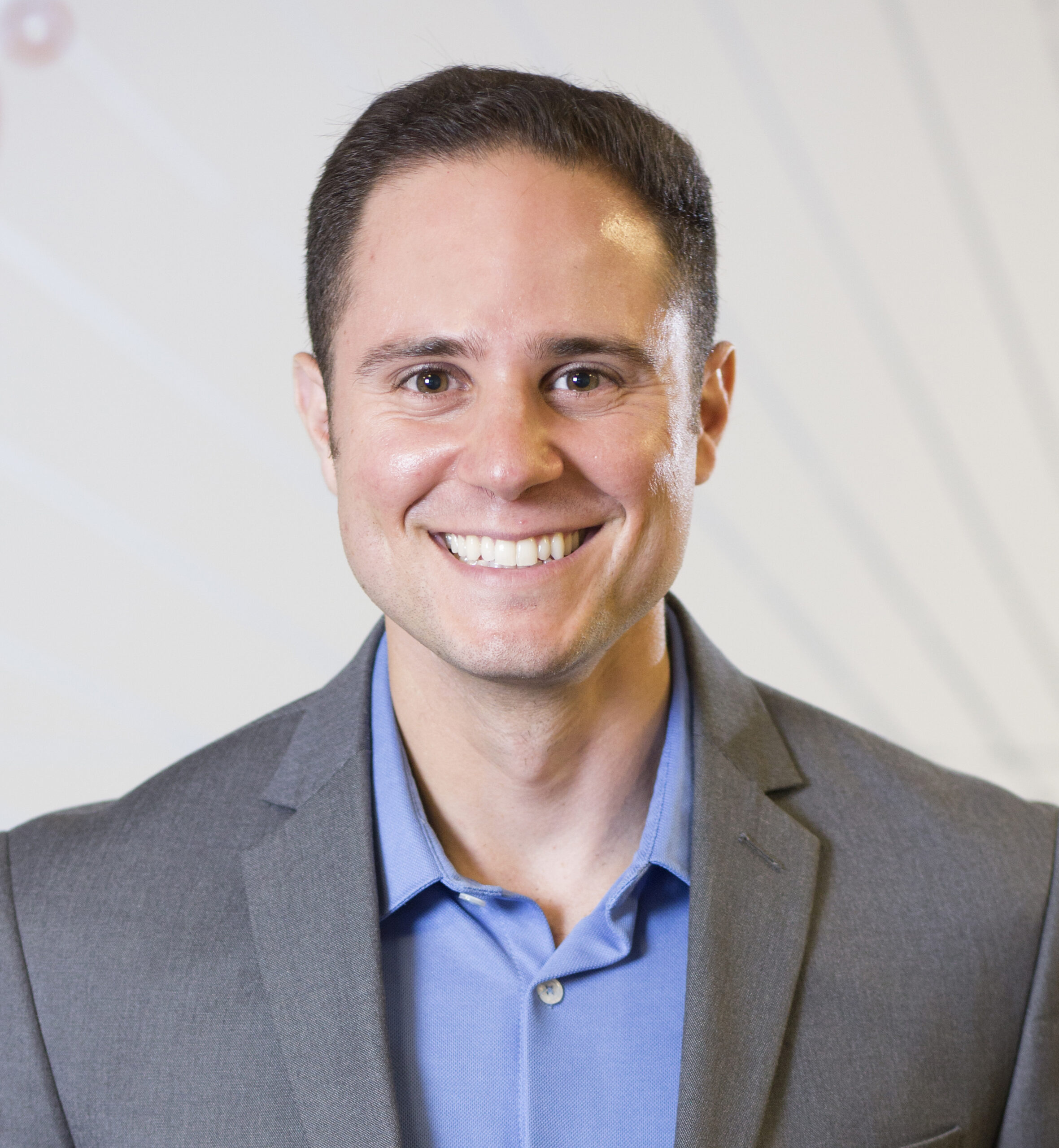
Will (Yangxiaolu) Cao is the co-founder and CEO of Pando Bioscience (YC W23), a Watertown, Massachusetts company using generative AI and ultra-high-throughput screening to engineer better enzymes for pharmaceutical manufacturing and life-science tools. A Ph.D. scientist who switched from mechanical engineering to engineering bacteria, she published first-author papers in Cell and Nature Biotechnology and was an early employee at Ginkgo Bioworks before starting Pando in 2022.
Sabah Oney is the president and CEO of Dispatch Bio, a Philadelphia- and San Francisco-based biotech engineering a universal treatment for solid tumors using CAR-T cell therapy. Born in Cyprus and in the U.S. since age 18, he holds a genetics degree from the University of Kansas, a PhD in genetics and genomics from Duke, and an MBA from Stanford. Across nearly two decades in biotech he helped scale Ariosa Diagnostics (acquired by Roche), took Alector public as its chief business officer, co-founded Vilya, and served as a venture partner at ARCH. Dispatch launched publicly in 2025 with $216 million behind its FLARE platform and CAR-T pioneer Carl June among its founders.
Sanjeev Saxena is a serial medical-device entrepreneur and engineer who has spent more than 30 years trying to move cancer screening out of expensive central labs and into villages, clinics and pop-up sites. He is founder, CEO and CTO of Harae Dx Corp., a Pleasanton, California startup building a low-cost, portable, automated cancer detection system based on lab-on-a-disc microfluidics. Earlier he founded POC Medical Systems, whose MammoAlert and Pandora CDx platforms brought portable breast-cancer screening to emerging markets, and he co-founded Scanis, Actis Biologics and Telesto Diagnostics. He has raised more than $70 million across his ventures and sits on the board of the Texas Tech Research Park.
Sasan Amini is the co-founder and CEO of Clear Labs, a San Carlos genomics company that turns next-generation DNA sequencing into a push-button diagnostic for food safety and infectious disease. An Iranian immigrant who left Tehran at 22, he earned a PhD in genomics at Princeton, worked in advanced research at Illumina, and in 2014 set out to make sequencing simple enough for any lab to run. When COVID-19 hit, Clear Labs pivoted its automated platform into SARS-CoV-2 surveillance and reached more than half of U.S. public health labs.

Shidong Jia, MD, PhD, is the founder and global CEO of Predicine, a Silicon Valley precision-oncology company building multi-omic liquid biopsy tests that read cancer from blood and urine. Trained as a physician-scientist at Harbin Medical University, Peking Union Medical College, Dana-Farber and Harvard, he ran oncology biomarker strategy at Genentech before leaving to start Predicine in 2015. His pitch is simple: precision diagnostics to enable precision medicine, built 'From Pharma, For Pharma.'
Sofie Qiao, Ph.D. is a chemist-turned-biotech-founder who has built a career at the intersection of hard science and dealmaking. Trained in organic chemistry at Harvard and MIT, she founded LEAD Therapeutics (acquired by BioMarin in 2010, source of the PARP inhibitor Talazoparib now sold by Pfizer), ran WuXi Ventures, and then founded and led Vivace Therapeutics from 2015 to 2026, raising more than $100 million to advance first-in-class small molecules targeting the Hippo/YAP-TEAD pathway in cancer. She now leads Virtuoso Therapeutics, another company she founded.
Tao Fu is the founder, CEO, and president of Attovia Therapeutics, a San Carlos, California biotech developing next-generation biologics for immune-mediated diseases using its proprietary ATTOBODY platform. A biologist-turned-business-leader with more than 25 years across pharma, he built his career at McKinsey, Bristol Myers Squibb, Portola Pharmaceuticals, and Zai Lab before starting Attovia, which has raised roughly $255 million to date, including a $90 million Series C in April 2025.
Tina Boville is the co-founder and CEO of Aralez Bio, a Berkeley-based biotechnology company using directed evolution to make noncanonical amino acids - the building blocks behind a growing share of modern medicines. A biochemist trained at the University of Colorado and Caltech, where she worked in Nobel laureate Frances Arnold's lab, Boville turned an engineered enzyme platform into a company that can produce over 100 amino acids in single-step reactions, cutting manufacturing waste by up to 99%. She has been named to MIT Technology Review's Innovators Under 35, is an Activate Fellow, and in 2024 raised a $12 million Series A to scale production to tons per year.
Wei-Wu He is a scientist, inventor, entrepreneur and investor who serves as Executive Chairman and CEO of Human Longevity, Inc., the San Francisco Bay Area precision-health company that pairs whole-genome sequencing with advanced imaging and blood analytics to catch age-related disease early. Trained as a molecular biologist at Baylor College of Medicine with an MBA from Wharton, he was among the first scientists at Human Genome Sciences before building OriGene Technologies into a major research-tools business. Over three decades he has founded or funded dozens of biotech companies through his venture fund Emerging Technology Partners, and he now channels that experience into the science of extending healthy human lifespan.
Daehwan Kim is a computational biologist and software engineer whose genome-alignment tools - TopHat, HISAT and HISAT2 - are cited more than 78,000 times and are used by researchers worldwide to read DNA and RNA data. A former Michael L. Rosenberg Assistant Professor in the Lyda Hill Department of Bioinformatics at UT Southwestern Medical Center, he co-founded Omphalos Lifesciences, where he invented L++, a high-level programming language meant to describe living systems the way C++ describes machines. His goal is a fully programmable, simulatable virtual cell.
Debra Wawro Weidanz is the co-founder, CEO and chief scientist of Resonant Sensors Incorporated, an Arlington, Texas biotech that builds label-free, high-throughput biosensor systems used to speed antibody discovery, drug screening and diagnostics. An electrical engineer turned inventor, she developed the company's guided-mode resonance sensor technology out of research at the University of Texas at Arlington, and later co-founded the cancer-immunotherapy startup Abexxa Biologics, which Boehringer Ingelheim acquired in 2021. With her husband Jon, she has become a notable UTA benefactor, funding a named tissue-engineering lab and research fellowships.
Dimi Kellari is the co-founder and CEO of Neion Bio, a New York biotech using genetically engineered chicken eggs as biological factories to produce complex biologics like monoclonal antibodies at a fraction of the usual cost. An MIT-trained aerospace engineer who previously built autonomous-vehicle infrastructure at Cavnue and worked at Alphabet's X moonshot factory and McKinsey, Kellari co-founded Neion in 2024 with biologist Dr. Sam Levin around a single question: why, in 2024, are we still making our most important medicines in hamster cells? In June 2026 the company closed an oversubscribed $23 million Series A led by Caffeinated Capital.
Doug Levinson is the co-founder and CEO of Fount Bio, a Somerville, Massachusetts life science company building Flī-HA, a platform to deliver long-lasting hyaluronic acid into skin through topical application rather than injection. A serial life-sciences entrepreneur with a Harvard PhD in genetics, Levinson has spent roughly 25 years founding and running companies across diagnostics, aesthetics, and drug delivery, including Cytrellis Biosystems, T2 Biosystems, and YourBio Health, after early stints at Millennium Pharmaceuticals and TransForm Pharmaceuticals and a partner role at Flagship Ventures.
Ho-Juhn Song is the co-founder and CEO of PineTree Therapeutics, a Cambridge, Massachusetts biotech building next-generation targeted protein degraders to overcome drug resistance in cancer. A geneticist by training with a Ph.D. from Oregon State University and a former project team leader at the Novartis Institutes for BioMedical Research, Song founded PineTree in 2019 around the AbReptor platform, which degrades membrane-bound and extracellular proteins that conventional drugs struggle to reach. Under his leadership the company licensed its lead EGFR degrader to AstraZeneca in a deal worth more than $500 million in potential milestones and closed an oversubscribed $47 million Series B in October 2025.
Joan Huaqiong Shen is the founder and CEO of NeuShen Therapeutics, a clinical-stage biotech with R&D centers in Shanghai and Boston that develops treatments for psychiatric and neurological disorders. A physician-scientist trained in psychiatry and neurology, she spent decades leading central-nervous-system drug programs at Eli Lilly, Wyeth, Pfizer, Hengrui and Johnson & Johnson before running R&D and serving as CEO at I-Mab Biopharma, where she took the company public on Nasdaq and struck a global partnership with AbbVie. In 2026 NeuShen closed a Series A+ round led by Lilly Asia Ventures as its lead compound NS-136 advanced into Phase 2 trials.
Lan Huang is a chemist turned biotech entrepreneur and the Co-Founder, Chairman and CEO of SEED Therapeutics, a New York clinical-stage company designing molecular glues that direct the cell's own disposal machinery to break down disease-driving proteins once considered undruggable. She earlier founded BeyondSpring Pharmaceuticals and took it public on NASDAQ. A UC Berkeley PhD who solved an early E3 ubiquitin ligase structure, she built SEED around targeted protein degradation with collaborators including Nobel laureate Avram Hershko, and secured partnerships with Eli Lilly and Eisai.
Laura Katz is the founder and CEO of Helaina, a New York biotech company that uses precision fermentation to produce human-identical bioactive proteins. Its first product, effera, is the world's first commercially available human lactoferrin made through yeast fermentation. A food scientist by training and once NYU's youngest adjunct professor in Food Science, Katz started the company in 2019 from her Lower East Side kitchen after hearing a podcast about the black market for breast milk. She has raised more than $80 million to move Helaina from research into a commercial ingredient business.
Lina Yao is a pharmaceutical scientist and the founder of Teon Therapeutics, a Redwood City, California biotech developing first-in-class, orally administered small-molecule cancer drugs that target G-protein coupled receptors to reverse tumor-driven immune suppression. A molecular pharmacologist by training with an MD and PhD and more than two decades in drug discovery, she built her career at CV Therapeutics and Gilead Sciences before launching Teon in 2018. She led the company through an oversubscribed $30 million Series A in 2021 and into the clinic with two novel programs: TT-702, an adenosine A2B receptor antagonist, and TT-816, a cannabinoid CB2 receptor antagonist being studied in combination with Merck's KEYTRUDA.
Fengru Lin is the co-founder and CEO of TurtleTree, a biotech company making dairy proteins without cows. A former Google account manager who took up cheesemaking as a hobby, she went hunting across Asia for clean raw milk, was horrified by what she found on the farms, and started a company to make milk in a lab instead. TurtleTree pivoted from full cell-cultured milk to precision fermentation, and now produces lactoferrin, a high-value milk protein once called 'pink gold,' using microbes instead of herds. She has raised roughly $44 million and made EDGE's 35 Under 35 and Her World's Young Woman Achiever lists.
Geoffrey von Maltzahn is the co-founder and CEO of Lila Sciences, a Cambridge company building what it calls scientific superintelligence: AI plus robotic labs that run the scientific method autonomously. A general partner at Flagship Pioneering, he has founded or co-founded a string of companies including Generate:Biomedicines, Tessera Therapeutics, Indigo Agriculture, Sana Biotechnology, Seres Therapeutics and Quotient Therapeutics, which together carry more than $10 billion in market value. He holds a PhD from the Harvard-MIT Division of Health Sciences and Technology and is named on more than 200 patents.
Jack Milwid is a scientist-turned-company-builder who sits in the Office of the CEO at Lila Sciences, the Flagship Pioneering venture chasing 'scientific superintelligence' through autonomous AI-run laboratories. A materials engineer with a Harvard-MIT PhD, he has spent his career founding biotech companies from scratch - among them Sana Biotechnology, Neon Therapeutics, Cobalt Biomedicine and Kaleido Biosciences - and co-founded the investment firm Related Sciences. His trademark is turning early science into operating companies.
Jacob 'Jake' Becraft is the co-founder and CEO of Strand Therapeutics, a Boston biotech building the first programmable platform for mRNA medicines. Trained as a synthetic biologist at MIT, he helped invent what he calls a 'programming language for mRNA' - genetic circuits that let a drug make decisions inside the body, switching on only where and when it should. Strand's lead candidate, a self-replicating mRNA that instructs tumors to produce their own IL-12, delivered early complete responses in a first-in-human trial. Becraft has raised more than $400 million to chase the idea that programming biology will be as transformative for medicine as software was for computing.
Luis Alvarez is the founder and CEO of Theradaptive, a Frederick, Maryland biotech engineering proteins that latch onto implants and surgical materials to trigger the body to regrow bone, cartilage, and other tissue exactly where it is needed. A retired U.S. Army lieutenant colonel and MIT-trained biological engineer, he traced the idea back to a combat tour in Iraq, where soldiers under his command lost limbs to delayed amputations. Theradaptive has since won multiple FDA Breakthrough Device Designations, raised more than $43 million, and moved its lead protein, AMP2, into human clinical trials.
Sam Clark, MD, PhD, is the founder and CEO of Terran Biosciences, a CNS-focused platform biotech he started in 2017 from his medical school dorm room with $10,000. A neuroscientist trained at MIT and Columbia, Clark has built one of the largest psychedelic development programs in the industry, is the named inventor on more than 200 patent applications, and holds the world's first patents for new forms of psilocybin and MDMA. Terran pairs a medicinal-chemistry drug design engine with an FDA-cleared neuroimaging software platform and a pipeline of late-stage assets licensed from Sanofi and Pierre Fabre.
Jesse Chen is the founder, president and CEO of Fortitude Biomedicines, a Waltham, Massachusetts biopharmaceutical company that launched in January 2026 with $13 million in seed financing. A serial biotech entrepreneur with an MIT PhD in biological chemistry, Chen previously co-founded TRIANA Biomedicines and Avilar Therapeutics, was the founding scientific hire at Kymera Therapeutics where he built its targeted protein degradation platform, and held discovery roles at Moderna and Millennium Pharmaceuticals. At Fortitude he is betting that molecular glue payloads, packaged into a platform he calls GLUE-DAC, can overcome the drug resistance that limits today's antibody-drug conjugates and extend them into autoimmune disease.
Li Sun is the founder and CEO of Shennon Biotechnologies, a San Francisco single-cell immunotherapy company that profiles millions of immune cells in hours to pinpoint the rare T cells and antibody targets that fight cancer. A physicist by training (PhD from Harvard's Weitz lab, M.Eng from MIT), she spent five years as a deep-tech venture investor at Bessemer and Foundation Capital before building the platform herself. Shennon emerged from stealth in March 2023 with a $13M seed round led by DCVC.
Adam Margolin is a computational biologist turned biotech founder who co-founded Flashpoint Therapeutics, a clinical-stage company engineering spherical-nucleic-acid nanomedicines that aim to turn weak cancer therapies into curative ones. After a 20-year academic career that took him from Wharton and Wall Street to running the #3-ranked genetics department in the country at Mount Sinai, and a stint as a Venture Partner at Khosla Ventures, he teamed with Northwestern nanotech pioneer Chad Mirkin to build Flashpoint. He led the company as founding CEO through a $10M seed round before handing the chief executive role to biotech veteran Barry Labinger in 2025. His mission is deeply personal: his mother died of cancer when he was three.
Ajay Kshatriya is the CEO and co-founder of Aizen Therapeutics, a San Diego biotech that spun out of Caltech to build 'Mirror Peptides' - drugs made entirely of D-amino acids, the mirror image of the proteins nature uses. The company launched from stealth in November 2024 with $13M and a generative-AI platform called DaX. Before Aizen, Ajay founded and ran Biota, an environmental genomics company acquired by Novozymes in 2021 after creating roughly $400M in economic value and saving 1.2 billion gallons of water for industrial clients. A UC Berkeley and Stanford-trained chemical engineer who began his career at Genentech and learned company-building as a seed investor at XSeed Capital, he now also invests in Caltech science startups as a partner at Wilson Hill Ventures.
Aram Hong is the CEO and co-founder of Apollon, a Seoul-born, Cambridge-based medtech company building MOGLU, a needle-free continuous glucose monitor powered by Raman spectroscopy. A former EY advisor and Genoplan executive who moved his family from Seoul to Boston to scale the company alongside MIT researchers, Hong has turned a laser-and-optics idea into a CES 2025 Innovation Award honoree that, in peer-reviewed clinical testing, matched the accuracy of leading needle-based sensors from Abbott and Dexcom.
Armon Sharei is the founder and CEO of Portal Biotechnologies, a cell-engineering platform company in Watertown, Massachusetts that builds devices to push genetic and molecular cargo into living cells without killing them. He earned a chemical engineering PhD at MIT, where he invented the membrane-squeezing CellSqueeze technique, then founded SQZ Biotechnologies, raised more than $300M, struck a billion-dollar Roche partnership, and took the company public on the NYSE in 2020 before being ousted and watching it liquidate in 2024. After a sabbatical spent drawing comics about immune cells, he returned with Portal, choosing this time to sell tools rather than develop drugs, and has built a network of 100+ customers including most of the top 10 global pharma companies plus an $8M DARPA contract.