biomedical-engineering
(33)
Mike Higashioka Built a Career at the Seam Between Science and Strategy
Before he helped steer marketing strategy at Nutanix, Mike Higashioka was engineering tissue with an inner zone, an outer zone and a stubborn interface. His career since has been a study in making unlike parts work together.
Meer Patel Left the White Coat on the Hanger
He trained to become a doctor, learned to build AI, and chose the less obvious instrument. At Prana, Meer Patel is testing whether code can give physicians more reach without taking judgment out of their hands.
Anne Jensen Has Spent a Decade Turning Cell Motion Into Executive Momentum
She began by engineering ways to read rare cells in blood. At Cytovale, Anne Jensen has carried that same eye for signals from the research bench into the decisions that shape a growing diagnostics company.
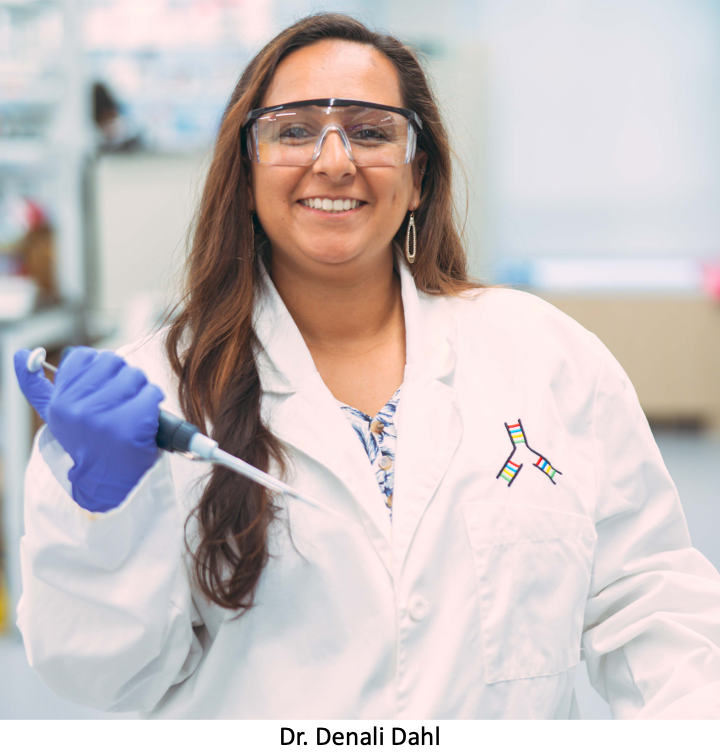
Denali Dahl Turned a Class Assignment Into a Company Built for the Hard Part
She never planned to run a business. Then a Duke project refused to remain a project, and Denali Dahl learned to translate laboratory precision into the stubborn work of building Kalia Health.
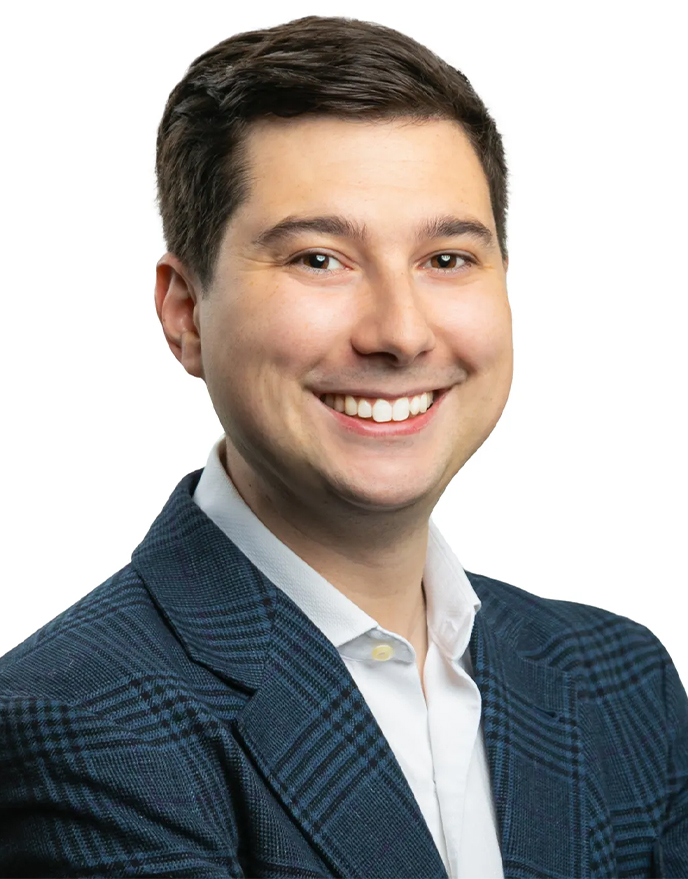
Joe Landolina Had the Viral Invention. Then Came the 15-Year Test.
At 17, he found a gel that behaved like a shortcut. Building Cresilon taught him there are no shortcuts in medical manufacturing - only experiments, reversals, and the discipline to keep going.
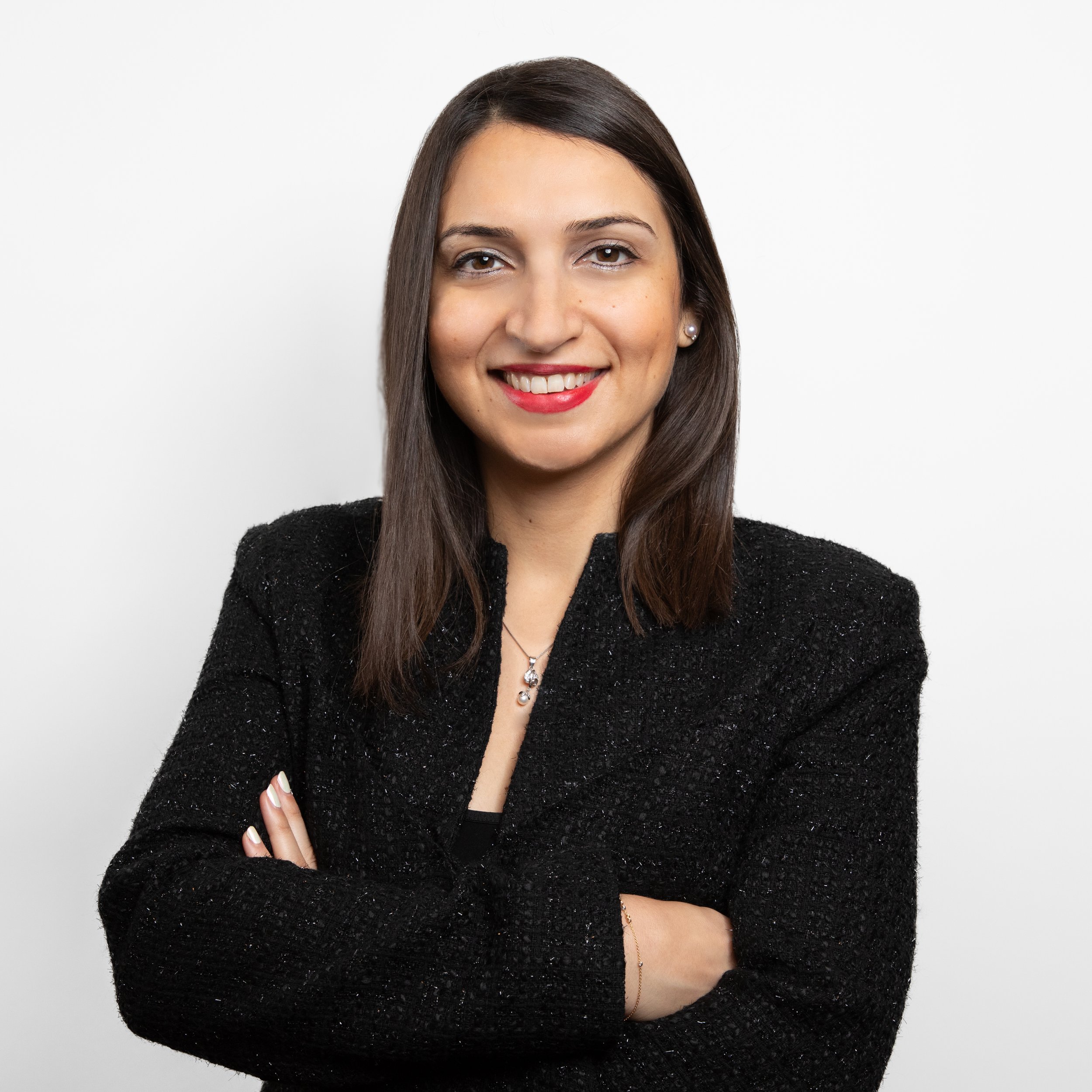
Parastoo Khoshakhlagh Is Teaching Cells to Skip the Waiting
The GC Therapeutics co-founder has moved from neural gels to spaceflight to a library for programming cell fate. Her recurring move is simple to describe and difficult to execute: turn biology's long recipes into instructions.
Adam Kinsey Built His Career in the Space Between the Lab and the Ledger
The Ventrix co-founder trained as an engineer, learned the grammar of patents and then spent more than a decade turning an academic biomaterial into a company built for the long haul.
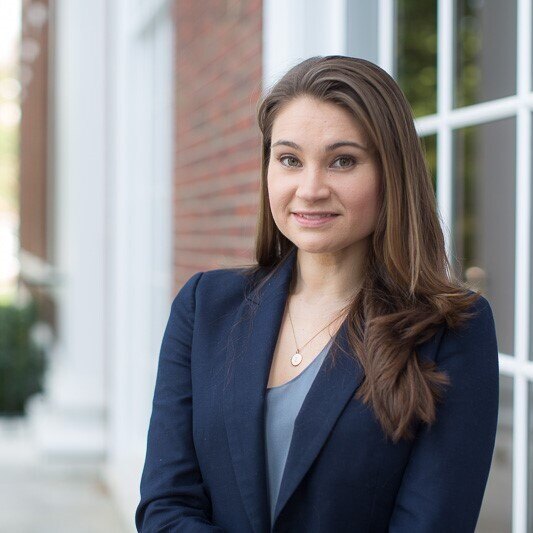
Alex Zimmerman Is Making Brain Chemistry Legible
An engineer met a spectroscopy scientist in a hospital brainstorm. A decade later, their software is turning unruly signals into something clinicians and researchers can read.
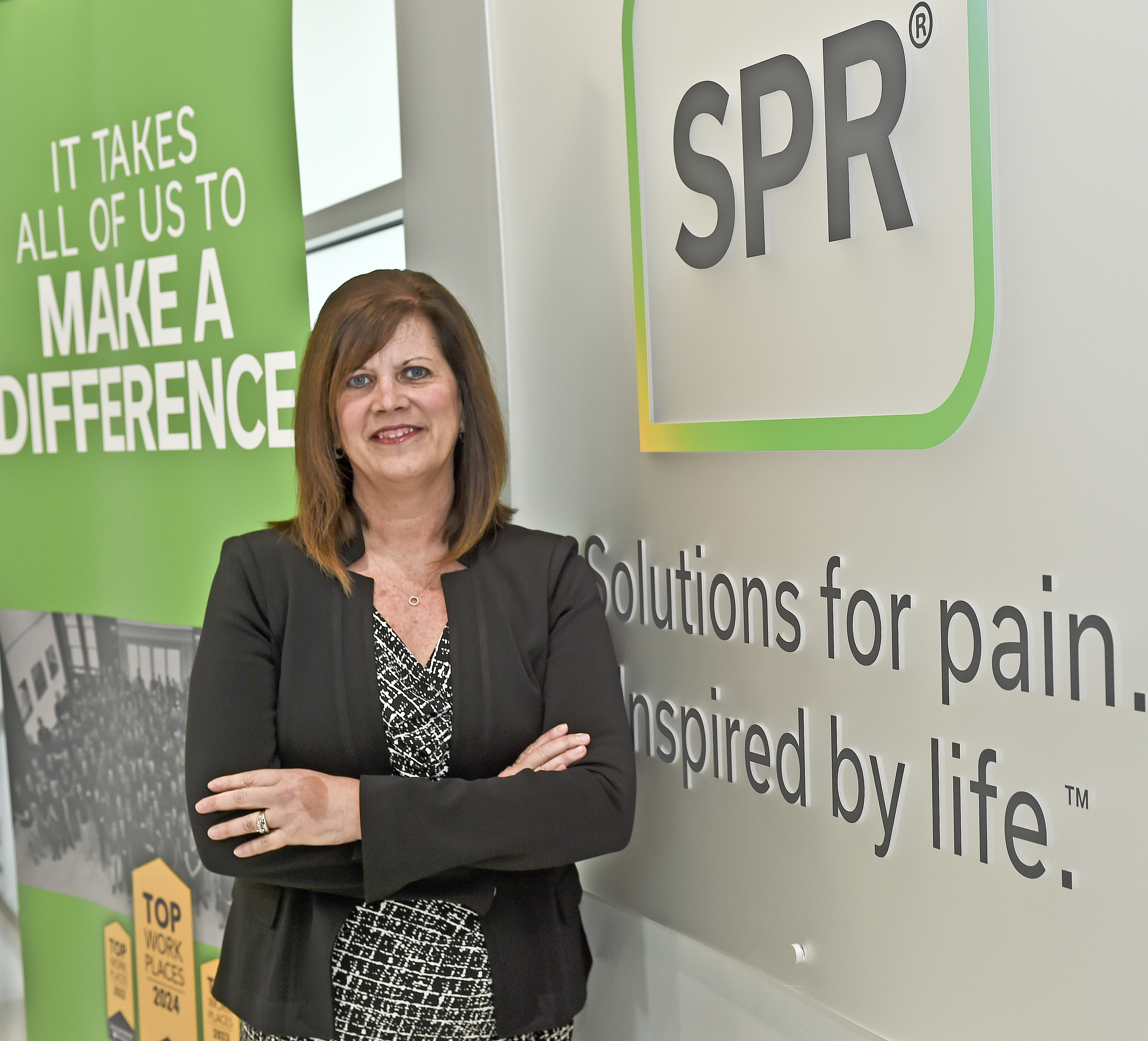
Maria Bennett Kept One Graduate-School Idea Alive for 28 Years. Then Came a $650 Million Exit.
A wheelchair project, a thesis, two acquired companies and one stubbornly durable question shaped Maria Bennett's route from an Indiana marching band to a Cleveland medtech exit.
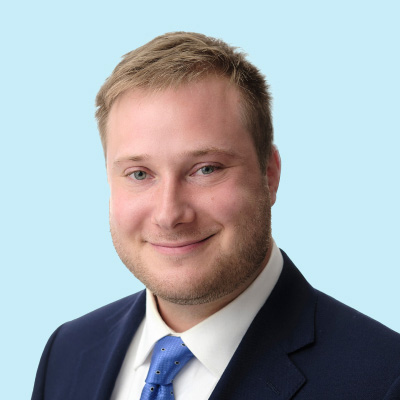
Daniel Weinstein Put a Sensor Where Wearables Rarely Go: Inside the Mouth
A college idea about tracking what people eat became a years-long lesson in miniaturization, manufacturing, and patience. Daniel Weinstein is building Lura Health one tiny constraint at a time.
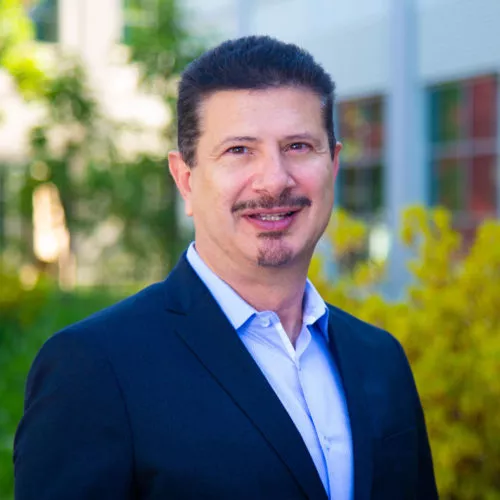
Motasim Sirhan Spent a Career Building Stents. Then He Asked the Artery to Move Again.
After helping build the modern stent business, the Elixir Medical founder chose a harder brief: support the vessel, then give it back its motion. The result took more than 150 bench iterations, a major technical pivot, and nearly two decades of clinical work.
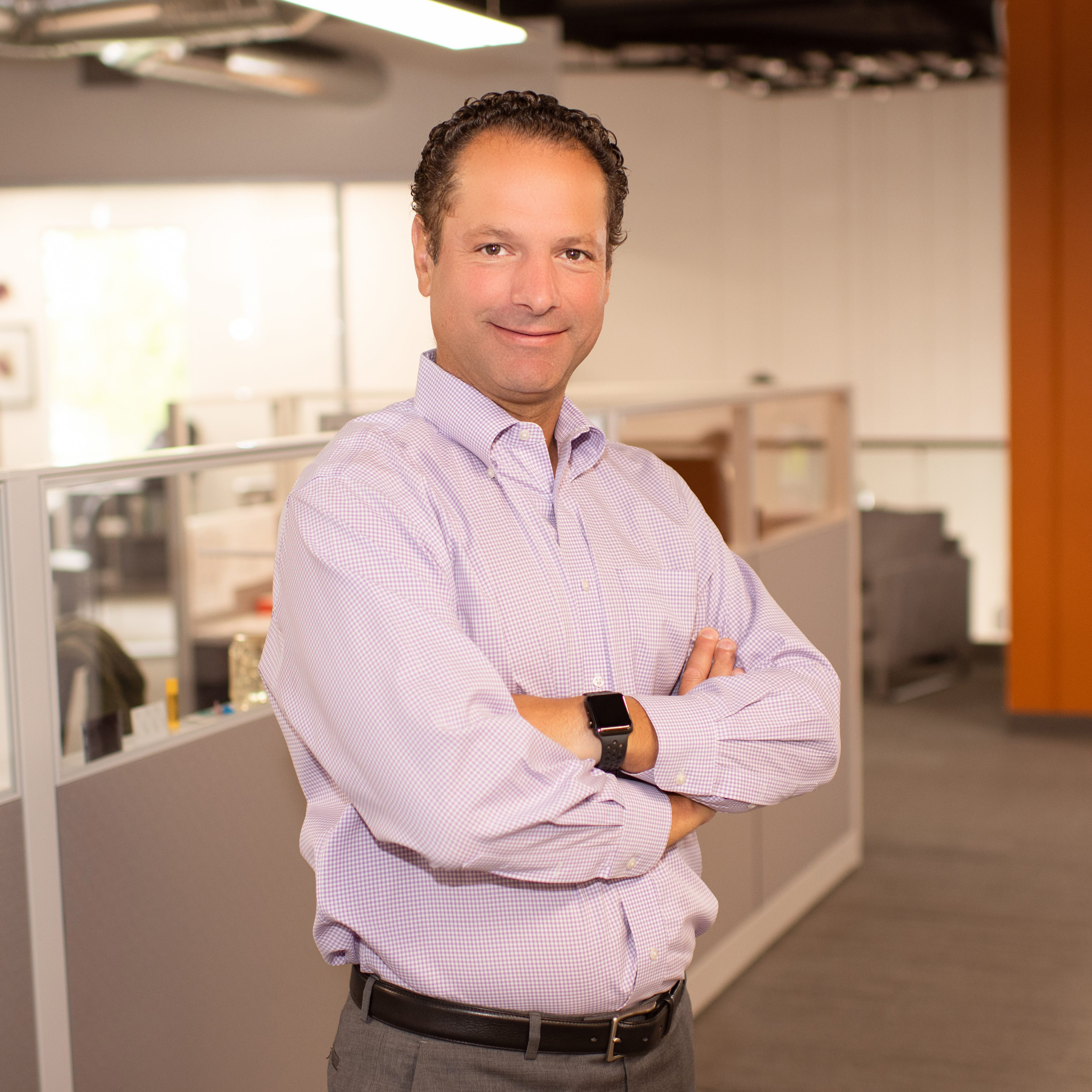
Amr Salahieh Built a Factory for Starting Companies
He kept losing time to leases, hiring and infrastructure. So the engineer behind Shifamed designed those distractions out - and turned one company-building career into a repeatable system.
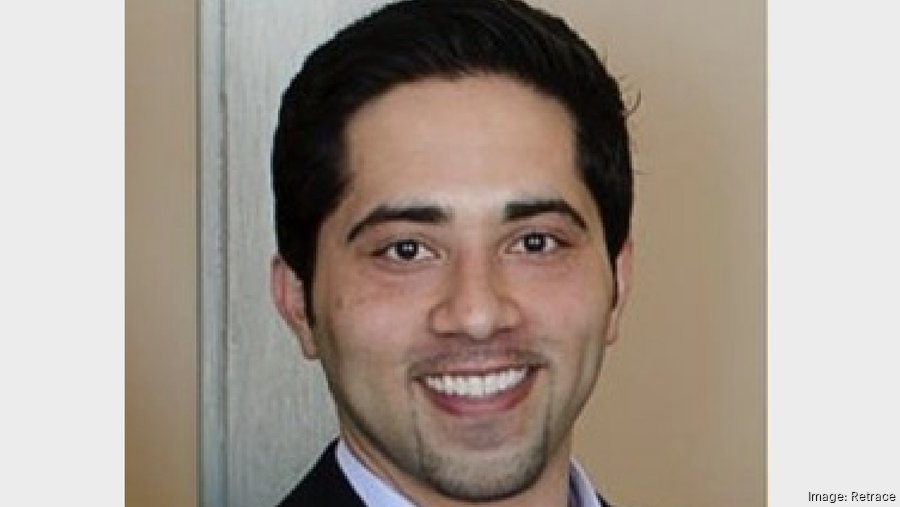
Ali Sadat Built Retrace Around Dentistry’s Least Glamorous Problem
He learned the cost of dental paperwork from the back office, then studied the clinic and the code. Retrace is his attempt to make a claim behave less like a mystery and more like a transaction.
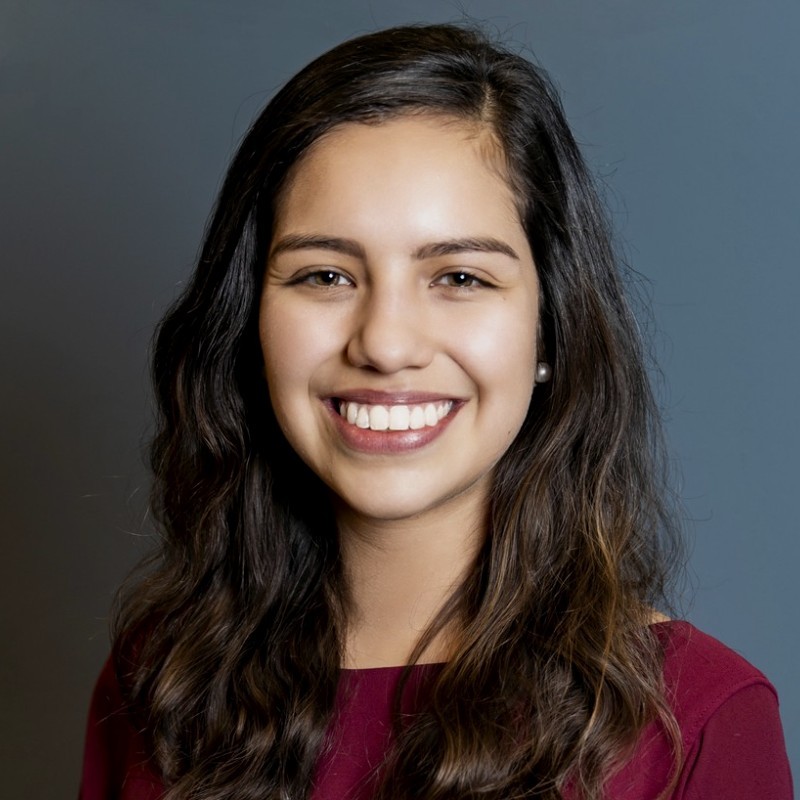
Stacie Arechavala
Stacie Arechavala is a biomedical engineer and the cofounder and CEO of Selera Medical (YC W24), a San Francisco medical device startup she started in 2023 with Kevin Bui after the two met as fellows at Stanford Biodesign. She trained at the University of Miami and Duke, developed cardiovascular devices at Medtronic, and built low-cost devices for underserved communities before turning her attention to heart failure care. Her guiding line: innovation can change the world, but design is what makes it happen.
Tri Vu
Tri Vu is the co-founder and CEO of Lumius, a Durham, North Carolina medical imaging startup building fast, smart, accessible 3D ultrasound - what the team calls a 3D camera for the body. A Duke-trained biomedical engineer with a doctorate in ultrasound and photoacoustic imaging and more than 1,900 research citations, Vu left an academic track to turn a decade of imaging research into a device clinicians actually want to pick up. Lumius went through Y Combinator's Spring 2026 batch and is starting with vascular access, where roughly half of first attempts fail.
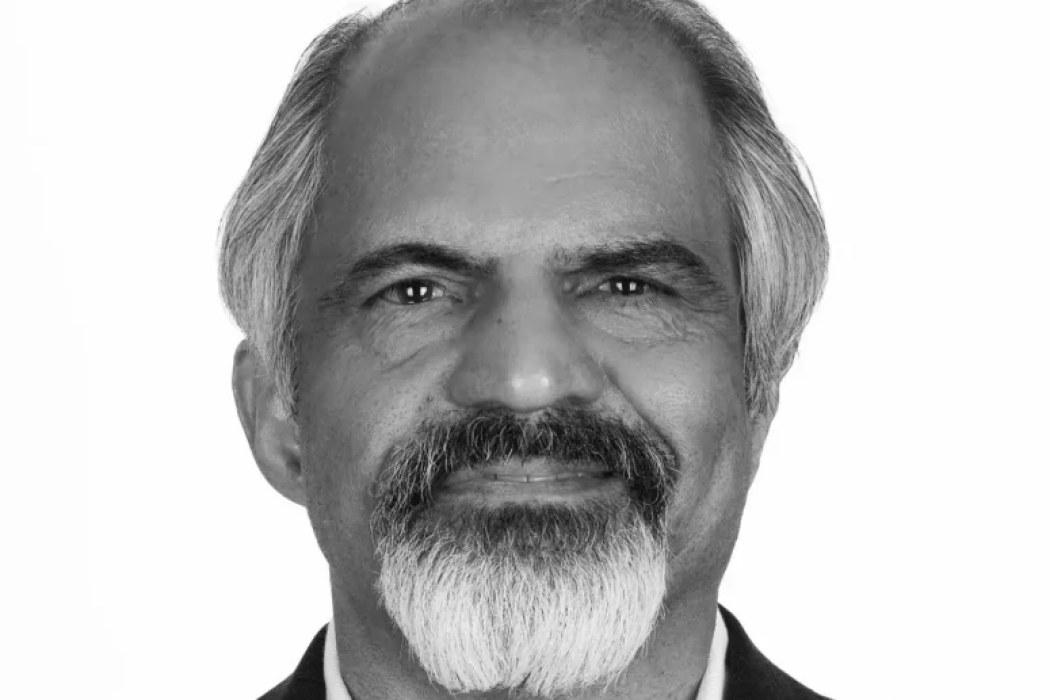
Vahid Saadat
Vahid Saadat is a serial medical device entrepreneur and co-founder and co-CEO of Inquis Medical, a Menlo Park, California company building the AVENTUS Thrombectomy System for treating venous thromboembolic disease and pulmonary embolism. With more than 25 years in medtech and over 200 issued and pending patents, he has founded or led a string of companies including Voyage Medical, USGI Medical, AngioTrax, Baxano and Arrinex (maker of ClariFix, later acquired by Stryker). He holds a BS in Electrical Engineering and an MS in Biomedical Engineering from the University of Texas at Austin, and runs Inquis alongside co-CEO Mojgan Saadat.
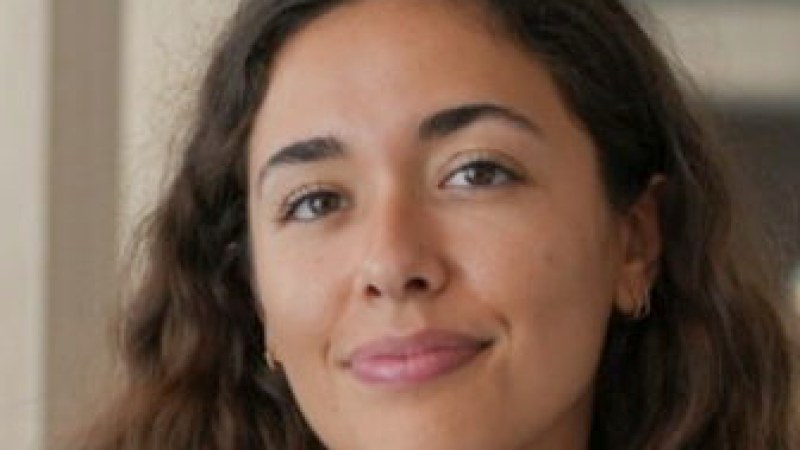
Maria Manso
Maria Manso is the co-founder and CEO of Tucuvi, a Madrid-based healthtech company that builds LOLA, a clinical-grade voice AI agent used by more than 60 healthcare organizations to conduct automated patient follow-up calls. A biomedical engineer by training, she has raised over $21 million for the company, including a $20 million Series A round in January 2026, and was named to the Forbes 30 Under 30 Europe 2025 list for Science & Healthcare.
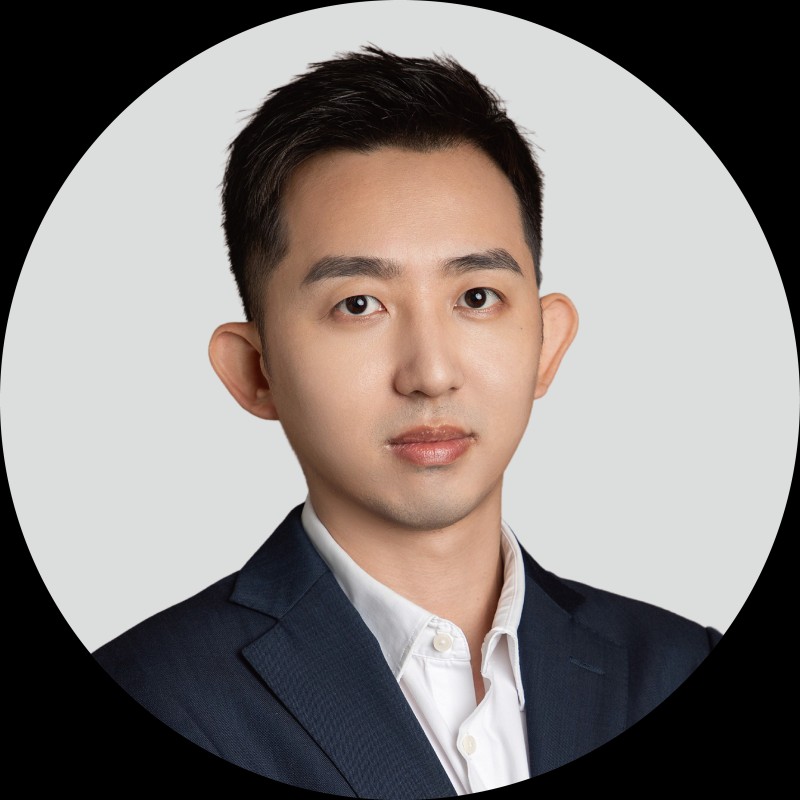
Yunfei Cao
Yunfei 'Richard' Cao is the co-founder and CEO of Angio8 (通甪科技), a Shenzhen-based startup building a next-generation surgical robot for minimally invasive vascular interventional surgery. A Stony Brook biomedical engineer who cut his teeth inside the Boston medical-device machine at Vention Medical, SunMed and China Med Device, Cao now runs a cross-Pacific company - engineering brains in Boston, manufacturing and clinical work in Shenzhen - aimed at letting doctors steer catheters and guidewires by robot instead of by hand.
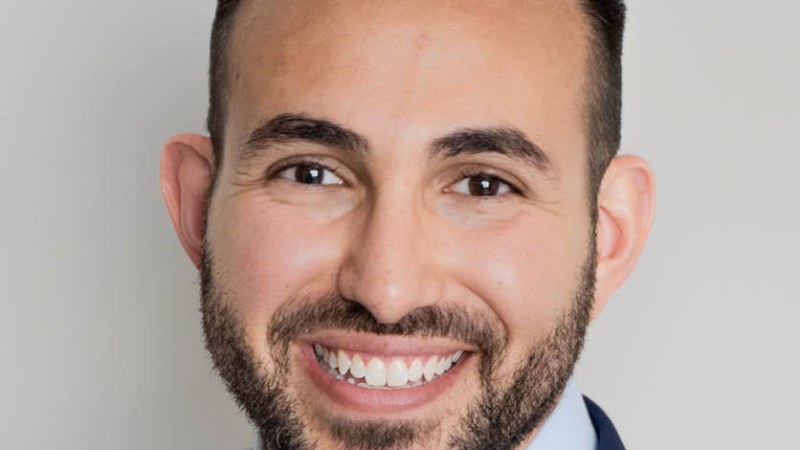
Mina Fahim
Mina Fahim is the CEO and President of MediView XR, a Cleveland-based medical technology company giving clinicians a form of 3D 'X-ray vision' by fusing CT scans and live ultrasound into holograms surgeons can see through a headset. A University of Minnesota-trained biomedical engineer and former Medtronic research engineer, he helped steer MediView to the first FDA 510(k) clearance for an AR device that combines live imaging with 3D XR visualization (the XR90), a $24M Series A led by GE HealthCare, and the world's first-in-human AR tumor ablation at the Cleveland Clinic. His mantra: simplify, democratize, and inform care.
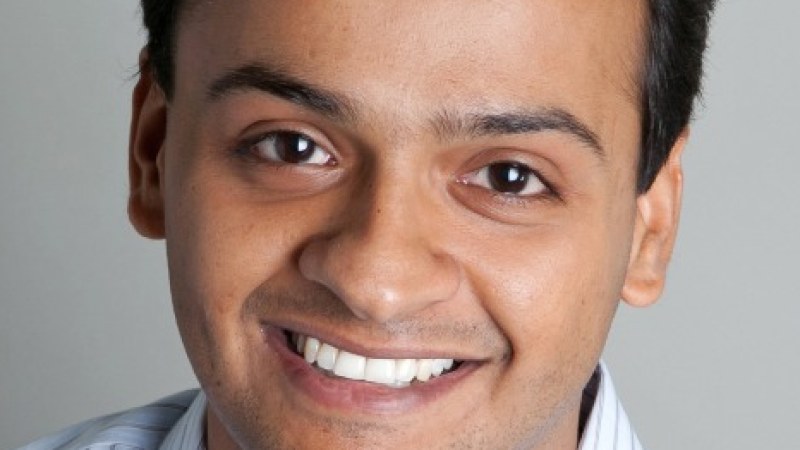
Abhishek Ramkumar
Abhishek Ramkumar is the founder and CEO of Abram Scientific, a Menlo Park medtech company building CoagCare, a handheld point-of-care platform that reads the full blood-clotting story from a single drop in under ten minutes. A biomedical engineer with a PhD from Cornell and a B.Tech from IIT Bombay, he spent years at PARC and Blue Highway inventing diagnostic and surgical devices before turning a hard physics problem - measuring blood viscoelasticity and density in a vibration-proof wireless meter - into 17 granted patents and an $11.75M Series A led by Octapharma in 2026. His pitch is simple and life-or-death: get the right transfusion to the right patient at the right time, whether that patient is on an operating table or in a MEDEVAC helicopter.
Andrea Ippolito
Andrea Ippolito is the founder and CEO of SimpliFed, an Ithaca, New York company building a maternal health operating system that delivers virtual breastfeeding, infant nutrition and OB support to families in all 50 states at no cost through health plans. A biomedical engineer by training, she co-directed MIT Hacking Medicine, co-founded Smart Scheduling (acquired by athenahealth in 2016), served as a Presidential Innovation Fellow in the White House, and ran the VA's Innovators Network before turning her own postpartum struggle into a company that now partners with 300-plus health systems and raised an oversubscribed $10.8M Series A in 2026.
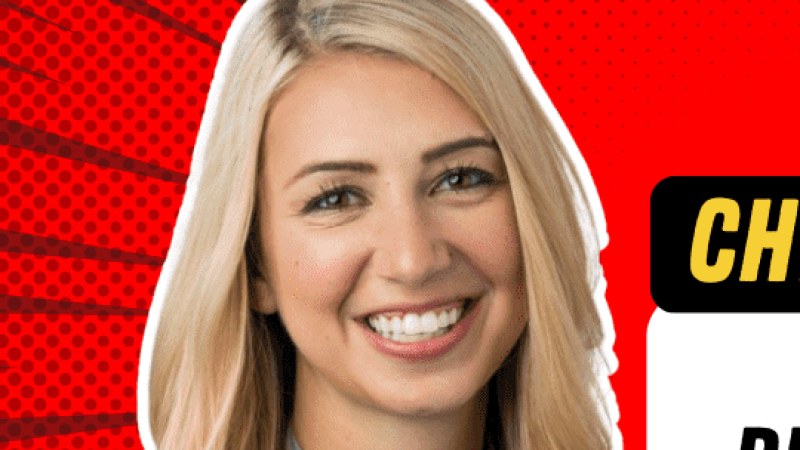
Christine Schindler
Christine Schindler is the co-founder and CEO of PathSpot, the maker of the HandScanner - a device that mounts beside a kitchen sink, scans a worker's just-washed hands with light, and flags invisible contamination in seconds. A Duke-trained biomedical engineer who first built low-cost medical tools near Mount Kilimanjaro, she prototyped PathSpot's algorithms in her apartment bathroom, sold her car to fund it, and grew the company into a food-safety operating system used across the restaurant industry. She is a Forbes 30 Under 30 honoree, a Time Best Invention recognizee, and the founder of the nonprofit Girls Engineering Change.
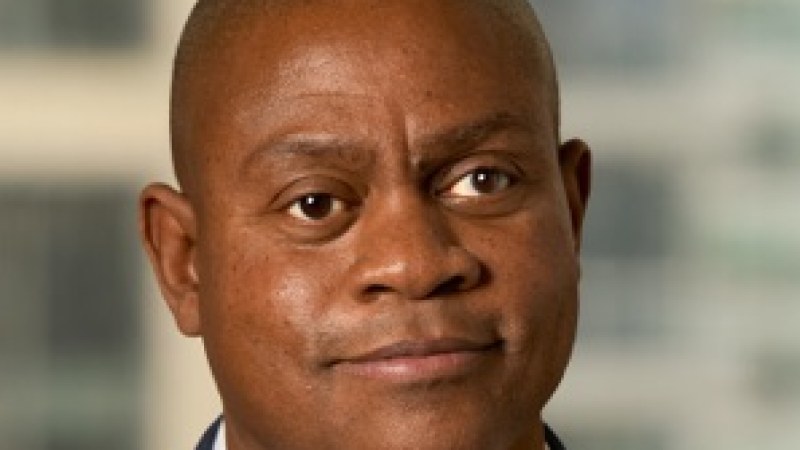
Howard Davis
Howard Davis, Ph.D., is the CEO of Akamis Bio, a clinical-stage oncology company in Cambridge, Massachusetts building tumor gene therapies on its proprietary T-SIGn platform. A chemical engineer turned biomedical engineer, he spent two decades moving between Boston Consulting Group, Novartis, Biogen, Flagship Pioneering and Atlas Venture before taking the top job at the company once known as PsiOxus. His current mission: prove that an adenoviral therapy delivered through a vein - not a needle into the tumor - can reach metastatic cancer the body has hidden, and turn those tumors against themselves.
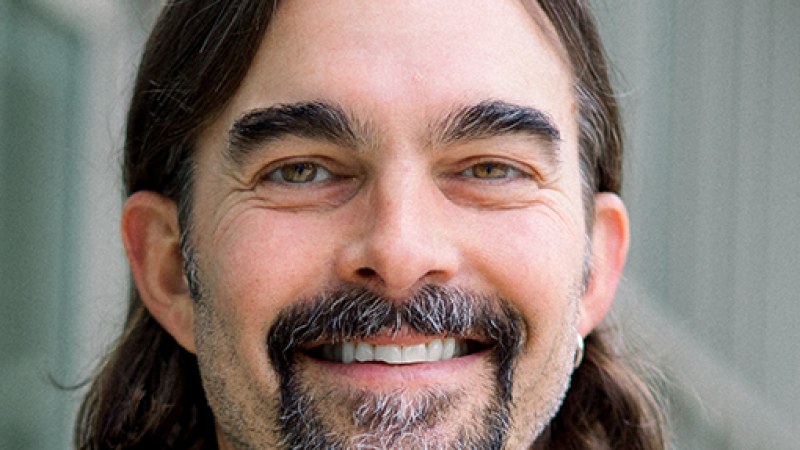
Michael McShane
Michael (Mike) J. McShane is a biomedical engineer who has spent close to 25 years trying to put readable chemistry under the skin. As James J. Cain Professor II and head of the Department of Biomedical Engineering at Texas A&M University, he builds injectable, biomaterials-based optical biosensors - often called 'smart tattoos' - that glow in response to glucose, oxygen and other body chemistries so doctors can monitor patients continuously and minimally invasively. A Fellow of IEEE, SPIE, BMES and AIMBE, past president of the IEEE Sensors Council and founding chair of the IEEE BioSensors conference, he won the 2012 NIH Director's Transformative Research Award and the 2023 IEEE Sensors Council Technical Achievement Award.
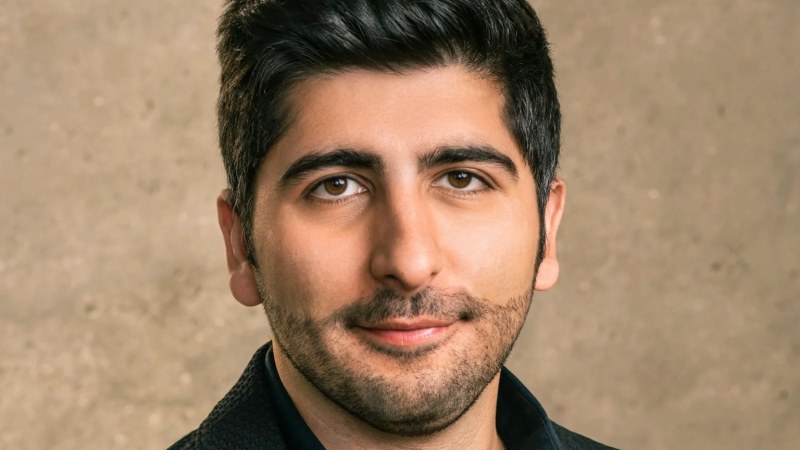
Ali Tamaseb
Ali Tamaseb is a General Partner at DCVC, the Palo Alto deep-tech venture firm, and the author of Super Founders, a bestselling, data-first dissection of what actually separates billion-dollar startups from the rest. A former hardware founder and biomedical engineer trained at Imperial College London, he hand-collected one of the largest startup datasets ever assembled - 30,000 data points across roughly 300 unicorns - and now backs founders across biotech, climate, fintech, and industrial AI.
Sean Mehra
Sean Mehra is the co-founder and CEO of HealthTap, a Sunnyvale-based virtual-first primary and urgent care platform serving millions of Americans across all 50 states. A Yale biomedical engineering graduate and Stanford MBA, Mehra pivoted from aspiring physician to serial tech entrepreneur—building games companies with hundreds of thousands of simultaneous players before co-founding HealthTap during his first year at Stanford business school. Under his leadership as CEO (appointed June 2021), HealthTap has grown to serve over 350 million consumers, partnered with Samsung Health to embed virtual care in millions of Android devices, and launched Dr.A.I., an LLM-powered pre-visit interview system. Mehra also co-founded what is now Yale's TSAI City entrepreneurship incubator.
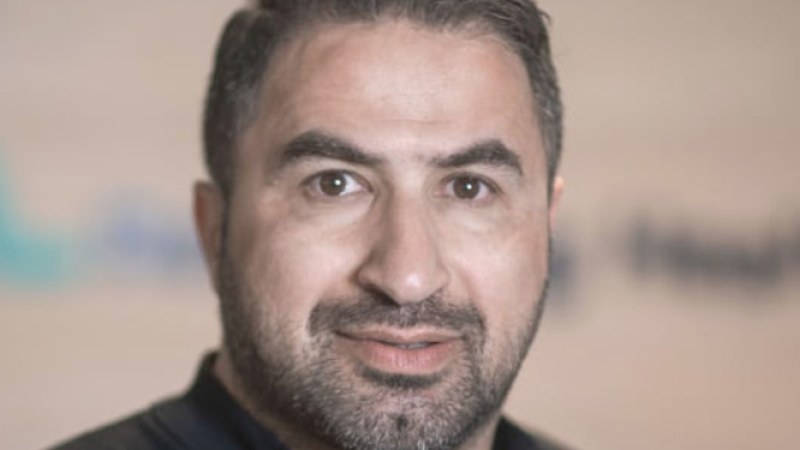
Yahya Aqel
Yahya Aqel is the co-founder and CEO of Aumet, MENA's largest B2B healthcare marketplace and AI-first procurement operating system. A biomedical engineer turned serial entrepreneur, he has founded five health tech startups across Silicon Valley, the Middle East, and Western Europe — two of which resulted in successful exits. Aumet, backed by Emkan Capital and others, has raised $21.84M to date and processes over $1 billion in gross merchandise volume annually, connecting 12,000+ pharmacies with 1,000+ pharmaceutical suppliers across Jordan, Egypt, and Saudi Arabia.
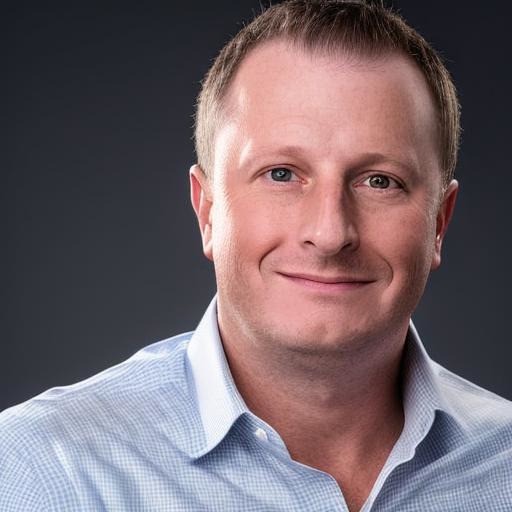
Brian Fahey
Brian Fahey is a serial medtech entrepreneur who co-founded Adona Medical, a clinical-stage company developing an adjustable interatrial shunt with integrated bi-atrial pressure sensors for heart failure management. A Duke-trained biomedical engineer and Stanford Biodesign alumnus, Fahey previously co-founded Niveus Medical, which delivered over 10,000 ICU rehabilitation treatments before being acquired by Stryker in 2017. At Adona, he guided the company through $95.5M in total funding including a $33.5M Series C in 2024, and oversaw the initiation of first-in-human clinical trials before stepping down as CEO in December 2025.
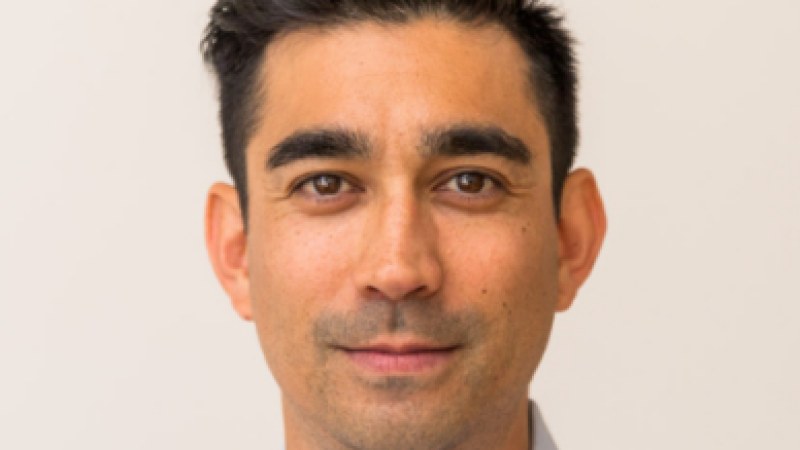
Eric Dy
Eric Dy, PhD is the co-founder and CEO of Bloomlife, a San Francisco-based women's health company building connected care solutions for maternal and fetal monitoring. A biomedical engineer by training (Cornell BSc, UCLA MSc and PhD), Dy spent four years at IMEC - Europe's leading R&D institute - establishing 17 partnerships worth $25M+ in revenue before launching Bloomlife in 2014. His personal experience watching his wife navigate a high-risk pregnancy - gestational diabetes, preeclampsia, placental complications, preterm labor, and a son who spent his first month in the NICU - drove him to attack the most underserved gap in American healthcare. Bloomlife's FDA-cleared MFM-Pro wearable lets high-risk pregnant patients be monitored at home, replacing the endless clinic visits that define the current broken system. The company raised a $12.2M Series A in September 2024 and has secured reimbursement across 18 payers.
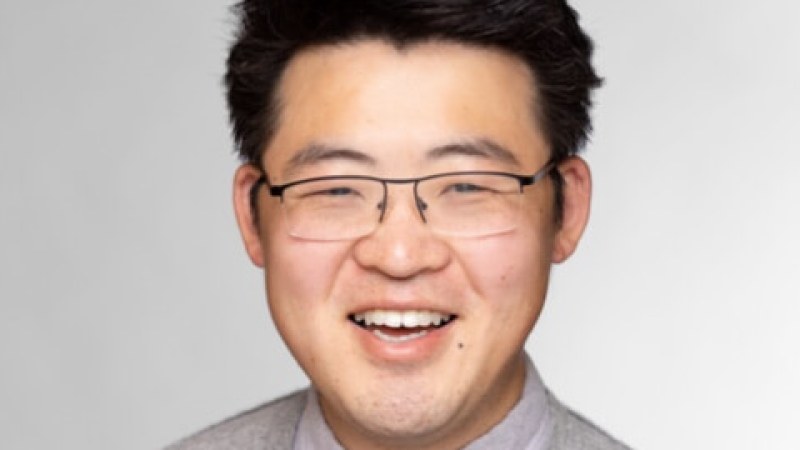
Enhao Gong
Enhao Gong is the CEO and co-founder of Subtle Medical, a Stanford-born AI healthcare company that has earned 9 FDA clearances for deep learning-powered medical imaging products. A PhD graduate from Stanford in Electrical Engineering, Gong co-founded Subtle Medical in 2017 alongside Stanford neuroradiologist Dr. Greg Zaharchuk, and has grown the company to serve 1,000+ scanner installations globally, touching 2.5 million patients annually. Before Subtle Medical, he co-founded Polarr, an AI photo-editing startup used by tens of millions. He has been recognized by Forbes 30 Under 30 (China/APAC, 2018), Fortune 40 Under 40, and Radiology Business 40 Under 40 (2024), and led Subtle Medical to TIME's World's Top HealthTech Companies list in 2025.