b2b-saas
(444)
Jordan Zamir and the Trouble After Yes
He spent years helping companies make deals. At Turnstile, the former lawyer is working on the less celebrated question: what happens after the customer signs?

Achintya Gupta and the buyers who never booked a demo
At Phyllo, Achintya Gupta could see developers testing the product, but struggled to see them in the sales pipeline. Reo.Dev grew from that gap - and from a career spent asking what the usual business metrics leave out.

Mads Fosselius and the trouble with being a ticket
Before he co-founded Dixa, Mads Fosselius worked the phones. His long argument with customer-service software has taken him from the call-centre floor to the chairman’s seat.
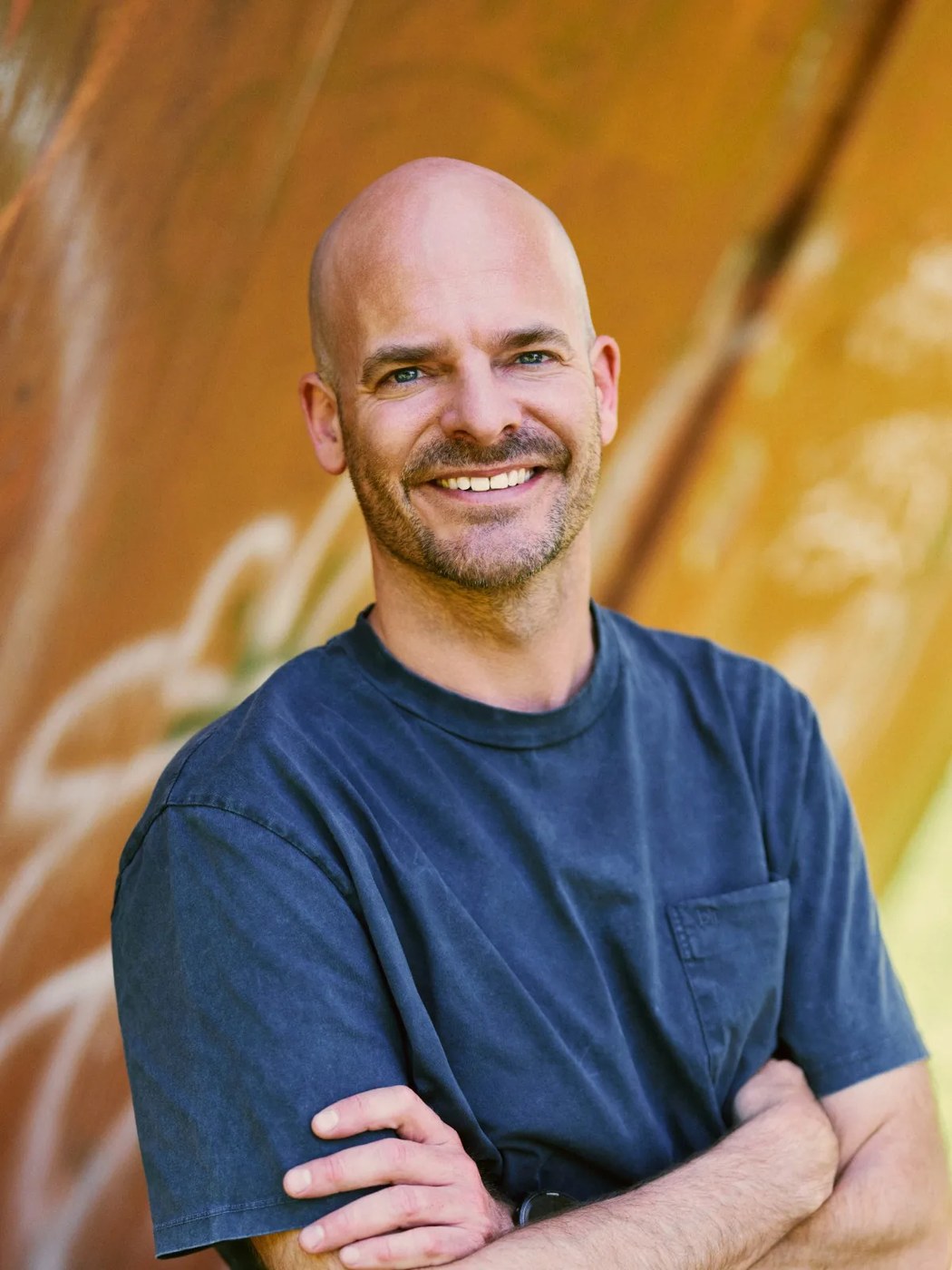
PJ Bouten and the business of starting again
A request to replace paper at a trade show helped set Showpad in motion. After a decade as CEO, Pieterjan Bouten is putting his experience, capital and Ghent connections behind other founders.

Anish Khadiya and the Five-Email Flight
A flight booking used to take Anish Khadiya three to five emails. The former McKinsey consultant and Myntra strategist co-founded ITILITE to untangle business travel, then discovered how much work begins after a ticket is booked.

Patrick Hogan and the Business of Waiting
He grew up around lumber, built software for customer conversations, then returned to an old construction problem: getting paid. At Handle.com, Patrick Hogan is connecting the paperwork that keeps money from moving.

Sander van de Rijdt and the business of getting things done
Before PlanRadar, Sander van de Rijdt had already learned how companies grow, sell and sometimes close. His next venture began with a construction problem so ordinary that he wondered why it still existed.
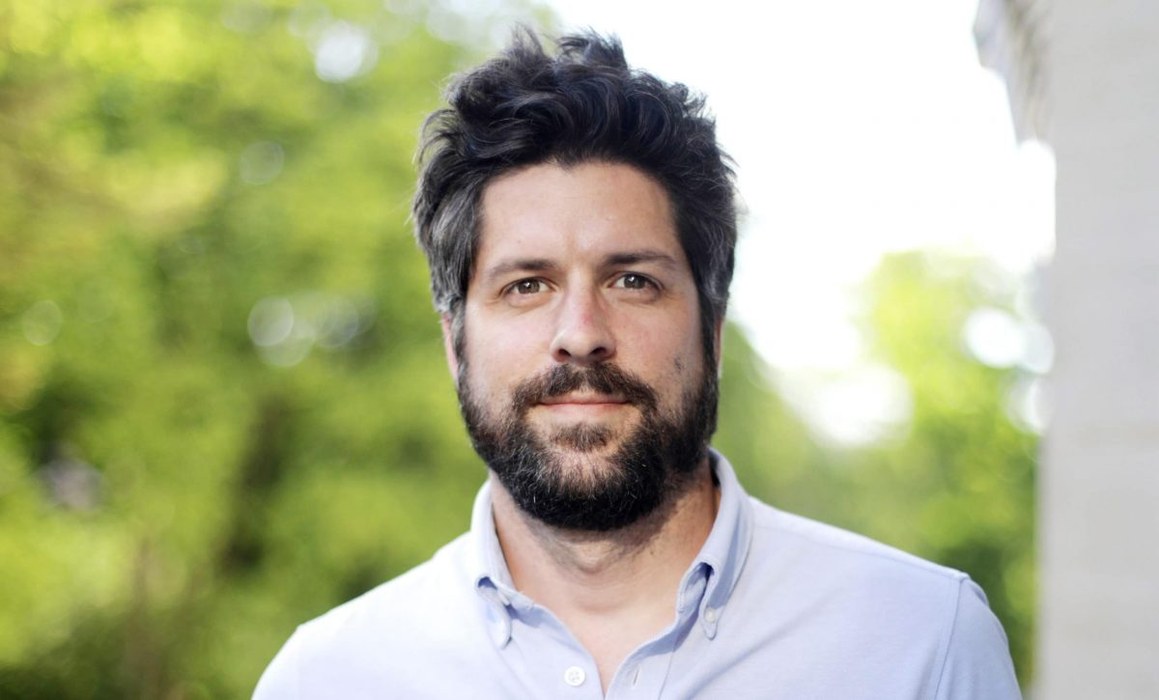
Jean Hamon and the art of keeping in touch
An INSEAD network gave Jean Hamon an idea. An early misstep taught him who should hold the keys. His company, Hivebrite, grew from that distinction.
Bryn Jones and the business hiding inside a bad idea
A struggling collaboration app gave Bryn Jones an unexpected education in selling software. The useful part became PartnerStack - and, eleven years later, a new chapter with AppDirect.
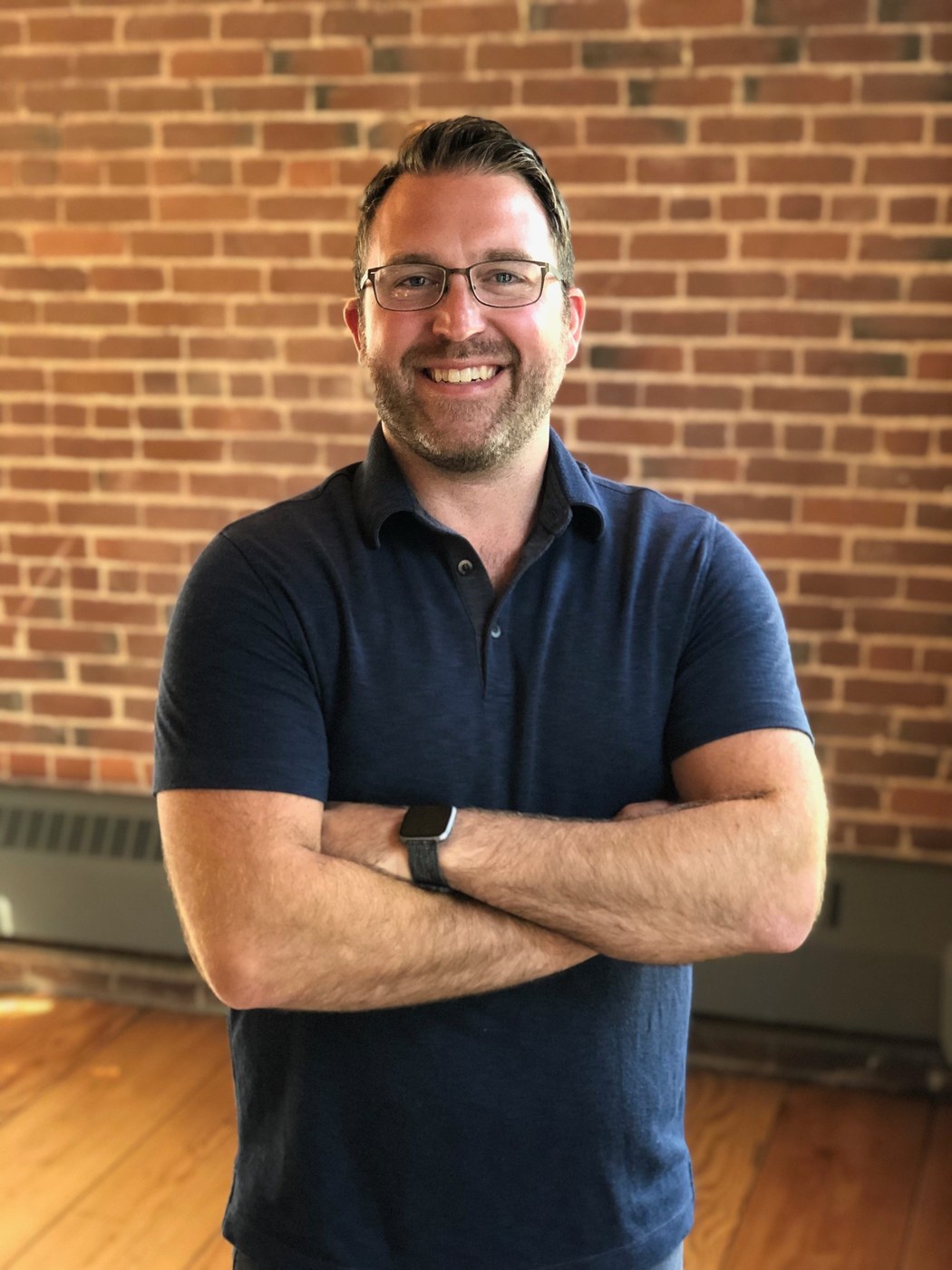
Kyle York and the business hidden inside the sporting-goods store
Before Kyle York helped grow Dyn to $100 million in annual recurring revenue, he learned business in his parents’ Manchester shop. At York IE, those lessons still shape how he backs founders, builds teams and thinks about who gets to keep the upside.

Dougal Cameron keeps a list of what went wrong
The Golden Section co-founder has spent years turning business mistakes into working instructions. His argument for software founders begins with a deceptively awkward question: how much is enough?

Ankit Saxena and the trouble with a simple hello
A customer message should be the start of a conversation. After years building software and running teams at Branch, Ankit Saxena built Thena around what happens next.

Robert C. Johnson and the trouble with a closed ticket
Television software taught the TeamSupport co-founder that a small problem could put an entire customer relationship at risk. He built a company around that lesson, then carried his appetite for teamwork into the cockpit.

Nooshin Alibhai put a house on the help desk
She and Eric Klimuk sold their home to help fund Supportbench. Her wager: the people answering customer problems have something the rest of the business needs to hear.

CheeTung Leong’s education in paying attention
A Navy scholar became an employee analytics founder, then crossed the Pacific with his family. Along the way, CheeTung Leong learned how easily a promising business can answer the wrong question.
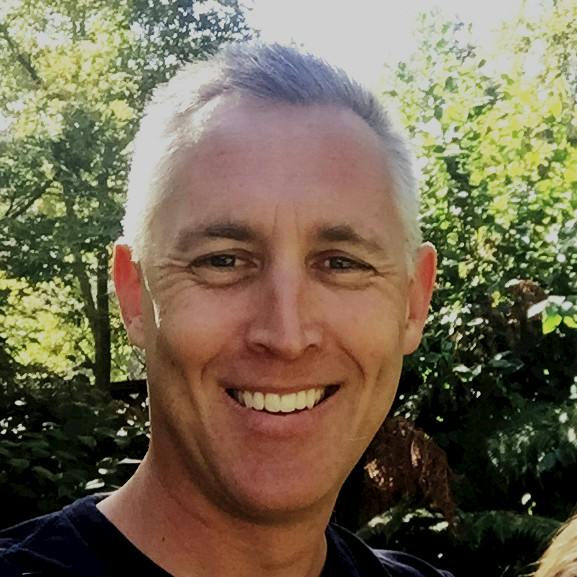
Charles Thiede and the value of a smaller room
Zapnito’s co-founder once turned down 20,000 Twitter followers. His career asks a more useful question: what happens when the right people can actually hear one another?

Peter Ord and the problem that arrived after the sale
He learned scheduling on house builds, then watched software customers lose their way after signing a contract. Peter Ord built GUIDEcx to make the next step visible.

Simon Rohrbach and the three years before Plain clicked
At Deliveroo, Simon Rohrbach learned to design for a company growing around him. At Plain, he had to learn how to make a company grow in the first place.

Noa Danon and the Trouble With Happily Ever After
She built EverAfter to give customer relationships a place inside the product. After an acquisition and a carefully managed transition, Noa Danon is making room for her own next chapter.

David Maurice Chevalier and the value of a shortcut
A student trading game took him into banking; a tedious university assignment gave his next career its starting point. At Surfe, David Maurice Chevalier is building a business around the hours people would rather spend talking to each other.
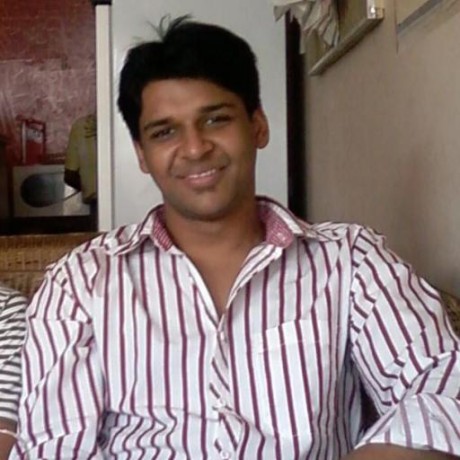
Sachin Gupta and the work left on the wall
A dorm-room project became HackerEarth. For Sachin Gupta, learning to sell it opened the door to a second company - and another process he wanted to fix.

Abdullah AlDaij and the business behind a broken tap
Abdullah AlDaij began with a practical problem: getting maintenance done. His company, Munjz, grew into a platform for managing the properties around it - and his most revealing decision was to change the original plan.

Ambarish Gupta and the business of answering the next call
A failed property startup taught Ambarish Gupta to sell before he built. From Knowlarity to Basis Vectors Capital, he has kept returning to a practical question: what does a business need to work?
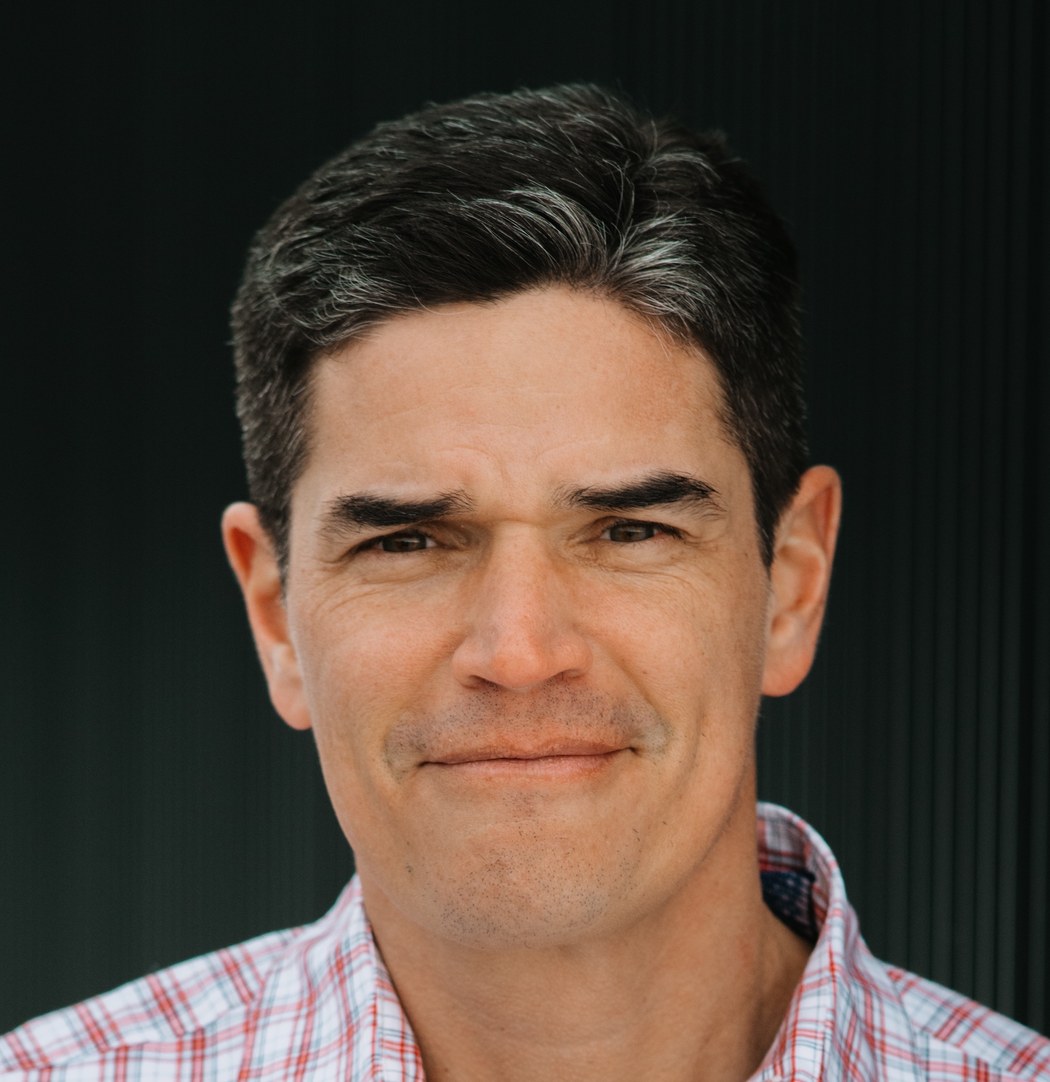
Kristian Marquez and the question a spreadsheet cannot answer
A New York childhood, a Marine Corps commission, and years inside growing companies brought Kristian Marquez to an unglamorous conviction: a founder needs to know what customers will pay for. At FinStrat Management, he has made that question the starting point for the numbers.

Caroline Morris and the work after the deal
From Army service to education and real estate software, Caroline Morris has built a career around helping teams deliver. At Cordance, that work now stretches from university computers to warehouse floors and secondhand shops.

Jesse Li Kept Calling It a Project. Then the Project Learned to Sell.
A rejected YC pitch, a seven-day rebuild and years of side projects led Jesse Li to Cedar. His real product may be the habit of beginning again.

Doug Morse-Schindler Bet the Company on the Last Mile
Before HealthJoy served more than a million members, its president rebuilt a sailboat, survived a bruising pivot and spent six months earning one customer’s trust. His career is an argument that distribution is not the dull part of invention - it is where invention becomes useful.
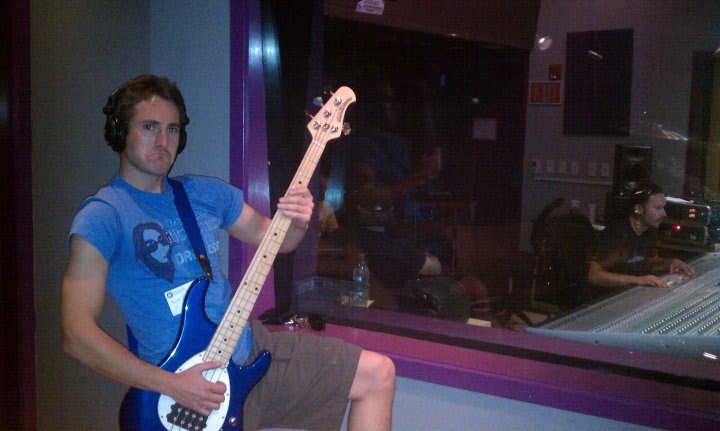
Kevin Ames Has Spent a Career Listening for the Next Move
Before AI could turn a sentence into software, Kevin Ames learned the older art of making people move together. His path from loud rooms to customer journeys explains the quiet work behind Lovable’s go-to-market machine.
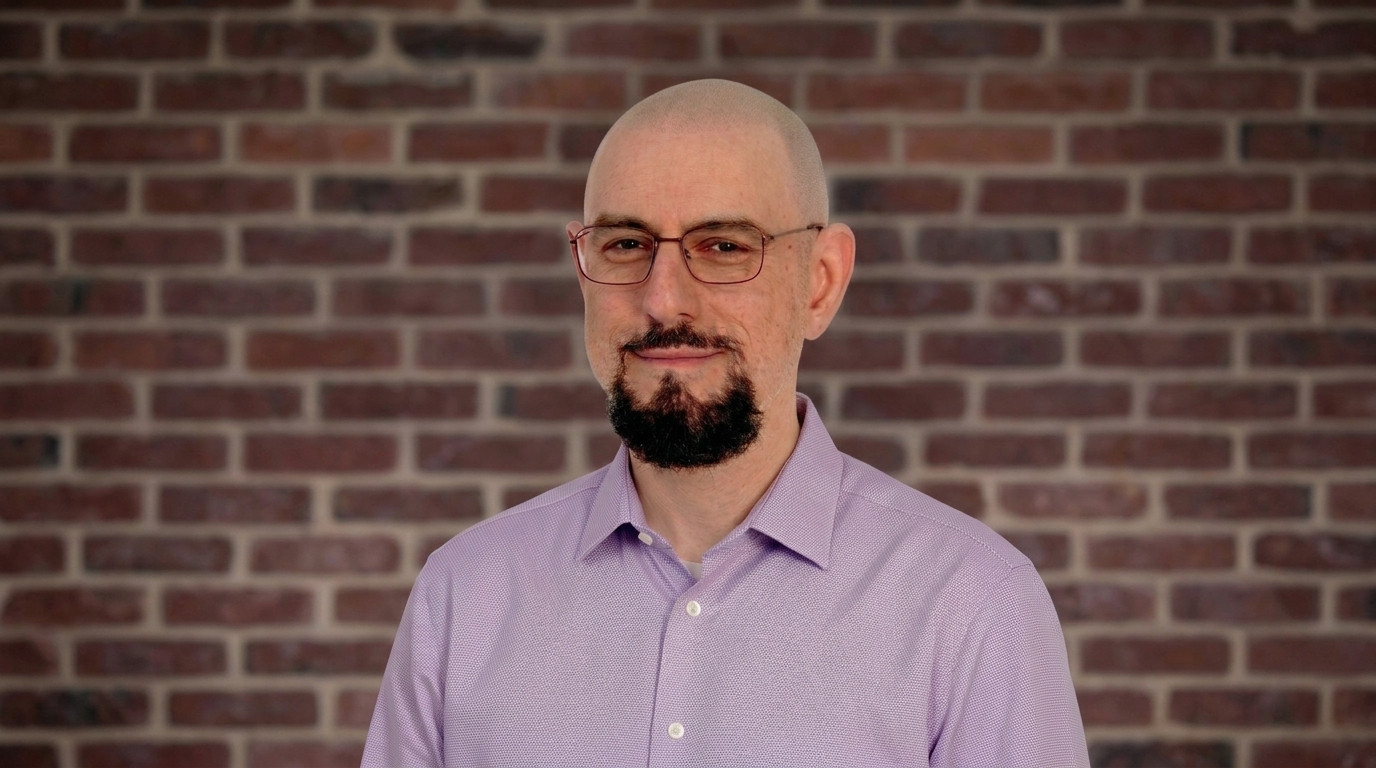
Manny Ataebi Learned the Code. Then He Learned to Sell the Story.
A six-year apprenticeship in code gave Manny Ataebi an uncommon marketing instinct: understand the machinery, strip away the jargon, and make the buyer care.

Joe Woyciechowski Put the Spreadsheet Inside the Story
Across e-commerce rebuilds, demand-generation systems and special-education software, Joe Woyciechowski has made a career of asking marketing to show its work.