Two of Sander van de Rijdt’s earlier companies were sold. Two were liquidated. It is a useful detail to keep beside the photograph of the smiling founder in a good jacket. By the time PlanRadar became the venture people wanted to ask him about, he had experienced several possible endings. Entrepreneurship had already supplied an education with rather expensive tuition.
In 2022, he described seven ventures before PlanRadar, including an esports business that arrived before its market was ready. His account leaves room for timing and luck, two things that can be awkward guests at an awards dinner. Work matters. So does whether customers are ready to buy what the work has produced. He had learned that readiness cannot simply be scheduled into a business plan.
The golf balls had customers already
His earliest trading story is smaller and funnier. As a boy, he collected golf balls with his cousins and sold them back to players. Tennis balls offered another opportunity: a conveniently placed child could save someone a trip to the shop. He remembers organising the cousins and assigning the youngest to the first holes, where their charm might help sales.
The arrangement eventually irritated his fellow collectors. He says he kept 90 per cent of the proceeds and gave them 10 per cent. It is an unusually frank childhood business anecdote. Many founders remember discovering a market. Van de Rijdt also remembers the dispute over compensation.
Enterprise was familiar at home. His parents and both grandfathers were entrepreneurs, he recalls. When he announced his first startup, his father responded with questions. The encouragement came with scrutiny. Before he was explaining businesses to investors, he had a demanding audience within the family.
A partnership before a product
Van de Rijdt went to school in Vienna and studied business informatics there. At university he met Ibrahim Imam, who would become his long-running business partner and fellow PlanRadar co-CEO. Their relationship preceded the construction software company. They had already spent years working together before sharing the job title that now introduces them.
That history helps explain something a short corporate biography can make sound peculiar: a company with two chief executives. In their case, the arrangement developed between people with an established working relationship. There was already experience of making decisions together. The title formalised a partnership that had survived actual business.
PlanRadar’s origin brought a different kind of experience into that partnership. Domagoj Dolinsek had spent years managing construction projects and understood the daily difficulty of keeping records and coordinating work. He approached Imam and van de Rijdt for advice. Constantin Köck contributed development expertise; Clemens Hammerl brought design. The company was founded in Vienna in 2013.
The division of knowledge mattered. Dolinsek knew what happened on sites. Other members of the team could build the software and the company around it. There is something appealingly practical about that assembly: the person with the problem did not have to become every other person the business required.
The small indignities of paperwork
By 2017, van de Rijdt could describe the problem without much decoration. Tasks and defects were scattered through notes, photographs, voice recordings and spreadsheets. Communication travelled through calls and emails. Incomplete records made disputes and additional costs harder to resolve. A building could have an architectural plan and still lack a dependable shared account of what needed doing.
This is fertile ground for confusion. Someone records a defect. Someone else needs to locate it. A third person needs to know whether it has been fixed. Every transfer offers the information a chance to lose a detail or acquire a delay. PlanRadar put recording, communication and tracking into software people could use on mobile devices.
Van de Rijdt’s interests outside work offer a parallel. Asked in 2017 about a cause he cared about, he chose team sports, especially football and volleyball. He liked their ability to create friendships and teach people to win and lose together. He also valued their less comfortable lesson: doing everything properly does not guarantee victory.
“Sometimes you even lose, although you have done everything perfect.”
Sander van de Rijdt, on team sports, 2017
Two desks at the top
Inside PlanRadar, van de Rijdt’s responsibilities have included finance, people, legal affairs and operations. Imam has handled the outward-facing commercial teams. Corporate and growth strategy bring them back together. It is a useful reminder that expansion creates paperwork for the people selling an escape from paperwork.
In 2020, van de Rijdt described a company that had outgrown easy, informal communication. Departments needed deliberate connections. Team leads met regularly; colleagues in different departments were paired through buddy systems. The business needed ways for information to move internally, just as its customers did.
He also argued for establishing a people function early, at around 20 employees. Recruiting, onboarding and training become harder to improvise as a business grows. His preference was to build that capacity before the accumulated work forced the issue. It is advice with little theatrical appeal and considerable practical consequence.
The operating philosophy put weight on action. Problems were expected to arrive with a possible solution. Measures extended from cash efficiency to response times. The founder’s job included deciding what the organisation should pay attention to, then making that attention repeatable. A useful instinct in a small team had to become a habit across a larger one.
A border is a sales problem, too
Construction is international; the conversation that wins a construction customer is often local. Van de Rijdt has repeatedly returned to that distinction. A shared operational problem can appear in many countries while the buying process changes with language, relationships and established practice.
He explored the language question in his own writing about construction technology in 2019. Sites bring together workers from different countries. A familiar app interface, photographs and information delivered in a worker’s own language can make tasks easier to understand. The practical question is whether the right person can understand the instruction and act on it.
That concern makes the choice of a software interface less cosmetic than it sounds. A task has a location, an owner and a deadline. If the people handling it cannot share those details clearly, the record is incomplete in a very ordinary way. Software must earn its place among the tools people already know how to use.
- 01RecordPut the issue on the plan.
- 02AssignGive the task an owner.
- 03TrackKeep the record together.
What the money was meant to do
In January 2022, PlanRadar announced a $69 million Series B, co-led by Insight Partners and Quadrille Capital. The stated purpose was international expansion and technological development. The sum was a company financing round, with a job attached: give the business resources to enter more markets and develop its product.
The investor group included returning backers as well as new participants. For van de Rijdt, whose earlier ventures included closures, this was another kind of responsibility. A larger balance sheet widened the company’s choices. It also increased the number of people with an interest in how carefully those choices were made.
Raised by PlanRadar for international expansion and product development.
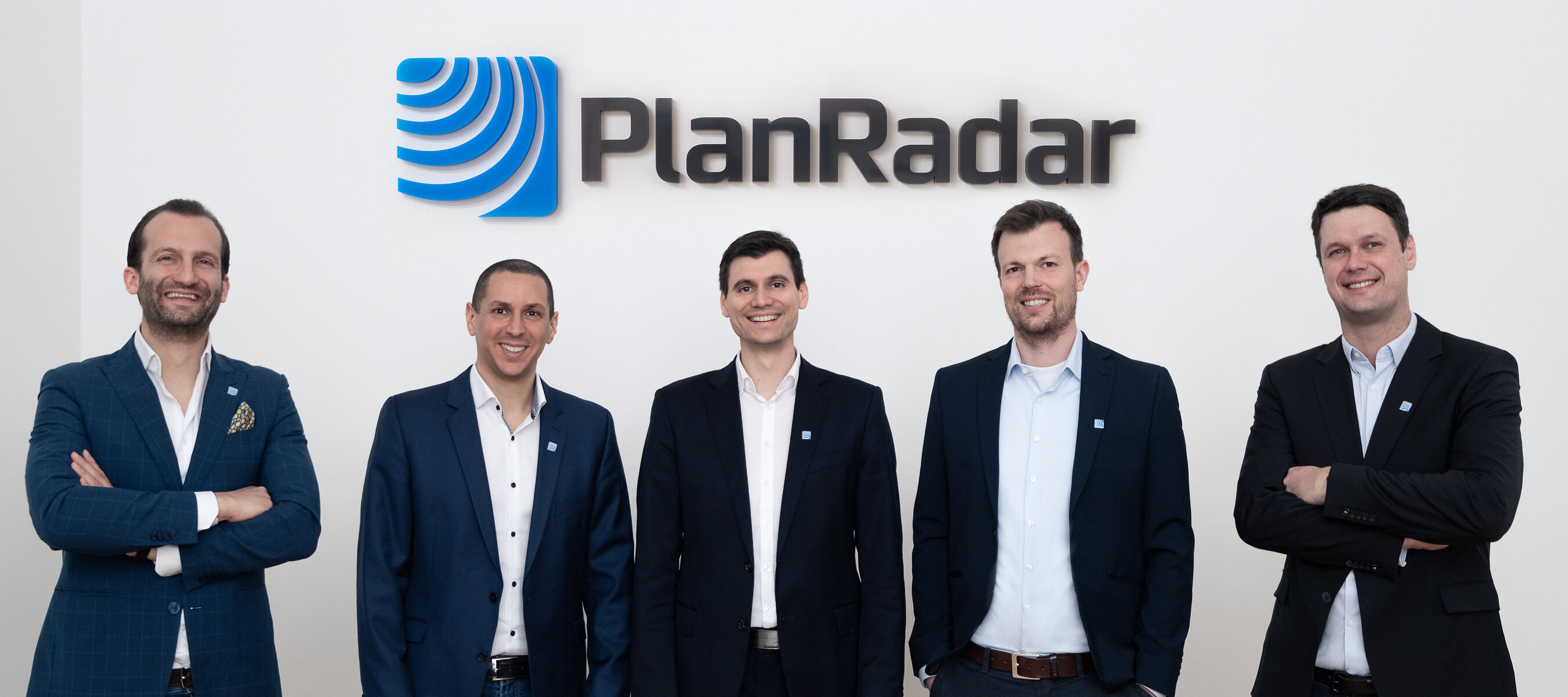
Recognition followed in 2022 when the five founders won EY’s Austrian Entrepreneur Of The Year award in the startups category. The category matters, as does the plural. Van de Rijdt appears in the award alongside Imam, Dolinsek, Hammerl and Köck. The photograph has five people because the work had five founders.
Learning to leave room
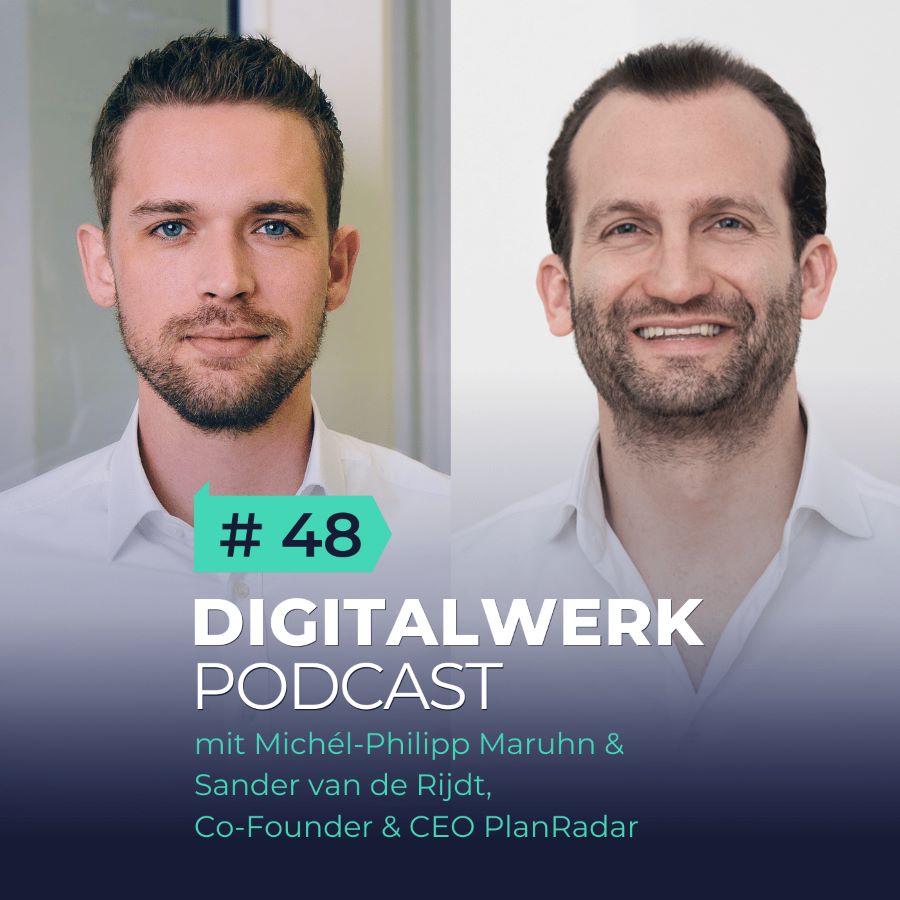
As the business grew, his public conversations moved towards the work of managing other people. In 2024 he discussed retaining talented employees by understanding their own ambitions, staying composed under pressure and giving colleagues room to make mistakes. The last point can be particularly demanding for someone accustomed to solving the problem personally.
A founder can become an obstacle by remaining the answer to every question. Allowing another person to learn creates a slower moment now and potentially a more capable organisation later. His emphasis on authenticity and a common basis for resolving disagreements belongs to this stage of the job. People need enough trust to disagree and enough room to improve.
He was also putting experience into another company. In November 2024, van de Rijdt and Imam invested a six-figure amount through a convertible loan in Circly, which develops AI-supported planning software for production and retail. Van de Rijdt joined its board. The appointment gave a younger business access to someone who had already worked through international expansion.
The next site visit
By September 2026, PlanRadar reported more than 200,000 users in about 75 countries, with 400 employees across 13 offices. These are a dated view of the company, rather than a permanent score. Van de Rijdt remained concerned with what the technology did inside an ordinary working day.
SiteView uses footage from a helmet-mounted 360-degree camera to create a visual record mapped onto project drawings. AI agents add another step: customers can define actions that follow particular project events. The ambition is to reduce the work that remains between collecting information and doing something useful with it.
He described plans to add functionality, develop the use of AI and expand internationally. The tools have changed considerably since the early lists of defects. The test still feels close to the one facing the boy selling tennis balls: someone has a job to do, and an inconvenient trip stands in the way. Saving that trip is a modest proposition. There is a great deal of business in doing it well.