ai-marketing
(198)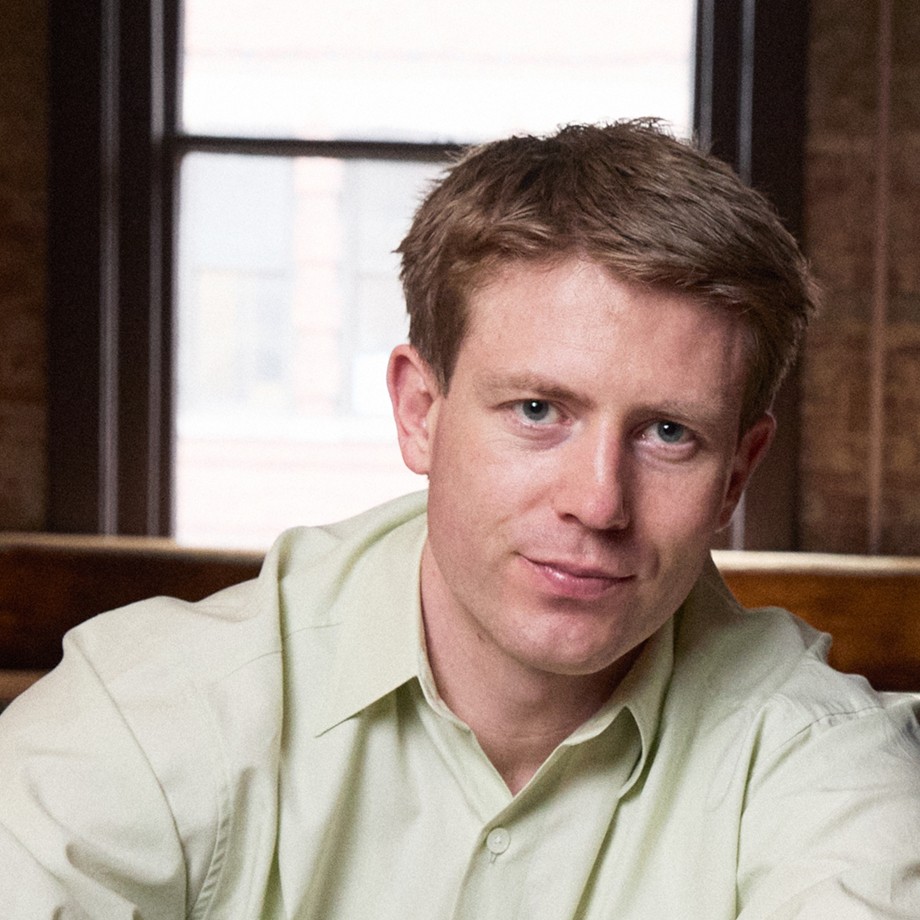
James Cadwallader and the customer who sends a machine
He helped brands win attention on YouTube and TikTok. At Profound, James Cadwallader is working out what happens when the reader is an AI agent shopping on somebody else’s behalf.

Syed Ali went looking for the next customer
Before Pie raised millions to help local businesses grow, Syed Ali was handing out flyers to find customers of his own. His wager is that AI should earn its keep at the shop door.

Sandeep Menon and the Banker Who Remembered
A small-town banker gave him an early example of personal service. After years at Google, the Auxia co-founder is trying to make that kind of attention work for millions of customers.

Brendan Sweeney and the trouble with a perfectly ordinary menu
A disappointing restaurant search in Paris gave Brendan Sweeney an idea. A career spent building websites, a distaste for corporate ego, and a persistent interest in what makes people click turned it into Popmenu.

Gushwork makes the quiet website talk
The forklift dealer. The compliance consultant. The manufacturer. Gushwork turns what they know into pages buyers can find - and inquiries a sales team can answer.
SparkX finds the customers hiding in plain sight
When a brand runs out of obvious buyers, the next move is better detective work. SparkX combines advertising AI with local market expertise to help brands find their next audience.

Daniel P. Maloney Followed the Traffic
A wedding-planning site led Danny Maloney to Pinterest, and Pinterest led him to Tailwind. His career turns on a practical habit: noticing what people need, even when it changes the plan.

SpotHopper gives restaurants their evenings back
The Milwaukee software company puts websites, promotions and guest follow-ups in one place. Its wager: independent restaurants need fewer marketing chores between them and the next full table.

Callbox and the art of getting a meeting
A Canadian software seller had plenty of marketing vendors and too much work between them. Callbox’s answer reveals what businesses actually buy when they outsource prospecting.
Tracy-Locke makes the sale part of the story
Five gallons of Pepsi-flavored ketchup explain this century-old agency better than a hundred pitch decks. Its specialty: giving people a reason to talk, then a reason to buy.

Justin Zhu and the business of being heard
He helped build Iterable into a $2 billion company, then helped Asian American leaders speak together. Justin Zhu’s next chapter returns to a familiar question: how do you get a message through?

Zack Holland’s unfinished business
From a neighborhood directory to SelectFew and Averi, Zack Holland has spent his career connecting people with the work they want to do. His next chapter includes Talvi, a writing habit, and a $100 laptop with very few distractions.
Good marketing starts with a better question.
Marketing Against the Grain turns HubSpot’s working marketers into a public classroom. Its most useful lessons begin where the tidy success story falls apart.

AI Explored: Put AI to work.
Michael Stelzner gave his new AI podcast 12 episodes to prove itself. By episode four, the experiment had become a permanent part of Social Media Examiner.

May Haim Kotlarsky and the human hand in the machine
Before leading The Brief, May Haim Kotlarsky co-founded an app for printable greeting cards. Her route through streaming, developer privacy, and monetization AI brings a maker’s history to the CEO’s desk.

Ryan Giese and the shirt that waited for spring
A delayed menswear collection, an Indiana trunk show, and a working life in AI. For Ryan Giese, software and shirts both invite a closer look.

Shahed Ahmed and the art of being understood
From reporting on Sega to testing AI tools at Merritt Group, Shahed Ahmed has spent his career studying the distance between what technology can do and what people need to hear.

Nicole Penn and the art of knowing what to keep
An artist became an agency CEO. As advertising hands more work to machines, Nicole Penn is making a case for the judgment, curiosity and working conditions that help people do it well.

Mega wants your marketing to run without you
A gaming team built AI tools to find its own customers. Now Mega sells the same proposition to small businesses: search, ads, websites and lead follow-up, with fewer jobs left on the owner’s desk.

Doceree wants pharma ads to follow the prescription
A physician-founded advertising company built its network where doctors read and work. Now Doceree is chasing the harder question: did the message help a prescription become a treatment?
Act-On and the art of never losing the next conversation
A sale can take months. A relationship can last years. Act-On sells marketers a way to keep both moving, without asking them to replace their entire software stack.

Search Atlas and the Trouble with Knowing What to Fix
SEO software has become very good at finding work for people. Search Atlas is betting that the more valuable business is getting that work done.
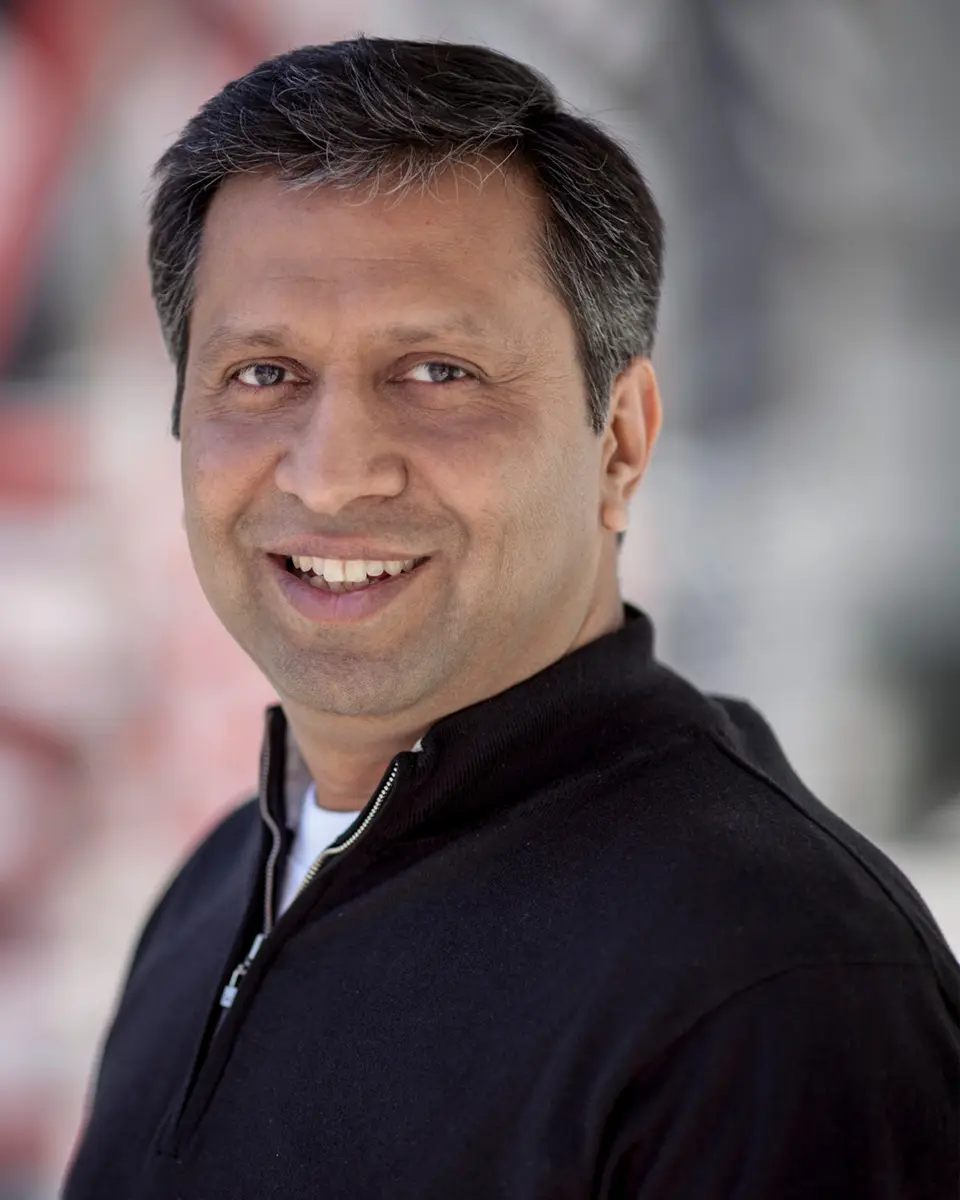
Abhay Parasnis and the Long Road from a Sinclair ZX81 to the AI Marketing Desk
A childhood computer in Pune led him through the machinery of enterprise software and into Adobe's creative world. At Typeface, he is trying to make the work between a marketing idea and a finished campaign run differently.

John Phillip Morgan and the Art of Building for the Next Turn
Before Jasper made AI writing familiar, JP Morgan had already built through failed software bets, a $300-a-month marketing client, and a difficult lesson in technical debt. His response was to build the next product so it could change quickly.

Ryan Doser Bet on Systems Instead of Staff
In 2019, Ryan Doser left a media-company job for a cramped desk and his first client. Seven years later, he is still working alone - with an agency, a YouTube audience, and a growing library of systems built from the work itself.

Dave Rogenmoser Built an AI Unicorn. Now He Is Building a Place to Belong.
The Jasper co-founder spent years learning what a product cannot do. His next venture trades prompts for putting greens, with an old lesson about friendship still doing the work.

Five Yeses Before a Single Line of Code
Malte Kramer sold the promise first, then built the product. A decade later, the former college forward is still running the same play: watch closely, test early, and make technology earn its place.

The Agency That Put the CEO in the Focus Group
Boathouse spent 25 years joining strategy to execution. Its most revealing product may be a recurring question posed to 150 chief executives: what, exactly, is marketing for?

The Advertising Agency Named Luckie Stopped Believing in Luck
For seventy-three years, a family name has carried an awkward promise. Luckie’s answer was to replace chance with data, then teach an old Southern agency to behave like a modern operating system for attention.
The Agency That Stopped Asking People to Pick One Box
EGAMI built its reputation by seeing what big brands missed. Now the multicultural agency is betting that the next useful demographic is not a box at all, but a whole person.