ai-founder
(46)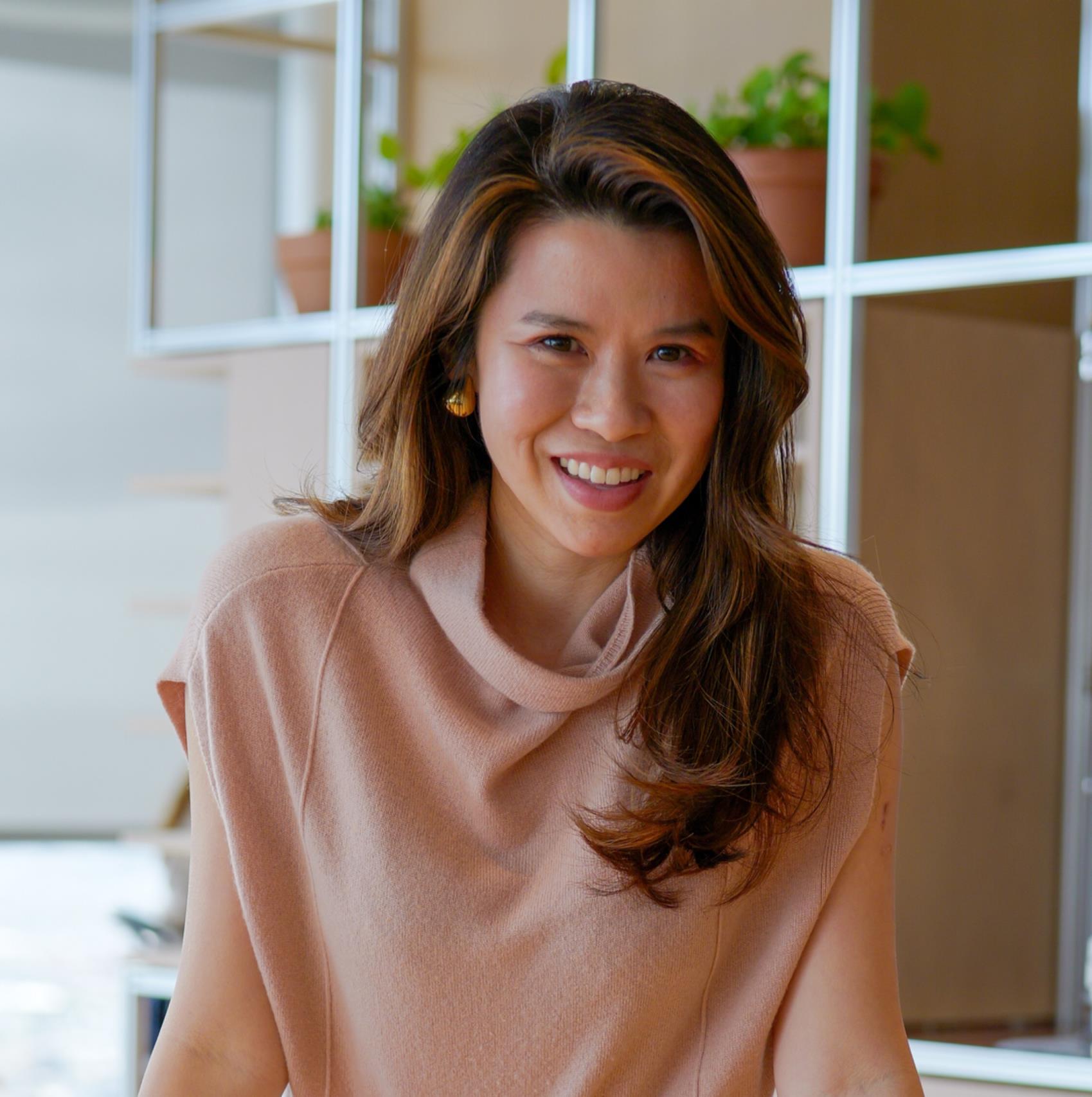
Jenny Shao Left a White Coat for a Memory Machine
She spent years studying how people remember, then walked away from a mapped-out medical career to ask a stranger question: what would software become if it could carry the history of a relationship?

Hassaan Raza Is Teaching Computers the Messy Art of Being Human
The Tavus co-founder collects obsolete computers, keeps a 1985 Corvette at the office, and has bet his company on a provocative idea: software should learn our language for once.
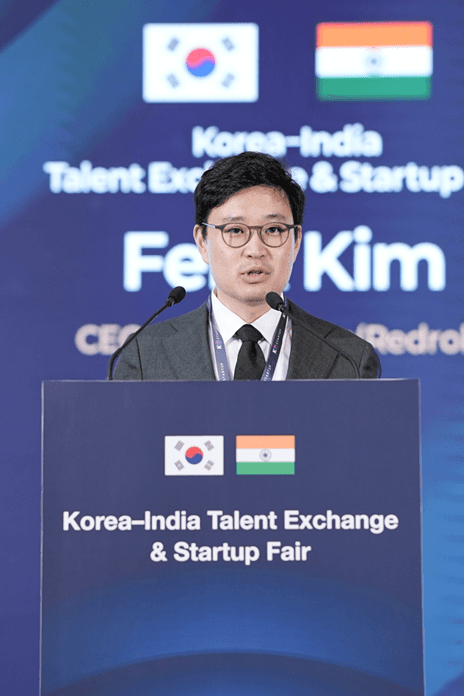
Felix Kim Is Building AI for the People Silicon Valley Priced Out
A shy child learned what it costs to arrive without context. A lawyer learned how institutions manufacture trust. Now Felix Kim is spending his second career trying to make both problems smaller with code.
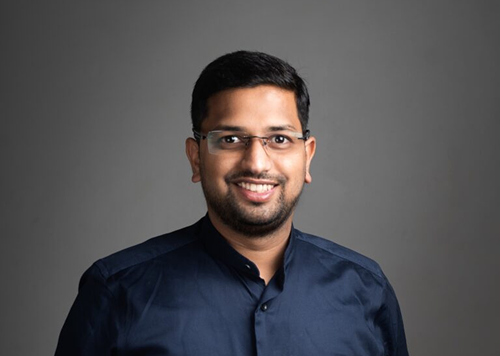
Bhushan Muthiyan Left Silicon Valley to Fix the Unfashionable Part of AI
The Automaton AI founder is betting that India’s AI advantage will be won in the plumbing: cleaner data, disciplined deployment and systems that work where enterprises actually keep their information.

Meer Patel Left the White Coat on the Hanger
He trained to become a doctor, learned to build AI, and chose the less obvious instrument. At Prana, Meer Patel is testing whether code can give physicians more reach without taking judgment out of their hands.
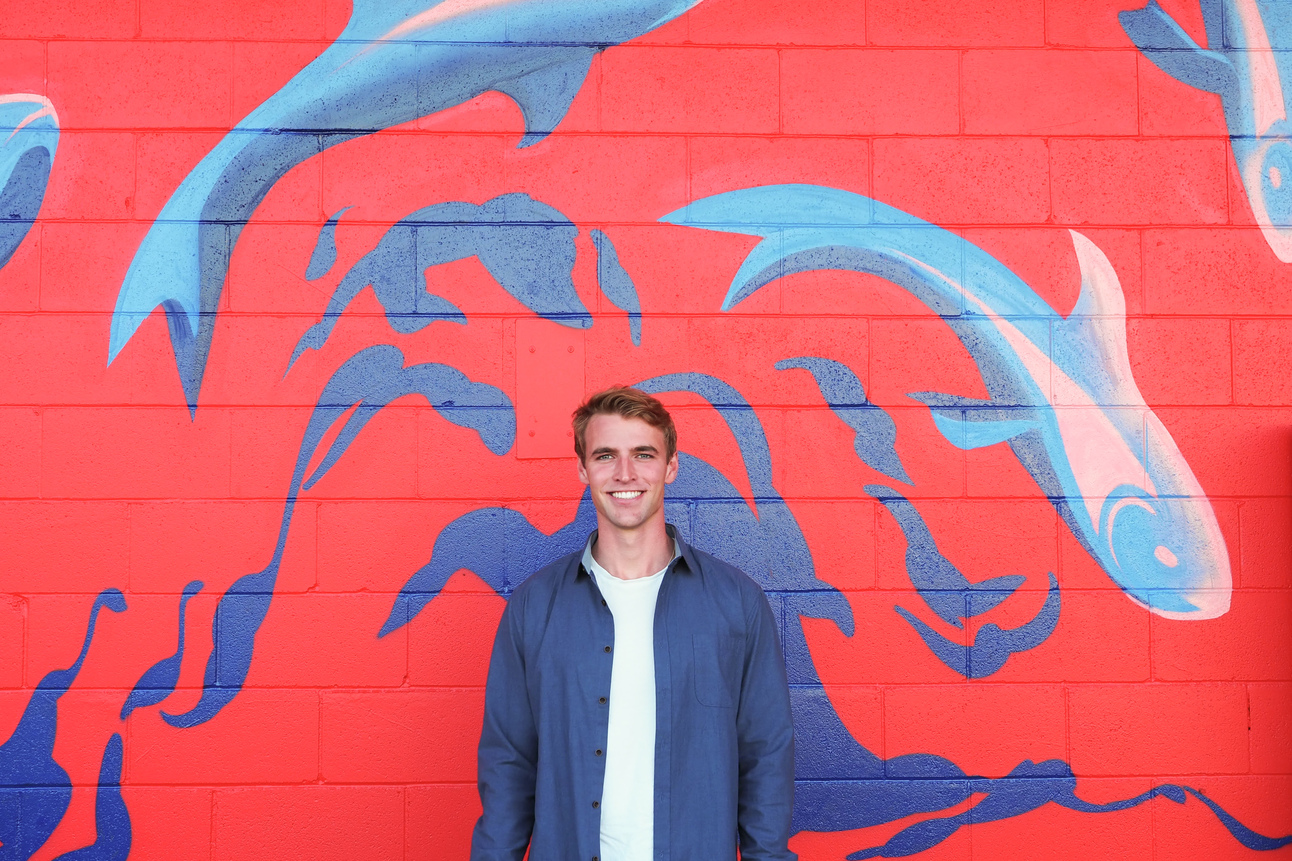
Alexander Dungate Taught AI to Watch the Water. Then the Horizon Got Wider.
A fisheries-science lecture gave Alexander Dungate a problem he could not leave on the next slide. Four years later, the Vancouver founder is teaching machines to find the rare moments buried inside oceans of video.
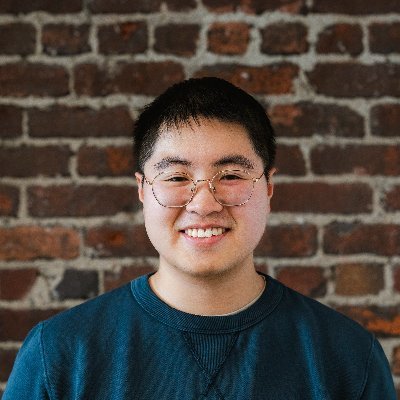
Kasey Zhang Is Teaching AI Agents to Practice
The former esports founder and AI investor is betting that useful agents will be shaped less by bigger prompts than by disciplined feedback, repeated practice and rewards that measure the work.
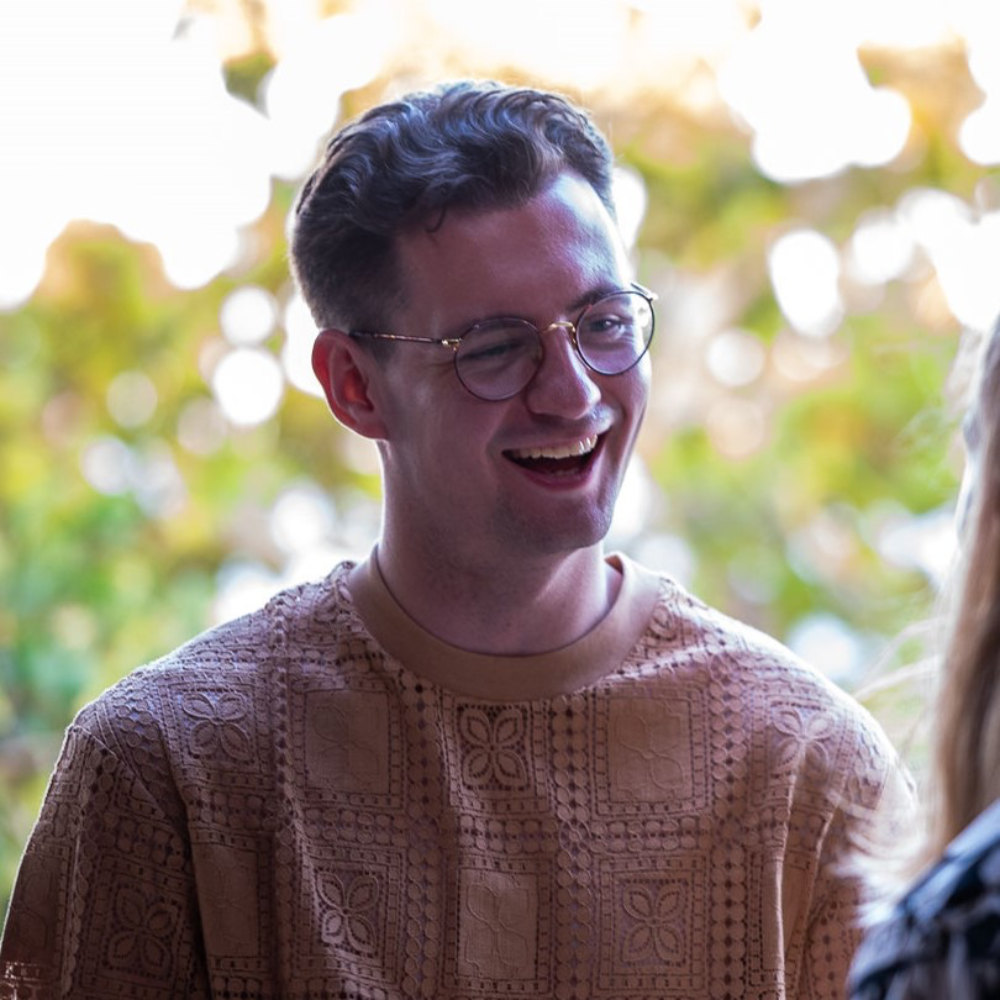
Haz Hubble Is Teaching AI to Remember the People We Forget
He left school, learned the language of finance, rebuilt his startup in code, and made it into Y Combinator. Now Pally's co-founder is betting that the most useful AI will sit quietly inside our relationships.
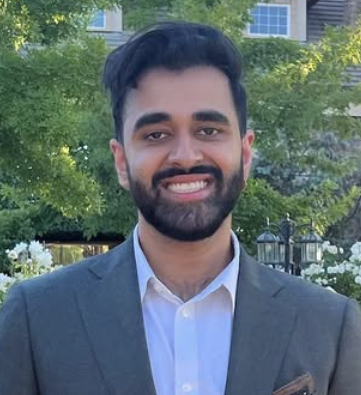
Samraaj Bath Keeps Turning Creative Restlessness Into Products
Before ION became an AI growth team for ecommerce, its founder sold chai ice cream from a garage, danced professionally and rebuilt a 1981 motorcycle. The through-line is less software than craft - and a stubborn wish to let more people make things.
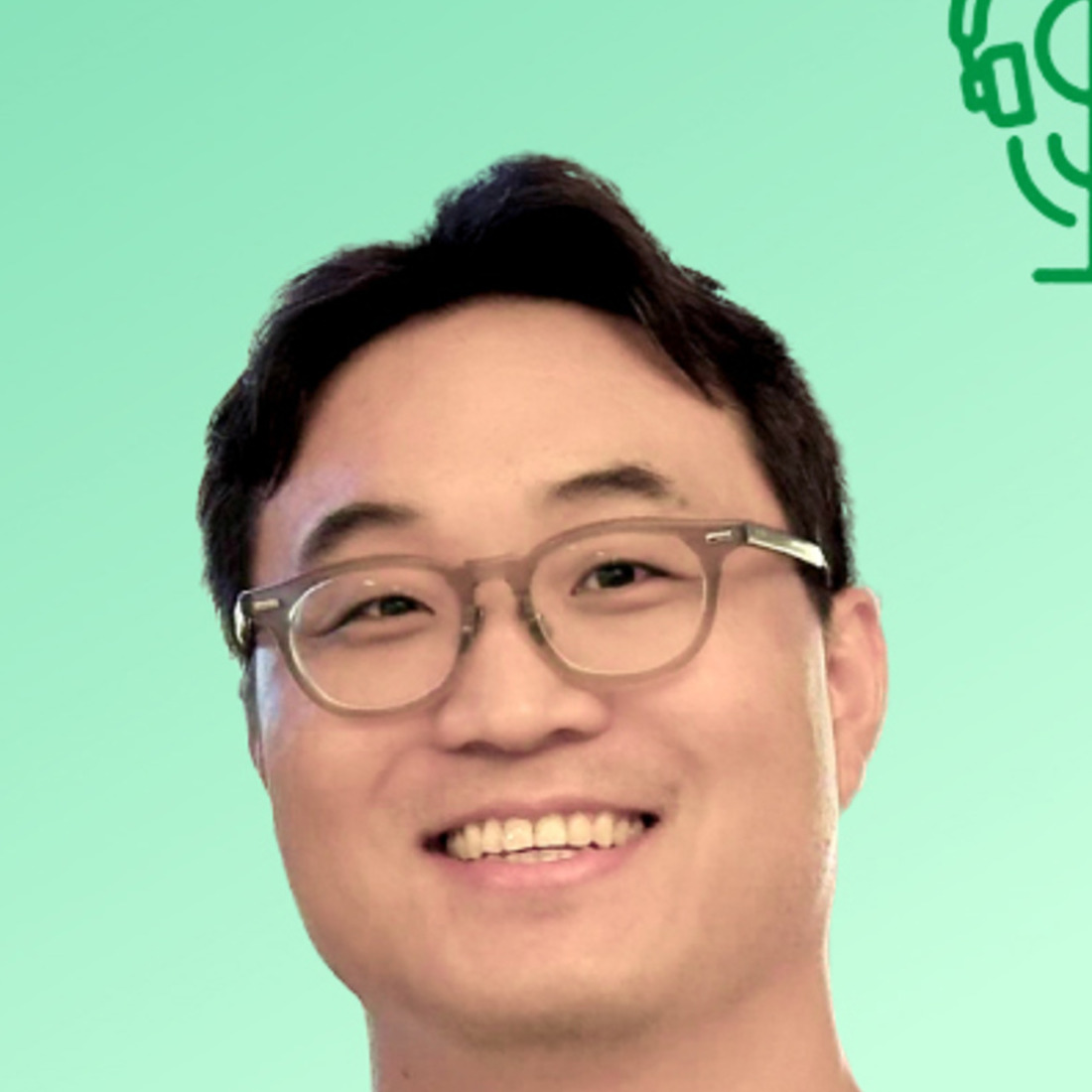
Joseph Lee Built an AI Company Around the Messiest Thing in Business: What People Mean
After a $200 million AI exit, Joseph Lee did not chase a louder machine. He built Syncly to hear the quiet signals inside customer complaints, support chats and social video - a second act shaped by a life spent translating between worlds.

Iqbol Temirkhojaev Started Coding at 11. Now He Is Teaching Legal Work to Move Faster.
The Wayco founder's unusual timeline runs from programming Olympiads in Tajikistan to Y Combinator in New York. His most useful lesson is less cinematic: launch sooner, listen harder, and learn the market before polishing the machine.

Gaurav Luhariwala Changed the Market, Not the Mission
He began with bank credit rules and arrived at a job agent in WhatsApp. The industries changed; Gaurav Luhariwala’s appetite for removing slow decisions did not.
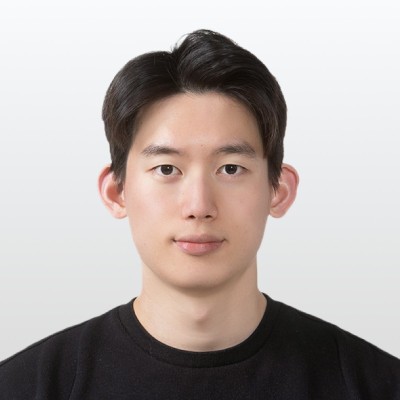
Andrew Chung Is Building an AI That Starts With Your Voice
He left Seoul National University to build, entered Y Combinator after a run of LLM experiments, and turned a founder's recurring blank-page problem into Typa. His wager is simple: the future of AI-assisted content begins with a conversation, not a prompt box.
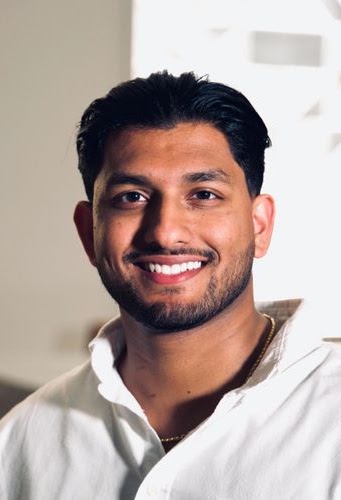
Krithik Puthalath Is Building AI for a World Beyond the Nvidia Queue
The Zyphra founder has turned a physicist's instinct for first principles into a full-stack bet on efficient models, open weights and an AMD-powered alternative for training and inference.
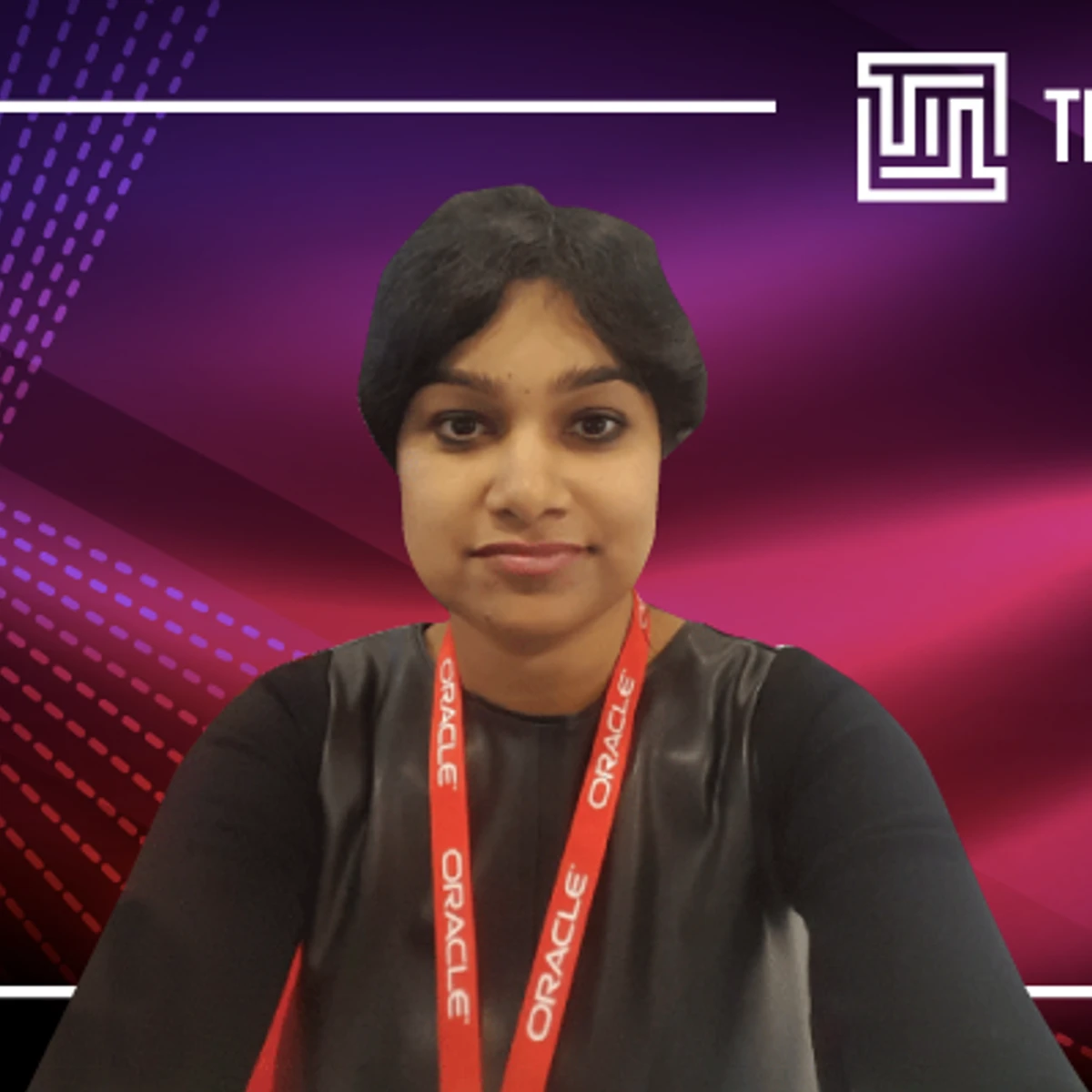
Deepti Yenireddy Is Teaching AI to Read the Physical World
From oil-field instruments to construction drawings, the Boon founder has spent two decades turning stubborn, real-world data into software people can inspect, correct and trust.
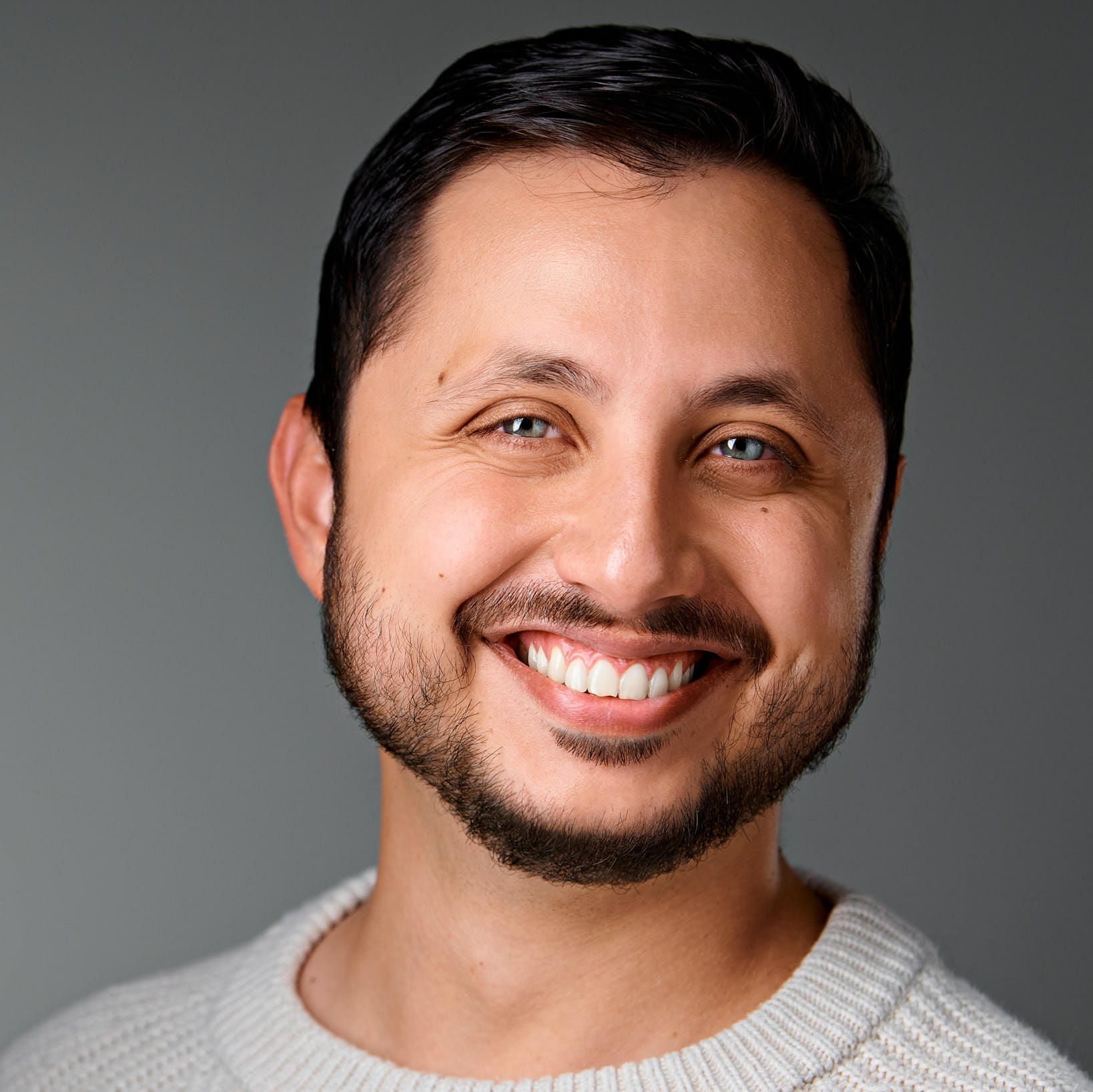
The Statistician Who Put AI to a Public Vote
Anastasios Angelopoulos spent years asking how unreliable models could produce trustworthy decisions. Then a bare-bones Berkeley experiment turned millions of ordinary users into the jury for the AI industry.
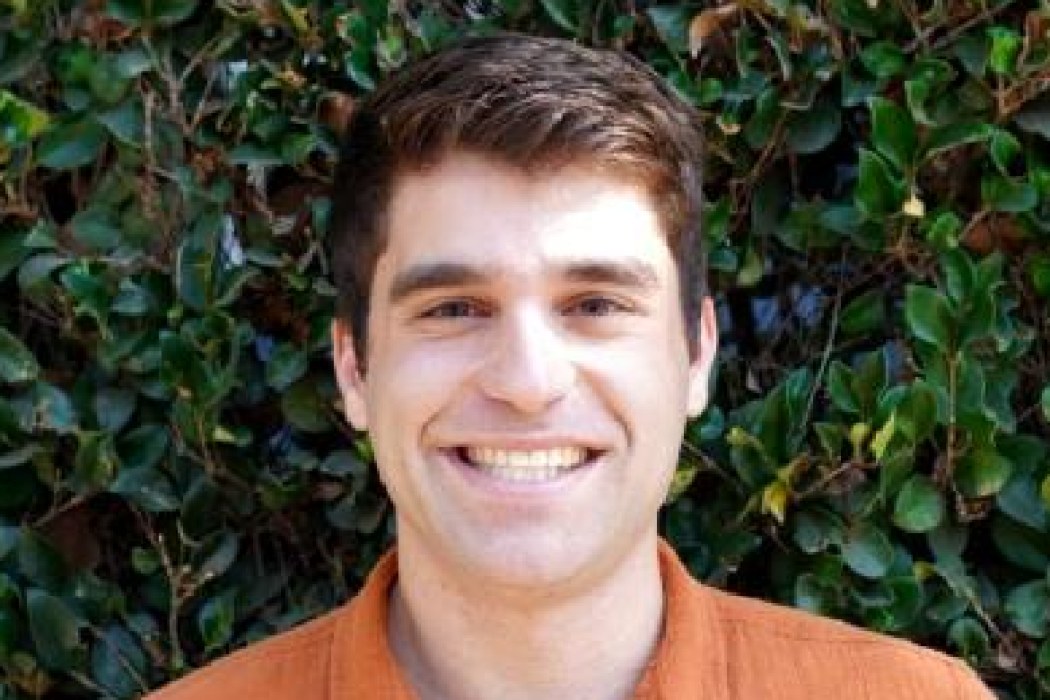
Yoav Zimmerman
Yoav Zimmerman is a San Francisco founder and machine learning engineer who is CEO and co-founder of Third Chair (YC X25), an AI-native IP enforcement agent that helps rightsholders find, stop, and monetize unauthorized use of their content. A Forbes 30 Under 30 honoree, he previously co-founded the social video analytics startup Trendpop (YC W21), grew it past $1M ARR with clients like Universal Music Group and MrBeast, and exited to Collab. Before startups he worked on machine learning at Google and at Determined AI.
Ryohei Fujimaki
Ryohei Fujimaki is the founder and CEO of dotData, a Silicon Valley enterprise AI company that automates feature engineering and data science. A machine learning PhD from the University of Tokyo, he became the youngest research fellow in NEC's 119-year history at age 33 before spinning dotData out of NEC to commercialize automated feature discovery. He has raised roughly $75 million to make predictive analytics accessible to a broader range of business users.
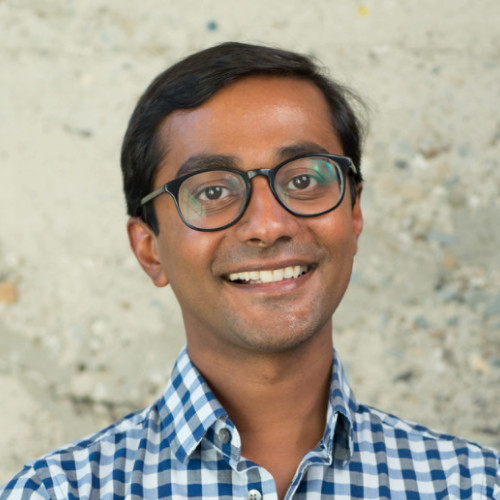
Srinath Sridhar
Srinath Sridhar is the co-founder and CEO of Regie.ai, an AI-native sales engagement platform based in San Francisco that automates prospecting and generates personalized outbound campaigns for enterprise sales teams. A computer scientist with a PhD in algorithms and machine learning from Carnegie Mellon and an MBA from Harvard, he spent time on Facebook's early engineering team and was a founding engineer at BloomReach before co-founding the supply-chain company Onera. He now argues for a humanistic approach to AI, one that hands routine work to machines so people can do the creative parts.

Steijn Pelle
Steijn Pelle is the co-founder and CEO of Lassie, a San Francisco AI company building an autonomous back-office worker that runs the financial admin of independent businesses, starting with dental and medical practices. A Dutch transplant to Silicon Valley with roughly 15 years in startups, he cut his teeth on consumer growth at HealthTap, Coinbase and Robinhood before founding Lassie in 2021. In June 2026 the company raised a $35M Series A led by Andreessen Horowitz, bringing total funding to $47M, while operating in more than 700 practices across 49 states.
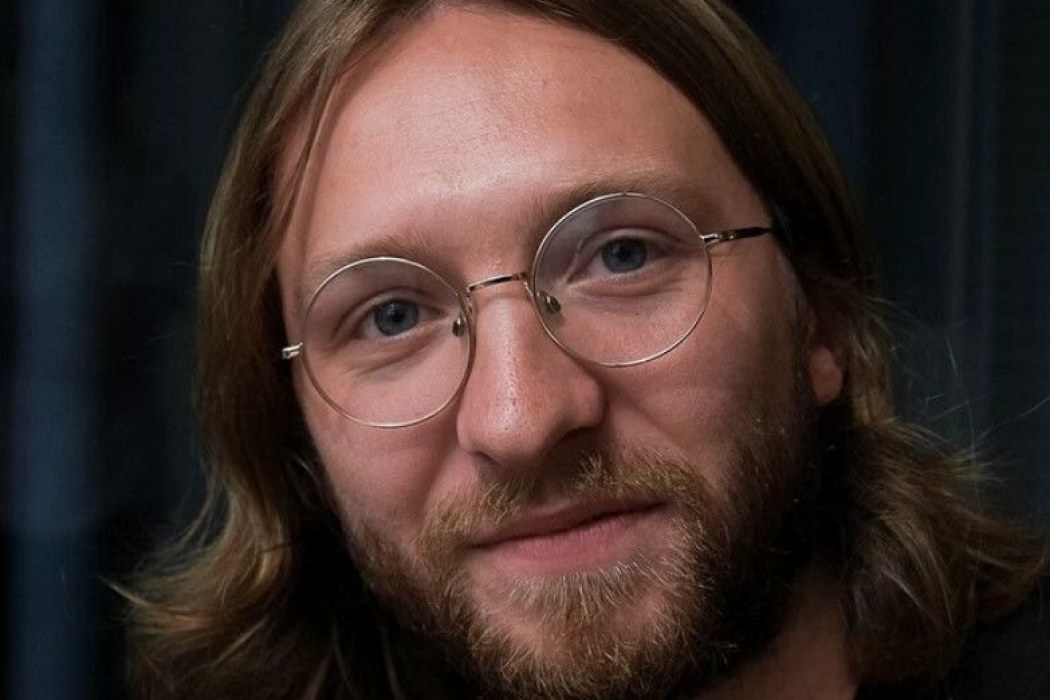
David Stout
David Stout is the co-founder and CEO of webAI, an Austin-based company building private, on-device artificial intelligence that runs on hardware people already own instead of centralized cloud data centers. Raised on a cattle ranch in northern Michigan, he taught himself to compress large AI models onto phones, laptops and edge hardware, and founded webAI in 2019 with Ethan Baird and Tyler Mauer. The company reached a $2.5 billion valuation in January 2026 on the thesis that the most valuable AI of the future will be sovereign, distributed and local rather than rented from Silicon Valley hyperscalers.
FX Leduc
François-Xavier (FX) Leduc is a French serial entrepreneur and CEO who builds AI companies that turn technical breakthroughs into products for large enterprises. He is currently co-founder and CEO of DeepIP, a New York-based AI patent assistant used by law firms and in-house IP teams, which he started in 2024 with longtime partner Edouard d'Archimbaud. The two previously built Kili Technology, a data-labeling platform for enterprise AI that raised over $30M and served customers like Airbus, SAP and Louis Vuitton. Across ventures, Leduc pairs a commercial, go-to-market instinct with a conviction that AI should augment expert professionals rather than replace them.
Ganesh Padmanabhan
Ganesh Padmanabhan is the co-founder and CEO of Autonomize AI, an Austin-based healthcare intelligence company that builds agentic AI to cut the administrative load carried by health plans and providers. After more than a decade at Dell and a growth role at enterprise-AI pioneer CognitiveScale, he launched Autonomize in 2022 to point AI at problems that actually matter in care delivery. He also hosts the Stories in AI podcast, interviewing more than 100 innovators a year, and in 2026 Autonomize was named a World Economic Forum Technology Pioneer.
Tullie Murrell
Tullie Murrell is the CEO and co-founder of Shaped, a New York startup building a real-time retrieval engine for search, feeds, and agents. Before Shaped, Murrell spent about five years at Facebook AI Research, where he created PyTorchVideo, the leading open-source library for video understanding, and was an early core contributor to PyTorch Lightning, a training framework now used by millions of developers. The video models he led powered Facebook newsfeed ranking and Instagram Reels. In 2021 he left big-tech research to package that same personalization machinery into a self-serve product for companies without armies of ML engineers. Shaped went through Y Combinator's W22 batch and raised an $8M Series A led by Madrona Ventures in July 2024.
Pam Dillon
Pam Dillon is the co-founder and CEO of Preferabli, a sensorial artificial intelligence platform that teaches software to taste. A former senior technology banker at Goldman Sachs turned serial inventor, she and co-founder Andrew Sussman launched the company (originally Wine Ring) over a decade ago on a hunch that smartphones would change how people discover wine. Today Preferabli pairs the world's largest assembled group of Masters of Wine and Master Sommeliers with machine learning built by PhDs in physiology and applied mathematics, cataloging more than 800 sensory characteristics to power personalized recommendations for the wine, beer, and spirits industries. Dillon holds 11 patents in AI, was named by Goldman Sachs among its 100 Most Intriguing Entrepreneurs, and calls this 'the most fascinating work I have ever done.'
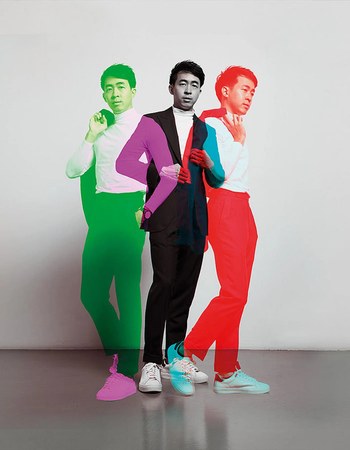
Joshua Wong
Joshua Wong is the co-founder and CEO of Hypotenuse AI, a Y Combinator-backed generative AI platform used by Fortune 500 ecommerce brands to write product descriptions, edit images, and manage product data at scale. A Cambridge computer scientist and former Amazon applied research scientist, he started coding at 11 and turned a side project for friends running online stores into a company serving over 500,000 users worldwide.
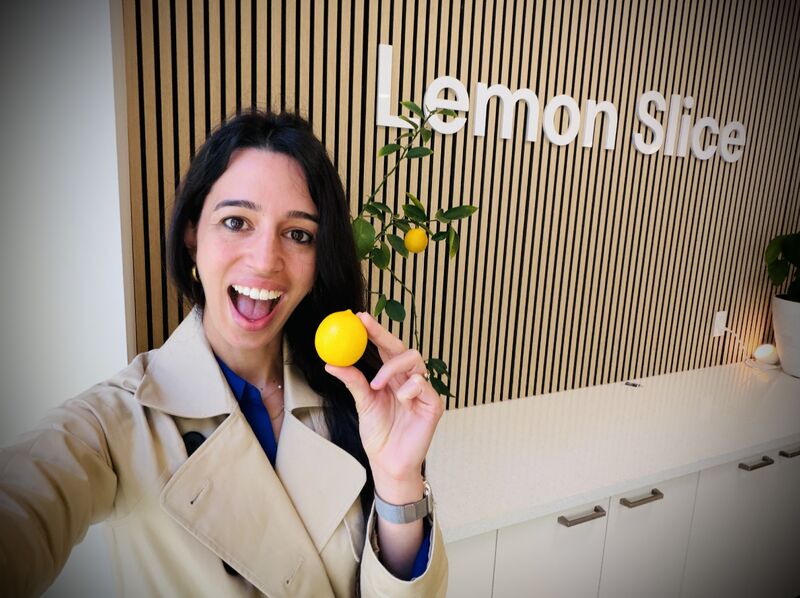
Lina Colucci
Lina Colucci is the co-founder and CEO of LemonSlice, a frontier AI lab building the world's first real-time interactive talking video models - tech that turns a single photo into a face you can hold a live conversation with. A former professional ballerina with a Harvard-MIT PhD in medical engineering, she has founded three companies, holds patents in biosensing, and raised $10.5M from Matrix Partners, Y Combinator, Dropbox's Arash Ferdowsi, Twitch's Emmett Shear, and The Chainsmokers. She bets that all video is heading toward being interactive and personalized to whoever is watching.
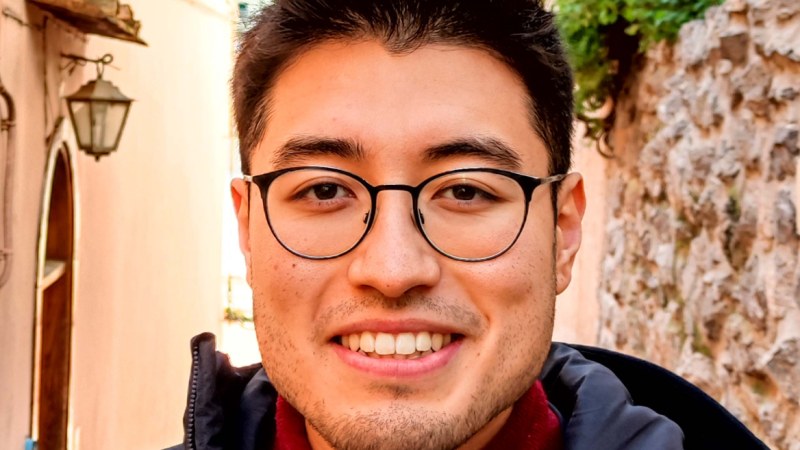
Baptiste Bouvier
Baptiste Bouvier is the founder and CEO of Daptic (formerly DiploAI), a New York-based AI startup building regulatory intelligence infrastructure for global manufacturers. The platform monitors more than 10,000 regulatory sources worldwide, flags changes within 24 hours, and helps engineering, product, and compliance teams act on obligations early. Raised between Tokyo, Sydney, London, and Boston by entrepreneur parents, Baptiste studied computer science and political science at MIT and public policy at Oxford, taught negotiation, founded MIT's first entrepreneurship club, and worked at McKinsey before turning regulatory bottlenecks into a company.

Drishan Arora
Drishan Arora is the co-founder and CEO of Deep Cogito, a San Francisco AI lab building toward general superintelligence through openly released reasoning models. A former senior engineer at Google who led large language model work for its generative search, Arora left to chase a contrarian bet: that intelligence improves not by searching harder but by building better intuition. His team trained the Cogito family of hybrid reasoning models - which can answer instantly or stop to think - in roughly 75 days, then scaled to a 671-billion-parameter model his company calls the strongest open-weight LLM from a US firm. The method underneath it all, iterated distillation and amplification, lets the models internalize their own reasoning paths and self-improve.
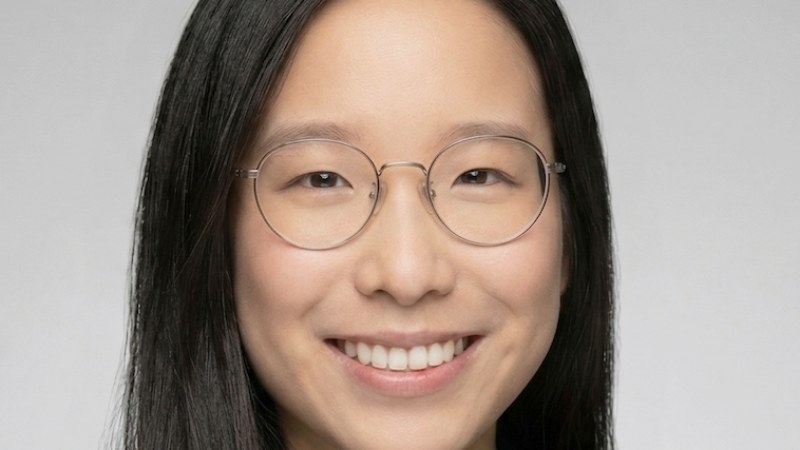
Emma Qian
Emma Qian is the co-founder and CEO of Nova Intelligence, a San Francisco startup building an agentic AI platform that analyzes, modernizes, and generates custom code for SAP systems. A former research engineer at Google DeepMind and software engineer at Meta AI, Caltech-trained Qian left frontier AI research to attack one of enterprise software's least glamorous and most expensive problems: the migration of decades of custom SAP code to S/4HANA. Nova has raised over $40 million, including a $31.5 million Series A led by Chemistry with backing from Accel, Conviction, and SAP.io, and counts customers like Festo who report working roughly five times faster. She is a Forbes 30 Under 30 honoree.