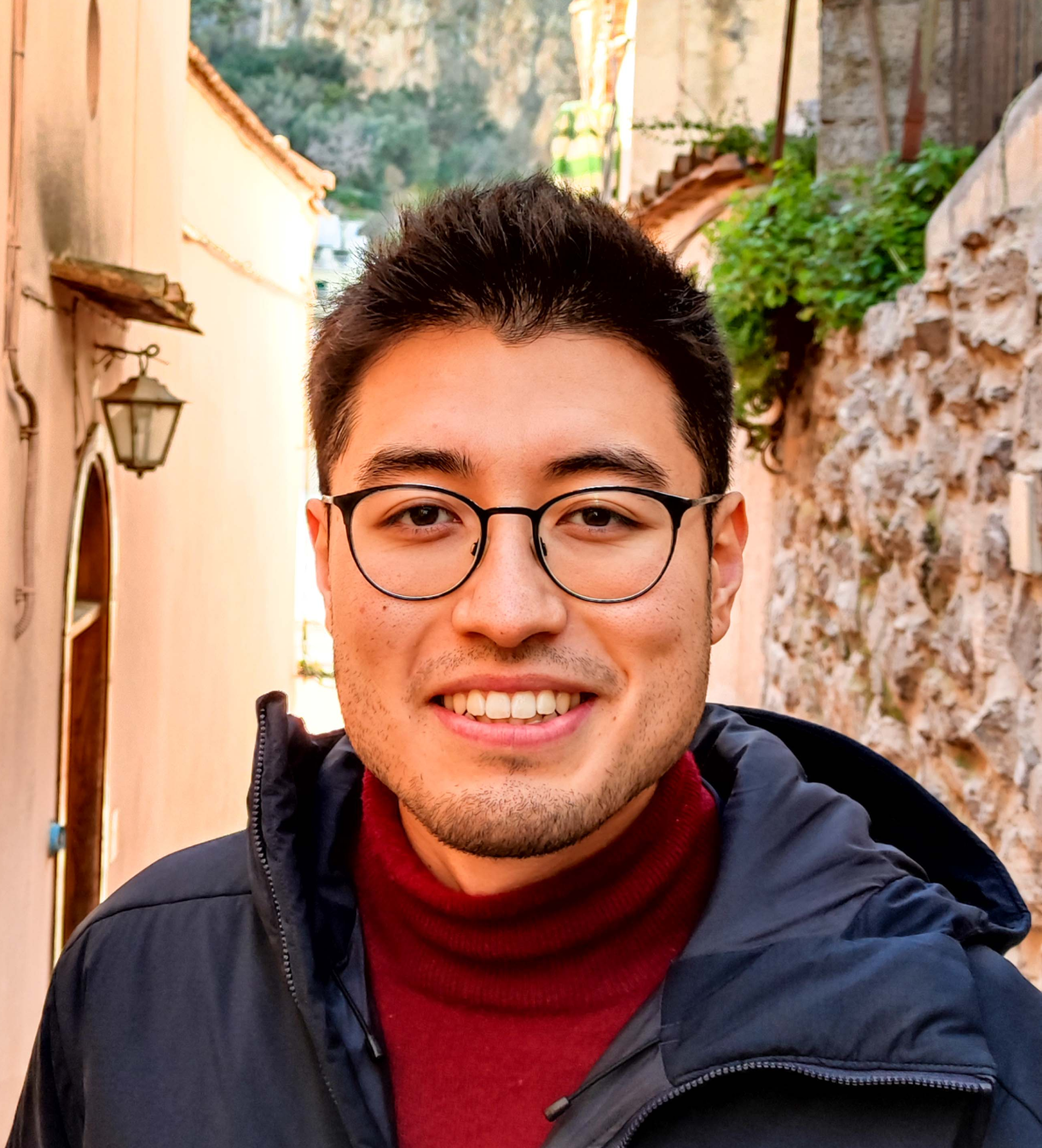
He spent a childhood crossing borders and a career crossing disciplines. Now he points machines at the world's rulebooks - the fine print that decides whether a product ships or stalls.
Most compliance failures are not dramatic. They are quiet. A standard updates in one jurisdiction. A material gets restricted. A horizontal rule like PFAS sweeps across product lines that nobody thought to check. By the time an engineering team notices, the redesign is expensive and the calendar is gone. Baptiste Bouvier built a company on the unglamorous truth that nobody can read everything - so a machine should.
Daptic, the New York startup he founded in 2023 as DiploAI, is an AI-powered regulatory intelligence platform. It watches more than 10,000 regulatory sources around the world, flags changes within a day of publication, and tells engineering, product, sourcing, and compliance teams which obligations actually apply to what they are building. The pitch is plain: catch the rule early, before it becomes a recall, a fine, or a delay.
The mission, in the company's own words, is to build "the infrastructure for how manufacturers understand and act on regulation." That is a big sentence for a quiet problem. It fits the person who wrote it.
Figures per Daptic and public funding records (DiploAI seed rounds, 2023).
Born to French and Japanese parents, Baptiste grew up in Tokyo, Sydney, London, and Boston. His parents built their own business from scratch, and the lesson stuck: work hard, learn constantly, and assume the world is bigger than the room you are standing in. He studied Chinese for seven years on top of his parents' two native tongues - the kind of detail that explains a person more than a resume line ever could.
At MIT he refused to pick a lane. Computer science and political science, side by side, plus public policy at Oxford. He taught undergraduate negotiation. He researched crisis negotiations with the Harvard Kennedy School. He founded MIT's first entrepreneurship club and, as a student, advised Kentucky's governor on how to grow more of them.
His philosophy is built into how he moves through the world: "It doesn't make sense for any one culture to have identified the best way to live life." He hosts a podcast on cultural difference, reads international literature, and treats his own assumptions as drafts to be revised.
It doesn't make sense for any one culture to have identified the best way to live life.
The platform scans 10,000+ global regulatory sources and flags relevant changes within 24 hours of publication - including the horizontal rules, like PFAS, that hide across product lines.
Applicability analysis maps obligations to the actual product, so teams see the requirements that matter early - not after a redesign is already on the calendar.
Regulatory, engineering, product, and sourcing teams work in one system, turning compliance from a last-minute scramble into part of how products get built.
Before regulation, Baptiste built computer vision algorithms to detect diabetes from iris images and helped the Australian government apply machine learning to education data. The thread is consistent: take something dense and hard for humans to parse - a retina, a dataset, a 400-page directive - and let a model surface the signal.
Regulation was the version of that problem he could not unsee. Through earlier work he watched compliance bottlenecks slow product development from the inside. Engineers were not failing for lack of skill. They were drowning in documents nobody had the hours to read. That frustration is the seed of Daptic.
It is also why a negotiation teacher with an entrepreneurship club and a cross-cultural podcast ended up in regtech. Regulation is, at its heart, a coordination problem across functions, languages, and jurisdictions. He has been training for that his whole life.
DiploAI's seed rounds drew a notable bench of early-stage investors, including:
Investor list per public funding records for DiploAI.
Tokyo, Sydney, London, Boston. The childhood reads like a flight itinerary - and it shows up in how he frames problems globally by default.
On top of French and Japanese at home. The man collects languages the way other founders collect frameworks.
He started MIT's first entrepreneurship club - then advised a US governor on how to make more entrepreneurs.
Computer vision to detect diabetes from an eye scan. Proof he liked hard reading problems before regulation found him.
He taught it to undergrads and researched crisis negotiation at Harvard Kennedy School. Compliance is a negotiation too.
DiploAI grew up into Daptic in 2026 - same founder, broader claim: the operating system for regulation.