adtech
(83)
Harmonica gives a good story more than one job
A countertop garden, a cauliflower pizza and a jar of honey reveal how this agency works: find a reason to believe, then put it to work across the buying journey.

Permutive Wants Publishers to Sell What They Know
Publishers know their readers. Too often, somebody else gets paid for that knowledge. Permutive is building the software to change the transaction - and now wants AI agents to handle more of the work.
LoopMe wants to know if the ad changed your mind
The London adtech company turns consumer surveys into instructions for the next ad buy. With Chartboost in its pocket, it is taking that feedback loop deeper into mobile games, apps and connected TV.

Admixer wants you to run your own ad business
The company that began by selling ads on Ukrainian websites now sells the machinery behind the market. Its pitch to agencies and publishers: keep more control over the audience, the auction and the money.
Infillion Bought Ad Tech’s Wreckage. Now It Wants to Be the Operating System for Every Ad.
A social-good startup became an ad company, survived Disney, bought MediaMath out of bankruptcy for $22 million and rebuilt nine pieces of ad tech into one modular machine. With Catalina now inside, Infillion is trying to connect the ad you saw to the cereal you actually bought.
He Drove Uber to Keep JamLoop Alive. Now It Wants to Make TV Ads Behave Like Search.
JamLoop survived a broad first act, a bootstrapped near-death stretch and an industry addicted to fuzzy metrics. Its second act is a sharper bet: sell local advertisers the reach of television, the controls of digital and proof that reaches beyond a click.
Scope3 Found the Waste in Your Ad Budget. Now It Wants AI Agents to Spend It.
The ad-tech veterans behind Scope3 built a carbon meter for the internet's advertising pipes. Four years and $45 million later, they are turning that map into an AI marketplace - with real budgets, open standards and a hard question about who gets to make the buy.

PatientPoint Turned the Doctor’s Waiting Room Into Healthcare’s Most Valuable Ad Slot
The company found a business hiding in medicine’s dead time: give practices useful screens, give patients timely education, and let health brands pay for access to the moment when attention is unusually high.
LiftLab Wants Marketers to Stop Taking Credit - and Start Proving What Their Ads Actually Caused
Ad platforms are generous graders of their own homework. LiftLab gives growth teams a sterner test: what changed because the ad ran, how far can spending scale, and when should the money move somewhere else?

RZR Is Betting the Next Great Mobile Ad Won't Stay on Your Phone
After 16 years as Aarki, the mobile ad veteran changed its name and widened its field of view. Its new pitch is simple: one learning system should follow performance from the first TV impression to the returning app customer.

Zeta Global Threw Away Two-Thirds of an Acquisition - and Kept the Piece That Built a $1.3 Billion Machine
The company began by buying customers for brands. Then it bought a software business, sold most of it, and discovered the platform it wanted to become. Now Zeta is asking CMOs to swap a messy stack for one data-and-AI operating system.

Pixability Bet Brands Would Pay to Make YouTube Less Chaotic
YouTube has the audience, Google has the auction, and advertisers still have a thousand ways to waste an impression. Pixability built its business in that gap - selling data, judgment, and control to brands that cannot afford to guess.
MINT Wants to Be the Operating System for Advertising - Before AI Makes the Mess Worse
Brands bought thousands of marketing tools and still run billion-dollar media operations through spreadsheets. MINT's bet is simple: unify the data, map the workflow, then let specialized AI agents handle the busywork without handing them the keys.
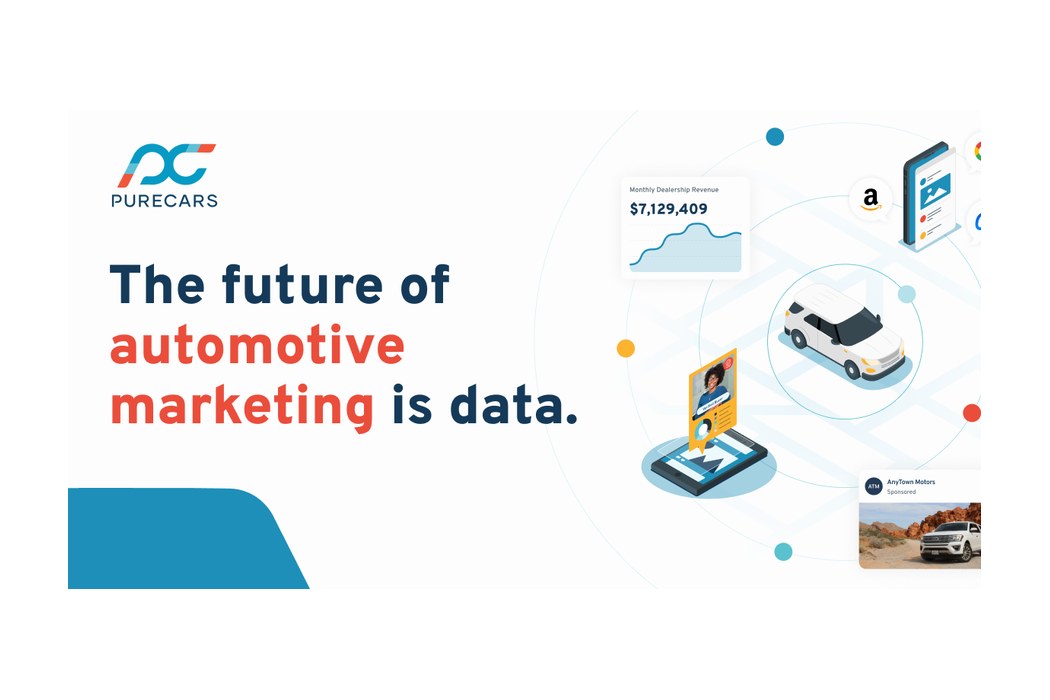
PureCars Found a $250 Million Blind Spot in the Dealership Ad Budget
Car dealers do not lack data; they lack a clean way to act on it. PureCars built a business by connecting the messy records in the dealership basement to the ads, messages and appointments happening upstairs.

DeepIntent Survived the DSP Winter - Then Taught Pharma Ads to Count Prescriptions, Not Clicks
The New York ad-tech company nearly ran out of road when venture funding for new DSPs froze. A decade later, it sells pharma marketers something the open web rarely offers: a way to connect media spend with clinical outcomes.
Viant Survived Myspace. Now It Wants to Prove Your TV Ad Was Actually Watched
The 27-year-old adtech company outlived the portal era, bought and carried Myspace, and emerged with a sharper bet: connected-TV ads should be addressable, explainable, and measured by more than a play button.
PATTISON Outdoor Put Canada on the Map. Now It Wants to Turn Every Commute Into Data.
The billboard incumbent is pairing a century-old physical network with 20 billion data points, 3D previews and its first U.S. airport. The clever part is not the screen - it is making outdoor media easier to plan, buy and defend in a spreadsheet.

illumin Bet Its Company on a Canvas - Now Marketers Can See Where the Money Leaks
The Toronto ad-tech firm renamed itself after its biggest product bet: a visual map of the customer journey. After a bruising transition, the numbers are moving again - and the most useful lesson is not about AI, but when to change the plan.
Fraud Blocker Wants Marketers to Stop Paying for Ghosts
Mike Schrobo spent years buying traffic and wondering how much of it was human. His answer is a small Los Angeles software company that scores every suspicious click - then tries to stop the next one before it reaches the bill.

The Dashboard Is Dead. Newton Research Wants Its AI Agents Holding the Media Budget
Marketing teams have plenty of dashboards and too few answers. Newton Research is betting that a trained, auditable crew of AI agents can turn scattered data into decisions - and carry those decisions all the way into the media buy.
Clinch Wants to Turn One Ad Into Thousands - Without Turning Your Marketing Team Into a Factory
The New York ad-tech company found a lucrative enemy: the spreadsheet-and-handoff machinery behind modern campaigns. Its answer is Flight Control, a platform that versions, serves and learns from ads across channels - while leaving the big creative decisions to people.
Cognitiv Bet on Deep Learning Before It Was Cool - Now It Wants to Kill the Static Audience
Three fifth-grade friends built a neural-network ad company in 2015, when the pitch still needed explaining. A decade later, Cognitiv is turning campaign briefs into live media decisions - and testing whether marketers will trade static segments for models that keep changing their minds.

The Startup That Turned 2,300 College Newspapers Into One Checkout
A former college newspaper editor got tired of cold-calling campuses one at a time. So he built the switchboard - and turned 2,300 student media outlets into a single ad buy for brands chasing 20 million students.

Icon
Icon is a New York startup that launched in 2024 as 'the world's first AI Admaker' - software pitched as ChatGPT plus CapCut for churning out short-form video ads in minutes. Founded by serial entrepreneur Kennan Davison (aka Kennan Frost) and backed by a $9.2M seed round led by Peter Thiel's Founders Fund, Icon paid a reported $12M for the icon.com domain and drew backing from OpenAI, Cognition and Pika executives plus celebrity angels. After users complained the fully-automated product fell short, the company pivoted toward human-filmed UGC ads (six ads for $999) branded 'The Human Admaker,' before reports in early 2026 said it had gone quiet.

PebblePost Put the Pixel in the Mailbox - Now It Wants the Living Room
The New York ad-tech company made direct mail behave like digital retargeting. Its next act is applying the same transaction-powered engine to connected TV - with the household, not the cookie, at the center.
TripleLift Wants to Fix the Internet's Most Ignored Product: The Ad
The ad-tech company built its first business by making ads fit the page. Now it is trying to coordinate creative, data, inventory and measurement before the impression ever reaches a screen.
StackAdapt
StackAdapt spent a decade turning the demand-side platform into something closer to a marketing control room. Its bet is that the next advantage in advertising will come from connecting the channels marketers already use - and making the machinery easier to operate.

Perion Network
The Israeli adtech company spent a decade buying its way across every screen. Now, after Microsoft pulled the rug on its search business, Perion is betting the whole company on one AI platform - and on the screens Google can't own.
The Trade Desk
The Trade Desk built a $2.9 billion business by making one unusual promise: it would help advertisers buy media without owning the media itself. Now its AI, identity tools and TV ambitions are testing how far neutrality can scale.
Teads
Teads wants to make the fragmented open internet buyable like one coherent medium. After combining Outbrain's performance engine with Teads' premium video and creative stack, its wager is that the web outside the walled gardens can compete screen by screen - including the biggest one in the house.