adtech
(81)
Lynn Tornabene Puts Marketing in the Product Room
After two decades inside digital advertising's pivotal companies, Lynn Tornabene is joining two jobs that businesses often keep apart - and turning the customer feedback loop into the work itself.

Matthew Duffy Is Teaching Advertisers to See the Whole YouTube Screen
After three decades near the fault lines of digital media, Pixability's CMO has a plain-spoken case for YouTube: stop treating its ads, creators, and brand channels as separate worlds.
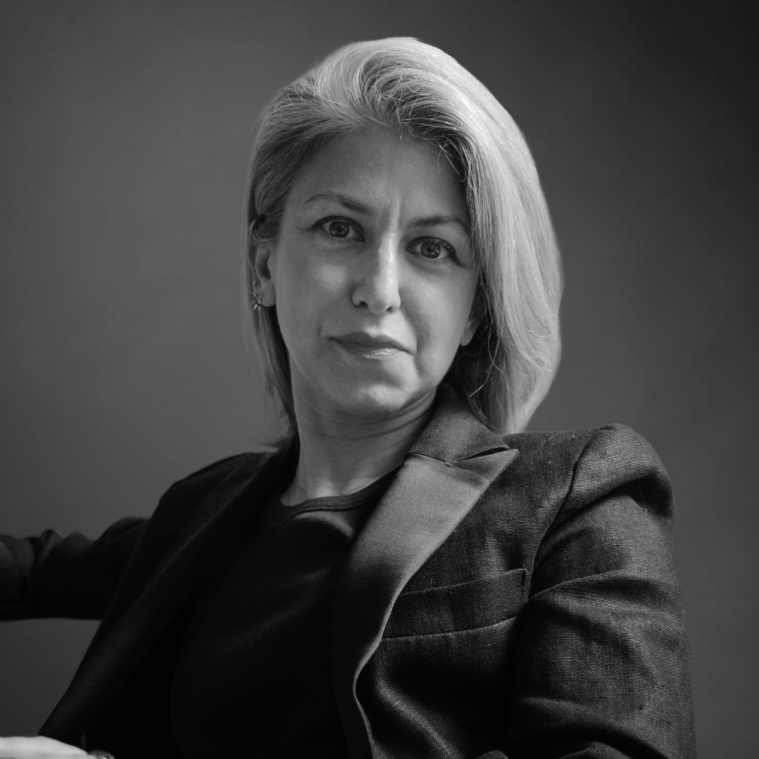
Christina Cubeta Wants Marketing to Keep Its Soul - and Show Its Work
After helping scale adtech, modernize a flower business and turn motherhood into an operating credential, Christina Cubeta is asking a harder question: what should marketing preserve when machines begin making the buys?

Laurel Rossi Built a Career Where Growth and Belonging Share the Same Brief
From selling her own digital agency to challenging adtech's 'sea of sameness,' Laurel Rossi has made one idea unusually consistent: growth works better when more people can take part in it.

Jon Lorenzini Wants Marketing’s Prettiest Graphs to Earn Their Keep
After years inside Google, Facebook and Snap, the LiftLab executive has arrived at a bracing standard for analytics: if a dashboard does not change a decision, it is décor.

Nancy Roberts Is Making Ad Tech Speak Human
After years spent selling algorithms, retargeting and creative technology, RZR's chief marketing officer keeps returning to a stubbornly analog advantage: speak clearly, notice the person, and build the room you once needed.

Shachar Orren Left the Newsroom - Then Built the Business Meant to Keep Newsrooms in Business
After nearly a decade editing other people’s stories, Shachar Orren joined a six-person startup and learned to sell. Twelve years, one rebrand and several pivots later, she is still working on the same stubborn question: how can publishers turn attention into a business without making the audience pay the price?

Jeff Fagel Wants Television to Show Its Work
After a career stretching from margarine and Kmart to streaming ads and AI, the Chicago CMO keeps returning to one stubborn question: did the marketing move the business?

Jon Schulz Has Spent a Career Making Advertising Answer for Itself
From Windows 3.0 migrations to Ford's digital showroom and Viant's AI-era advertising platform, his work keeps returning to one stubborn question: did the marketing actually work?

Ju-Kay Kwek Has Spent 15 Years Making Data Less Precious
Before AI could answer a revenue question, someone had to make the numbers trustworthy. The Switchboard co-founder has built a career in that stubborn, essential gap.
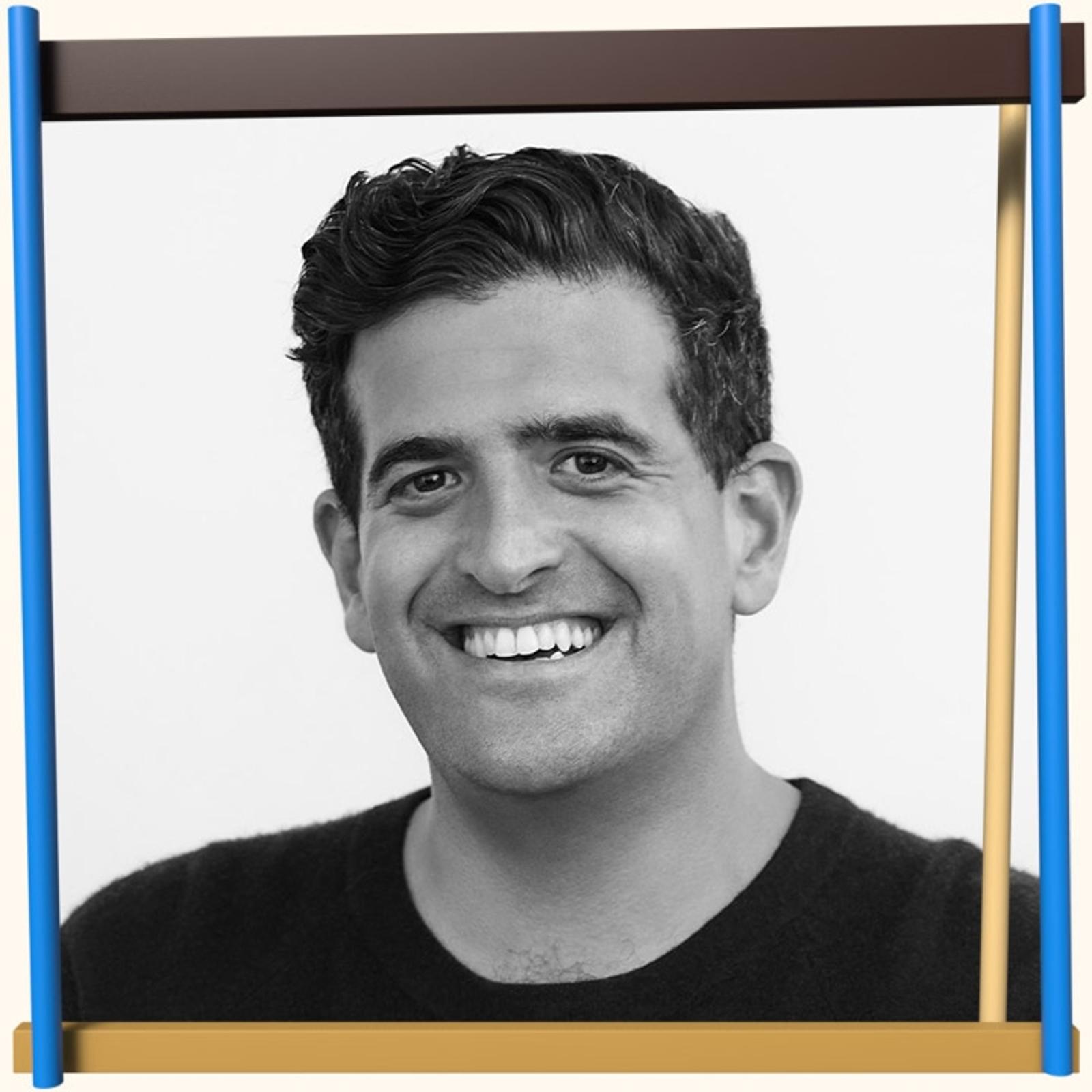
Arthur Leopold Is Teaching Advertising to Follow the Crowd
He learned early that attention moves faster than institutions. Now the former Cameo president is building Agentio to help advertising money catch up with the creators who already have the crowd.

Alex Kronman Put the College Newspaper Back on the Media Plan
He found a market hiding in plain sight: thousands of campus outlets, millions of hard-to-reach students, and an advertising system still powered by phone calls. His fix began at the editor's desk.
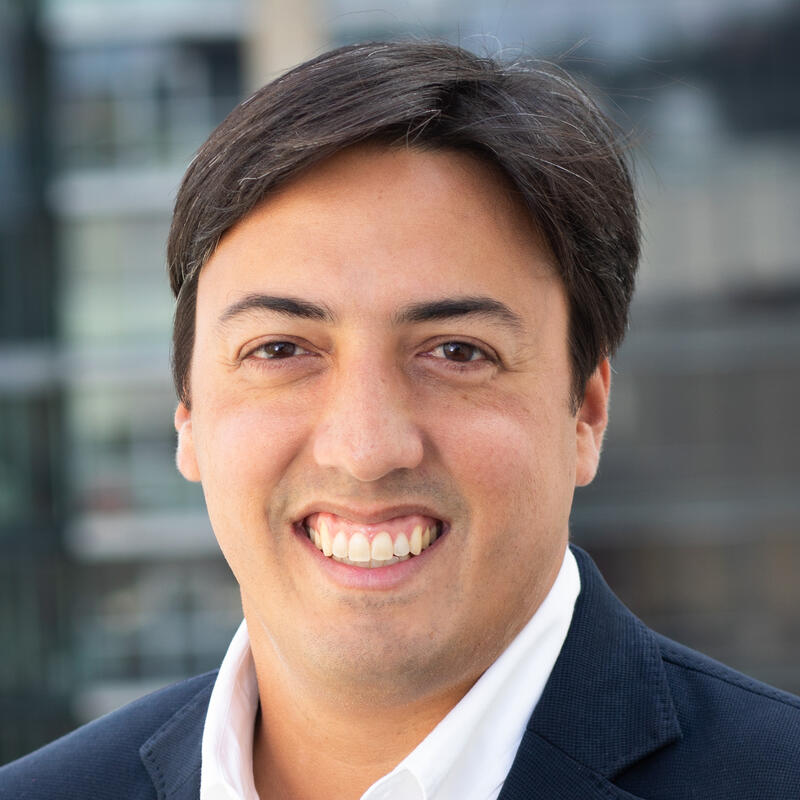
Jeremy Fain Learned to Read the Internet. Then He Taught It to Bid.
The Cognitiv co-founder spent two decades learning how digital advertising actually works. His more revealing operating system was built earlier - in code, competition and the company of two childhood friends.

Oz Etzioni Is Redesigning the Awkward Machinery Behind Every Ad
Before Clinch, Oz Etzioni moved from military aviation to industrial design to Madison Avenue. The common thread is a designer’s impatience with clumsy systems - and a belief that machines should handle repetition while people keep the interesting work.
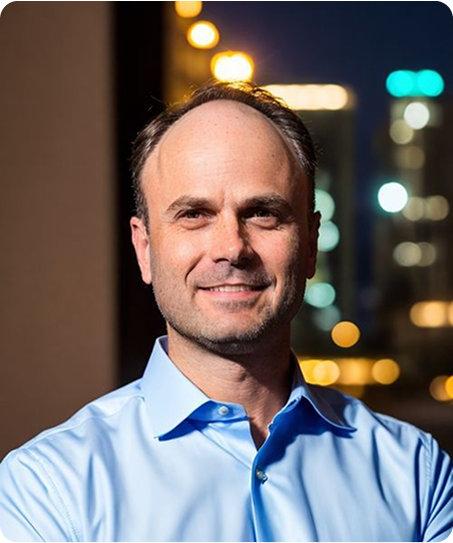
John Hoctor Keeps Asking What Happens After the Dashboard
Three companies, two acquisitions, and one stubborn idea: the useful part of analytics begins when a neat chart fails to answer the next question.
Zvika Netter Spent 18 Years Making TV Ads Less Dumb
He started with clickable objects inside video. The more durable invention was an independent control layer for a television business learning to speak software.
Mukund Ramachandran’s Long Road From Ad Tech to the HSA Moment
After two decades turning complex software into stories buyers could use, the HealthEquity CMO has a new brief: make an underused financial account legible to millions more Americans.
The Marketer Who Keeps Switching Industries On Purpose
She has sold copiers, retirement plans, viral video, stadium sponsorships and ad technology. The through-line is not the product. It is the argument for why the product matters.
Cathy Oh
From a college internship at Bravo to Samsung Ads' founding team, Cathy Oh has spent two decades turning shifts in how people watch into practical lessons for how brands should listen.

Amy Williams
Amy Williams built Good-Loop around a stubborn question: if advertising can buy attention, why can’t that attention fund something useful? A decade later, her harder project is proving that purpose belongs in the machinery of business, not at its margins.
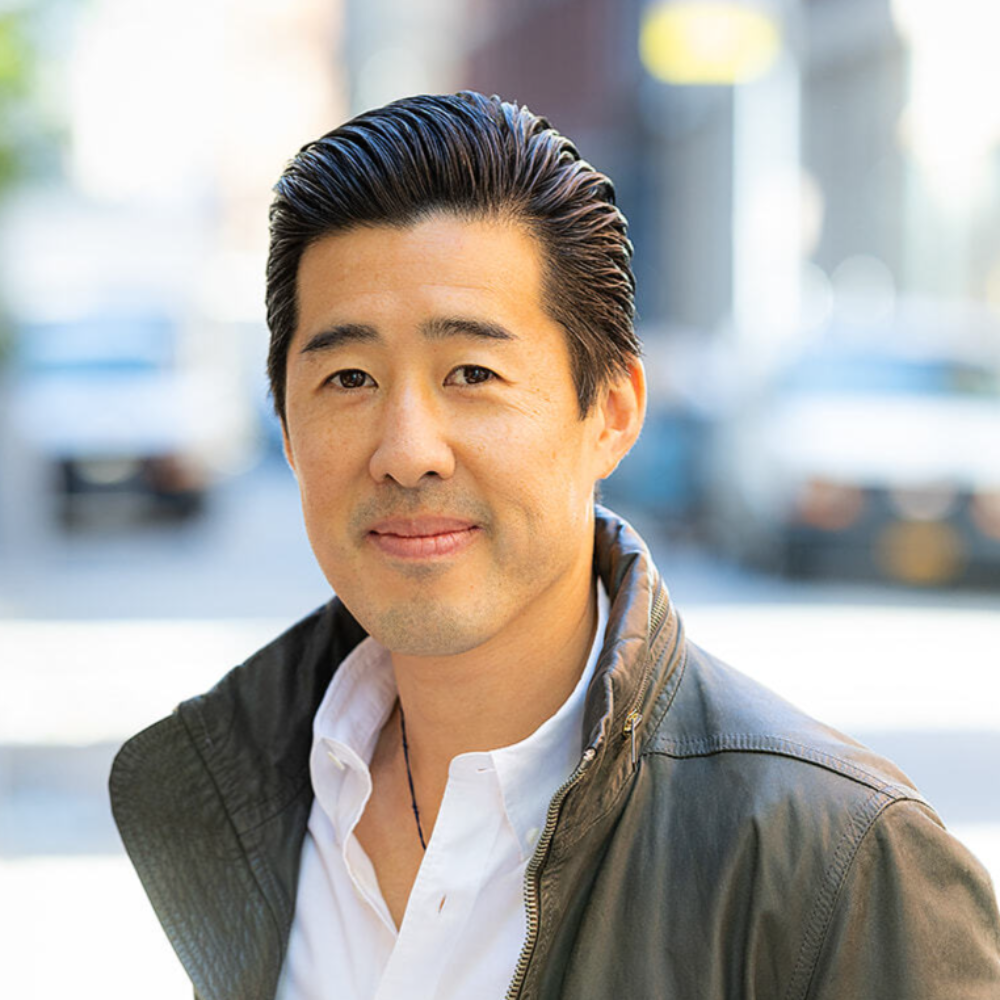
Alex Song
He spent nine years reading markets for Goldman and Bill Ackman. Now he is handing small brands the data science that used to belong only to the giants.
Lava Kumar
Lava Kumar is the co-founder and Chief Product Officer of Entropik, a Bengaluru-based Emotion AI company that reads human reactions across facial expression, voice, gaze and attention. After nearly two decades building products at Yahoo, Motorola, Wipro, Operative and Integral Ad Science, he returned from the US in 2016 to co-found Entropik and turn affective computing into a working business tool. He leads Decode, the company's integrated human insights platform, and has become a recognizable voice arguing that market research should measure how people actually feel, not just what they say.

Scott McKinley
Scott McKinley is the founder and CEO of Truthset, an Oakland-based data validation company that scores the accuracy of consumer data used across advertising and marketing. A former captain of the 1988 US Olympic Road Cycling Team who walked away from the sport as doping spread, he spent roughly two decades in ad tech and martech - including a stretch as an EVP at Nielsen and CEO of IDify - before starting Truthset in 2019 to bring transparency and accountability to an industry he felt was full of unchecked claims about data.

Shubham Mishra
Shubham Mishra is the co-founder and Global CEO of Pixis, a Burlingame, California company building codeless AI infrastructure that lets marketers deploy AI models without writing code. He dropped out of BITS Pilani to build a virtual reality headset with the startup Absentia, then pivoted into AI-driven marketing and grew Pixis from an early bet on AI to roughly $85M in ARR, raising $209M across its funding rounds. His pitch is consistent: strip the friction out of AI so any team can use it in minutes, not months.
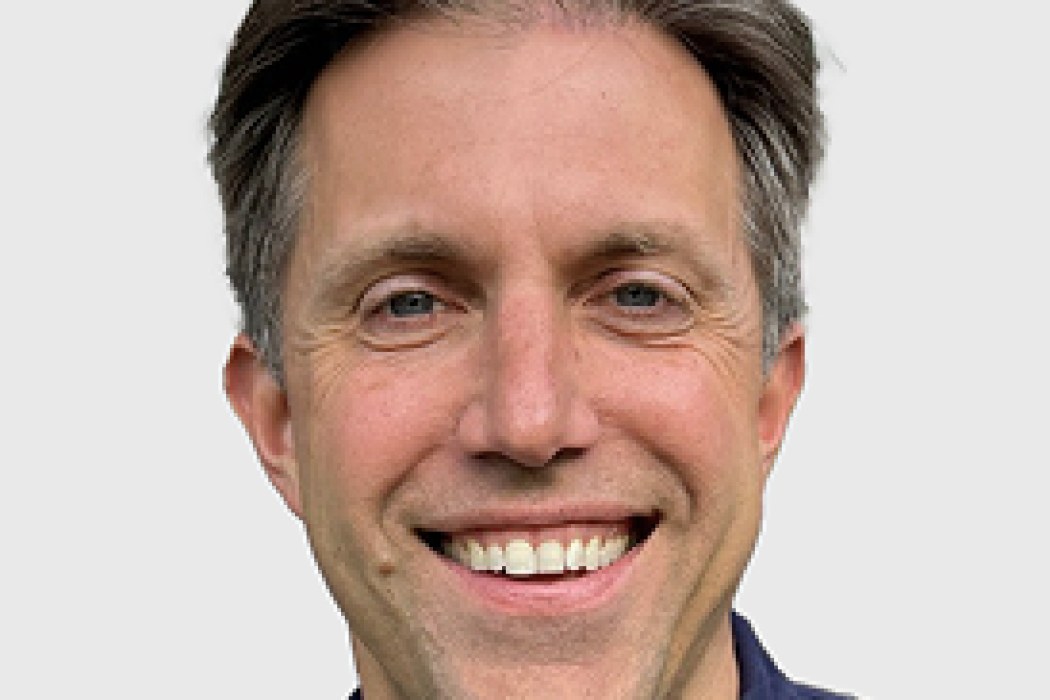
Brian Stempeck
Brian Stempeck is the CEO and co-founder of Evertune AI, a New York startup that helps brands measure and improve how they show up inside AI models like ChatGPT, Gemini, Claude and Perplexity. He spent 11 years on the executive team of The Trade Desk as employee number eight, serving as Chief Client Officer and later Chief Strategy Officer and a board member, and helped grow the company from a tiny team to a public company worth tens of billions. Before adtech he was a management consultant at Bain & Company and, earlier still, a political journalist. He founded Evertune in 2024 with former Trade Desk colleagues to build the category he calls Generative Engine Optimization.
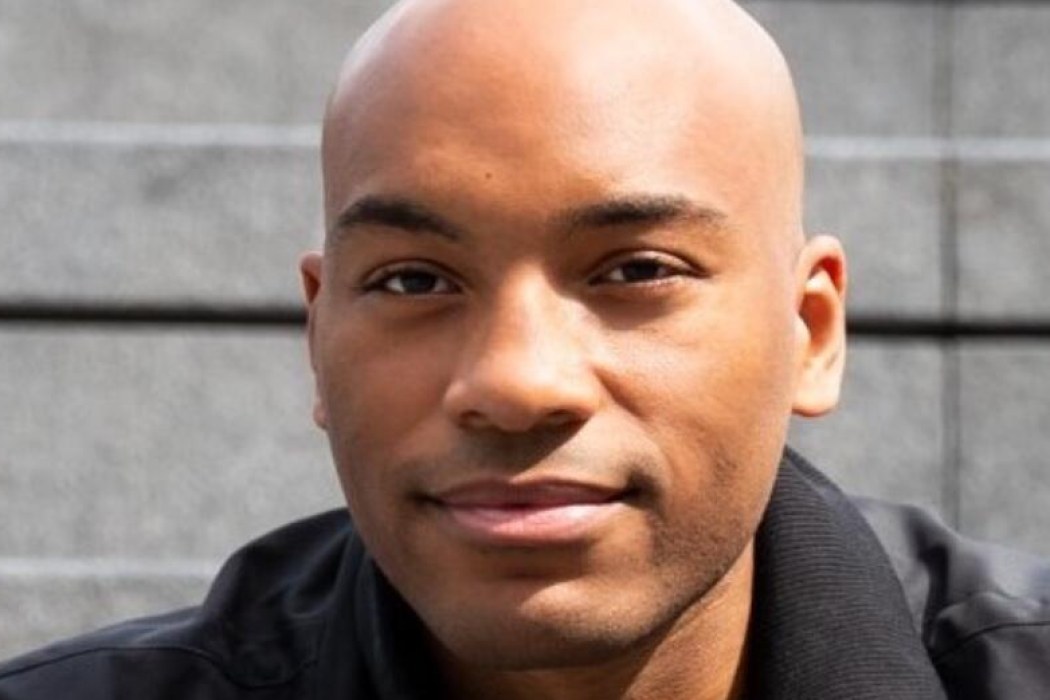
Christian Facey
Christian Facey is the co-founder and CEO of Audiomob, the London-based company that built the first non-intrusive audio advertising platform for mobile games. A former Google agency strategist and Facebook marketing science partner, he combined his advertising background with hobbies in game development and hip hop/jazz production to spot a gap: the mobile gaming and audio ad industries had never been connected. He launched Audiomob in 2020 with co-founder Wilfrid Obeng, raised a $14M Series A at a valuation north of $110M, and landed on the Forbes 30 Under 30 list in 2021.
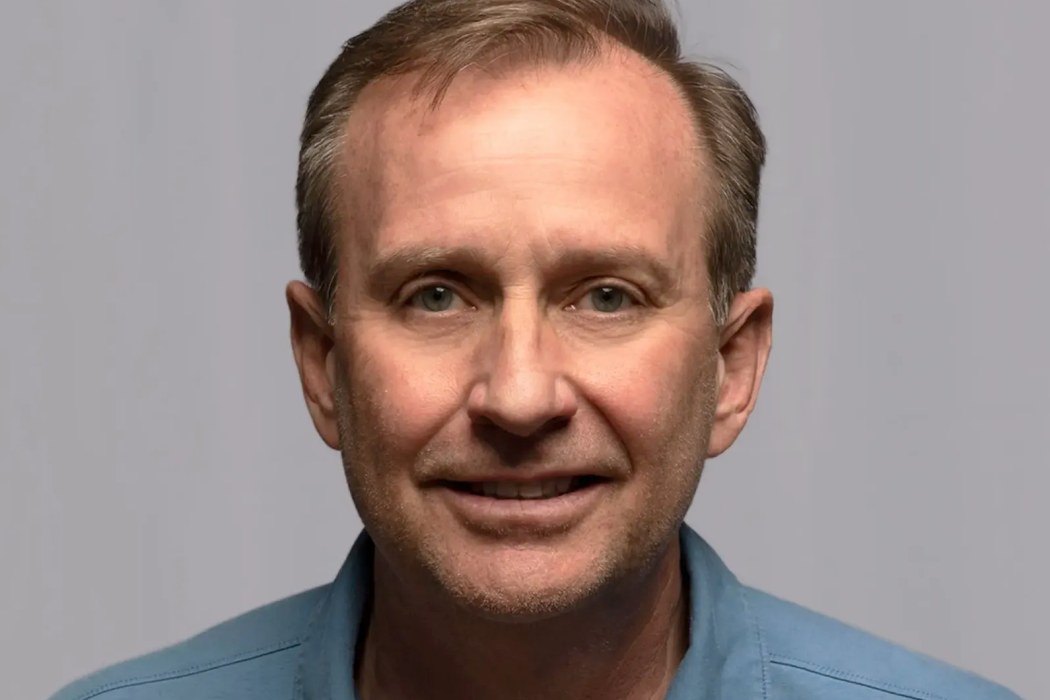
Dave Morgan
Dave Morgan is the founder and CEO of Simulmedia, a New York adtech company that pioneered data-driven linear TV advertising and now runs the cross-channel TV+ platform, the Skybeam self-serve CTV buying tool, and the PlayerWON in-game video ad network. A lawyer turned three-time adtech founder, he earlier built Real Media (a predecessor of 24/7 Real Media, sold to WPP for $649 million) and TACODA (a behavioral targeting pioneer acquired by AOL for $275 million in 2007). Morgan returned to Simulmedia's CEO seat in October 2024 to chase the connected-TV opportunity, and he is a long-running MediaPost columnist known for his '96/4' rule about the gap between CTV viewership and CTV ad dollars.
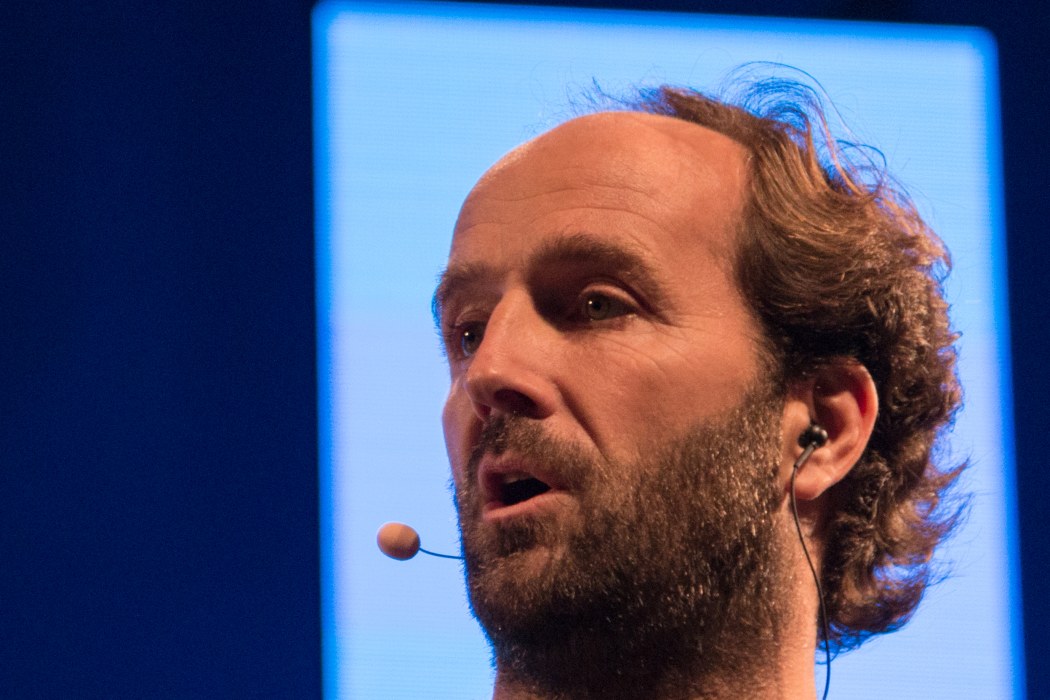
David Jones
David Jones is the founder and CEO of The Brandtech Group, the digital-only marketing group he built to help global brands do their marketing better, faster and cheaper using technology and, increasingly, generative AI. A British executive who once ran the entire Havas network, he left the traditional agency world in 2014, raised hundreds of millions to launch You & Mr Jones in 2015, and rebranded it The Brandtech Group in 2022. Today the company operates in dozens of countries with thousands of employees and positions itself as the world's leading generative-AI marketing company. Jones also co-founded the youth leadership forum One Young World and wrote the book Who Cares Wins.
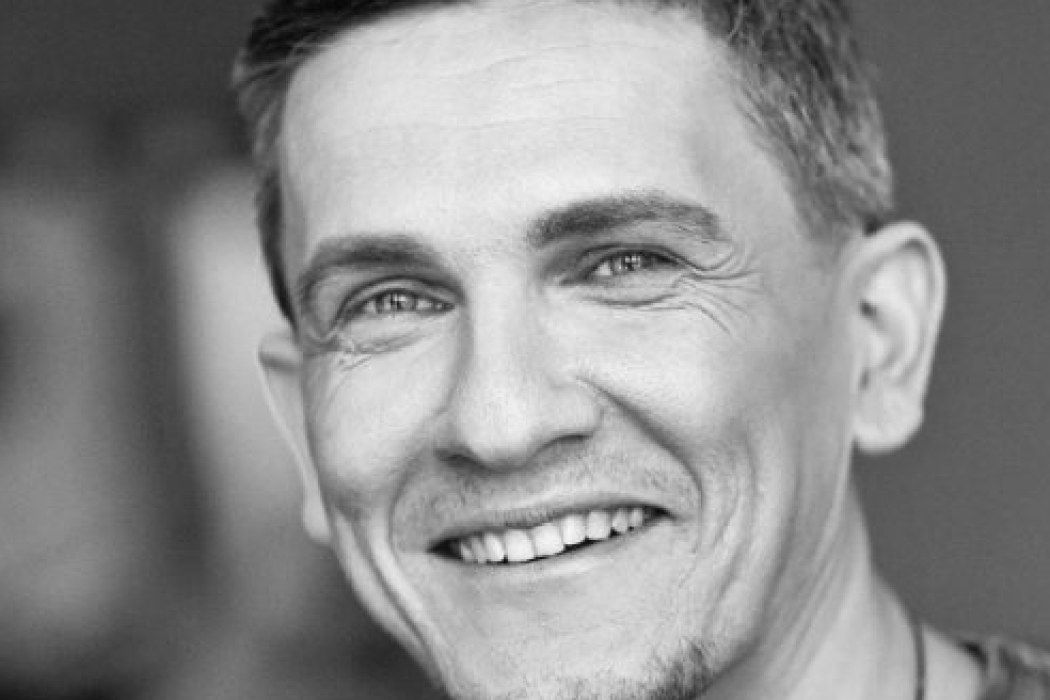
Dmitri Lisitski
Dmitri Lisitski is the co-founder and CEO of Influ2, a New York-based B2B advertising platform that pioneered 'person-based marketing' - reaching named decision-makers inside target accounts rather than anonymous audiences. A serial entrepreneur with more than two decades in online marketing and advertising, he began his career buying media for consumer giants like P&G and Coca-Cola, co-founded the IT services company that became GlobalLogic (later acquired by Hitachi for $9.6B), and holds Executive MBAs from Columbia and London Business School. He founded Influ2 in 2016 after concluding that account-based marketing was the right idea served by imprecise technology.

Jeffrey Matisoff
Jeffrey Matisoff is North America CEO and Managing Partner of The Brandtech Group, the self-described world's number one generative AI marketing company. Named to the regional CEO role in early 2026, he runs Brandtech's largest market and leads its pitch to help brands turn AI into a competitive advantage through tools like the Pencil Gen AI platform and its 'Share of Model' work on how large language models describe brands. Matisoff joined Brandtech in 2021 from WPP, where he was global president of EightBar, IBM's dedicated agency, and he helped lead the acquisition and integration of digital marketing company Jellyfish. His career spans two decades in media and creative, with earlier stops at Accuen, PHD, and Universal McCann.