website-design
(30)
Multimedia Solutions makes the complicated clickable
A hospital network, a bank, a law firm: each has a different reason to lose a visitor. This New Jersey digital consultancy works on the small decisions that help people find their way.
Huffwork put a price on getting started.
A $50 logo offer, a $20 first-project credit, and an unexpected detour through Fiverr. Huffwork’s archived pages show how it tried to make buying digital work feel manageable.
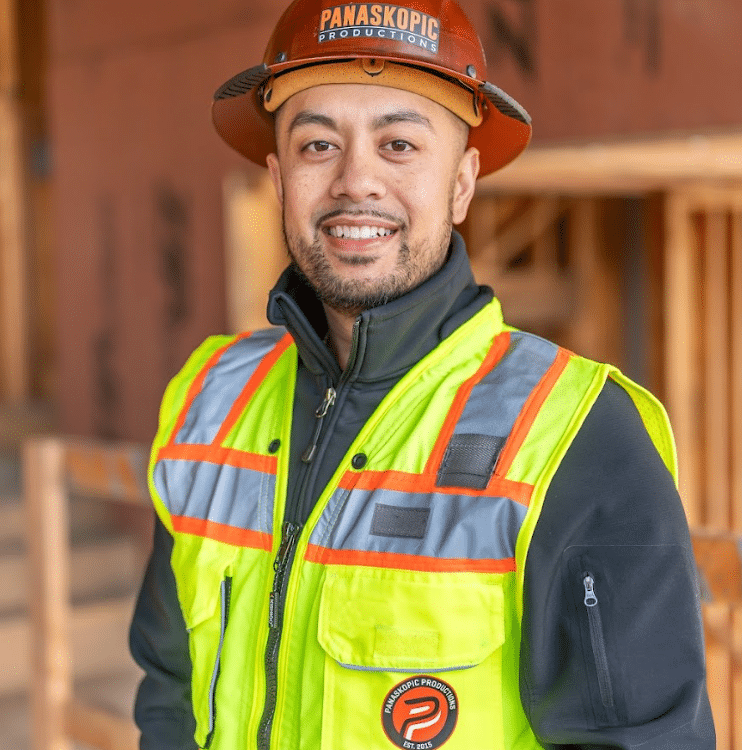
Roy Panaligan and the work that disappears
Before Roy Panaligan sold marketing to construction companies, he worked inside them. At Panaskopic Productions, he has built a business around helping contractors show the skill that a finished building can hide.
Hearst DMS makes the next town your market
A countertop shop wanted to grow without annoying its best customers. Hearst Digital Marketing Services shows how local marketing gets interesting when geography, trust and follow-up work together.
Vivial sold the art of being found
The phone book became a dashboard. Vivial’s journey from directory advertising to Thryv reveals what small businesses actually buy when they buy digital marketing: someone to make it happen.

Olly Olly wants your next customer to find you first
A good plumber can still be a poorly discovered plumber. Olly Olly sells local businesses the missing machinery: reviews, Google visibility, targeted ads, and a way to see what the marketing actually did.

Finalsite and the school inbox nobody wants to open
Schools can send every message and still leave parents in the dark. Finalsite sells the websites, workflows and communication tools meant to close that gap - but the software is only half the story.
Townsquare Interactive and the Trouble With a Ringing Phone
Getting found is only the first half of a small business’s marketing problem. Townsquare Interactive wants to handle what happens after the phone rings, too.
The Marketing Agency That Asked Whether the Name Should Survive
A Delaware communications firm found its niche by treating marketing like reporting: ask first, listen closely, and resist the tidy answer when the evidence points elsewhere.
Darien Group Learned the Value of a Website From a Piece of Paper
A rejected plan to kill an expensive mailer taught Charlie Ittner how private equity really values communication. He built Darien Group around the lesson - and around the work most agencies are too broad to learn deeply.
The Advertising Agency That Outlived the Ashtray
In 1975, three television networks looked like a crowded media plan. Fifty years later, this Milwaukee independent is still selling the same scarce thing: a reason for people to act.
The Marketing Agency That Spent a Decade Hiding in Plain Sight
Parklife started as freelance copywriting, stayed a side hustle for roughly a decade, and then did something awkwardly useful: it applied its own brand advice to itself. The result is a distributed agency built for clients whose ideas do not fit neatly inside an agency brief.

The Agency That Wants You to Need It Less
Lorrie Thomas started with $2,500, an honest email, and a hunch that marketing could feel less awful. Two decades later, her boutique agency sells something unusual: expert help designed to make clients more capable, not more captive.
The School District’s Most Important Office May Be the One Nobody Sees
CEL Marketing PR Design has spent more than 35 years turning the unruly machinery of schools - enrollment, websites, referendums, reputations and rival mascots - into stories a community can understand and use.

Platinum Media and the Art of Owning the Whole Conversation
A small New York agency has built its offer around a useful idea: the message, the picture, the event and the media plan should behave like parts of the same sentence.

The Feed Store Has a Marketing Department Now
The VAN LEUVEN Company found a stubborn corner of modern marketing: the distance between a national brand and the person who actually unlocks the local feed store. Its answer is part agency, part relationship network, and deliberately hard to automate.
The Tiny Agency Behind Trillions in Other People’s Money
Fifteen people in Santa Monica help investment firms explain what billions of dollars cannot say for themselves. MBC Strategic’s wager is simple: before an allocator studies performance, somebody has to understand the story.

Mission Minded Sells the Sentence Before It Sells the Logo
For nonprofits and schools, the expensive problem is rarely an ugly logo. It is the fuzzy sentence underneath it. Mission Minded built a business finding that sentence - then making donors, families, boards, and staff act on it.
Big Hype Marketing Built a Small Agency for the Jobs Brands Usually Split Five Ways
Its name promises noise. Its case studies reveal something quieter: a 13-person shop stitching strategy, design, content, code and distribution into one operating system for growing brands.

The Local Paper That Learned to Sell the Internet
Reeder Media spent decades learning who reads the local paper. Then it turned that trust, distribution, and newsroom muscle into a marketing agency for the businesses down the street.

The Agency That Put Every Marketing Lever in One Room
Social Media Top Team has spent more than two decades selling small businesses a tempting idea: stop managing a cabinet full of specialists and make one team answer for the trip from click to client.

Waterhouse and the biotech story hiding in plain sight
An investor deck, a careers page and an employee intranet can describe three different companies. Waterhouse helps life sciences businesses make them tell one coherent story.
KWSM finds the story hiding in your customer’s headache
A former news anchor built a marketing agency around a reporter’s instinct: follow the problem. KWSM turns that instinct into websites, campaigns and introductions that give buyers a reason to listen.
Sway Studio wants your marketing to lower its voice
For people who teach calm but dread selling themselves, this Washington, DC studio offers a useful proposition: make the invitation feel like the practice.
Navazon asks what happens after the click
A new website is easy to admire. A better path from visitor to customer is harder to see. Navazon builds both, with cameras, code, and an eye on the handoff.

West Woods and the value of a rough first draft
A coupon app, a solar boat, and a design agency with an unusually broad toolkit. West Woods makes more sense when you look at what its designers learned before the polished version.
MiresBall and the art of making the complicated clear
A rejected Intel pitch taught John Ball to look past the pretty picture. The San Diego agency’s work shows what happens when design starts with the decision a customer needs to make.
cMedia collective knows the campaign starts before the camera
A bowl of noodles, a talent deal, a new media launch. Inside the Los Angeles collective that connects what a brand says with who says it - and how it gets made.

Panaskopic puts the jobsite to work before the next bid
The construction marketing firm turns crews, concrete, and completed projects into material contractors can use to get noticed. Its real proposition is coordination: the people making the pictures also help put them to work.

Madison Melle sells the hotel before the guest arrives
The Los Angeles agency brings a hotel operator’s eye to branding, websites and performance marketing. Its next assignment: helping luxury brands become legible to AI.