technology-commercialization
(25)
The Indian Incubator Where Founders Have to Build the Thing
On a 40-acre campus outside Ahmedabad, iCreate gives deep-tech founders what pitch decks cannot: tools, technical scrutiny, patient mentors and a route from prototype to paying market.

Istanbul Built a Startup Center Where the Price of Entry Is Nothing
BTM gives accepted founders free training, workspace and investor access. Its sharper advantage is a bridge into Istanbul's real economy - the customers, committees and commercial pressure that make an idea prove itself.

SanchiConnect Is Building the Switchboard for India’s Hardest Startups
The Noida company began with introductions. It now sells the machinery behind them - software, programs and deal work designed to move deep-tech founders from laboratory promise to purchase order.
The Warsaw Hub That Turns Public Money Into Private Experiments
StartUp Hub Poland does not write venture checks. It builds the paperwork, partnerships and proving grounds that let young technology companies earn something more useful: a first serious test.
The Venture Firm That Put Columbus on the Cap Table
Rev1 Ventures took a regional startup club, rebuilt it as public-private infrastructure and learned to sell Ohio's least glamorous advantage: everyone useful is already in the room.

Inside the Hyderabad Campus Turning Student Projects Into Real Companies
SU Knowledge Hub Foundation gives campus inventors the awkward middle they usually lack: mentors, machines, market tests and a route from clever prototype to registered startup.

Altitude Accelerator asks the awkward question: who will buy it?
The Brampton nonprofit helps technology founders turn promising inventions into businesses customers will pay for. Its next move brings more investors into the room.
Skolkovo built a startup city. The real test is the sale.
Russia’s Skolkovo Foundation bundles grants, laboratories and corporate introductions into a national technology project. Its history shows how much a state can build - and how much still depends on a customer saying yes.
StartSmart CEE and the art of landing a corporate customer
The Warsaw accelerator helps technology startups get into the room with big companies, test their products and keep their equity. The revealing part is what happens when the first introduction goes wrong.
NextCorps knows why your prototype isn’t a business yet
In Rochester’s former Sibley’s department store, NextCorps connects startup ambition to factory-floor reality. Its bet: the right help before production can save a founder from some very expensive surprises.
Outpost Ventures Checkmate Wants to Win the Contract After the Contract
A first Pentagon award can keep a startup busy. Outpost Ventures Checkmate helps founders pursue what comes next: a government customer, a bigger contract and a business that can survive between the two.

MSU Research Foundation puts a cancer discovery back to work
Royalties from a Michigan State cancer breakthrough helped build a lasting research fund. Today, the MSU Research Foundation turns that financial head start into startup capital, lab space and a practical answer to the question: what happens after discovery?
Central Japan’s Startup Pitch: The Factory Is Next Door
The Central Japan Startup Ecosystem connects founders to manufacturers, university labs and public support across Japan’s industrial heartland. Its most revealing story starts with a robot that would not sell.

MOA Ventures takes the long road from lab to market
Electric tractors, diagnostic tools and space startups need more than a pitch deck. MOA Ventures puts industrial partners, investment and hands-on development around the science.
EFI helps Israeli founders find their way into America
Entrepreneurship Forum Israel turns experienced operators into sounding boards, market guides and useful introductions. Its most revealing work happens when a founder has to rethink the plan.

Outpost Ventures Wants Uncle Sam on the Cap Table’s Side
The Alexandria investor backs technology with two potential buyers: business and government. Its bet is that public funding can help private capital carry expensive inventions further.

ATDC opens the startup door for $25 a quarter
Georgia’s technology incubator makes its first rung cheap and takes no equity. The harder part is turning access to coaches, customers, and capital into a business that can stand on its own.
At Newlab, the Pitch Has to Survive the Street
A Brooklyn shipyard became a home for hardware startups. Now Newlab is taking their inventions into ports, city streets and factories - where a working demo meets a much tougher audience.
Cube Incubation puts a clean room between the idea and the investor
At Teknopark İstanbul, founders can borrow the expensive parts of building a technology company: laboratories, specialist equipment and access to industrial customers. The harder assignment is turning that access into a business.
Entrepreneur Futures Network gets founders ready for the hard questions
Before the pitch comes the practice. The Berkeley-born nonprofit turns volunteer expertise into structured help for student startups, clean-energy innovators and the organizations backing them.

Robert George Has Spent a Career Turning Strange Machines Into Serious Business
Before low-energy nuclear reactions, Robert George helped robots find their way home. His long career is a study in the unglamorous craft of taking difficult hardware from an engineer's bench toward the market.
Oklahoma’s Startup Onramp Starts Before the Check
i2E does the unglamorous work between a promising idea and an investable company. In Oklahoma, that means customer discovery, candid advice and a statewide network built to keep founders from navigating the earliest stage alone.
The Factory for Ideas Big Companies Couldn’t Use
Innventure goes hunting in corporate R&D departments for technology that works but has nowhere to go. Then it tries to do the expensive part: turn the orphaned invention into an industrial business.
The Firm That Buys Fortune 100 Leftovers and Turns Them Into Companies
Big companies spend billions on R&D and then quietly bury most of it. Catalyze Partners digs it back up, staffs it, funds it, and sells it - and lets investors own the whole shelf.
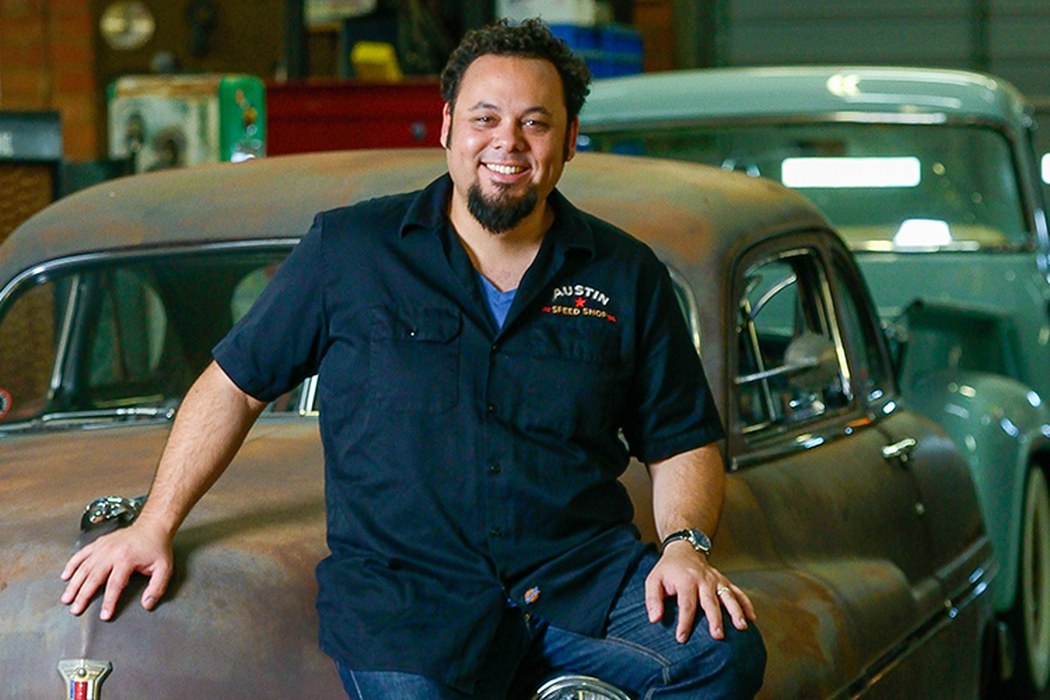
John Joyoprayitno
John Joyoprayitno is the President, CEO, and co-founder of Alafair Biosciences, an Austin-based medical device company building bioresorbable hydrogel implants that protect soft tissue during surgery. A native Austinite who studied anthropology before switching to entrepreneurship, he has built and run ventures ranging from a triathlon bike shop to the custom-car outfit Austin Speed Shop, and now leads a commercial-stage medtech firm best known for its VersaWrap product line. Under his leadership Alafair posted 722% year-over-year growth, and he was named Austin Business Journal's 2024 Best CEO and made Inc.'s 2025 Business Leader of the Year list.