startup-accelerators
(20)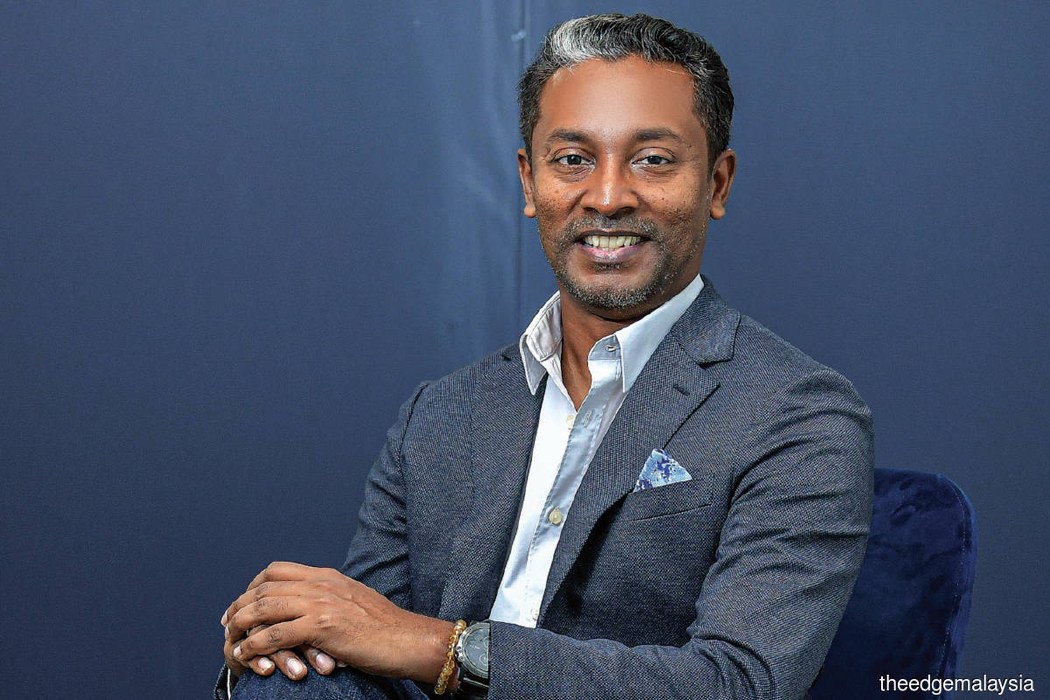
S.T. Rubaneswaran and the education that came after the degree
A bookstore taught him to sell. A troubled company taught him to run one. At BEYOND4, S.T. Rubaneswaran is putting those lessons to work on the problems that arrive after a startup gets started.

Sean Kane and the business of being useful
Before F6S, Sean Kane helped take social networking onto mobile phones. An accelerator’s recruitment problem gave him another audience to connect: founders looking for a way forward.

Preston James and the room with a hundred mentors
After two decades at Dell, Preston L. James II found himself asking why so few people in Austin’s startup rooms looked like him. DivInc grew from that question. His next chapter is about who gets to own what comes next.
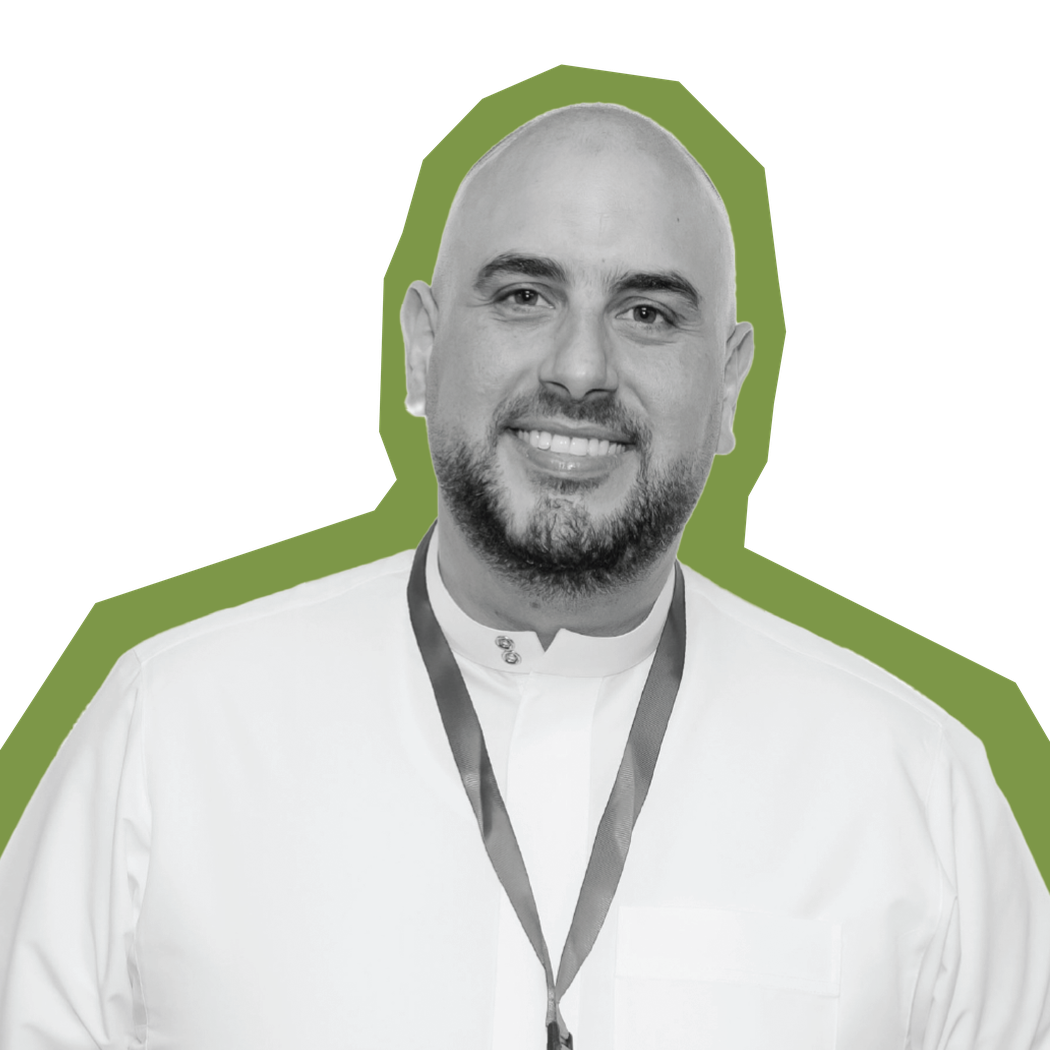
Ghassan Halawa and the business of knowing who can help
After starting businesses of his own, Ghassan Halawa built parachute16 around the help founders need. His route from Amman to Riyadh runs through mentoring rooms, a podcast microphone and relationships that outlast the program.
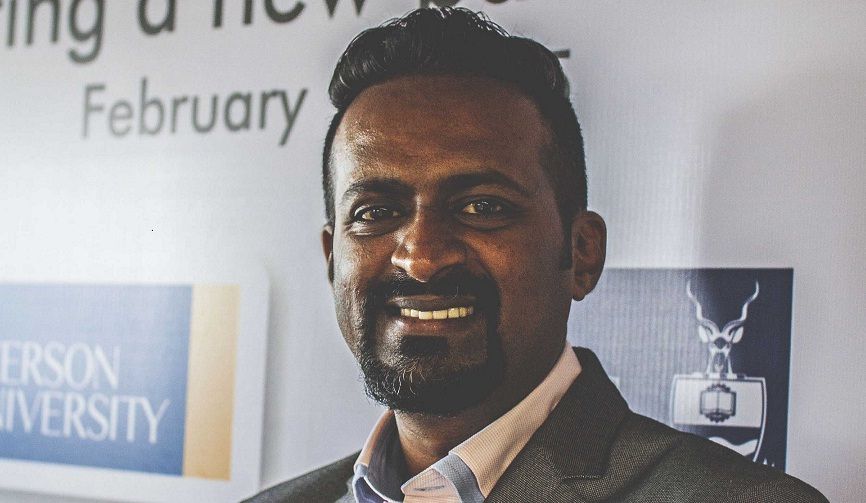
Ajay Ramasubramaniam knows someone you should meet
An unexpected first job in Tanzania led to a career helping businesses find their way into unfamiliar markets. At Startup Réseau and Hindsight Ventures, Ajay Ramasubramaniam gives the introduction a job to do.
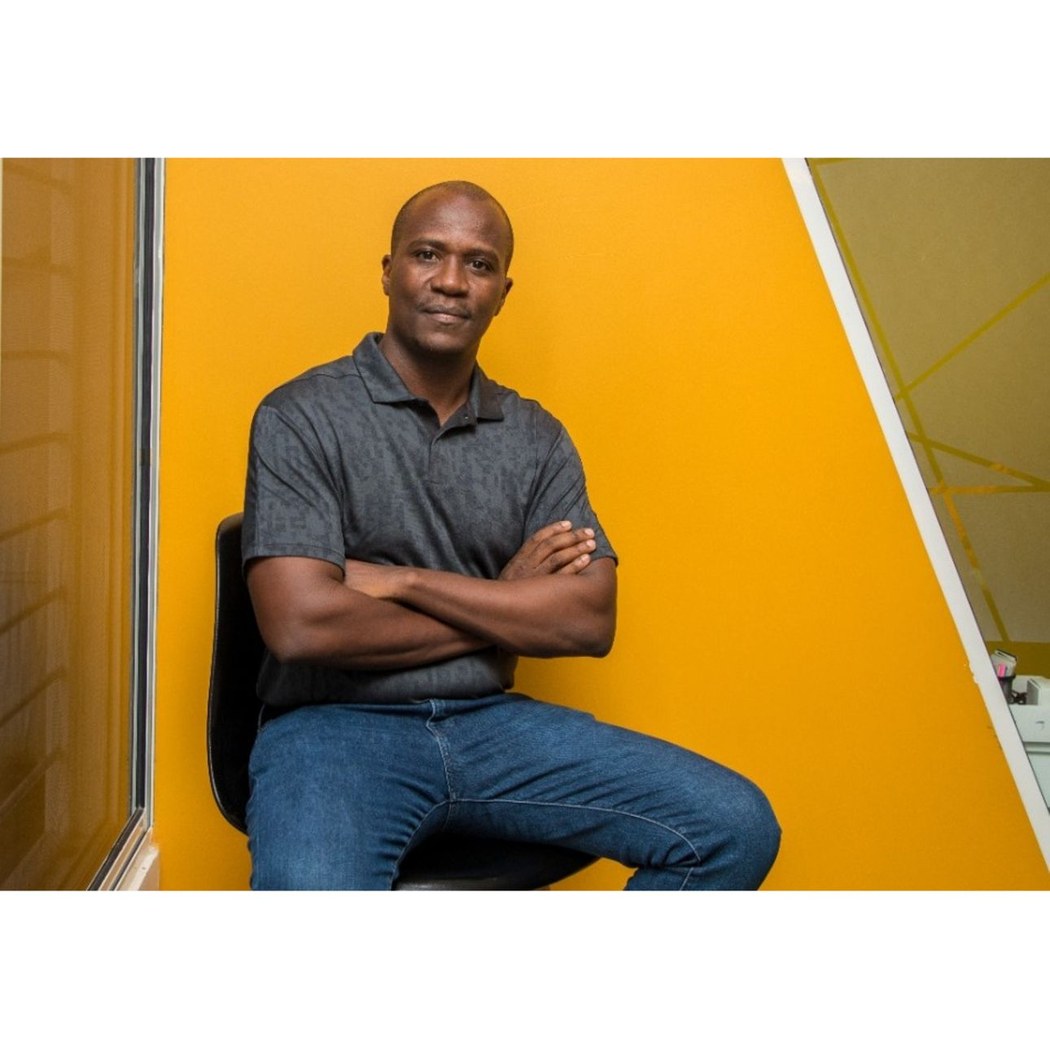
Edwin Bruno knows what an introduction is worth
He started by finding customers for his own ideas. With Smart Lab, the Tanzanian entrepreneur is helping other founders reach the people who can give theirs a chance.

Alon Shavit and the art of opening doors
Before he helped founders find mentors and markets, Alon Shavit programmed a robot to open a gate. At Upright Ventures, the engineering problem has become a human one.
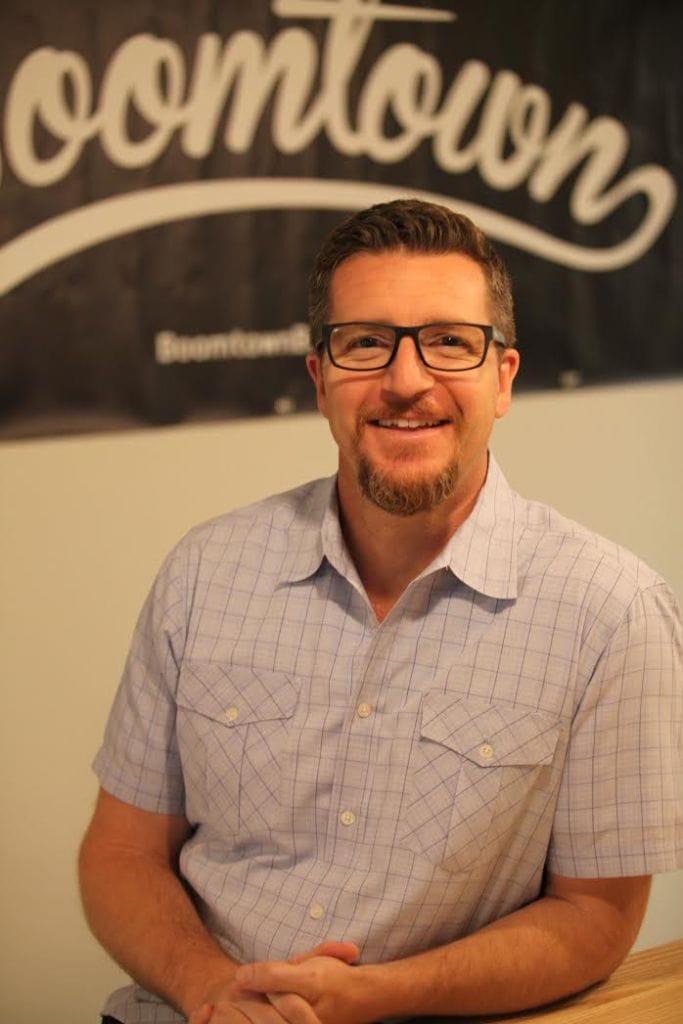
Toby Krout wants to know who buys the idea
From a Boulder creative agency to Comcast’s sports technology programs, Toby Krout has kept returning to the same question: what does a founder need after the pitch is over?

Ingar S. Bentsen’s theory of useful company
The Oslo founder built TheFactory around a practical belief: young businesses need people who can help. His work now runs from early capital and boardrooms to a podcast microphone and defence technology.
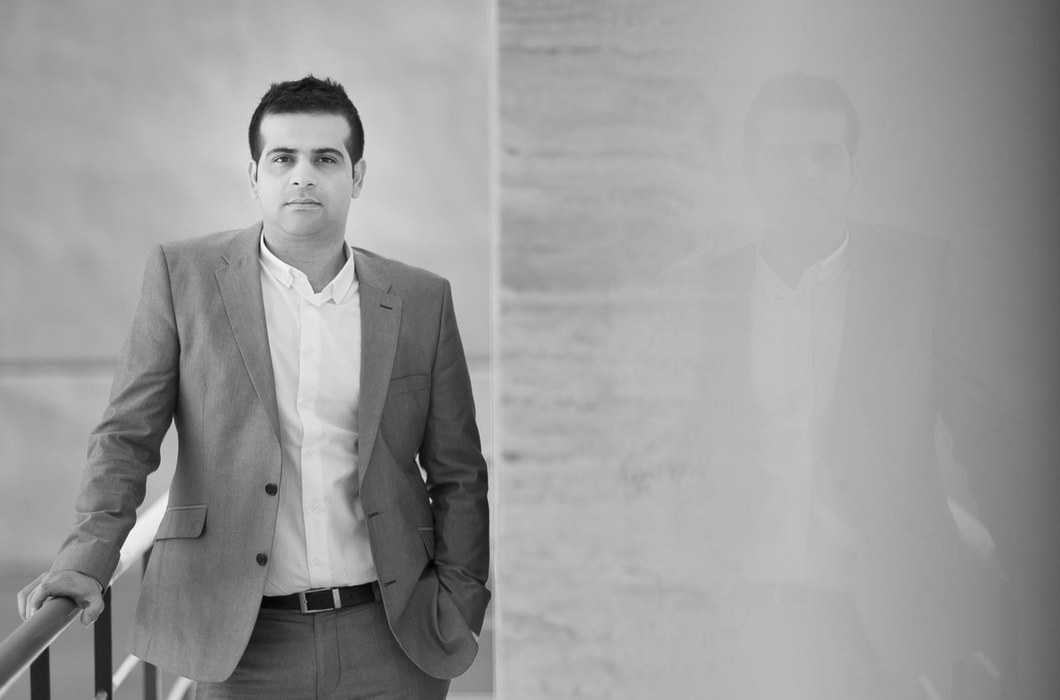
Mo Malayeri and the art of getting people to stay
Before Bettermode, he helped bring Iran’s startup community together. In Toronto, the founder is still working on the same human problem: giving people a reason to keep showing up.
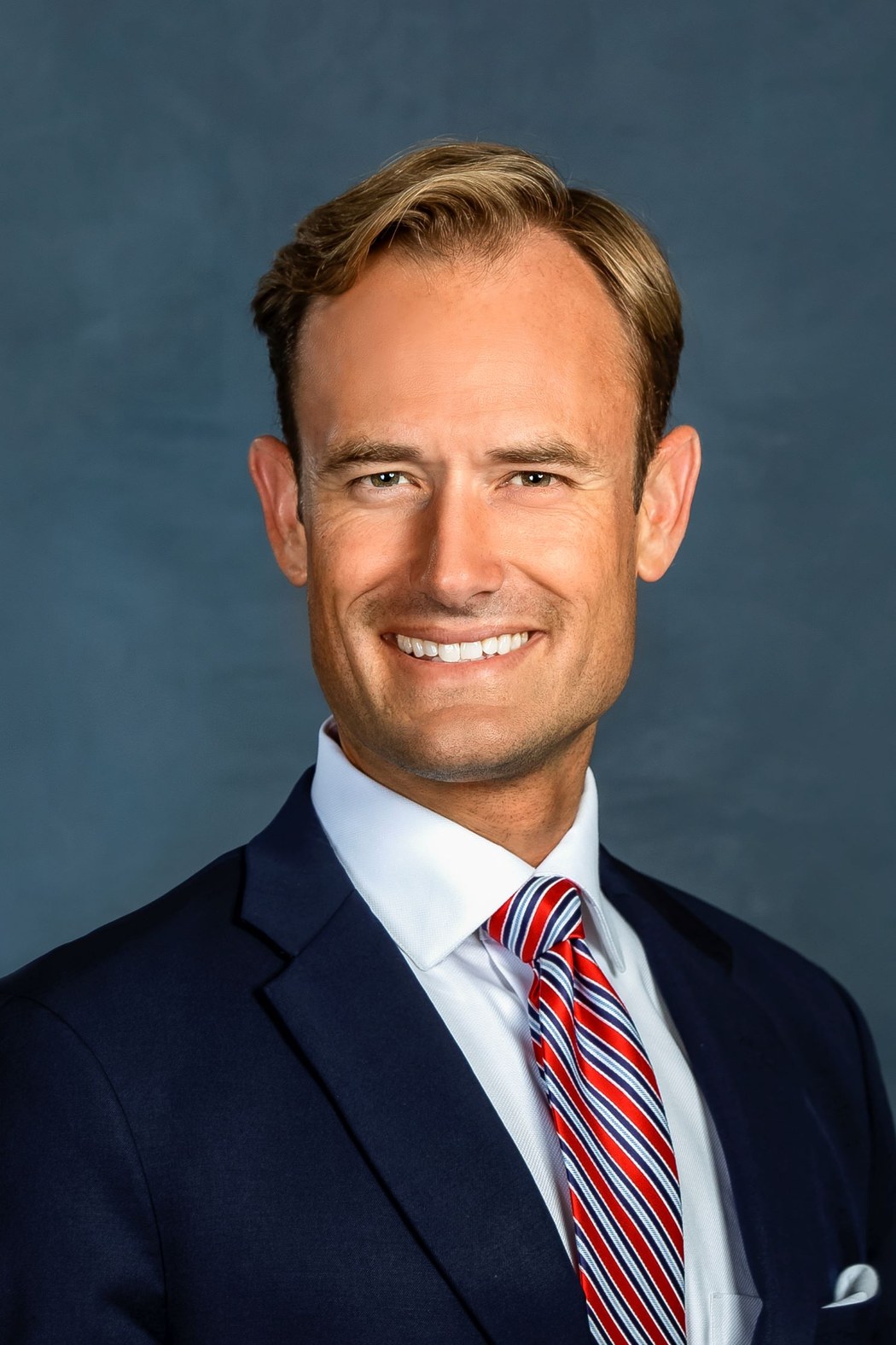
John Keisler and the business of opening doors
Before he led Sunstone Management, John Keisler taught middle school and helped run Long Beach. His route into venture capital begins with a question that has followed him across all three jobs: who gets a chance to start?

Christine Tsai and the education of a risk-taker
Raised to seek security, Christine Tsai left Google to co-found 500 Startups. Her path to leading 500 Global runs through ballet, quiet leadership and a conviction that founders deserve a hearing far beyond Silicon Valley.
The VentureX builds accelerators for the real world
A farm, a film company and a tourism business need different kinds of help. The VentureX has built its business around taking that difference seriously.

Al Jabr puts the customer before the pitch
In Oman, Al Jabr builds startup programs around the institutions founders need to reach. Its practical wager: a better introduction matters more when there is a tested business behind it.
innovosource and the missing middle of invention
A discovery can win a grant and still lose its way to market. Innovosource works with the university funds, accelerators, and partners trying to finance that awkward interval.
CELA made networking a contact sport
Four mentors. Twelve minutes apiece. CELA put a clock on the warm introduction - then joined forces with WEVE to take its accelerator methods across borders.
Quest Ventures bets on the space between markets
From a shared workspace in Singapore to $50,000 startup cheques in Kazakhstan, Quest Ventures has made a business of connecting founders to their next market. Its wager is that introductions, local knowledge and patient capital belong in the same package.

Baltic Innovation Agency makes good ideas easier to fund
A Tartu consultancy works in the awkward space between invention and adoption. Its tools include European funding proposals, municipal pilots and an unusually candid account of what accelerators need to get right.

AcceleratorCON Put the Startup Accelerator on the Clock
Founders usually need a warm introduction. AcceleratorCON’s answer is a sports-style draft - applications, scouts, selections and private pitch meetings - built to turn conference mingling into an actual pipeline.

Dubai Future Foundation has a city for your next experiment
A printed office, government-backed pilots and supervised regulatory trials reveal how Dubai Future Foundation works. Its most useful offer to innovators is access to the people who can put an idea to work.