stanford-phd
(34)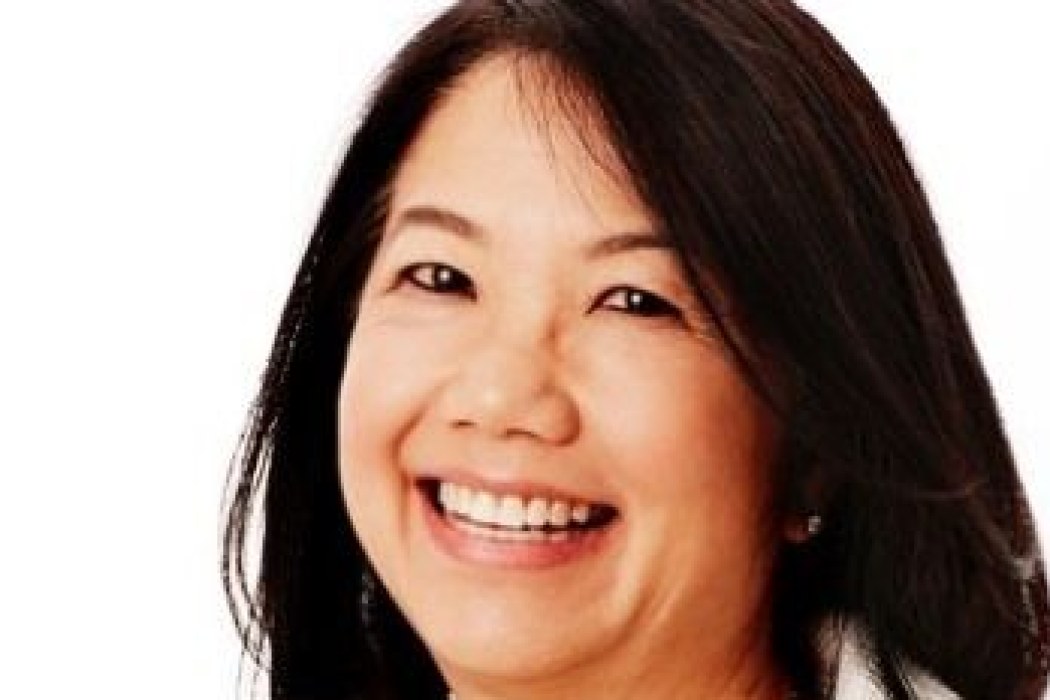
Sylvia Kwan
Dr. Sylvia Kwan is the CEO and Chief Investment Officer of Ellevest, the New York-based investment advisory firm built to help women build and manage wealth. A Stanford PhD and holder of both the CFA and CAIA designations, she designed the gender-aware investing algorithm at the core of Ellevest's platform and, in 2025, succeeded founder Sallie Krawcheck to lead the company. With more than three decades in financial services, including founding-team roles at Financial Engines and a stint at Charles Schwab, Kwan is a leading voice on impact investing, alternatives, and closing the gender wealth gap.
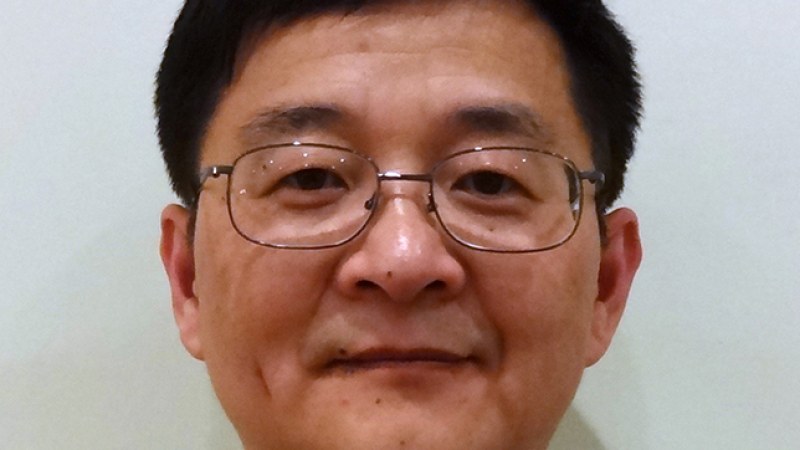
Jun Ye
Jun Ye is the co-founder, president and CEO of Sentieon, a Mountain View bioinformatics company whose variant-calling software has swept the precisionFDA Truth and Consistency Challenges. A Stanford-trained electrical engineer with more than 50 U.S. patents, he previously co-founded Brion Technologies (acquired by ASML in 2006) and Founton Technologies (acquired into Alibaba in 2012), and taught at Stanford as a consulting professor for fourteen years.
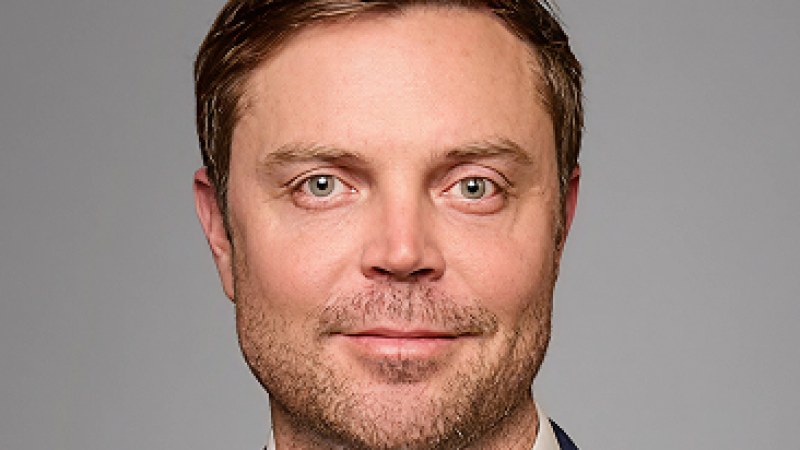
Nathan Ratledge
Nathan Ratledge is the co-founder and CEO of Alta Resource Technologies, a Boulder, Colorado startup using computationally designed proteins to pull rare earth elements out of low-grade ores, mine tailings, and electronic waste. A Stanford-trained economist and environmental scientist who once ran a poverty-and-electrification research agenda across East Africa, he pivoted from policy and academia to deep tech, betting that biology - not brute-force chemistry - is the way to break China's grip on the critical-mineral supply chain. Alta has raised about $10 million in seed funding from DCVC, Voyager Ventures, Orion Industrial Ventures and In-Q-Tel (the CIA's venture arm), and advanced to the final phase of DARPA's EMBER program alongside Lawrence Livermore National Laboratory.

Adam Slavney
Adam Slavney is the co-founder and CEO of Pascal, a Cambridge, Massachusetts startup commercializing solid-state refrigerants to replace the planet-warming gases inside air conditioners, heat pumps, refrigerators and data centers. A Stanford-trained chemist who studied perovskite solar cells before a Harvard postdoc in clean-energy economics, Slavney spun Pascal out of Harvard in 2023 around a class of barocaloric materials that respond to pressure two orders of magnitude more strongly than other solids. The company raised an $8M seed round in 2024 led by Engine Ventures, with Khosla Ventures participating, and later added a Series A to scale prototypes. Slavney's pitch is blunt: heating and cooling burn nearly 40% of the world's energy and the refrigerants doing it cause about 2% of global warming, and he wants to keep the cooling while deleting the climate cost.
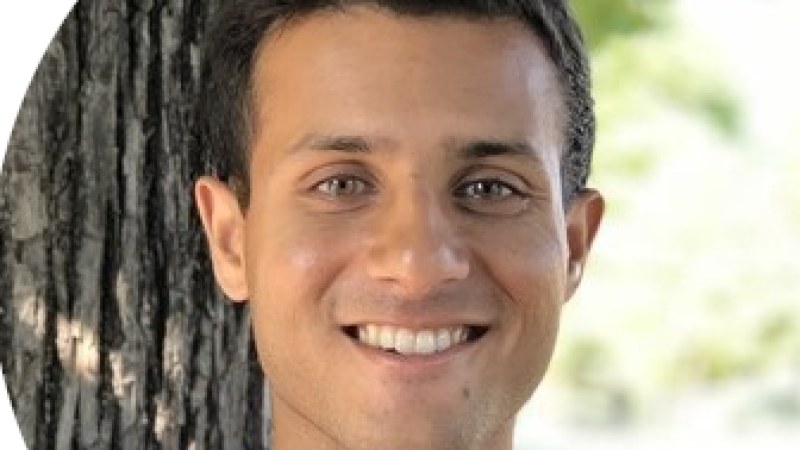
Akshay Agrawal
Akshay Agrawal is the co-founder and CEO of marimo, an open-source reactive Python notebook stored as plain Python files so it is reproducible, git-friendly, runnable as a script, and deployable as an app. A Stanford PhD advised by Stephen Boyd, he co-built version 1.0 of CVXPY, created the embedding library PyMDE, and worked on TensorFlow 2.0 at Google Brain. marimo has grown past 20,000 GitHub stars and raised a $5M seed round led by AIX Ventures, backed by figures including Jeff Dean, Wes McKinney, and Clement Delangue.
Angèle Maki
Angèle Maki, PhD, is a biopharmaceutical business development executive with more than 20 years of deal-making across emerging biotechs and global pharma. In December 2025 she became the first Chief Business Officer of Ability Biotherapeutics, a Montreal-based company building logic-gated antibodies with its generative-AI platform AbiLeap. A Stanford-trained biological chemist who started at the University of Winnipeg, she has held senior roles at Medarex, Bristol Myers Squibb, Genentech, 23andMe, Merck, Eli Lilly, ReCode Therapeutics and Callio Therapeutics, and chairs the non-profit Canadian Entrepreneurs in Life Sciences.
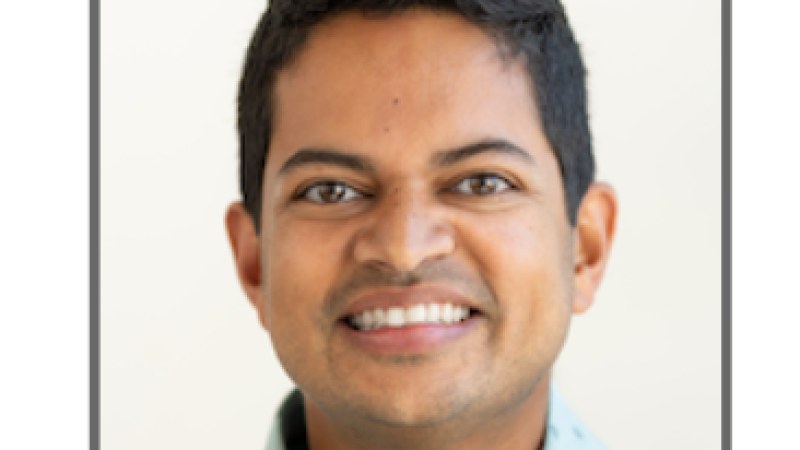
Arvind Sujeeth
Arvind Sujeeth is the co-founder and CEO of Billables AI, a San Francisco startup that automatically captures and writes lawyers' billable time entries from the tools they already use. A Stanford PhD in computer systems, he helped create OptiML and the Delite framework for parallel machine learning, then spent years building generative-AI hardware and software as VP of Engineering at SambaNova Systems. His first company, mines.io, used machine learning to underwrite microloans in emerging markets. The idea for Billables came from his wife's relentless monthly griping about reconciling her timesheets - a problem he reframed as one of the most painful, money-leaking chores in professional services. In 2024 the company raised $3.9M in seed funding led by Wing VC.
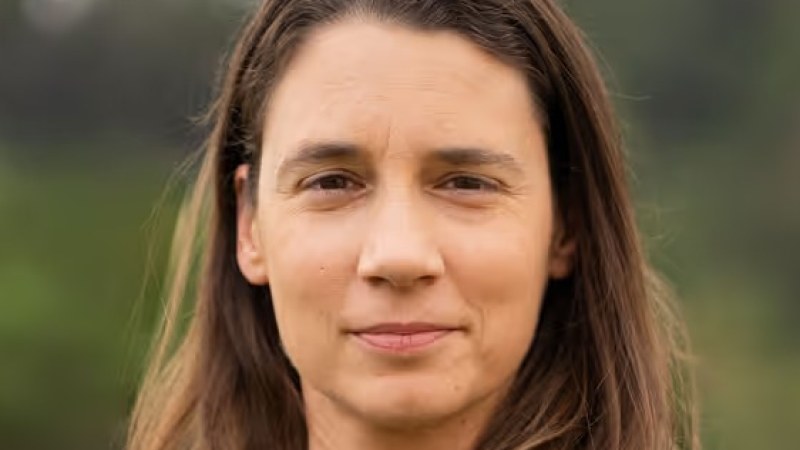
Ashley Zehnder
Ashley Zehnder is the co-founder and CEO of Fauna Bio, a Berkeley biotech mining the genomes of hibernating ground squirrels, bears and 452 other mammal species for drugs that could treat humans. A boarded avian veterinarian with a Stanford PhD in cancer biology, she had her career epiphany while giving chemotherapy to a parrot, when a faculty member asked in disbelief, 'Birds... get cancer?' That question convinced her the wall between animal and human medicine was an illusion. Fauna Bio's Convergence AI platform turns the survival tricks of extreme mammals into therapeutic targets, work that has drawn partnerships with Eli Lilly and Novo Nordisk and NASA-funded research into putting astronauts into a hibernation-like state.
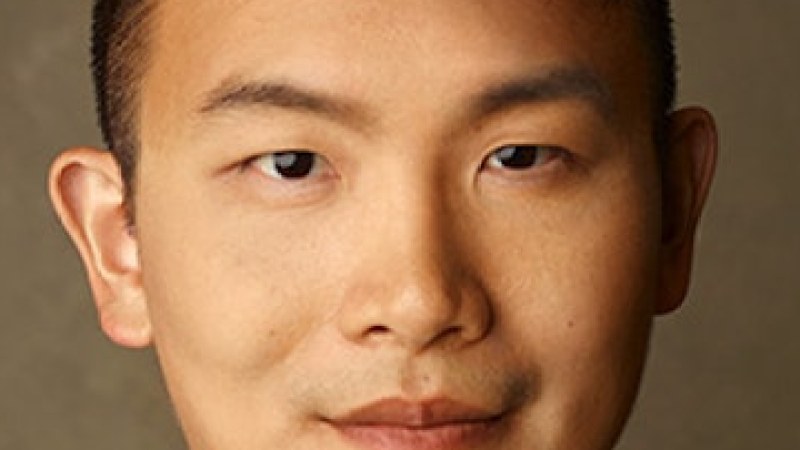
Dennis X. Hu
Dennis X. Hu is the founder and CEO of Drug Hunter, a subscription knowledge platform that distills the science behind new medicines for more than 200 R&D institutions, including most of the world's top pharma and biotech companies. A medicinal chemist by training, he led small-molecule teams at Genentech and the biotech RAPT Therapeutics (where he helped invent the Phase II oncology candidate tivumecirnon) before turning a side project into a fully remote company of 20+ employees that reaches millions of searches a year and runs entirely on subscription revenue.
Eduardo Abeliuk
Eduardo Abeliuk is the founder and CEO of TeselaGen Biotechnology, a Silicon Valley company building AI agents and enterprise software for biological R&D. A Chilean-born physicist and electrical engineer with a Stanford PhD, he sits at the intersection of biology, artificial intelligence, and software - treating DNA as data and lab work as something that ought to be automated. Before biotech he built a Facebook app that hit a million users in weeks and an edtech platform across Latin America. He holds multiple US patents in computational biology and synthetic biology and his academic work has been cited more than a thousand times.
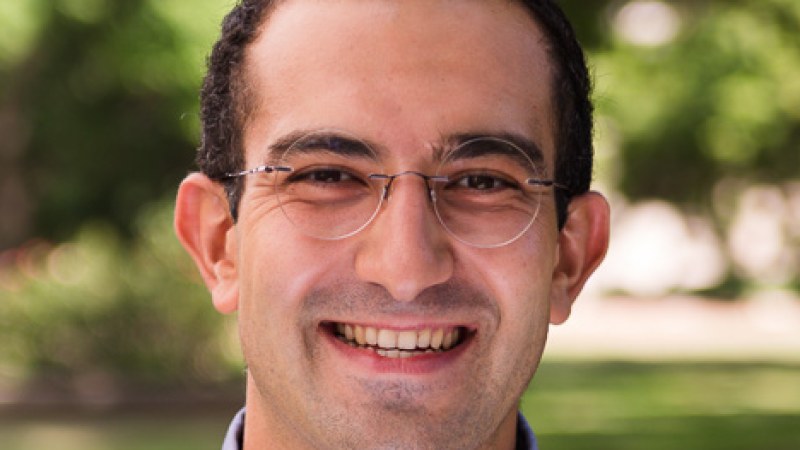
Hrant Gharibyan
Hrant Gharibyan is the co-founder and CEO of BlueQubit, a San Francisco quantum-software-as-a-service startup he launched in 2022 with Hayk Tepanyan. A theoretical physicist trained at MIT, Stanford (PhD under Leonard Susskind), and Caltech (in John Preskill's group), he co-authored a wormhole-teleportation algorithm that Google Quantum AI later ran on a real superconducting processor. BlueQubit builds GPU-accelerated emulators and a cloud platform that lets enterprises design and run quantum algorithms, and raised a $10M seed round in December 2024 led by Nyca Partners.
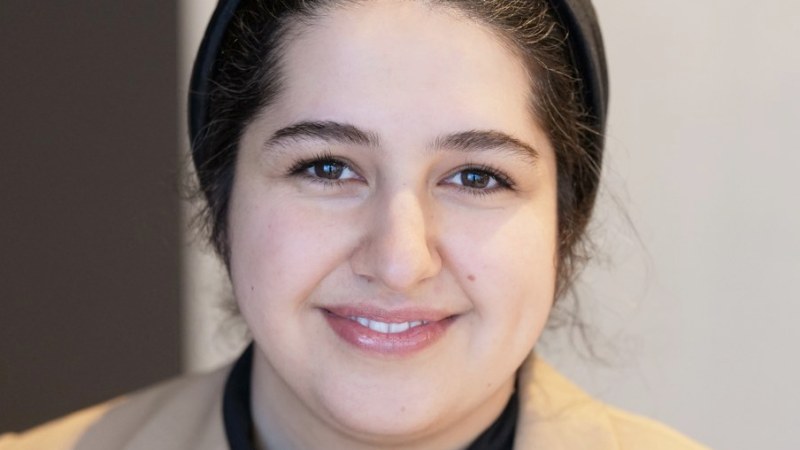
Nilou Salehi
Niloufar (Nilou) Salehi is a computer scientist and entrepreneur who co-founded Across AI, a San Francisco startup building 'agentic memory' systems for enterprise sales teams. An associate professor at UC Berkeley's School of Information known for human-centered AI and social computing research, she put her professorship on pause to serve as Across AI's Chief Product Officer. Across came out of stealth in December 2024 with a $5.7M seed round co-led by Cota Capital and Village Global. Her academic work spans crowd-worker organizing (Dynamo), reliable machine translation for high-stakes settings, and equity in algorithmic systems.
Noah Helman
Noah Helman is the co-founder and CEO of Industrial Microbes (iMicrobes), an Alameda, California synthetic biology company that engineers the central metabolism of microbes so they can eat cheap, renewable feedstocks - ethanol and methane - and spit out the chemicals normally pumped from petroleum. A Stanford applied-physics PhD who spent roughly a decade in physics labs before crossing into biology, Helman co-founded the company in 2014 with two fellow alumni of the biofuels startup LS9. iMicrobes targets drop-in, cost-competitive, net-zero versions of acrylic acid (for paints and adhesives) and acrylonitrile (for carbon fiber). The company went through Y Combinator's W15 batch, holds more than 20 patents, raised a $10M+ seed round in late 2024, and in 2025 announced it had scaled production of 100% bio-based, high-purity acrylic acid.
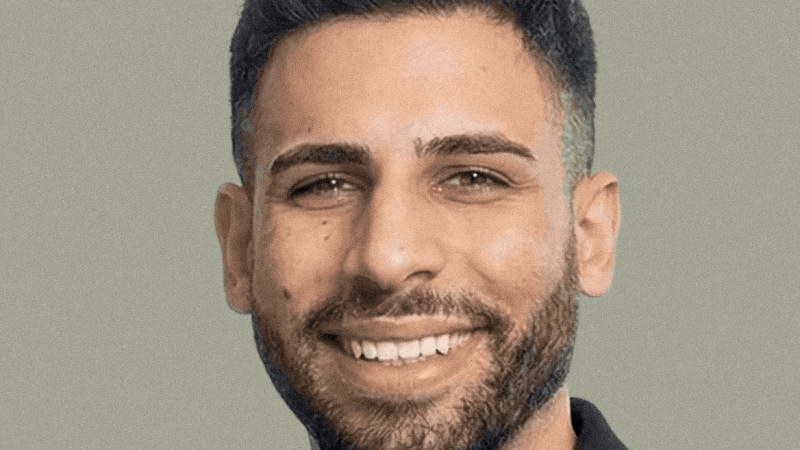
Omar Issa
Omar Issa is the co-founder and CEO of ResiQuant, a San Francisco startup that uses structural engineering AI to read a building's hidden vulnerabilities and rebuild how property insurers underwrite catastrophe risk. A second-generation structural engineer raised in the Bay Area, he earned a PhD at Stanford's John A. Blume Earthquake Engineering Center, specializing in machine learning for disaster recovery. After walking through the rubble of earthquakes from Ridgecrest to Turkey and the wreckage of Hurricane Ian, he and co-founder Francisco Galvis built ResiQuant to give underwriters the engineering-grade data they were missing, raising $4M in seed funding led by LDV Capital in 2025.
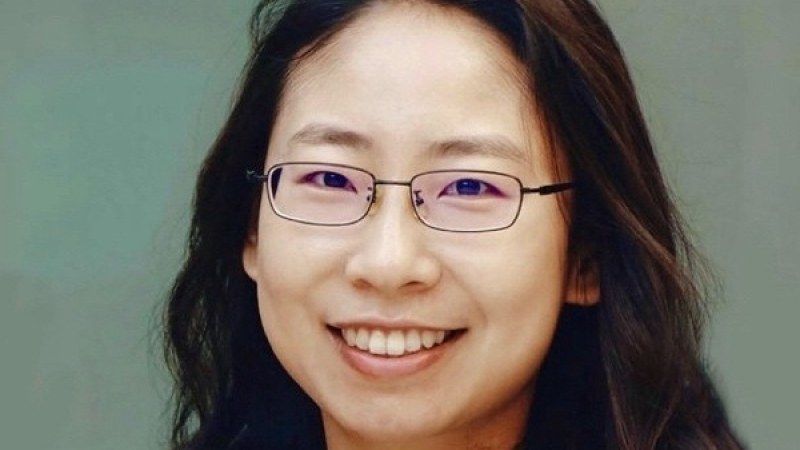
Qian Li
Qian Li is the co-founder and CEO of DBOS, Inc., a Cambridge- and San Francisco-based company turning a once-academic idea into infrastructure: store a program's execution state inside Postgres so crashed apps and AI agents resume exactly where they left off. A Stanford computer science PhD, she co-founded DBOS in 2023 out of a joint Stanford-MIT research project led by Postgres creator Mike Stonebraker and Spark co-creator Matei Zaharia. She was named to the Silicon Valley Business Journal's 40 Under 40 in 2025, won a USENIX ATC Best Paper award for INFaaS, and is a regular voice on systems podcasts and conference stages on durable, observable, scalable software.
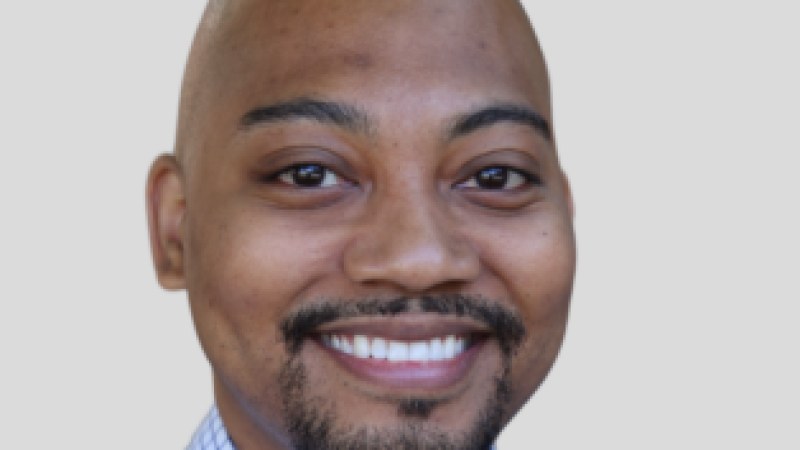
Ranulfo Allen
Ranulfo (Randy) Allen is the co-founder and CEO of Still Bright, a New Jersey deep-tech startup using a vanadium-based electrochemical process to pull refined copper out of ore - and out of mine waste - at room temperature and pressure, no smelter required. A Princeton-trained chemical engineer with a Stanford PhD and a Dartmouth MBA, Allen spent years on the other side of the table as a venture investor and startup mentor before deciding to build the thing himself. Still Bright raised an $18.7M seed in 2025 led by Material Impact and Breakthrough Energy Ventures, betting that the looming copper shortage is solvable if you stop burning rock and start running electricity through it.
Riad Wahby
Riad Wahby is the co-founder and CEO of Cubist, a key management infrastructure company building hardware-backed, policy-driven signing for Web3. He is also an assistant professor of Electrical and Computer Engineering at Carnegie Mellon University and an applied cryptographer known for co-inventing the proof systems Lasso, Hyrax, and Brakedown and co-authoring the BLS signature standard (RFC 9380) used across Ethereum, Avalanche, and other chains. Before academia and entrepreneurship he spent a decade designing analog and mixed-signal chips at Silicon Labs and researched cryptography at Algorand.
Zheqing (Bill) Zhu
Zheqing (Bill) Zhu is the founder and CEO of Pokee AI, a Bellevue, Washington startup building foundation AI agents that plan, reason, and use thousands of tools to execute real online workflows. A Stanford PhD in reinforcement learning, he previously led the Applied Reinforcement Learning team at Meta AI, where he shipped the open-source Pearl platform and RL systems credited with over $500M in annual revenue impact. In 2025 Pokee AI raised a $12M seed round, 3x oversubscribed, led by Point72 Ventures with backing from Qualcomm Ventures, Samsung NEXT, and angels including Intel CEO Lip-Bu Tan.
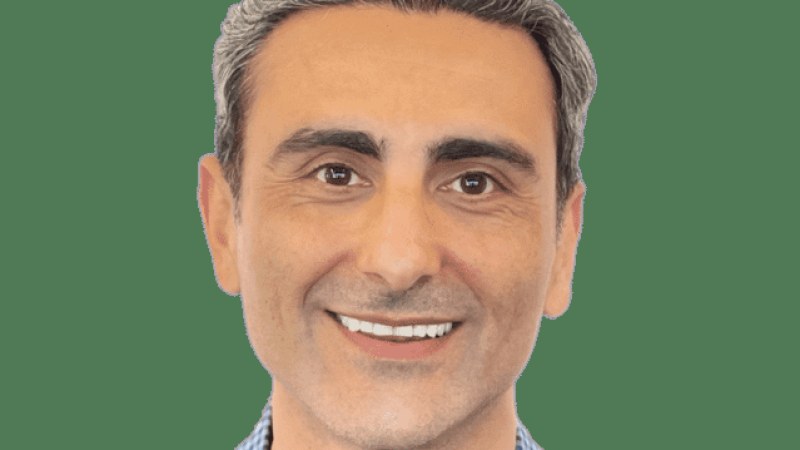
Amin Nikoozadeh
Amin Nikoozadeh is the founder and CEO of Vave Health, a San Jose company building affordable, wireless handheld ultrasound. A Stanford-trained electrical engineer who spent years shrinking an entire imaging system onto the tip of a 3mm catheter, he started Vave in 2015 after confronting a stark fact: roughly two-thirds of the world's population has no access to medical imaging. The company's pocket-sized probe earned FDA 510(k) clearance in 2019 and now powers millions of scans across hospitals, medical schools, and underserved clinics.
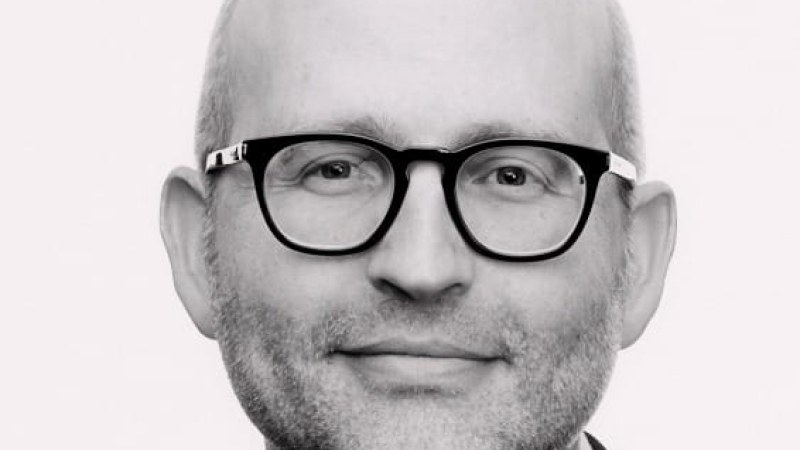
Carl Hoiland
Carl Hoiland is the co-founder and CEO of Zanskar, the Salt Lake City company using AI foundation models to find hidden geothermal reservoirs across the American West. A Stanford-trained exploration geologist whose grandfather prospected for uranium and gold, Hoiland built Zanskar on a contrarian bet: that the United States has overlooked geothermal potential by an order of magnitude, possibly a full terawatt of clean baseload power waiting underground with no hot springs or geysers to mark it. In 2025 his team confirmed 'Big Blind,' the first commercially viable blind geothermal system discovered by industry in over 30 years, and in January 2026 Zanskar raised a $115 million Series C to start building power plants.
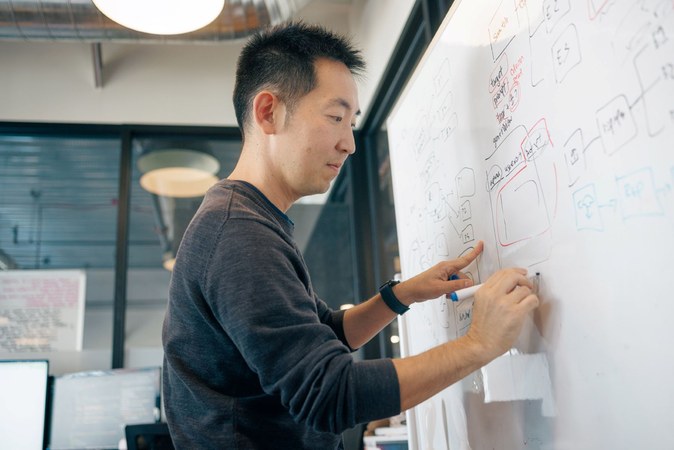
Eunjoon Cho
Eunjoon (EJ) Cho is the co-founder and CEO of Tofu, a San Mateo AI platform that automates personalized, multichannel B2B marketing at scale. A Stanford PhD who trained speech-recognition neural networks at Google and worked at Meta, Affirm and Fast, Cho spent years mapping the generative-AI landscape before ChatGPT opened the door. He started Tofu with Honglei Liu and Elaine Zelby in 2023, raised about $17M from SignalFire, Index Ventures and HubSpot Ventures, and grew revenue 12x in roughly a year by replacing the bloated stack of point tools marketers juggle with one platform that ships finished assets.
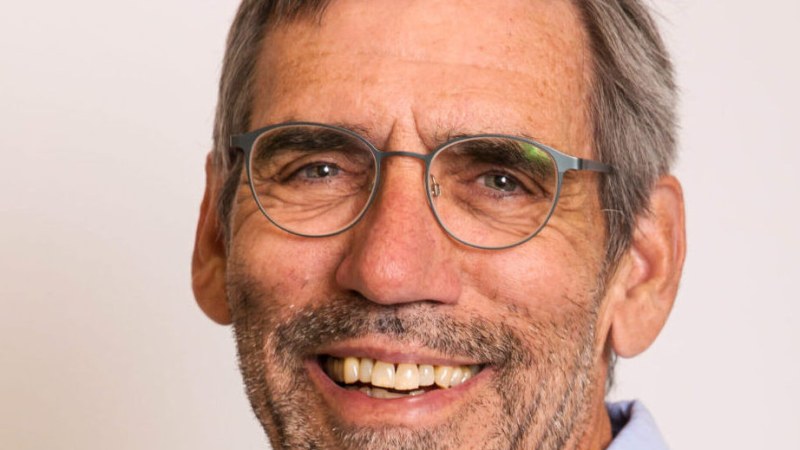
John Mulligan
John Mulligan is the founder and CEO of Bonum Therapeutics, a Seattle biotech building antibody-regulated biologics that switch on only at their target. A serial entrepreneur with roughly 30 years across drug discovery and company formation, he has founded four companies in fields he often entered as a novice - including Good Therapeutics, whose PD-1-regulated IL-2 program Roche acquired in 2022 for $250M upfront. Bonum spun out of that deal with $93M in Series A funding to apply the same conditional-activation science across oncology, autoimmunity, metabolic disease, and pain. Mulligan holds a BS in biology from MIT and a PhD from Stanford, and was named a Top Industry Leader by the PharmaVoice 100 in 2023.
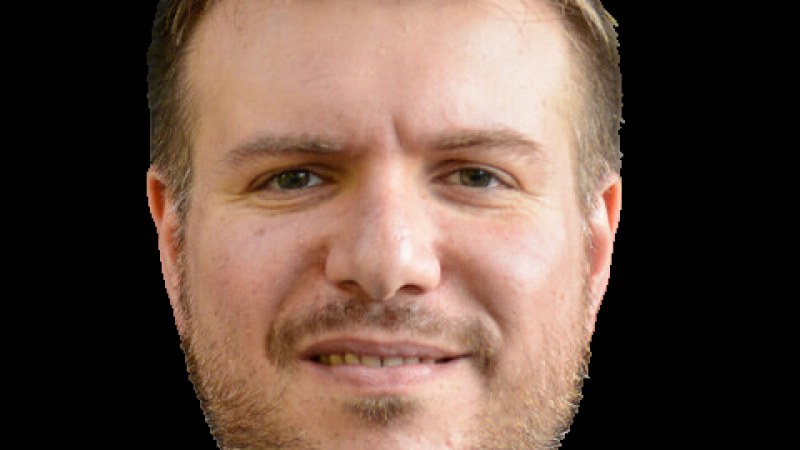
Kemal Levi
Kemal Levi is the founder and CEO of Relimetrics, an industrial AI company splitting its headquarters between Sunnyvale and Berlin. A Stanford-trained materials scientist who once measured how skin behaves under stress for the cosmetics industry, he now builds ReliVision, a no-code, GenAI-powered platform that lets factories teach machines to spot their own defects. He has spent more than fifteen years turning non-destructive testing and computer vision into shop-floor software, and counts NVIDIA's Inception program among Relimetrics' backers.
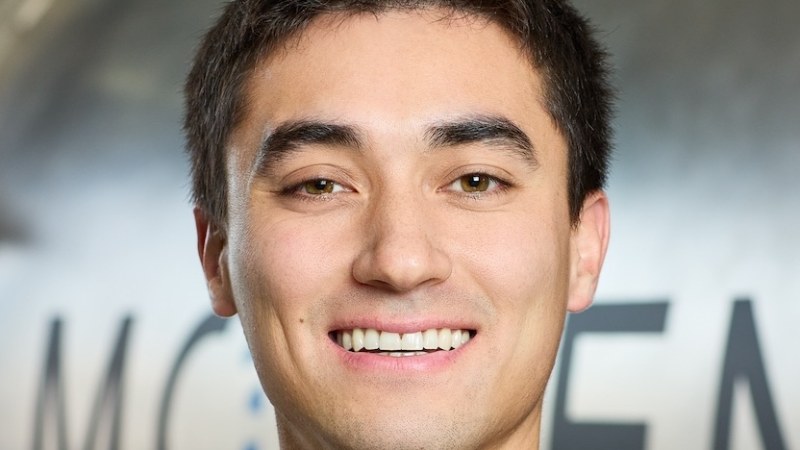
Kevin Bush
Kevin Bush is the co-founder and CEO of Molten Industries, an Oakland-based deep tech company using methane pyrolysis to crack natural gas into clean hydrogen and battery-grade synthetic graphite. A Stanford-trained materials scientist who set perovskite solar efficiency records before co-founding Swift Solar, Bush is a Breakthrough Energy Fellow and Forbes 30 Under 30 honoree. He started Molten in a Stanford garage in 2021 and raised a $25M Series A in 2024 to build its first modular commercial reactor.
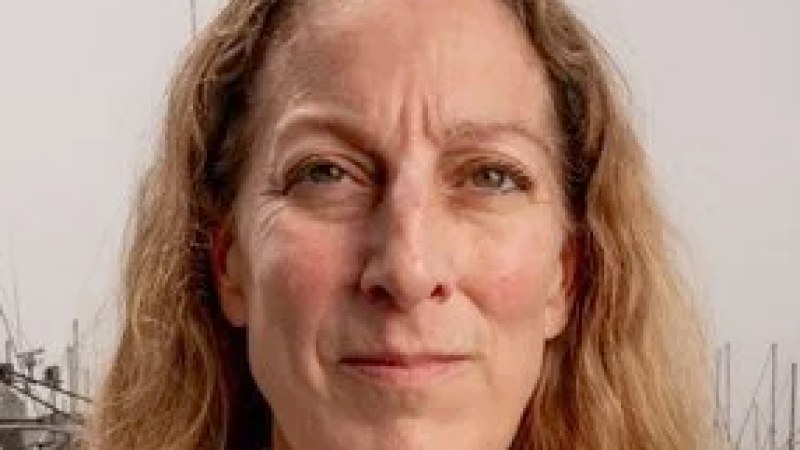
Kortney Opshaug
Kortney Opshaug is an aerospace-engineer-turned-ocean-entrepreneur and the CEO and founder of Blue Ocean Gear, a Sausalito-based startup whose orange-and-yellow Smart Buoys put GPS and sensors on fishing gear so commercial fishers can track, recover, and learn from equipment that would otherwise drift off as 'ghost gear.' With a Stanford PhD in aerospace and two MIT degrees in aeronautics, she spent years on docks listening to fishermen before designing hardware tough enough for the open ocean. Her buoys now ride the waters off Alaska, Nova Scotia, and the Caribbean, backed by NOAA SBIR funding and a Series A round, turning a tool for finding lost traps into a real-time data platform for a more sustainable ocean economy.
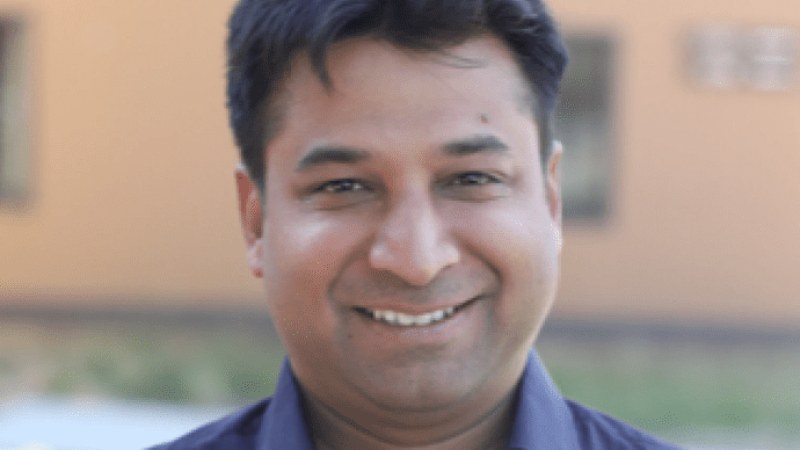
Manu Bansal
Manu Bansal is co-founder and CEO of Lightup, an AI-powered data quality and observability platform for the enterprise data stack. A Stanford EE PhD and IIT Kanpur alum, he first co-founded Uhana, a machine-learning analytics company for mobile carriers that VMware acquired in 2019. The grind of debugging bad data at Uhana became the seed for Lightup, which now runs hundreds of thousands of daily data-quality checks across petabytes of customer data and is backed by Andreessen Horowitz.
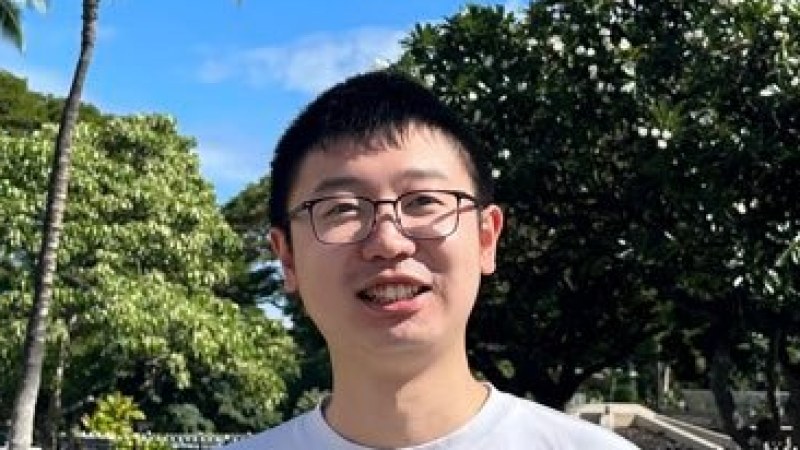
Xiao Zhang
Xiao Zhang is the co-founder and CEO of Collov Labs (Collov AI), a Redwood City visual-AI company that turns a single photo of a room into reimagined interior designs and staged real-estate listings. A Stanford applied-physics PhD who trained machine-learning models on free-electron lasers before pivoting to product, he is betting that the next interface for AI is the camera, not the chat box. In April 2026 Collov raised a $23M Series A and launched a research lab to push diffusion models, spatial reasoning, and agentic workflows toward AI that understands and acts on the physical world.
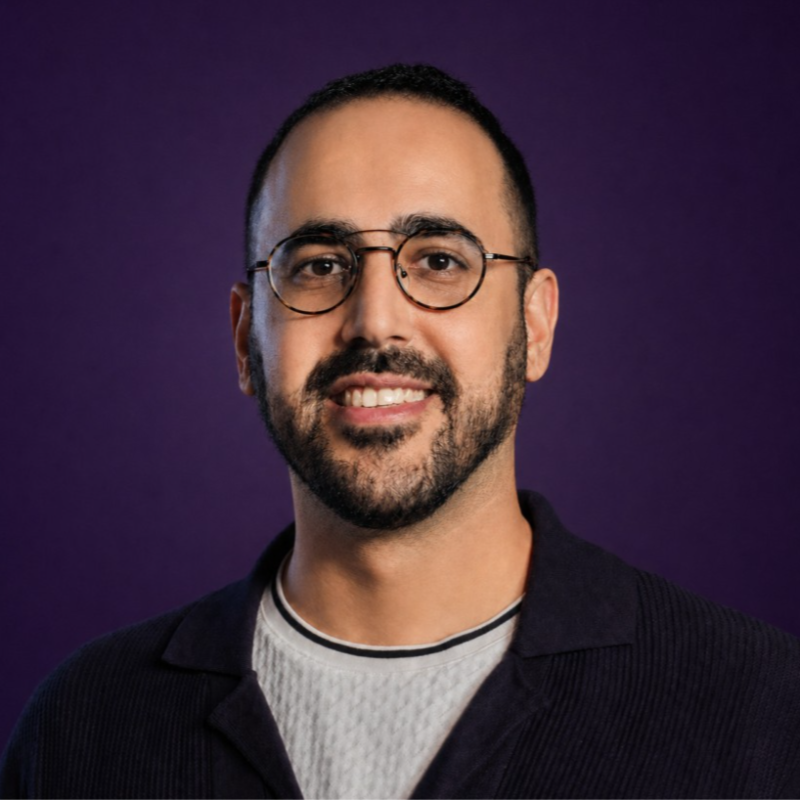
Amir Sadeghian
Amir Sadeghian is the Co-Founder and CEO of Astrocade, the world's first agentic AI game creation platform that lets anyone build fully playable games from a text prompt. A Stanford PhD in Computer Vision and AI, Sadeghian previously co-founded Aibee Inc. - a Sequoia-backed AI unicorn - before teaming up with his brother Ali Sadeghian and AI pioneer Fei-Fei Li to build Astrocade. The platform has amassed 20 million users and 140 million monthly game plays across 80 countries within 8 months of launch, backed by $68M from Sequoia Capital, Sea, NVIDIA, Google, and Eric Schmidt.
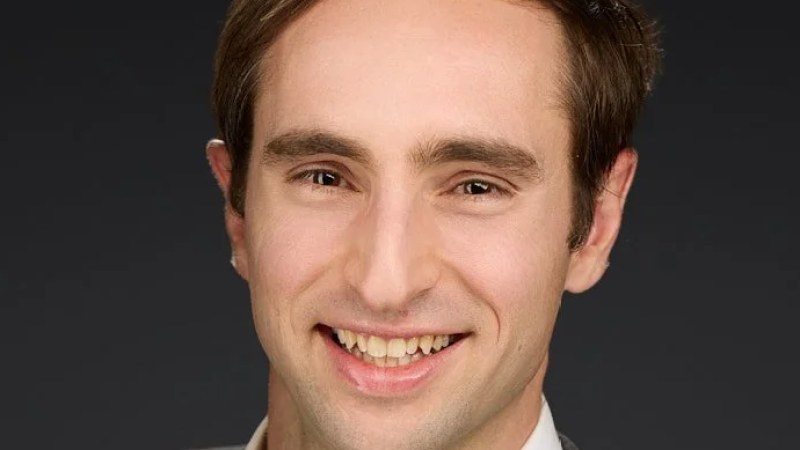
Nicolas Pinkowski
Nicolas Pinkowski is the Co-Founder and CEO of Nitricity, a Fremont, California-based clean energy company reinventing how nitrogen fertilizer is made. Armed with a Stanford PhD in Energy Systems, Pinkowski and his co-founders turned a backyard experiment on a lemon tree into a $95M-funded company producing organic nitrogen fertilizer from air, water, renewable electricity, and recycled almond shells. Their flagship product, Ash Tea, delivers 92% lower emissions than conventional fertilizers, has achieved OMRI certification, and has already generated over $150M in binding offtake agreements. Pinkowski was named to the Forbes 30 Under 30 list in 2021 and is an Unreasonable Food Fellow (2024), leading Nitricity's expansion from California into global markets.
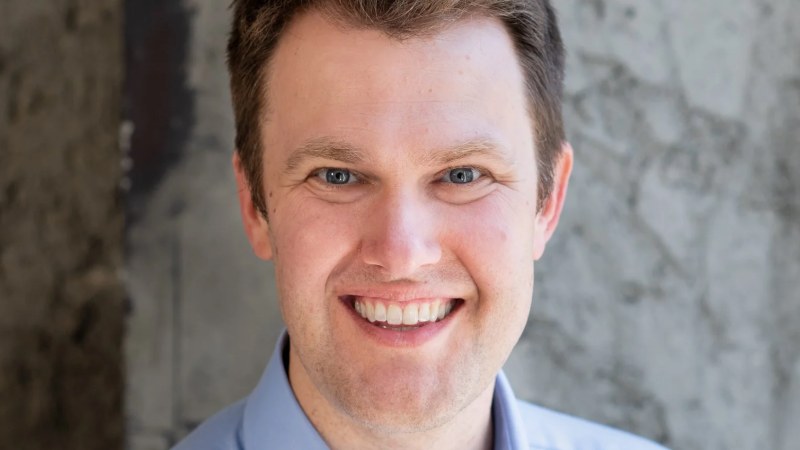
Bob Schafer
Bob Schafer, PhD, is the CEO of Lumos Labs, the company behind Lumosity, the world's largest brain training platform with over 100 million users. A Stanford-trained neuroscientist with postdoctoral work at MIT, Schafer founded Prophecy Sciences (YC W13) before joining Lumos Labs via acquihire in 2015. He rose from Head of Research to Chief Science Officer to President of Lumosity DTx before being named CEO in May 2023. Under his leadership, Lumos Labs achieved FDA 510(k) clearance in December 2025 for LumosityRx (marketed as Prismira), the first prescription digital therapeutic for attention improvement in adults with ADHD — validated by a 500-participant randomized controlled trial.