software
(96)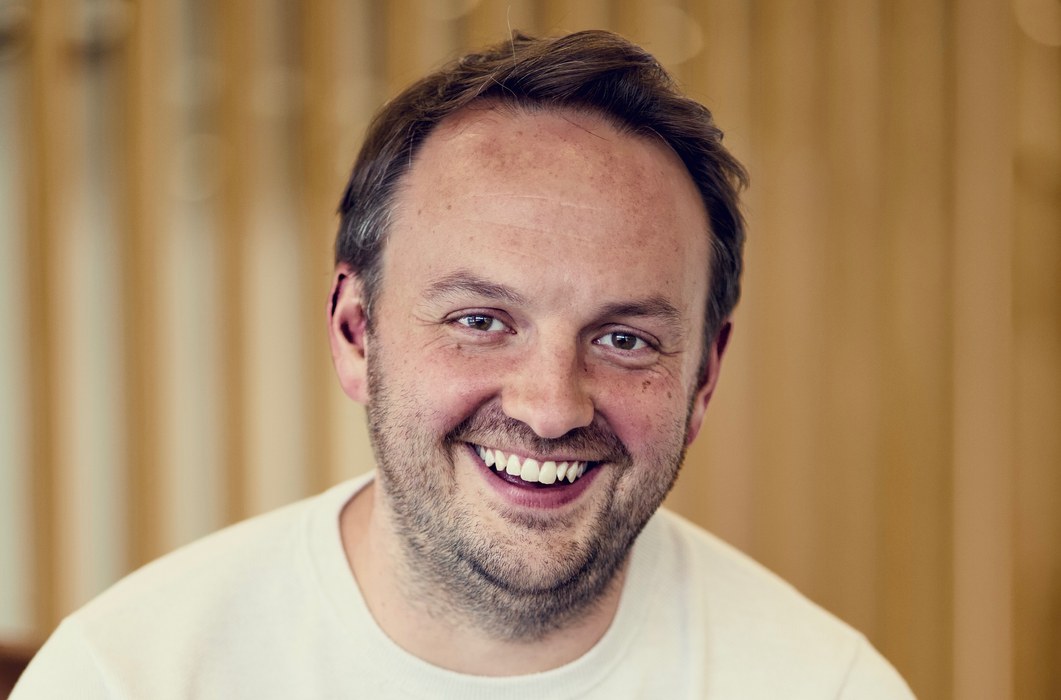
Blake Walker wants software to mind its manners
Before he became CEO of Inbox Health, Blake Walker led its product team. His career has followed a persistent question: why should an ordinary transaction be so difficult?
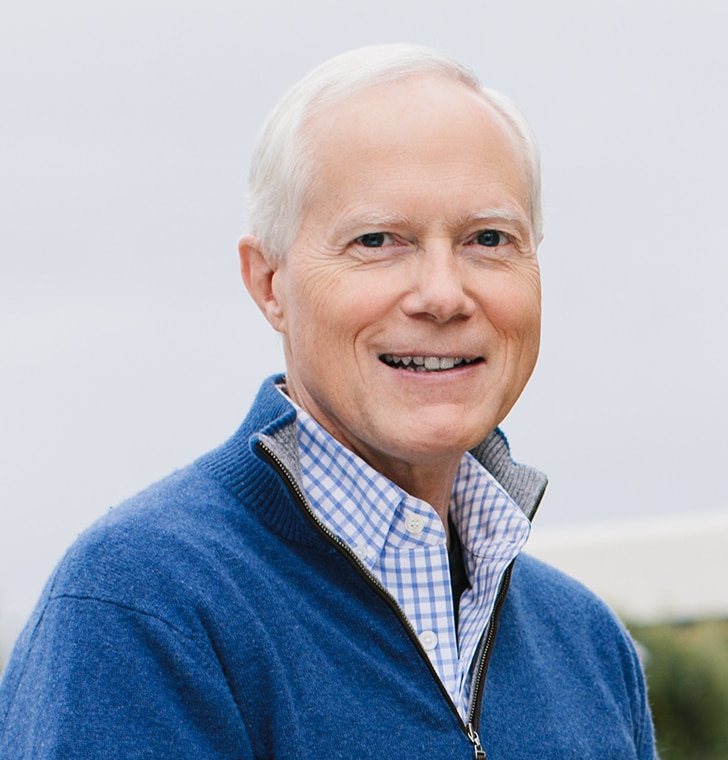
Scott Cook built Intuit by paying attention to the boring bits
A family checkbook started the conversation. Four decades later, the Intuit co-founder is still asking what customers do, where leaders go wrong, and what an unexpected answer might be worth.

Philippe d’Offay and the freedom to take the long way
It took the pMD founder more than a decade to reach his first million dollars in annual revenue. Along the way, he learned that keeping control of a company means learning when to let other people lead.
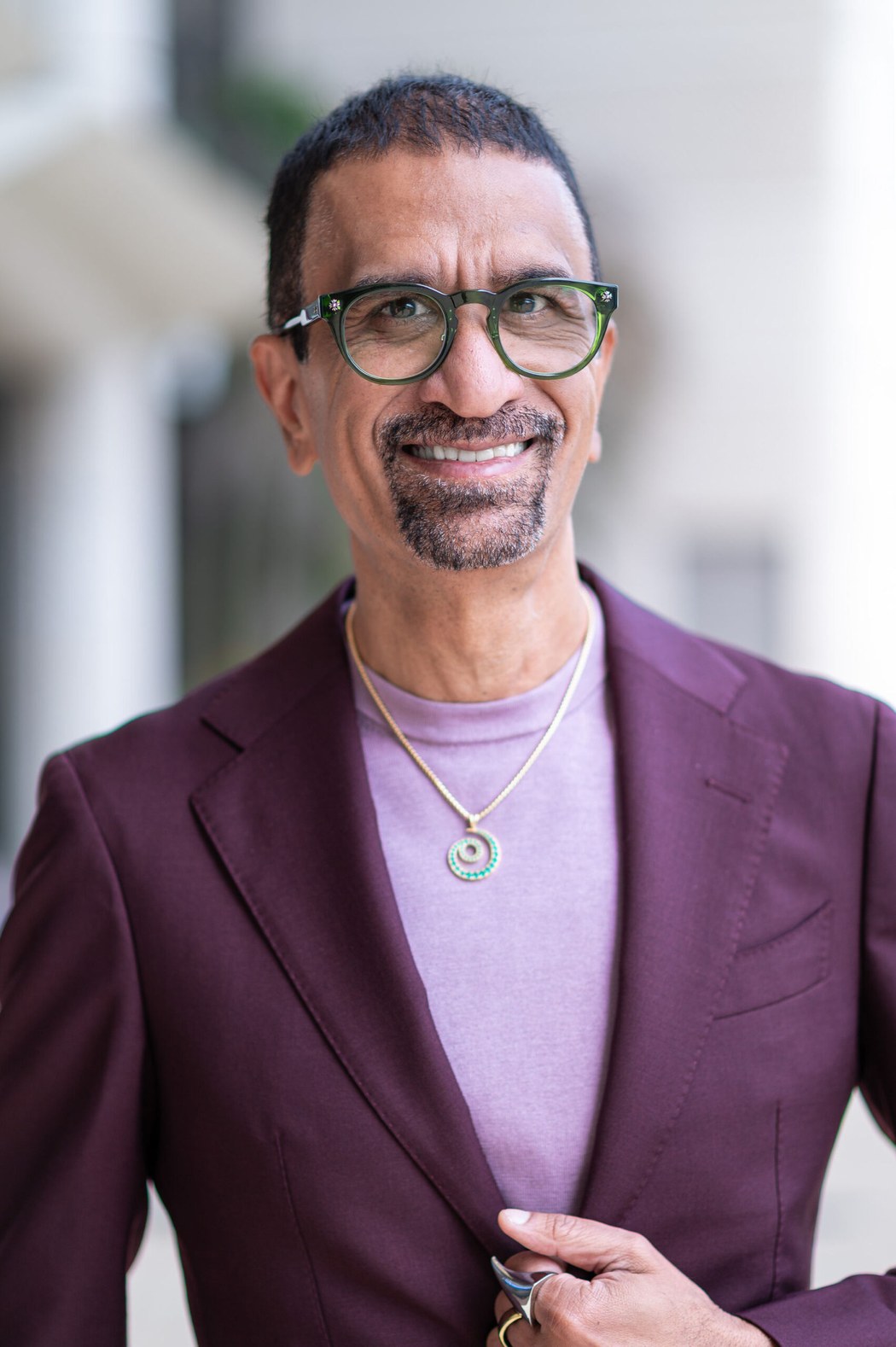
Nitin Rai bought out his investors. Then he became one.
After building First Insight and buying back his investors’ shares, Nitin Rai took a seat on the other side of the table. At Elevate Capital, he backs founders who know what it feels like to be overlooked.
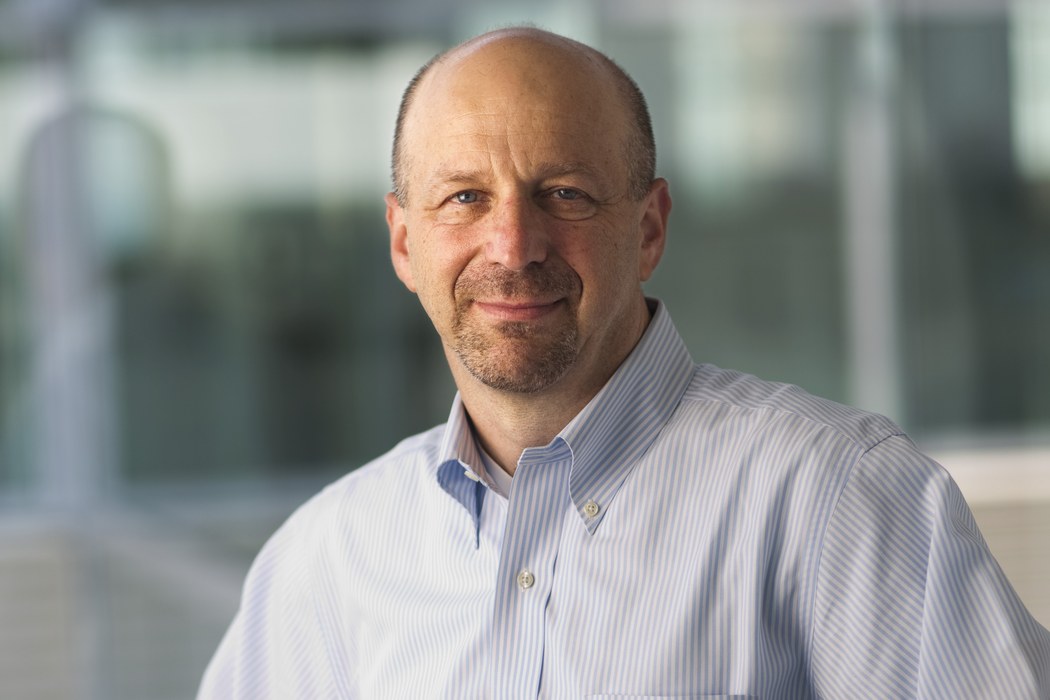
David Gang built for the web. Now he’s changing the course.
From AOL’s Buddy List to Brightspot’s publishing tools, David Gang has spent his career shaping how people connect. At a golf course in New York, the next version of that idea has fairways, robot mowers and room for a different kind of round.
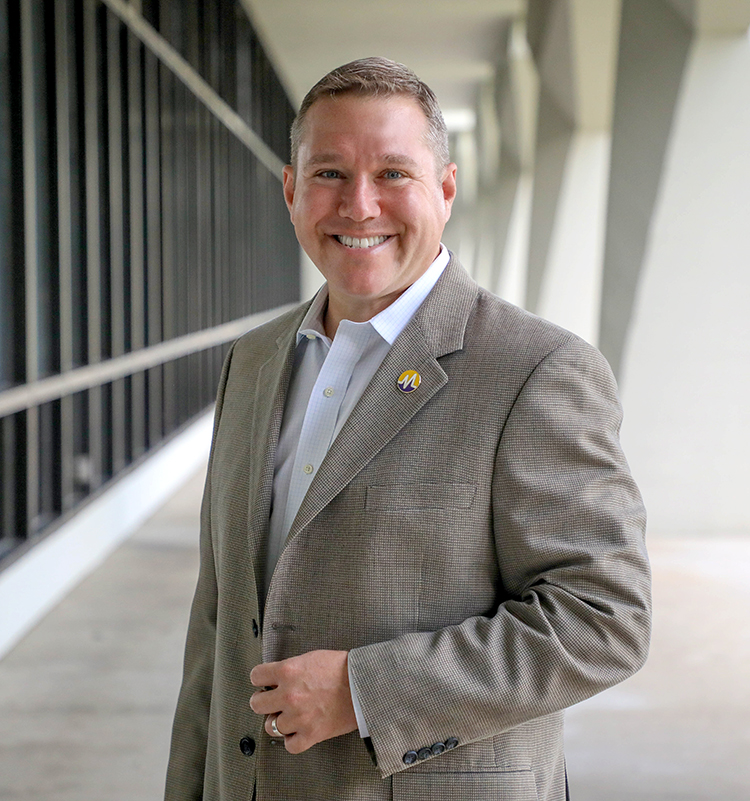
Daniel Cane and the business of beginning again
A class project became Blackboard. A second act became ModMed. Daniel Cane keeps returning to the people and classrooms that made the first attempt possible.

Eric Shapiro’s longest-running experiment is a friendship
He and his college roommate set out to build a five-person app business. Through changing markets and a sale to WPP, Eric N. Shapiro has kept returning to the same question: who would you like to build with?

David Kelleher and the business of getting things moving
An Army upbringing, a consulting firm built in Portland, and a second act with an old friend. David Kelleher’s career turns on a practical question: what is holding the work up?
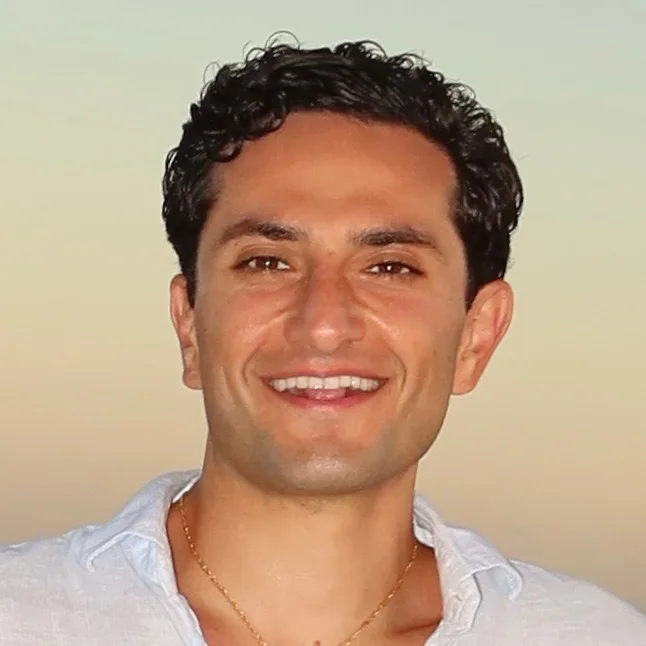
Sammy Faycurry and the Trouble With Getting What You Wanted
Harvard Business School was the plan. A favor for his mother and sister became Fay, a company that raised $75 million, and gave Sammy Faycurry a different assignment.
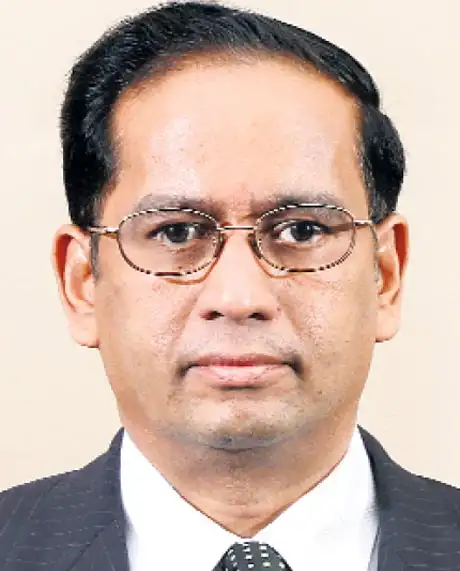
Sudarshan Venkatraman and the chair he could not keep
He helped build Zylog through overseas acquisitions. In 2014, shareholders voted him out. The obligations attached to his years in charge would last much longer.
Gary Griffiths and the Art of Changing His Mind
He helped build an AI reader, closed its free app, and kept going. From submarines to software investing, Gary Griffiths has made a career of deciding which ideas deserve another chapter.
Jon Otterstatter and the art of the controlled no
Before the $925 million deal, there was software work to pay the bills. Jon Otterstatter’s career traces the delicate business of building with bigger partners while keeping a company’s own direction.
Sean Rotermund and the home-field advantage
He helped build Bentley’s first varsity lacrosse teams, then built Clarity in Connecticut. Sean Rotermund’s story keeps returning to the same question: what makes a team worth coming back to?
Todd Cozzens learned to read the wind
Before Picis and Transformation Capital, Todd Cozzens chased a place at the Olympics. The boats gave way to businesses, but his interest in preparation, partners and the next change of direction stayed with him.
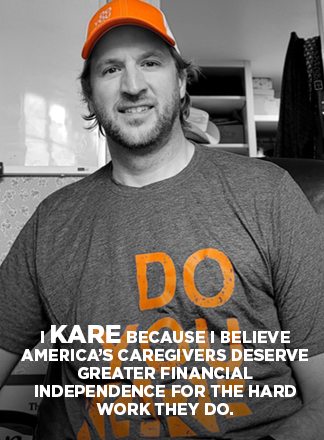
Charles Turner and the trouble with a perfect building
His buildings survived the storms; getting people through the doors was another matter. The KARE founder has been questioning the way employers find, hire and listen to workers ever since.
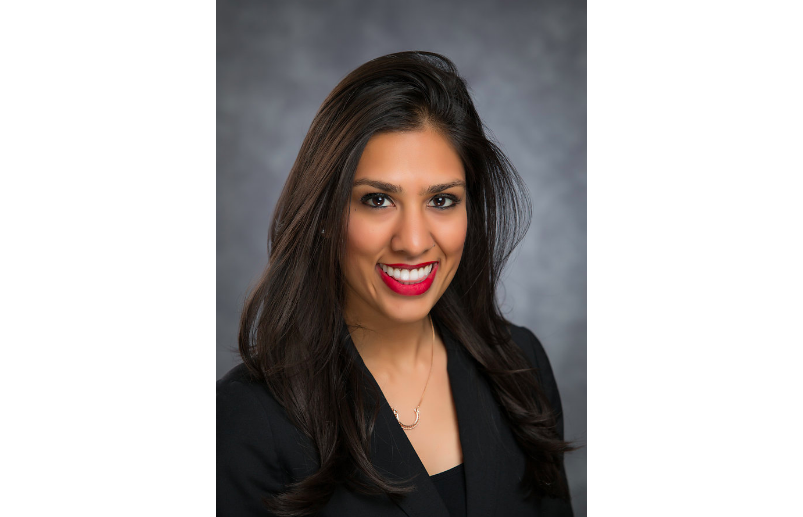
Erica Jain’s overnight success is taking its time
Before the larger funding rounds came paying customers, a platform rebuilt from scratch, and years of learning how to last. The Healthie co-founder’s story turns on a deceptively ordinary ambition: be ready when the opportunity arrives.

Rick McCartney and the arithmetic of starting over
He once traded two-thirds of his income for a startup. Years later, the Significo co-founder is still testing what makes a company worth building - from longstanding acquaintances to software that takes on the work of management.
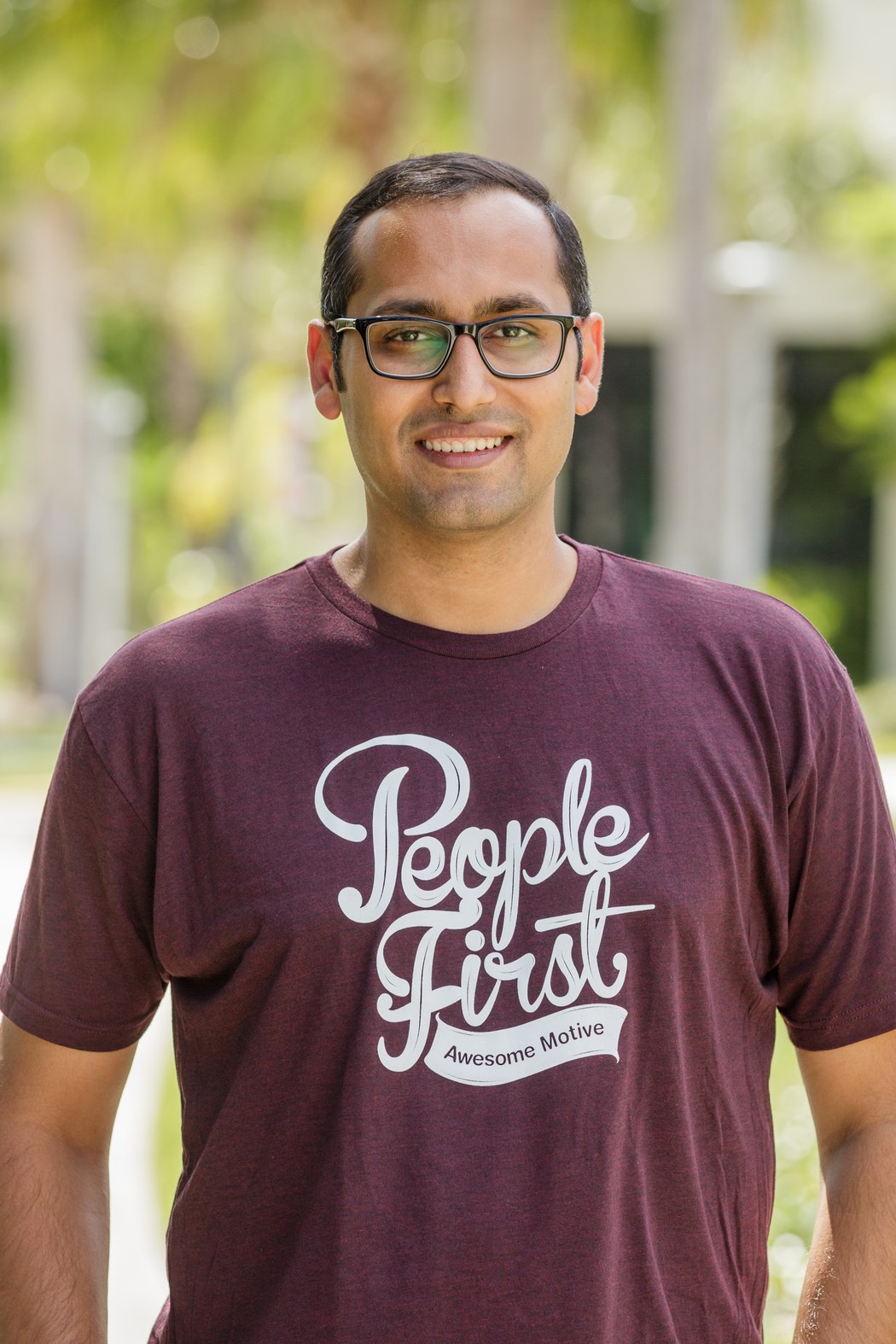
Syed Balkhi and the business of answering one more question
He moved his clients to WordPress to make life simpler. Their questions became WPBeginner, then a software business used on more than 30 million websites.

Brennan Spellacy Took the Long Way Back to Climate
He studied chemical engineering to work on cleaner energy, then spent years building software. With Patch, Brennan Spellacy returned to his original ambition - and found that connecting people, projects and money was an engineering problem of its own.

Matt Hawkins and the work before the bell
Before Waystar rang the Nasdaq bell, Matt Hawkins spent years putting software businesses together. His career offers a quieter account of company building: stay close to the work, keep the team in view, and make the machinery useful.

Faisal Tai and the business hiding inside a beta test
His first location doubled as a testing ground for software. Faisal Tai’s path from that practical experiment to international acquisitions tells a story about owning the tools - and the work that follows.
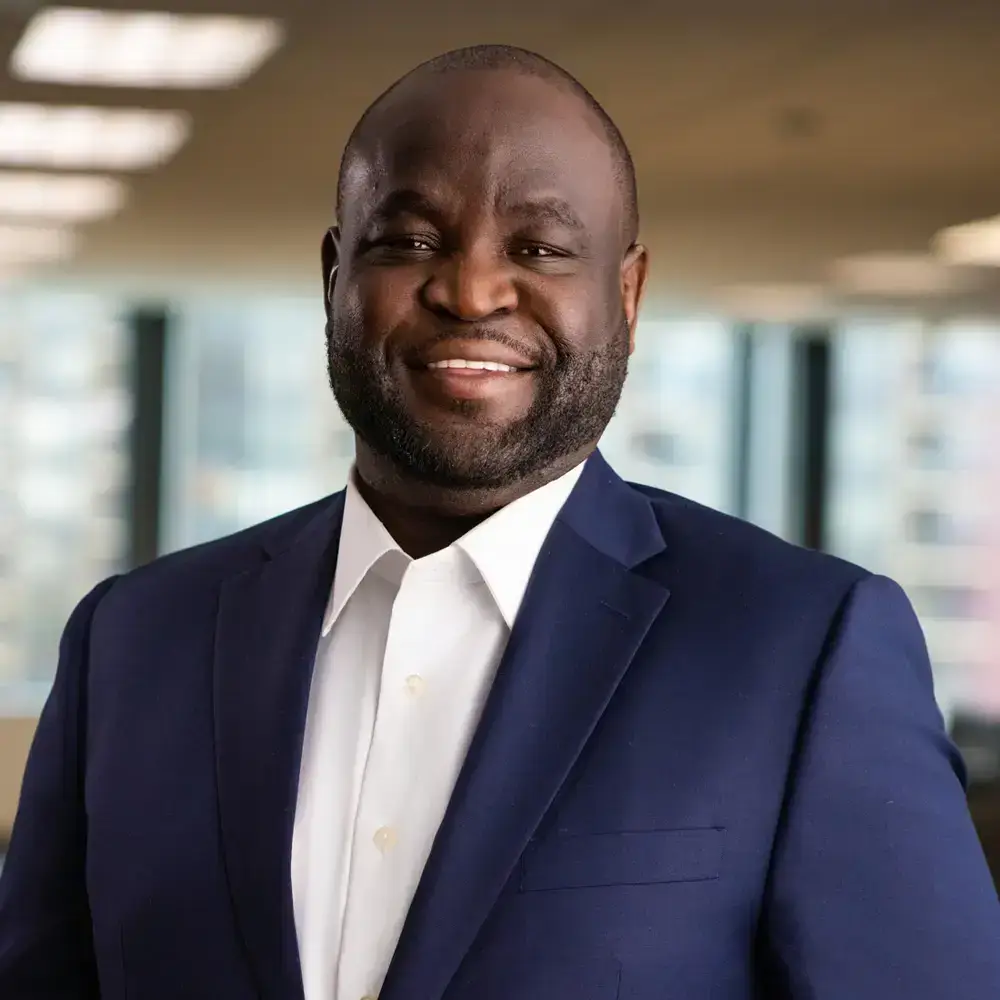
John Olajide and the education of a businessman
Before he founded Axxess, John Olajide learned commerce in his parents’ Lagos business. His route through Dallas, scholarships and investment in Nigeria suggests those early lessons are still earning their keep.
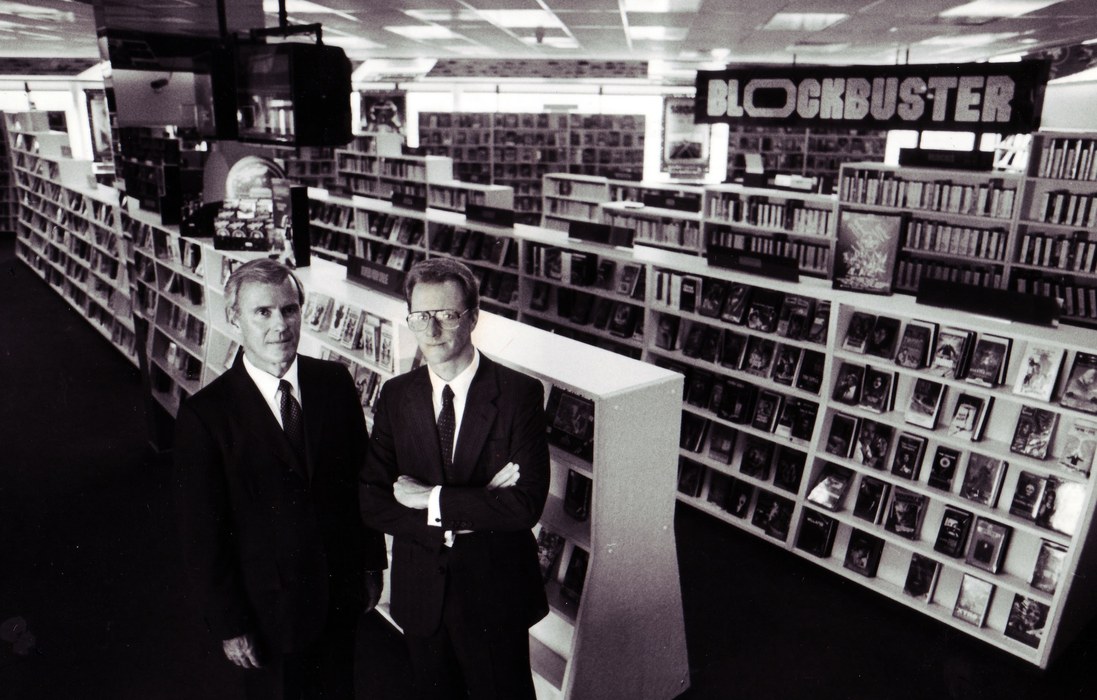
David P. Cook and the machinery behind movie night
Before Zix, David P. Cook put computers behind the video counter and electronic tags on the tollway. His career connects three ordinary transactions with the less ordinary work of making them easier.
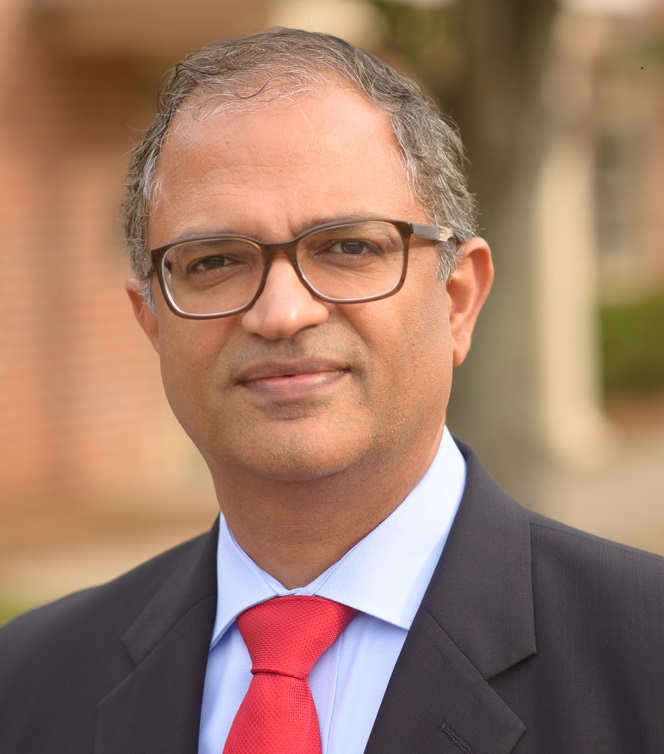
Raghu Vir’s open door has a guest list
When he launched Qural in India, the Saince founder paired a free subscription with selective onboarding. His bet was that useful connections would give smaller businesses more room to compete.

Drew McElroy’s problem with the empty truck
He learned freight brokerage on the family phones, recruited truckers with a dunk tank, and handed over the CEO job. Drew McElroy’s career keeps returning to the same question: how much of the work is waste?

Jun Fabella and the business of finding a simpler way
An MBA classmate needed software. Jun Fabella helped build a business. His route from DYNALABS to ANiGENT reveals an engineer’s interest in systems - and the people who make them work.
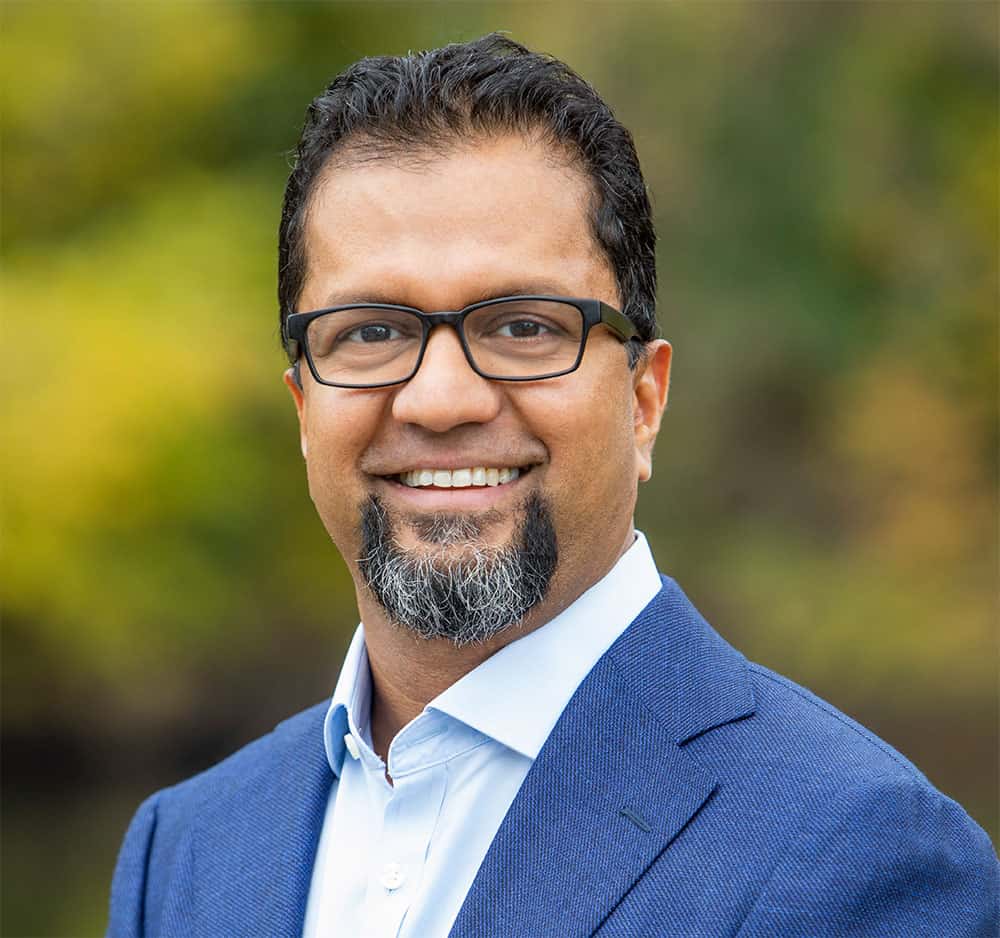
Jagath Wanninayake and the art of starting again
He sold Clarix for $40 million, co-founded a record label, and returned to software with Suvoda. His career keeps circling a practical question: how do you get people to come along?
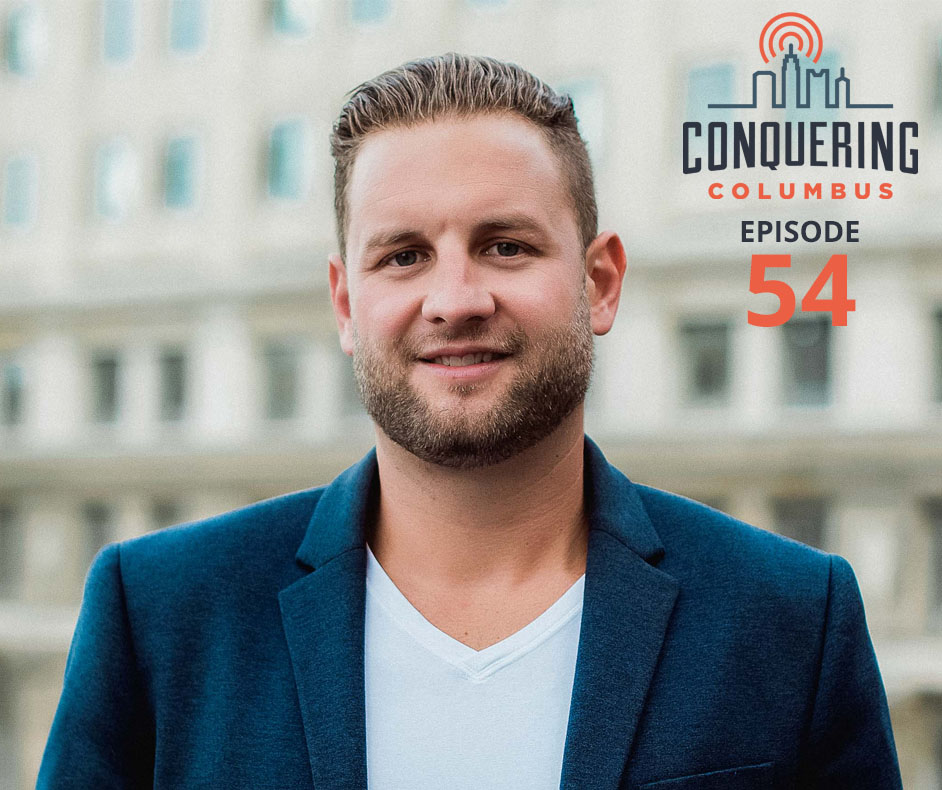
Joe Anstine and the Art of the Second Idea
Before Rhyme, there were recruiting calls and a data business. Joe Anstine’s path to the CEO’s chair is a story of changing the plan, finding backers and giving a company room to grow.
Mark Byers and the business of staying
Three brothers started DSS in a Colorado basement in 1991. Thirty-five years later, Mark Byers’s story runs through a federal customer, longtime colleagues and a seat on an Honor Flight.
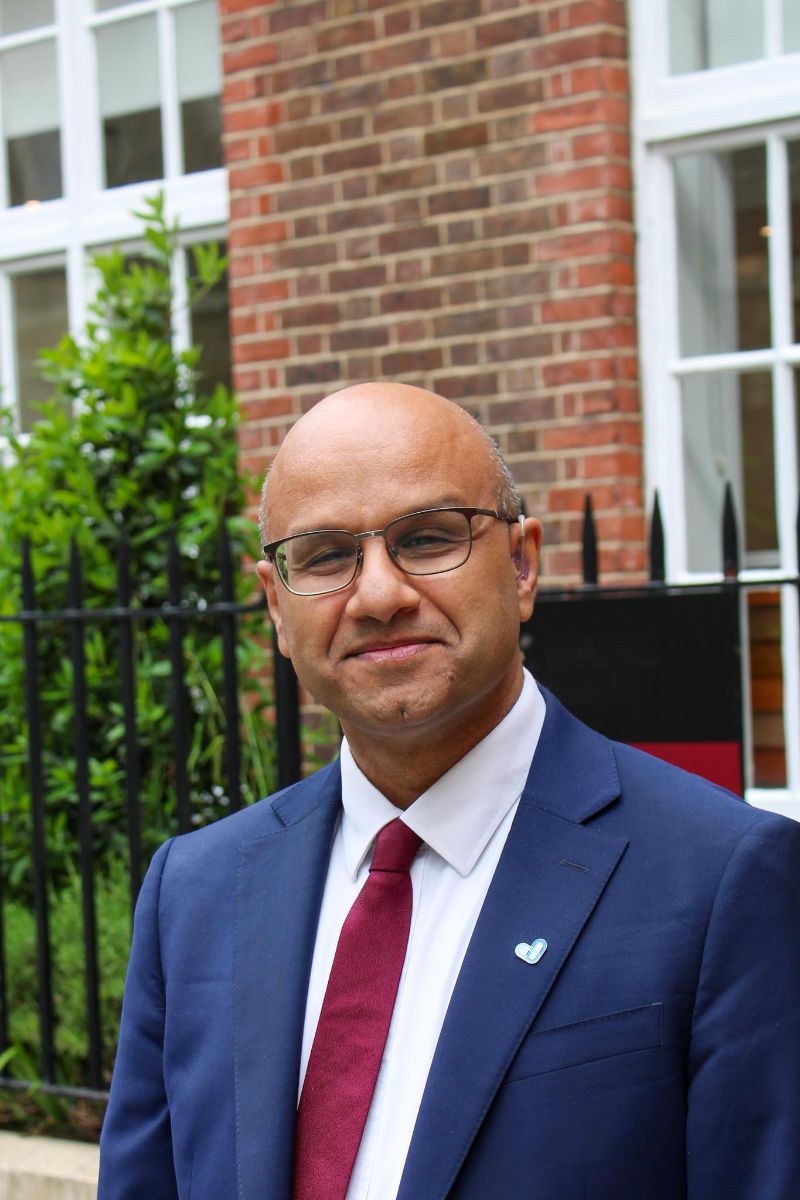
Mohammad Al-Ubaydli’s unfinished syllabus
A book about chaos changed his plans. A book about publishing helped him start a business. The founder of Patients Know Best has kept giving himself new subjects to learn.