programmatic-advertising
(78)
The Ticket Is the Product. The Crowd Is the Proof.
Strike Marketing built a durable Houston agency around a deceptively hard promise: turn media spend into people who actually show up. Its advantage is less about inventing a new channel than knowing how to make every channel earn its place.

Winning Media Discovered That One Investor Pitch Is Never Enough
The Houston agency sells repetition to public companies: one story, distributed through enough channels and often enough to become familiar. Its public contracts reveal what that machinery includes - and what issuers pay to switch it on.

The Video Call That Became a 14-Billion-Request Ad Machine
When streaming costs outran ooVoo's advertising income, two operators kept the useful part: the machinery for finding, checking and selling attention. Krush Media is what happened next.

Raincross asks what happens after the website launches
A website can be finished. Finding customers cannot. The Riverside agency built its business around that distinction, then learned to make the ongoing work visible.

Permutive Wants Publishers to Sell What They Know
Publishers know their readers. Too often, somebody else gets paid for that knowledge. Permutive is building the software to change the transaction - and now wants AI agents to handle more of the work.

Intersection’s pitch: let the ads pay for the city
The company behind LinkNYC advertising turns sidewalks, stations and bike docks into media. Its history shows both the appeal and the hard limits of getting brands to fund public conveniences.
Index Exchange Wants to Shorten the Trip Your Ad Dollar Takes
The family-built ad exchange is opening its infrastructure to other companies. Its wager: fewer detours can mean better decisions, less waste and more money for the media people actually came to see.
Yieldmo Wants to Buy the Moment Your Thumb Slows Down
The ad tech company built its business around the gestures between seeing an ad and clicking it. Its next bet: pair the right creative with the right page before an advertiser spends a dollar.

Yahoo’s next act is hiding in your daily habits
The old web portal is putting AI into the inboxes, stock watchlists and sports routines people already use. Its advantage is a familiar front door. The hard part is making it worth opening again.
LoopMe wants to know if the ad changed your mind
The London adtech company turns consumer surveys into instructions for the next ad buy. With Chartboost in its pocket, it is taking that feedback loop deeper into mobile games, apps and connected TV.

Admixer wants you to run your own ad business
The company that began by selling ads on Ukrainian websites now sells the machinery behind the market. Its pitch to agencies and publishers: keep more control over the audience, the auction and the money.

Laurel Rossi Built a Career Where Growth and Belonging Share the Same Brief
From selling her own digital agency to challenging adtech's 'sea of sameness,' Laurel Rossi has made one idea unusually consistent: growth works better when more people can take part in it.

Jon Schulz Has Spent a Career Making Advertising Answer for Itself
From Windows 3.0 migrations to Ford's digital showroom and Viant's AI-era advertising platform, his work keeps returning to one stubborn question: did the marketing actually work?
Infillion Bought Ad Tech’s Wreckage. Now It Wants to Be the Operating System for Every Ad.
A social-good startup became an ad company, survived Disney, bought MediaMath out of bankruptcy for $22 million and rebuilt nine pieces of ad tech into one modular machine. With Catalina now inside, Infillion is trying to connect the ad you saw to the cereal you actually bought.
He Drove Uber to Keep JamLoop Alive. Now It Wants to Make TV Ads Behave Like Search.
JamLoop survived a broad first act, a bootstrapped near-death stretch and an industry addicted to fuzzy metrics. Its second act is a sharper bet: sell local advertisers the reach of television, the controls of digital and proof that reaches beyond a click.

Anteriad Bought Its Way to the Whole B2B Funnel - Now It Has to Prove the Data Works
A 25-year-old database marketer became a 900-person demand machine by acquiring the missing pieces of the funnel. Its best argument is not the size of its data - it is the controlled test that tells a CMO whether the data made money.

OptimizeRx Put Pharma Ads in the Doctor's Office. Then It Paid $95 Million to Follow the Patient Home
The company started with copay coupons inside prescribing software. Now its bigger wager is that pharma marketing works best when the patient on the sofa and the clinician at the screen receive coordinated messages at the moment a treatment decision is forming.
SalesboxAI Wants to Turn B2B's Messy Growth Stack Into One Machine
B2B teams bought a tool for every stage of the funnel and inherited a coordination problem. SalesboxAI's bet is that one signal-driven layer can make the ads, intent data and follow-up behave like a single revenue team.

Ian Colley Is Giving Adtech a More Consequential Brief
After two decades at IBM and seven years helping The Trade Desk explain the open internet, Ian Colley has taken on a narrower market with a larger question: can advertising intelligence help companies make better decisions before the campaign even begins?

Shahid Butt Has Spent a Career Making Television Behave More Like the Internet
From bargain broadband to live TV on a laptop and addressable ads on offline set-top boxes, Shahid Butt's career follows one persistent idea: make complicated media technology useful to ordinary people.

Symphony Talent Is Rebuilding Job Search Before AI Rewrites the Résumé Pile
The enterprise recruiting company spent a decade stitching software, media and employer branding into one system. Now it is betting that the next job-search box will answer questions instead of matching keywords.
INVIDI Put Digital Ad Logic Inside Television - Now It Has to Make Every Screen Behave
The Princeton ad-tech company made the old television set act a little more like the internet without turning the viewer into the product. Its next trick is harder: carrying that precision across streaming, live sports and hundreds of millions of boxes that are not even online.
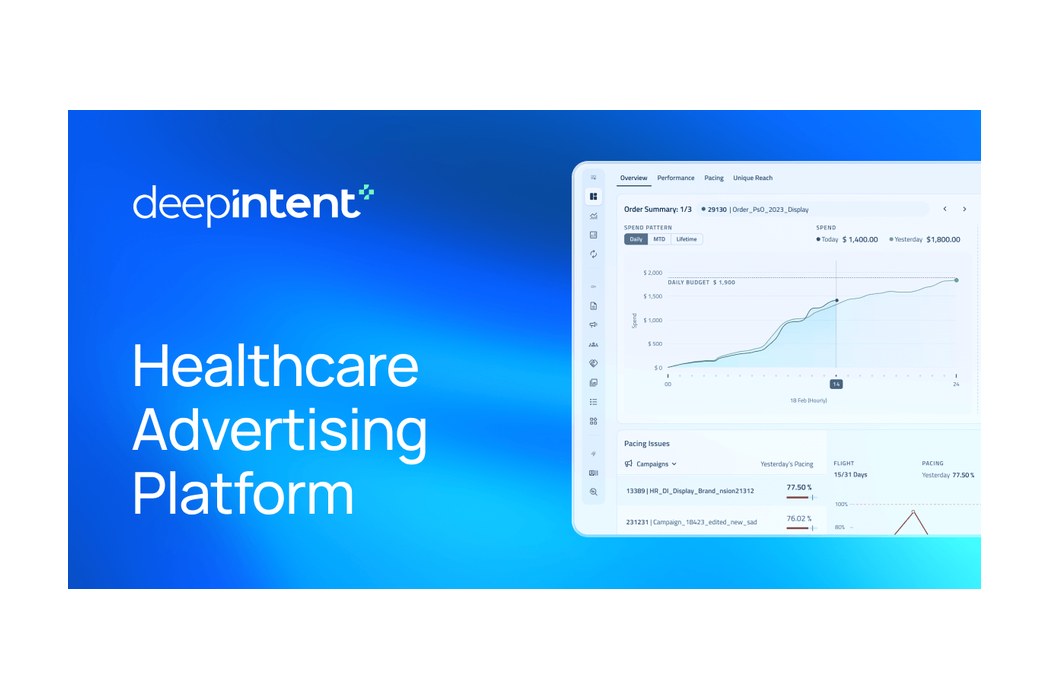
DeepIntent Survived the DSP Winter - Then Taught Pharma Ads to Count Prescriptions, Not Clicks
The New York ad-tech company nearly ran out of road when venture funding for new DSPs froze. A decade later, it sells pharma marketers something the open web rarely offers: a way to connect media spend with clinical outcomes.
Viamedia Kept the Cable Pipes - Then Built an Ad-Tech Engine on Top
For two decades, Viamedia sold the awkward local minutes inside cable television. Now it is using those same operator relationships to make fragmented, cross-screen advertising feel like one buy - a practical reinvention with lessons for any legacy business sitting on overlooked distribution.
Viant Survived Myspace. Now It Wants to Prove Your TV Ad Was Actually Watched
The 27-year-old adtech company outlived the portal era, bought and carried Myspace, and emerged with a sharper bet: connected-TV ads should be addressable, explainable, and measured by more than a play button.

Jeremy Fain Learned to Read the Internet. Then He Taught It to Bid.
The Cognitiv co-founder spent two decades learning how digital advertising actually works. His more revealing operating system was built earlier - in code, competition and the company of two childhood friends.

Oz Etzioni Is Redesigning the Awkward Machinery Behind Every Ad
Before Clinch, Oz Etzioni moved from military aviation to industrial design to Madison Avenue. The common thread is a designer’s impatience with clumsy systems - and a belief that machines should handle repetition while people keep the interesting work.

The Ad-Tech Choice Hiding Inside Your Media Budget
The Trade Desk and Criteo can both buy an ad, but their histories, incentives and data advantages point in different directions. The useful question is not which platform wins. It is which job your budget needs done.

Bridget Westerholz Is Putting Judgment Back Into Marketing
After 25 years across agencies, grocery aisles, and ad tech, Bridget Westerholz has arrived at a plainspoken thesis: more data is useful only when it helps a marketer make a better decision.
PATTISON Outdoor Put Canada on the Map. Now It Wants to Turn Every Commute Into Data.
The billboard incumbent is pairing a century-old physical network with 20 billion data points, 3D previews and its first U.S. airport. The clever part is not the screen - it is making outdoor media easier to plan, buy and defend in a spreadsheet.