programmatic-advertising
(20)
Laurel Rossi Built a Career Where Growth and Belonging Share the Same Brief
From selling her own digital agency to challenging adtech's 'sea of sameness,' Laurel Rossi has made one idea unusually consistent: growth works better when more people can take part in it.

Jon Schulz Has Spent a Career Making Advertising Answer for Itself
From Windows 3.0 migrations to Ford's digital showroom and Viant's AI-era advertising platform, his work keeps returning to one stubborn question: did the marketing actually work?

Ian Colley Is Giving Adtech a More Consequential Brief
After two decades at IBM and seven years helping The Trade Desk explain the open internet, Ian Colley has taken on a narrower market with a larger question: can advertising intelligence help companies make better decisions before the campaign even begins?

Shahid Butt Has Spent a Career Making Television Behave More Like the Internet
From bargain broadband to live TV on a laptop and addressable ads on offline set-top boxes, Shahid Butt's career follows one persistent idea: make complicated media technology useful to ordinary people.
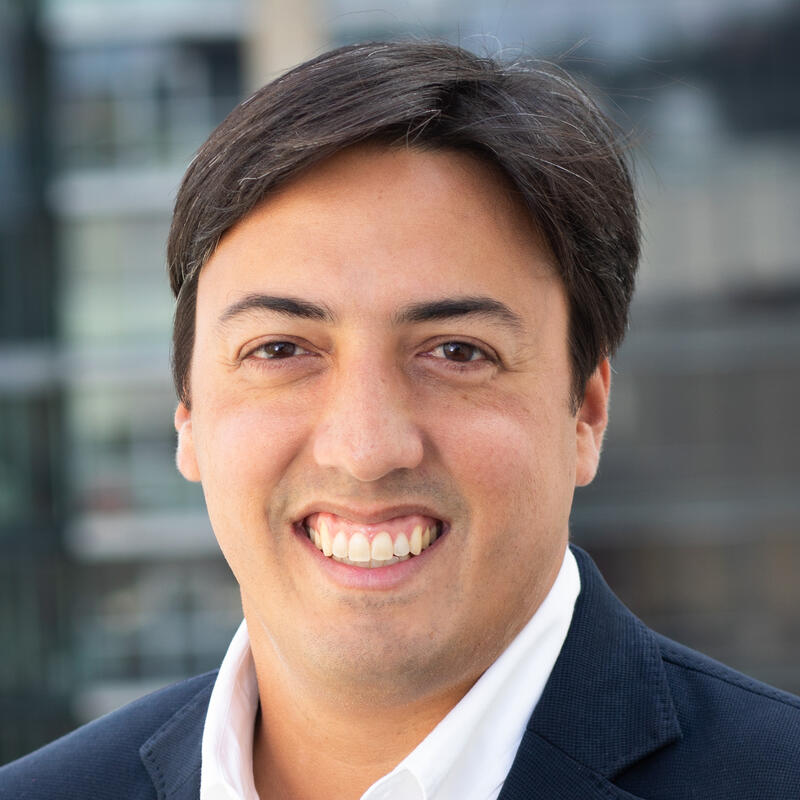
Jeremy Fain Learned to Read the Internet. Then He Taught It to Bid.
The Cognitiv co-founder spent two decades learning how digital advertising actually works. His more revealing operating system was built earlier - in code, competition and the company of two childhood friends.

Oz Etzioni Is Redesigning the Awkward Machinery Behind Every Ad
Before Clinch, Oz Etzioni moved from military aviation to industrial design to Madison Avenue. The common thread is a designer’s impatience with clumsy systems - and a belief that machines should handle repetition while people keep the interesting work.

Bridget Westerholz Is Putting Judgment Back Into Marketing
After 25 years across agencies, grocery aisles, and ad tech, Bridget Westerholz has arrived at a plainspoken thesis: more data is useful only when it helps a marketer make a better decision.

Dan Levi Is Teaching Billboards to Speak Digital
From launching MTV Asia to measuring a roadside audience, Dan Levi has built a career around one durable idea: technology earns its place when it helps people notice, understand and act.
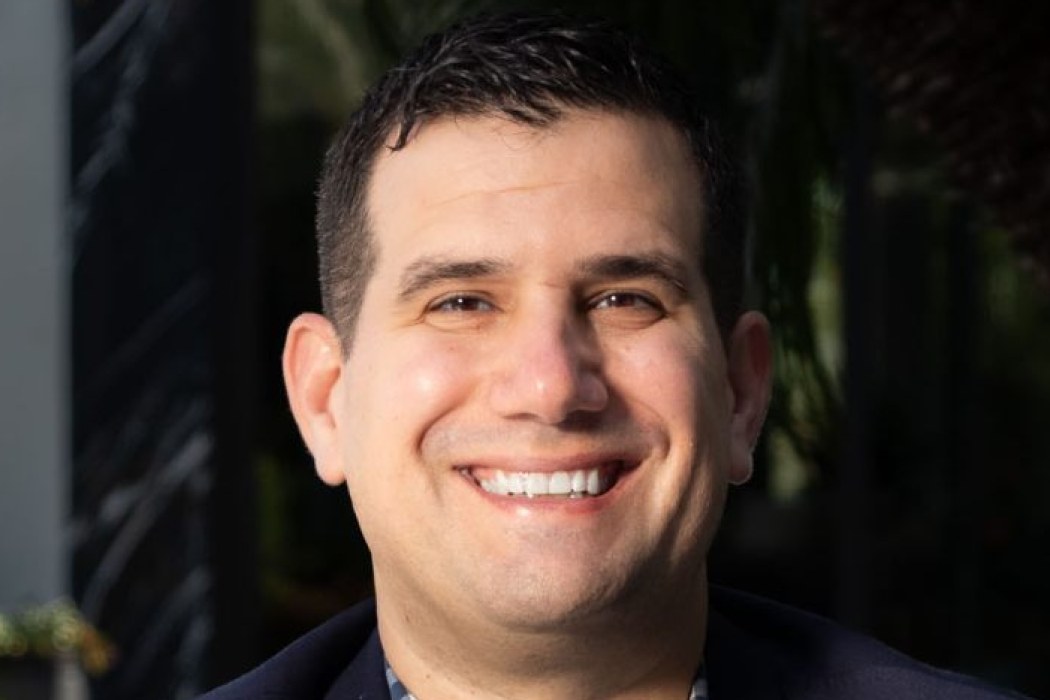
David Weinfeld
David Weinfeld is the co-founder and CEO of Screenverse, a New York-based ad management and monetization company for digital screens in the physical world. Launched in April 2020 at the start of the pandemic, Screenverse now represents more than 100,000 digital out-of-home screens, from billboards and urban panels to Walmart pharmacy displays and digital jukeboxes. Before Screenverse, Weinfeld was Vistar Media's first supply sales hire, where he grew the partner network from 30 to over 120 global media owners. In 2024 the company raised $10.5 million from Volition Capital.

Michael Beebe
Michael Beebe is the CEO of Dstillery, a New York-based AI ad targeting company known for its patented ID-free technology. A former Goldman Sachs analyst who spent two decades as an investor at Soros Fund Management, Viking Global, and his own fund Mojave Capital, he joined Dstillery in 2017 as CFO and was named CEO in August 2018. Under his leadership Dstillery pivoted from a demand-side platform into an audience data company betting on privacy-safe, cookie-free targeting.

Michael Zacharski
Michael Zacharski is a strategic technology executive with more than 20 years in programmatic advertising and consumer AI. He is Interim CEO of Decide (formerly LockerDome) in St. Louis, following a career that includes CEO roles at EMX Digital / ENGINE Media Exchange, bRealTime, Balihoo, and Brand Engagement Network (Nasdaq: BNAI), plus advisory work through his own firm M2M5 Co and Progress Partners.

Tom Laband
Tom Laband is the co-founder and CEO of Adsquare, a Berlin-born location-intelligence company he started in 2012 with Sebastian Doerfel and Fritz Richter. Adsquare runs a neutral data exchange that turns consented location signals into audience data for programmatic advertising, and Laband has spent more than a decade arguing that location is a durable, privacy-compliant alternative to the crumbling world of online identifiers. A University of Mannheim graduate who cut his teeth in early European mobile advertising at YOC and Sevenval, he now splits his attention between the company's Berlin engineering base and its commercial push in New York.

Tom Pachys
Tom Pachys is the co-founder and CEO of EX.CO, a Disney-backed video technology and monetization platform used by publishers including Hearst, CBSi, Time, Nasdaq, and VICE. He started building websites at 12, served in an elite Israeli intelligence-technology unit, was an early leader at SundaySky, and co-founded the machine-learning startup Whimado before co-founding Playbuzz in 2012, which he rebranded into EX.CO in 2019. He now leads roughly 160 people worldwide, betting that AI and supply-path optimization can rescue the economics of online video for the open web.

David Liebler
David Liebler is a New York-based media and adtech operator who currently leads automotive strategic partnerships at Locala (formerly S4M / Ask Locala), a Paris-headquartered drive-to-store advertising platform. He is best known as the founder and publisher of COED Media Group, the college-life brand he launched as a print magazine in 2004 and grew into a national digital property. Over a 20-plus-year career he has founded companies, built sales organizations, and worked across digital media, mobile, and automotive marketing, later earning an MBA from Cornell's Johnson Graduate School of Management.
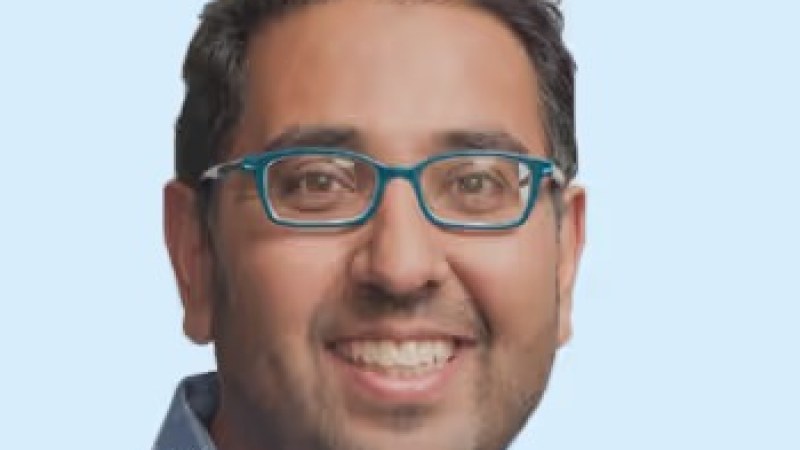
Vip Andleigh
Vip Andleigh is Head of Strategy & Operations and Office of the CEO at Moloco, the machine-learning advertising company based in Menlo Park. He partners with CEO Ikkjin Ahn and the leadership team on business planning, leadership cadence, and cross-company strategy. Before Moloco he spent over a decade at Google, where he led multiple Strategy & Operations teams, served as Director of Ads Strategy & Operations and Chief of Staff for the App Ads and Display Ads businesses, and founded Google's Ads Incubator. Earlier he was a strategy consultant at McKinsey & Company. He holds an MBA from Wharton and a double-major BA from UC Berkeley.
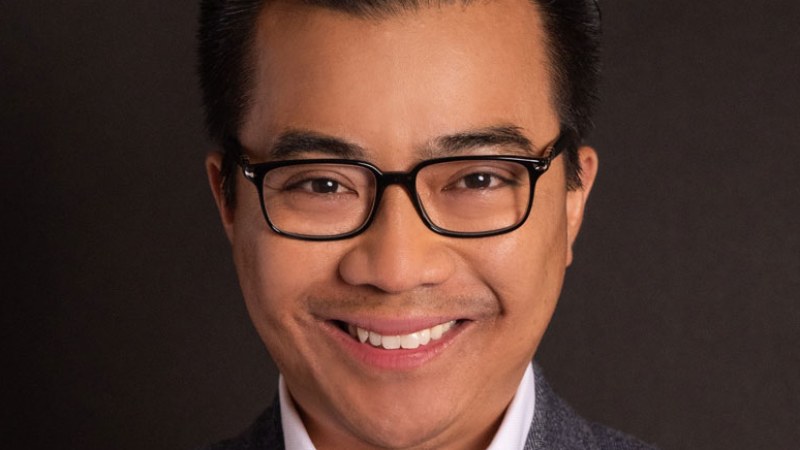
Cali Tran
Cali Tran is CEO of Simpli.fi, a programmatic advertising platform backed by Blackstone and GTCR that runs 140,000+ ad campaigns monthly for 40,000 advertisers. Born in a Vietnamese refugee camp at Camp Pendleton and raised as the youngest of six in a family restaurant, he built a career spanning investment banking, venture capital, startup co-founding, and C-suite leadership at Ancestry, Valassis, Centerfield, Brandwatch, and Cision. At Valassis, he engineered a 5x expansion of digital revenue for a $2 billion company. He is an advisor at SignalFire, a board member of OneVietnamNetwork, and a Bowdoin College alumni council member who graduated cum laude in History before earning his MBA from Harvard Business School.

Konrad Feldman
Konrad Feldman is the co-founder and CEO of Quantcast, the San Francisco audience-intelligence company he started with Paul Sutter in 2006. A London-born computer scientist with a UCL PhD in neural networks, he was building machine-learning systems for banks two decades before AI became a marketing department buzzword. Today he is making the case that advertising, done with better data and smarter models, is what keeps the open internet open.
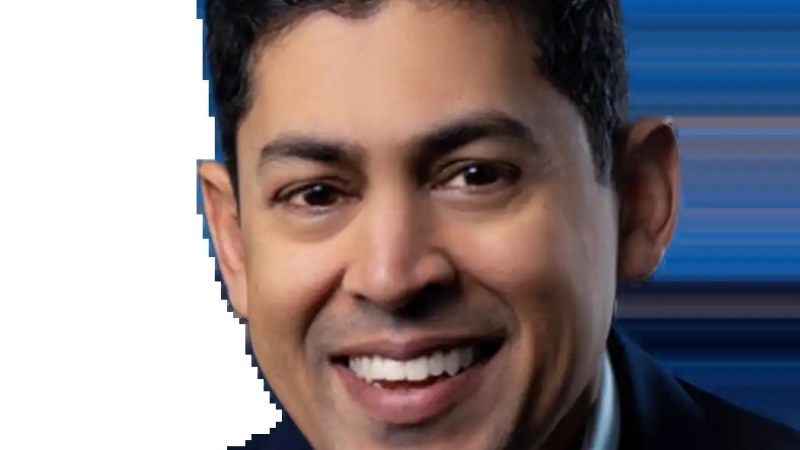
Rajeev Goel
Rajeev Goel is the co-founder and CEO of PubMatic, the publicly traded (Nasdaq: PUBM) supply-side ad tech company he started with his brother Amar in 2006 to give publishers a seat at the programmatic table. Two decades in, he is steering PubMatic into Connected TV, agentic AI buying, and an NVIDIA-powered infrastructure overhaul while continuing to argue that the open web deserves more than the walled gardens it competes against.

Ikkjin Ahn
Ikkjin Ahn is the co-founder and CEO of Moloco, the machine learning-powered advertising platform he built from scratch after spotting a gap at Google: 90% of apps in the Play Store weren't making money. Armed with insights from building YouTube's monetization engine, he launched Moloco in 2013 to democratize access to the kind of AI that only tech giants could afford. Thirteen years later, the company is a $1.5B+ unicorn with 700+ employees across 12 offices, over $200M in annual revenue, and profitable for five consecutive years - a rare combination in Silicon Valley. As of early 2026, Moloco is weighing an IPO.

Amar Goel
Amar Goel is a serial entrepreneur and the Co-founder and CEO of Bito, an AI-powered code review and developer productivity platform. He previously co-founded PubMatic, a programmatic advertising exchange that went public on NASDAQ in 2020. Earlier, at age 19, he built Chipshot.com to $30M in annual sales from his parents' garage. He studied Computer Science and Economics at Harvard, raised over $100M in venture capital across his career, and was recognized with the Ernst & Young Entrepreneur of the Year Award in 2011 for Northern California. At Bito, he is building AI agents that give development teams codebase-aware code reviews, with the goal of letting software be built 'at the speed of thought.'