no-code
(109)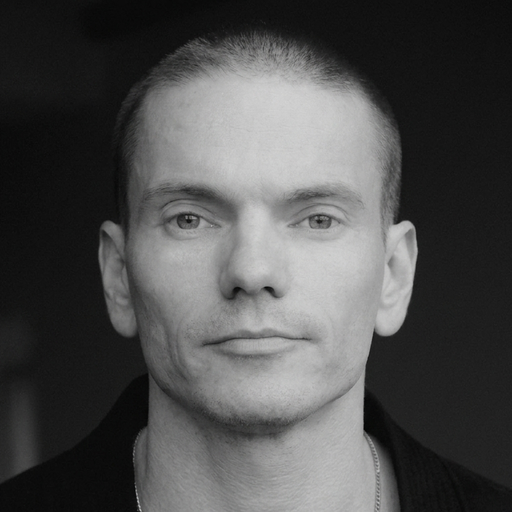
Dmitry Dumik and the art of changing the plan
Before Chatfuel, Dmitry Dumik sold school reports, mowed American lawns and built an app that failed to travel. His career keeps returning to the same question: what happens when you try something before you feel ready?

Martha Bitar and the business of being understood
Before Flodesk reached $36 million in annual recurring revenue, Martha Bitar was making coffee for prospective customers in her living room. Her next company asks what those same people might build for themselves.

Chris Pantaenius and the problem with a perfect plan
Chris Pantaenius helped start Onspring with a contract-management idea. Building a business around the ways people actually work took him somewhere more interesting.

Alejandro Leon and the trouble with flat things
A childhood fascination with computer graphics became a career spent lowering the barriers to making them. With Spline, Alejandro Leon is giving designers more ways into 3D - and more control over what comes out.

David Adkin and the trouble with a convincing mockup
His designs looked real enough to fool his colleagues. David Adkin co-founded Adalo to close the distance between drawing an app and making one work.

Jon Darbyshire and the Trouble With Being Finished
He helped build Archer, sold it to EMC, and tried life on the other side of the table. With SmartSuite, Jon Darbyshire returned to a familiar problem: getting the work, and the people doing it, into the same picture.
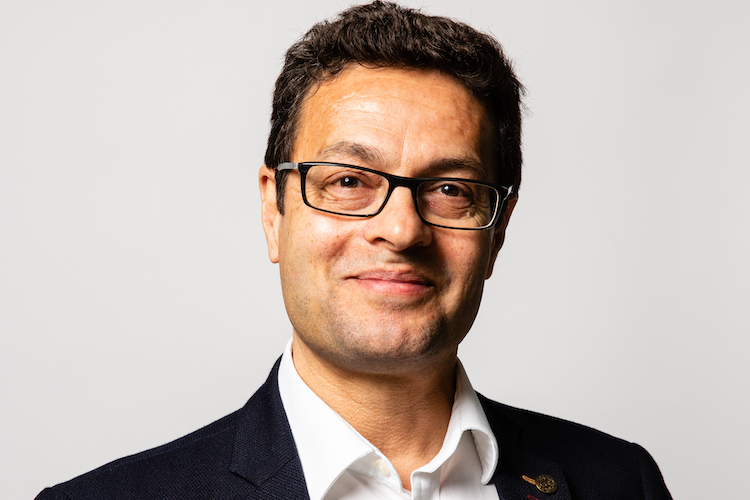
Tim Hardcastle and the business of waiting less
He sold a motorbike to help make payroll. Now the INSTANDA co-founder is trying to give insurers something he once struggled to buy for himself: room to move.
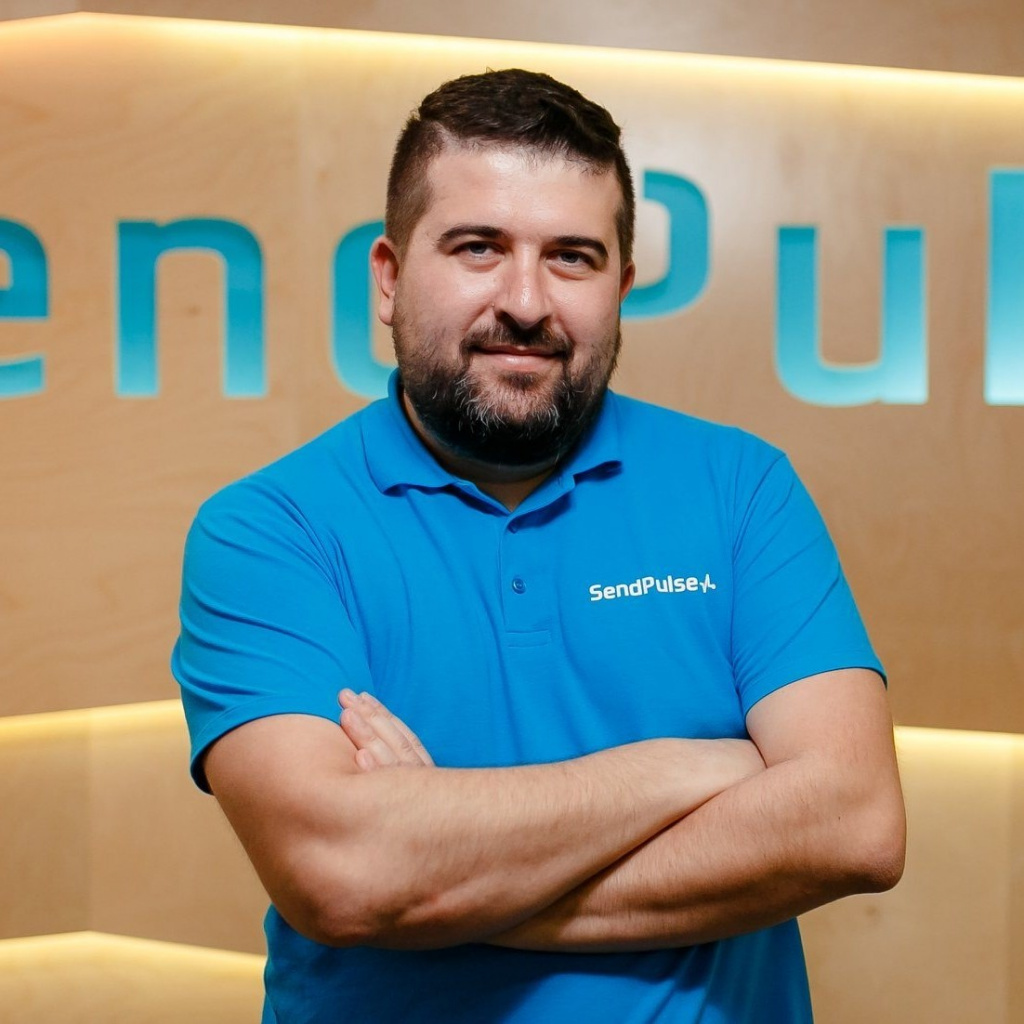
Kostyantyn Makarov’s $100,000 change of course
Kostyantyn Rozenshtraus-Makarov took SendPulse to New York and learned how expensive a reluctant customer can be. His path from Chernihiv programmer to software co-founder runs through Brazil, shared offices and a habit of reconsidering the plan.
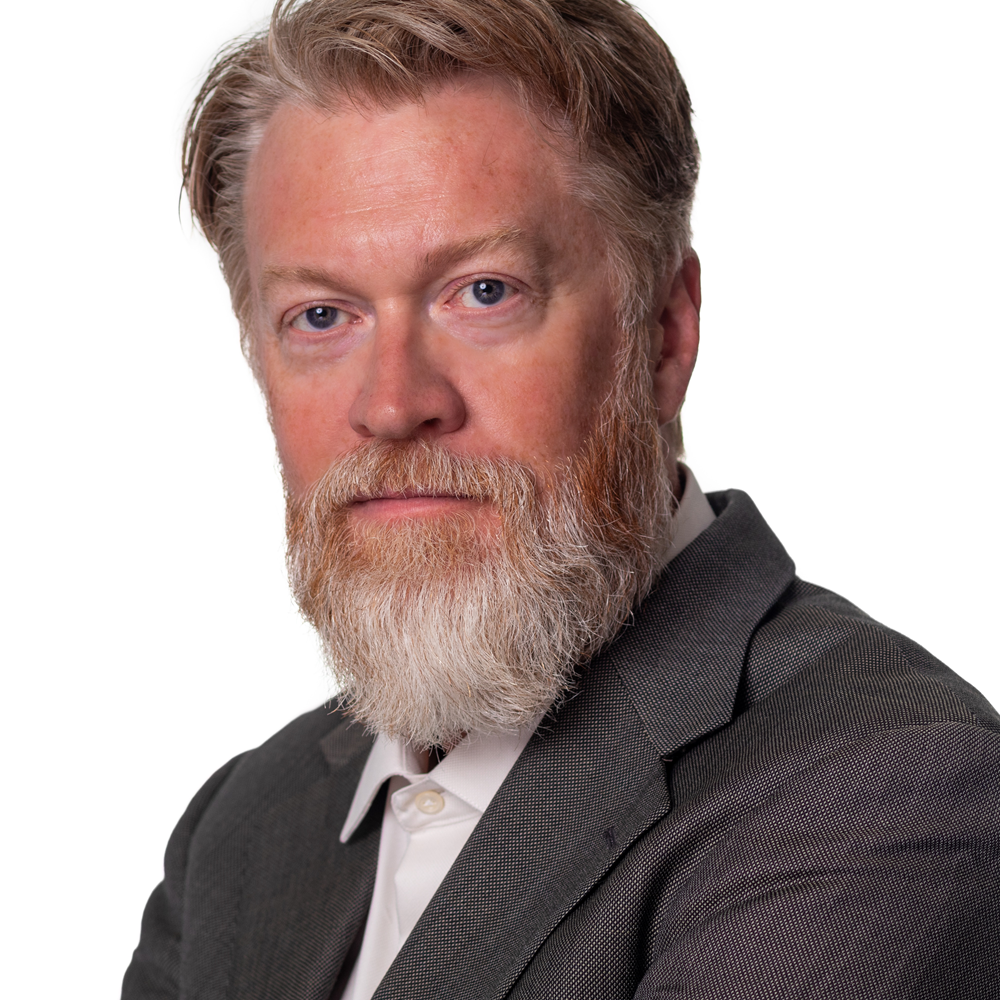
Chad Kreimendahl and the Trouble With One Good Idea
He and Chris Pantaenius started with about 25 ideas, chose contract management, then discovered that customers wanted to work differently. Onspring grew out of their willingness to let the plan change.
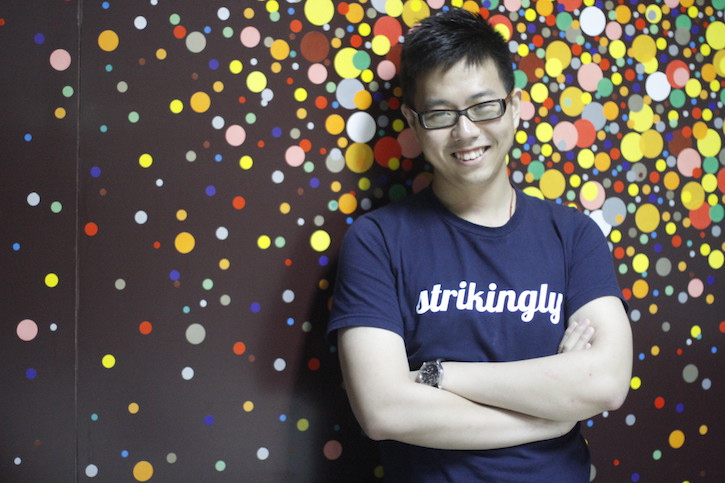
David Haisha Chen and the useful art of getting it wrong
A campus crowdfunding project failed. The website hiding inside it did not. For Strikingly’s cofounder, learning what people actually needed became a lesson in both product design and leadership.

Colin Earl and the price of speaking up
A broken product launch gave Agiloft’s founder a question he would spend decades answering: how do you build a company where doing the right thing makes business sense?
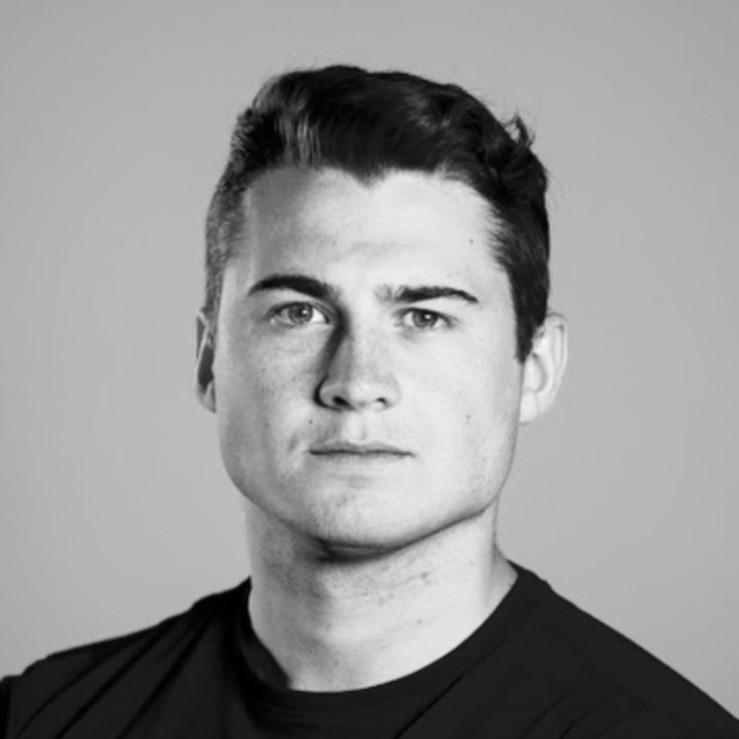
Braden Ream and the business hiding inside the bedtime story
Before Voiceflow built tools for AI agents, it made children’s stories for Alexa. Braden Ream’s education began when the stories attracted an audience and the tools attracted a business.
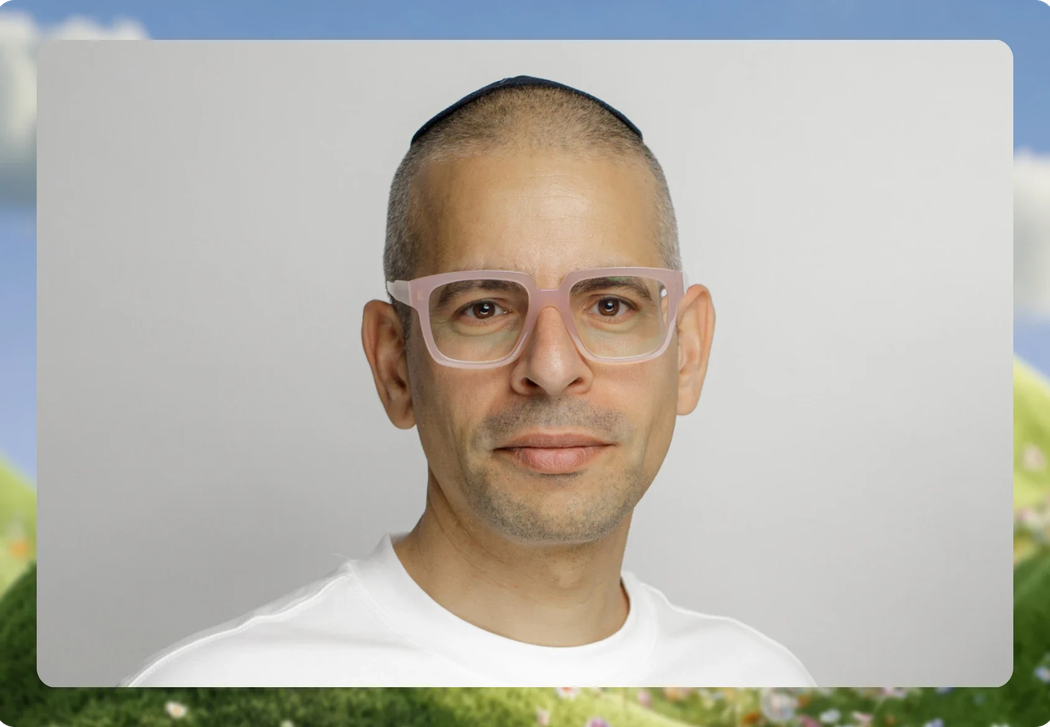
Yoni Luksenberg and the problem worth repeating
Before Elementor, Yoni Luksenberg kept rebuilding the same parts of other people’s websites. The designer’s answer became a business built around a deceptively personal question: what keeps getting in the creator’s way?

Alexander Leonardi and the work between the work
Before VectorShift, Alexander Leonardi and Albert Mao ran a student consulting business together. The hours swallowed by proposals, research and routine administration became the starting point for their AI company.
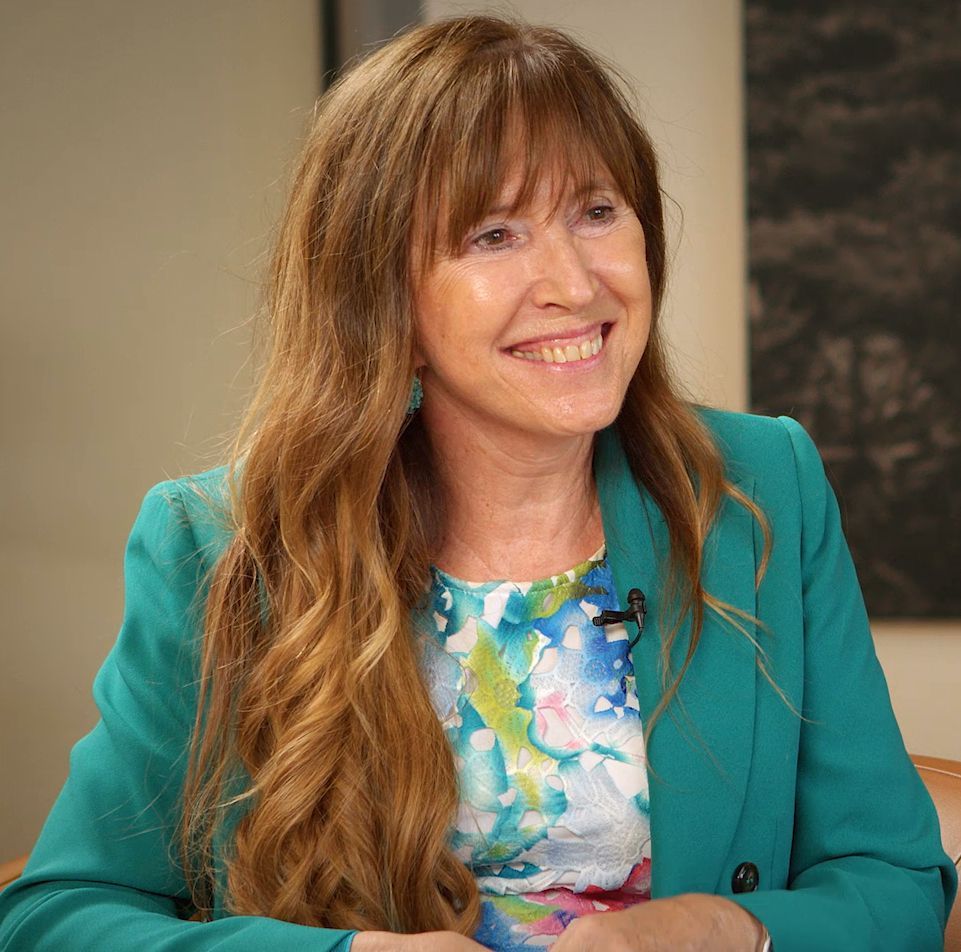
Annemarie Pucher and the art of keeping a promise
From a basement office in Austria to a global software business, Annemarie Pucher has spent decades connecting people, documents and decisions. The co-founder and CEO of ISIS Papyrus keeps returning to a practical question: can the people doing the work shape the tools they use?
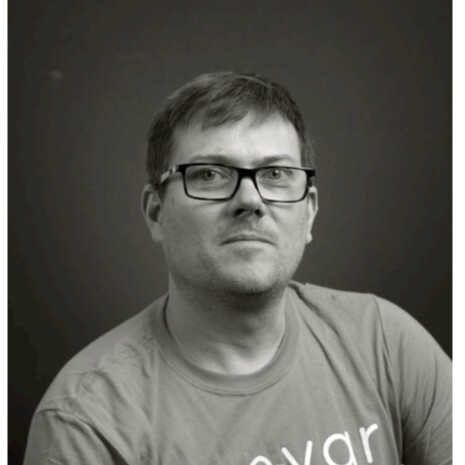
Geraint Waters and the trouble with an easy change
A career testing investment-bank systems taught Geraint Waters to look beyond the demo. After a decade leading Provar, he is taking the same question into the age of AI: what happens when the change reaches everyone else?
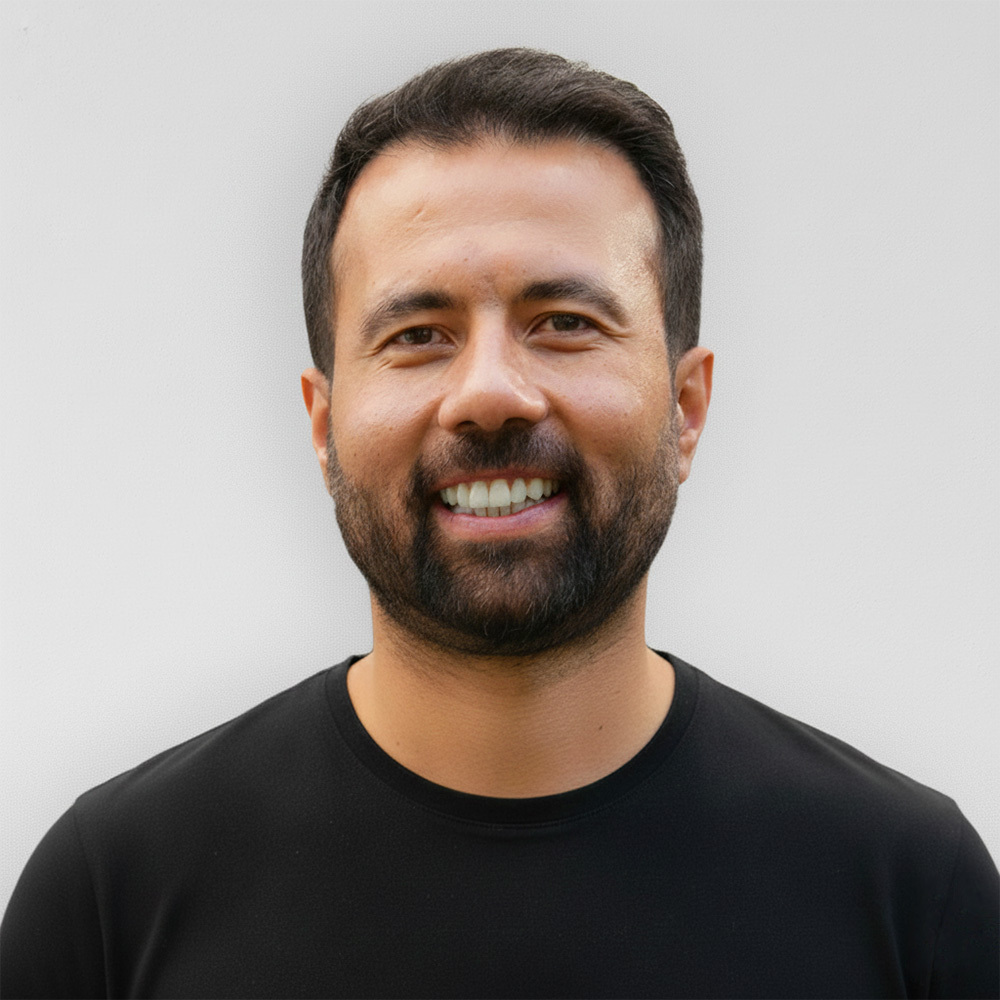
Osman Koç and the trouble with getting what you wanted
A lifetime deal brought UserGuiding cash, customers, and a queue of questions. For co-founder Osman Koç, it was an early lesson in a career spent helping people find their way through software.
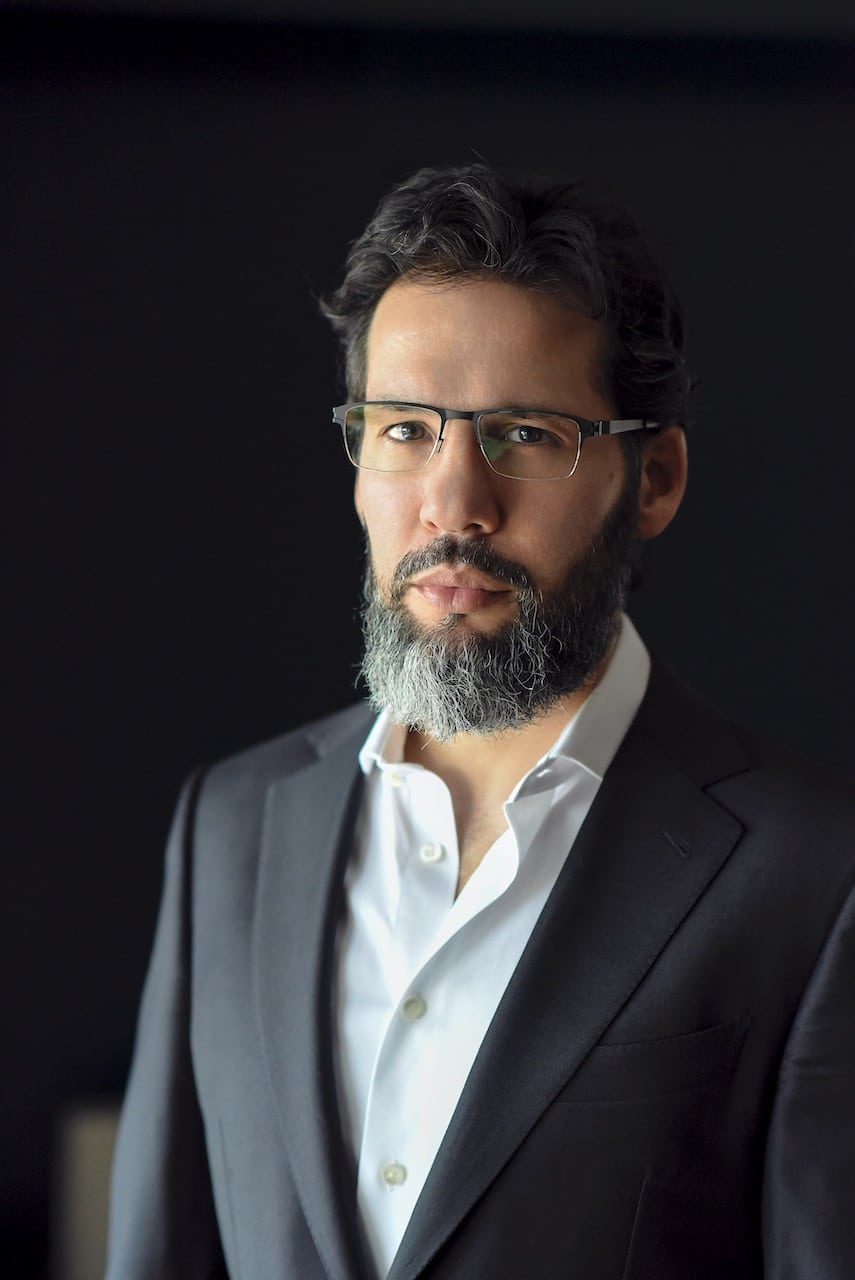
Ariel Gesto’s long argument for a simpler working day
He began by trying to make IT inventory less painful. After years of building InvGate without institutional funding, Ariel Gesto is asking a larger question: what should technology actually make easier?
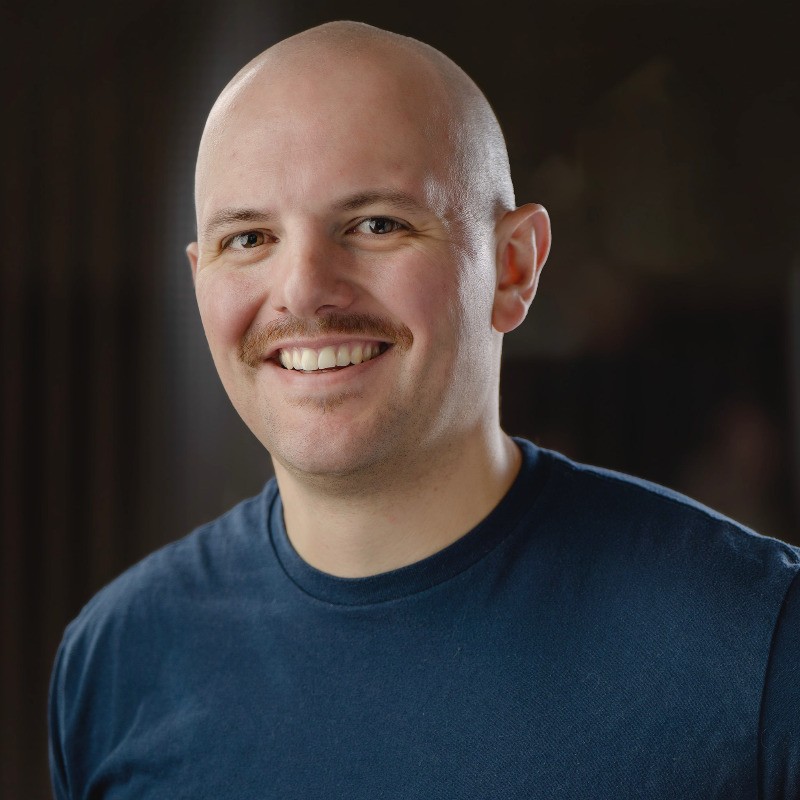
Hartley Pike and the day that paperwork stole
One day a week disappeared into construction permits. Hartley Pike built Sitemate to get that time back, then discovered that the harder engineering job was building the company itself.
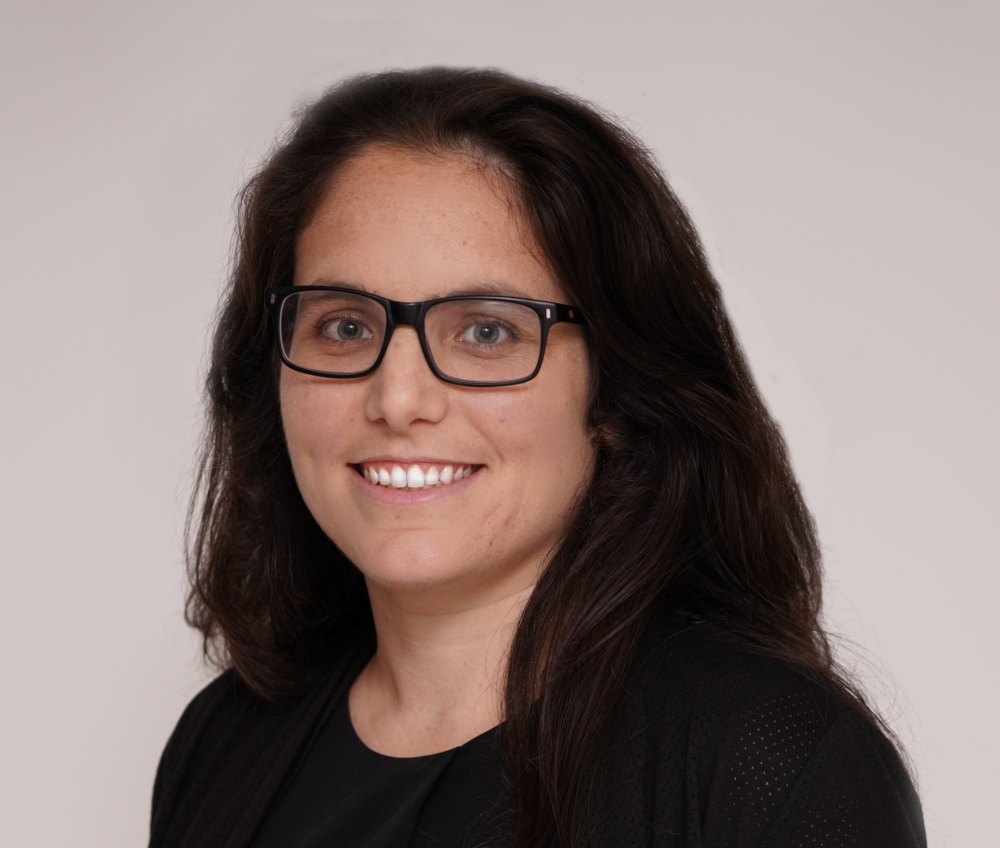
Noa Danon and the Trouble With Happily Ever After
She built EverAfter to give customer relationships a place inside the product. After an acquisition and a carefully managed transition, Noa Danon is making room for her own next chapter.

Jonathan Anderson and the Trouble with a Simple Button
He knew what customers needed. He couldn’t code it. Candu co-founder Jonathan Anderson has spent years trying to shorten the distance between a useful idea and the software people actually use.
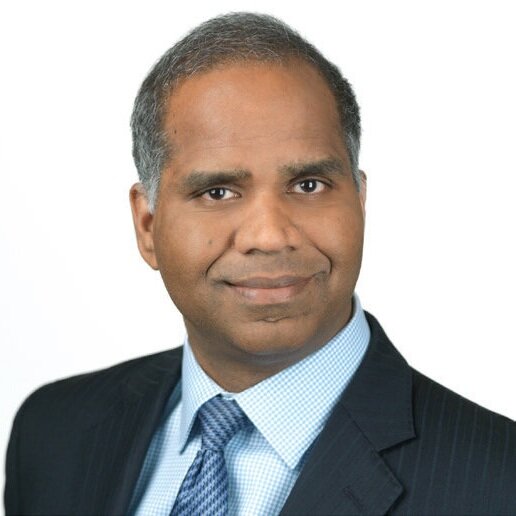
Babu Sivadasan and the long way home
He built software in California and kept making room for a team in Kerala. Now the JIFFY.ai co-founder is asking what artificial intelligence can do for advisors - and for the people whose work it changes.

Aytekin Tank and the business of getting your time back
A $9 subscription from Portugal helped turn a developer’s recurring annoyance into Jotform. Twenty years later, Aytekin Tank is still asking which parts of work deserve a human being’s time.

Katherine Kostereva and the art of making herself unnecessary
She learned to sell by knocking on doors. At Creatio, Katherine Kostereva has spent years building software - and a company - that lets other people get on with the job.

Jacky Koh and the work hiding between the apps
Before Relevance AI, Jacky Koh helped people find Pokémon. Now he is pursuing a different kind of search: the hours that disappear between a good idea and getting it done.

Trisha Kothari and the people waiting for permission
At Affirm, Trisha Kothari saw how fraud investigators could know what needed fixing and still have to wait for an engineer. She built Unit21 around that gap - with a family lesson about who gets to act.
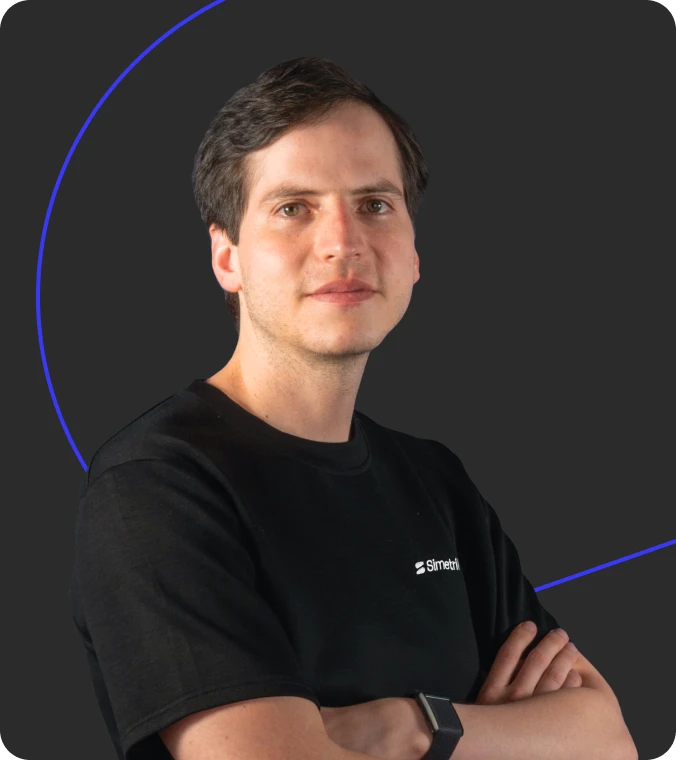
Alejandro Casas and the business he had to leave behind
A growing clothing startup took Alejandro Casas to Y Combinator. Walking away from it led him to Simetrik, where the Colombian founder now works on a less visible problem: making financial records agree.

Eugenia Kuyda Is Betting That the Next Social Network Will Be Made of Apps
After teaching software to hold a conversation, the former journalist behind Replika wants everyone to make tiny apps. Her new wager is that software itself can become a social medium.
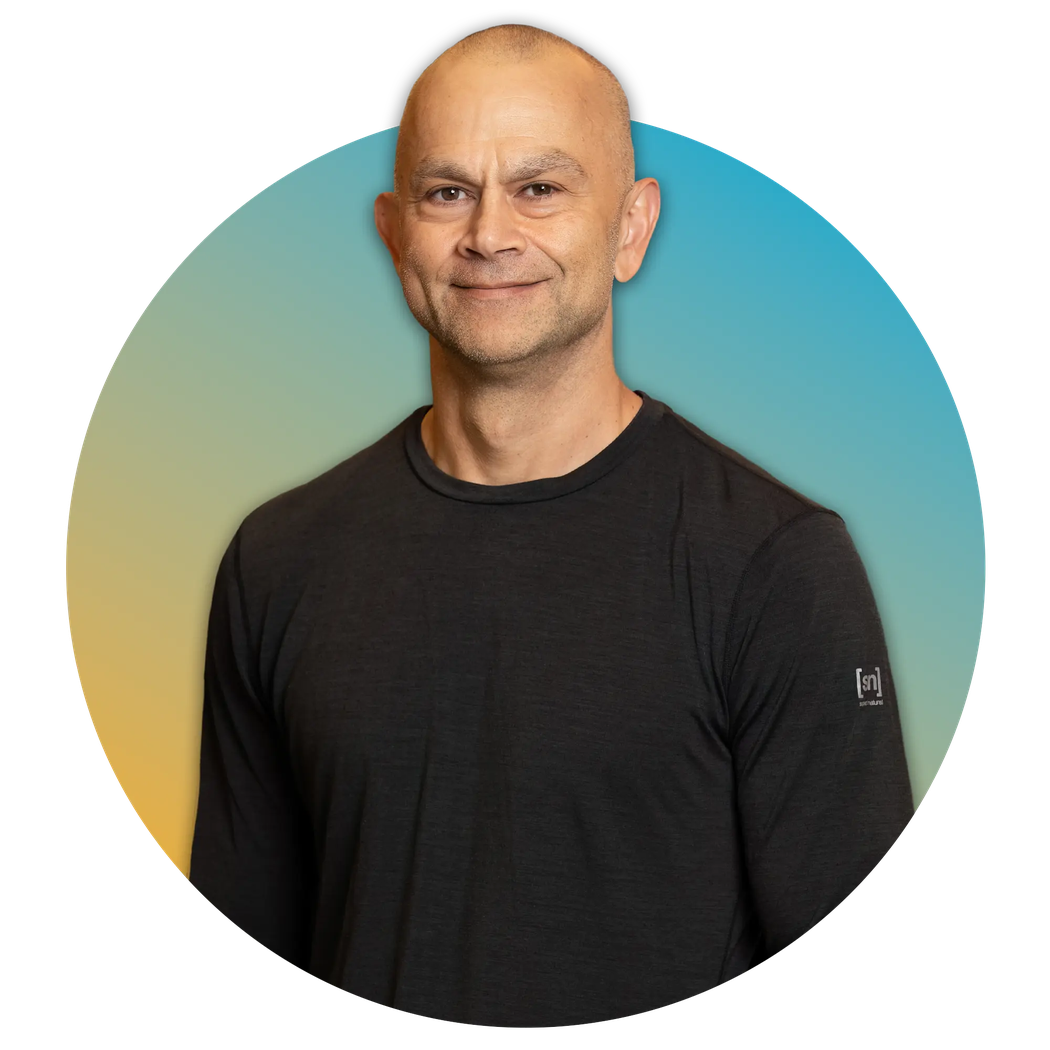
Axel Allgeier and the Second Draft of Enterprise Software
Three decades after helping enterprise software travel across incompatible machines, Axel Allgeier is still chasing the same stubborn idea: complexity belongs in the architecture, not in the user's day.
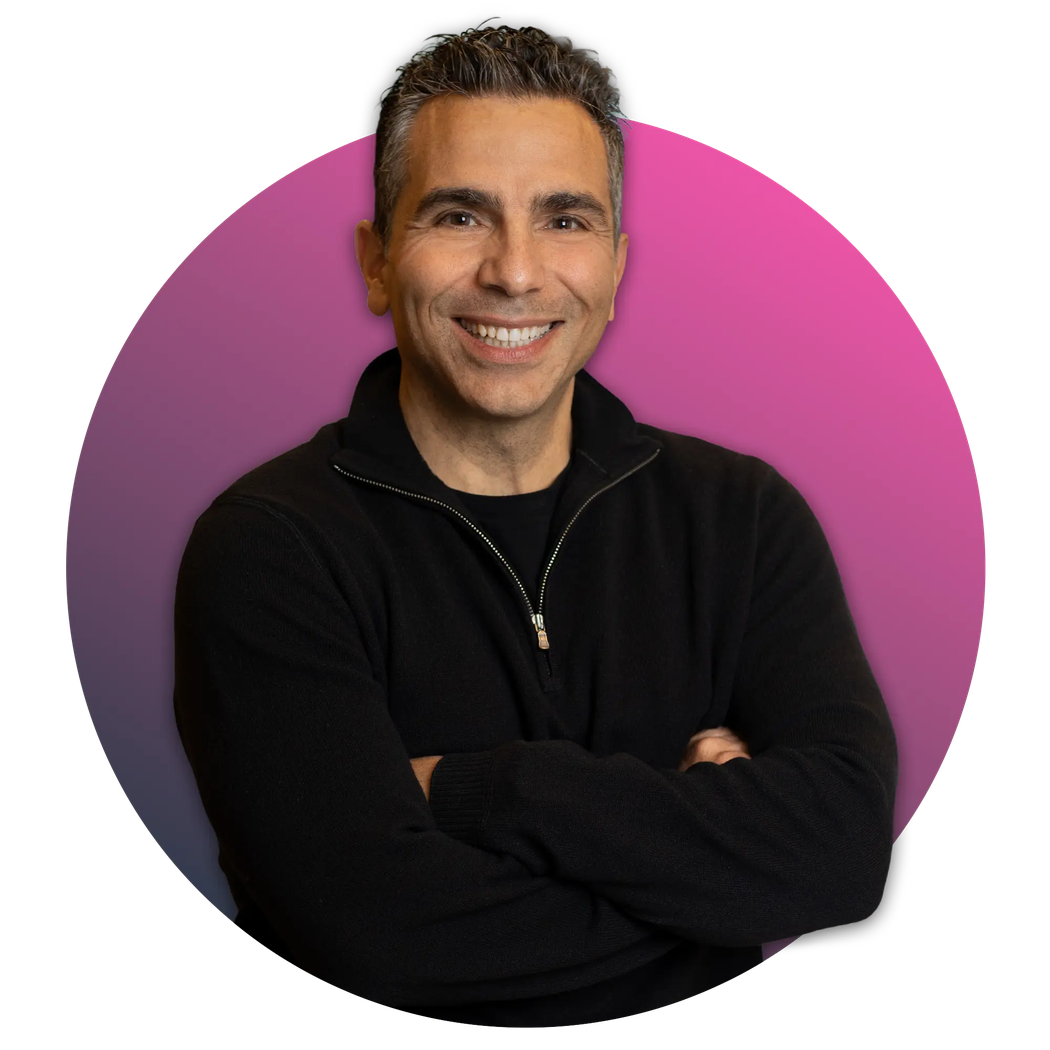
Vito Solimene Built a Career Around What Happens Next
He spent decades inside the machinery of enterprise software. Then he helped start Nextworld to change the one habit the industry never quite shook: making every useful customization a future liability.