A contract looks wonderfully definite once it has been signed. Building software to manage contracts turns out to be another matter. Chris Pantaenius and Chad Kreimendahl started Onspring in 2010 with that business in mind. About six months in, customer differences forced a larger question: could they build something people could change for themselves?
That early turn helps explain the company Pantaenius still leads as co-founder and CEO. Onspring makes configurable software for governance, risk and compliance, usually shortened to GRC. Behind those three letters are familiar office questions. Who approved this? What changed? Where is the record? An acronym can make almost anything sound tidy.
The interesting part of his story is how long the same problem has remained useful. Software arrives with a plan. Organizations arrive with habits, exceptions and an enthusiastic supply of amendments. Pantaenius’s career has put him near the point where the two meet.
A career spent close to the customer
Pantaenius grew up in the Midwest, working in family businesses from age 12. He credits his grandfather, who sold insurance and owned rental properties, as an example of fair dealing. His account of entrepreneurship begins with watching how someone treated the people around him.
His professional route runs through some substantial software businesses. After graduate study at the University of Kansas, he joined Deloitte Consulting in 2001 as a senior consultant. Cerner followed in 2003. At Archer Technologies, he worked in product management and then led professional-services work before leaving in 2010.
Those roles span different parts of the same commercial relationship: implementing a system, helping an organization operate, deciding what a product should do, and getting it to work for a customer. A feature can look complete from one of those positions and decidedly unfinished from another. The user gets the deciding vote, usually on a Monday morning.
Archer also supplied the consequential introduction. There he met Kreimendahl, his future co-founder and fellow CEO. Their shared interest in software became a company of their own. Pantaenius also held a principal role at OrangePoint from 2010 to 2020, alongside the years in which Onspring was taking shape.
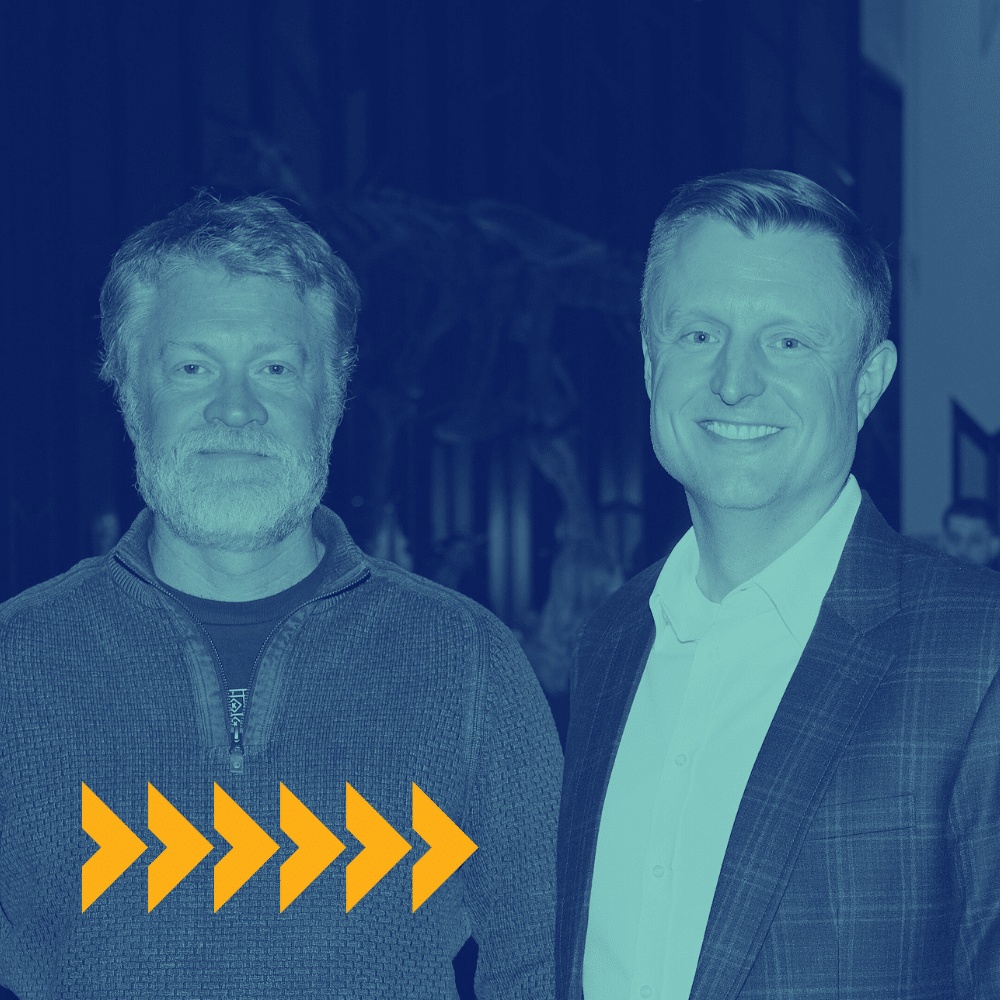
The pair’s continued presence matters to the shape of this story. Onspring’s leadership roster still gives both men the same title: co-founder and CEO. The partnership that preceded the product remains part of the organization customers encounter today.
By 2013, a much wider brief
Onspring’s April 2013 public introduction already described a platform reaching beyond contracts. It offered prebuilt applications across more than 20 business functions, including customer relationship management and human resources. Users could also design applications for their own processes. That was a broad promise for a company founded three years earlier.
The announcement placed collaboration and connected information near the center of the proposition. Different functions could work with related information, while access depended on a person’s role. The cloud-based model also removed the requirement for customers to install their own additional hardware.
There is a useful distinction inside that pitch. Standard software can bring consistency to a messy process. It can also require the process to bend around the software. Giving customers configuration tools leaves more decisions with the people who must live with the result. Those decisions include all the tiny exceptions that rarely make it into a sales presentation.
For Pantaenius, this became a business built around other businesses’ internal arrangements. The work is consequential without being especially theatrical. A clear report is unlikely to receive a standing ovation. The person spared an afternoon of reconstructing it may feel differently.
- 2010Pantaenius and Kreimendahl found Onspring.
- 2013A public launch describes 20+ business functions.
- 2023Platform patent announced; Capital IP partnership begins.
- 2024GovCloud’s FedRAMP Moderate authorization announced.
A cloud company needs a place to stand
By 2020, growth had acquired a very physical expression. Pantaenius and Kreimendahl were planning a campus at 137th Street and Nall Avenue in Leawood, Kansas. The proposal covered 4.1 acres, two 24,000-square-foot office buildings and a plaza. Onspring had moved into larger leased offices in Corporate Woods the previous year.
The plans show a founder considering how a workplace could serve employees and visiting customers. That practical concern makes a useful companion to the product story: both involve designing somewhere people can get things done.
Speaking with Leawood officials, he and the project architect described the appeal of a distinctive building, a place to bring visiting clients, and an environment that could attract employees. Restaurants, shopping and walkability were part of the answer. Even a company selling cloud software must occasionally consider where everyone will have lunch.
The scene has the useful scale of local government: building orientation, landscaping, parking and a vote. Founders may talk about markets in enormous numbers, but an organization also takes shape through choices about ordinary surroundings. Here was Pantaenius making that part of the business concrete.
The machinery beneath the promise
In January 2023, Onspring announced U.S. patent No. 11,507,628 B1 for its process automation platform. The technical detail concerned editing applications using a document database without restructuring that database. For a customer, the practical concern is more direct: what happens when an application needs to change?
Database restructuring is one of those phrases that can empty a dinner table. Yet the architecture underneath a business application influences how easily its visible parts can adapt. If a company sells flexibility, the machinery must support the claim after the first configuration, through later additions and revisions.
“Onspring was founded to put the power of process automation into the hands of business users.”
Chris Pantaenius, January 2023
The patent belongs to the company; its announcement provides a concrete milestone in the development of the platform. Pantaenius’s explanation connects that engineering work to the people using it. The point of the technology, in his account, is to move more capability into their hands.
More capital. A different kind of scrutiny.
Four months later, Onspring announced strategic financing from Capital IP. The May 2023 plans included development in AI, integrations and user experience, along with hiring in engineering, sales development and customer success. Funding was tied to a set of jobs the business wanted to do.
For a founder, that is a further shift in responsibility. Building a product requires decisions about what to attempt. Expanding the organization requires decisions about who will build it, who will help customers use it and how much the company can take on at once. The financing announcement made those different demands visible together.
The relationship continued. In July 2026, Capital IP disclosed an additional investment made during 2025. The dates deserve their separate places: an initial partnership in 2023, a follow-on in 2025, a public announcement in 2026. The release described Onspring serving enterprise customers across more than 25 industries.
Kreimendahl’s comments emphasized the acceleration of the company’s plans. Capital IP’s comments emphasized confidence in both founders and their team. Each side was describing the same working relationship from its own position. Money bought room to move; an established company supplied something to build on.
Between those financing milestones came a different test. In April 2024, Onspring announced FedRAMP Moderate authorization for GovCloud. This brought its configurable GRC software into the federal cloud market with a formal security authorization, alongside reseller arrangements intended to help agencies purchase it.
The government offering connected policies, controls, findings and regulations. Tennessee Valley Authority was among the customers discussed in the announcement, using the software in its NERC compliance work. Here the old questions about records and responsibility carried the additional demands of public-sector oversight.
Authorization does not make every future decision for a customer. It does mark a threshold that enthusiasm alone cannot clear. A business promising to help other organizations manage controls has to submit its own service to scrutiny. For Pantaenius’s company, growth involved earning that permission as well as finding buyers.
Back to the people in the room
Pantaenius’s public professional activity offers a less formal view of the same business. After Onspring Connect in San Antonio in 2024, he thanked customers, partners and colleagues, linking their presentations and ideas to research and development. His description of the event puts users close to the work of deciding what comes next.
The 2026 conference program carried that approach into sessions, training and individual labs. It listed Pantaenius for the welcome, alongside practitioners from companies including CBRE, TransUnion and Dolby. Product and support conversations sat on the agenda with customer-led sessions. These are useful surroundings for a founder whose product must accommodate differences between organizations.
The current product direction returns to another ordinary difficulty: collecting proof that a process is working. In September 2026, Onspring announced an integration with Trustero to collect evidence and continuously test controls. Pantaenius identified evidence and testing as bottlenecks as customer programs mature.
The integration was designed to bring those capabilities inside the environment customers already used. That detail connects the latest AI work to an older product concern: improving the process without asking people to begin all over again. In July, Onspring had also announced agentic GRC operating within controls set by administrators.
Read together, these decisions suggest a continuing tension in the business Pantaenius helped create. Customers want more automation and room to shape it. They also need to know what happened and who remains responsible. Making a task disappear is easier to celebrate than making its record understandable; the second part still needs doing.
Sixteen years after Onspring’s founding, the question raised by its early contract idea remains recognizable. How much of the working day should software decide for its users, and how much should users be able to decide for themselves? Pantaenius and Kreimendahl built a company around leaving them more room. Every new customer brings another opportunity to find out whether the room is large enough.
Keep the conversation going
Story photograph courtesy of Onspring’s public company page.