kansas-city
(30)
Jayson Kuti and the value of showing up
The Kompass Kapital co-founder puts teams and giving back at the center of his investment philosophy. From Kansas City to British broadband, the practical question is how to make that belief survive growth.

Sean Hogan and the Work Before the Welcome
At Kansas City agency DMH, Sean Hogan helps brands find their footing. His life beyond the brief offers another way to think about belonging: somebody has to do the work before people can join in.

Tessa Fisher Knows the Recipe Is Only Half the Lesson
Before she taught readers how to trust an unfamiliar flour, Fisher learned to rehearse, counsel, coach, and explain. Salted Plains is where those disciplines meet the mixing bowl.

Andrew Feagler Built a Business for the Things Nobody Wants to Do
The Kansas City funeral professional saw a gap between ceremony and everything that follows. Laurel is his answer: calm, practical help before, during and after a death.
DMH and the Website That Wasn't a Website Problem
The Kansas City agency makes websites, campaigns and brands. Its more interesting product is the moment a client realizes it asked for the wrong thing.

The Ad Agency That Put Feelings Ahead of Facts
Signal Theory spent half a century learning that people rarely buy for the reasons they recite. Its answer is an agency built to find the emotional signal hiding underneath the sensible explanation.

The Agency That Bought Seven Companies - and Let Them Keep Their Names
Trozzolo began with newsletters, grew through seven acquisitions, and discovered that the cleverest way to build one agency may be to preserve several. Its bet is simple: diagnose the business problem first, then decide which kind of communication deserves to exist.
The 50-Year Argument for Staying Small
Fasone & Partners has spent half a century resisting the usual agency instinct to get bigger. Its wager is simple: fewer layers, longer relationships, and an idea sharp enough to make a modest media budget behave like a large one.

The Caterer Who Learned to Speak Wall Street
Marie Swift built a national agency by mastering one small, difficult language: how financial advisers earn trust. Three decades later, its best marketing lesson is still the least glamorous one - know the business before you reach for the megaphone.

The Five-Minute Window: How Parris Communications Learned to Work at the Speed of a Crisis
A Kansas City firm that began in a converted carport now advises leaders when the clock is moving fastest. Its real product is not publicity. It is judgment under pressure.

The Marketing Problem That Wasn’t a Marketing Problem
Square Peg built an agency around a useful heresy: more marketing will not rescue a business that cannot explain itself. Its own breakthrough came when founder Kim Kramer applied that lesson to the company she was leading.

The Small Agency Built for Four Hundred Front Doors
Sandlot & Co. began in a beige basement. Now its small Kansas City team manages the unruly problem of making one brand feel local across more than 400 locations.

The Herd Book That Learned to Read DNA
For 154 years, the American Shorthorn Association has sold something cattle breeders cannot inspect in a show ring: confidence in what an animal is, where it came from, and what it may pass on.

The Marketing Department That Refused to Stay Outside
Crux KC found a lucrative space between the expensive executive and the disconnected agency: put the strategist inside the room, then bring the whole department with them.

Michael Hopkins Knows Every Brand Promise Eventually Meets a Real Person
The VINCUE chief marketing officer has spent his career moving between software systems and human experiences. His useful obsession is making sure the promise survives the handoff.

Josh Harbert Built a Career Turning Technical Complexity Into a Story People Can Act On
The Couchbase CMO began as a programmer, learned to speak both product and pipeline, and now carries that translation habit into enterprise AI and sustainable technology.

Brian Cody Is Making the Invisible Work of Payments Feel Human
The Basys executive arrived in payments by way of code, campaigns and augmented reality. His operating idea is plain: speed matters only after people agree where they are going.
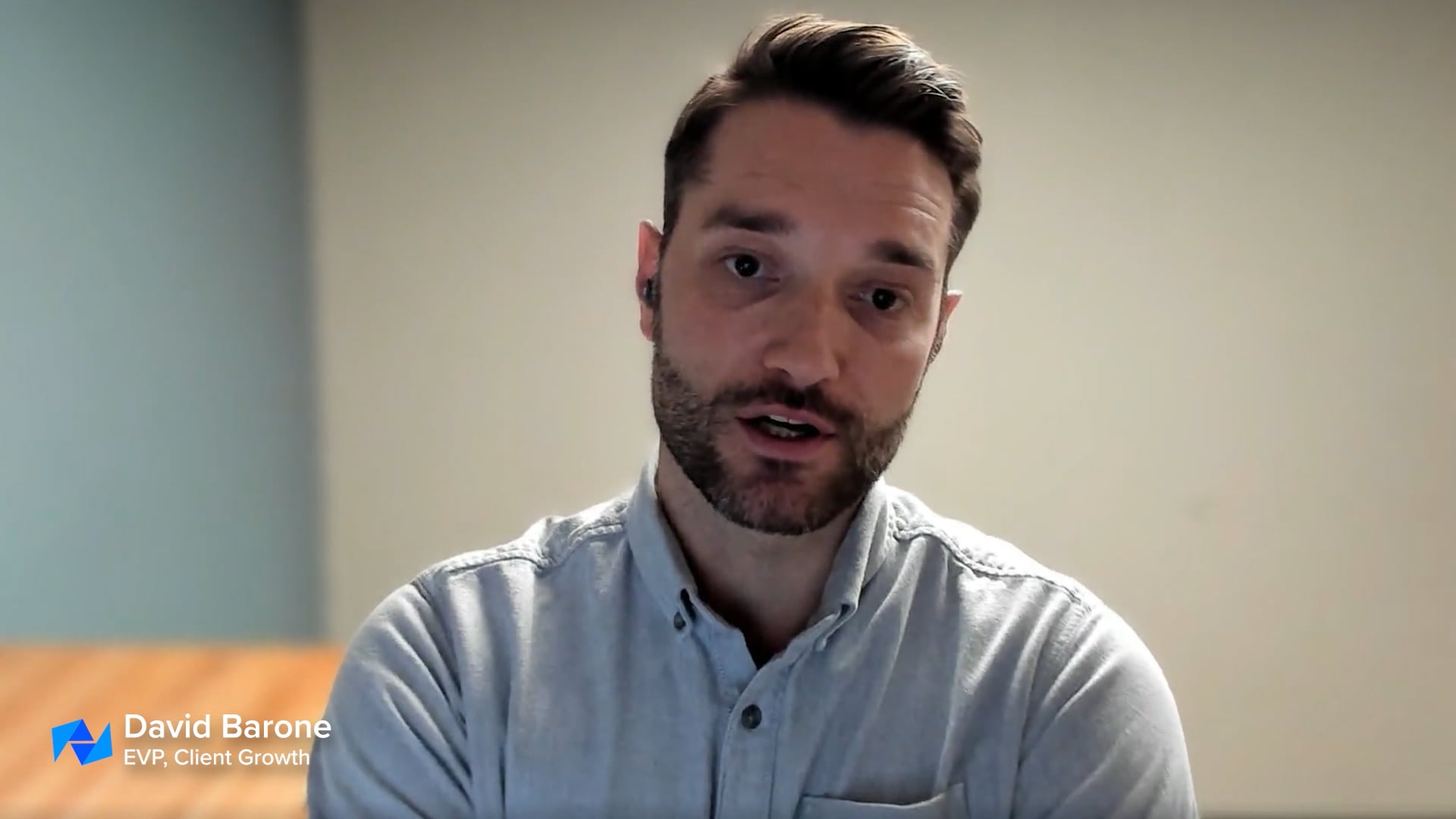
David Barone Is Turning Banking Strategy Into a Team Sport
The former Syracuse rower built a career around coordinated motion - first in advertising, then in financial services. At Nymbus, he is making the case that modern banking wins through accountable partnerships, focused growth and technology that can carry its share of the load.

Irit Gillath Knows How to Sell the Systems Nobody Sees
An industrial engineer turned marketing executive, Gillath has spent more than two decades translating technical systems into reasons to care. At Alacriti, the subject is money in motion - instant, intricate and mostly invisible.

Vince Koehler’s Long Game: Make Marketing Answer to Sales
From early digital agency work to healthcare software, Vince Koehler has kept returning to one stubborn idea: useful marketing earns attention, proves its value, and helps sales close the loop.

David Embry Bet Small Businesses Deserved Better Insurance - Then Built the Machine to Prove It
Mylo began with a stubborn question: could software make small insurance accounts worth serving well? A decade later, David Embry's answer is a business built around better recommendations, patient iteration and the enduring value of a human conversation.

Carl Wasinger Put a Warehouse in Your Browser - Then Kept Building
A western Kansas farm kid saw companies tracking inventory by fax and phone, imagined something closer to online banking, and built Smart Warehousing around one durable idea: the boxes and the data have to move together.

Jay Kim Built a Security Company From an Elevator Introduction
A chance meeting in Korea gave Jay Kim an idea. Nearly two decades later, his Kansas company is still trying to make serious encryption feel ordinary.

The Insurance Broker That Turned Itself Into an API
Born inside the world's largest independent broker, Mylo spent a decade turning insurance advice into software other companies can plug in. Here is how a Kansas City team quietly became the insurance layer behind small-business platforms.

The 66-Year-Old Radio Company Betting Your Cell Phone Will Fail You
Cell towers go down in storms. Midland Radio has spent 66 years selling the backup - and turned a fading CB brand into the default radio for Jeep trails, farm fields, and emergency closets.

The Quiet Holding Company Behind America's Walls, Ceilings and Firewalls
A private, people-first investment firm in suburban Kansas City has spent two decades assembling a coast-to-coast family of specialty construction companies - and betting that patient ownership beats the quick flip.

Rebulk
Rebulk is a Y Combinator (S25) startup that measures and monitors bulk inventory - feed, sand, grain, logs, biomass and other materials that never fit into boxes or barcodes. Using fixed cameras, drones, LiDAR and computer vision, Rebulk stitches 2D imagery into 3D volumetric models to give industrial teams precise, repeatable volume and weight data instead of rough estimates and manual checks. Founded in Olathe, Kansas by Warren Wang and Cole Robertson, the company pivoted from video transcription (as dScribe AI) to bulk inventory tracking and now runs pilots with partners including Cargill and Charm Industrial.

Nick Smith
Nick Smith is the President, CEO and Founder of Sailes, a New York-based AI company that builds personality-driven autonomous Sailebots to handle B2B prospecting for Fortune 1000 enterprise sales teams. A former sales leader at CBS Corporation and iHeart Radio, he sketched the idea for Sailes on his iPhone at the Lake of the Ozarks on July 4, 2018.

Lead Bank
Lead Bank is a state-chartered, FDIC-insured commercial bank turned API-first Banking-as-a-Service platform. Acquired in 2022 by an investor group led by former Square Capital chief Jackie Reses, the 1928-vintage Missouri community bank now provides regulated banking infrastructure - payments, card issuing, lending, and deposit accounts - to fintechs, consumer brands, and digital-asset companies.
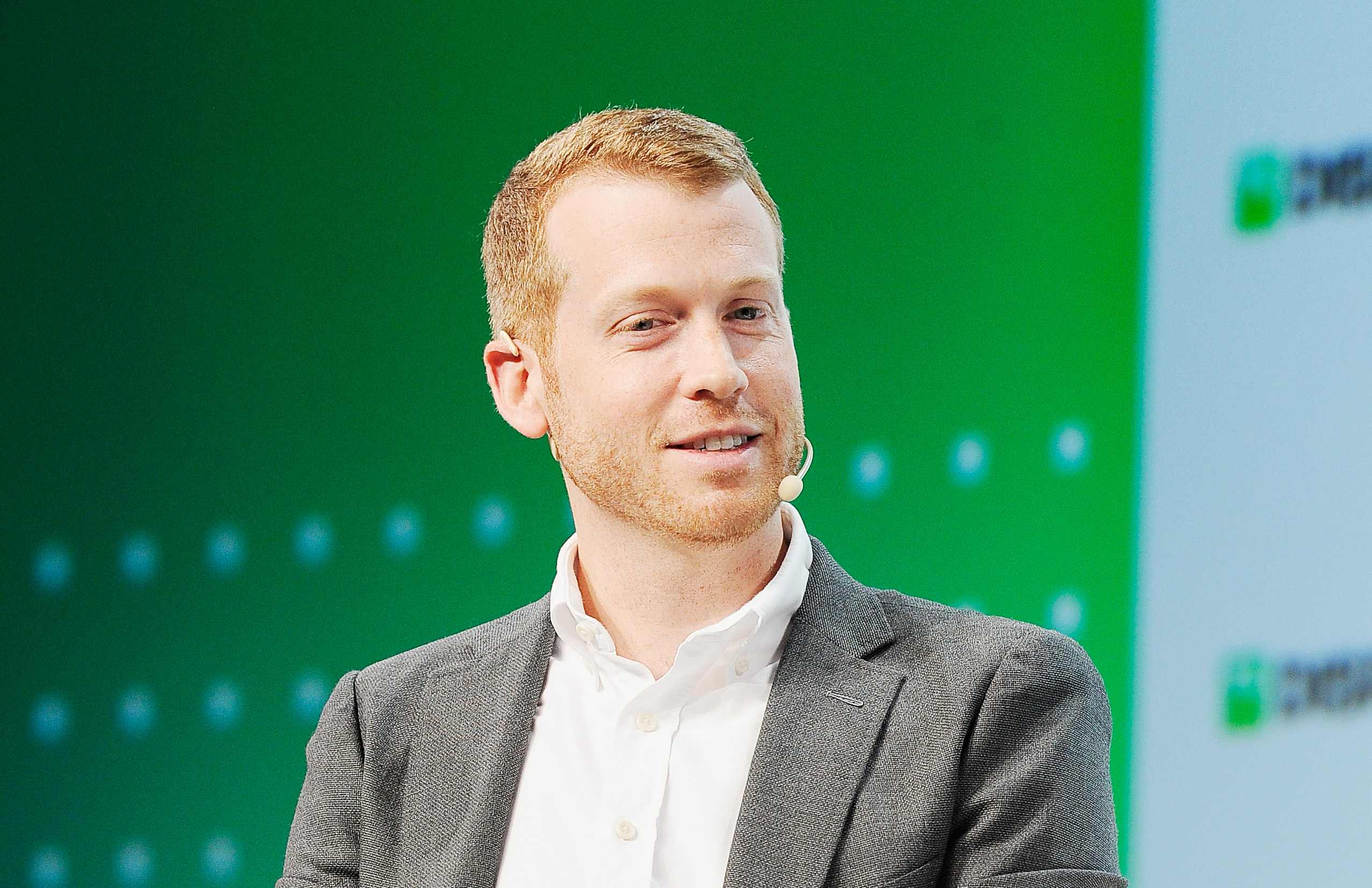
Kyle Vogt
Kyle Vogt is a Kansas-born serial entrepreneur and robotics pioneer who has founded three billion-dollar companies before age 40. He co-founded Twitch (acquired by Amazon for $970M), founded Cruise Automation (acquired by GM for $1B+), and currently leads The Bot Company, developing AI-powered household robots. Starting as a teenage BattleBots competitor who built his first self-driving car at 14, Vogt left MIT to pursue entrepreneurship, becoming one of the rare founders to create multiple unicorns across live-streaming, autonomous vehicles, and consumer robotics.