In 1975, when a television commercial still arrived with the authority of weather, two men opened an advertising agency in Kansas City. Michael Fasone was a 29-year-old writer and producer from the city's Little Italy. George Reuter was a 42-year-old art director from the Bronx. They called their shop Reuter Fasone Advertising and announced a philosophy so plain it almost sounded impolite: do the right thing, and make advertising that sells.
The first two years were difficult. This is the part of an origin story that tends to be compressed into a clause, but it is the part that explains the rest. The work may have been lively; the economics of a young agency were not. Then Reuter fell in love and moved to Washington state. Fasone, suddenly alone, did what entrepreneurs sometimes do when there is no longer anyone with whom to divide the anxiety: he sold. Within roughly a year, according to the agency's history, billings doubled. Five people were on staff.
Fifty years later, the company bears its fourth name and offers things that did not exist in 1975 - geofencing, streaming audio, paid social, search optimization, heatmapping. Yet its animating suspicion has hardly moved. Big agencies can become remote from the work. Layers can turn a useful conversation into a relay race. Fasone & Partners has built its pitch around shortening the distance between the business problem and the person trying to solve it.
The discovery at the big agency
Before he founded anything, Michael Fasone had spent six years writing and producing radio and television commercials. He reached the top creative job at Kansas City's biggest agency and made a career-altering discovery: size did not guarantee good creative. In his telling, big shops could be corporate, distant and oddly willing to let clients settle for work with little impact. His response was not a manifesto about disruption. It was a small company.
“No matter how big your marketing budget is, there's never going to be enough to place your message everywhere. So pick your battleground and own it.”Michal Fasone, managing partner
That line contains the economics. Fasone & Partners does not sell a fixed box with a public sticker price. A one-off campaign or continuing program is shaped around the objective, budget, timeline and client's desired involvement. The practical promise is that attention can substitute for brute force. If you cannot buy every audience, choose the useful one. If you cannot outspend the largest competitor, make a message distinct enough that people remember whose ad they saw.
A wide toolkit, held close
“Full service” is one of advertising's most stretched phrases. Here it means the agency can move from brand positioning to the thing a customer actually encounters: a television spot, outdoor board, website, social post, radio script, streaming placement or trade-show experience. Media planning and buying sit beside the creative department. Digital work spans paid search, SEO, social advertising and reporting. More recently, Michal Fasone's own performance background has been turned into voice-over coaching.
Make the idea
Brand strategy, research, writing, design, content, identity and campaign planning.
Produce the thing
Video, radio, animation, websites, collateral, promotions and event materials.
Place it well
TV, radio, outdoor, streaming, geofencing, search and social media buying.
Watch the response
Tracking, reporting, heatmapping and a stated insistence on measurable movement.
The public portfolio is revealing in its ordinariness. It includes a casino, a transit authority, car dealers, restaurants, roofers, jewelers, tourism groups, home-improvement businesses and an optometry education association. These are organizations for which an advertisement is not cultural decoration. It needs to fill a seat, prompt a call, move a vehicle or make a local name familiar. One documented partner, NetAlly, supplied specialist SEO and paid-search expertise when projects required it - an example of the agency extending its bench without pretending every capability must live under one roof.

The names changed because the work did
Longevity can look like stasis from the outside. The Fasone history is messier. Larry Garrett, a writer exhausted by big-agency life, joined after an exchange in which he offered to work for half his salary and Fasone joked that he was not worth even that. Janette Boehm arrived in 1983 with Sears and Coca-Cola work behind her. Names were added as the agency's people and range changed; “Marketing” appeared when the business had moved beyond making ads. “Partners” arrived in 2006 to prepare for a broader ownership future.
Reuter Fasone Advertising
A writer-producer and an art director begin with creative work meant to affect the sale.
Fasone Garrett Advertising
The name catches up with a new creative partnership.
Fasone Garrett Marketing
Strategy and client-business involvement have expanded beyond advertisements.
Fasone Garrett Boehm
Janette Boehm joins the marquee on the agency's 20th anniversary.
Fasone & Partners
A durable name makes room for the next generation of operators.
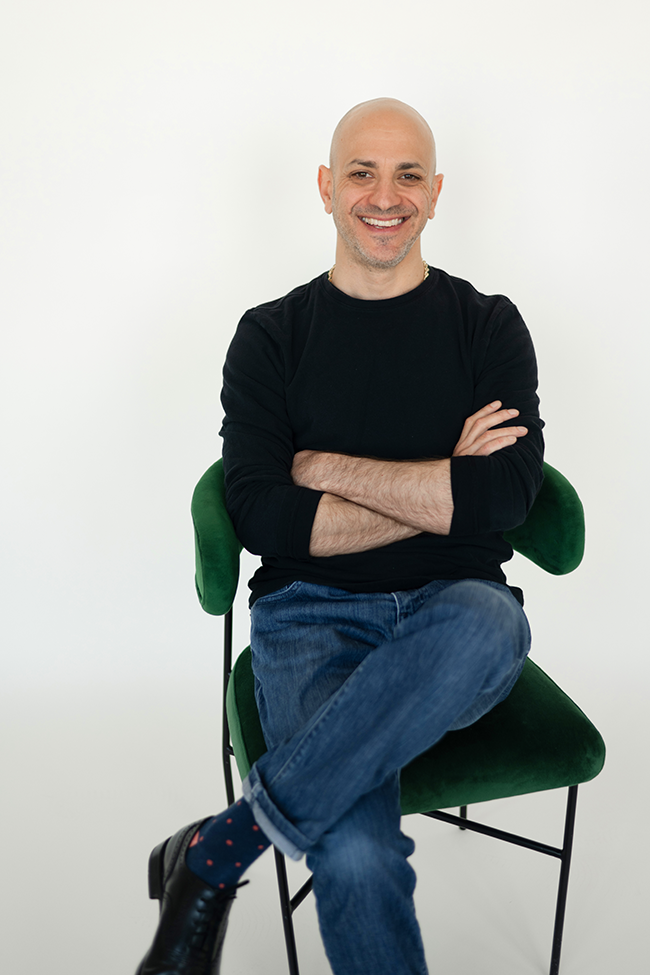
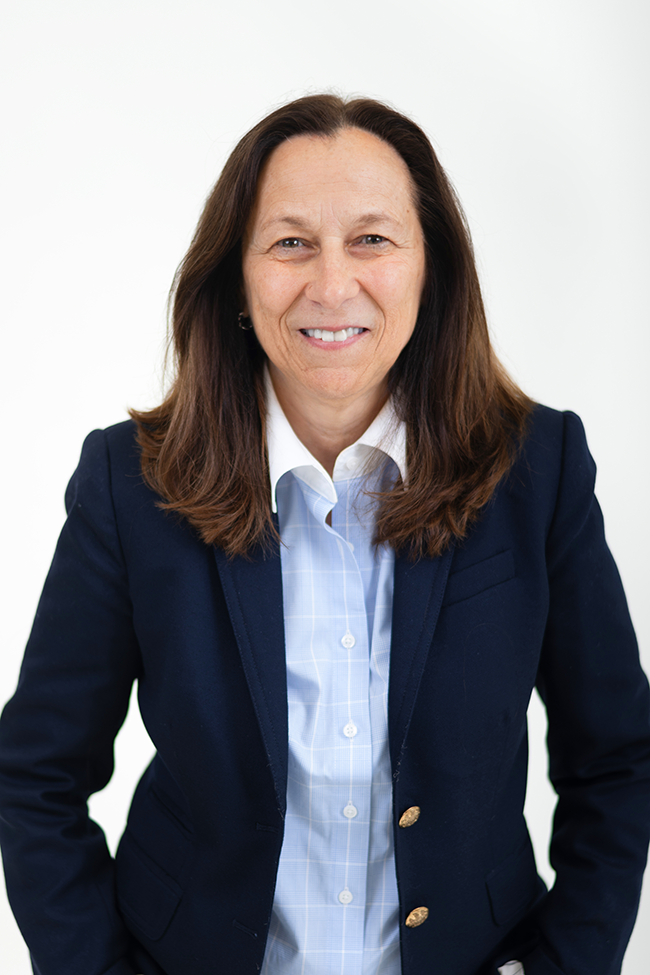
Today the hands-on promise is carried by managing partners Karol Angotti and Michal Fasone. Anthony Fasone leads Fasone West in Sacramento, opened in 2009 after years in automotive and retail agencies. The headquarters has moved from the Westport address long associated with the firm to North Chatham Avenue, but the corporation says the phone number has remained the same since 1975. This is a delightful piece of analog brand consistency.
The campaign nobody billed
The best evidence of a culture is often the odd tradition that lasts. In 1988, the agency replaced its holiday party with a “giving” party: it supplied the toddies, guests supplied the toys. Toys for Toddies grew into shopping, wrapping, groceries and deliveries for Kansas City families. The agency reports that the program has helped more than 150 families, raised almost $100,000 and provided over 40,000 pounds of groceries. At least once, somebody had to solve the highly nonstandard production problem of wrapping a new set of tires.
This has little to do with media efficiency and quite a lot to do with why people stay. Fasone & Partners reports an average employee tenure longer than 16 years. In agency life, where teams can seem to regenerate between the brief and the first presentation, continuity is a product. A client does not need to teach the business repeatedly to a new cast. The people who remember why a decision was made may still be sitting in the room.
Do not imitate the roar. Imitate the operating constraint: give clients direct access to makers, choose one battleground, connect creative to distribution, and decide in advance what response counts.
Small is a choice, not a halo
The model asks something from the buyer. A company seeking a vast international network, dozens of simultaneous market teams or a self-serve commodity product may find the proximity inefficient. Direct access works when the client is prepared to discuss the actual business, make decisions and value judgment over sheer bench size. It works less well when procurement wants interchangeable output at the lowest unit cost.
It also asks discipline from the agency. Staying small is useful only if senior attention remains real; otherwise “boutique” becomes a polite word for under-resourced. Fasone & Partners' answer is the broad internal toolkit, selective specialists and a refusal to let one account or industry dominate billings. The point is not that little agencies are morally superior. The point is that this one knows which inconvenience it is willing to live with.
In 1992 the firm was named Agency of the Year by Kansas City media professionals. In 2021 it was the attractions association's Allied Member of the Year. In 2023 it celebrated landing at No. 23 on a Kansas City Business Journal list - high enough to be relevant, it argued, and low enough to remain personal. The delight is in turning No. 23 into a philosophy. Most companies would rather print the ranking without the number.
There is a certain symmetry here. Michael Fasone left a large agency because he thought scale had become detached from the work. Half a century later, the company that followed is still selling the opposite condition: the planner close to the client, the maker close to the message, and the message close to the sale. Four names later, that remains the argument.
Elsewhere on the web