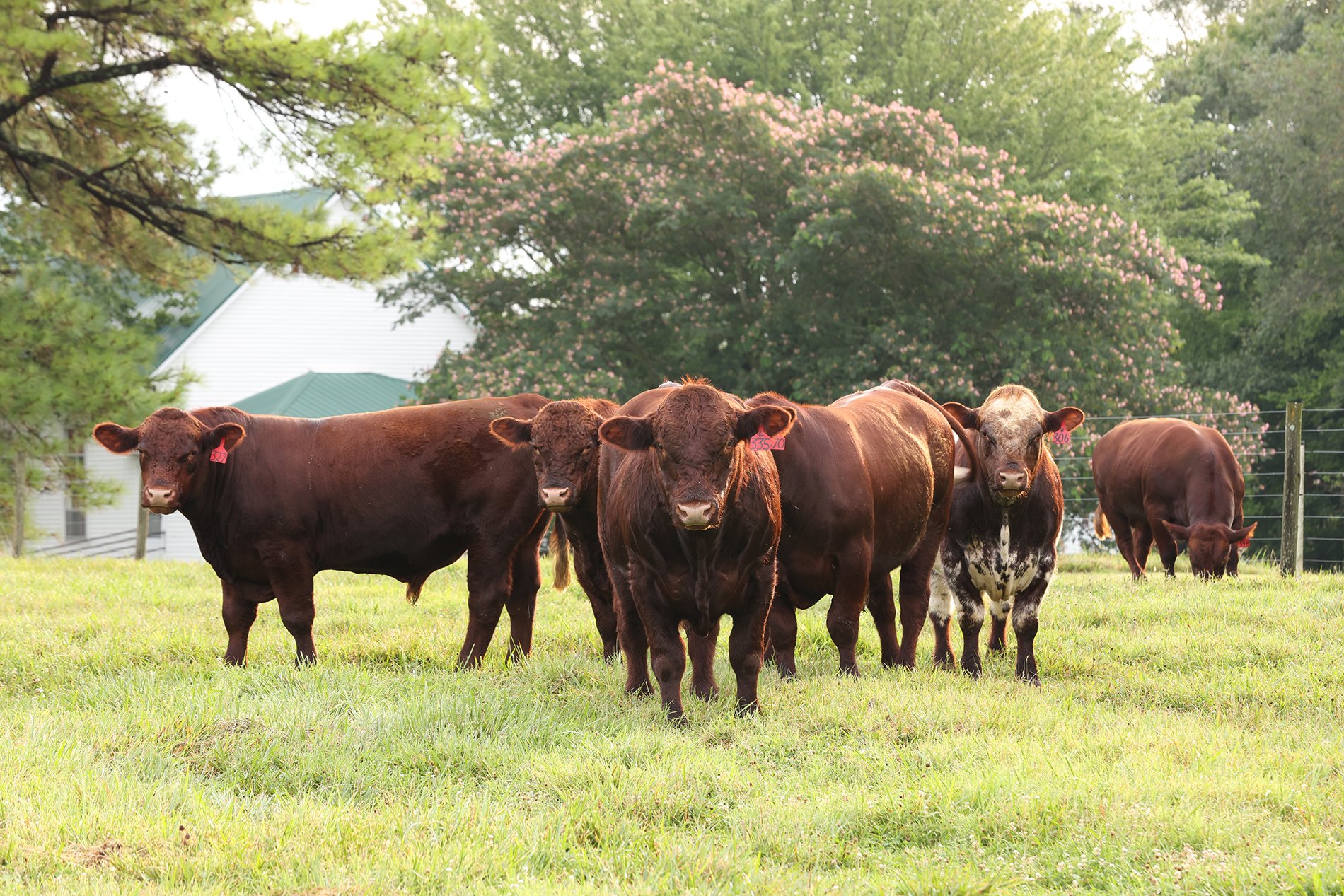
A cow walks into a sale ring. She is red, broad and calm. Every visible fact is available to everyone: the set of her feet, the sweep of her ribs, the way she carries her head. The expensive facts are invisible. Who were her parents? How easily might her calves be born? Is the pedigree on the page the pedigree in her cells? Those questions explain the American Shorthorn Association better than any slogan. The organization does not raise the cow. It makes the cow legible to strangers.
That is a peculiar kind of company. The association, headquartered in Kansas City, is member-governed and small enough that its staff directory feels like a first-name business. Yet its records travel wherever Shorthorn cattle are bred and sold in the United States. It registers animals, transfers records between owners, coordinates DNA tests, calculates performance measures, stages shows, trains young breeders and publishes the news of this particular cattle world.
The original data problemFirst, put all the ancestors in one room
The story begins before the association. The American Shorthorn Herd Book appeared in 1846, the first published breed registry in the country. By 1872, breeders from nine states formed the ASA to record ancestry and serve members. Then the paperwork splintered. There was an American record, a Kentucky record and an Ohio record. Naturally hornless cattle were recorded separately by the American Polled Durham Association.
The first thing to fail was not a breeding theory. It was the idea that several competing filing systems could create one trusted market. In 1883, ASA paid $25,000 for the American herd-book copyrights, $10,000 for Kentucky's record and $1,000 for Ohio's. In contemporary terms, this was not romance. It was database consolidation. The polled association finally merged in 1923.
The modern version lives in DigitalBeef. Members record pedigrees and whole-herd inventories; buyers can follow the official chain; DNA results and performance information attach to the animal. The software is new. The reason for it is 1883 old: a market works better when everyone argues from the same book.
“Protect the integrity of the herdbook and database.”From the association's mission statement
What changedThe pedigree acquired a second witness
Paper ancestry was once the best evidence available. Performance data made it more useful. ASA began collecting data for a genetic evaluation in 1973 and delivered Expected Progeny Differences in 1982. EPDs are forecasts, not beauty scores: they estimate how the future offspring of one animal may differ from another for economically useful traits.
Then DNA changed the burden of proof. For natural-service sires born on or after January 1, 2022, ASA requires a 100K DNA profile. Neogen performs the accepted tests; results can verify parentage, screen named genetic conditions and feed genomically enhanced EPDs. The current list price is $55 for the basic GGP 100K panel and $85 when three condition tests are bundled with it. Hair and semen samples carry a $5 sample fee; tissue is preferred because it is easier to process and store.
This is what changed the institution's mind over time: better evidence became affordable enough to become routine. The registry did not abandon pedigree. It made pedigree answer to cells. A breeder can still admire an animal in the ring; the database simply refuses to let admiration do all the work.
The unusual advantageA purebred registry that records impurity
The most revealing ASA product may be its Appendix Registry, operating since 1973 and encompassing ShorthornPlus and Durham Red cattle. It documents Shorthorn influence alongside related and non-related genetics. ASA says it is the only British breed with an ongoing appendix program of this kind.
That decision is less doctrinal than commercial. Crossbreeding happens because producers want useful combinations of maternal ability, growth, disposition, carcass merit and adaptation. An institution can ignore that messiness or make it measurable. ASA chose the second option. Its distinction from rival breed associations is not that alternatives lack serious genetic programs - Angus, Hereford, Red Angus and Simmental all operate formidable ones. It is that Shorthorn pairs a long American herd-book history with an unusually explicit record of breed influence.
The business beneath the breedFees pay for records. Community keeps them relevant.
The visible model is a menu of small transactions. Senior membership is $125 and includes a year of Shorthorn Country; junior membership is $75. With a current whole-herd assessment, registration for a natural- or AI-sired animal under twelve months is waived. Wait until the animal is between twelve and twenty-four months and the registration is $45. Wait beyond two years and it is $105. A transfer filed late costs more too. The pricing teaches the desired behavior: report the whole herd, and report on time.
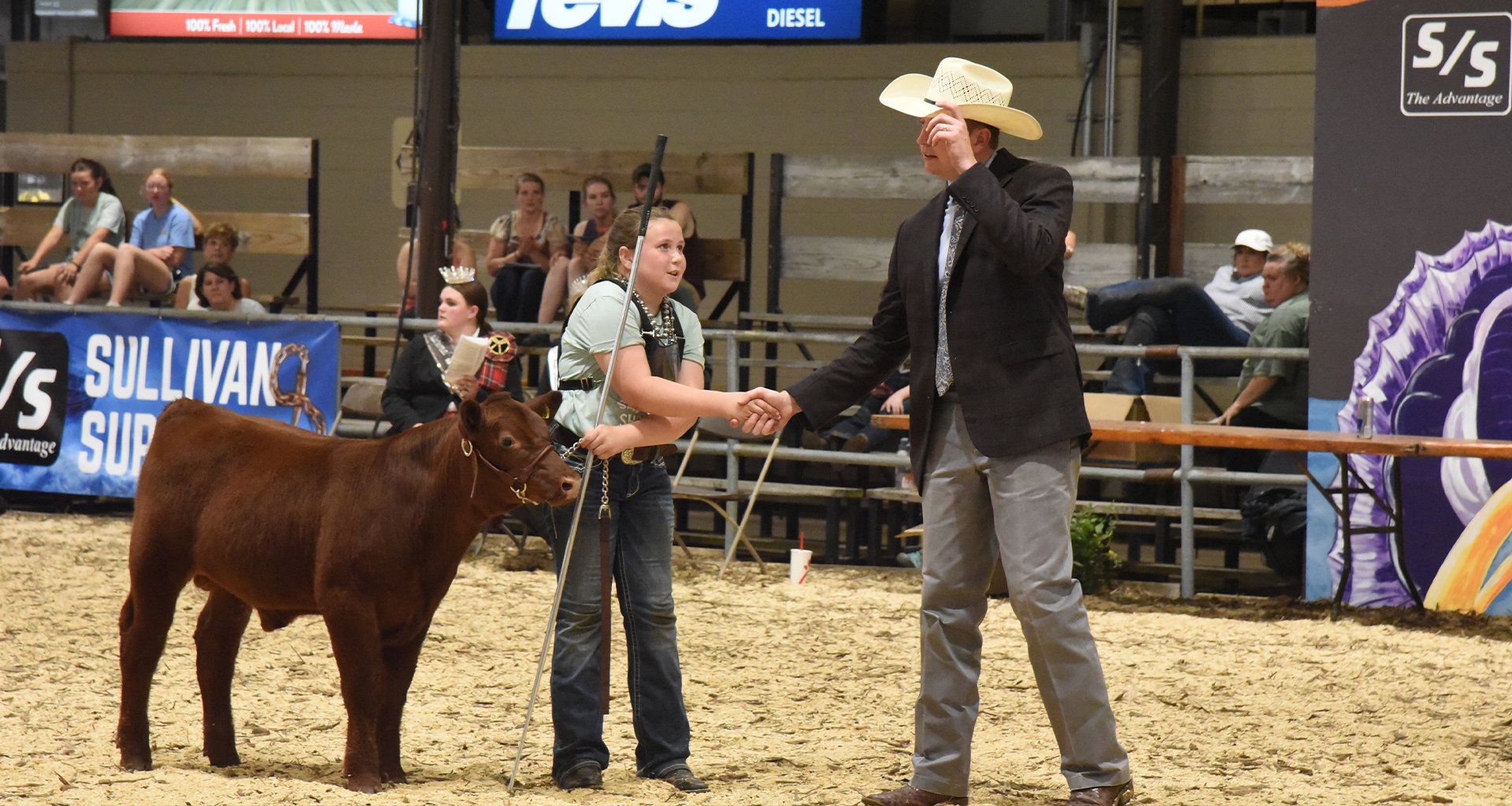
But records alone do not recruit the next record-keeper. The American Junior Shorthorn Association, founded in 1968, reports more than 4,000 members. Its national show and youth conference brings close to 400 young people and their families together for cattle classes, judging, speaking, design and career contests. The week costs more than $300,000 to produce, mostly raised through sponsorships and donations. Scholarships range from $2,000 memorial awards to two $5,000 White Fox Ranch awards.
The Shorthorn Youth Development Fund devised a wonderfully literal fundraising device. A breeder can mark a live animal or pregnancy “Lot 50” and donate half the sale proceeds. An embryo or semen package can become “Lot 100,” with all proceeds donated. It is memorable because the mechanism explains itself.
The portable playbookFour things another association can steal
Make timely, complete reporting cheaper than delay. A fee schedule can be product design.
Document crossbreeding instead of pretending purity is the only commercial practice.
Keep the historical record, then add performance and genomic checks as tools improve.
Give donors a device as easy to remember as Lot 50 and show young members a real path inward.
There are limits. This model depends on members believing the shared record is worth more than private paperwork. It works when registered identity affects breeding value, sale confidence or show eligibility; it is weaker for producers who sell undifferentiated commercial cattle and have no use for breed credentials. Genomic data also improves predictions only when it sits beside honest phenotypes, careful contemporary groups and broad participation. A sophisticated test cannot rescue lazy reporting.
The ASA's real expertise, then, is neither publicity nor pageantry. It is institutional memory with an editing function. The association remembers what breeders reported, but it also keeps changing what counts as adequate proof. In 1846, ink in a bound volume was a breakthrough. In 2022, a qualifying sire needed 100,000 genomic markers. Tradition survived because the standard got harder.