new-york-founder
(86)
William Heath Keeps Building for the Moment After the Starting Gun
The Newhouse co-founder has moved from brand strategy to scooters, fitness studios and creator culture. His through-line is less glamorous than the industries suggest: make the next decision, then keep moving.

Bant Breen Built a Career on a Simple Bet: People Trust People
Long before executive visibility became a boardroom concern, Breen was building the machinery behind digital reputation. His second act with Qnary began with a pointed question from his father: after early recognition, what would he do next?

Catie Romero-Finger Wants Crypto Marketing to Show Its Work
After two decades translating complex technology, the BABs founder has a blunt proposal for Web3: stop applauding attention and start proving what changed.
Jasper Story Is Teaching AI to Sweat the Cut
A former maths teacher, Google contractor and startup generalist is turning the fussy craft of product video into a system teams can direct with words. His bet is that automation matters most when it leaves the story feeling human.

Joseph Thalinjan Is Rewriting the Most Stubborn Date in Business: The First
The former McKinsey consultant found a calendar problem hiding inside commercial real estate. With RentFlow, he is building a payment layer for businesses whose revenue refuses to arrive on schedule.

Rohit Sirosh Is Building the Software Between a Lead and a Signed Case
After years engineering Azure infrastructure, Rohit Sirosh left Microsoft to build with a friend he has known since sixth grade. Their latest problem is less glamorous than AI mythology and more consequential to a law firm: making sure a promising inquiry does not disappear between the first call and a signed case.

Shahryar Hasnani Is Turning the Dollar Account Into an Export
The economics graduate who also studied fiction went from explaining zero-knowledge rollups to rebuilding dollar access for markets traditional fintech routinely leaves waiting.

Christopher Lambert Built a Career by Following the Clues Everyone Else Ignored
Before BitPatrol became part of Snyk’s security stack, Lambert spent years building odd, useful software and hunting the credentials that conventional scanners missed. The through-line is simple: notice the overlooked detail, then make it operational.

Sam Slezek Is Taking on the Paperwork Nobody Wants
After Morgan Stanley, venture capital, Instacart and Scale AI, Sam Slezek chose a gloriously unglamorous problem: helping healthcare organizations get through the paperwork between a provider and an insurance network.

Sam Brickman Wants Every Customer to Feel Like the Only One
Before Ambral, Sam Brickman kept finding the same stubborn problem in different clothes: people and customers slip through the cracks when attention stops scaling. His answer has moved from campus matching algorithms to AI account managers.
Darren Lucia Turned Rejection Into a Sales Operating System
The Rampd co-founder built his career around an unfashionable idea: rejection is useful data, and founders should collect it before they collect more features.

Kaushik Tiwari Is Turning a Failure Resume Into a Venture Studio
After GlucoIQ, TrueDime and Better Financial, the Columbia graduate and Thiel Fellow stopped treating each startup as a solitary bet. At Attack Capital, he is testing whether one shared system can turn hard-earned lessons into a portfolio of vertical AI companies.

Julian Rowlands Took the Scenic Route to the CFO’s Chair - Then Built the Software He Wished He’d Had
A history major became an accidental CFO in Jakarta, learned the job by assembling a personal board of mentors, and came home to build a governed data layer for finance. His career is a case study in turning an odd résumé into founder-market fit.

Dave Zohrob Keeps Following the Glitch
A strange download spike became Chartable. A childhood coding habit became a career. Now the founder of Nori is proving that his real product is a durable way of noticing what does not make sense yet.

Cornelius Schramm Is Teaching Insurance to Answer the Phone
The Avallon co-founder moved from machine-learning research and fleet operations into one of business software's least glamorous rooms: the insurance claims back office. His company's agents handle calls, emails, documents and data entry so adjusters can spend more time resolving cases.

Devon Krapcho Wants Wall Street to Stop Searching and Start Noticing
After five years covering software stocks, Devon Krapcho decided the analyst’s real enemy was not a lack of information. It was the quiet cost of hunting for what mattered.

Ardalan Khosrowpour Is Turning the Jobsite Camera Roll Into a Construction Ledger
He grew up around construction, trained an engineer's eye on its oldest information problem, and built OnsiteIQ around a stubborn idea: if every project is captured consistently, pictures can become evidence.

Ben Kliger Is Building the Brakes for a Billion AI Agents
Before AI agents became boardroom vocabulary, Ben Kliger was already worrying about software built beyond engineering's line of sight. Now Zenity's co-founder is betting that the next great security layer will govern not what machines say, but what they are allowed to do.

Andrew Adams Is Building the Boring Machinery That Makes Care Work
He studied stories and systems, then built a company around the paperwork everyone else avoided. Inside Andrew Adams's playbook: narrow the problem, earn trust, and keep rewriting the operating manual.

Anis Bennaceur Is Teaching Sales Software to Finish the Job
A former startup rival became his co-founder. A neglected CRM became the clue. Now the Attention CEO is betting that the useful sales tool is the one that acts after everyone leaves the call.
Bobby Samuels Is Building the Market Behind the Models
AI has plenty of models and plenty of compute. Bobby Samuels is betting its next constraint is the stubborn, human work of earning access to the right data.

Andy Smith Bet the Breach Would Happen. Then He Hid the Alarm.
The Tracebit co-founder is turning a decades-old cybersecurity decoy into cloud infrastructure - and betting that an attacker, human or artificial, only needs to touch the wrong thing once.

Aparna Divaraniya Turned a Two-Day Science Sprint Into an Eight-Year Company
The scientist who avoided business classes built Oova by treating entrepreneurship like research: assemble the right people, measure what matters, and let the evidence sharpen the idea.

Austin Esecson Bet on the Car Wash Subscription - Then Built the Missing Software
The former finance executive chose a gloriously specific market: helping car washes turn one-time drivers into long-term members. Rinsed's growth shows what happens when software follows the customer all the way from the driveway to the renewal notice.

Brett Allcorn Built a Business by Asking Better Questions
From a street-side rock stand to a New York speaker series, Brett Allcorn’s career is a study in turning curiosity, copy, and repeated experiments into a durable company.

Angela McNeal Is Building for AI’s Messy Middle
After a decade putting machine learning to work inside complex institutions, the Thread AI co-founder has a clear thesis: the clever model is only the beginning. The consequential work is making it useful, governed and dependable.

Anna Berger Is Turning Construction Payroll Into Infrastructure
She grew up watching construction paperwork consume the people doing it. Now the two-time founder is building Trayd around a stubborn idea: the back office should work as precisely as the jobsite.

Anish Malhotra Wants Real Estate to Move at Market Speed
After helping digitize financial markets, the Plotify founder turned to a slower target: the paperwork, financing and fragmented decisions behind owning a rental home.
Ben Leventhal Keeps Rewriting the Restaurant Check
First he made restaurants readable. Then he made them bookable. With Blackbird, Ben Leventhal is betting that the next great dining technology will make regulars recognizable - and give restaurants more control of the economics.
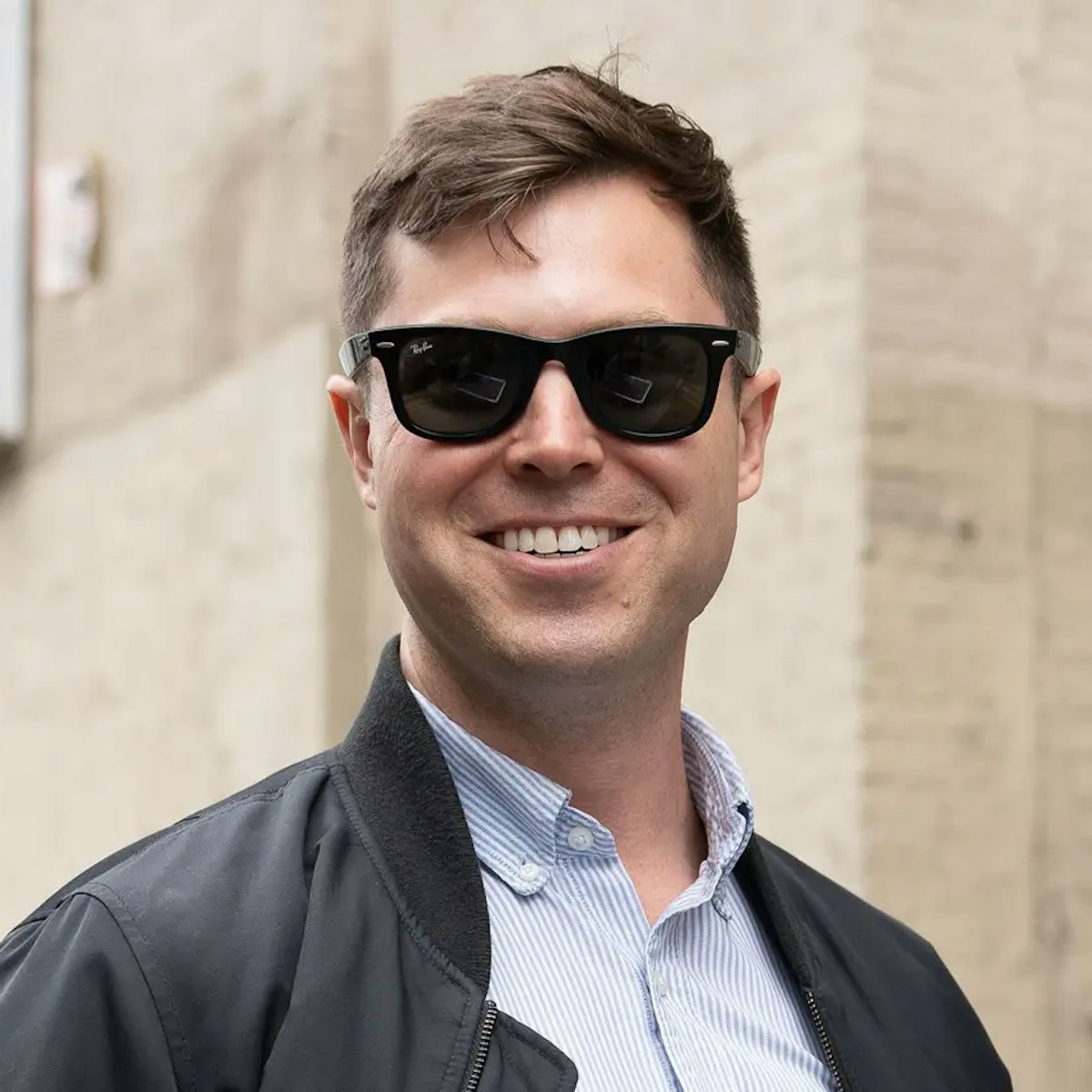
Ben Schaechter Made the Cloud Bill Worth Reading
He learned the cloud from both sides of the console. Now the Vantage co-founder is turning its messiest artifact - the bill - into a product engineers and finance teams can use together.