The arithmetic came before the app. As a child, Ben Leventhal ate with his family at Taste of China, a suburban restaurant in Westchester where the bills arrived handwritten. Checking the waiter's math was his job. At Chin Chin on East 49th Street, he absorbed another lesson. The owner, Jimmy Chin, knew his father and greeted young Ben as though he had been keeping track of his growth all along. A restaurant could feed you, certainly. A good one could also remember you.
That feeling has survived every layer of technology Leventhal has placed around a dining room. Eater gave the restaurant a running narrative. Resy put its tables on the phone. Blackbird, the company he now leads, wants to recognize the guest, settle the bill, reward the return, and leave more of the transaction in the restaurant's hands. The products differ. The fascination hardly budges.
Leventhal grew up in New York and studied finance at George Washington University from 1997 to 2001. His first post-college job was at VH1. The assignment yielded the sort of detail that belongs in a founder's origin story only because it is funny: for perhaps five minutes on a shoot, he served as Madonna's security, escorting her between a car and a dressing room. Television did not become his long game. Restaurants did.
Restaurants become a beat
In the early 2000s, the internet made publishing cheap, fast, and conversational. Leventhal began with a newsletter called She Loves New York. In 2005 he and Lockhart Steele co-founded Eater, treating openings, closings, chefs, menus, logos, and dining-room gossip with the frequency and appetite of sports coverage. Restaurant journalism had often waited for the finished plate and the formal review. Eater watched the whole season.
The tone could be sharp, and operators did not always enjoy seeing the machinery of their business turned into a spectator event. Yet the premise was exact: people cared about restaurants as living cultural objects. They followed a chef's move the way another fan followed a trade. They wanted the rumor, the plywood, the first service, the crowded Saturday, and the autopsy after the locks changed.
“Restaurants are now this category of entertainment.”Ben Leventhal, on the demand for dining out
Leventhal later worked as executive editor of The Feast, NBCUniversal's local restaurant and events platform, from 2009 to 2011. The project was short-lived, but the larger thesis stayed with him. Restaurants were more than small businesses serving food. They could develop the devotion of a team, a theater, or a band. The business question was how to turn that abundant affection into a healthier operating model.
The table that refused to be sold
Resy arrived in 2014 with co-founders Gary Vaynerchuk and Michael Montero. Its first proposition was provocative: let restaurants charge diners for access to particularly desirable reservations, then share the proceeds. Leventhal argued that a scarce table at the perfect hour had economic value and that restaurants should capture it. The logic was tidy. The customers were unconvinced.
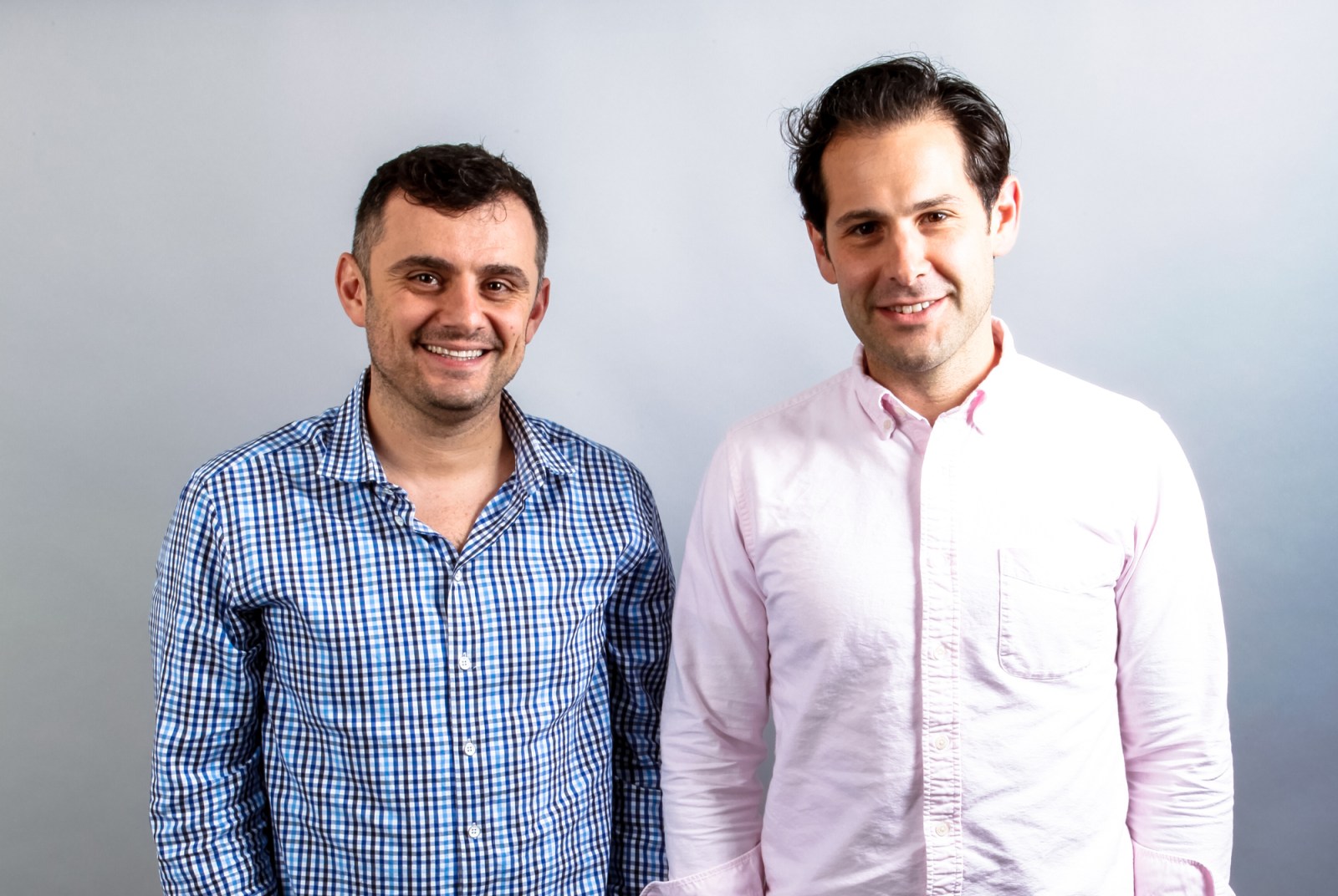
Restaurant operators told Resy that they did not want to sell their tables. Leventhal now speaks about that first year plainly: they got it wrong. The company listened and pivoted toward a mobile-first reservation and guest-management system sold to restaurants. Features such as Notify and attention to outdoor seating made the diner experience more fluid, but the operating allegiance mattered just as much. Resy presented itself as built by restaurants, for restaurants.
Keep the problem. Replace the mechanism. Resy's mission survived because its first business model did not.
American Express acquired Resy in 2019. In November 2020, Leventhal stepped down as general manager of the Amex Global Dining team and continued in an advisory role. By then, the dining room had undergone a brutal reset. Restaurants were selling meal kits, merchandise, subscriptions, and whatever else could move through a window or a website. The distinction between restaurant and brand had become impossible to ignore.
A memory system with a payment rail
Blackbird began operating in 2023. A diner checks in at a participating restaurant, builds a record of visits, earns rewards, and can pay through the app. The restaurant sees a more useful picture of the guest and can attach benefits to repeat behavior. In its most human form, the pitch is the Chin Chin greeting rendered at network scale: we know you, we are glad you returned, here is a reason to come again.
The economic ambition is larger. Independent restaurants often pay outside platforms for discovery, reservations, delivery, and card processing while customer knowledge scatters among those systems. Blackbird argues that restaurants should retain more transaction value and have a direct, permissioned relationship with guests. Its rewards currency, $FLY, can move across the participating network. Blackbird Pay lets a diner settle the bill inside the app. Flynet, launched in February 2025, is a purpose-built transaction network running on Coinbase's Base ecosystem.
Blockchain is the most debated part of this arrangement, and Leventhal has resisted making it the diner's homework. He has said the product must feel magical as consumer technology and that Blackbird will use blockchain where it creates that effect. Consumers should never be forced into crypto merely to enjoy dinner. The distinction is practical. Diners want recognition, access, a quick payment, and a reward. Few arrive hungry for an explanation of layer-three infrastructure.
“Our job is to build something magical from a consumer tech standpoint.”Ben Leventhal, on keeping the machinery behind the experience
Operators bring a harder test. A network reward has to create useful demand rather than send point collectors through the room without building loyalty to the individual restaurant. New hardware must cooperate with the point-of-sale systems already crowding the counter. A new consumer app has to earn space on the phone. Blackbird's answer has been to make its restaurant terminal work alongside different point-of-sale systems and to let each operator shape rewards and recognition.
In April 2025, Blackbird announced a $50 million Series B led by Spark Capital, with Coinbase Ventures, Amex Ventures, and Andreessen Horowitz participating. The company said roughly 1,000 restaurants had signed up and reported $85 million raised in total at the time. It also introduced Blackbird Club, with tiers based on how often and how much a member supports restaurants in the network. The benefits favor hospitality over coupon math: reservation access, event presales, amenities, and occasional off-menu gestures.
The regular as a constituency
Leventhal's language increasingly treats the restaurant, its workers, and its guests as participants in the same economy. He has described a future in which restaurant customers share in Blackbird's success and restaurant partners gain membership rights in the transaction network. His stated priorities for 2026 included economic participation for restaurants, clearer tools for growth, and a product that feels easy and useful to the host, waiter, maître d', and general manager who actually touches it during service.
That ambition creates a pleasing inversion. The regular has always been powerful in practice, the person who fills a seat repeatedly, brings friends, orders with confidence, and forgives the occasional bad night. Traditional software could reduce that person to a row of reservation data. Blackbird wants the regular to become a visible member of an economy, carrying reputation and rewards without depriving the restaurant of the relationship.
The network expanded to Los Angeles in October 2025 with more than 50 restaurants across Santa Monica and Venice, joining operations in New York, San Francisco, Charleston, and the Denver and Boulder area. Growth supplies more places to earn and spend, but it also tests whether the intimacy of being known can travel. Every loyalty network dreams of scale. Every beloved neighborhood restaurant depends on specificity.
Twenty years at the same table
Leventhal's career can look like serial entrepreneurship, yet it reads more clearly as serial attention. He has stayed with one industry as the available tools changed. Publishing software made Eater possible. The smartphone opened Resy. New payment and ownership infrastructure made Blackbird conceivable. Each company sits one step closer to the transaction, from talking about the restaurant to booking it to paying inside it.
There is discipline in choosing the same argument repeatedly. Restaurants inspire uncommon consumer love and endure uncommonly difficult economics. Better storytelling can create attention. Better booking can shape demand. Better memory and cheaper transactions might turn affection into repeatable value. None of these solves the restaurant business alone. Together they form Leventhal's long campaign to give the dining room more agency.
His most revealing founder advice is modest. Entrepreneurs make mistakes constantly; if they are making none, they are unlikely to get the product right. Resy's opening model supplies the proof. Persistence, in his formulation, means locking onto an idea and refusing to let it go. The art lies in knowing which idea deserves that loyalty. A premium table was negotiable. The restaurant was not.
Back at Taste of China, the young Leventhal checked the handwritten addition because somebody had to know whether the total made sense. Decades later, he is still inspecting the check. Now the columns include card fees, customer data, rewards, repeat visits, and the price of belonging to somebody else's platform. The arithmetic is more complicated. The desired feeling remains wonderfully simple: the door opens, a familiar person walks in, and the room remembers.