customer-loyalty
(59)
Cheetah Digital’s quiet trick: ask, then remember
A Danish supermarket made loyalty easier to use. Cheetah Digital’s larger wager is that useful questions and a good memory can outperform another indiscriminate offer.

Kobie knows why a good customer comes back
A rewards program can buy another transaction. Kobie builds the software, strategy and operating habits intended to make the relationship last - and knows that a pleasant surprise can be the wrong reward.

Paytronix and the art of earning the next visit
A $10 reward can thank a regular or buy a visit that would have happened anyway. Paytronix helps restaurants and convenience stores tell the difference - then connects the offer, the order, and the return.

The Pizza Shop That Changed the Register
Instore began as an iPad till for independent merchants. Its most revealing chapter came when Slice bought the software and taught it the peculiar grammar of a pizza order.

The Loyalty Program That Had to Learn Accounting
Gameball sells points, tiers and little moments of delight. Its more revealing work is less theatrical: joining scattered customer records, making rewards redeemable everywhere, and keeping the cost of generosity visible.

The Pizza Order That Learned to Remember You
LOKE began with loyalty and discovered that the humble food order was the better way in. Now it is trying to turn every tap, payment and pepperoni pizza into a customer relationship the restaurant actually owns.
Blibli Is Building an Online Mall You Can Walk Into
Phones, groceries, holidays, a new sofa. Blibli is stitching together the places Indonesians spend their money - and betting that the next online purchase may begin in a physical store.

TLC Worldwide Wants to Give You a Holiday, Not a Discount
A $250 travel credit with your shopping. A £1 coffee with your phone plan. TLC Worldwide turns other people’s experiences into reasons to buy - and reasons to stay.

Vita Mojo Built a Restaurant. The Software Ate the Business.
The London foodtech company began with personalised lunches and no cashiers. Then restaurant operators made the founders an offer they could not ignore: forget the bowls, sell us the operating system.
Owner.com Lost Every Dollar of Revenue. Then It Built the Digital Front Door for 10,000 Restaurants
The pandemic erased Owner.com's original business. Six years later, its tightly controlled restaurant stack has crossed $100 million in recurring revenue - by asking operators to trade customization for conversion.
The Travel Company You’ve Probably Used Without Knowing It
Arrivia hides behind some of the world’s best-known loyalty programs, turning points and member perks into bookable trips. Its edge is less glamorous than a beach ad - deep cruise supply, private pricing and the operational plumbing to make someone else’s brand look good.

SpotOn Spent $415 Million Going Wide. Its Restaurant Reset Is the More Interesting Bet
The payments unicorn tried to own everything from neighborhood dining rooms to NFL concessions. Then it sold the stadium business, kept the useful code, and returned to a harder, cleaner question: can one system give independent restaurants their margin and customer relationships back?

Christie Raymond Made the Department Store Listen
An industrial engineer turned retail marketer, Christie Raymond built her career by treating attention as data and loyalty as a promise. Her final chapter at Kohl's reveals what modern brand leadership looks like when the spreadsheet and the shopping cart have to agree.

Bethany Evans Is Teaching an Activewear Brand to Think Beyond the Checkout
After building social programs, airline stories and a two-million-member loyalty ambition, Rhone's CMO is making the case that the most useful marketing metric may be whether people remember you at all.
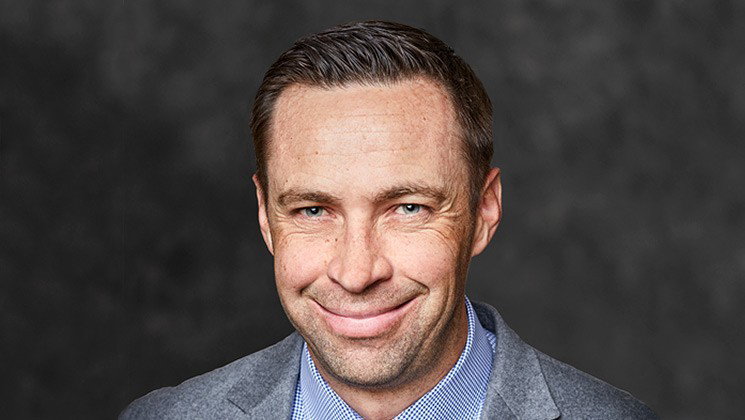
Josh Jones Learned Caesars From the Curb Up
He parked cars, worked the poker room, wandered through finance and wine, then returned to help integrate a casino empire. Now Josh Jones markets Caesars with an operator’s eye for the moment when a promise becomes a guest’s actual night out.

Ben Leventhal Keeps Rewriting the Restaurant Check
First he made restaurants readable. Then he made them bookable. With Blackbird, Ben Leventhal is betting that the next great dining technology will make regulars recognizable - and give restaurants more control of the economics.

Laura Baker Is Making Marketing Answer the Hard Question: Did It Grow the Business?
After marketing Tim Hortons, mattresses, investments and hardware, Laura Baker arrived at Weed Man with a practical thesis: the dashboard matters, but the customer’s memory matters more.

Stephan Sigaud Has Spent 30 Years Asking the Question Inside the Question
From a 1992 method for exposing the gap between employees and customers to today’s debates over AI and customer experience, the Phase 5 CMO has built a career around turning research into action.

Loblaw Built a Retail Flywheel From Bananas, Bandages and 18 Million Loyalty Cards
The Canadian retailer turned self-service groceries into a century-long habit, then layered on private labels, pharmacies, apps and points. The result is a formidable convenience machine - and a permanent invitation to scrutinize the price of dinner.
What Restaurant Operators Can Steal From Newk's: It Lost the Dining Room, Then Found a Leaner Growth Plan
When COVID-19 erased 75 percent of its business, the nearly 100-unit Southern chain did not abandon scratch cooking. It cut the clutter around it - and turned a four-day curbside scramble into a more disciplined franchise playbook.
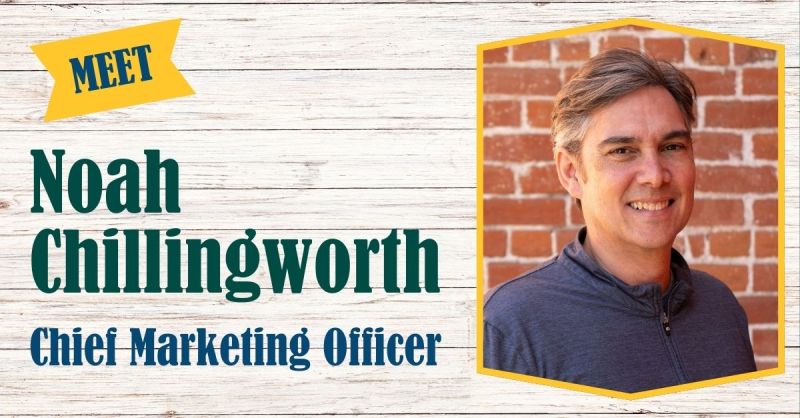
Noah Chillingworth Knows the Menu Is a Memory Machine
After 32 years marketing food people eat in their cars, Noah Chillingworth has learned that value is emotional, nostalgia is operational, and useful restaurant ideas begin by listening closely.
Bold Orange Bet That Loyalty Points Were Broken - Then Built the Customer-Experience Shop Enterprise Brands Actually Hire
Most agencies sell campaigns. Bold Orange sells the plumbing, the message, and the measurement - a useful model for brands tired of stitching customer experience together one vendor at a time.

THE ICONIC Is Building the Wardrobe Behind the Buy Button
Australia's online fashion fixture is no longer just a very large shop. Its next act connects inventory, logistics, loyalty, retail media and circular services into one regional operating system.

The Company Behind the Checkout Button
Digital Planet began selling computers online before South Africa was ready. Twenty-seven years later, it runs the quiet machinery that helps banks and telcos turn customer relationships into delivered devices, learning products and repeat business.

The Company Keeping 1.9 Billion Shoppers From Becoming Strangers
Every purchase leaves a clue. Capillary Technologies turns billions of those scattered signals into loyalty programs that can recognize a shopper, choose a reward and act before the relationship goes cold.

Lauren Mannetti Built GNC's Marketing From the Inside Out
After learning the media business in Pittsburgh agencies, Lauren Mannetti moved inside an established retailer and rebuilt the marketing engine around customers, creative ownership and measurable growth.

The Coffee Chain That Grew by Giving Up Its Stores
BIGGBY built a 460-plus-cafe system without keeping a portfolio of company stores. Its wager is that local owners, playful drinks and a traceable supply chain can make a regional brand feel personal at scale.

Slim Chickens Built a 300-Store Flock on One Surprisingly Sticky Idea: Choice
The Fayetteville chain turned garage-tested tenders, 14 sauces and table-side hospitality into a mostly franchised global business. Its next test is harder: preserving that sense of choice and care while opening in more formats, markets and countries.

The Riverboat Casino That Became a $1.7 Billion Shortcut
Before casino consolidation became a corporate arms race, Bernard Goldstein put gambling on a boat and aimed it at the drive-in customer. Isle of Capri's reward was a regional footprint that Eldorado Resorts bought for $1.7 billion.
The $1.5 Million Scoop: How Chicken Salad Chick Turned a Picnic Staple Into a Franchise Machine
Chicken Salad Chick took a dish associated with picnics and church lunches, gave it 12 personalities, and built a fast-casual growth story around the humble scoop. Its real product is not novelty alone - it is repeatable choice served with a neighborhood touch.