mit-phd
(27)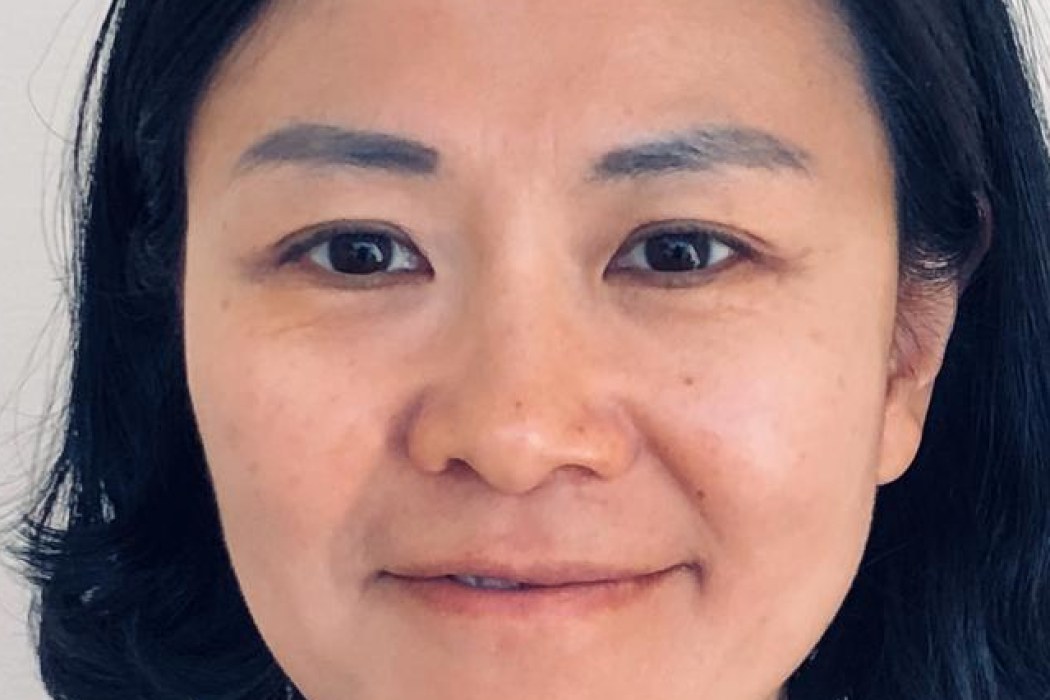
Sofie Qiao
Sofie Qiao, Ph.D. is a chemist-turned-biotech-founder who has built a career at the intersection of hard science and dealmaking. Trained in organic chemistry at Harvard and MIT, she founded LEAD Therapeutics (acquired by BioMarin in 2010, source of the PARP inhibitor Talazoparib now sold by Pfizer), ran WuXi Ventures, and then founded and led Vivace Therapeutics from 2015 to 2026, raising more than $100 million to advance first-in-class small molecules targeting the Hippo/YAP-TEAD pathway in cancer. She now leads Virtuoso Therapeutics, another company she founded.

Edward Shaffer
Dr. Edward O. Shaffer II is the CEO and founder of Advanced Battery Concepts, a Clare, Michigan company he started in 2009 to reinvent the 160-year-old lead-acid battery instead of chasing lithium. His patented GreenSeal bipolar architecture strips cost, lead and weight out of large-format storage while keeping the batteries fully recyclable, and it has been licensed to battery makers around the world including Crown, Clarios, EnerSys, Exide, Trojan and Monbat. An MIT-trained materials scientist and former Dow Chemical R&D manager, Shaffer argues that energy storage only scales when it is economically, socially and environmentally responsible - all three at once.
Geoffrey von Maltzahn
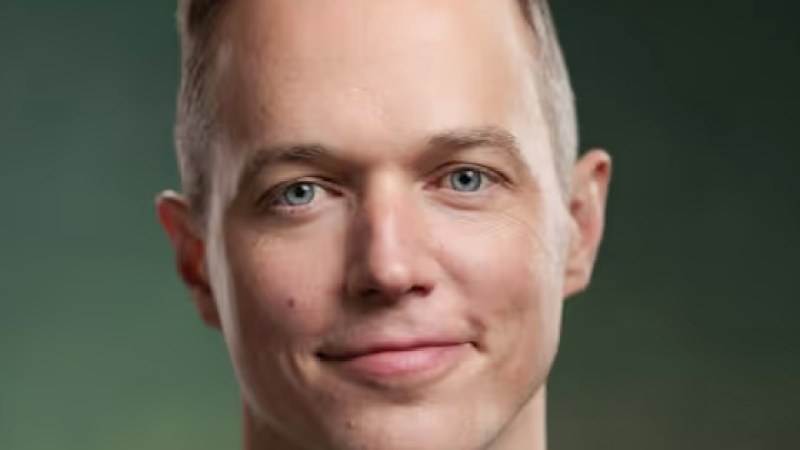
Geoffrey von Maltzahn is the co-founder and CEO of Lila Sciences, a Cambridge company building what it calls scientific superintelligence: AI plus robotic labs that run the scientific method autonomously. A general partner at Flagship Pioneering, he has founded or co-founded a string of companies including Generate:Biomedicines, Tessera Therapeutics, Indigo Agriculture, Sana Biotechnology, Seres Therapeutics and Quotient Therapeutics, which together carry more than $10 billion in market value. He holds a PhD from the Harvard-MIT Division of Health Sciences and Technology and is named on more than 200 patents.
Haojun Jia
Haojun Jia is the co-founder and CEO of Deep Principle, an AI-for-science startup building AI scientists that discover new materials and chemical reactions. He hatched the idea while finishing a physical chemistry PhD at MIT, where his research paired high-throughput quantum chemistry with machine learning to design catalysts. Deep Principle's platform - marketed as ReactiveAI and now the agentic tool Agent Mira - fuses deep learning with first-principles physics to compress the time and cost of materials R&D. The company has raised roughly $28 million across two rounds from investors including GL Ventures, Linear Capital, Vertex Ventures, and funds backed by Lenovo and Baidu. Jia was named to the Forbes 30 Under 30 Asia 2025 list in Healthcare & Science.
Michael Chang
Michael Chang is the founder and CEO of Synergies Intelligent Systems, a Cambridge, Massachusetts company building JarviX, a no-code augmented analytics platform that lets factory workers and executives 'talk to their data' in plain language. An MIT-trained PhD in electrical engineering and computer science, he pivoted from optics, machine vision and computational biology research into the messy world of manufacturing data, spending years inside Foxconn where his analytics work reportedly saved a Shenzhen factory around $20 million. In 2022 he raised a $12 million Series A led by NGP Capital to bring conversational, AI-driven decision-making to legacy industries.
Philina Lee
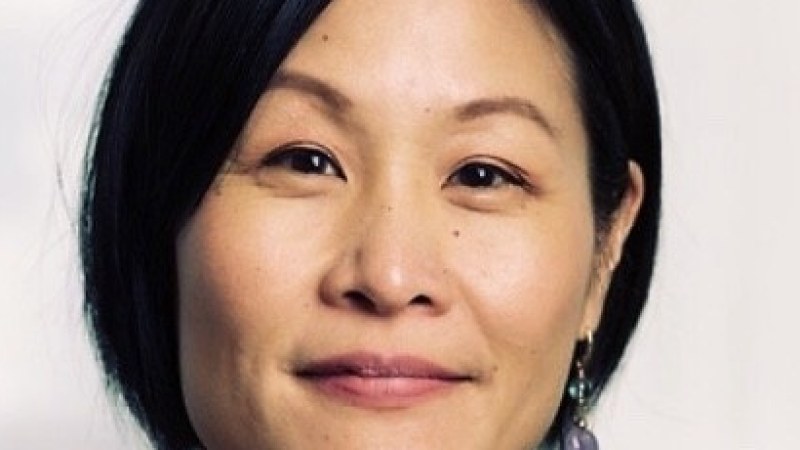
Philina Lee, PhD is the Chief Executive Officer of AdvanCell, a clinical-stage radiopharmaceutical company developing targeted alpha therapies for cancer built on a proprietary Lead-212 platform. A biopharmaceutical executive with more than two decades in oncology, she was Chief Commercial Officer at Blueprint Medicines (acquired by Sanofi for roughly $9.5 billion) and earlier helped build the organization at Algeta that launched Xofigo, the first approved alpha therapy. Trained as a cell biologist at MIT, she took the AdvanCell helm on January 1, 2026 to lead the company's US expansion from a new Boston-area headquarters and advance its lead candidate 212Pb-ADVC001 for prostate cancer.
Janos Perczel
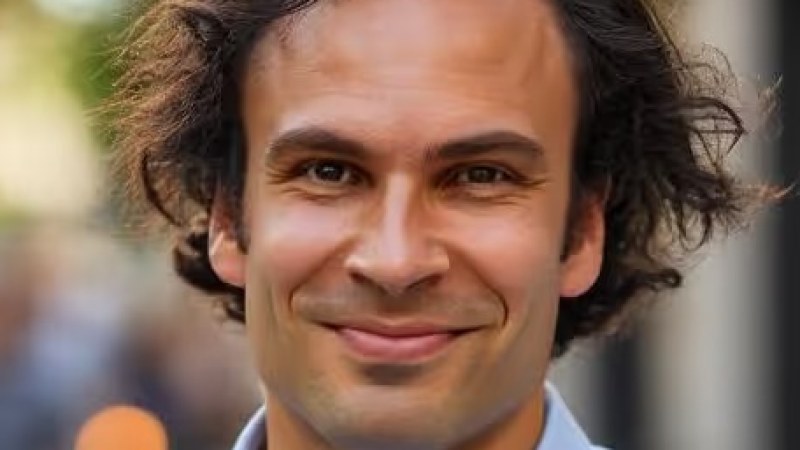
Janos Perczel is a theoretical quantum physicist turned education entrepreneur. After earning a PhD from MIT working on invisibility cloaks and cold-atom quantum systems under Mikhail Lukin at Harvard, he co-founded Polygence in 2019 with Jin Chow. The company pairs high school students with PhD mentors for one-on-one research projects, and now reaches tens of thousands of students worldwide. As CEO he has pushed Polygence into AI, releasing TeachLM, a language model fine-tuned on 100,000 hours of real one-on-one tutoring data.
Jesse Chen
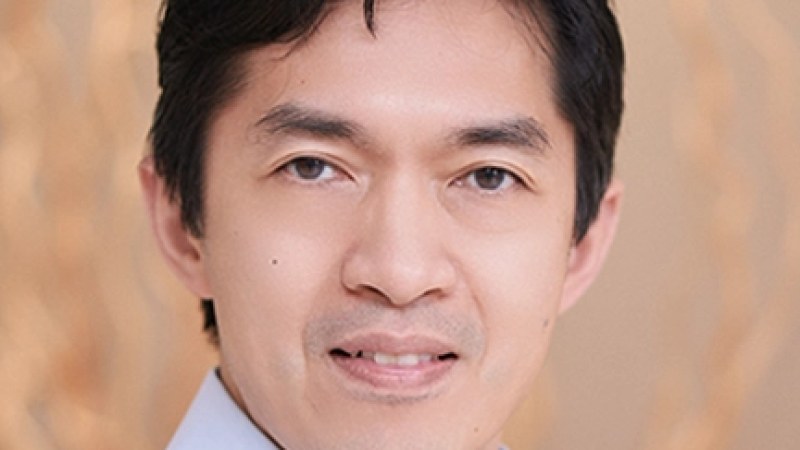
Jesse Chen is the founder, president and CEO of Fortitude Biomedicines, a Waltham, Massachusetts biopharmaceutical company that launched in January 2026 with $13 million in seed financing. A serial biotech entrepreneur with an MIT PhD in biological chemistry, Chen previously co-founded TRIANA Biomedicines and Avilar Therapeutics, was the founding scientific hire at Kymera Therapeutics where he built its targeted protein degradation platform, and held discovery roles at Moderna and Millennium Pharmaceuticals. At Fortitude he is betting that molecular glue payloads, packaged into a platform he calls GLUE-DAC, can overcome the drug resistance that limits today's antibody-drug conjugates and extend them into autoimmune disease.
Joseph E. Aoun
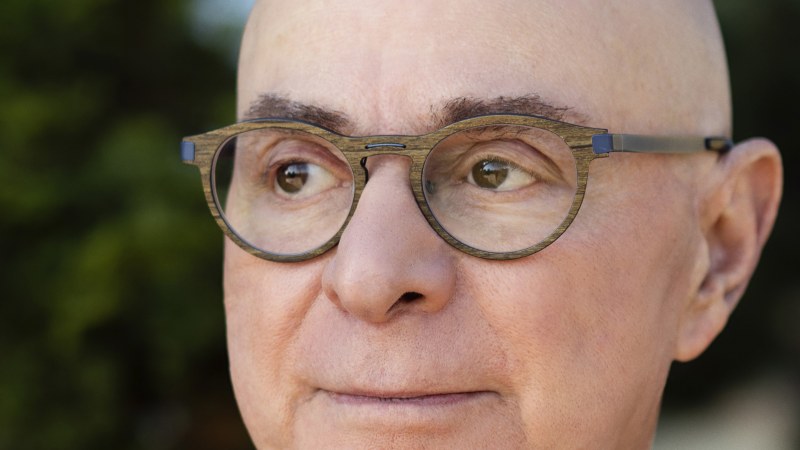
Joseph E. Aoun is the seventh president of Northeastern University and the author of Robot-Proof, the book that named the AI-era reinvention of higher education. A Lebanese-born linguist trained under Noam Chomsky, he has spent nearly two decades turning a single Boston commuter campus into a 13-campus global university system spanning North America and the UK, expanding co-op placements into more than 140 countries and growing external research funding sevenfold.
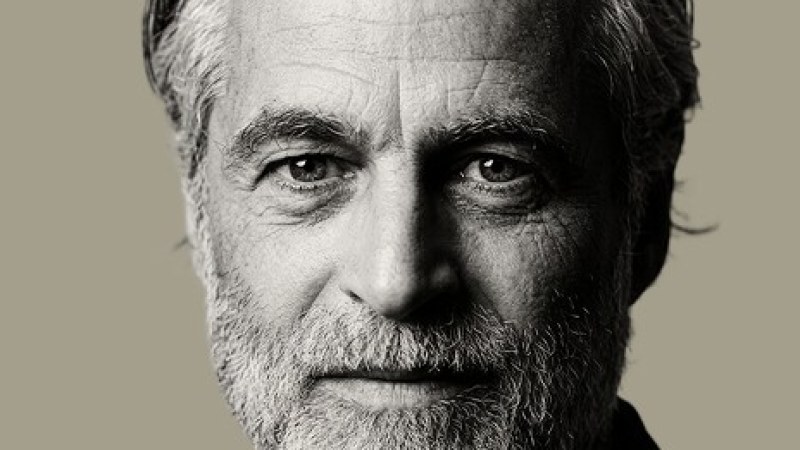
Allan Brik
Allan Brik is the CEO and managing founder of Everysk, a New York fintech building intelligent automation and risk workflows for capital markets. A structural engineer turned quant turned operator, he spent three decades managing risk at Merrill Lynch, Goldman Sachs, and the $14 billion hedge fund allocator Arden Asset Management before founding Everysk in 2013. He holds a PhD in Computer Aided Engineering from MIT and argues that cloud computing, open APIs, and agentic AI are quietly dismantling the spreadsheets and data silos that have governed investment management for decades.

Andreea Bodnari
Andreea Bodnari is the founder and CEO of ALIGNMT AI, a New York and Boston based startup building governance-first compliance infrastructure for healthcare AI. An MIT-trained machine learning scientist who built and scaled the B2B healthcare AI division at Google Cloud and served as a product VP at UnitedHealth Group, she now runs a company that monitors AI risk in real time across the model lifecycle. In August 2025 ALIGNMT AI emerged from stealth with a $6.5M seed round led by AIX Ventures. Bodnari sits on national AI safety bodies, has reviewed for the JAMIA journal for over a decade, and argues that transparency is the price of trust in clinical AI.
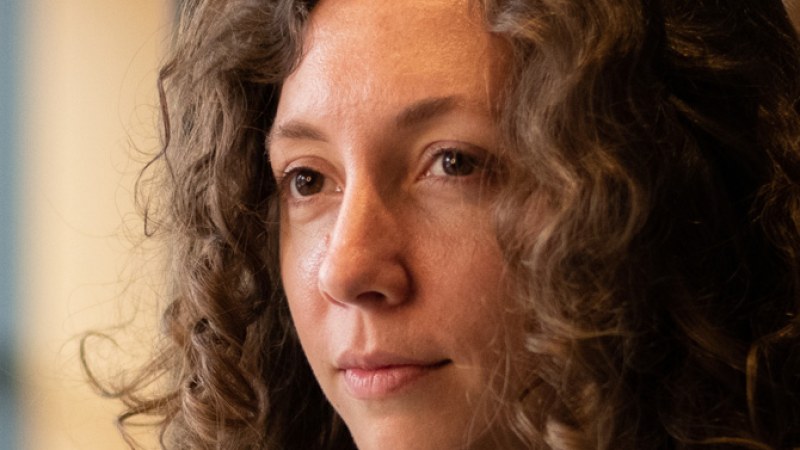
Ashley Beckwith
Ashley Beckwith is the founder and CEO of Foray Bioscience, a Cambridge, Massachusetts biotech growing wood, plant materials, molecules, and seeds from single plant cells - no forests required. Out of her PhD in mechanical engineering at MIT, where she grew wood-like tissue in the lab from a zinnia leaf, she built a company that pairs in-vitro plant cell culture with an AI platform called Pando, billed as an operating system for plant science. The goal: shorten plant development from decades to months and bring biomanufacturing's precision to forestry and conservation.
Bhairav Mehta
Bhairav Mehta is the co-founder and CEO of CharacterQuilt, a San Francisco AI company that builds computer-use agents to run enterprise marketing campaigns. A 2x Y Combinator founder, he traded a near-finished MIT PhD in deep learning and robotics - and a research resume spanning NASA's Jet Propulsion Laboratory, NVIDIA, and Mila - for the messier business of getting software to do real marketing work. CharacterQuilt interviews real buyers, distills them into AI personas that predict pain points, and then lets agents operate the existing marketing stack. His pitch: campaigns that once took three agencies, ten tools, and six weeks now ship in an hour.
Penny Chen
Penny Chen is the co-founder and CEO of Pax, the Y Combinator (S24) startup rebuilding duty drawback - the U.S. program that refunds import tariffs - as an AI-native brokerage. An MIT PhD and former research scientist at Amazon and Flexport, she stumbled on duty drawback while building supply-chain algorithms and saw a math problem hiding inside a bureaucratic one: each year roughly $10-15 billion in eligible refunds go unclaimed because legacy brokers take 10-20% and won't touch claims under $100k. Pax turns the rulebook into algorithms and LLM data extraction, promising a TurboTax-style experience that cuts filing from 9-12 months to a few weeks. The company raised $4.5M in seed funding led by Initialized Capital in April 2025.
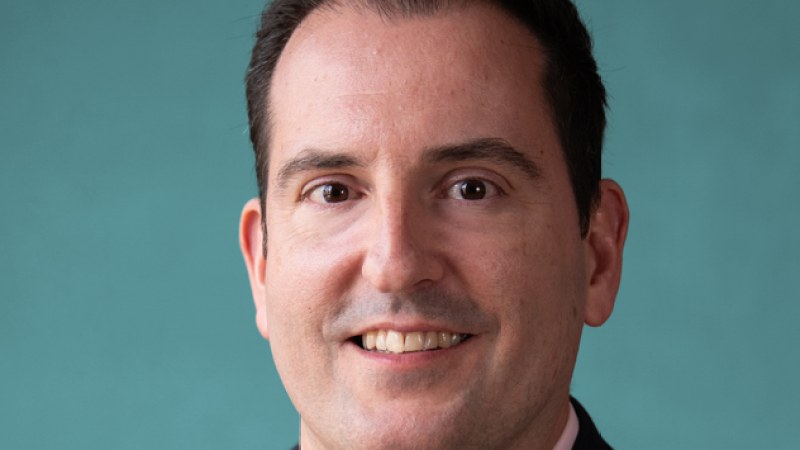
Ramon Salsas Escat
Ramon Salsas Escat is the Chief Business Officer of GEMMA Biotherapeutics (GemmaBio), the Philadelphia gene-therapy company spun out of Jim Wilson's lab to widen global access to AAV therapies for rare inherited diseases. A chemist by training who earned a PhD in computational and systems biology at MIT and an MBA at IESE, Salsas has led or co-led more than 20 transactions across AAV gene therapies, CNS disorders, oncology and manufacturing platforms, with cumulative deal value north of $4 billion in upfront payments and milestones. He helped build the business engine at Penn's Gene Therapy Program, served as SVP of Business Development at G2 Bio, and now runs business development, alliance management, legal and IP at GemmaBio, where he played a pivotal role in the company's founding and its $34 million seed round.
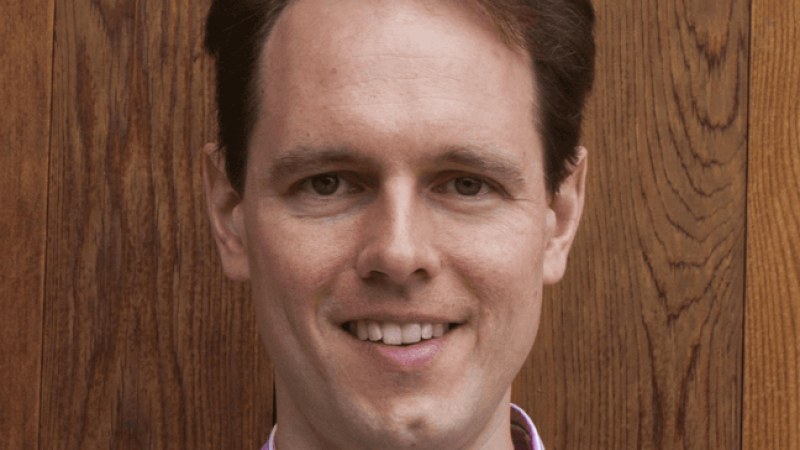
Thaddeus Fulford-Jones
Thaddeus Fulford-Jones is the London-born, MIT-trained engineer who co-founded and leads Radial (formerly Radial Analytics), a Concord, Massachusetts healthtech company that uses AI to guide clinicians through the high-stakes 'crossroads moments' of patient care - especially deciding where a patient should go after leaving the hospital. A serial founder, he earlier built and sold Locately, a pioneering GPS shopper-analytics firm acquired in 2012, before turning his fascination with behavioral 'nudge theory' and large-scale data toward value-based care. Radial's platform has analyzed data from 18 million patients and 82 million encounters to help more people recover safely at home.
Blaine McKee
Blaine McKee is the president and CEO of Walden Biosciences, a Cambridge, Massachusetts biotech building first-in-class medicines that go after the kidney itself instead of just slowing the road to dialysis. A chemist turned dealmaker turned operator, he launched Walden with a $51 million Series A in 2020 and now steers two clinical-stage programs: WAL0921, an anti-suPAR antibody, and WAL0623, a small-molecule dynamin stabilizer. Before Walden he spent 15 years at Genzyme and held top corporate-development roles at Shire and ImmunoGen, pairing an MIT organic-chemistry PhD with an MIT Sloan finance MBA.
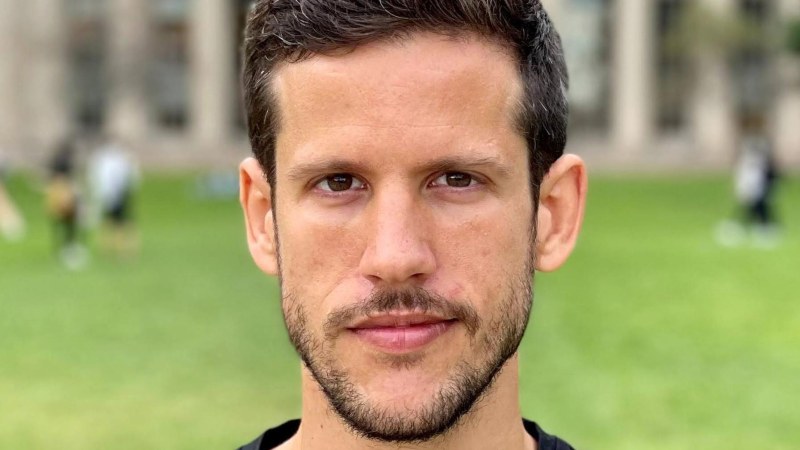
Tony Rosinol
Tony (Antoni) Rosinol is the co-founder and CEO of StackAI, the no-code platform that lets enterprises build, deploy, and govern custom AI agents. An MIT PhD in computer vision and SLAM, he created the open-source Kimera robotics system before pivoting from teaching robots to see the world to teaching agents to run the back office. He started StackAI with fellow MIT PhD Bernard Aceituno out of Y Combinator's Winter 2023 batch, raised nearly $20M, and in May 2026 sold the company to Asana for $75M, where the founders now build toward an operating system for human-agent teams.
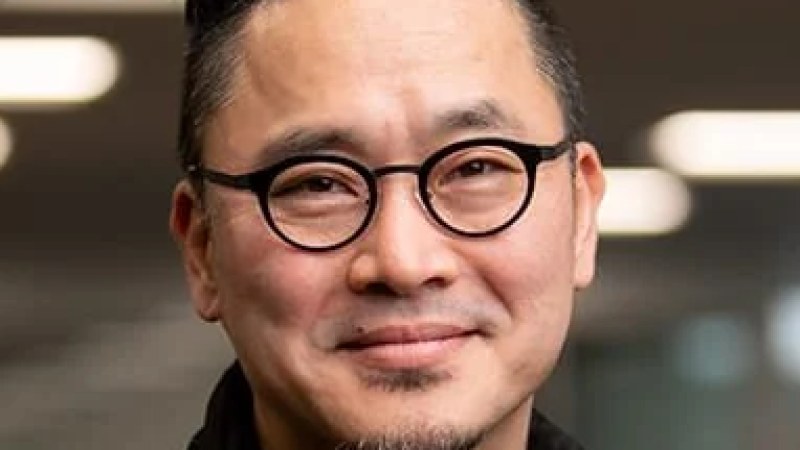
Mok Oh
Mok Oh is the co-founder and CEO of Foundation EGI, a startup building what it calls the world's first Engineering General Intelligence platform - an AI system that turns messy engineering instructions into machine-executable workflows for design and manufacturing. A serial entrepreneur with an MIT Ph.D. in computer graphics and vision, he previously founded EveryScape (a Street View for building interiors), served as Chief Scientist at PayPal where he built the data science org, and was CTO of Mercari US. Foundation EGI, spun out of MIT research, raised a $23M Series A in 2025, bringing total funding past $30M.
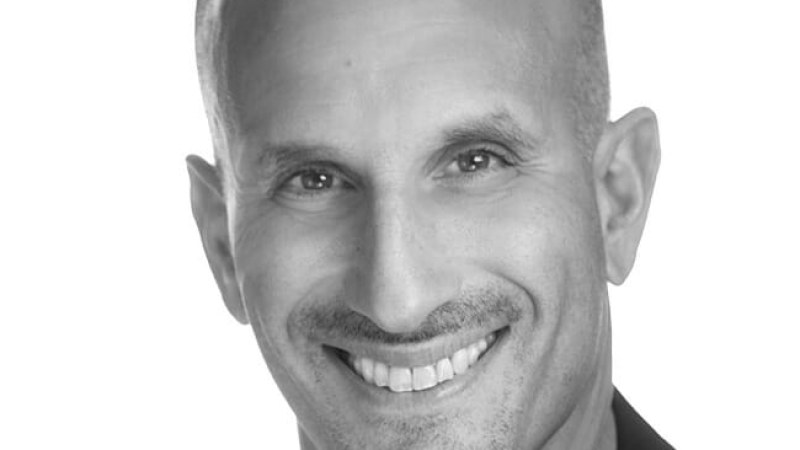
Peter Noymer
Peter Noymer is the Executive Chairman and CEO of ForCast Orthopedics, a Denver-based development-stage company building a wearable system that pumps antibiotics straight into infected artificial joints. An MIT-trained mechanical engineer with more than two decades turning lab concepts into shipped pharmaceutical and device products, he has previously run or steered ophthalmology, cardiopulmonary and digital-health ventures, several of which were acquired by Novartis, United Therapeutics and Grupo Ferrer. At ForCast he has landed FDA Orphan Drug and Qualified Infectious Disease Product designations, a Series A led by a renowned orthopedic surgeon, and a 2026 MedTech Innovator slot.
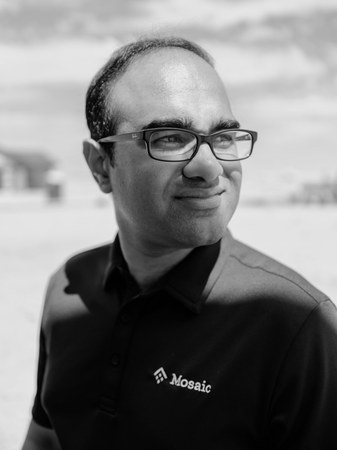
Salman Ahmad
Salman Ahmad is the co-founder and CEO of Mosaic, a Phoenix-based, tech-enabled general contractor reinventing how build-to-rent homes get planned and built. He grew up in a construction household, then stacked degrees in computer science from Arizona State, Stanford, and a PhD from MIT before deciding the most interesting unsolved software problem was the most analog industry there is: pouring foundations and framing walls. Mosaic's software platform, Mosaic Hub, coordinates contractors, schedules, and payments so homebuilders can offload construction the way startups offloaded servers to AWS.

Gavin Finn
Gavin Finn is the President and CEO of Kaon Interactive, the Maynard, Massachusetts software company whose interactive 3D, augmented reality, and virtual reality applications help the world's largest B2B enterprises tell complex product stories. An MIT-trained engineer who got hooked on artificial intelligence in grad school, he has run Kaon since 2005, teaches the next generation of leaders at the Tufts Gordon Institute, mentors and invests in startups, and was named CEO Forum Magazine's Transformative CEO of the Year in 2020.
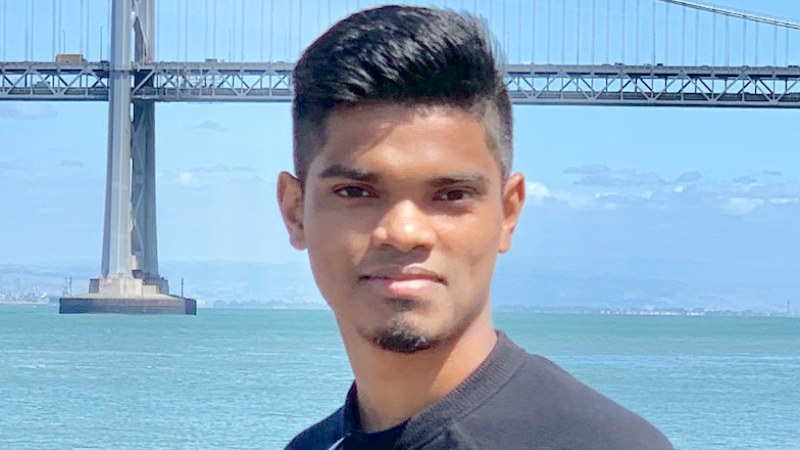
Vaikkunth Mugunthan
Vaikkunth Mugunthan is the co-founder and CEO of Dynamo AI, a San Francisco company that builds privacy, security, and compliance guardrails for enterprise generative AI. An MIT PhD in computer science with a Harvard minor in privacy, fairness, and law, he turned years of federated-learning and differential-privacy research into a venture-backed startup serving Fortune 500 firms in finance, insurance, electronics, and automotive. He was named to Forbes 30 Under 30 Asia 2025, captained MIT's cricket team, plays the violin, and has traveled to 16 countries.
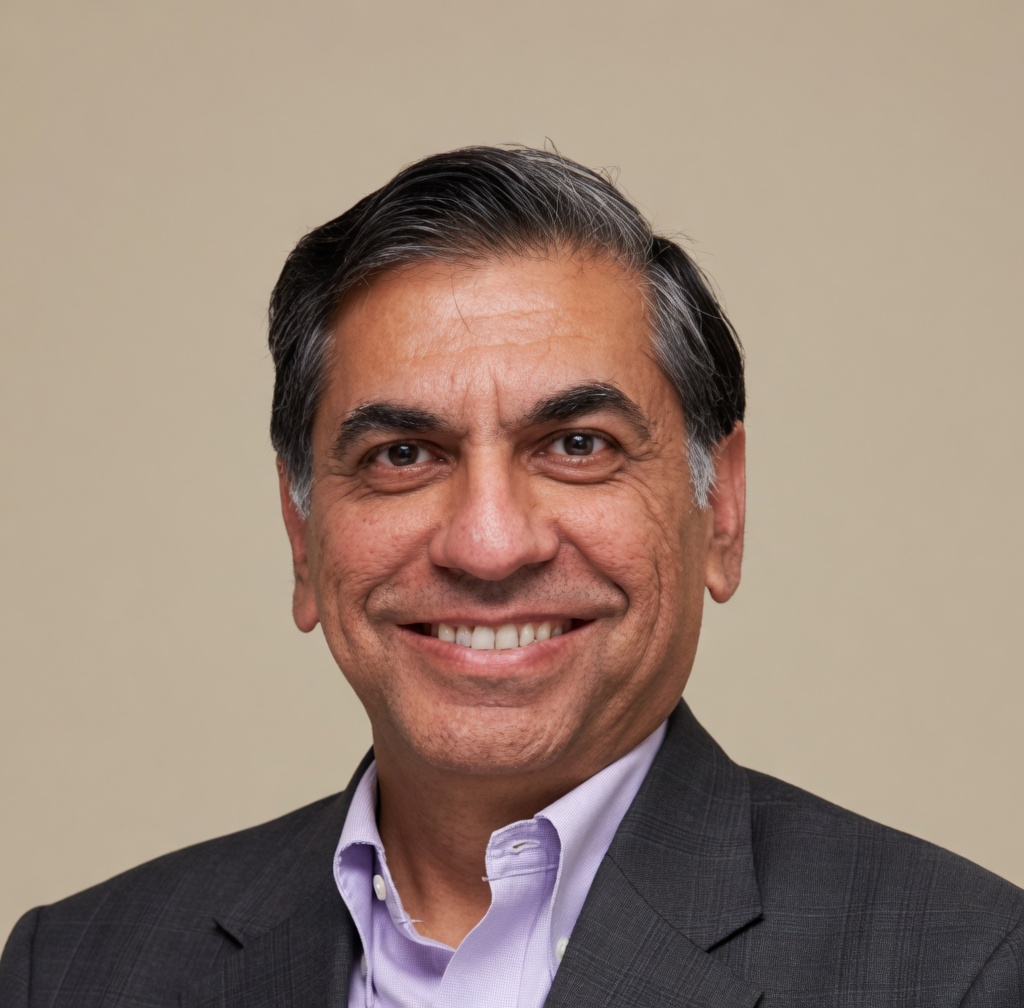
Kush Gulati
Kush Gulati is the Co-founder, President, and CEO of Omni Design Technologies, a Milpitas-based semiconductor IP company he founded in 2015. A serial entrepreneur on his fifth venture, he holds a PhD in Electrical Engineering and Computer Science from MIT and has spent over two decades pioneering ultra-low power analog circuit design. His proprietary SWIFT technology powers data conversion IP used in 5G, autonomous vehicles, AI infrastructure, satellite communications, and LiDAR applications by tier-one customers worldwide. Omni Design raised a $35M+ Series A in September 2025.
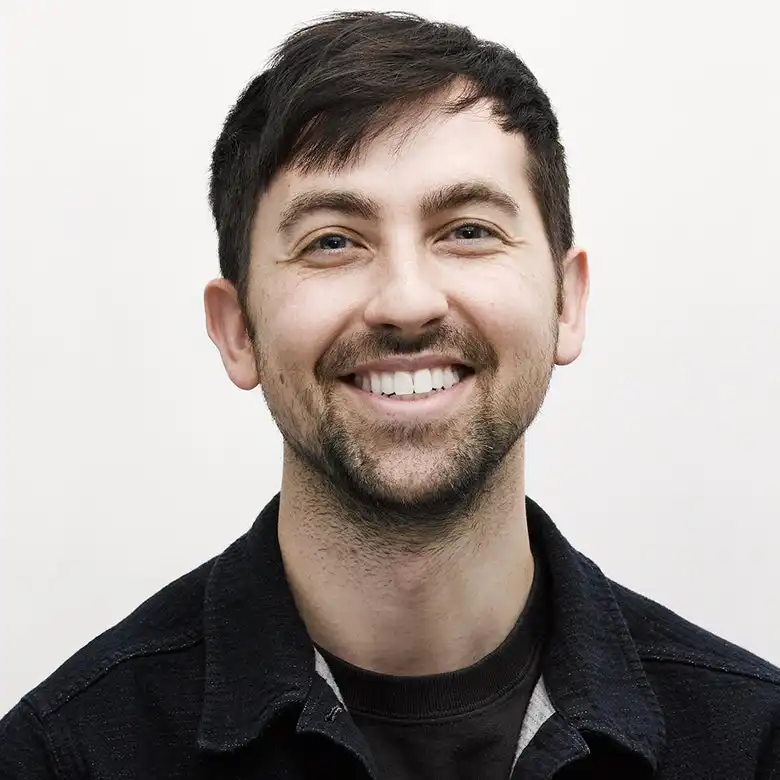
Nicholas Harris
Nicholas Harris is the founder and CEO of Lightmatter, the photonic computing company rewriting the rules of AI infrastructure by replacing copper wires with light. A PhD from MIT's Quantum Photonics Lab, he grew up in the redwood forests of Gasquet, California, and turned years of academic research on programmable nanophotonic processors into a $4.4 billion company that has raised over $850 million from investors including Google Ventures and T. Rowe Price. With 87+ patents, 82 publications in Nature and its family of journals, and recognition as an Optica Fellow and MIT TR35 Innovator, Harris is building what he calls the next Moore's Law - not in transistors, but in optical interconnects.
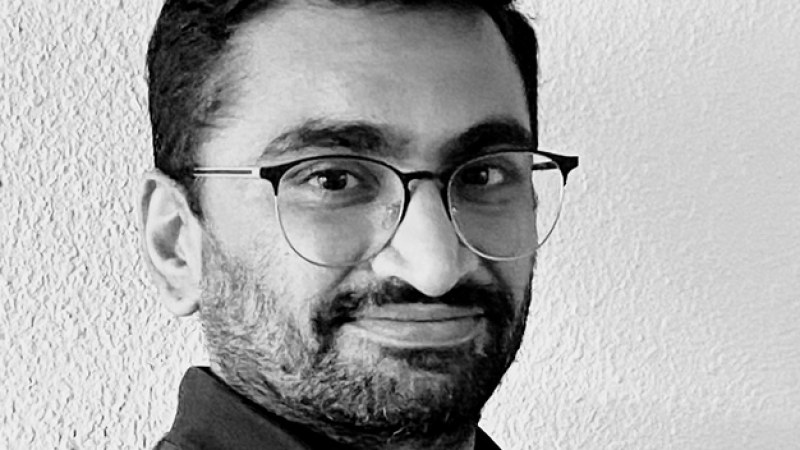
Vivek Raghunathan
Vivek Raghunathan is the Co-founder and CEO of Xscape Photonics, a silicon photonics startup building multi-color laser technology to solve the bandwidth bottlenecks choking AI data centers. With a PhD from MIT and over 18 years of experience at Intel, Rockley Photonics, and Broadcom, he co-founded Xscape in 2022 alongside four Columbia University photonics researchers. The company has raised ~$95 million in total funding, backed by NVIDIA, Cisco, Addition, and IAG Capital Partners, and launched FalconX, the industry's first fully redundant eight-wavelength external laser module in pluggable form factor.
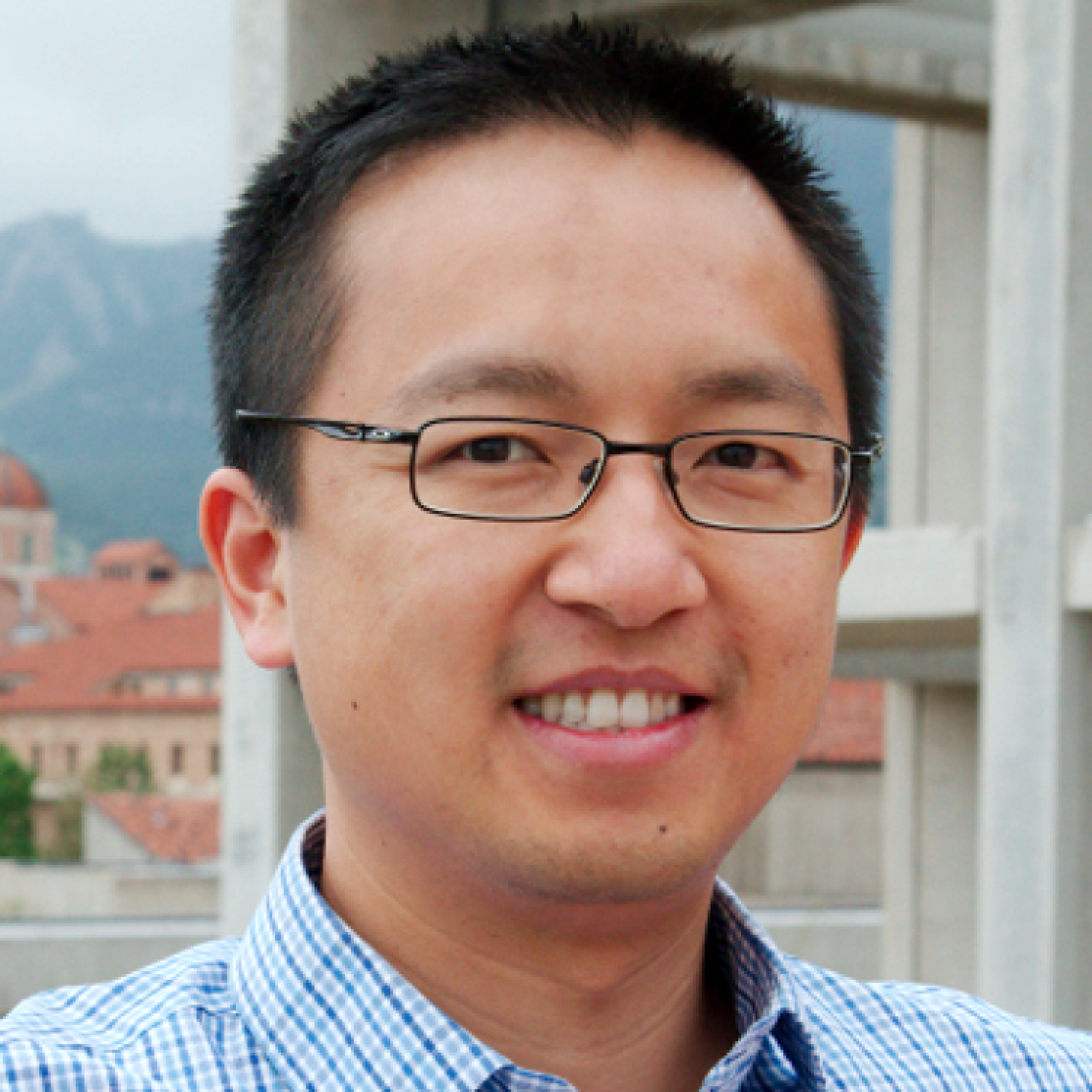
Tom Yeh
Tom Yeh is an Associate Professor of Computer Science at the University of Colorado Boulder and the creator of AI by Hand, a wildly popular educational newsletter and community that teaches transformers, LLMs, and deep learning architectures through pen-and-paper calculations. With 62,000+ Substack subscribers, 200,000+ social media followers, and a Feynman-inspired philosophy that you only truly understand what you can build by hand, Yeh has become one of the most influential voices in practical AI education - bridging the gap between black-box hype and genuine first-principles understanding.