miami
(42)
The appointment is only half the visit.
PrimaHealth sells the machinery around virtual care, from patient intake to follow-up. Its expanding pitch puts a wellness check on the phone already in your pocket.

Scrivas wants the doctor back in the room
A physician built a business around people who write medical notes. Now Scrivas is teaching AI the job - and keeping humans within reach.

Techno Exponent builds what the screen can’t show
A working app needs more than a handsome screen. Techno Exponent’s projects reveal the less glamorous business of making the machinery underneath behave.

HealthSnap makes the space between visits count
A connected cuff can send a number. HealthSnap builds the clinical follow-through that gives that number a job.

Nsight Health goes beyond the cuff
A blood pressure reading is the easy part. Nsight Health bundles the devices, people and paperwork that turn home measurements into care between office visits.
Watsco sells the minutes back
A broken air conditioner creates a race against the clock. Watsco built a distribution business around helping the contractor win it - then put software in the contractor’s pocket.
Lennar wants to keep the line moving.
The homebuilder has spent decades simplifying what buyers choose. Now it is changing what a builder owns - and paying a price to keep houses selling.
Fitter: Beat the missed delivery
The shortest route can still end at a closed loading dock. Fitter connects route planning, live monitoring and customer feedback to help delivery teams spot trouble while there is still time to act.
Emerline builds what comes after the prototype
A working demo is a beginning. Emerline’s business is turning it into software that can survive customers, payments, factory floors, and the next ten years.

The right person. The right policy. The handoff in between.
Healthcare.com built a business around finding health insurance. Its next bet is that choosing who helps you buy it matters just as much.
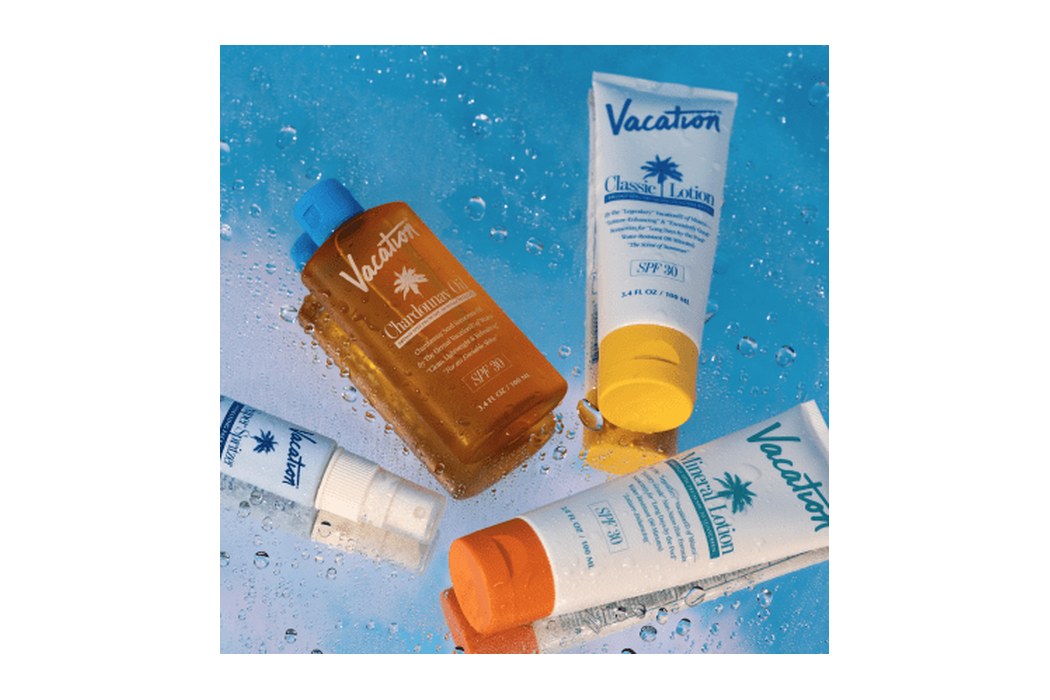
Vacation made sunscreen worth remembering
A sunscreen that smells like a swimming pool. A perfume that smells like sunscreen. Vacation built a business by making the sensible thing feel like the fun thing.

Mana Tech: the price of knowing the right people
A startup can cross a border in an afternoon. Winning customers takes longer. Mana Tech sells international founders a practical introduction to the U.S. market, with Downtown Miami as the meeting room.
Picsart turned the phone into a studio. Now it wants the whole production line.
A photo-editing app born in Armenia learned that making things is social. Its next bet: the same people who remix a selfie will need to run a campaign.
NovoPayment and the art of making banks talk
A banking app is only as useful as the machinery behind it. NovoPayment built its business connecting that machinery across the Americas, one account, card and payment at a time.

Facebook Apps World sold a better fan page for $9.99
One app. One fan page. One payment. Facebook Apps World packaged the fiddly work of Facebook customization into a $9.99 purchase - and a free editor made the invitation sweeter.
G2i’s bet: AI needs better teachers
The company that once matched React developers with employers now builds the tasks, tests, and training environments behind AI models. Its most revealing finding: sometimes the exam is the problem.

The Agency That Put a Number on Courage
GUT began with a second mortgage, a one-year no-poaching rule and a stubborn word: bravery. Eight years later, that word has become a 12-office operating system for making brands harder to ignore.

The Agency That Put a Spreadsheet Behind the Story
Roar Media began with a simple marriage: old-school press instincts and digital measurement. Eighteen years later, its most interesting work still happens where a headline meets a dashboard.

Isource Marketing Put the Funnel on the Factory Floor
A twenty-year-old Miami agency has given the marketing funnel a mechanic's vocabulary - and built a cross-border business around fixing the leaks between attention and revenue.
The PR Firm That Learned to Hang the Show
Hayworth found a useful loophole in art-world publicity: instead of merely announcing the exhibition, help shape the exhibition, the website, the guest list and the story around it.

The Dana Agency: The Launch Is the Product
A Miami boutique learned that the opening party is not the finish line. It is the smallest convincing prototype of a much larger relationship.

A-Rod Corp puts fame to work. The rent came first.
Alex Rodriguez built his investment business around apartment buildings, then added startups, sports teams and a media operation. Its most revealing deals show both the value of a famous name and the limits of one.
The LAB Miami Is Selling the Room Where It Happens
From a 700-square-foot experiment to a two-building founder campus, The LAB Miami has spent years making introductions tangible. Its latest bet: put the right people together, then give them a reason to come back.
Pareto Holdings puts its own money where the startups are
The company builder born in Miami runs on personal capital and an appetite for getting involved early. Its freedom comes with a very practical question: how much of tomorrow’s winner can it afford to keep?

Campus Connect Is Buying the Boring Software Colleges Cannot Turn Off
The Miami holding company is assembling financial aid, admissions and student-system businesses without erasing the names on the door. Its bet is simple: in higher education, continuity can be more valuable than disruption.

The company selling solar the way Netflix sells movies: no download, just a monthly bill
Rooftop solar has always been sold like a mortgage: big money down, decades of commitment. Terra Energy sells it like a phone plan instead - $0 upfront, a three-year term, and up to half off the power bill from day one.

Wireless Next Is the Quiet Miami Wholesaler Betting Retailers Need Speed More Than Another Catalog
Its catalog is familiar. Its real product is timing - getting the right devices into the hands of Latin American retailers before demand moves on.
The $99 Smart Glasses Taking On Ray-Ban Meta - Without the Camera
A 13-person Miami outfit is selling AI-powered smart glasses for a fraction of Ray-Ban Meta's price - by leaving out the one feature everyone else brags about.
Amicon Bet That Owners Needed a Bodyguard, Not Another Contractor
Adam Mopsick started with a $30,000 mistake and a hunch that construction's real problem wasn't concrete - it was that nobody in the room actually worked for the owner. Twenty-seven years later, a global consultancy bought the answer.
The Man Who Sold Cars in Caracas Is Now Building Coral Gables the Way George Merrick Dreamed It
Alirio Torrealba spent 25 years selling Fords and Kias in Venezuela. Then he moved to Miami and started building the kind of Coral Gables that George Merrick sketched a century ago - boutique, Mediterranean, and now worth half a billion dollars.