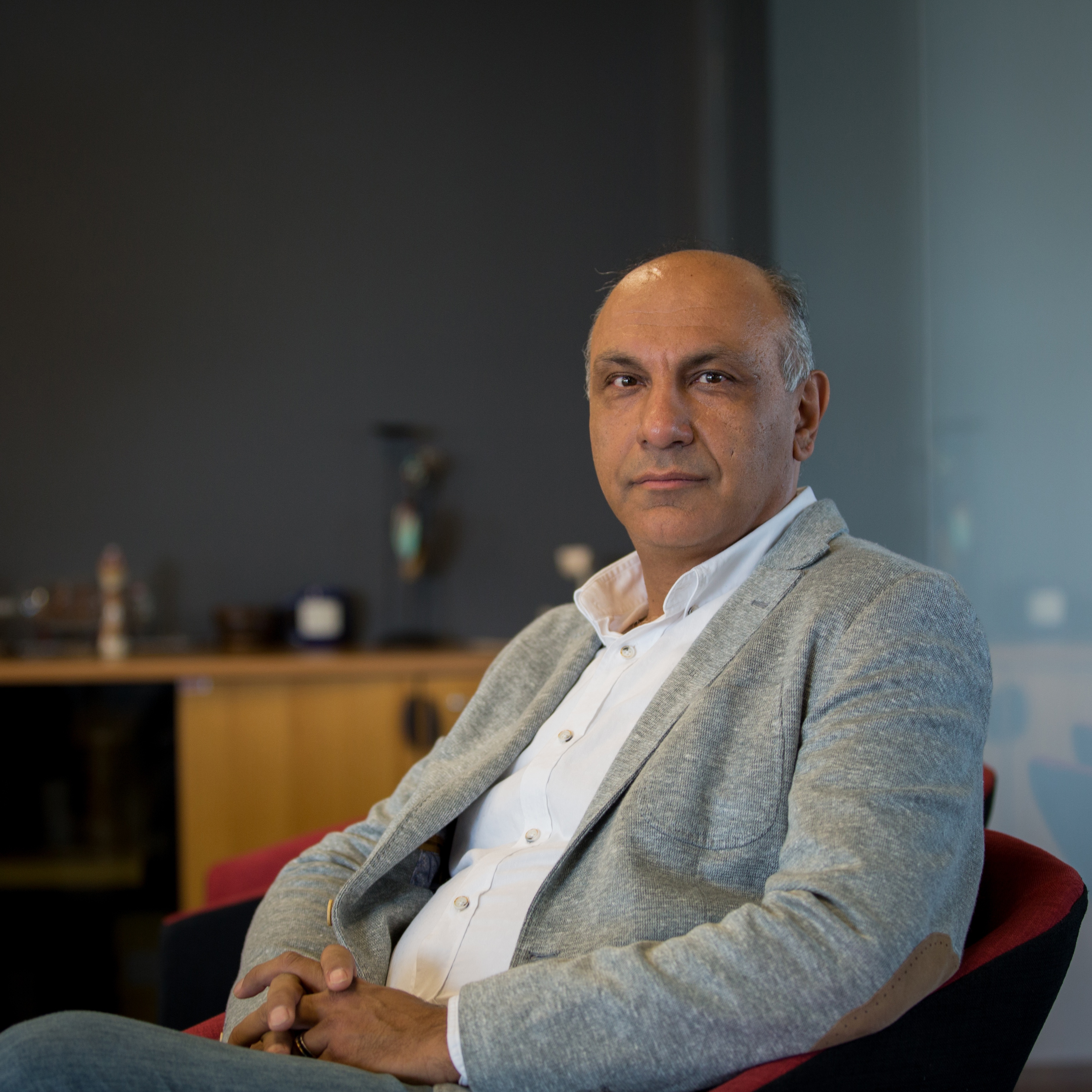
The problem with putting your art on the internet is that the internet gets a vote. Hovhannes Avoyan has traced Picsart’s inspiration to his daughter’s discouraging experience sharing her work online. The response was a creative platform where people could make things and find company while doing it. There is a useful business idea hiding inside that parental instinct: a tool can lower the technical barrier to creation while its community lowers the emotional one.
- Phone editing brought people in; remixing gave them somewhere to stay.
- Small-business work made repeatable production a useful next step.
- Subscriptions buy access; AI credits meter some of the making.
- The lesson to borrow: build around a recurring job, then reduce its handoffs.
Founded in Armenia in 2011 by Avoyan, Artavazd Mehrabyan and Mikayel Vardanyan, Picsart now spans photo editing, video, templates and generative AI. The company’s September 2026 overview describes more than 100 million creators and businesses worldwide. But the instructive part of its history is smaller than that number: how a collection of editing functions became a place people returned to.
01 / The smaller apps had to go
In a 2015 account of the early decisions, Mehrabyan described an Android-first strategy. The team saw room on an emerging platform to become “a big fish in a small pool.” It also had something a new app usually lacks: users of earlier, narrower editing applications. Those apps were withdrawn, and their users were told about Picsart. The broader product arrived with an invitation list.
That consolidation is worth studying. Instead of persuading strangers that a new creative habit mattered, the founders gathered activities people already performed. Community followed in 2013, according to the company timeline. Drawing, collages and stickers gave people material to exchange; free-to-edit images gave them permission to participate. A finished picture could become someone else’s starting point.
The causal reading is an editorial one: examples make an unfamiliar tool easier to imagine using. A blank canvas can be a rather severe host. Someone else’s remix offers a chair. Picsart’s distinguishing combination was editing plus participation, aimed at people who wanted to alter an image, rather than simply publish it.
“Before I became an engineer and entrepreneur, I wanted to be an artist.”
Hovhannes Avoyan, in his April 2020 note to the community
02 / When a hobby acquires a deadline
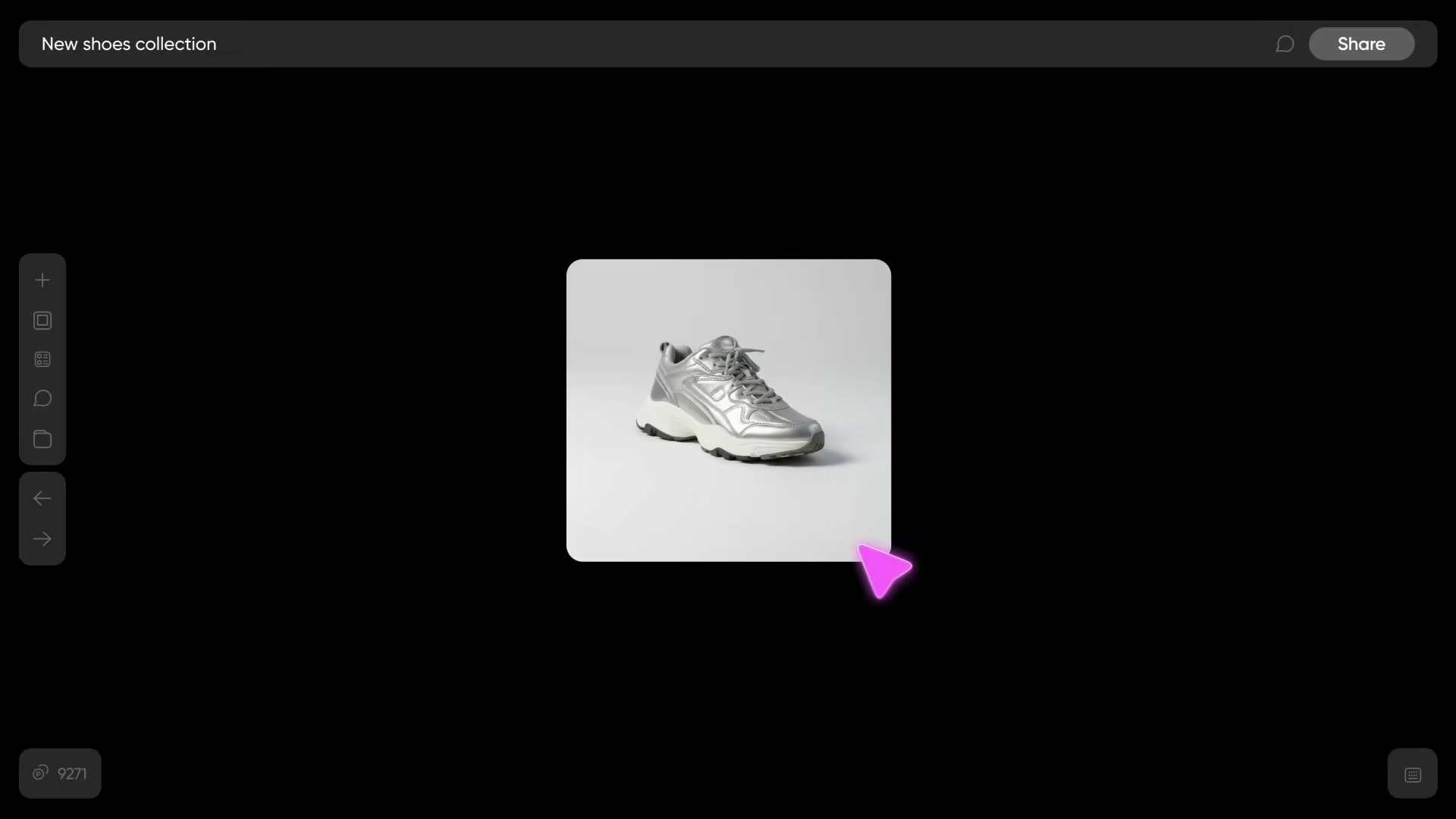
Consider the distance between decorating a selfie and preparing a product listing. Both can require removing a background, adding text and choosing a size. The second job comes with consequences: the shoe must look like the shoe, the price must be correct, and the next item needs the same treatment. A playful editing habit has acquired an operating schedule.
Picsart serves that overlap between individual expression and small-business work. Its editors handle familiar tasks such as crops, collages, effects and video edits. Templates help with social posts; brand kits hold recurring choices. Flow connects generation and editing steps into reusable sequences. AI Playground puts multiple models in one workspace. Developers can call creative functions through its command-line tools and integrations.
Canva and Adobe Express also address everyday marketing design. Photoshop is an alternative when detailed image control is the priority. Picsart’s case rests on its particular mixture of mobile editing, remix culture, model access and repeatable workflows. That is a positioning argument, not proof that it wins every task. For a buyer, the sensible comparison starts with the asset that must leave the door.
A copyable experiment is a single product-image workflow: upload a real photograph, remove its background, add a suitable scene, check the result and export. Save the steps only after they work. Changing the input should reduce repetition; it should not excuse invented stitching, missing labels or a bottle that quietly becomes another bottle.
- 01Upload
- 02Isolate
- 03Compose
- 04Review
- 05Export
03 / The meter behind the magic
Paid subscriptions arrived in 2018. In August 2021, a $130 million Series C led by SoftBank Vision Fund 2 brought disclosed cumulative funding to $195 million. The announcement reported an annual revenue run rate above $100 million. These are three different things: money raised, total capital raised and a revenue pace. None tells you the original cost of building the app.
The customer’s arithmetic is more immediate. On the US pricing page checked October 6, 2026, Pro was advertised at $10.50 a month billed yearly, or $126 annually. Ultra was $37.50 a month billed yearly per seat, or $450 annually. Generative tools also use credits, with consumption varying by model and task. A subscription is therefore an entry price, not a promise of unlimited production.
Advertised annual-plan rates checked October 6, 2026. AI usage depends on credits; offers can change.
Commercial use needs equally precise reading. The Getty Images partnership announced in 2024 proposed a custom model trained on licensed creative content, with commercial rights and indemnity. That specific proposition should not be spread across every AI tool. Picsart’s general guidance does not guarantee copyright ownership or freedom from third-party infringement. A regulated campaign or exacting product catalogue still needs review.
04 / Now the studio pays some of its occupants
In 2026, Picsart extended its ambition beyond making assets. Its Earn program rewards content performance across external social channels. By July 9, the company reported more than $1 million collectively earned and over 80,000 registered creators. Those totals do not describe a typical participant’s income. They do show the company trying to connect its tools with a reason to keep producing.
The September appointment of CFO Lusine Yeghiazaryan came with an explicit video-first AI strategy. The business now wants to support the whole sequence: idea, production, distribution and payment. For frequent content work, bringing those steps closer can be useful. For an occasional edit, a simpler tool may suffice. The enduring question is pleasantly unglamorous: can you make the next useful thing with less friction, while still knowing whether it is any good?