las-vegas
(26)
The last few feet of casino money
Pavilion Payments connects the bank account, the casino floor, and the paperwork that follows. Its bet is that fewer handoffs make a better business.
Southwest Gas gets smaller. The stakes get bigger.
After selling its pipeline acquisition and construction arm, Southwest Gas is back to the utility business. Its next test is a proposed $2.3 billion expansion beneath the growing West.
Allegiant bets on your day off
Small cities. Nonstop flights. A timetable built around vacations. Allegiant found a business in the trips other airlines made inconvenient - and learned an expensive lesson when it tried to own the destination, too.
The airport shop with a local accent
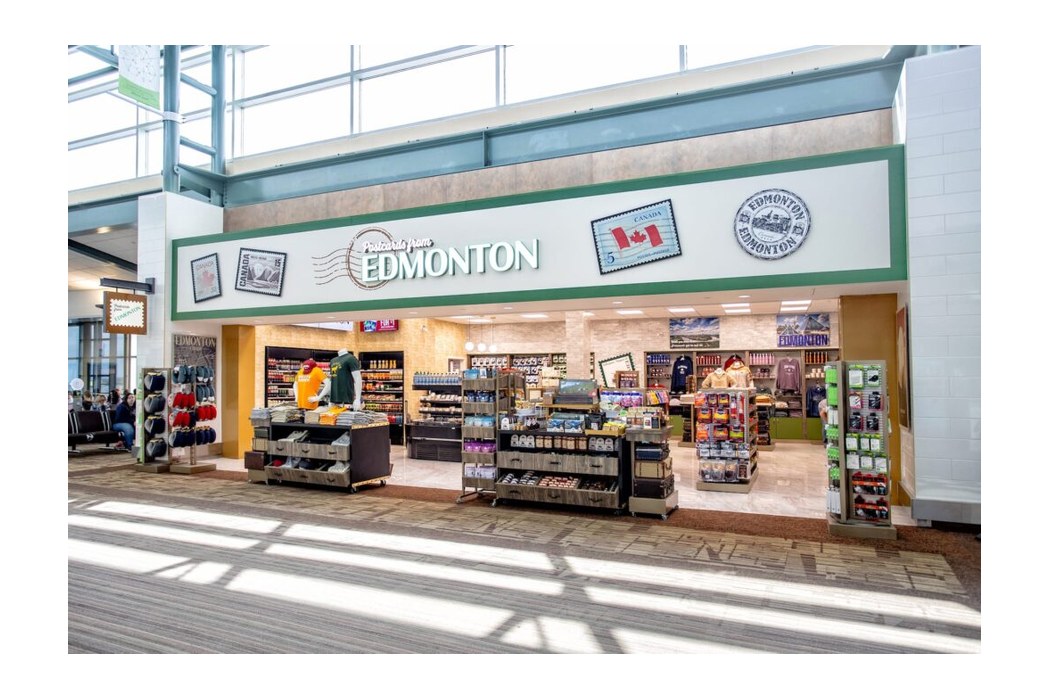
Marshall Retail Group learned to make a chain store feel like a piece of the city. Its next test is deciding which of those stores still deserve a place on the map.
MGM Resorts International sells the whole night.
A room, a restaurant, a show, a reason to return. MGM’s business is connecting them - and keeping the connections working.

Plan A Technologies fixes what the demo leaves out
The founders had sold software companies. Then they built the engineering partner they wished they could hire. The interesting work begins where the sales pitch ends.
Abnormal AI knows when a perfectly polite email is trouble
A convincing invoice can be more dangerous than a suspicious attachment. Abnormal AI built its business by learning how people normally work - and noticing when someone else borrows the script.
The Ad Agency That Learned to Move a City
R&R Partners wrote four words that escaped advertising and entered the language. The more revealing trick is what happened next: the Las Vegas agency learned to treat campaigns as coalitions, cities as products and persuasion as infrastructure.
The Agency That Learned to Sell the Internet's Plumbing
JSA built a business around a peculiar problem: the machinery behind the internet matters enormously, yet almost nobody knows how to talk about it. Twenty years later, the agency sells the translation - and owns part of the audience, too.
The Most Expensive Answer Is the One Your Client Never Gives You
Client Confidant makes a business out of the sentence customers rarely say out loud. Its instrument is not a dashboard but a careful interview - and a founder trained to notice what happens between the words.
The Campaign Firm That Got Tired of Waiting
RedRock Strategies built a national political consultancy around a simple irritation: campaigns should not have to wait for faraway vendors to understand the place, the stakes or the client. Two decades later, its integrated model stretches from ballot language to the courtroom door.
The Rivals Who Built One Brain
Two casino marketers met on opposite sides of the Las Vegas Strip. Then the economy buckled, their young agency learned to do more with less, and an inconvenient partnership became a durable operating system.
The Little Agency That Learned to Stop Its Own Ads
Robertson+Partners sells ordinary things with unusually concrete consequences - a breakfast, a home, a safer drive through a storm. Its best campaign may be the one that worked so quickly the client asked the agency to turn the media off.
Victorious PR Bet That Founders Needed a Press Room Before They Needed More Ads
The Las Vegas agency grew fast by turning founder stories into a repeatable media system. Its more useful lesson is what must be true before anyone pays for attention.

The Firm That Got Smaller - and Stayed in the Room
Solveig Raftery built a Las Vegas PR agency from a spare bedroom, watched it reach 17 people, then learned that a smaller shop could carry a surprisingly large voice. Three decades later, the durable advantage is not volume. It is judgment, relationships, and knowing when a press release is the wrong answer.
The Marketing Agency That Sometimes Tells Clients to Stop
CIM Marketing Partners built a business by coordinating every marketing channel. Its most revealing result, though, came when research persuaded a client not to market anything at all.
StartUpNV Is Teaching Nevada Both Sides of the Check
Nevada’s nonprofit startup incubator trains founders and the people who might fund them. Its bet: a stronger local investment market can be built, one pitch and one due-diligence session at a time.
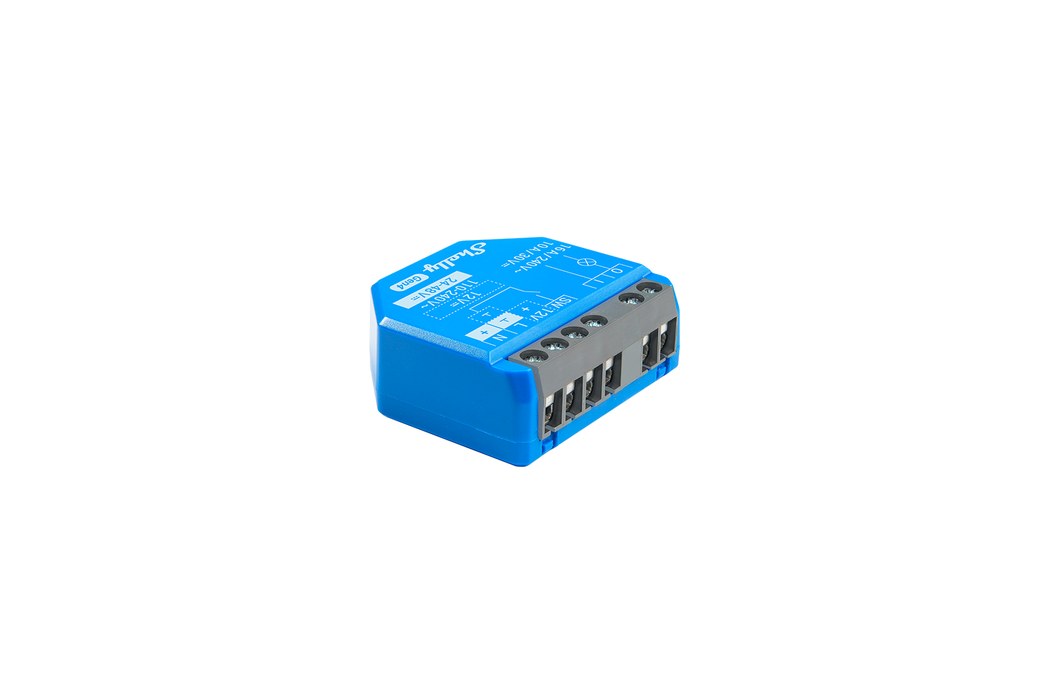
The $12 Relay That Wants to Run Your Whole House
Shelly's tiny relays slip behind the switches you already own and quietly automate the house - no hub, no subscription, and a following of DIY installers who treat local control like a religion.

The Company That Refuses to Let a Surgeon Fly Blind Through Your Nervous System
For twenty years, one Las Vegas-founded company has been the second set of eyes in thousands of operating rooms - watching the nerves surgeons can't see and sounding the alarm before a slip becomes a lifelong deficit.
The Henderson Company Betting Your Roof, Your Locks and Your Light Switch Belong on One App
Solar panels, door cameras, thermostats and monitored alarms - most homeowners buy them from four different companies. LivSmart's pitch is that they should have bought them from one.
The Real Estate Fund That Still Believes in the Telephone
Patriot Holdings built a national portfolio from an old-fashioned edge: call property owners, understand the awkward problem behind each sale, then operate the asset yourself. Its bet is that boring buildings can become a durable wealth machine when the buyer answers the phone and stays for the hard part.
The 366-Foot Screen That Ate Las Vegas
One company runs the most expensive room ever built in Las Vegas and the cable channel that carries the Knicks. Here is how Sphere Entertainment turned a glowing orb into a business.

Caesars Is a Loyalty Machine Dressed Like a Casino Empire
The marble, neon and sportsbooks get the attention. The real engine is Caesars Rewards - a shared currency designed to turn a weekend guest into a customer everywhere Caesars operates.
4Wall Entertainment
From Las Vegas warehouses to West End stages, 4Wall grew by buying its rivals and renting the live-event industry the one thing it can't tour without - equipment that works the moment the show starts.

AGS - American Gaming Systems
The Las Vegas machine-maker spent two decades climbing from tribal bingo halls to the main casino floor. Now private again and freshly rebranded around a lightning bolt, AGS is betting its next act on cabinets, table games, and the screen in your pocket.
Clique Hospitality
Clique Hospitality built a sizable business by making itself less famous than the rooms it runs. Now its venue-making machine is stretching from hidden cocktail bars to a 50,000-square-foot sports pool - and exporting the Las Vegas playbook without copying Las Vegas.