The $12 Relay That Wants to Run Your Whole House
Shelly's tiny relays slip behind the switches you already own and quietly automate the house - no hub, no subscription, and a following of DIY installers who treat local control like a religion.
The smart home was supposed to arrive with a hub - a glowing puck on your counter that everything talked to, sold with a subscription and a promise. Shelly skipped that. Its flagship product is a relay smaller than a matchbook that you tuck inside the wall box behind a light switch you already own. Wire it in, connect it to Wi-Fi, and the dumb switch on your wall becomes a smart one. No puck. No monthly fee. That is the whole idea, and roughly 1.9 million people have bought into it.
The company Americans buy from is Shelly USA - legally Allterco Robotics US, the North American subsidiary of the publicly listed Shelly Group. It runs not from Silicon Valley but from a Las Vegas office at 10161 W Park Run Drive, opened in 2019. The parent traces back to Sofia, Bulgaria, where a telecom company called Allterco pivoted to the Internet of Things and shipped its first gadget - a GPS smartwatch for kids - in 2015. The first Shelly home devices followed in 2016. What started as a side bet is now the group's engine.
01 / The ProductSmall, cheap, and hidden in your walls
Most smart switches ask you to rip out the fixture on your wall and replace it with theirs. Shelly's answer is the opposite: leave the switch alone and hide the intelligence behind it. The relays fit inside a standard back box and sit between the wiring and the fixture, so a decades-old toggle switch keeps working by hand while gaining an app, a schedule, and a voice command. Retrofit, do not rewire.
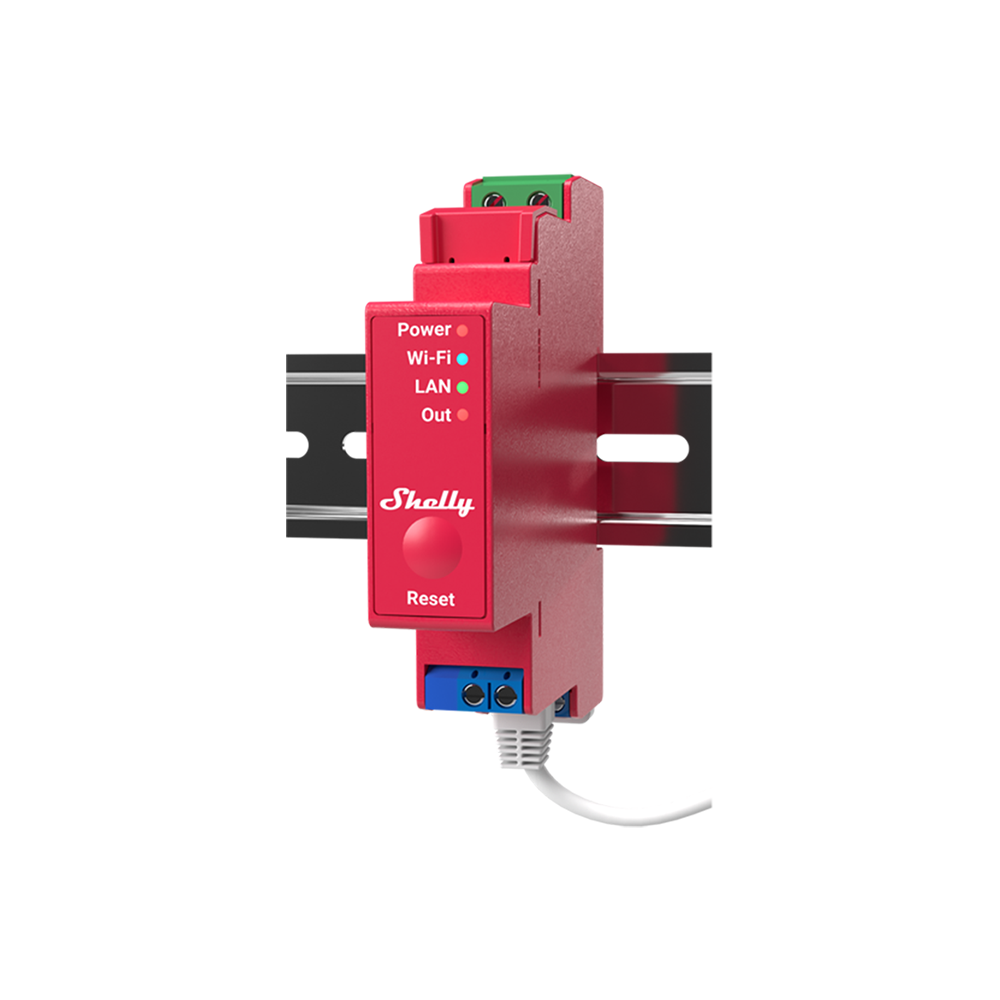
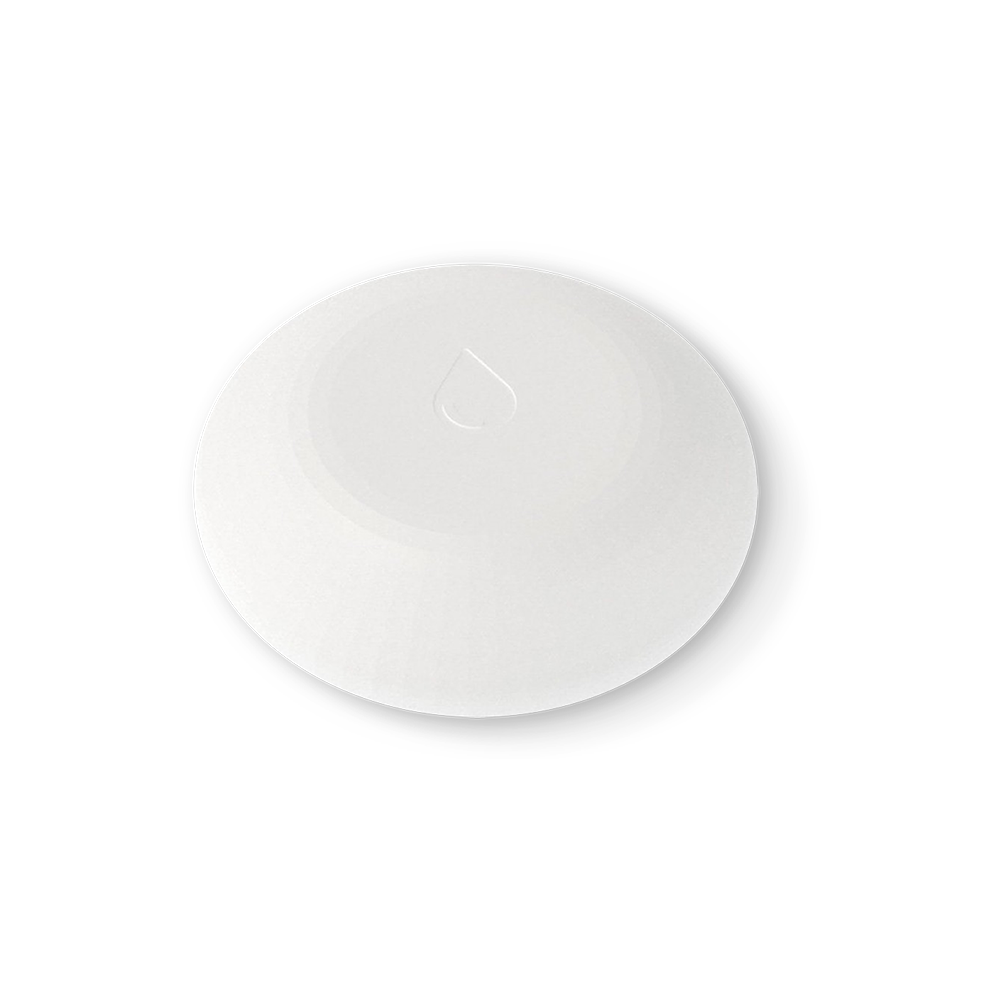
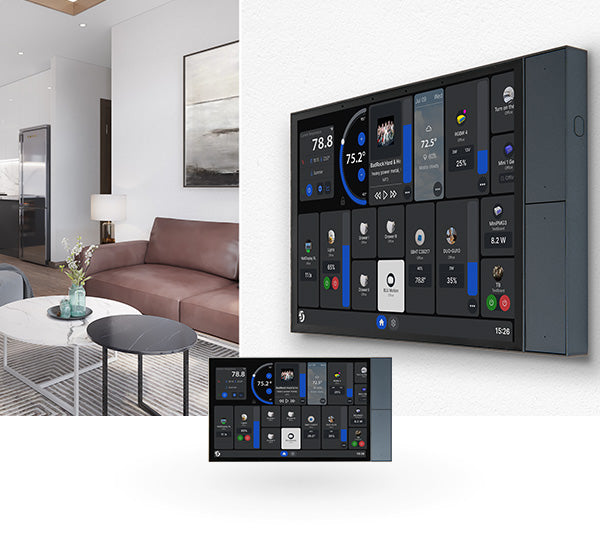
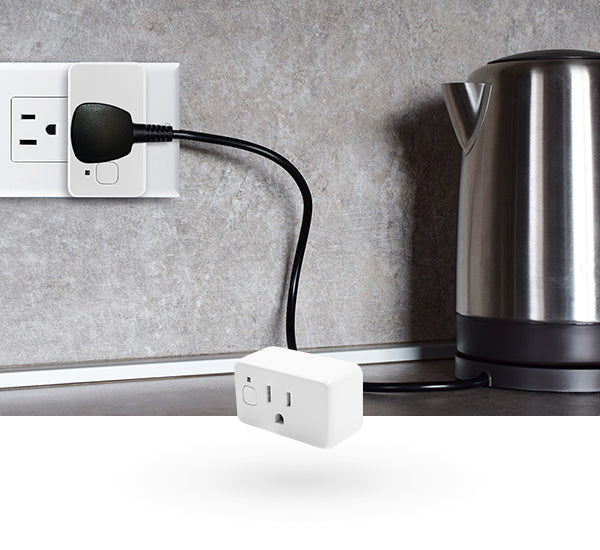
The lineup fans out from there. There are plug-in energy monitors for renters who cannot touch the wiring, battery sensors for floods, motion and open doors, dimmers, and a Wall Display with a 10-inch touchscreen that acts as a room's control panel. For professionals, the Pro and Wave Pro series are DIN-rail units with dry contacts, UL certification and precision power metering - devices meant for a breaker panel, not a bookshelf. Loads range from a couple of amps up to 50A.
02 / The PhilosophyLocal control as a selling point
Plenty of smart home gadgets stop working the moment the manufacturer's servers go dark - a lesson buyers have learned the hard way as brands sunset apps and brick perfectly good hardware. Shelly built the other way. Its devices are designed to run locally first: the automation logic lives on the device and the home network, so a Shelly relay keeps flipping on schedule even if the internet drops or Shelly's cloud goes down. The free Shelly Cloud adds remote access and scenes on top, but it is not the thing standing between you and your own lights.
That single design decision is why the do-it-yourself crowd talks about Shelly the way audiophiles talk about turntables. The devices are first-class citizens in open-source platforms like Home Assistant, ESPHome and MQTT, where tinkerers want hardware they can bend to their will without asking permission.
03 / Speaking Every LanguageThe protocol buffet
The smart home has spent a decade fracturing into rival standards, and most brands force you to pick a camp. Shelly's Gen4 line, unveiled at CES 2025, does the opposite - it speaks Wi-Fi, Bluetooth, Zigbee and Matter, with Z-Wave variants for mesh networks. Matter certification means a Shelly relay now drops into Apple HomeKit natively, alongside the Alexa and Google Home support the range already had.
The bars are not a market-share chart - they are a map of the trap Shelly is trying to avoid. Bet on one protocol and you are hostage to its fortunes. Support all of them and the buyer stops asking whether a device will fit their setup.
04 / The BusinessHardware first, no toll booth
Shelly's model is refreshingly old-fashioned: it sells things. Devices go direct to consumers through the us.shelly.com storefront and through distribution and professional installer channels. The cloud is free. There is no subscription toll booth between you and your own home - a deliberate contrast to a decade of software companies trying to turn a light switch into recurring revenue.
The unglamorous approach is working. Shelly Group reported 2024 revenue of EUR 106.7 million, up 42.4% year over year, and guided 2025 revenue to between EUR 145 million and EUR 155 million. Growth came from wider distribution, a broader catalog, and - tellingly - a rising share of sales to professional installers buying the higher-margin Pro gear.
Guidance figures per Shelly Group financial reporting. Bars scaled to the high end of 2025 guidance.
05 / The FieldHow Shelly stacks up
Shelly is not alone in the cheap-device aisle. Sonoff, TP-Link's Tapo and Kasa lines, Aqara and Meross all fight for the budget shelf, while Lutron Caseta and the ecosystem hardware from Google Nest and Amazon own the premium and platform ends. Shelly's wedge is the combination that is hard to copy all at once: low price, in-wall retrofit, genuine local control, no subscription, and openness across protocols.
| Trait | Shelly | Typical ecosystem device |
|---|---|---|
| Works without a hub | Yes | Often no |
| Runs locally if cloud is down | Yes | Often no |
| Subscription required | None | Sometimes |
| Retrofits behind existing switch | Yes | Rarely |
| Open to Home Assistant / MQTT | Deep | Varies |
06 / What You Can Actually DoFrom one plug to a whole house
The appeal is that you can start absurdly small. Buy one plug-in energy monitor, see how much the old fridge really costs you, and stop there. Or add a relay behind the porch light so it follows sunset. Or wire the whole house: garage door, water heater, heating zones, flood sensors under every sink, and a Wall Display by the door tying it together. Because the devices are cheap and self-contained, the on-ramp is a single $15 purchase rather than a whole-home commitment.
The catch is the same as the appeal. Shelly rewards people willing to touch a wire or read a wiring diagram - the in-wall relays assume some comfort with a live circuit, which is exactly why the professional installer channel matters, and why partners like URC bring Shelly into managed Total Control systems for buyers who would rather not.
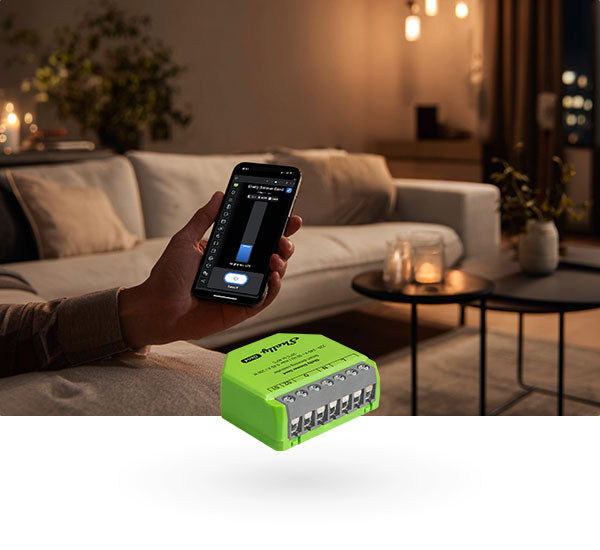
There is also a community layer that most hardware brands never manage to build. Shelly runs an annual Smart Home Challenge that invites users to show off their most inventive automations, and the forums fill with wiring photos, custom scripts and edge-case fixes. For a company whose products are literally hidden inside walls, that visibility is the marketing - buyers trust the brand because other tinkerers vouch for it, not because of an ad.
07 / The ArcFrom Sofia to your switch plate
The path here is not the usual venture fairy tale. Allterco was a Bulgarian telecom outfit that listed on the Bulgarian Stock Exchange in 2016, later dual-listing in Frankfurt. It sold off its telecom business by 2019 to go all-in on IoT. The Shelly Plus generation arrived at CES 2022; Gen3 and the company's first Matter products at CES 2024; Gen4's multi-protocol lineup at CES 2025. Each January the company shows up in Las Vegas with a dozen new devices, which is a fitting cadence for a business that put its American home a few miles from the convention center.
The people behind it stayed close to the engineering. Co-founders Dimitar Dimitrov and Svetlin Todorov built the group around four stated values - innovation, intentionality about energy efficiency, transparency and collaboration - and the product line reads like those values made physical: cheap enough to experiment with, honest about power use, and open rather than locked down. The US team in Las Vegas is small, but it sits on top of a global operation spanning subsidiaries in Bulgaria, Germany, Slovenia, China and the United States.
It is a company most people will never notice by name - the intelligence, after all, is hidden inside the wall. But the next time a light comes on by itself, or a sensor pings a phone before a leak becomes a flood, there is a decent chance a small Bulgarian-designed relay run out of Las Vegas is doing the quiet work.