home-automation
(28)
Derek Richardson Spent Six Weekends Rewiring His House. Then He Rewired the Business of Light
A fiddly home project gave an electrical engineer a useful obsession: make the light switch easier to install, easier to upgrade and almost boring to use. Eleven years later, Derek Richardson is still chasing the same elegant click.

Nanoleaf's Solar Idea Had Nowhere to Sell - Then It Turned Light Into Lego
Three engineers began with a solar product nobody knew how to buy. Their escape route - a homemade Kickstarter video, a $35 origami-like bulb and, eventually, modular panels - offers a practical lesson in turning efficient hardware into something people can see, share and want.
Deako Put a $12 Backplate in the Wall - and Built a Smart-Home Beachhead in 350,000 Houses
Most smart-home companies sell gadgets one homeowner at a time. Deako persuaded builders to hide its upgrade path inside the wall - then made the humble light switch the front door to a much larger platform.

The $3.7 Million Smart-Home Shop That Wins by Making Expensive Technology Disappear
Advanced Integrated Controls puts theaters in attics, televisions in ceilings and dozens of systems behind one button. Its real product is not hardware - it is the absence of technological fuss.
The Home-Theater Company That Built Its Best Room Inside a Bank Vault
A former GM operating-systems engineer turned an old Boca Raton bank into a smart-home laboratory - vault theater included - and now sells the finished picture before the first cable is run.
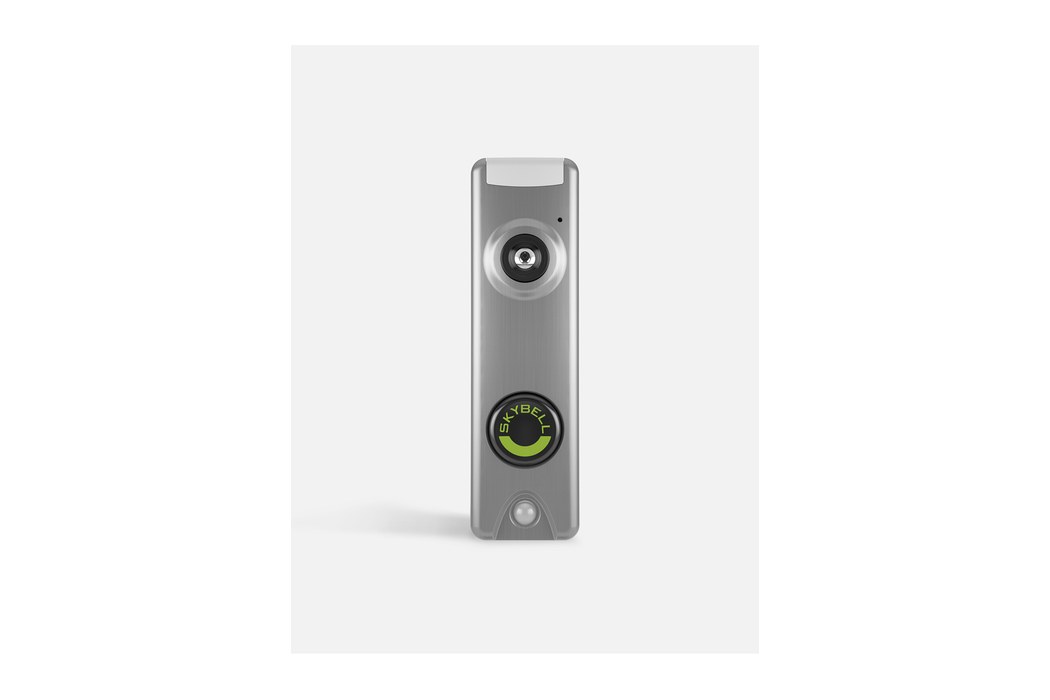
The Doorbell That Rang Before Ring
It crowdfunded $600K, out-patented its rivals, and put two million cameras on America's doorframes - then Amazon bought Ring and everything about the doorbell wars got louder.
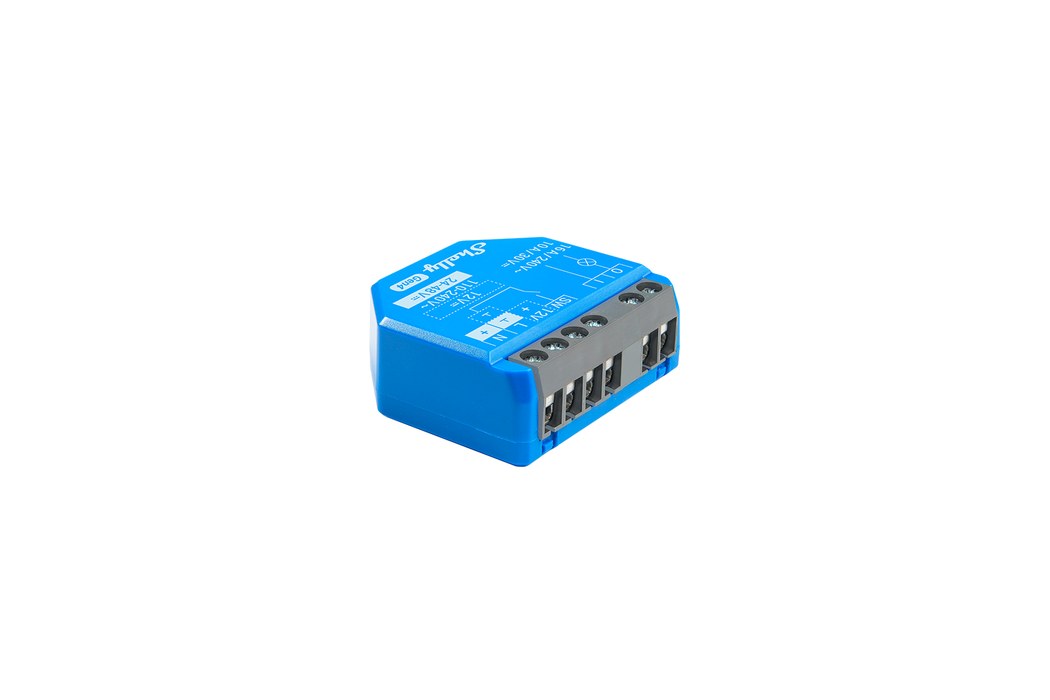
The $12 Relay That Wants to Run Your Whole House
Shelly's tiny relays slip behind the switches you already own and quietly automate the house - no hub, no subscription, and a following of DIY installers who treat local control like a religion.

The Firefighter Who Wired Middle Georgia While the Rest of Us Signed 36-Month Contracts
A former Bibb County firefighter turned his side gig into a 16-person shop that undercuts the alarm giants on price and skips the contract entirely. Here is how a small-town security company keeps winning against companies 1,000 times its size.

The 45-Year-Old Satellite Shop That Turned Coastal Virginia Homes Into One Big Remote Control
Two brothers started Domes in 1980 selling satellite dishes the size of a kiddie pool. Forty-five years later the family is still wiring Coastal Virginia's living rooms - just with a lot fewer visible wires.

BESTMOW Put a Robot on the Lawn - Then the Software Became the Real Product
The Philadelphia robotics company wants to turn mowing into background software. Its wire-free T-100 makes the case - while a messy shift away from subscriptions shows how hard connected hardware becomes after the sale.
The Standards Group That Made 4,500 Smart-Home Gadgets Actually Talk to Each Other
It doesn't sell a single gadget. It sells a promise - that the smart lock, the motion sensor and the hub in your hallway will all speak the same language, no matter whose name is on the box.

The Spanish Company That Answers the Door for 85 Countries
Every apartment buzzer has a story. For millions of doors from Valencia to Sydney, the story starts at a Spanish radio-repair workshop that opened in 1949.

SmartWings Put a Computer in the Blinds - Then Asked Homeowners to Measure Twice
SmartWings sells made-to-measure shades with the protocol menu of a router and the domestic manners of a curtain. The bargain is simple: spend less than many dealer-installed systems, then accept that the tape measure, drill and smart-home network are now part of the product.

The Henderson Company Betting Your Roof, Your Locks and Your Light Switch Belong on One App
Solar panels, door cameras, thermostats and monitored alarms - most homeowners buy them from four different companies. LivSmart's pitch is that they should have bought them from one.

The Bernardsville Shop That Makes Your Smart Home Actually Work
A musician started a mobile recording business in 2005. Twenty years later, Tim Manning runs one of North Jersey's go-to smart-home shops - and the pitch is still 'it's not about us, it's about you.'

The Company That Hides the Tech So Your House Just Works
A 20-year-old Greenville integrator built a business on a simple bet: the best home technology is the kind you forget is there. The hard part isn't the gadgets - it's the wiring, the calibration, and the phone that still gets answered a year later.

The Biggest Cable Company You Forgot Was Family-Owned
For 60 years Cox stayed private, poured billions into cable, and let louder rivals grab the headlines. Then it agreed to a $34.5 billion merger that puts its name on the country's largest broadband network.
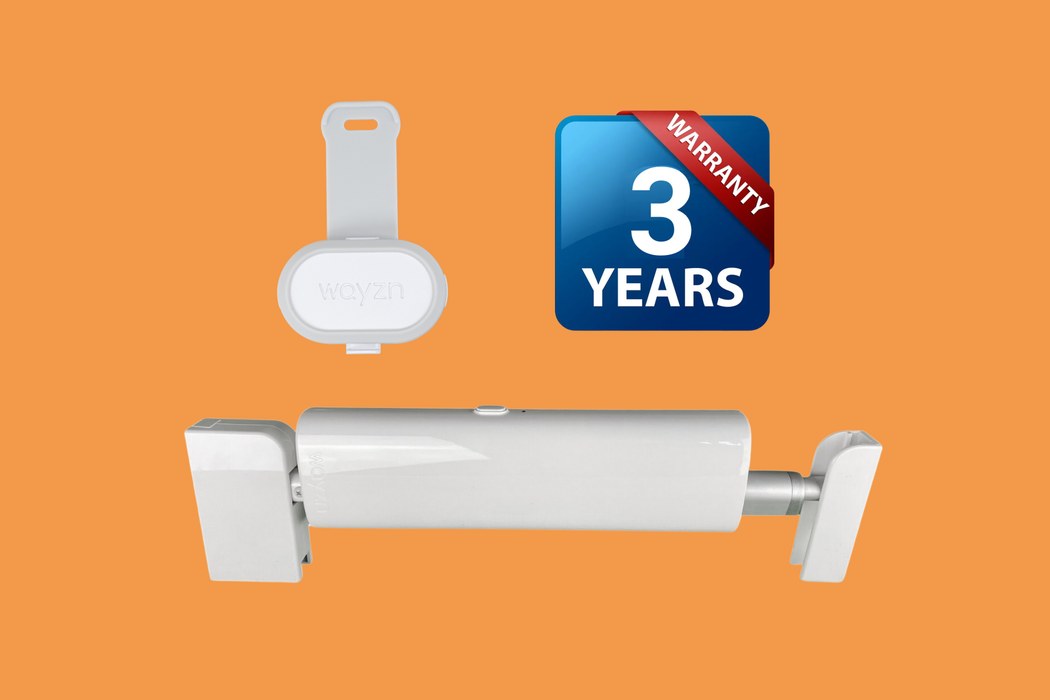
The Dog Door That Doesn't Cut a Hole in Your House
Two brothers-in-law on a ski trip did the math on dog boarding and decided the sliding door most homes already have could do the job of a pet door - if only it could open itself.
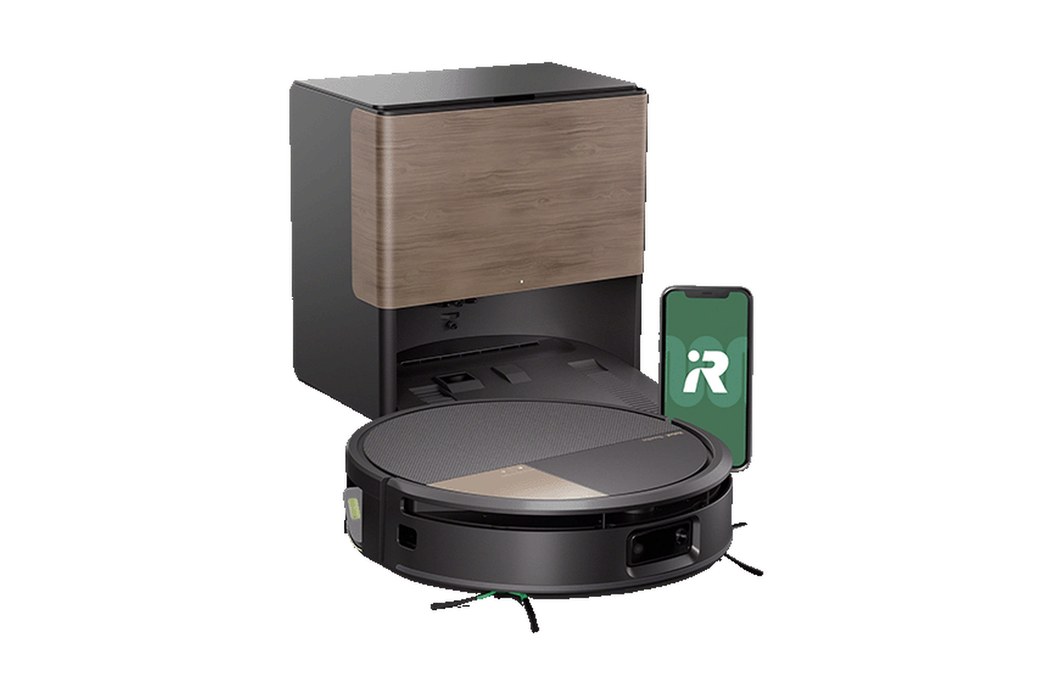
The Robot That Taught Us to Outsource the Floor Is Learning How to Survive
Roomba became shorthand for a robot vacuum. After a bruising fall and a new owner, iRobot is trying to prove that inventing the category was only its first useful trick.

The Company Behind the Switch: How Jasco Quietly Wired 100 Million Homes
You may not recognize the name Jasco, but you have probably handled its work. The Oklahoma City company built a 50-year business by hiding in plain sight - behind familiar brands, ordinary household problems and an uncommon promise to give half of its owned-brand profits away.

Takeshi Homma
Takeshi (Ted) Homma is the founder and CEO of HOMMA Group, a Palo Alto smart-home designer, developer and builder he started in 2016. Descended from a Japanese family with fifteen generations in the building trades, he spent years at Sony and Rakuten before setting out to build what he calls a 'housing version of Tesla' - turnkey homes with proprietary, AI-driven technology woven into modern architecture. HOMMA has delivered pre-configured smart-home communities in Portland and proof-of-concept units in Boston, and partnered with a Mitsubishi Corporation subsidiary to scale the idea.

HOMMA Group, Inc.
HOMMA Group is a Palo Alto-based smart-home developer that builds residences with proprietary technology baked in from day one, rather than bolted on by the resident afterward. Founded in 2016 by former Sony and Rakuten executive Takeshi (Ted) Homma, the company designs the architecture, hardware, and software together so lighting, shades, thermostats, and door locks adapt to residents automatically. Its Cornerstone AI platform lets builders embed and remotely manage smart systems across multi-unit developments, with projects spanning Portland townhomes, a Boston high-rise, and a 30-unit Portland tower built with Mitsubishi's Diamond Realty Investments.
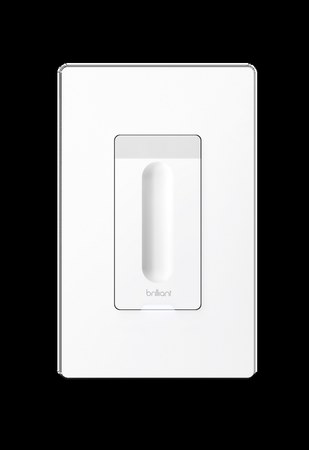
Brilliant Smart Home
Brilliant Smart Home (Brilliant NextGen, Inc.) makes smart home control simple by replacing a wall of light switches with an in-wall touchscreen that runs lighting, climate, music, intercom, cameras, and smart devices from one panel and one app. Founded in 2015 in San Mateo, California, the company sells control panels, smart dimmer switches, and smart plugs to homeowners, home builders, and multifamily property managers. After a 2024 bankruptcy and acquisition by Almeida Strategic Investments, it relaunched as Brilliant NextGen with a builder-and-integrator focus and a second-generation Power over Ethernet platform.

CANDY HOUSE
CANDY HOUSE, Inc. is the consumer-hardware company behind Sesame, the retrofit smart lock that mounts over an existing deadbolt with adhesive tape and turns a smartphone, fingerprint, card, PIN or face into a key. Founded in 2014 by Stanford engineer Jerming Gu and famous for a 2015 Kickstarter that raised about $1.4M, the company built an open ecosystem around SesameOS - locks, touch and face readers, a coin-sized Matter hub, sensors and finger robots - aimed at making smart-home access affordable, rental-friendly and developer-open.

Jerming Gu
Jerming Gu is the Taiwanese founder and CEO of CANDY HOUSE, the company behind SESAME, the smart lock that clamps onto an existing deadbolt and turns a smartphone into a key. He started the company as a Stanford mechanical engineering master's student in 2014 with co-founder Jongho Shin, then turned a 3D-printed dorm-room prototype into a Kickstarter phenomenon that raised roughly $1.4 million in 2015. After a decade building a dominant smart-lock business in Japan - including funding from ITOCHU and a strategic alliance with lock maker MIWA - he relaunched CANDY HOUSE in the US and Canada in 2025 with a lineup spanning SESAME 5, face recognition, palm-vein biometrics and Matter-compatible hubs.

John Martin
John Martin co-founded Level Home in 2016 with the idea that the best technology is invisible - literally. After a snowstorm stranded him and his family at Lake Tahoe without keys, he set out to reinvent the deadbolt from scratch. The result: Level Lock, a smart lock engineered to hide entirely inside the door, preserving home aesthetics while adding full smartphone control. Martin spent decades across Microsoft, Starbucks, Apple, and Nokia before building Level into a $171M-funded company that was ultimately acquired by ASSA ABLOY in 2024 - a hardware giant recognizing that the future of the lock is invisible.

The Bot Company
The Bot Company is a San Francisco robotics startup building a helpful home robot for everyday chores. Founded in 2024 by former Cruise CEO Kyle Vogt with Paril Jain (ex-Tesla AI) and Luke Holoubek (ex-Cruise), the team is creating a non-humanoid robot designed to give people their time back from household drudgery.
Lisa Petrucci
Lisa Petrucci is the CEO of Brilliant NextGen Inc., the San Mateo-based company behind the leading in-wall smart home touchscreen control panels trusted by builders and property managers across North America. A veteran of Dun & Bradstreet, Joyent, and Six Apart, she joined Brilliant in 2018 as VP of Business Development before stepping up to lead the company through a pivotal acquisition in 2024 and a $9.7M funding round in 2025. Under her leadership, Brilliant has launched a second-generation AI-ready control platform and a Power over Ethernet professional line, cementing its position at the intersection of smart home hardware, multifamily real estate, and connected living.