Company Profile • Custom Integration • Virginia Beach, VA
The 45-Year-Old Satellite Shop That Turned Coastal Virginia Homes Into One Big Remote Control
Two brothers started Domes in 1980 selling satellite dishes the size of a kiddie pool. Forty-five years later the family is still wiring Coastal Virginia's living rooms - just with a lot fewer visible wires.
In 1980, if you wanted television that came from a satellite instead of an antenna on the roof, you needed a dish. Not the tidy pizza-sized kind bolted to today's rooftops - a C-band dish, a metal bowl wide enough to double as a wading pool, planted in the backyard. In Chesapeake, Virginia, two brothers named Lee and Jeff Whedbee decided that installing them was a business worth starting. They called it Domes.
Forty-five years later, Domes Audio Video Environments is still on First Colonial Road in Virginia Beach, still owned by the same family, and still in the business of getting technology into people's homes. The dish is gone. Almost everything else about the job has changed. What Domes actually sells now is harder to photograph: a house that does what you want without you having to think about the machinery doing it.
What the company actually does
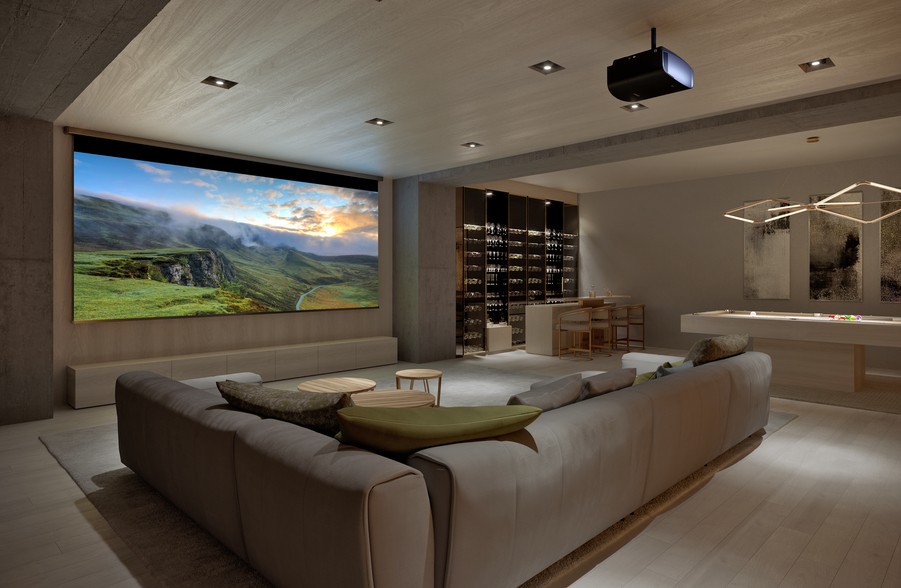
Strip away the acronyms and Domes is a custom electronics integrator. It designs, installs, and services the systems that make a home "smart" - lighting, shades, audio, video, climate, cameras, networking - and, crucially, gets them to behave as one system rather than a drawer full of separate apps. The controlling brain is usually Control4, the automation platform Domes is certified to sell and program. Lutron and Ketra handle the lights. Josh.ai listens for voice commands. Sony, Klipsch, Dynaudio and others fill in the sound and picture.
The pitch on the company's own site is compact: "One home system, endless possibilities." The less-marketed version is that most people don't want possibilities. They want the driveway lights on when they get home, the shades down before the afternoon glare hits the TV, and the front-door camera to appear on the screen when the doorbell rings - without learning six remotes to make it happen.
Who hires them
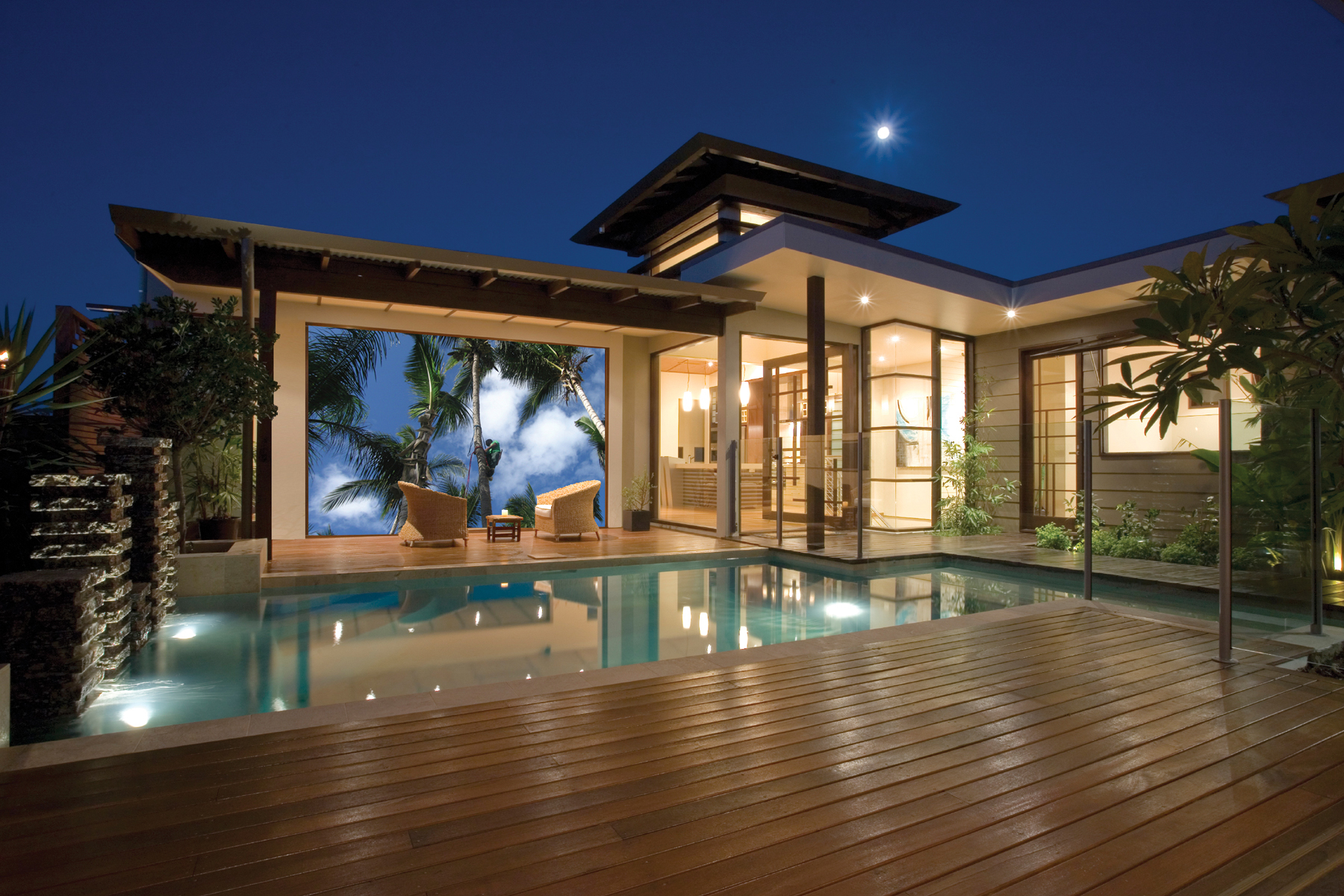
The core customer is a luxury or custom-home owner across Hampton Roads - Norfolk, Virginia Beach, Chesapeake, Suffolk, Williamsburg - and out to the Outer Banks, where a beach house in Corolla or Nags Head needs audio that survives salt air. But residential isn't the whole story. Domes also does commercial work: restaurant sound, boardroom AV, and house-of-worship systems where a church needs its congregation to actually hear the sermon and see the screen.
That range matters because the underlying problem is the same everywhere. Whether it's a boardroom or a den, someone wants a complicated pile of equipment to feel like a single, obvious thing. Domes has done that job more than 5,000 times.
The problems it solves are less about gadgets than about friction. A homeowner with a great TV, good speakers and smart bulbs still ends up juggling three apps, two remotes and a login they can never remember. Multiply that across a whole house and the "smart home" starts to feel like a part-time job. Integration is the fix: one interface, a set of scenes that match how the family actually lives, and equipment chosen to work with each other instead of merely near each other. For a beach house that sits empty half the year, the same system becomes a caretaker - checking that the doors are locked, the temperature is sane, and the cameras are watching while the owners are three hours inland.
The true luxury of home automation becomes evident when all the pieces work together.
- Domes Audio Video Environments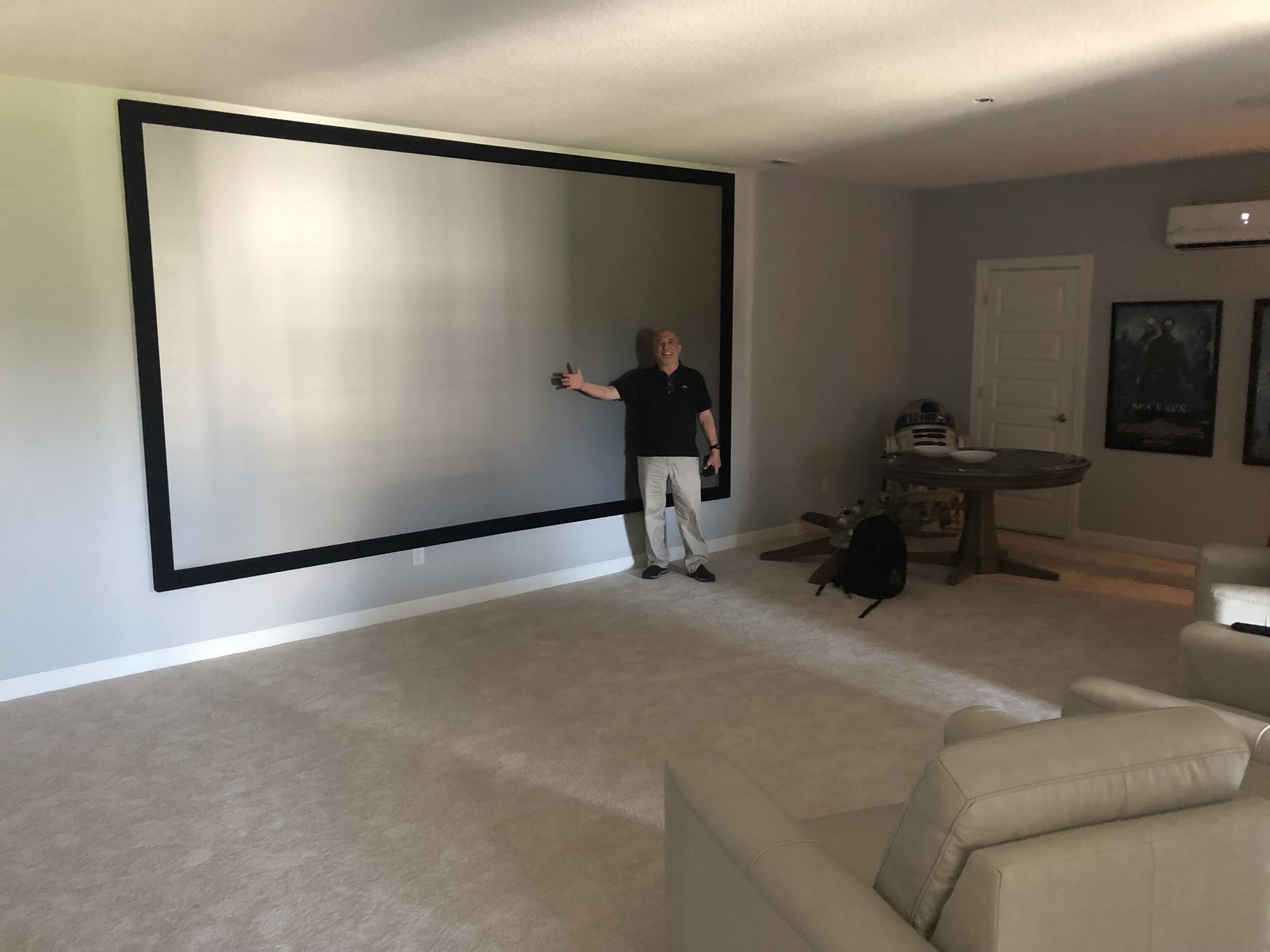
The showroom that is secretly a house
Here is the detail that separates Domes from a website full of stock photos: roughly 3,000 square feet of its Virginia Beach location is a fully automated demonstration home. Not a display wall - a working house. There is a kitchen, an office, a living room, a dining room, a home theater, and lighting and shades you can put through their paces. You can walk in, sit down, and watch the shades close on command before you agree to put any of it in your own walls.
Tucked inside is an even more unusual room: a dedicated 2-channel audio space with turntables and vinyl from Mobile Fidelity (MoFi). A smart-home dealer keeping a serious record-listening room is a little like a car dealership keeping a stick shift on the lot for the enthusiasts. It signals that the people here still care about how a thing sounds, not just how many rooms it can pipe music to.
What a whole-home system pulls together
Relative role of each subsystem in a typical Domes whole-home project. Illustrative.
How it is different from the alternatives
There are two obvious ways to compete with Domes. One is the big-box store or the DIY smart-home kit: cheaper, faster, and prone to becoming a Sunday-afternoon project that never quite finishes. The other is a rival integrator - AV Connect, eInteractive, Audio Connection and a handful of others work the same region.
Domes's answer to both is age and place. Forty-five years in one market is a reputation you cannot buy or fake, and a physical showroom is something no online kit can match. The company also leans on what it calls unbiased, bench-tested product selection - the claim being that it recommends gear it has actually vetted, tuned to a client's "lifestyle and budget," rather than whatever carries the fattest margin. In a business where the install outlives the sale by a decade, being the shop that's still there to answer the phone is itself the product.
The retrofit problem
A lot of custom-integration marketing assumes a new build with open walls and a generous budget. Most houses are neither. Domes's more practical trick is the retrofit: adding lighting control that swaps at the switch without rewiring, battery-operated shades that need no power run to the window, and networking that holds it all together. It means a 1990s house can get most of the smart-home experience without a demolition permit.
We offer individual and unbiased advice while offering bench-tested products that perform at the highest standards of excellence.
- From the company's stated approach
Who runs it
Domes has stayed a family business in the literal sense. Lee and Jeff Whedbee founded it; as the work grew, their wives Beverly and Marti joined, and the company is now run across two generations of the Whedbee family. Beverly Whedbee handles the marketing side as a principal. The firm has expanded its footprint four times and carries the credentials that matter in this trade - Control4 Certified Dealer, Lutron Gold Dealer for 2026, AIA affiliation, and a Virginia security license for the surveillance work.
The business, in numbers
Domes is a small business by headcount - somewhere in the range of a couple dozen people - and a design-build operation by model: it makes its money on the equipment it sells, the design and labor of installing it, and the service that follows. Third-party revenue estimates float between a few million and the high teens of millions annually, and they disagree enough that the honest answer is "privately held, and they're not saying." What is verifiable is the durability: 45 years, four expansions, and a local awards shelf that keeps filling up.
The service half of that model is easy to overlook and hard to replicate. A custom install is not a purchase that ends at checkout - firmware updates, new streaming boxes, a router that gives out, a family that finally wants the theater they kept postponing. The integrator who wired the house is the one who gets the call, and after four and a half decades a lot of those calls come from clients Domes has served across more than one home. That repeat relationship, more than any single product line, is what a national chain or a big-box counter has trouble matching.
A short history
Where it fits
The smart-home market keeps promising that the phone in your pocket will run the house. In practice, the gap between "I bought a smart bulb" and "my whole home behaves" is exactly the gap that integrators like Domes fill. It sits in the regional-luxury slice of that market: too hands-on for a big-box store to serve, too rooted in one place for a national chain to displace. Coastal Virginia is a specific bet, and Domes has spent 45 years making it.