There is a moment in nearly every founder’s life when the product finally works but the biography does not. The demo is polished. The customers are real. Then a journalist asks the elementary question - “Why you?” - and the answer arrives as a twelve-minute cloud of origin story, market sizing and acronyms. Victorious PR built a business inside that awkward pause.
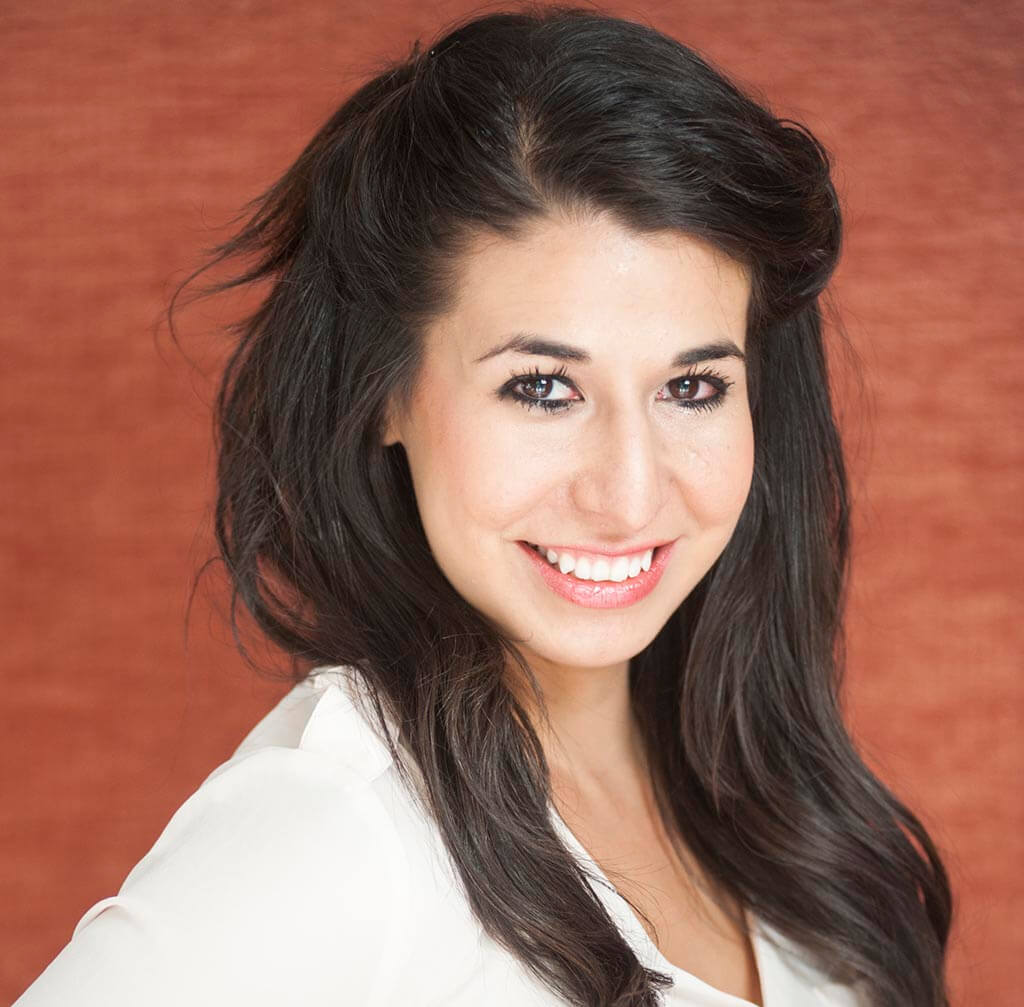
The Las Vegas firm was founded in 2020 by Victoria Kennedy, a former professional opera singer who understood something engineers and entrepreneurs often learn late: an audience cannot applaud what it cannot follow. Her agency takes the raw material of a founder - expertise, scar tissue, contrarian opinions, a useful product - and turns it into shapes the media already knows how to carry. A profile. A contributed essay. A podcast conversation. A television segment. One appearance becomes proof for the next.
The product is borrowed trust
Calling this “getting press” misses the mechanism. Advertising rents an audience. Earned media borrows the judgment of somebody who already has one. When a founder appears in a publication, on a respected podcast or on a stage, the host’s credibility rubs off in small quantities. The clipping can then live on a sales page, in an investor email, inside search results and under a speaker bio. The same piece of attention gets spent more than once.
Victorious PR packages that process into a familiar sequence: define the story and the media niches; develop the writing and angles; then activate outreach across online, print, audio and broadcast. The agency describes a cadence that can include weekly press, mixing podcasts, thought-leadership articles, profiles and larger outlets. Its customers have ranged across real estate, healthcare, coaching and ecommerce. Its current front door is narrower: AI, blockchain and technical founders who need their work translated out of insider dialect.
Turn expertise and history into a position another person can repeat.
Pitch the angle to outlets, podcasts and stages whose audiences care.
Carry the earned credibility into search, sales, hiring and fundraising.
The company’s public case studies make the formula tangible. For coach Nicole Cherie Barker, it separated one life story into lanes - women in business, coaching and client attraction - and pursued articles and interviews suited to each. For the decentralized-AI network Olas, the agency says it used ghostwritten opinion pieces and expert commentary to move the conversation beyond the crypto press. That campaign later earned silver in the 2026 Davos Communications Awards’ crypto category.
A service business wearing startup numbers
The early growth was abrupt. Industry reporting says Victorious began with nothing in the bank, closed 2020 with $400,000 in fee income and four staff, then ended 2021 with $2.3 million in revenue, 70 clients and 23 people. That is nearly six times the revenue in a year. It is also a clue to what failed first.
Agencies do not scale like software. Every new account brings meetings, drafts, revisions, pitching and judgment. Kennedy has since spoken about team turnover and financial management during rapid expansion, and about the hard managerial trick of letting go. The bottleneck was not a clever framework. It was converting the founder’s standards into a team’s habits without making the founder approve every sentence.
Victorious articulated those habits as uncomfortable honesty, precision, accountability and mutual support. Those values sound corporate until the copy is late, the outlet says no, or the client dislikes the most newsworthy version of their own story. Then “honesty” becomes an operating system.
A founder does not need the largest possible audience. A founder needs the smallest audience that can change the next decision.YesPress analysis
The expensive difference between a link and an outcome
Victorious PR does not publish a standard rate card. The most specific public cost comes from a verified Clutch interview with a financial-services executive who said they spent $60,000 over six months. The agency delivered articles, media mentions and podcast bookings on time. The client still judged the campaign poor value: the outlets were not strong enough, some articles felt repetitive and the proposal had been vague about where coverage might land.
That criticism is valuable precisely because it is specific. What failed first was expectation design. “Media placements” can mean a marquee business title, a niche trade publication or a podcast the founder could have booked alone. They are all technically coverage. They are not economically interchangeable.
The client’s mind changed after working with another agency that named prospective publications more plainly and produced more varied articles for roughly the same spend. Their retrospective advice was equally blunt: PR makes more sense when the company is sustainable, already acquires customers and has enough cash flow to justify the budget. In other words, publicity is an amplifier. An amplifier connected to silence produces expensive silence.
What a founder can copy on Monday
The useful part of Victorious PR’s method does not require a publicist. Start with a story bank: five claims you can defend, five experiences only you can describe and five changes in your market that you understand early. Match each idea to a narrow audience. Write the headline before the essay. Record one thoughtful conversation, cut it into shorter observations and link every appearance to a useful next step.
- Name the business job. Is the campaign for fundraising, sales trust, recruiting, search reputation or category education?
- Demand outlet tiers. A proposal need not promise coverage, but it should define the kinds of rooms it intends to enter.
- Inspect angle variety. Six copies of the same profile do not make a thought-leadership program.
- Plan the second life. Decide how sales, investor relations and recruiting will reuse each credible appearance.
- Set a stop rule. Agree on the evidence that will earn another quarter before the first invoice arrives.
The conditions matter. This approach struggles when the product is unproven, the founder has no time to collaborate, the story makes claims the evidence cannot support, or the company expects coverage to repair weak customer acquisition. It also struggles when a technical team insists on speaking only to itself. PR can compress trust, but it cannot manufacture substance or guarantee editorial interest.
Victorious PR sits between the solo publicist and the giant global agency: a specialist team selling strategy, writing, pitching and recurring visibility to founders who want authority without building an in-house newsroom. Its advantage is legibility. It makes a complicated person easier for the market to understand. Its own history supplies the caution label. Growth, press and prestige are useful only when someone has decided what they are for.