industrial-automation
(27)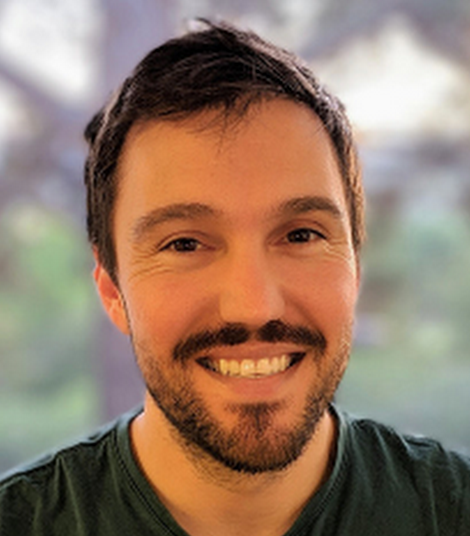
Eric Danziger Is Teaching Factories to See Before Robots Learn to Act
After the Army, Carnegie Mellon and a front-row seat to self-driving hype, the Invisible AI co-founder chose a harder, quieter mission: give factory floors a memory.
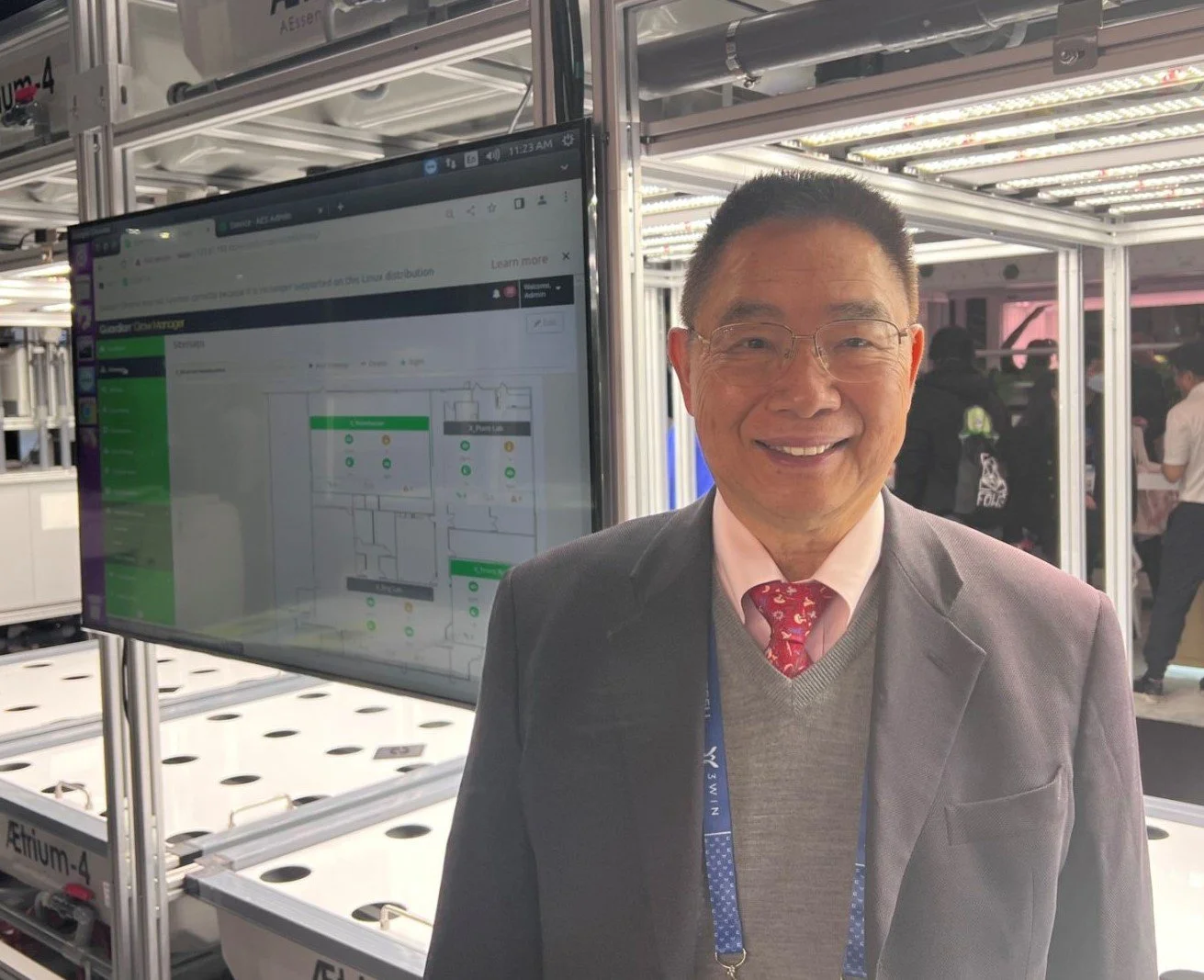
Robert Chen Has Spent 45 Years Teaching Machines to Pay Attention. Now They’re Watching Plants.
The AEssenseGrows founder built his career around sensors, software and machines that notice what people cannot. His latest bet puts that same discipline to work in the root zone.
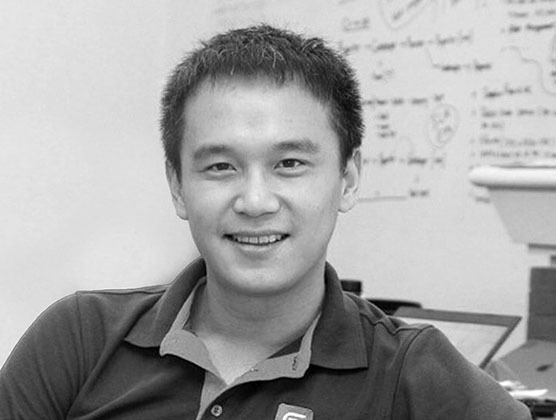
Aswin Andrison Keeps Following the Work Software Forgot
He delivered rice in Uber cars, rebuilt after a pandemic shutdown, and turned from restaurant storerooms to factory workstations. Across three startups, Aswin Andrison has kept asking the same practical question: where does work still hurt?
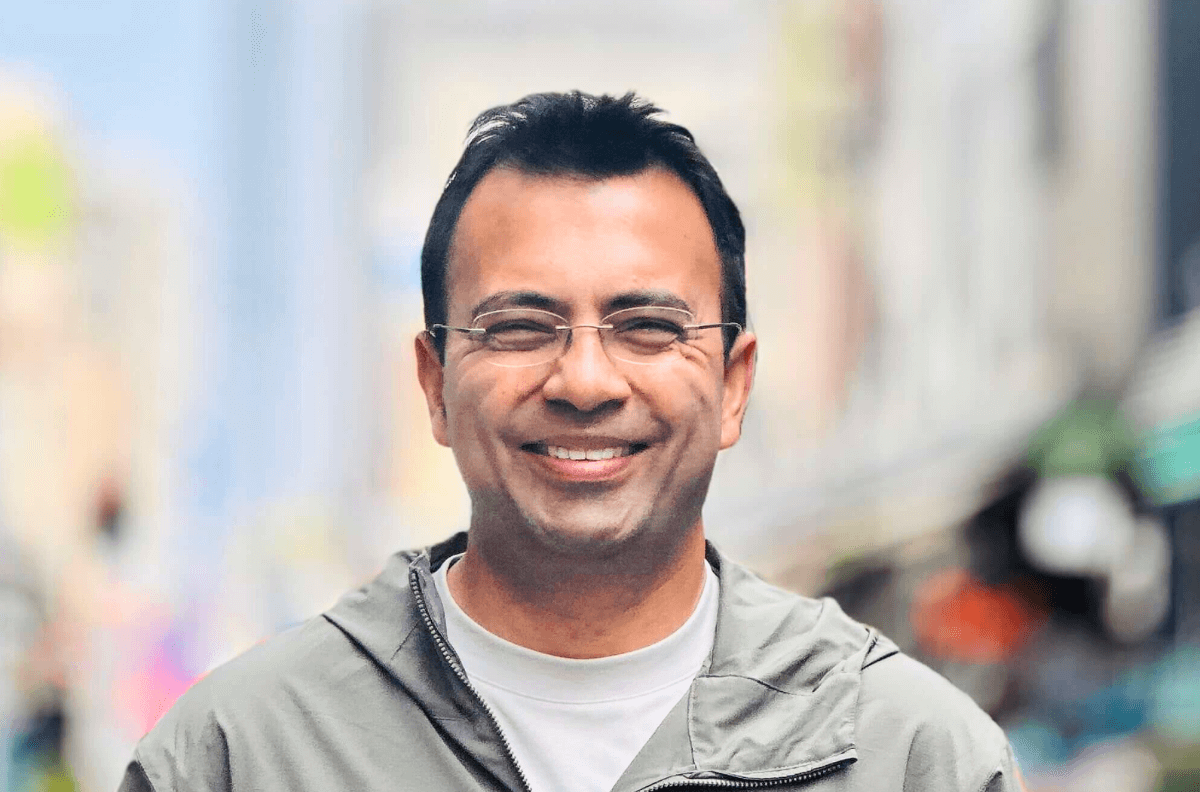
Prateek Chakravarty Left the Oil Field. He Never Stopped Thinking Like a Field Engineer
Before he sold enterprise software, Prateek Chakravarty filed reports from remote oil rigs. Now the Zinier CEO is betting that useful AI begins with muddy boots, thick gloves and the stubborn details of work in the field.
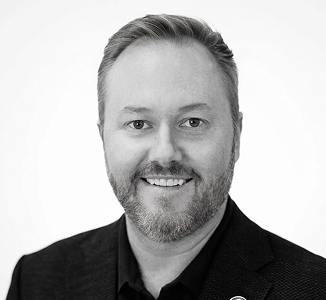
Ben Schuler Bet That the Electric Motor Wasn't Finished Yet
A lesson about 30 seconds on a factory line led Ben Schuler toward a much larger question: what if the ordinary motor could do more with less material, power and waste?
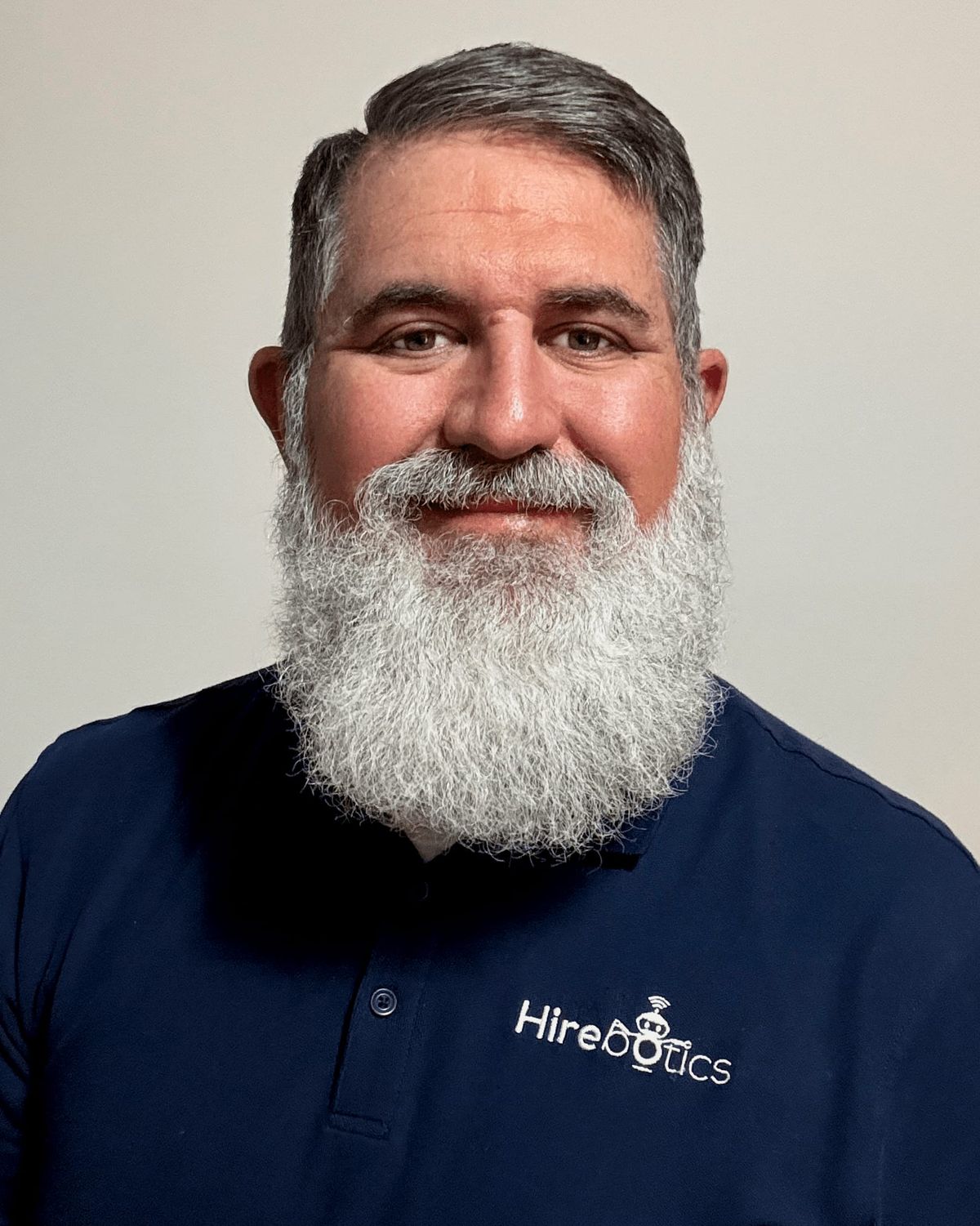
Matthew Bush Put the Robot in the Welder's Hands
A factory operator turned founder spent a decade removing code, complexity and ceremony from collaborative robots. Now, as Hirebotics' CEO, Matthew Bush is betting that the future of automation belongs to the people who already know the work.

Rahul Chipalkatty Is Teaching Factory Robots a Useful Trick: How to Change Their Minds
After years spent studying how people and machines share control, the Boston roboticist built Southie Autonomy around a stubbornly practical idea: the person on the line should be able to teach the robot.

Gary Burns Built a Business Around the Tiny Things Nobody Notices
For two decades, the Grand Rapids engineer kept asking one stubborn question: can a label carry enough intelligence to make the physical world more accountable? The answer became two companies, a portfolio of patents and a $54 million acquisition.
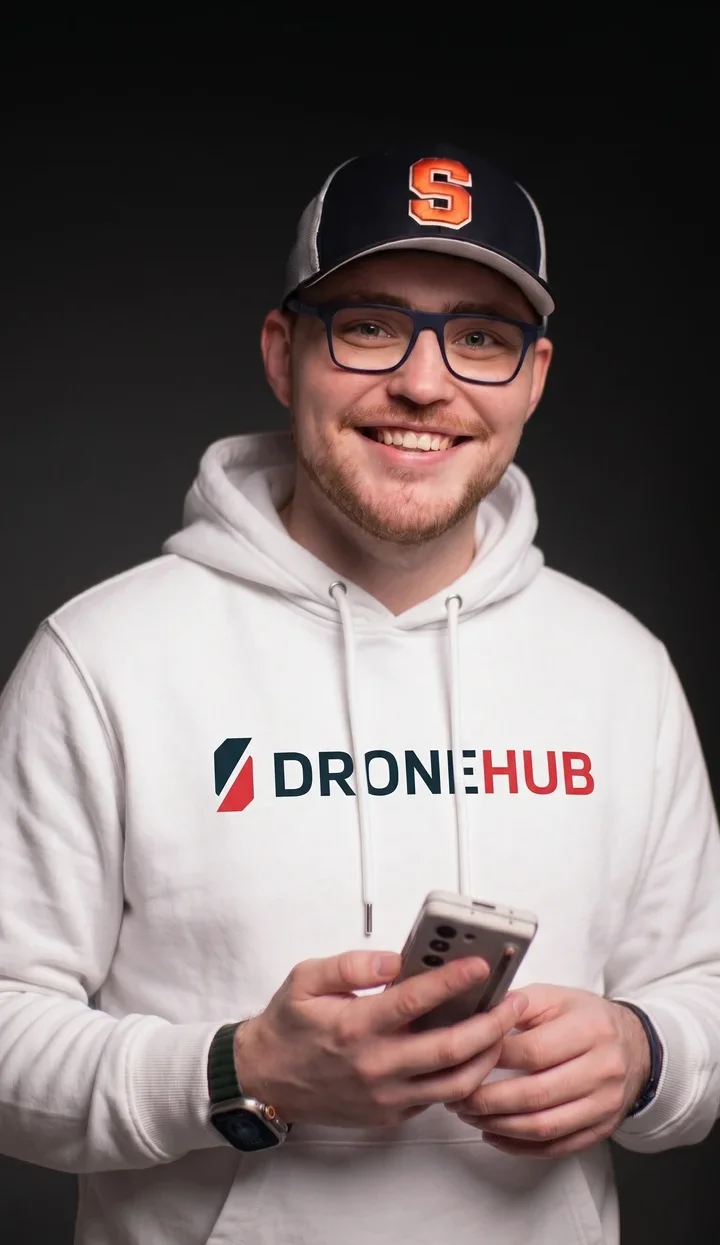
Vadym Melnyk Built a Drone That Knows When to Come Home
A teenage exchange year, an unfinished degree and one stubborn engineering question led from Ukraine to Poland to North Carolina. Along the way, Melnyk learned that the useful robot is the one that can finish the boring job without asking for applause.
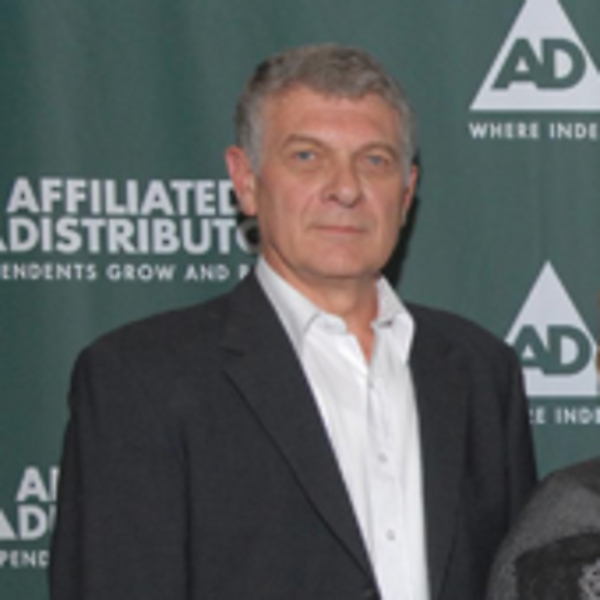
Carmen Stewart Built a Career in the Business Between the Breaker and the Factory Floor
For years, Stewart worked where industrial technology becomes a customer promise: sales, service, inventory and the quiet choreography of getting the right part to the right place.
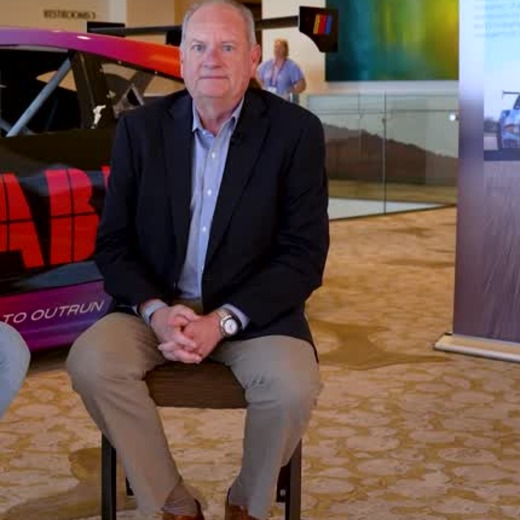
Norm Sowards Has Spent a Career Making Invisible Infrastructure Matter
From circuit breakers and predictive maintenance to NASCAR and the next generation of electricians, the ABB executive's work turns technical systems into stories people can use.
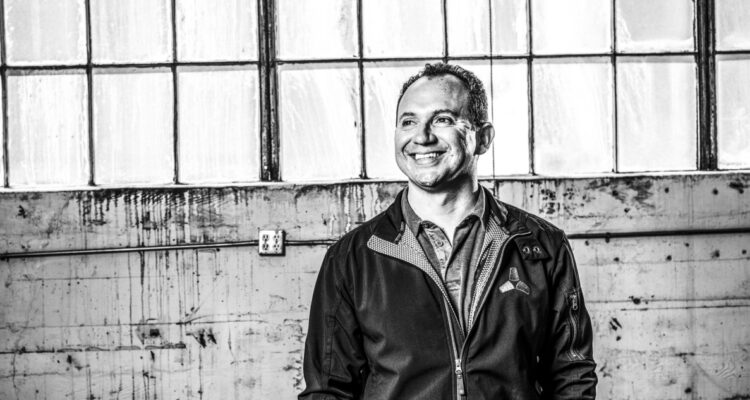
Christian Sanz Built a Map That Could Keep Up With the Ground
He began with homemade drones, free construction-site maps, and a question about what a flying camera could make newly visible. Thirteen years later, Skycatch became part of Caterpillar - proof that the useful product was never the aircraft, but a faster version of reality.
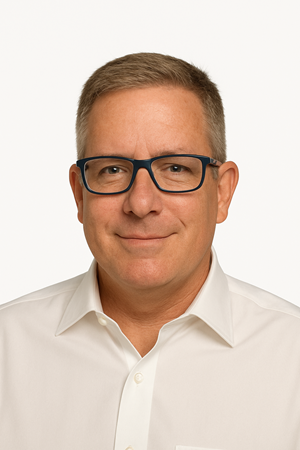
Craig Dowley Markets Robots by Counting What Moves
After two decades turning technical products into measurable demand, Craig Dowley has arrived at Teradyne Robotics with a practical thesis: automation earns attention when it works in the messy world, and marketing earns trust when it can show the numbers.
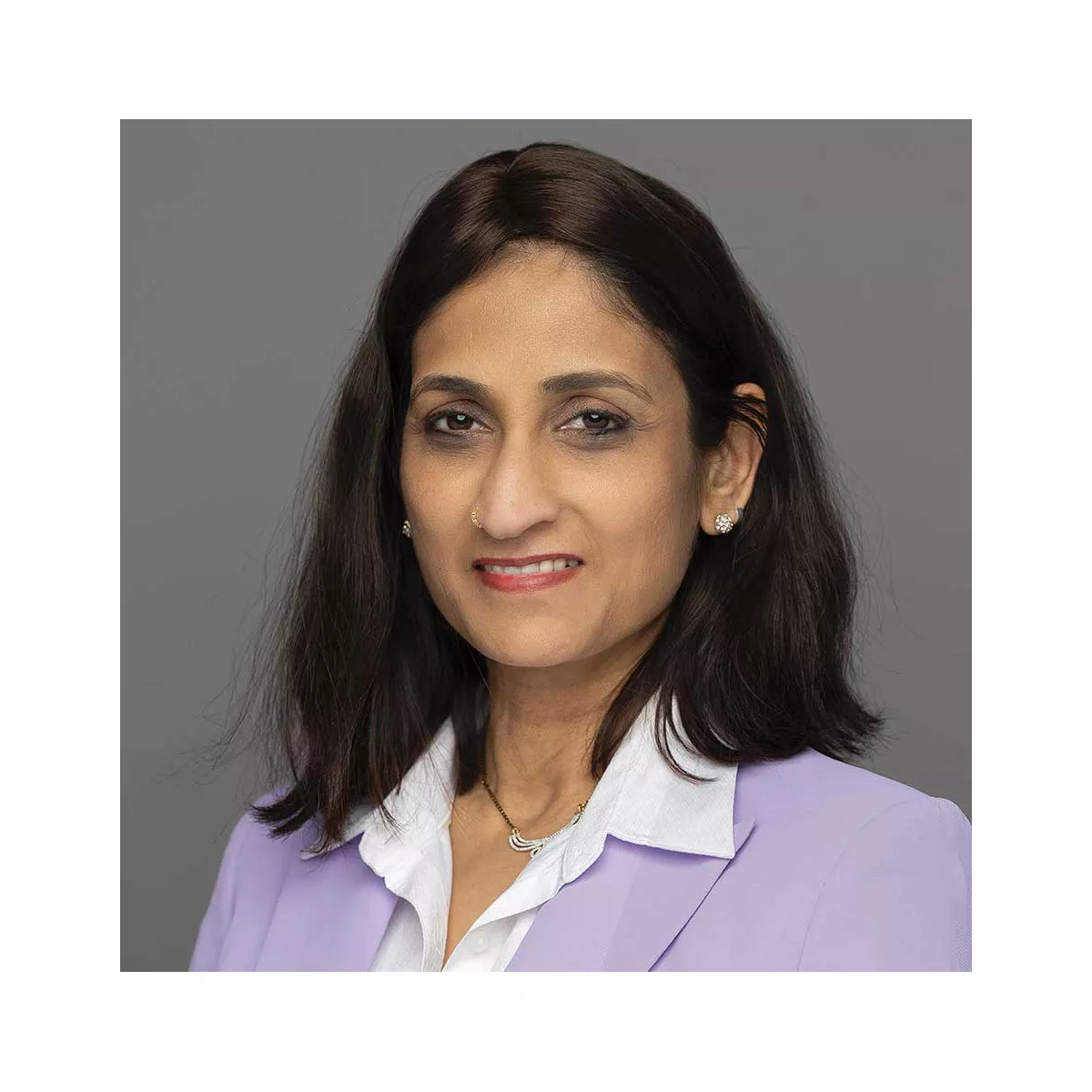
Vidya Ramnath
From a manufacturing floor in Singapore to Emerson's executive office, Vidya Ramnath has spent three decades learning how industrial technology works - and how to make its value understood.
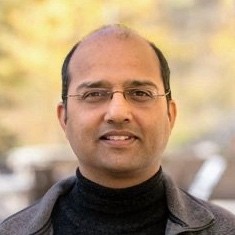
Saurabh Chandra
Saurabh Chandra is the co-founder and CEO of Ati Motors (Ati Robotics), a Bengaluru-born maker of autonomous mobile robots for factory and warehouse material movement. A mechanical engineer from IIT (BHU) Varanasi who earlier built and sold the IT services firm Neev to Razorfish, he started Ati in 2017 to bring self-driving-car style autonomy to the factory floor. His Sherpa robots now move trolleys, bins and pallets for customers including Airbus, Hyundai, Samsung and TVS Motor, and in January 2025 the company raised a $20M Series B to expand into North America.
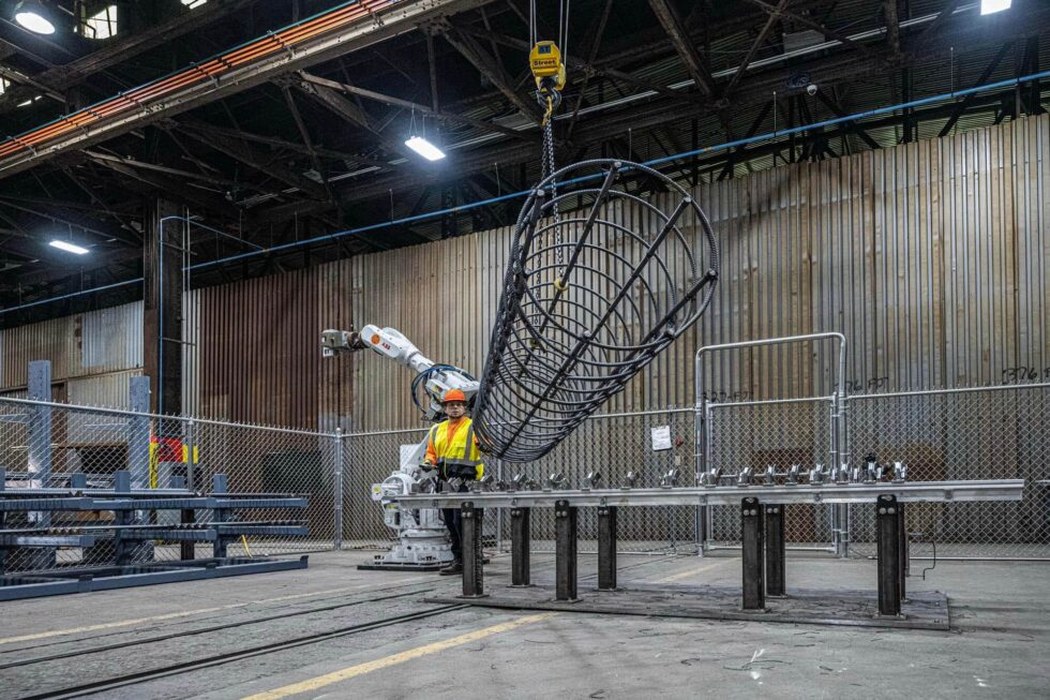
Daniel Blank
Daniel Blank is the CEO and co-founder of Toggle, a construction robotics company he started in New York in 2016 to bring manufacturing methods to the built environment, beginning with the fabrication and assembly of steel rebar for reinforced concrete. A designer by training who spent a decade running a design agency, Blank re-imagined the one-off construction process as a repeatable product-manufacturing process after watching workers tie thousands of steel bars by hand at a wind farm. Toggle has raised roughly $15 million from investors including Point72 Ventures, Tribeca Venture Partners, Blackhorn Ventures and Mark Cuban, and has since expanded into automated quality control for custom fabricators under the Toggle QC banner.

Peter Howard
Peter Howard is co-founder and CEO of Realtime Robotics, a Boston-based company building motion-planning software that lets industrial robots plan collision-free paths in milliseconds. A serial entrepreneur with an MIT management degree, he has founded five companies, taken two public, and now runs a Series B robotics firm working with Fortune 100 automakers and manufacturers.
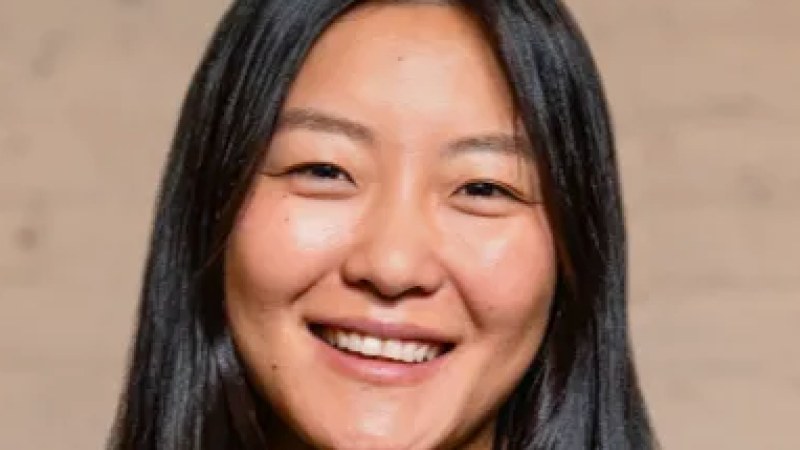
Jamie Serota
Jamie Serota (Jamie Niu Serota) is the co-founder and CEO of Podium Automation, a Brooklyn-based company rebuilding the way industrial control panels are designed and manufactured. After leading commercial strategy and business operations at Tesla, Blue Origin, and Bowery Farming, she and co-founder Jacob Buser started Podium in 2024 to become the supplier they always wished they had. Podium ships UL 508A control panels in under four weeks - roughly a third of the industry's standard lead time - by replacing hand-drawn schematics with software. In June 2026 the company raised an $18M Series A led by Construct Capital, bringing total funding past $23M.
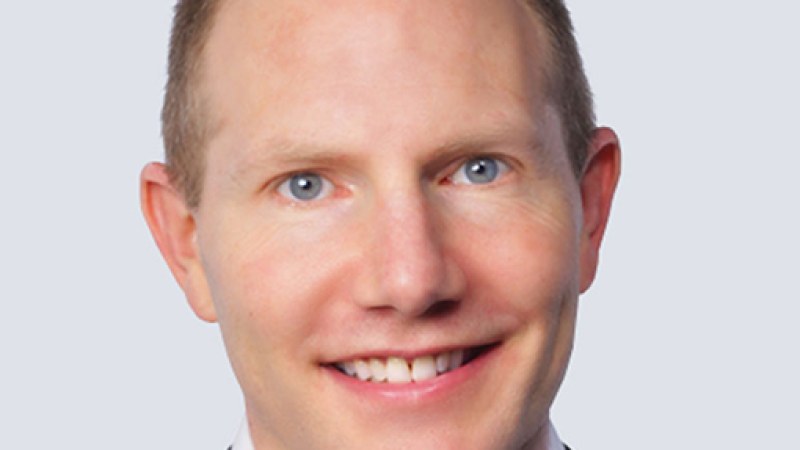
Schuyler Cullen
Schuyler Cullen is the co-founder and CEO of Summer Robotics, a Campbell, California machine-vision company building Kortx, a camera-free perception system that uses lasers and event sensors to give robots animal-like sight at 100Hz, 100-micron precision, and 20ms reaction time. A theoretical physicist by training with a Caltech double major and a Stanford PhD in string theory, Cullen spent two decades turning hard math into shipping technology - co-founding the video-recognition startup Keystream and leading AI and Robotics at Samsung, where he built the autonomous-mobility stack for the company's robots and cars. In 2025 Summer Robotics raised a Series A led by Applied Ventures, the venture arm of Applied Materials.
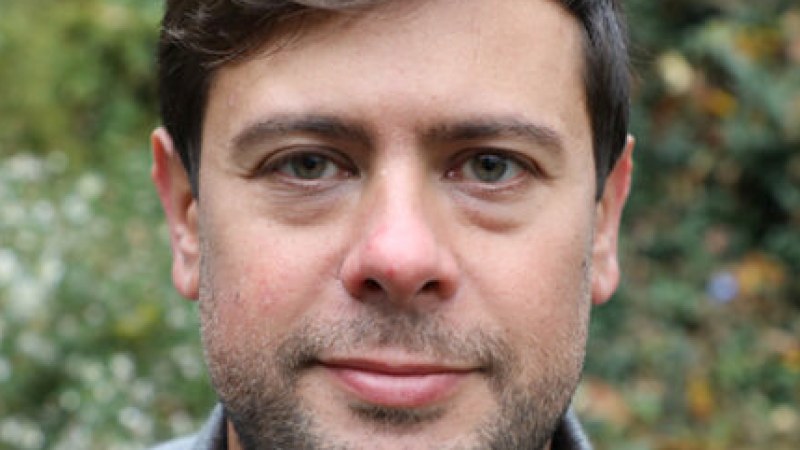
Eliot Horowitz
Eliot Horowitz is the founder and CEO of Viam, a New York robotics-and-automation software platform that lets developers build, deploy, and manage machines in the physical world. He wrote the original core code of MongoDB, which he co-founded in 2007 and steered as CTO for 13 years through a 2017 IPO and a market cap that climbed into the tens of billions. After tinkering with a cat feeder, a chess-playing robot, and a smarter sprinkler during the pandemic, he concluded that robotics hardware had outrun its software, and built Viam to close that gap.
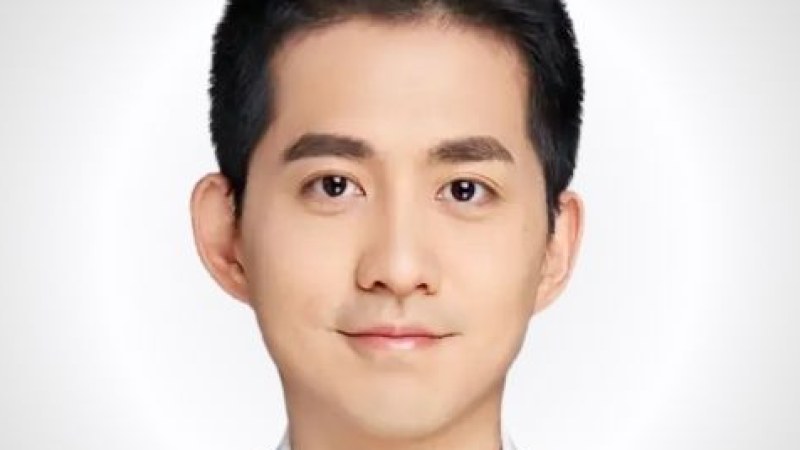
Lindon Gao
Lindon Gao is the co-founder and CEO of Dyna Robotics, a Redwood City-based company building commercially deployed foundation model robots for real-world automation. After immigrating from China at age 11, he attended Stuyvesant High School and NYU Stern before pivoting from Goldman Sachs investment banking to entrepreneurship. He co-founded Caper AI, an AI-powered smart grocery cart company acquired by Instacart for $350 million in 2021. In 2024, he left Instacart to launch Dyna Robotics alongside York Yang and former Google DeepMind scientist Jason Ma. Within a year, Dyna raised $143.5 million in total funding, achieved a $600 million valuation, and deployed robots folding napkins and handling laundry for 16 hours daily at hotels, restaurants, gyms, and laundromats — backed by NVIDIA, Amazon, Salesforce Ventures, and First Round Capital.
Akhil Seth
Akhil Seth is the CEO and founder of Advanced Engineering Services (AES), a San Jose-based engineering design, automation, and product development firm with technical centers across India. A University of Utah-trained mechanical engineer, he has consulted to Apple, NVIDIA, Intel, Dolby, Stryker, Lam Research, Thermo Fisher and others before building AES into a ~70-person multi-discipline shop spanning CAE, embedded systems, robotics and industrial automation.
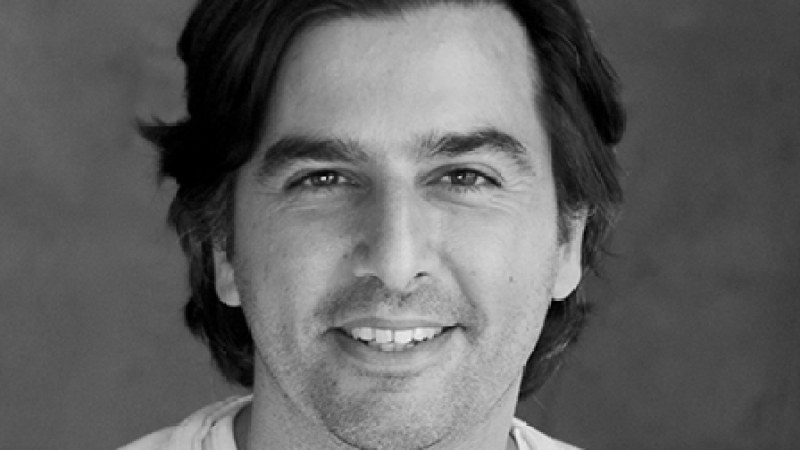
Arshan Poursohi
Arshan Poursohi is the CEO and Co-Founder of Third Wave Automation, a Union City, California-based robotics company building autonomous high-reach forklifts powered by a proprietary Shared Autonomy Platform. Drawing on research stints at Sun Microsystems Laboratories, Google Robotics, and Toyota Research Institute, Poursohi co-founded Third Wave in 2018 with the conviction that warehouse automation should enhance - not replace - human judgment. The company has raised over $82 million from investors including Woven Capital (Toyota's growth fund), Norwest Venture Partners, Innovation Endeavors, Qualcomm Ventures, and Zebra Technologies, and its TWA Reach forklifts now operate commercially in warehouses across the U.S.
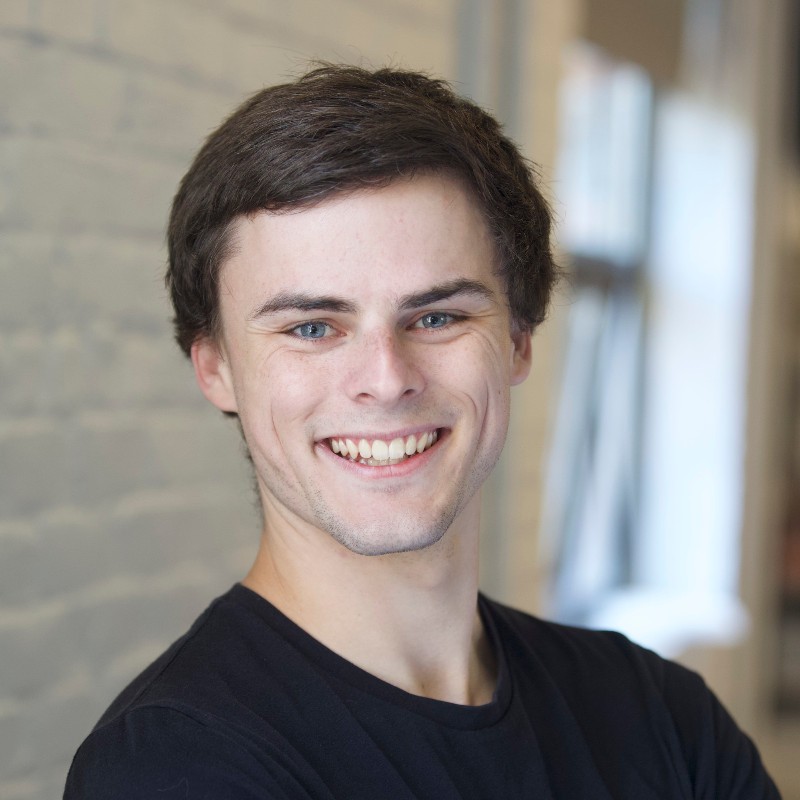
Banks Hunter
Banks Hunter is the co-founder and CEO of Charge Robotics, a Berkeley-based startup building the world's first fully automated solar construction system. An MIT mechanical engineering alumnus and veteran of medical robotics startup Vicarious Surgical, Hunter co-founded Charge Robotics in 2021 with Max Justicz to solve one of clean energy's most stubborn bottlenecks: the physical, labor-intensive grunt work of assembling a utility-scale solar farm. His company's Sunrise system - a portable robotic assembly line shipped directly to job sites - autonomously puts together 800-pound solar bays and deploys them in the field, aiming to make solar installation as repeatable and scalable as factory production. Backed by Founders Fund, Lux Capital, Energy Impact Partners, and Y Combinator, Charge Robotics has raised over $39 million to accelerate the energy transition.
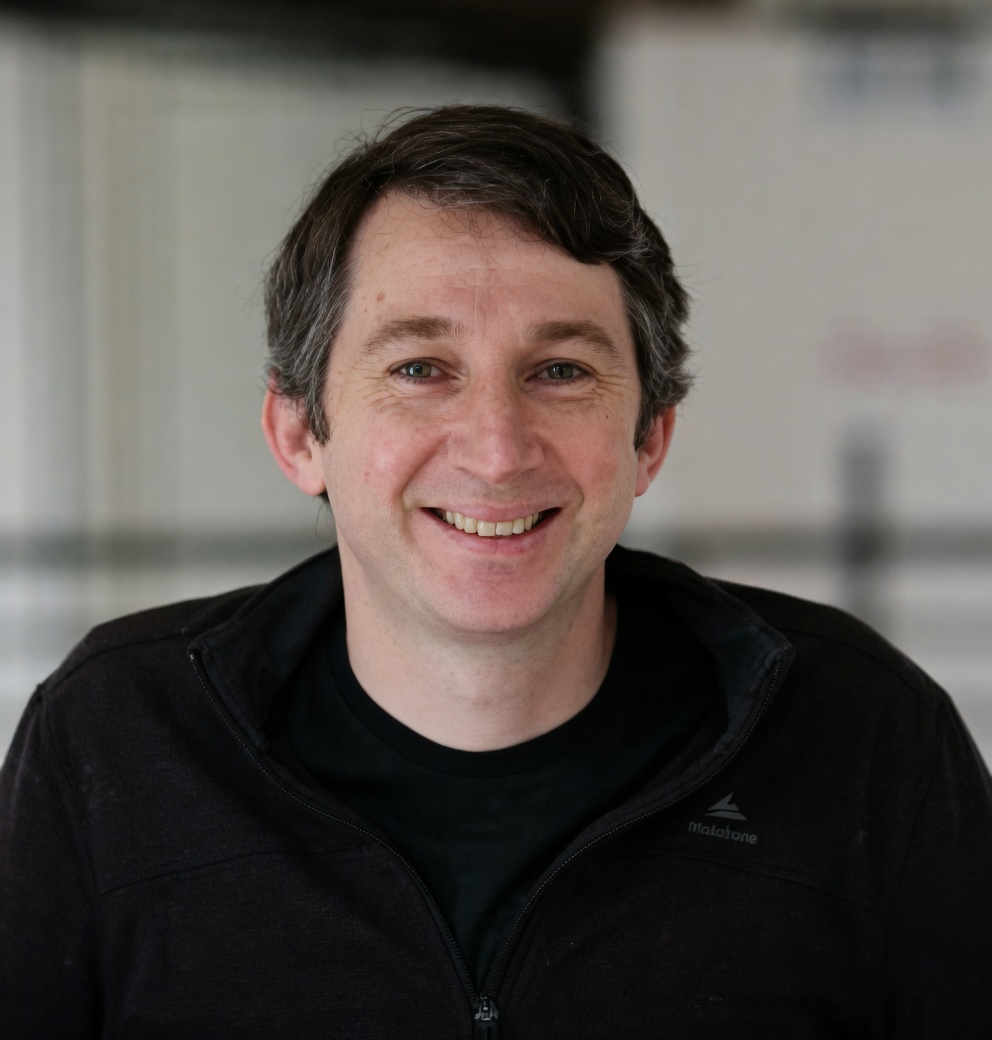
Chris Dyke
Christopher Van Dyke is the Co-Founder and CEO of Overview AI, a San Francisco-based industrial machine vision company using deep learning to catch manufacturing defects before they cost factories millions. A Stanford-educated mechanical engineer who spent eight-plus years at Tesla launching the Supercharger network and scaling the Model 3 battery program, Van Dyke founded Overview in 2018 with a simple premise: manual inspection costs manufacturers an estimated $300 billion a year, and AI can fix that. Overview's smart cameras - running NVIDIA GPUs at the edge - now serve over 100 manufacturers across 15 countries, including Toyota, Honda, and Tyson Foods, typically delivering ROI within three to six months.
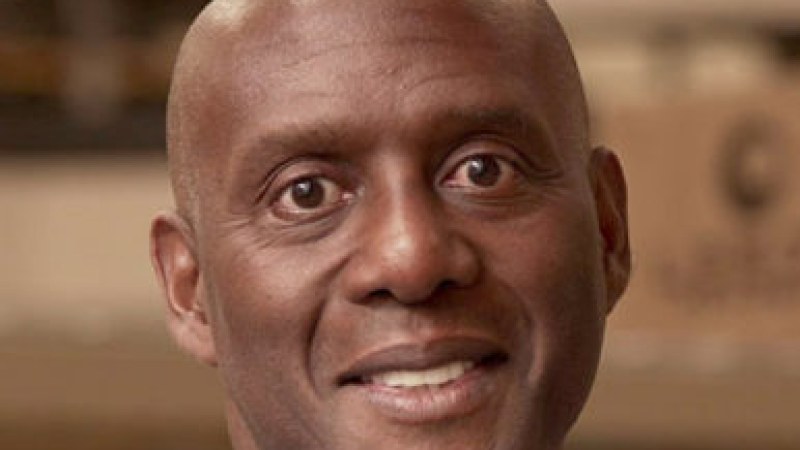
Anthony Jules
Anthony Jules is the Co-founder and CEO of Robust.AI, a San Carlos, California company building AI-powered collaborative robots for warehouse and logistics operations. A 30-year technology veteran originally from Trinidad and Tobago, Jules began coding at age 11, earned degrees in Computer Science from MIT, and helped scale Sapient Corporation from 3 to 4,000 employees. After co-founding Redwood Robotics (acquired by Google), he led robotics product programs at Google X's Everyday Robot project, then co-founded Robust.AI in 2019 alongside robotics legend Rodney Brooks. The company's Carter robot - which uses eight cameras and no lidar - achieved a 60% productivity increase at DHL Supply Chain on day one, and recently partnered with Foxconn for manufacturing scale-up.
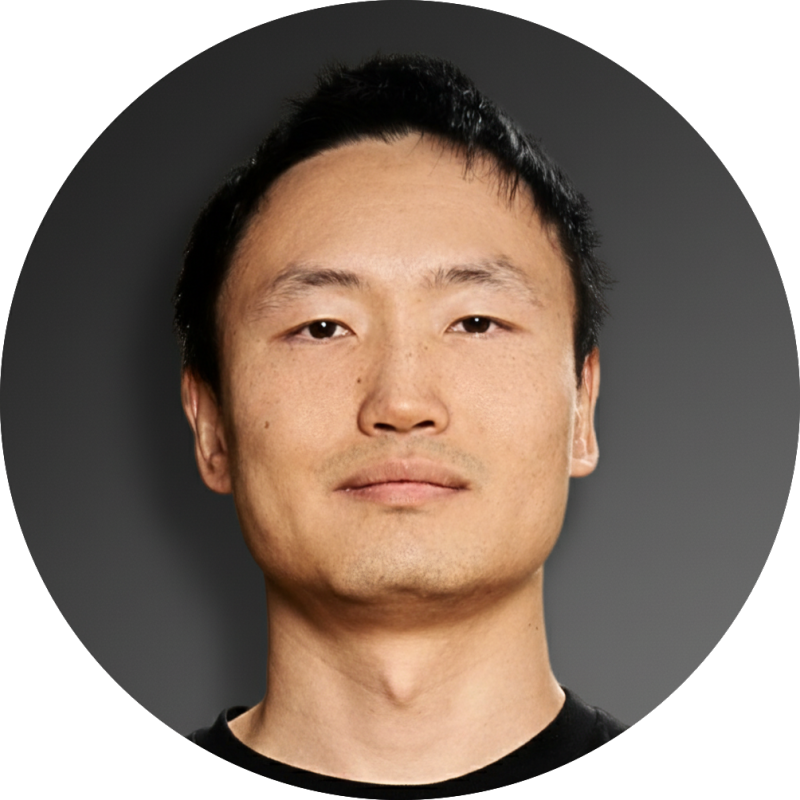
Keven Wang
Keven Wang is the Co-Founder and CEO of UnitX, a Santa Clara-based AI robotics company transforming industrial quality control through machine vision. A Stanford computer science alumnus with roots in SalesforceIQ engineering, Wang founded UnitX in 2018 alongside Adam Yang and Weixiong Zheng. The company has since deployed 820+ AI inspection systems across 135+ factories worldwide - inspecting $6.1B worth of products annually - and raised $92M in total funding. UnitX's flagship platforms (FleX, GenX, OptiX) help automotive, EV battery, and electronics manufacturers cut defect escapes by 9x and reduce scrap rates by up to 50%, with a philosophy Wang distills as: 'automate everything and maximize human intellect.'